
Research article · 2024 · Full text
International Journal of Veterinary Sciences and Animal HusbandryComparative haemato-biochemical, dipstick and bacteriological study of buffalo calves with ruptured or intact urinary bladder due to urinary obstruction
Volume 9(4) · Pages 397–400 · DOI: 10.22271/veterinary.2024.v9.i4g.1580 ↗
Research areasEffects of Environmental Stressors on LivestockAnimal health and immunology
Abstract
Author-writtenThis study presents an analysis of 30 cases of urinary obstruction in buffalo calves presented during the peak winter (December 2022 to February 2023). The study aims to investigate the clinical characteristics, etiological factors, diagnostic procedures, treatment modalities and their out come. Clinical records of the buffalo calves suffering from urinary obstruction were analysed, considering factors such as age, breed, diet, and clinical signs. Diagnostic procedures, including ultrasonography and urine analysis, were used to assess the severity of the condition and identify the integrity of urinary bladder. Treatment approaches, including medical dissolution, surgical intervention, and supportive therapy, were documented and evaluated. The results indicated a higher occurrence during the peak winter. Common clinical signs observed included colic, abdominal distention, constant bellowing and abnormal balancing of body in intact bladder while frog belly appearance in urethral rupture. Urine analysis revealed the presence of crystals and bacteria. The treatment included tube cystostomy with oral administration of ammonium chloride for two weeks. Supportive care included pain management and antimicrobial therapy, to aid in recovery. This study provides valuable insights into the prevalence, clinical presentation, diagnostic approaches, and management of obstructive urolithiasis in buffalo calves.
Summary
Source-checkedPlain-language reading of the full paper, prepared with AI and checked against the text. Each point links to the authors' own words.
Why it matters
- Urinary retention caused by urolithiasis is a significant health problem in buffalo calves that leads to substantial financial losses. View evidence ↗
- Obstructive urolithiasis can lead to a critical complication where the urinary bladder ruptures because it becomes overdistended. View evidence ↗
- The development of urinary calculi is multifactorial, though it is primarily attributed to unbalanced or excessive intake of minerals like magnesium, phosphorus, and calcium. View evidence ↗
The question
- The study aims to investigate the causes, clinical characteristics, diagnostic methods, and treatment outcomes for urinary obstruction in buffalo calves. View evidence ↗
What they did
- The study analyzed 30 buffalo calves with urinary obstruction, all of whom were treated using a surgical tube cystostomy technique. View evidence ↗
- The subjects were divided into two groups: 16 calves with intact urinary bladders and 14 calves with ruptured bladders. View evidence ↗
- Blood samples were collected from the jugular vein for both hematological and serum biochemical analysis. View evidence ↗
- Urine samples were collected during surgery for dipstick testing and bacterial characterization. View evidence ↗
What they found
- The urine of affected calves was alkaline, with a mean pH of 7.72±0.483 and a mean specific gravity of 1.016±0.003. View evidence ↗
- Calves with ruptured bladders had significantly higher hemoglobin (12.98±0.39) compared to those with intact bladders (11.81±.40), indicating hemoconcentration. View evidence ↗
- Affected calves showed significantly elevated urea and creatinine levels, with ruptured bladder cases reaching 157.99±27.28 for urea and 6.92±1.20 for creatinine. View evidence ↗
- Serum phosphorus levels were significantly higher in calves with ruptured bladders (10.17±0.75) than in those with intact bladders (7.89±0.46). View evidence ↗
- Bacterial growth was found in 9 of the 30 urine samples, with E. coli being the most common isolate (4 samples). View evidence ↗
What it means
- The authors recommend providing lukewarm water in winter and using oral ammonium chloride to acidify urine to prevent urinary obstruction. View evidence ↗
- Intravenous fluid therapy is recommended as an essential part of treatment for calves with ruptured bladders to improve recovery. View evidence ↗
- The study is limited by its retrospective design, single-center nature, potential selection bias, and the lack of a control group. View evidence ↗
Visual summary
3 visualsIllustrations explain the paper; charts are replotted from the paper's own table values.
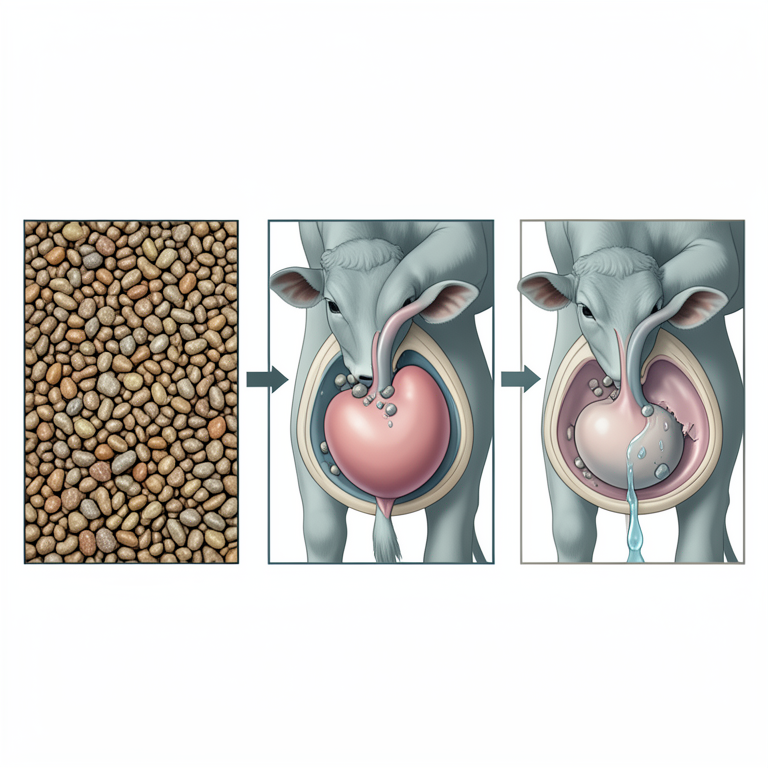
Pathogenesis of Obstructive Urolithiasis
AI-generated conceptual illustration (buffalo calves). It explains the idea and does not show study data.
View source evidence ↗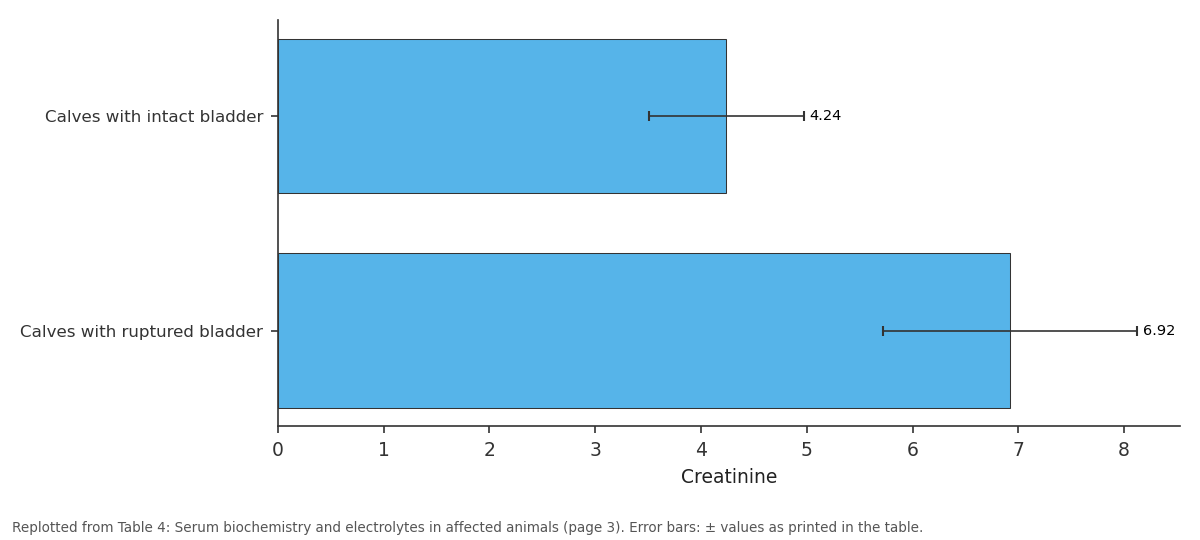
Creatinine: Calves with intact... vs Calves with ruptured...
Replotted from Table 4 (page 3) of the original paper. Every bar is the paper's own table value.
View source evidence ↗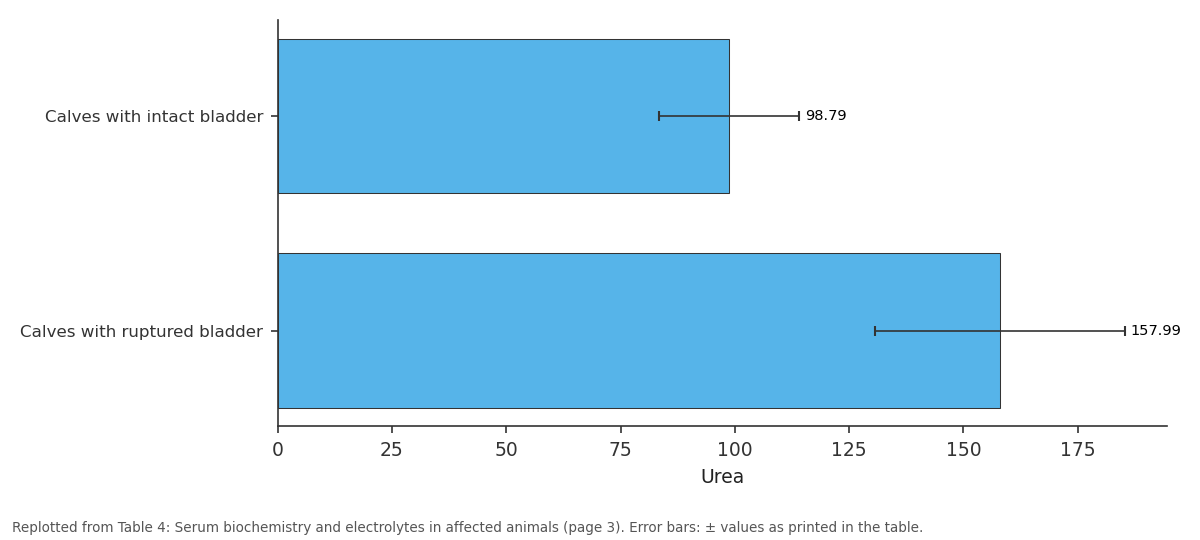
Urea: Calves with intact... vs Calves with ruptured...
Replotted from Table 4 (page 3) of the original paper. Every bar is the paper's own table value.
View source evidence ↗Figures & tables
From the original paper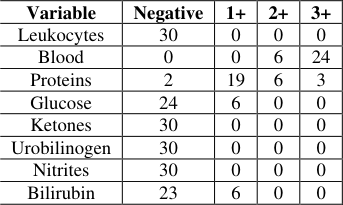 Table 1
 Table 2
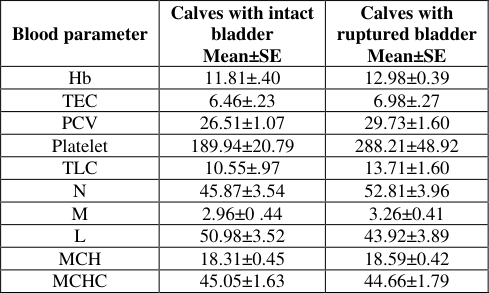 Table 3
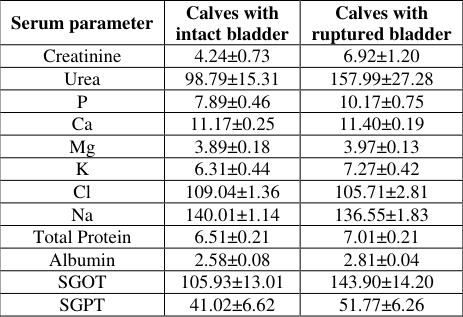 Table 4
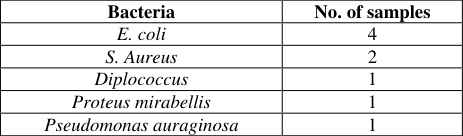 Table 5
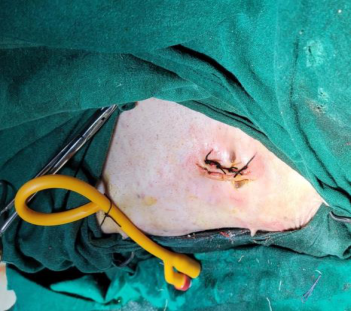 Figure 1
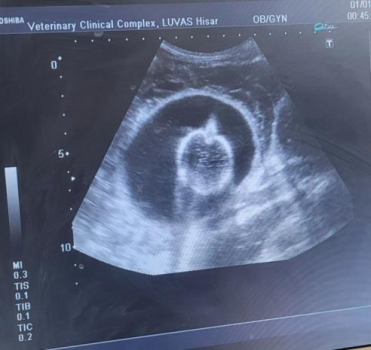 Figure 2
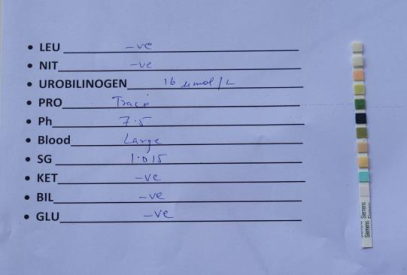 Figure 3
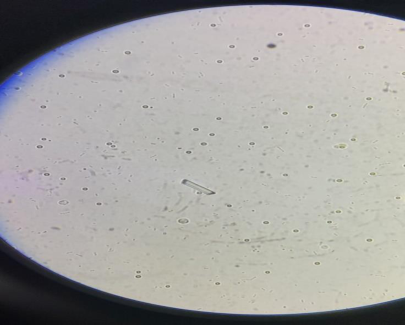 Figure 4
Introduction
Buffalo, a triple purpose animal, provides milk, meat and mechanical power to mankind. Due to its highly nutritious milk, leaner meat and best draught power for wet environments buffalo offers immense potential for the improvement of livelihood (Pasha et al., 2012) [1] . Urinary retention is a major health issue that buffalo calves face. It can result from urolithiasis and cause significant financial losses. (Kumar et al., 2011) [6] Obstruction of the urinary tract by calculi may be either complete or incomplete. Complete obstruction results in several degrees of exaggerated and prolonged urination posture, urine dribbling, and hematuria (Ismail HTH., 2018) [3] . Obstructive urolithiasis has a significant life-threatening consequence. The multifactorial etiology of urinary calculi development involves confluence of physiological, dietary, and aspects related to management. But mostly, excessive or unbalanced mineral intake-especially of calcium, phosphorus, and magnesium-is blamed for it (Radostits et al., 2007) [2] . A critical complication of obstructive urolithiasis is the rupture of the urinary bladder due to overdistention and eventual breach of the urinary bladder wall. Subsequently urine flows into the peritoneal cavity, causing uroperitoneum. In case of urethra rupture, urine will seep into the ventral abdomen's connective tissue and causes a fluid bulge. Toxemia and severe cellulitis would ensue from this (Singh et al., 2014) [4] . Timely diagnosis and intervention are imperative to minimize the risk of bladder rupture and its ensuing sequelae. This complication not only intensifies the suffering experienced by buffalo calves but also heightens the risk of secondary infections and systemic sequelae. The prognosis for affected buffalo calves is greatly worsened by these consequences, increasing rates of morbidity and death. Clinical, laboratory, ultrasonographic, and history data are used to make the diagnosis of obstructive urolithiasis.
A wide range of techniques are used in veterinary interventions, such as tube cystostomy, surgical repair of the ruptured bladder, timely release of urinary blockage, and the proper use of antimicrobial therapy to prevent secondary bacterial infections. With an emphasis on developing more appropriate preventive and treatment strategies specifically for buffalo calves, this research paper aims to provide a thorough investigation of obstructive urolithiasis in buffalo calves. This includes a discussion of the disease's clinical manifestations in connection to laboratory results and the treatment regimen followed.
Materials and Methods
The study included 30 cases of buffalo calves suffering from urinary obstruction and managed surgically using the tube cystostomy technique. Cases were selected based on the availability of complete medical records and follow-up data. History and signalment of each calf was recorded. Calves presented for treatment were first assessed clinically and vital parameters were recorded. Ultrasonography was done to confirm the integrity of urinary bladder. For study purpose the buffalo calves were divided into two groups i.e. with the intact urinary bladder (n=16) and with the ruptured bladder (n=14). Blood samples from each calves were collected aseptically from the jugular vein and dispensed in the EDTA vials for haematology and in the clot activator vials for serum biochemistry using MS4 ® haematology analyser,* and Erba-200 ®* automatic chemistry analyser with help of Transasia ®* commercially available kits, respectively. Tube cystostomy was performed in all the buffalo calves (Figure 1) by creating a small abdominal incision and inserting a Foley's catheter (# 18) into the urinary bladder. Urine samples were collected from each buffalo calf during surgical intervention using a sterile 10 ml syringe for dipstick test (figure 3), and bacterial isolation and characterization. All the calves were given inj. Enrofloxacin @ 5mg/kg b.wt. intramuscularly twice a day for 5 days; inj. meloxicam @0.5mg/kg b. Wt. intramuscularly twice a day for 3 days and ammonium chloride p.o. @0.5gm/kg b. Wt. for two weeks while calves with ruptured urinary bladder were also administered two litres of normal saline intravenously daily for two days. Urine dipstick tests performed (siemens multistix ®* 10 SG) immediately after the collection. A part of the sample was further processed for the microscopic examination by centrifugation at 5000 rpm for 3 minutes. The supernatant was carefully decanted and the sediment was then resuspended in a small volume of the remaining supernatant; and transferred onto a glass slide. The presence of bacteria, crystals, red blood cells, white blood cells, pus cells and other relevant microscopic findings were recorded (Figure 4). The rest of sample was further subjected to bacteriological culture by streaking on mackonkey's lactose agar and blood agar followed by incubation at 37 °C for 24 hrs, and observed for microbial growths if any, were recorded. Out of 30 samples, only 9 had the bacterial growth on the inoculated plate. The collected serum samples were thawed to room temperature and the concentration of different biochemical parameters was analysed. The data were recorded analysed statistically with suitable methods. Descriptive statistics were used to summarize the data. Continuous variables were presented as mean±standard deviation or median (interquartile range), while categorical variables were expressed as frequencies and percentages. Limitations of this study include its retrospective design, potential selection bias, the single-centre nature, and the absence of a control group. These factors may affect the generalization of the findings. All relevant data and surgical protocols used in this study are available upon request to facilitate reproducibility and further research in this field.
Results and Discussion
All the buffalo calves reported for urinary obstruction were male, aged two to six months (Mean age 4.25 months). All the cases were reported in winter season (December to February, 2022), when the minimum environmental temperature was between 2 °C to 8 °C. The water intake had significantly reduced in all these calves as per farmer observations (Mangotra et al., 2016) [8] . The growing buffalo calves of this age have lesser urethra diameter which increases by shedding off epithelium of luminal lining. The desquamated cellular sediments need flushing with adequate force and quantity of urine for clearance from the tract. However, less intake of water in winter resulted in reduced quantity of concentrated urine having less capacity to carry extra sediments. The ten buffalo calves with history of complete urinary obstruction for more than four days had ruptured urinary bladder while another four having ruptured bladder had history of only 2-3 days. However, sixteen buffalo calves with intact urinary bladder had history of complete urinary obstruction for 2-3 days. 60 hrs to 72 hrs is expected to be crucial period for the rupture of urinary bladder in cases of complete obstruction as five of sixteen buffalo calves had sub-serosal rupture with seepage of urine in peritoneal cavity. The dipstick test of urine revealed presence of red blood cells and proteins in the urine of most of the buffalo calves (Table 1). The mean pH of collected urine was 7.72±0.483 (6.5 to 8.5), however, the mean urine specific gravity had increased to 1.016 0.003 (Table 2). These all indicate that the urine of buffalo calves after urinary obstruction or urinary bladder rupture becomes alkaline unlike small monogastric animals where it is usually acidic when there is urinary obstruction. The haematology of the affected buffalo calves did not reveal any significant difference except that the haemoglobin concentration of calves with ruptured urinary bladders were significantly higher than those with intact urinary bladder due to less or no intake of water from longer period resulting in more heamoconcentration (Table 3). The evaluation of serum biochemistry revealed a significantly high concentration of urea and creatinine in affected b. calves than normal b calves (Table 4). Urinary obstruction inhibits the outside excretion of urea and creatinine from the body of animals and even if it is released in peritoneal cavity from ruptured urinary bladder, it is reabsorbed in the blood causing an elevated level of urea and creatinine in blood serum. Similar results were recorded by (Sharma et al., 2005) [9] The potassium level of affected buffalo calves with either intact or ruptured urinary bladder were also very high in comparison to the normal animals which is very dangerous for cardiovascular system. The mean of serum phosphorus level in animals with ruptured urinary bladder were significantly high in comparison to affected b calves with intact urinary bladder (Radostits et al., 2007) [2] . The urinary obstruction causes pooling of urine in the lower urinary tract which leads to pooling in ureter and renal medulla causing hydronephrosis and the capacity of nephron in kidney to selectively filter the electrolytes in urine is reduced.
| Serum parameter | Calves with intact bladder | Calves with ruptured bladder |
|---|---|---|
| Creatinine | 4.24±0.73 | 6.92±1.20 |
| Urea | 98.79±15.31 | 157.99±27.28 |
| P | 7.89±0.46 | 10.17±0.75 |
| Ca | 11.17±0.25 | 11.40±0.19 |
| Mg | 3.89±0.18 | 3.97±0.13 |
| K | 6.31±0.44 | 7.27±0.42 |
| Cl | 109.04±1.36 | 105.71±2.81 |
| Na | 140.01±1.14 | 136.55±1.83 |
| Total Protein | 6.51±0.21 | 7.01±0.21 |
| Albumin | 2.58±0.08 | 2.81±0.04 |
| SGOT | 105.93±13.01 | 143.90±14.20 |
| SGPT | 41.02±6.62 | 51.77±6.26 |
Table text extracted from the original PDF; superscript letters are shown inline. The original table image is below.
View original table image
| — | — | — | — | — | — | Mean±SE |
|---|---|---|---|---|---|---|
| pH | 6.5 | 7 | 7.5 | 8 | 8.5 | 7.72±0.483 |
| No. of buffalo calves | 4 | 0 | 11 | 9 | 6 | 30 |
| Specific gravity | 1.000 | 1.005 | 1.010 | 1.015 | >1.015 | 1.016±0.003 |
| No. of buffalo calves | 0 | 0 | 6 | 16 | 8 | 30 |
Table text extracted from the original PDF; superscript letters are shown inline. The original table image is below.
View original table image
| Variable | Negative | 1+ | 2+ | 3+ |
|---|---|---|---|---|
| Leukocytes | 30 | 0 | 0 | 0 |
| Blood | 0 | 0 | 6 | 24 |
| Proteins | 2 | 19 | 6 | 3 |
| Glucose | 24 | 6 | 0 | 0 |
| Ketones | 30 | 0 | 0 | 0 |
| Urobilinogen | 30 | 0 | 0 | 0 |
| Nitrites | 30 | 0 | 0 | 0 |
| Bilirubin | 23 | 6 | 0 | 0 |
Table text extracted from the original PDF; superscript letters are shown inline. The original table image is below.
View original table image
The concentration of sodium, chloride, magnesium, calcium is within normal limits in the affected animal serum. The liver enzymes, total protein and albumin were within normal range but the concentration of albumin in b calves with ruptured urinary bladder was significantly higher in comparison to affected b claves with intact urinary bladder. This was due to haemoconcentration as the total protein but that was statistically not significant. The variation in serum biochemistry of affected animals were mainly due to haemoconcentarion, reabsorption of excreted materials from the urine and reduced capacities of kidneys due to hydronephrosis in selective filtration of electrolytes. So the animals with prolonged urinary obstruction and ruptured urinary bladder should be hydrated sufficiently to treat haemoconcentration, wash out urea, creatinine and other electrolytes to maintain homeostasis and electroneutrality.
Out of thirty urine samples, bacterial growth was evident only in nine cases (Table 5). The growths were subjected to identification by colony morphology and gram staining along with cultural charecteristics. The identified bacteria were Staph. Aureus, E coli, Pseudomonas auriginosa, Diplococcus, Proteus mirabellis.
| Bacteria | No. of samples |
|---|---|
| E. coli | 4 |
| S. Aureus | 2 |
| Diplococcus | 1 |
| Proteus mirabellis | 1 |
| Pseudomonas auraginosa | 1 |
Table text extracted from the original PDF; superscript letters are shown inline. The original table image is below.
View original table image
All the animals were subjected to the treatment as discussed above recovered uneventfully except there was infection in the tract of catheter in three animals which responded well to flushing with normal saline and lavage with povidone. The catheters were removed after 7 to 16 days of surgery once the patency of natural urethra of the buffalo calves were confirmed for 24 hours after blocking the catheter. No stone was recovers from urethra in any case. These all suggest that the less intake of water due to cold (environment as well as water temperature) results in less urine production leading to stagnation of cellular sludge in growing urethra lumen (mainly b calves of 2-8 months of age are affected) and alkalization of urine favours commensal bacteria to proliferate, cause urethritis and obstruction of urethra. Delay in treatment leads to rupture of urinary bladder after exceeding its distending limit. So, any effort to increase the water consumption by providing lukewarm water for drinking to buffalo calves in winter and acidification of urine by oral intake of ammonium chloride (to check bacterial growth) will prevent incidence of urinary obstruction in buffalo calves.
Tube cystostomy helps the kidneys to clear off the body from urea, creatinine and excess electrolytes by providing a bypass (on s.o.s basis) until the urinary passage inflammation subsides. There is no much difference in the haematological and blood biochemical profile of buffalo calves with ruptured and intact urinary bladder except that there is more haemoconcentration in b calves with ruptured urinary bladder. Provision of intravenous fluid therapy in buffalo calves with ruptured urinary bladder should be an integral part of the therapy for better outcome and early recovery.
Conclusion
The study highlights that urinary obstruction in buffalo calves predominantly occurs in males aged 2-6 months during winter, when reduced water intake exacerbates the problem. The resultant concentrated urine leads to increased risk of urinary obstruction and bladder rupture. Key clinical findings include alkaline urine with elevated urea, creatinine, and potassium levels, alongside normal sodium, chloride, magnesium, and calcium. Effective management involves enhancing water consumption, using lukewarm water, and employing ammonium chloride to acidify urine, which prevents bacterial growth and obstruction. Tube cystostomy is crucial for bypassing obstructed urethras and aiding kidney function. Early intervention and adequate hydration are essential for preventing severe outcomes and ensuring recovery.
Figures and tables from the paper
References
9 in the original paper- Pasha T, Hayat Z. Present situation and future perspective of buffalo production in Asia. J Anim Plant Sci. 2012;22:250-256.
- Radostits OM, Gay CC, Hinchcliff KW, Constable PD, editors. Veterinary medicine: a textbook of the diseases of cattle, sheep, goats, and horses. 10th ed. Philadelphia, PA: Saunders; 2007. p. 565-570.
- Ismail HTH. Hemato-biochemical parameters as comparative tools and prognostic indicators in urine retention cases with intact or ruptured urinary bladder in buffalo calves. Adv Anim Vet Sci. 2018;6(4):148-155.
- Singh AK, Gangwar AK, Devi KS, Singh H. Incidence and management of obstructive urolithiasis in buffalo calves and goats. Adv Anim Vet Sci. 2014;2(9):503-507.
- Bayoumi YH, Attia NE. Comparative study of obstructive urolithiasis and its sequelae in buffalo calves. Vet World. 2017;10(2):156-162.
- Kumar SRV, Veena P, Sankar P, Lakshm DN, Kokila S. Urolithiasis in a buffalo calf -a case report. Buffalo Bull. 2011;30:222-225.
- Sharma PD, Singh K, Singh J, Kumar A. Bacteriological, biochemical and histopathological studies in uroperitoneum in buffalo calves (Bubalus bubalis). Indian J Anim Sci. 2006;76:124-126.
- Mangotra V, Singh K, Chaudhary RN, Kumar A, Tayal R. Management of obstructive urolithiasis by tube cystostomy technique in male buffalo calves. Indian J Anim Sci. 2016;86(3):260-263.
- Sharma AK, Mogha IV, Singh GR, Amarpal, Aithal HP. Clinico-physiological and haematobiochemical changes in urolithiasis and its management in bovine. Indian J Anim Sci. 2005;75:1131-1134.