
Research article · 2024 · Full text
International Journal of Geography Geology and EnvironmentBalancing conservation and tourism: A comprehensive study on responsible tourism practices in Kaziranga, with a focus on food tourism
Volume 6(1) · Pages 279–289 · DOI: 10.22271/27067483.2024.v6.i1d.234 ↗
Research areasDiverse Aspects of Tourism ResearchGlobal Maritime and Colonial HistoriesTourism, Volunteerism, and Development
Abstract
Author-writtenKaziranga National Park, a UNESCO (United Nations Educational, Scientific and Cultural Organization) World Heritage Site, stands as a testament to the delicate equilibrium between conservation and tourism. This comprehensive study aims to unravel the intricacies of this relationship, emphasizing responsible tourism practices, and integrating food tourism into the sustainable development framework. The primary objectives of this research are threefold.Firstly, the study tries to investigate the ongoing conservation projects initiated by both government and local authorities in Kaziranga National Park. Through a meticulous analysis of these initiatives, the research aims to gauge their success rates and understand the impact they have on the preservation of the park's unique biodiversity. By observing the success of these projects, the study aims to provide deep look into the conservation aspects and search for areas of improvement.Secondly, the research aims to explore the prospective for sustainable development through a holistic approach that combines biodiversity conservation, responsible tourism, and culinary exploration. Through an examination of collaborative efforts between various stakeholders, including local authorities, communities, and tourists, the study aims to propose a model that fosters sustainable development.Lastly, the study aims to scrutinize the various tourism activities taking place within Kaziranga National Park. It assesses whether the guidelines for responsible tourism are being adhered to and evaluates their impacts on the environment and local communities. Special attention is provided to food tourism, emphasizing the exploration of local culinary traditions and products. By analyzing the current state of tourism practices, the study seeks to provide recommendations for enhancing responsible tourism in Kaziranga.In conclusion, this study endeavors to contribute to the ongoing discourse on sustainable development in conservation areas, specifically in the context of Kaziranga National Park. By addressing the multifaceted aspects of conservation and tourism, with a focus on responsible practices and food tourism, the research aims to provide actionable insights for fostering a harmonious coexistence between human activities and the protection of biodiversity in Kaziranga.
Summary
Source-checkedPlain-language reading of the full paper, prepared with AI and checked against the text. Each point links to the authors' own words.
Why it matters
- Kaziranga National Park is a UNESCO World Heritage Site renowned for its population of Indian one-horned rhinoceroses. View evidence ↗
- There is a complex dynamic between the need to preserve biodiversity and the increasing demands of the tourism industry in the park. View evidence ↗
- Food tourism is highlighted as a way to provide unique experiences for tourists while supporting local economic growth and cultural preservation. View evidence ↗
The question
- The study aims to investigate the conservation projects initiated by government and local authorities in Kaziranga National Park. View evidence ↗
- The research seeks to evaluate tourism activities in the park to see if responsible tourism guidelines are followed and how they impact the environment and local people. View evidence ↗
What they did
- The researchers used a mixed-methods approach, combining qualitative and quantitative data to understand the park's dynamics. View evidence ↗
- Data collection involved structured surveys for tourists and residents, and semi-structured interviews with government officials and tourism industry representatives. View evidence ↗
- A stratified random sampling technique was used to ensure representation from government officials, local communities, and tourists. View evidence ↗
What they found
- The Indian Rhino Vision 2020 initiative is believed to have met its goal of reaching a population of 3,000 rhinos in Assam. View evidence ↗
- The one-horned rhinoceros population in the reserve increased by 8.29% (approximately 200 animals), rising from 2,413 in 2018 to 2,613 in 2022. View evidence ↗
- Anti-poaching initiatives achieved a milestone in 2022, recording zero poaching incidents. View evidence ↗
- Revenue generation in the park saw a significant increase of 78.57% between 2020 and 2023. View evidence ↗
- The lowest revenue was recorded in 2021 at 36 million USD, primarily due to COVID-19 travel restrictions and safety concerns. View evidence ↗
- Water quality was found to be moderate, with Biochemical Oxygen Demand (BOD) levels ranging from 2mg/L to 5mg/L. View evidence ↗
- Water samples showed pH values between 4.5 and 6, which is slightly acidic but remains within the tolerable range for most aquatic life. View evidence ↗
What it means
- The authors conclude that conservation projects led by state, central, and local authorities have produced successful results. View evidence ↗
- The authors state that combining conservation with responsible tourism provides a promising path for the sustainable development of the park. View evidence ↗
- The study's limitations include potential bias in self-reported data, difficulty accessing some target groups, and the fact that tourism and conservation activities change over time. View evidence ↗
Visual summary
2 visualsIllustrations explain the paper; charts are replotted from the paper's own table values.
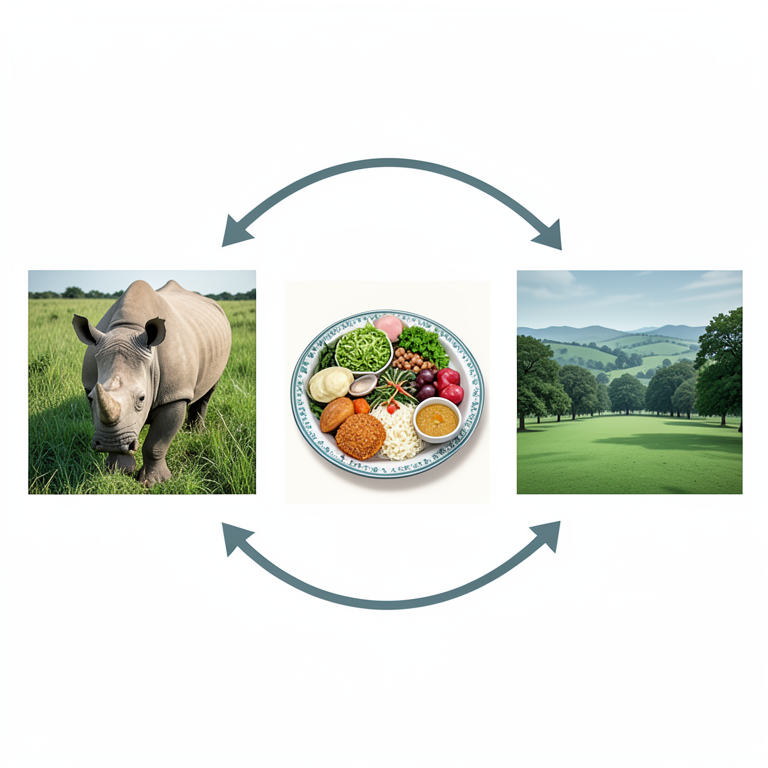
Sustainable Tourism Model
AI-generated conceptual illustration (Kaziranga National Park landscape with one-horned rhinoceroses and local traditional food dishes). It explains the idea and does not show study data.
View source evidence ↗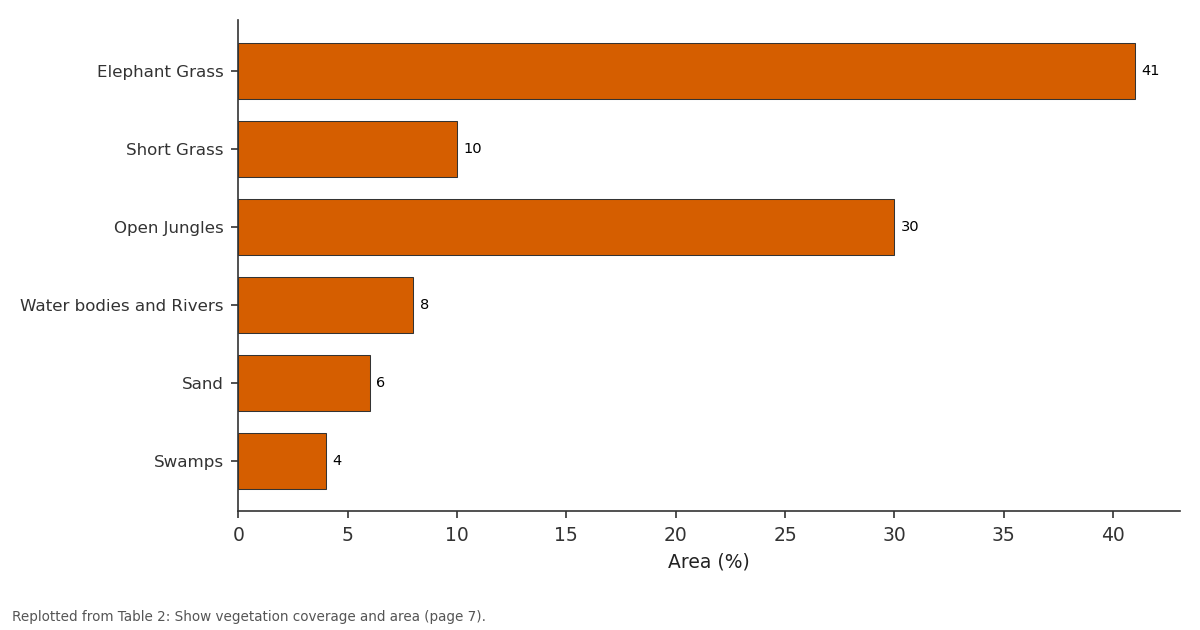
Area: Elephant Grass vs Short Grass vs Open Jungles vs Water bodies and Rivers vs Sand
Replotted from Table 2 (page 7) of the original paper. Every bar is the paper's own table value.
View source evidence ↗Figures & tables
From the original paper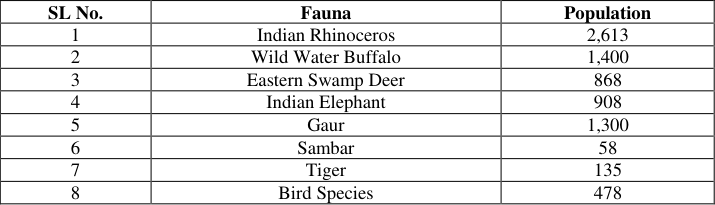 Table 1
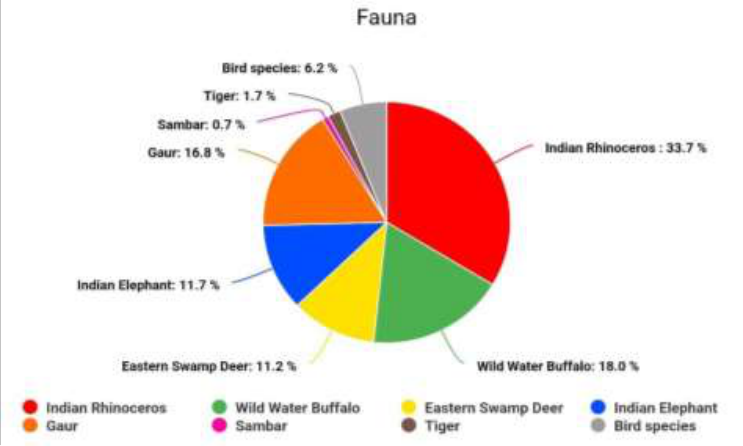 Figure 1
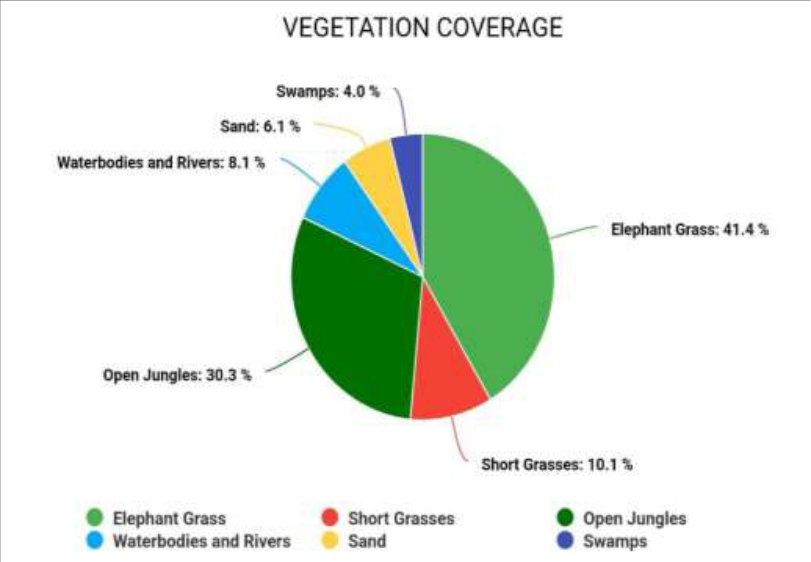 Figure 2
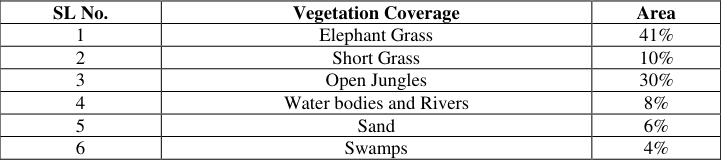 Table 2
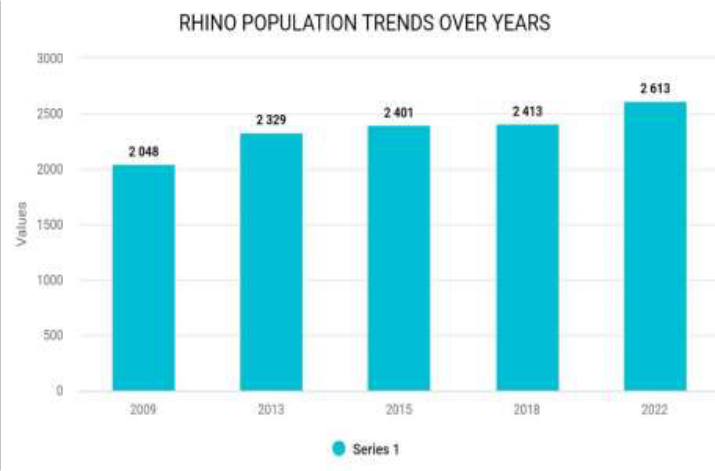 Figure 3
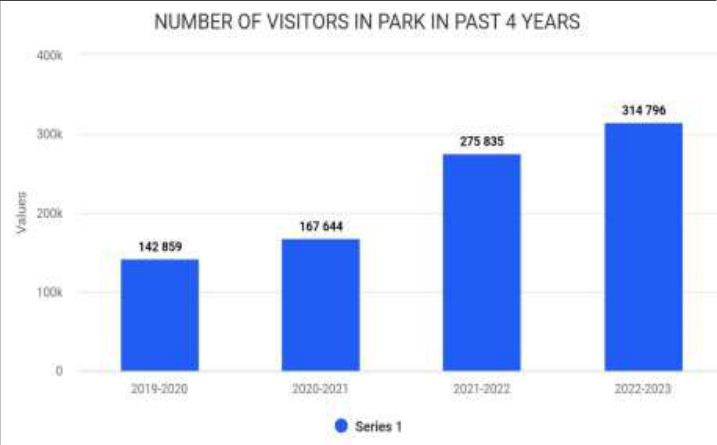 Figure 4
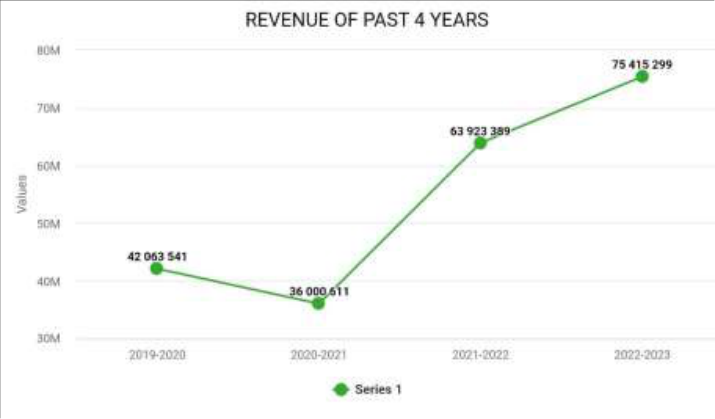 Figure 5
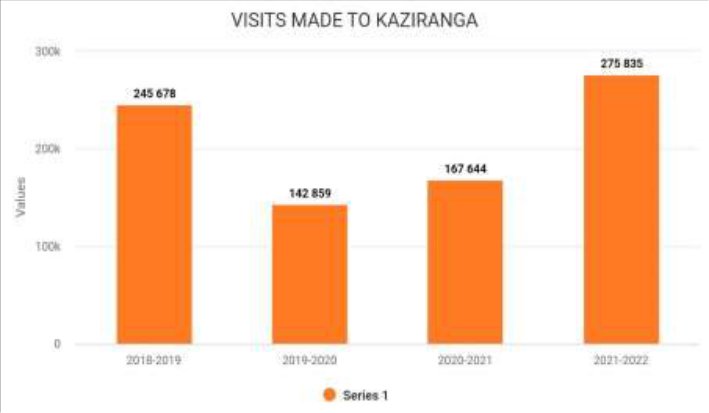 Figure 6
Introduction
In the heart of Assam, India lies the magnificent Kaziranga National Park, a heaven for biodiversity and a testament to conservation efforts. This study indulges into ongoing conservation projects in Kaziranga and explore the exciting tourism and recreational activities that visitors can engage in while respecting the delicate ecosystem. Kaziranga, a UNESCO (United Nations Educational, Scientific and Cultural Organization) World Heritage Site is famous for its population of Indian one horned Rhinoceros. Conservation efforts aim to preserve the rich biodiversity focusing on habitat protection, anti-poaching measures and community engagement. Beyond conservation, Kaziranga also provides a variety of tourism opportunities. Visitors can engage in thrilling safaris, bird watching, photography off natural landscape allowing them to appreciate park`s natural beauty. The project sheds light on these activities, emphasizing importance of responsible tourism that align with conservation goals. As we unravel the balance between conservation efforts and tourism activities in Kaziranga, this research aims to foster awareness and encourage a harmonious coexistence between nature and humans in this sanctuary.
Background and Significance of the study Kaziranga National Park, located in the northeastern region of India, is a globally recognized biodiversity hotspot and home to the endangered one-horned Indian rhinoceros. As a UNESCO World Heritage Site, the park attracts a significant influx of tourists, presenting a complex dynamic between conservation efforts and the tourism industry. The delicate balance between preserving the rich biodiversity and catering to the growing demands of tourism necessitates a comprehensive study to understand the nuanced interplay of these factors. The background of this study is rooted in the escalating global concerns surrounding biodiversity loss, habitat degradation, and the need for sustainable development. Kaziranga, with its unique ecosystems and diverse wildlife, epitomizes the challenges faced by conservationists and local authorities in maintaining ecological integrity while promoting responsible tourism. The importance of this study lies in its potential to shed light on effective strategies for harmonizing conservation and tourism. Ongoing conservation projects by both government and local authorities are crucial components of this delicate equilibrium. Understanding their successes, challenges, and impact is paramount for refining and adapting future initiatives. Moreover, the study acknowledges the transformative potential of responsible tourism, emphasizing the need to explore and encourage sustainable practices among tourists. The focus on food tourism within the broader perspective of responsible tourism adds a novel dimension to this research. Culinary exploration not only offers a unique tourist experience but also generates opportunities for local economic development and cultural preservation. As food tourism gains momentum worldwide, integrating this aspect into the study aligns with contemporary trends and underscores its relevance in the broader discourse of sustainable tourism. By delving into the background and significance of the study, this research aims to contribute valuable perceptions that can inform policies, guide conservation efforts, and foster responsible tourism practices in Kaziranga National Park. The findings have the potential to influence not only local strategies but also contribute to the global dialogue on striking a balance between biodiversity conservation and the burgeoning tourism industry.
Objectives
Objectives
To find out about ongoing conservation projects by government and local authorities in Kaziranga National Park, to analyse their success rate, To find sustainable development through biodiversity conservation, responsible tourism, and culinary exploration in Kaziranga National Park.
To find out about the various tourism activities which can be done in Kaziranga National Park, whether the guidelines for responsible tourism are followed or not and their impacts.
Research
Research
Literature Review
Heinen and Shrivastava (2009) [1] conducted and detailed investigation into complex nature of developmental and conservation projects around Kaziranga National Park (KNP). Their studies indulge into conservation awareness among population highlighting importance of sustainable development.
Demographic and Socioeconomic Impacts:
The authors crafted a detailed survey of 590 households over 37 villages. Their findings unveil in attitude based on ethnoreligious groups, their awareness, education, socioeconomic status and immigration history. The results of these studies showed some variations. Heinen and Shrivastava but throw light in negative attitudes as well, especially wildlife induced crop losses. The study emphasizes need for economic interventions tailored to specific communities, recognizing challenges of conservation in region [2] .
Microsite Planning Approach:
The research also advocates for microsite planning approach. The research encourages localized developmental schemes and participatory resource management at village level. It recognizes complexities arising from high ethnic diversity, dense populations and interactions with land dependent large mammals, ensuring need for conservation and development efforts.
Factors Influencing Conservation Attitudes:
The study identifies various factors influencing conservation attitudes including ethnoreligious groups, awareness, education, occupation and income. It emphasises the correlation between education and conservation attitudes, which shows the role of education in fostering support for conservation.
Challenges and Recommendations:
Acknowledging economic hardships resulting from conservation measures end intricate social demographic landscape of Assam.
Heinen and Shrivastava recommend highly localized developmental schemes, enhanced educational efforts and economic incentives for conservation and developmental goals simultaneously [3] .
Conclusion:
The study by The primary purpose of this research analysis is to conduct a comprehensive study on the interplay between conservation efforts and tourism practices in Kaziranga National Park. Specifically, the study aims to understand responsible tourism practices with a particular focus on food tourism. The research purpose is to investigate, analyze, and provide insights into the dynamic relationship between conservation initiatives, tourism activities, and culinary exploration in Kaziranga [4] .
Research Approach
A mixed-methods approach, combines qualitative and quantitative methodologies to ensure a holistic comprehension of the complex dynamics. Qualitative methods, such as interviews and observations, will be employed to gather in-depth insights into the perspectives of local authorities, communities, and tourists. Quantitative methods, including surveys and statistical analysis, will be used to quantify patterns and trends related to tourism activities and conservation outcomes.
Sampling Strategy Target Population
The target population comprises local authorities, community members, tourists, and stakeholders involved in conservation and tourism activities in Kaziranga National Park. The diverse groups will provide a comprehensive perspective on the subject matter.
Sampling Techniques
A stratified random sampling technique will be employed to ensure representation from each identified stratum, such as government officials, local communities, and tourists. This approach allows for a more nuanced understanding of the various perspectives and experiences within the target population.
Sample Size Determination
The sample size will be determined using a confidence interval and margin of error suitable for the study's objectives. The goal is to achieve a statistically significant sample that accurately represents the diversity within the target population.
Data Collection Methods
Qualitative Data Collection: Qualitative data will be collected through semi-structured interviews with key agencies, including government officials, community leaders, and representatives from the tourism industry. Observations of tourism activities and conservation efforts will also contribute to the qualitative dataset.
Quantitative Data Collection: Quantitative data will be collected through structured surveys distributed to tourists, local residents, and other relevant stakeholders. The surveys will include closed-ended questions to gather numerical data on preferences, behaviors, and perceptions related to tourism and conservation.
Data Analysis Qualitative Data Analysis
Qualitative data will undergo thematic analysis, identifying recurring themes and patterns within the narratives obtained from interviews and observations.
Quantitative Data Analysis
Quantitative data will be analyzed using statistical methods, including descriptive statistics and inferential analyses, to identify trends, correlations, and patterns related to tourism activities, conservation success rates, and other relevant factors [5] .
Ethical Considerations
Ethical considerations include obtaining informed consent from participants, ensuring confidentiality, and respecting cultural sensitivities.
Limitations
Limitations of the study include potential bias in selfreported data, constraints in accessing certain groups within the target population, and the dynamic nature of tourism and conservation activities, which may change over time.
Findings and Discussion
Findings and Discussion
Conservation projects in Kazirnga national park Initiatives taken by government Indian Rhino Vision 2020
The initiative was launched in year 2005. The initiative later ended in 2021. The objective world of Indian Rhino vision 2020 was to attain a population of 3000 rhinos in Assam. Distributed over seven of its protected areas by year 2020. The IRV 2020 is believed to have reached its goal of achieving a population of 3000 rhinos in Assam. However, the project was not much successful in spreading rhino population beyond Pobitora Wildlife Sanctuary, Orang and Kaziranga National Park [6] .
Project Elephant
Kaziranga National Park also receives funds under Project Elephant from the central government. The park is home to Indian elephant which is a subspecies of Asian elephant.
The project was set up in year 1992 by Government of India with the primary goal being ensuring long term survival and conservation of Asian elephant. The other key objectives include:
Habitat Conservation: Protection and conservation of natural habitat to ensure sustainable ecosystem.
Protection from Poaching and Illegal trade:
Strengthening law enforcement to curb illegal hunting and trading of their body parts.
Research and Monitoring: Understanding elephant behaviour, migration patterns and health using scientific research. Elephant population is also monitored.
Community Participation: Involving local community in conservation efforts by fostering cooperation, awareness and education.
Funding:
The park receives funds from state government for rhino conservation in Assam under RC scheme majority of the funding is used for paying wages and salaries of the staff and the little amount is only left for the progress of the park. The park still faces a shortage of funds. The park received an amount of ₹ 88,33,000 in 1997 and 1998 under technical cooperation for security enforcement scheme from the World Heritage Fund.
The park also receives minor monetary funds from various national and International NGO's. Funds are also generated by money received from tourists. Every year annual plan of operation is also prepared based on which funding is done [7] .
Establishment of Core Areas: the establishment and management of core areas is responsibility of government, specifically through the ministry of environment, forest and climate change. The government search the overall framework and regulations. Now the question may arise what core areas are so, core areas are nothing but one of the three zones in any biosphere reserves namely core buffer and transition zones. Now, let us understand one by one [8] :
Core Zone: Minimally disturbed central zone burnout where no tourism activities are allowed serious emphasis is laid on conservation and research projects.
Transition Zones: These are outermost parts of sanctuary which includes active cooperation between forest management and public. It allows all types of tourism activities and settlements.
Buffer Zones: These zones just lie outside core zone and allows limited human activities for restoration of fragile ecosystems. Tourism activity is limited.
Partnership Programs: Governments play a essential role in partnership programs linked to the national parks specially when the collaboration is international. One such program is "Indo French" partnership on Kaziranga project, here are some key highlights: With French and Indian technological and financial support, the Indo Pacific partnership will facilitate partnership activities for natural park of Indo Pacific region.
Activities include biodiversity conservation, wildlife management and engagement with local communities.
Agence Francaise de Development of France would contribute 80.2 million for a 10-year period from 2014 to 2024 [9] .
GPS Tracking:
Using GPS to know animals' location this helps in detailed maps of animal movements, migration routes and habitat preferences.
SCAT Analysis: Studying animal faeces helps know about their diets, health and genetics.
Acoustic Monitoring: Placing audio recording devices in habitats to capture animal calls. Particularly used for studying nocturnal species.
Habitat Restoration: Comprehensive process involving assessment, planning and intervention to revive degraded ecosystems. Actions like planning, vegetation management, soil conservation, water management and wildlife reintroduction are some of the strategies used for habitat restoration [14] .
Combat Natural Calamities: Kaziranga National Park is prone to seasonal heavy floods during monsoon periods. The authorities have found a unique way to combat this situation as it leads to loss of wildlife. Highlands also known as "Karis" are established to provide refuge to wildlife during floods. Watchtowers, camps and patrols are regularly conducted to keep an eye on the wildlife and rescue them. The park also coordinates with local communities for urgent help.
Anti-poaching Measures: Kaziranga also faces a serious challenge of poaching mostly on one horned rhinoceros, which are hunted for their horn which is believed to have medicinal properties in Chinese medicine. Which are later sold in black market. Elephants are also poached for their valuable tusks, wild buffaloes for their horns and deer for their antlers. Therefore, anti-poaching measures have become a necessity. Following measures can be taken to keep poaching under control [15] .
Agaratoli:
Eastern range along National Highway known for wildlife photography. Rate is around ₹5000 per person for two hours.
Burapahar:
Elephant safari, jeep safari and trekking are some common tourism practices here.
Elephant Safaris:
Elephant safaris can be taken through heart of wildlife sanctuary. Surrounded by lush green vegetation and a diverse ecosystem, they provide a unique elevated viewpoint for tourists to enjoy watching wildlife.
Wildlife photography:
Capturing animals and birds in their natural ecosystems.
Visiting Orchid Park:
Tourists can come and visit the orchid park nearby and indulge themselves in watching thousands of different species of orchids available.
12. Camping: Some resorts and camps also offer tented accommodations in Kaziranga. These generally have basic to luxurious facilities. There are also eco-friendly camps and lodges available.
13. Adventure Tours: These comprise of multi-day trips and various types of activities that can be done in that period here including boating, safaris, etc. Four main types of vegetations can be found in this park including alluvial inundated grasslands, alluvial savanna woodlands, tropical moist mixed deciduous forest and tropical evergreen forests. From above data we can observe that revenue generation significantly increased from year 2020 to year 2023, representing 78.57% jump. This indicates successful park management strategies to attract visitors and generate revenue. However, year 2021 recorded the lowest revenue at 36 million USD there are a number of reasons attributed for this dip in year 2020-2021 with primary ones being COVID-19 travel restrictions and safety concerns during pandemic then comes economic slowdown which is mainly caused due to pandemic which led to reduced income of people which impacted travel budgets or tourists might have switched to alternative or destinations in close proximity due to budget issues and travel restrictions or safety concerns. Despite increase in revenue and visits, a slight decline in average revenue per visit can also be seen which decreased from 0.30 USD in 2020 to 0.24 USD in 2023. This could be due to: Strategic pricing: Lower entry fees or discounts to attract more visitors. Shift in visitor demographics: Tourists might have focused on more budget friendly options or family visits.
Eco Lodges and
Eco Lodges and
Rhino population data
Overall, the revenue and tourists are increasing from the year 2022 onwards touching record numbers which is a good sign as increased revenue has many positive effects including.
Following factors should be considered to attract more tourists annually Park management strategies: Analysing specific initiatives each year could provide valuable information regarding their effectiveness in attracting tourists and generating revenue. Marketing and promotional efforts: Understanding target audience and effectiveness of marketing campaigns can help optimizing future strategies. Tourist feedback: Surveys and reviews can reveal visitor satisfaction levels, preferences and areas for improvement. Domestic and international tourism: Understanding visitor demographics and their travel patterns also play a crucial role in planning strategies. Foreign tourists are more susceptible to external factors like travel advisories or global economic conditions however they generally have higher purchasing power and spend more on other hand, domestic tourists are resilient to external factors but might spend less per visit but they come in large numbers.
Conclusion
The above data points towards significant growth in revenue growth and visits for Kaziranga National Park from year 2020 to 2023. However, there is a dip in year 2021 due to factors explained above. Considering the potential impacts of revenue generation and roles of different tourist segments can help park management stay informed and make decisions for sustainable goals and holistic development.
Ecological footprints and their impacts
Ecological footprints: These are negative impacts of tourism if not done responsibly. Ecological footprints from a tourism point of view refer to the environmental impacts associated with tourist activities and travel. This concept assesses how tourism affects ecosystems and natural resources including energy consumption, water, food, waste generation and carbon emissions. Travel, accommodation, food and dining, recreational activities, waste generation, infrastructure development, natural resource consumption etc. are some key contributors of ecological footprints. If not dealt properly, it may have long term effects damaging environment and ecosystems.
In this park we would try to measure these footprints in pollution levels since tourism activities often leads to various types of pollutions and emissions.
Soil Quality: Study conducted reveals variations in soil properties. The soil was found to have high bacterial content and carbon mineralization. The high number of bacteria led to a process called heterotrophic respiration which affected photosynthesis, a process where plants intake carbon dioxide and release oxygen as a by-product into atmosphere while preparing their food. The soil's high bacterial property breaks down organic matter which leads to releasing more carbon dioxide than absorbed. This phenomenon does not allow the park to act as a carbon basin.
Positives
Fertility: The alluvial nature of soil makes it rich in nutrients making it highly fertile which supports diverse plant growth making park rich in flora. Floodplains: Regular deposition by Brahmaputra replenishes nutrients and maintains fertility however flooding is a hazard to the fauna of the park. Variations: Different landscapes within park (grasslands, forests, wetlands) within park contain diverse soil types catering to various species. In summary, Kaziranga soil quality is essential for its rich biodiversity. While fertile, challenges like higher bacterial activity and erosion require constant monitoring and mitigation strategies.
Challenges
Water Quality: Water quality plays an important role for overall health and Entire Park's ecosystem as it provides habitat to aquatic life, drinking water for fauna and acts as a food source for various animal species and birds since it houses various fishes. Furthermore, it also balances biodiversity and nutrient cycling. We would measure water quality based on two parameters in this project.
PH value: It measures acidity or basicity of water above 7 is acidic, 7 is neutral and below 7 is basic.
BOD:
The BOD value measures amount of dissolved oxygen consumed by microorganisms to decompose organic matter higher BOD denotes more pollution and potential oxygen depletion harming aquatic life.
Research indicates that some water samples from various water bodies have pH value ranging from 4.5 to 6 which is slightly acidic still, it is within tolerable range of most aquatic life. However, it is important to observe that even acute changes in pH may have adverse effects in some species. For example, fish gills can be harmed by acidic water (pH below 4.5) and higher basicity can affect nutrient and metal availability which can impact aquatic life. BOD (Biochemical Oxygen Demand) levels in Kaziranga National Park range from 2mg/L to 5mg/L. This is considered as a moderate range, but higher BOD levels can indicate organic pollution, which can reduce oxygen levels and harm aquatic life. Overall, the water quality in Kaziranga National Park appears to be moderate, but there are some potential concerns. It is important to continue monitoring water quality in park, identify and take necessary steps to eliminate any pollution sources. Following potential pollution sources may affect water quality: Agricultural runoff: Harmful chemicals like fertilizers, pesticides can wash into park's waterways when it rains which can harm aquatic life and ecological balance as it creates large algal blooms. Sewage: Untreated sewage from villages and towns nearby can be a potential pollution source since it contains various harmful microorganisms and pathogens. Solid waste: Plastic bottles, metal cans, plastic bags and other non-bio-degradable trash can pollute water and harm aquatic life. These may be potential sources of contamination if not managed properly. Invasive species: Invasive species like water hyacinths, can clog waterways and deplete oxygen in water which can harm aquatic life. Air Quality: Just like humans, animals also need clean air to breathe as air pollution may irritate their lungs and cause respiratory diseases. Various species of plants are also vulnerable to pollutants in air since it can damage their leaves, alter chemical processes and slow down growth which can affect food chain since they make the base of it. Furthermore, poor air quality can also disrupt animal behaviour, cause loss of biodiversity, contribute to climate change since pollutants trap heat in atmosphere, lower visibility and potential for respiratory diseases which may lead to unpleasant visitor experience, affect their health and ultimately damage park's reputation. Overall, it is necessary to maintain good air quality within park for wellbeing of animals, the park's ecosystem and the local economy. It is crucial to take necessary steps to control air pollution on time to ensure long-term sustainability and well-being of local communities that depend on it. In this project, we will investigate various gases and pollutants present in air and determine their concentration to evaluate overall air quality of the park. Potential causes for pollution, let us discuss some efforts to reduce pollution and maintain the air quality Monitoring and assessment: Air quality monitoring stations should be increased, and proper analysis should be done. Emission and reduction initiatives: Promoting green and sustainable energy sources like wind energy (energy generated by winds), solar energy (energy generated by sunlight), hydro energy (Energy generated by water currents) etc. and sustainable agricultural practices should be done. Community engagement: Raising awareness about air pollution and encouraging them to participate in solution is crucial. Collaboration between park authorities, local communities and regional government is also essential to combat air pollution. Long term data analysis is also required to plan and mitigate various strategies.
Conclusion and Recommendations Conclusion
In summary, ongoing conservation projects in Kaziranga National Park practiced by state, centre and local authorities have given a fruitful yield. Notable outcomes including increase in population of one horned rhinoceros along with other species of fauna and declining trend in poaching incidents with record zero poaching incidents in year 2022 can be observed. A large chunk of revenue is also annually generated from tourism activities, although a dip in tourist activities can be seen in year 2021 but since then its growing substantially at record numbers. The fund collected from these tourism activities is then used to fund conservation initiatives and research and developmental programmes.
Figures and tables from the paper
| SL No. | Fauna | Population |
|---|---|---|
| 1 | Indian Rhinoceros | 2,613 |
| 2 | Wild Water Buffalo | 1,400 |
| 3 | Eastern Swamp Deer | 868 |
| 4 | Indian Elephant | 908 |
| 5 | Gaur | 1,300 |
| 6 | Sambar | 58 |
| 7 | Tiger | 135 |
| 8 | Bird Species | 478 |
Table text extracted from the original PDF; superscript letters are shown inline. The original table image is below.
View original table image
| SL No. | Vegetation Coverage | Area |
|---|---|---|
| 1 | Elephant Grass | 41% |
| 2 | Short Grass | 10% |
| 3 | Open Jungles | 30% |
| 4 | Water bodies and Rivers | 8% |
| 5 | Sand | 6% |
| 6 | Swamps | 4% |
Table text extracted from the original PDF; superscript letters are shown inline. The original table image is below.
View original table image
References
9 in the original paper- Heinen JT, Shrivastava RJ. An analysis of conservation attitudes and awareness around Kaziranga National Park, Assam, India: Implications for conservation and development. Population and Environment. 2009;30:261-74.
- Hussain SA, Barthwal SC, Badola R, Rahman SM, Rastogi A, Tuboi C. An analysis of livelihood linkages of tourism in Kaziranga National Park, a natural world heritage site in India. Parks. 2012;18(2):32-43.
- Mkono M, Rastegar R, Ruhanen L. Empowering women to protect wildlife in former hunting tourism zones: A political ecology of Akashinga, Zimbabwe. Journal of Sustainable Tourism. 2023;31(5):1090-1106.
- Nallanavar SF. Issues, challenges and opportunities tourism in India-eco tourism and home stay. IJRARInternational Journal of Research and Analytical Reviews (IJRAR). 2021;8(1):40-47.
- Bhutia S. Sustainable Tourism for Regional Development in North East States of India: Trends, Problems and Prospects. Global Journal of HumanSocial Science. 2020;20(B2):21-34.
- Cabral C, Dhar RL. Ecotourism research in India: From an integrative literature review to a future research framework. Journal of ecotourism. 2020;19(1):23-49.
- Chowdhury MS, Koike M, Muhammed N. Embracing collaborative protected area management for conservation: an analysis of the development of the forest policy of Bangladesh. International Forestry Review. 2009;11(3):359-374.
- Chandel RS, Kanga S, Singh SK, Ðurin B, Oršulić OB, Dogančić D. Assessing Sustainable Ecotourism Opportunities in Western Rajasthan, India, through Advanced Geospatial Technologies. Sustainability. 2023;15(14):11473.
- Ghorbani A, Mousazadeh H, Taheri F, Ehteshammajd S, Azadi H, Yazdanpanah M. An attempt to develop ecotourism in an unknown area: The case of Nehbandan County, South Khorasan Province, Iran. Environment, Development and Sustainability. 2021;23(11):792-817.
Cited by 1
From OpenAlex, OpenCitations and reference lists read by Scinovex
- Empowering Local Communities Through Blockchain Tourism Initiatives ↗
Mohammad Badruddoza Talukder, Akbar Khodaparast Haghi, Musfiqur Rahoman Khan · Advances in hospitality, tourism and the services industry (AHTSI) book series · 2024
Using blockchain technology offers new opportunities in the tourism industry, primarily when focusing on local communities. This chapter identifies the workings of blockchain, focusing on theories, proposing the implementation of direct P2P transactions, smart contracts, and the concept of sustainable and responsible tourism. Blockchain eradicating intermediaries decreases the control of local service providers, helps them gain access to the international…
❝ 1