
Research article · 2024 · Full text
International Journal of Agriculture Extension and Social DevelopmentKnowledge on Ngari (Fermented fish) production and management practices in Imphal West district of Manipur
Volume 7(7) · Pages 278–281 · DOI: 10.33545/26180723.2024.v7.i7d.806 ↗
Research areasFisheries and Aquaculture StudiesFish Biology and Ecology StudiesAgricultural Economics and Practices
Abstract
Author-writtenThe present study was conducted on Production and management practices of Ngari (fermented fish) in Imphal West district of Manipur, in the session 2023-2024. A total number of 120 respondents were selected randomly from Sekmai Village under Lamshang Block as it is the place where most of the production of Ngari (fermented fish) takes place. The primary data was collected using pre-structured interview schedule and appropriate statistical analysis were done to obtain the suitable results. The study inferred that 43.33 percent of the respondents are of middle age group, 38.33 percent were educated up-to primary school. It was revealed that 37.50 percent of the respondents are engaged in agriculture and labour, 43.33 percent have cemented house. It was found that 43.33 percent of the respondents have 1-2 acres of land and majority (53.33%) have nuclear family type with 41.67 percent of the respondents annual income as 50,001 to 1,00,000 rupees. It shows that majority (68.33%) of the respondents have medium level mass media exposure, 45.83 percent have medium level of extension contact, majority (61.67%) of the respondents have medium level knowledge toward production and management practices of Ngari. Age, education, occupation, type of house, annual income, land holding, extension contact and mass media exposure were found positively and significantly correlated with the knowledge of the respondents.
Summary
Source-checkedPlain-language reading of the full paper, prepared with AI and checked against the text. Each point links to the authors' own words.
Why it matters
- Fermentation is a traditional method used to preserve food while improving its nutritional value, safety, and shelf life. View evidence ↗
- Ngari is a traditional fermented fish product originating from the state of Manipur in northeastern India. View evidence ↗
- Improper processing and fermentation of Ngari can lead to food poisoning due to cross-contamination. View evidence ↗
The question
- The study aimed to determine the socio-economic profile of the people involved in Ngari production. View evidence ↗
- The study sought to evaluate the knowledge of respondents regarding the production and management practices of Ngari. View evidence ↗
What they did
- Primary data were gathered through personal interviews using a pre-tested interview schedule. View evidence ↗
- Data were analyzed using a 3-point Likert scale, and statistical methods including mean, frequency, percentage, and correlation were applied. View evidence ↗
What they found
- Among the respondents, 43.33% were in the middle age group (36-55 years) and 38.33% had an education level up to primary school. View evidence ↗
- The most common occupation was a combination of agriculture and labour (37.50%), and 43.33% of respondents lived in cemented houses. View evidence ↗
- The majority of respondents had nuclear families (53.33%), owned 1-2 acres of land (43.33%), and had a medium annual income of 50,001 to 1,00,000 rupees (41.67%). View evidence ↗
- The overall knowledge level regarding Ngari production practices was medium for 61.67% of respondents, high for 20.83%, and low for 17.5%. View evidence ↗
- Respondents showed very high knowledge (95%) regarding desired fermentation characteristics and their motivations for getting involved in Ngari production. View evidence ↗
- Education, occupation, land holding, annual income, mass media exposure, and extension contact were all positively and significantly correlated with knowledge of production practices (p < 0.01). View evidence ↗
- Age, housing pattern, and family type also showed a positive and significant correlation with knowledge, though at a lower probability level (p < 0.05). View evidence ↗
What it means
- The authors concluded that knowledge of Ngari production is directly influenced by socio-economic factors, including age, education, income, and access to extension services and mass media. View evidence ↗
Visual summary
3 visualsIllustrations explain the paper; charts are replotted from the paper's own table values.
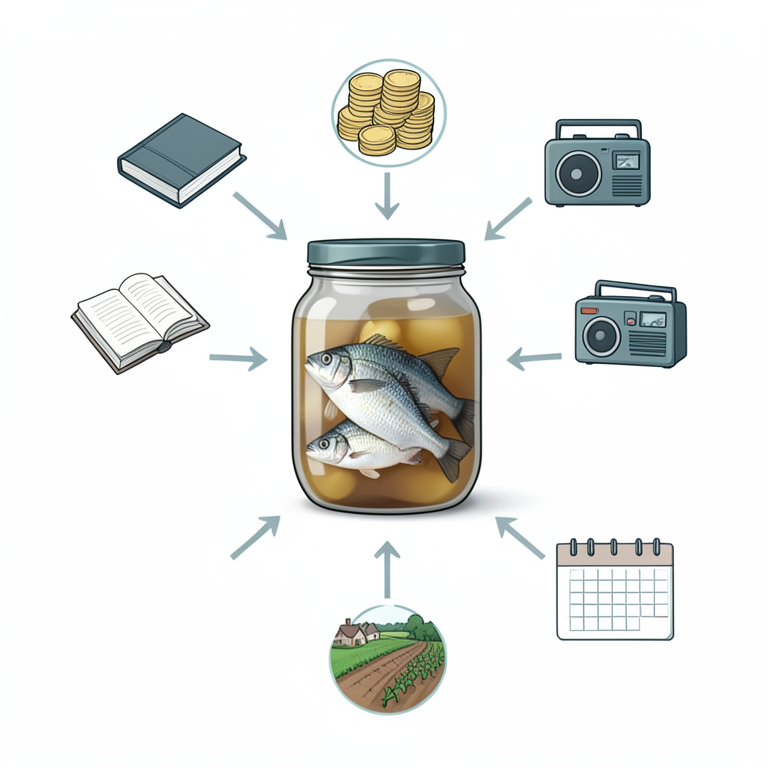
Factors Influencing Knowledge
AI-generated conceptual illustration (Fermented fish (Ngari) production in Manipur). It explains the idea and does not show study data.
View source evidence ↗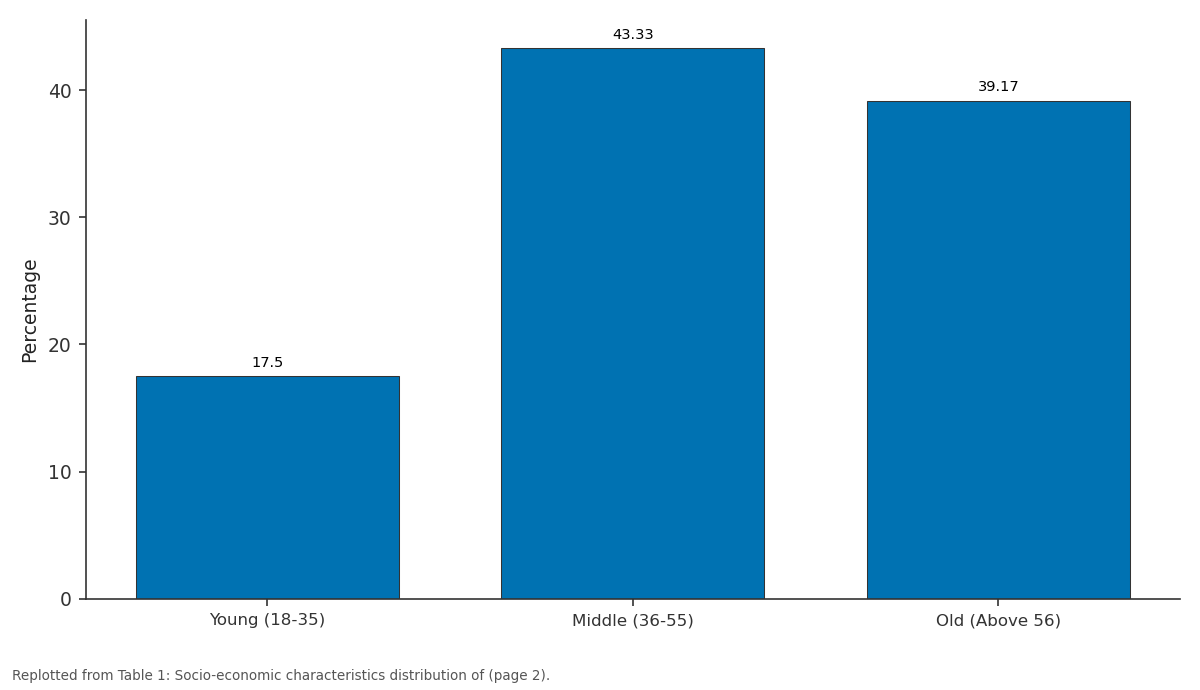
Percentage: Young (18-35) vs Middle (36-55) vs Old (Above 56)
Replotted from Table 1 (page 2) of the original paper. Every bar is the paper's own table value.
View source evidence ↗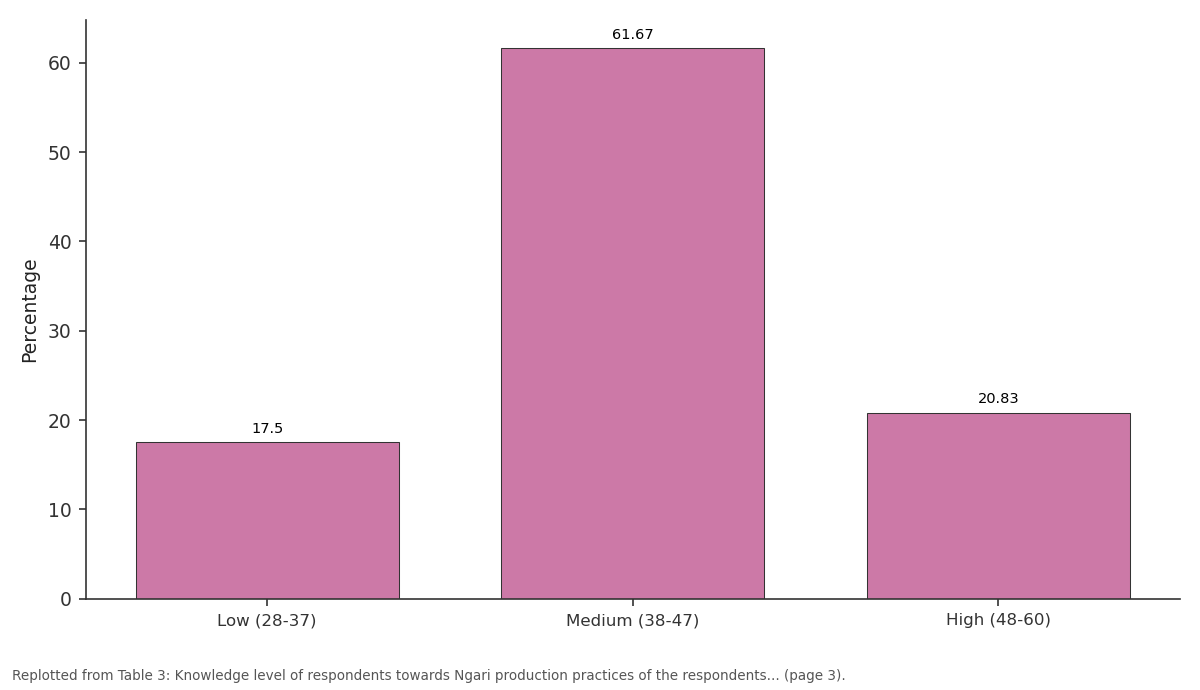
Percentage: Low (28-37) vs Medium (38-47) vs High (48-60)
Replotted from Table 3 (page 3) of the original paper. Every bar is the paper's own table value.
View source evidence ↗Figures & tables
From the original paper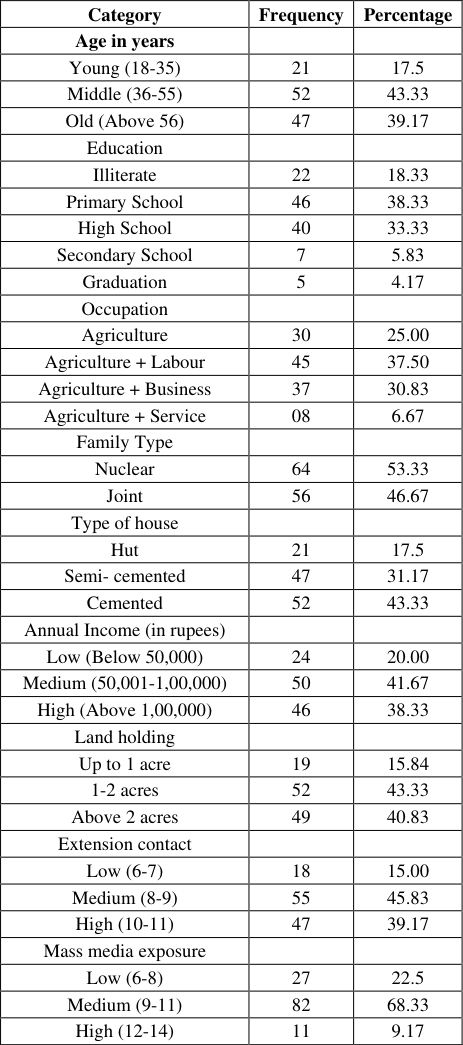 Table 1
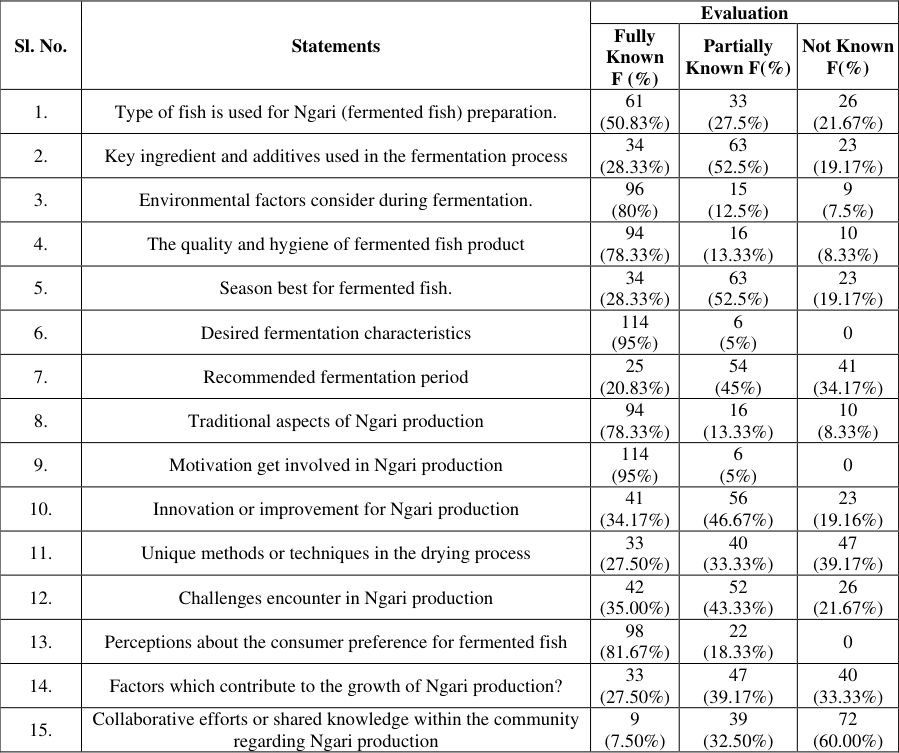 Table 2
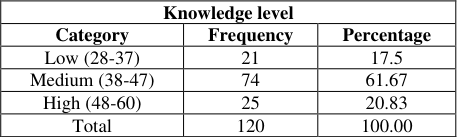 Table 3
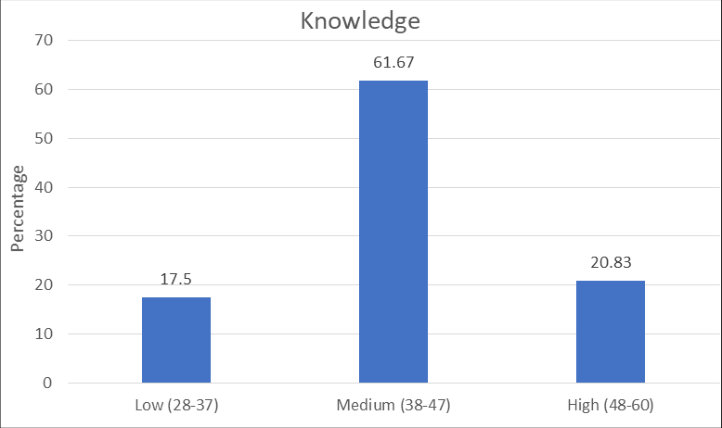 Figure 1
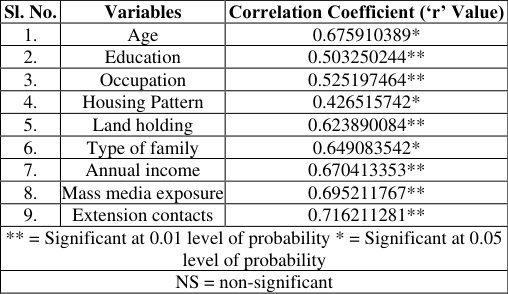 Table 4
Introduction
Fermentation is a traditional food preservation method and is widely used for improving food safety, shelf life, and organoleptic and nutritional attributes. Fermented fish are produced and consumed in different parts of the world and are an integral part of many food cultures. Furthermore, fermented fish are a source of interesting microbes and are an important industry in many countries. Traditional fermentation of fish is an indigenous technology for longterm preservation adopted by ethnic tribes of north-east India. The nutritional composition in terms of protein, carbohydrate and lipid as well as moisture content and pH value showed variation between the pre-and post-fermented fish. Ngari is a traditional fermented fish product of Manipur, a state in northeastern During its production, fish (Puntius sophore Hamilton) usually from the family Cyprinidae, are cleaned and rubbed with salt, dried in the sun for 3-4 days, washed briefly and spread on bamboo mats. A layer of mustard oil is applied to the inner wall of an earthen pot, which is filled with dried fish and traditionally pressed tightly by foot. The pot is sealed airtight and then stored at room temperature for 4-6 months. It is kept for more than a year at room temperature. Ngari is eaten daily as a side dish with cooked rice. It is sold in local markets in earthen pots.
The traditional process of Ngari production can take several months, and requires close monitoring to ensure that the fish is properly fermented and preserved. However, there have been efforts to modernize and improve the process to ensure food safety and quality. It is an excellent source of minerals, amino acids, and protein. Antioxidant, probiotic, and antihypertensive qualities may be present in the product. However, if the product is fermented and processed improperly, there is a risk of food poisoning through crosscontamination. It is believed to have anti-inflammatory, antimicrobial, and analgesic effects. Through the production and utilization of Ngari, the Sekmai people may additionally have get entry to common healthcare practices, lowering their medical fees and improving their overall well-being. Its cultivation can be integrated into sustainable agriculture practices, promotion environmental conservation and lowering the reliance on chemical inputs. By adopting Ngari cultivation, the Sekmai human beings can diversify their agricultural activities and enhance their resilience in opposition to climate exchange and market fluctuations.
Research Methodology
Descriptive research design was used for this study. The research was carried out purposively in Lamshang block of www.extensionjournal.com Imphal West, Manipur. Sekmai village was chosen purposively based on maximum area under the production of Ngari. As a sample for the study, one hundred and twenty respondents were chosen randomly.
Objectives of the study
To determine the socio-economic profile of the respondents. To ascertain the knowledge of the respondents about production and management practices of Ngari (fermented fish).
Method used for data collection
The primary data were collection through personal interview with the help of pre tested interview schedule, and secondary data was obtained from books, journals, reseach paper etc. The collected data were classified, tabulated and analyzed in light of the objectives for suitable conclusion.
Data statistical analysis
The collected data was converted to 3 point score (Likert Scale) and tabulated. The evaluation of the data and the relationship between the independent and dependent variables was done using Mean, Frequency, Percentage and Correlation.
Results and Discussion
Table 1 shows that 43.33 percent of the respondents are of middle age group and 38.33 percent of the respondents were educated up-to primary school. It was revealed that 37.50 percent of the respondents are engaged in agriculture and labour and 43.33 percent of the respondents have cemented as their housing pattern. From the above table and figure 1, it was found that the level of knowledge of respondents of Ngari production practices is medium i.e. 61.67% followed by high 20.83% and low 17.5% respectively. The similar results were also observed by Ringphami et al., (2021) [6] . Based on the analysis of Table 4 it was observed that several variables, are positively and significantly correlated with the knowledge of the farmers towards improved production practices of Ngari. These variables include education, occupation, land holding, annual income, mass media exposure and extension contact. The correlation was found to be statistically significant at a probability level 0.01%. Additionally, age, housing pattern, and type of family were also positively and significantly correlated with the respondents' knowledge, but at a slightly lower probability level of 0.05%.
| Sl. No. | Variables | Correlation Coefficient (‘r’ Value) |
|---|---|---|
| 1. | Age | 0.675910389* |
| 2. | Education | 0.503250244** |
| 3. | Occupation | 0.525197464** |
| 4. | Housing Pattern | 0.426515742* |
| 5. | Land holding | 0.623890084** |
| 6. | Type of family | 0.649083542* |
| 7. | Annual income | 0.670413353** |
| 8. | Mass media exposure | 0.695211767** |
| 9. | Extension contacts | 0.716211281** |
| ** = Significant at 0.01 level of probability * = Significant at 0.05 level of probability | ||
| NS = non-significant |
Table text extracted from the original PDF; superscript letters are shown inline. The original table image is below.
View original table image
| Category | Frequency | Percentage |
|---|---|---|
| Age in years | ||
| Young (18-35) | 21 | 17.5 |
| Middle (36-55) | 52 | 43.33 |
| Old (Above 56) | 47 | 39.17 |
| Education | ||
| Illiterate | 22 | 18.33 |
| Primary School | 46 | 38.33 |
| High School | 40 | 33.33 |
| Secondary School | 7 | 5.83 |
| Graduation | 5 | 4.17 |
| Occupation | ||
| Agriculture | 30 | 25.00 |
| Agriculture + Labour | 45 | 37.50 |
| Agriculture + Business | 37 | 30.83 |
| Agriculture + Service | 08 | 6.67 |
| Family Type | ||
| Nuclear | 64 | 53.33 |
| Joint | 56 | 46.67 |
| Type of house | ||
| Hut | 21 | 17.5 |
| Semi- cemented | 47 | 31.17 |
| Cemented | 52 | 43.33 |
| Annual Income (in rupees) | ||
| Low (Below 50,000) | 24 | 20.00 |
| Medium (50,001-1,00,000) | 50 | 41.67 |
| High (Above 1,00,000) | 46 | 38.33 |
| Land holding | ||
| Up to 1 acre | 19 | 15.84 |
| 1-2 acres | 52 | 43.33 |
| Above 2 acres | 49 | 40.83 |
| Extension contact | ||
| Low (6-7) | 18 | 15.00 |
| Medium (8-9) | 55 | 45.83 |
| High (10-11) | 47 | 39.17 |
| Mass media exposure | ||
| Low (6-8) | 27 | 22.5 |
| Medium (9-11) | 82 | 68.33 |
| High (12-14) | 11 | 9.17 |
Table text extracted from the original PDF; superscript letters are shown inline. The original table image is below.
View original table image
Conclusion
It was concluded that 43.33 percent of the respondents are of middle age group and 38.33 percent of the respondents were educated up-to primary school. It was revealed that 37.50 percent of the respondents are engaged in agriculture and labour and 43.33 percent of the respondents have cemented as their housing pattern. It was found that majority 43.33 percent of the respondents have 1-2 acres of land and majority (53.33%) have nuclear family type with 41.67 percent of the respondents annual income as 50,001 to 1,00,000 rupees. It shows that majority (68.33%) of the respondents have medium level mass media exposure. It reveals that 45.83 percent of the respondents have medium level of extension contact.The study shows that majority (61.67%) of the respondents have medium level category knowledge level toward production management practices of Ngari.The factors influencing the knowledge of the respondents towards Ngari production and management practices were age, education, occupation, type of family, land holding, annual income, mass media exposure and extension contact, which were directly correlated with knowledge towards production practices of Ngari.
Figures and tables from the paper
| Sl. No. | Statements | Evaluation | — | — |
|---|---|---|---|---|
| Fully Known F (%) | Partially Known F(%) | Not Known F(%) | ||
| 1. | Type of fish is used for Ngari (fermented fish) preparation. | 61 (50.83%) | 33 (27.5%) | 26 (21.67%) |
| 2. | Key ingredient and additives used in the fermentation process | 34 (28.33%) | 63 (52.5%) | 23 (19.17%) |
| 3. | Environmental factors consider during fermentation. | 96 (80%) | 15 (12.5%) | 9 (7.5%) |
| 4. | The quality and hygiene of fermented fish product | 94 (78.33%) | 16 (13.33%) | 10 (8.33%) |
| 5. | Season best for fermented fish. | 34 (28.33%) | 63 (52.5%) | 23 (19.17%) |
| 6. | Desired fermentation characteristics | 114 (95%) | 6 (5%) | 0 |
| 7. | Recommended fermentation period | 25 (20.83%) | 54 (45%) | 41 (34.17%) |
| 8. | Traditional aspects of Ngari production | 94 (78.33%) | 16 (13.33%) | 10 (8.33%) |
| 9. | Motivation get involved in Ngari production | 114 (95%) | 6 (5%) | 0 |
| 10. | Innovation or improvement for Ngari production | 41 (34.17%) | 56 (46.67%) | 23 (19.16%) |
| 11. | Unique methods or techniques in the drying process | 33 (27.50%) | 40 (33.33%) | 47 (39.17%) |
| 12. | Challenges encounter in Ngari production | 42 (35.00%) | 52 (43.33%) | 26 (21.67%) |
| 13. | Perceptions about the consumer preference for fermented fish | 98 (81.67%) | 22 (18.33%) | 0 |
| 14. | Factors which contribute to the growth of Ngari production? | 33 (27.50%) | 47 (39.17%) | 40 (33.33%) |
| 15. | Collaborative efforts or shared knowledge within the community regarding Ngari production | 9 (7.50%) | 39 (32.50%) | 72 (60.00%) |
Table text extracted from the original PDF; superscript letters are shown inline. The original table image is below.
View original table image
| Knowledge level | — | — |
|---|---|---|
| Category | Frequency | Percentage |
| Low (28-37) | 21 | 17.5 |
| Medium (38-47) | 74 | 61.67 |
| High (48-60) | 25 | 20.83 |
| Total | 120 | 100.00 |
Table text extracted from the original PDF; superscript letters are shown inline. The original table image is below.
View original table image
References
8 in the original paper- Grema HA, Kwaga J, Bello M, Onimisi HU. Assessment of food hygiene knowledge, attitudes and practices of fish handlers in Kaduna State, Nigeria. Adv Anim Vet Sci. 2018;7(3):131-137.
- Hashanuzzaman M, Bhowmik S, Rahman MS, Zakaria MA, Voumik LC, Mamun AA. Assessment of food safety knowledge, attitudes and practices of fish farmers and restaurants food handlers in Bangladesh. Heliyon. 2020;6(11).
- Majumdar RK. Traditional Technology of Fish Preservation in Northeast India. In: Technologies for Value Addition in Food Products and Processes. Apple Academic Press; 2019. p. 127-162.
- Majumdar RK. Ethnological Diversity of Fish Fermentation Techniques in the Northeast India. In: Fish Nutrition and Its Relevance to Human Health. CRC Press; 2020. p. 366-389.
- Narzary Y, Das S, Goyal AK, Lam SS, Sarma H, Sharma D. Fermented fish products in South and Southeast Asian cuisine: Indigenous technology processes, nutrient composition, and cultural significance. J Ethnic Foods. 2021;8(2):1-19.
- Ringphami WS, Sharma A, Singh M. A study on marketing pattern of traditional knowledge of dry fermented fish under valley region of Manipur. 2021;52(1):2765-2775.
- Singh TA, Romi W, Keisam S. Traditional fermented foods of ethnic people of Manipur, India. Food Bioresources and Ethnic Foods of Manipur, North East India. 2019. p. 100.
- Tamang JP, Cotter PD, Endo A, Han NS, Kort R, Liu SQ, Mayo B, Westerik N, Hutkins R. Fermented foods in a global age: East meets West. Compr Rev Food Sci Food Saf. 2020;19(1):184-217.