
Research article · 2024 · Full text
International Journal of Research in AgronomyHerbicide tolerance in economically important agricultural crops: Accomplishments and prospects
Volume 7(7) · Pages 433–441 · DOI: 10.33545/2618060x.2024.v7.i7e.1064 ↗
Research areasAgriculture and Biological Studies
Abstract
Author-writtenHerbicide tolerance has revolutionized modern agriculture by providing a robust solution for weed management, significantly boosting crop productivity and sustainability. Genetic engineering and selective breeding advances have facilitated the widespread adoption of herbicide-tolerant crops like soybeans, maize, cotton, and canola. These advancements have decreased the necessity for tillage, conserved soil moisture, and minimized crop damage, ultimately enhancing food production worldwide. However, challenges such as herbicide resistance in weed populations and environmental concerns persist, threatening the sustainability of chemical weed control. This review emphasizes the necessity for integrated weed management strategies, the development of crops tolerant to multiple herbicides, and innovations in gene editing technologies to create more resilient crop varieties. It also examines the molecular biological mechanisms behind herbicide-resistant weed biotypes and investigates non-chemical alternatives for weed management. By tackling these challenges, the agricultural industry can improve food security, ensure environmental sustainability, and meet the needs of a growing global population.
Summary
Source-checkedPlain-language reading of the full paper, prepared with AI and checked against the text. Each point links to the authors' own words.
Why it matters
- Increasing global food demand, driven by a population expected to reach 9.7 billion by 2050, necessitates more efficient agricultural production. View evidence ↗
- Herbicides are the primary component of the global pesticide market, which was valued at nearly $84.5 billion in 2019, with herbicides making up 51.9% of that share. View evidence ↗
- Weeds threaten crop yields by competing for resources and serving as hosts for plant pathogens. View evidence ↗
The question
- The paper aims to examine herbicide resistance in modern agriculture and evaluate strategies to control the spread of resistant weeds. View evidence ↗
What they did
- The authors conducted a review focusing on integrated weed management, the development of multi-herbicide tolerant crops, and the use of gene editing. View evidence ↗
What they found
- Global herbicide resistance is widespread, with weeds resistant to 165 different herbicides across 21 of 31 known sites of action, affecting 96 crops in 72 countries. View evidence ↗
- Herbicide tolerance occurs via target-site alterations (interfering with binding) or non-target-site mechanisms such as metabolic resistance and limited uptake. View evidence ↗
- Some plants develop resistance through target gene amplification, which increases the amount of target protein and dilutes the effect of the herbicide. View evidence ↗
- In soybeans, high glyphosate tolerance can be achieved by co-expressing GAT and G2-EPSPS genes. View evidence ↗
- The use of herbicide-resistant crops has led to more efficient farming practices, including reduced tillage and lower energy use. View evidence ↗
- Over-reliance on a single chemical, specifically glyphosate, has contributed to the evolution of herbicide-resistant weed populations. View evidence ↗
- Herbicide application can be fatal to non-target organisms such as bees, butterflies, and spiders, which are essential for pollination. View evidence ↗
- Atrazine poses a severe risk to aquatic ecosystems due to its soil persistence and tendency to leach into groundwater. View evidence ↗
- Consuming contaminated produce can expose humans to herbicides, potentially causing organ failure, developmental abnormalities, and nervous system damage. View evidence ↗
- Stacking multiple herbicide tolerance traits in a single crop can slow down the evolution of resistant weeds. View evidence ↗
What it means
- The authors conclude that effective weed management must be holistic, combining chemical methods with cultural, mechanical, and biological approaches. View evidence ↗
- To prevent resistance, the authors recommend rotating herbicide groups, ensuring correct application timing, and strengthening regulations. View evidence ↗
Visual summary
1 visualsIllustrations explain the paper; they do not show study data.
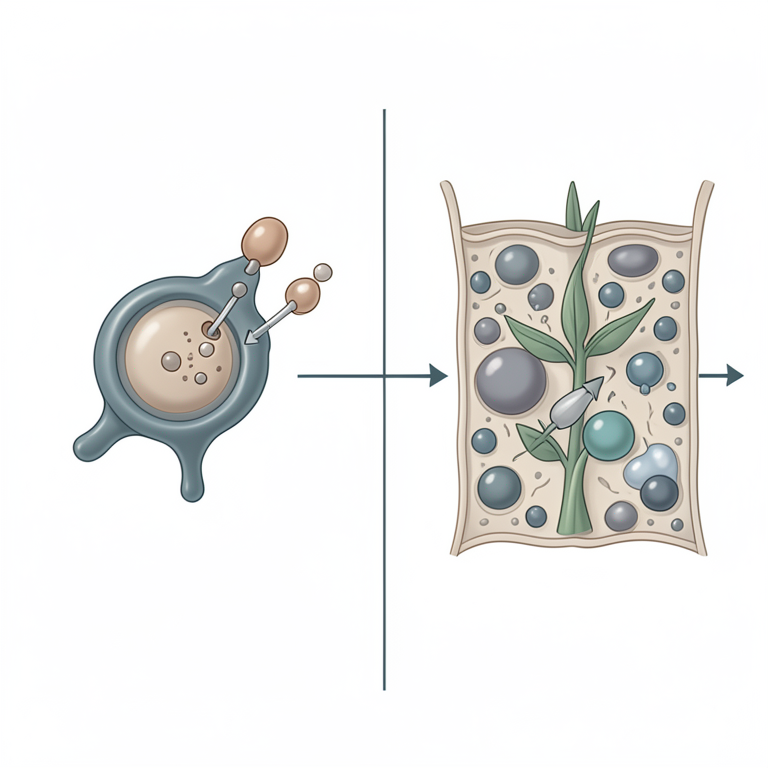
Mechanisms of Herbicide Tolerance
AI-generated conceptual illustration (Agricultural crop plants). It explains the idea and does not show study data.
View source evidence ↗Introduction
Humanity faces an urgent problemthe escalating resistance of weeds to herbicides poses a severe threat to global food security and the livelihoods of worldwide. Prolonged reliance on herbicides in agriculture has accelerated the evolution of numerous weed species, jeopardized the delicate balance of our environment and keeping food production in jeopardy. The escalating global population, predicted to soar to 8.5 billion by 2030 and 9.7 billion by 2050 according to the United Nations Department of Economic and Social, further exacerbates the demand for increased food production (Ofosu et al., 2023) [43] . This has led the widespread adoption of chemical solutions in farming practices, particularly in regions like The Americas, Australia, and China, where intensive herbicide use contributes to herbicide resistance crises. The global market for pesticides, valued at almost $84.5 billion in 2019, is predominantly dominated by herbicides, accounting for 51.9% of the market share (Company, 2023) [13] . While herbicides have significantly bolstered agricultural productivity by providing an efficient and cost-effective approach to weed management, the emergence of herbicide-resistant weed species has become a pressing global concern. Weeds pose a multifaceted threat to crop production, outcompeting cultivated crops for essential resources and acting as hosts for plant pathogens that can devastate yields. The detrimental impact of weeds is not limited to crop production but extends to livestock farming as well. Weed species containing toxic alkaloids, such as hemlock and common ragwort, can adversely affect animal health, causing birth defects, jaundice, or even death. Moreover, some weeds compromise the quality of wool, meat, and milk when consumed by livestock, underscoring the pervasive nature of their harmful effects. Herbicide tolerance in crops is a crucial trait that has revolutionized farming practices globally. The development of herbicide-tolerant crops, such as those tolerant to imidazolinones, glyphosate, dicamba, and other herbicides, has provided farmers with effective tools to manage weeds (Tan et al., 2004; Owen et al., 2014; Behrens et al., 2007; Bonny, 2015; Green, 2012) [53,2,6,26] .
These herbicide-tolerant crops are engineered to possess traits that confer tolerance through mechanisms like single target-site mutations, metabolic detoxification, and prevention of herbicide action (Buffon et al., 2020; Li et al., 2016) [8,37] . Enzymes like glutathione S-transferases (GSTs) and pectate lyases play significant roles in herbicide tolerance in plants (Chen et al., 2021; Dai et al., 2022) [12,14] . The introduction of new herbicide tolerance traits in crops offers farmers more options for weed management, contributing to sustainable agriculture practices (Wright et al., 2010) [59] . However, the widespread adoption of herbicide-tolerant crops, particularly glyphosate-tolerant varieties, has led to challenges such as the selection of herbicide-resistant weeds (Owen et al., 2014; Lundgren et al., 2009) [46,38] . This necessitates the continuous development of new herbicide tolerance traits to combat evolving weed resistance (Wright et al., 2010) [59] . Additionally, the use of herbicide-tolerant crops has altered the vegetational profile in agricultural lands due to the increased application of herbicides. The evolution of weeds, coupled with anthropogenic activities and climate change, has enabled weeds to endure conventional management efforts. Despite the historic significance of synthetic herbicides in revolutionizing food production after their introduction in the 1940s, contemporary agricultural practices are now grappling with the unintended consequences of herbicide overuse. This paper aims to explore the phenomenon of herbicide resistance in modern agriculture, examining current weed management strategies designed to mitigate the proliferation of resistant weeds and mitigate the global ramifications of this alarming trend.
Herbicide resistance farming systems
Weeds have developed resistance to 21 out of 31 known herbicide sites of action, leading to resistance to 165 different herbicides. Currently, 96 crops in 72 countries have reported herbicide resistance, with 513 unique cases involving 267 weed species globally (Heap, 2010) [30] . The sustainability of herbicides in agriculture is facing considerable challenges. While chemical methods should ideally be a last resort in pest control, their effectiveness has led to widespread and continuous global use. Industrialized farming systems, particularly in the United States, Europe, Australia, Canada, Brazil, and China, have seen a surge in herbicide-resistant weed cases (Heap, 2010) [30] . In contrast to biotech crop-related herbicide resistance in the USA, Australia, Canada, and Brazil, Europe's herbicide resistance issues stem from limited diversity in weed control chemicals. Biotech crops, especially glyphosate-resistant varieties, have promoted extensive use of glyphosate, leading to a rise in glyphosate-resistant weed populations. Europe has documented cases of weed biotypes resistant to acetolactate synthase (ALS) inhibitors, acetyl-CoA carboxylase (ACCase) inhibitors, 5enolpyruvylshikimate-3-phosphate (EPSP) synthase inhibitors, photosystem II (PS II) inhibitors, and fatty acid synthase inhibitors. Conyza species have developed resistance to flazasulfuron, iodosulfuron, and penoxsulam in vineyards, olive, and citrus farms. Glyphosate-resistant Lolium species have also been reported. Some European countries have recorded instances of Avena species, Bromus species, Digitaria sanguinalis, Panicum dichotomiflorum, and Echinochloa crusgalli developing resistance to ALS-inhibiting herbicides (Heap, 2023; Montull and Torra, 2023) [30,39] .
Various mechanisms of herbicide tolerance
Herbicide tolerance in plants can be attributed to various mechanisms that allow them to withstand the effects of herbicides. These mechanisms can be broadly categorized into target-site and non-target-site tolerance. Target-site tolerance involves alterations in the herbicide-binding target site, interfering with the herbicide's interaction. On the other hand, non-target-site tolerance mechanisms include metabolic resistance, limited uptake, impaired translocation, vacuolar sequestration, and enhanced detoxification processes ( [47,64,63,12] . Metabolic resistance plays a significant role in herbicide tolerance, with enzymes like Cytochrome P450 monooxygenase, glycosyl transferase, and glutathione S-transferase being commonly involved in herbicide detoxification (Li et [37,53,65] . Additionally, ABC transporters have been identified as key players in conferring herbicide tolerance by transporting herbicides and their breakdown products (Tétard-Jones & Edwards, 2015) [53] . Furthermore, herbicide tolerance can also be induced or enhanced by microbial endophytes, which prime resistance mechanisms in plants, enabling them to withstand the toxic effects of herbicides (Baek et al., 2019) [1] . Herbicide safeners have been shown to enhance crop tolerance by synergizing multiple mechanisms, including the induction of detoxification genes like glutathione S-transferases and cytochrome P450s (Perez et al., 2021; Endo and Toki, 2013) [47,16] . Understanding the mechanisms underlying herbicide tolerance is crucial for developing effective weed management strategies tailored to specific modes of action. By elucidating these mechanisms, researchers can identify potential targets for genetic modification to confer herbicide tolerance in crops. Herbicide tolerance in plants is a complex trait influenced by a combination of target-site and non-target-site mechanisms, involving enzyme-mediated detoxification, altered absorption and translocation, and microbial interactions. By exploring these mechanisms, researchers can devise sustainable strategies to manage herbicide-resistant weeds and enhance crop tolerance to herbicides.
Molecular Basis of Herbicide Resistance
Most herbicides inhibit essential plant enzymes by binding to them. A single amino acid change in the binding region can confer plant survival, despite potential fitness costs, such as with resistance to photosystem II inhibitors. The development of these mutations is not fully understood, but evidence suggests that point mutations leading to herbicide resistance can already exist in weed populations as part of their genetic diversity. The use of herbicides exerts selection, promoting the proliferation resistant biotypes (Délye et al., 2013) \ [14] . According to the herbicide weed registry, 23 out of 267 registered species with herbicide, over 20% multiple resistance cases, indicating resistance to different herbicide groups within the same bi. Some species show resistance to multiple sites of action (SoA), with varying of resistances reported among different biotypes. The evolution of resistance in weed species, even to non-target site herbicides like auxins, highlights the significant genetic adaptability of plants to intense selection pressures (Ofosu et al., 2023) [43] . To maintain herbicide effectiveness and combat resistance, early detection methods need to be implemented. The lack of timely information often leads to decreased herbicide efficiency, allowing resistant traits to spread through pollen and seeds. Monitoring evolving resistance is crucial for preserving the of herbicides. Field trials using non-herbicide-resistant crop cultivars help determine whether resistant biotypes persist in the absence of herbicide selection pressure Detailed molecular insights are essential for developing reliable detection methods and implementing appropriate weed control strategies. Herbicide resistance mechanisms in weeds can be categorized as target site resistance (TS) or non-target site resistance (NTSR). TSR involves amino acid substitutions that interfere with herbicide binding to essential plant enzymes, allowing catalytic function to continue. On the other hand, NTSR mechanisms encompass gene families and complex processes like reduced absorption, translocation, and metabolic degradation (Gaines et al., 2020; Jugulam and Shyam, 2019) [21,32] . Innovative approaches, such as herbicide mixtures and diversified modes of action are recommended to deter resistance evolution. Glyphosate-tolerant crops, widely cultivated the 1990s, have contributed to glyphosate overuse and subsequent resistance development in weeds. Apart from point mutations, herbicide resistance can also stem from gene amplification, alterations for detoxification, and mechanisms that hinder herbicide uptake or translocation within plants. Understanding these resistance mechanisms is essential for effective weed management and sustaining herbicide efficacy in agricultural systems.
Herbicide Resistance Mechanisms in Plants
Aside from point mutations at the herbicide binding site of the target gene, plants can also develop resistance through different mechanisms. One such mechanism involves the amplification of the target gene, where plants produce more copies of the gene encoding the target proteins of herbicides. This increased gene dosage provides additional copies of the target protein, thus diluting the herbicide's impact and enabling the plant to tolerate higher herbicide concentrations (Yakimowski et al., 2021) [59] . Additionally, plants can develop resistance by modifying their metabolic pathways to detoxify or degrade herbicides. This modification can occur through changes in the activity or abundance of specific enzymes involved in herbicide metabolism. Mutations or alterations in the regulation of these enzymes can enhance their ability to break down or modify the herbicide molecules, ultimately reducing their toxicity to the plant (Yu and Powles, 2014) [63] . Another resistance mechanism involves limiting the uptake or translocation of herbicides within the plant. This can be achieved through mutations that impact the functioning of transport proteins responsible for herbicide uptake or movement within plant tissues. By restricting the herbicide's access to sensitive areas, resistant plants evade its harmful effects (Ou et al., 2018) [43] . It is crucial to acknowledge that the specific DNA changes leading to herbicide resistance can vary depending on the plant species and the herbicide in use. Furthermore, resistance mechanisms are often intricate and may involve multiple genetic changes working in concert (Ofosu et al., 2023) [43] .
Strategies for developing glyphosate tolerance in crops
Developing glyphosate tolerance in crops is a crucial aspect of modern agriculture, aiming to enhance crop productivity and reduce the environmental impact of herbicides. Various strategies have been explored to achieve glyphosate tolerance in crops. One approach involves the co-expression of genes encoding glyphosate acetyltransferase (GAT) and G2-EPSPS, which can confer high tolerance to glyphosate in soybean (Guo et [10] . Additionally, the co-expression of mutant EPSPS genes has been successful in enhancing glyphosate tolerance in transgenic rice, demonstrating the potential of genetic engineering in creating glyphosate-tolerant crops (Fartyal et al., 2018) [17][18] . Furthermore, the combination of different genes with distinct glyphosate tolerance mechanisms has been proposed as an effective strategy to improve glyphosate tolerance in transgenic crops (Wen et al., 2021) [57] . This approach aims to enhance the overall glyphosate tolerance of crops by leveraging multiple genetic factors. Additionally, the development of transgenic glyphosate-tolerant crop cultivars has enabled the use of glyphosate for post-emergence weed control, showcasing the practical implications of genetic engineering in agriculture (Feng et al., 2018) [19] . The development of glyphosate tolerance in crops involves a multifaceted approach that integrates genetic engineering, gene co-expression, and novel gene identification. By leveraging these strategies, researchers aim to create transgenic crops with enhanced glyphosate tolerance, thereby improving agricultural sustainability and productivity.
Impact of herbicide tolerance on associated crops
The development of herbicide-tolerant crops has had a significant impact on agriculture. These crops, engineered to withstand the application of specific herbicides, have revolutionized weed management practices (Tan et al., 2004) [52] . For instance, the introduction of glyphosate-resistant crops has allowed for the implementation of more efficient weed control strategies, leading to increased yields and profitability while also promoting environmental sustainability (Green, 2012) [26] . The adoption of herbicide-resistant crops has resulted in changes in agronomic practices, such as reduced tillage and lower energy requirements, contributing to simpler and more effective crop production systems (Vencill et al., 2012) [55] . However, the production of genetically modified (GM) herbicide-resistant crops is not without risks. Challenges such as grain contamination, gene introgression, and increased herbicide use have been associated with the cultivation of herbicideresistant crops (Owen & Zelaya, 2005) [45] . Additionally, the fitness of herbicide-resistant weeds poses a concern, as mutations conferring resistance may have detrimental effects on plant fitness, potentially leading to fitness costs in certain ecological environments (Vila-Aiub, 2019) [56] . Advancements in biotechnology have enabled the development of new herbicide tolerance traits in crops, providing farmers with more options for weed management (Dai et al., 2022) [14] . The use of enzymes with enhanced stability parameters has allowed for the creation of robust herbicide tolerance traits in maize and soybean crops, expanding the range of herbicides that can be effectively used in these crops (Larue et al., 2019) [35] . Furthermore, research on the genetic control of herbicide resistance mechanisms, such as enhanced herbicide metabolism through cytochrome P450 enzymes, has shed light on the molecular basis of herbicide resistance in weeds (Busi et [9,63] .
Herbicide-tolerant crops have transformed modern agriculture by offering effective weed management solutions and promoting sustainable farming practices. While the development of herbicide-resistant crops has brought about numerous benefits, it is essential to continue researching and monitoring the long-term impacts of these crops on agricultural ecosystems to ensure their sustainable use.
Negative impact of herbicide tolerance on crops
The impact of herbicide tolerance on crop production has been a subject of concern in agriculture. Herbicide-resistant crop technology, particularly glyphosate-tolerant crops, has led to a substantial increase in herbicide use in the United States (Benbrook, 2012) [3] . This increase in herbicide application can have detrimental effects on the environment and human health. Additionally, the overreliance on a single herbicide, such as glyphosate, in herbicide-tolerant crops has been linked to the development of herbicide-resistant weeds, posing a significant challenge to weed control (Saika et [51,49,8] . The continuous overuse of a single herbicide increases the risk of resistant weed evolution, which is a major issue in agriculture globally (Buffon et al., 2020) [8] . Furthermore, the development of herbicide-tolerant crops has raised concerns about the potential environmental impacts associated with increased herbicide use. While herbicide-tolerant crops have reduced insecticide applications, they have resulted in a rise in the total amount of herbicides applied, affecting the advantages farmers initially derived from glyphosate-tolerant crops (Bonny, 2011) [5] . The extensive use of herbicides in herbicide-tolerant crop systems has also been linked to negative environmental impacts, such as global warming and water pollution (Bennett et al., 2004) [4] . To address these challenges, research is ongoing to develop multiple herbicide-tolerant crops and explore new mechanisms for achieving herbicide resistance or tolerance in crops (Thyssen et al., 2018; Fartyal et al., 2018) [54,[17][18] . The aim is to diversify weed management strategies and minimize the risk of herbicide resistance development. Additionally, the development of genetically modified crops with herbicide tolerance traits has been recognized as a valuable tool for farmers to enhance weed control (Larue et al., 2019) [35] . The escalating dependence on herbicides poses a significant threat to environmental biodiversity. The direct application of herbicides against non-target organisms like bees, butterflies, and spiders, crucial for pollination and crop protection, can have fatal consequences (Kughur, 2012) [34] . Atrazine, particularly notorious for its persistence in soil and potential leaching into groundwater, poses severe risks to aquatic ecosystems, leading to widespread destruction of aquatic flora and fauna (Graymore et al., 2001) [24] . Herbicide contamination from spray drifts and leachates during application poses risks to surrounding vegetation, contributing to environmental degradation (Nödler et al., 2013) [41] . Human exposure to herbicides through the consumption of contaminated fruits and vegetables can lead to various health issues, including nervous system damage, developmental abnormalities, and organ failure (Grewal et al., 2017) [26] . Overall, the unchecked proliferation of herbicide use and inadequate regulations carry significant implications for environmental sustainability and public health, underscoring the urgent need for stringent oversight and sustainable practices in herbicide management. While herbicide-tolerant crops have provided benefits in terms of weed control and crop management, the negative impacts associated with increased herbicide use and the development of herbicide-resistant weeds highlight the importance of sustainable weed management practices and the need for continued research to address these challenges in agriculture.
Strategies to overcome negative impact of herbicide tolerance on crops
To address the negative impact of herbicide tolerance on crops, various strategies can be implemented. One approach is the development of herbicide-resistant crops, such as glyphosateresistant soybean, corn, cotton, and canola, which have indeed transformed weed management practices (Green, 2012) [26] . These genetically modified crops have indeed become crucial tools in crop production, providing effective weed control options (Green, 2012) [26] . Additionally, utilizing stacked herbicide tolerance traits in crops can indeed help decelerate the evolution of herbicide-resistant weeds (Dai et al., 2022) [14] . Another strategy involves the use of herbicide safeners, which do induce and enhance crop tolerance to herbicides through multiple mechanisms (Zhao et al., 2023) [65] . Safeners function by decreasing herbicide toxicity in crops, thereby enabling improved weed management (DeRidder & Goldsbrough, 2005) [15] . Moreover, integrating novel amino acid changes in enzymes like acetolactate synthase can indeed confer high levels of tolerance to herbicides in crops (Buffon et al., 2020) [8] . Furthermore, the application of plant biostimulants does have the potential to enhance crop tolerance to various stresses, including herbicide stress (Navarro-León et al., 2022) [40] . By boosting plant tolerance, biostimulants can indeed contribute to enhanced crop resilience in herbicide-stressed conditions. It is essential to consider the potential adverse effects of altered cultivation practices with genetically modified herbicide-tolerant crops, such as reduced crop rotation options and increased herbicide drift and pollution (Graef, 2009) [23] . Monitoring and mitigating these effects are indeed crucial to ensure sustainable agricultural practices. A combination of strategies including the development of herbicide-resistant crops, the use of herbicide safeners, the incorporation of novel enzyme changes, and the application of plant biostimulants can indeed help mitigate the negative impact of herbicide tolerance on crops. These approaches aim to enhance crop tolerance to herbicides while minimizing adverse effects on agricultural practices and the environment.
Future prospects in managing and developing herbicide tolerance for commercial crops
Future prospects in managing and developing herbicide tolerance for commercial crops involve a range of strategies and technologies aimed at enhancing weed management systems. The development of new multiple-herbicide-resistant crops, such as those resistant to glyphosate and other herbicides, is seen as crucial for expanding the utility of existing herbicide technologies (Green, 2012) [26] . These advancements are essential for sustaining the benefits of high-efficiency and highproduction agriculture. Additionally, the incorporation of herbicide-tolerant crops into farming systems has enabled the optimization of tillage practices and associated improvements in soil quality (Gonzalez et al., 2018) [22] . Efforts to develop nontransgenic herbicide-resistant crops (HRCs) have been ongoing, with a focus on maize and soybean, to provide future chemical weed management options (Nandula, 2019). The development of multiple herbicide-tolerant crops, although still in its early stages, holds promise for sustainable weed management practices (Fartyal et al., 2018) [17][18] . This includes the introduction of novel herbicide tolerance traits in crops to offer farmers more effective weed management options (Dai et al., 2022) [14] . Furthermore, the engineering of crops with resistance to herbicides through specific mutations in the target site of herbicide action has been highlighted as a viable approach. This non-GM method not only facilitates easier registration and release for commercial cultivation but also enhances public acceptance (Buffon et al., 2020) [8] . Understanding the genetic basis of herbicide tolerance is crucial for managing the evolution of weed herbicide resistance and breeding crops with tolerance to specific herbicides (Saballos et al., 2022) [50] . The future of managing and developing herbicide tolerance for commercial crops lies in the continued research and development of multiple-herbicide-resistant crops, the exploration of non-transgenic approaches, and the advancement of genetic engineering techniques. These efforts aim to provide farmers with more sustainable and effective weed management options while ensuring the long-term viability of agricultural practices.
Economic impact of herbicide tolerance
The economic impact of herbicide tolerance in commercial crops has been significant, influencing various aspects of agricultural productivity, costs, and market dynamics. Here is an overview of the key economic impacts, along with references:
Increased Crop Yields and Productivity
Herbicide-tolerant (HT) crops have been engineered to withstand specific herbicides that kill weeds without harming the crop. This technology enables more effective weed control, leading to increased crop yields and productivity (James, 2014) [31] .
Reduction in Production Costs
HT crops can reduce the costs associated with weed management. Farmers using HT crops often spend less on herbicides and labor for weed control compared to conventional methods (Fernandez-Cornejo and Caswell, 2006) [20] .
Environmental and Sustainability Benefits
The adoption of HT crops can lead to more sustainable farming practices, such as reduced tillage. This decreases soil erosion, conserves soil moisture, and reduces fuel use (Brookes Barfoot, 2018) [7] .
Market and Trade Implications
The adoption of HT crops affects global agricultural markets and trade patterns. Countries that quickly adopt HT technology may gain a competitive advantage in crop production and export markets (Qaim, 2009) [48] .
Economic Gains for Farmers
Farmers adopting HT crops often experience economic gains due to higher yields and lower production costs, leading to increased profitability. The magnitude of these gains can vary based on factors such as crop type, region, and market conditions (Klümper and Qaim, 2014) [33] .
Challenges and Costs
While there are significant benefits, there are also challenges and costs associated with HT crops, including the development of herbicide-resistant weeds and the need for stewardship and management practices to mitigate resistance (Heap, 2014) [29] .
Impacts on Seed Markets
HT crops have led to changes in seed markets, with a consolidation of seed companies and the development of proprietary seed technologies. This has implications for seed prices and farmer choices (Howard, 2009) [30] .
Thus, the adoption of herbicide-tolerant crops has brought about significant economic benefits, including increased yields, reduced production costs, and enhanced sustainability. However, these benefits are accompanied by challenges such as herbicide resistance and market concentration in the seed industry. The overall impact varies depending on the specific context of adoption and management practices.
The future prospects
The future prospects of herbicide-tolerant (HT) crops are promising but come with both opportunities and challenges.
Here's an overview of what lies ahead: Opportunities 1. Increased Agricultural Productivity HT crops can significantly reduce weed pressure, leading to higher crop yields and more efficient use of land. Reduced labor and time for weed management allow farmers to focus on other agricultural practices.
Economic Benefits
Farmers can save costs on manual or mechanical weed control. The potential for increased profits due to higher yields and lower production costs.
Environmental Benefits
HT crops can support conservation tillage practices, which help reduce soil erosion and improve soil health. Potential for reduced herbicide usage through more targeted and effective weed control.
Adaptability to Climate Change
HT crops can help in adapting to climate variability by ensuring weed control even in changing environmental conditions. They can support the development of crops that are tolerant to other stresses such as drought or salinity.
Biotechnological Advancements
Ongoing research and development in biotechnology can lead to the creation of new HT crop varieties with improved traits. Potential for stacking traits (combining multiple beneficial traits in a single crop) to address various agricultural challenges simultaneously.
Challenges 1. Herbicide Resistance
Over-reliance on herbicide-tolerant crops can lead to the evolution of herbicide-resistant weeds, reducing the effectiveness of herbicides. Continuous development of new herbicides and integrated weed management strategies is necessary to combat resistance.
Regulatory and Market Acceptance
HT crops face regulatory scrutiny and varying levels of acceptance in different regions and markets. Public perception and acceptance of genetically modified organisms (GMOs) can influence the adoption and commercialization of HT crops.
Environmental Concerns
Potential for environmental impacts such as changes in biodiversity and non-target effects on other plant and animal species. Need for comprehensive environmental risk assessments and monitoring.
Sustainability and Long-Term Viability
Ensuring sustainable use of HT crops requires integrated pest and weed management practices to prevent overreliance on chemical herbicides. Research into alternative weed control methods and the development of crops with multiple resistance mechanisms is essential.
Future Directions 1. Integrated Weed Management (IWM):
Combining HT crops with other weed control methods (mechanical, biological, cultural practices) to manage weed resistance and maintain herbicide efficacy. Promoting crop rotation and diversification to reduce weed pressure and herbicide use.
Advances in Gene Editing
Techniques like CRISPR/Cas9 can accelerate the development of HT crops with precise genetic modifications. Potential to create crops with herbicide tolerance without introducing foreign genes, addressing some regulatory and public acceptance issues.
Digital Agriculture and Precision Farming
Using data analytics, sensors, and automation to optimize herbicide application and monitor weed populations. Enhancing decision-making and reducing the environmental impact of herbicide use.
Collaboration and Policy Support:
Strengthening collaboration between researchers, industry, policymakers, and farmers to address challenges and promote the benefits of HT crops. Developing policies that support innovation, sustainable practices, and equitable access to HT crop technologies.
While the future prospects of herbicide-tolerant crops are bright with significant potential for agricultural advancement, it is crucial to address the accompanying challenges through sustainable practices, regulatory frameworks, and continued research and innovation.
Various mechanisms of herbicide tolerance developed in commercial crops
Various mechanisms of herbicide tolerance developed in commercial crops
Traditional Breeding Techniques a) Natural Variation and Selection
Selective Breeding: This method involves identifying and breeding individuals within a species that naturally exhibit tolerance to certain herbicides. Over multiple generations, this can result in crops with improved herbicide tolerance.
b) Induced Mutations
Chemical Mutagenesis: Chemicals like ethyl methane sulfonate (EMS) are used to induce mutations in the DNA of plants. Some of these mutations may result in herbicide tolerance, and these plants can be further bred to enhance this trait.
Combination Approaches a) Gene Stacking
Multiple Resistance Traits: This involves combining multiple genetic modifications to confer resistance to different herbicides within a single crop. This helps in managing resistance and ensuring that multiple herbicides can be used in rotation.
Non-Genetic Mechanisms a) Herbicide Safeners
Chemical Protection: Safeners are chemicals applied to crops that can protect them from the harmful effects of herbicides without altering the plants' genetics. These safeners can induce the plant's own detoxification systems.
Examples of Herbicide-Resistant Crops
Roundup Ready Crops: Crops like soybeans, corn, and cotton have been genetically engineered to be resistant to glyphosate, allowing farmers to apply this herbicide to control weeds without damaging the crops. Liberty Link Crops: These crops are resistant to glufosinate and include varieties of corn, cotton, and canola.
Advantages and Considerations
Advantages and Considerations
References
64 in the original paper- Baek Y, Goodrich L, Brown P, James B, Moose S, Lambert K, et al. Transcriptome profiling and genome-wide association studies reveal gsts and other defense genes involved in multiple signaling pathways induced by herbicide safener in grain sorghum. Frontiers in Plant Science; c2019. p. 10. Available from: https://doi.org/10.3389/fpls.2019.00192
- Behrens M, Mutlu N, Chakraborty S, Dumitru R, Jiang W, LaVallee B, et al. Dicamba resistance: enlarging and preserving biotechnology-based weed management strategies. Science. 2007;316(5828):1185-1188. Available from: https://doi.org/10.1126/science.1141596
- Benbrook C. Impacts of genetically engineered crops on pesticide use in the U.S.-the first sixteen years. Environmental Sciences Europe, 2012, 24(1). Available from: https://doi.org/10.1186/2190-4715-24-24
- Bennett R, Phipps R, Strange A, Grey P. Environmental and human health impacts of growing genetically modified herbicide-tolerant sugar beet: a life-cycle assessment. Plant Biotechnology Journal. 2004;2(4):273-8. Available from: https://doi.org/10.1111/j.1467-7652.2004.00076.x
- Bonny S. Herbicide-tolerant transgenic soybean over 15 years of cultivation: pesticide use, weed resistance, and some economic issues, the case of the USA. Sustainability. 2011;3(9):1302-22. Available from: https://doi.org/10.3390/su3091302
- Bonny S. Genetically modified herbicide-tolerant crops, weeds, and herbicides: overview and impact. Environmental Management. 2015;57(1):31-48. Available from: https://doi.org/10.1007/s00267-015-0589-7
- Brookes G, Barfoot P. Environmental impacts of genetically modified (GM) crop use 1996-2016: Impacts on pesticide use and carbon emissions. GM Crops & Food. 2018;9(3):109-139.
- Buffon G, Lamb T, Lopes M, Sperotto R, Timmers L. Push it to the limit: identification of novel amino acid changes on the acetolactate synthase enzyme of rice that putatively confer high level of tolerance to different imidazolinones. Frontiers in Bioengineering and Biotechnology. 2020;8. Available from: https://doi.org/10.3389/fbioe.2020.00073
- Busi R, Vila-Aiub M, Powles S. Genetic control of a cytochrome p450 metabolism-based herbicide resistance mechanism in Lolium rigidum. Heredity. 2010;106(5):81724. Available from: https://doi.org/10.1038/hdy.2010.124
- Cao G, Liu Y, Zhang S, Yang X, Chen R, Zhang K, et al. A novel 5-enolpyruvylshikimate-3-phosphate synthase shows high glyphosate tolerance in Escherichia coli and tobacco plants. PLoS One. 2012;7(6). Available from: https://doi.org/10.1371/journal.pone.0038718
- Chen K, Peng Y, Zhang L, Wang L, Mao D, Zhao Z, et al. Whole transcriptome analysis resulted in the identification of Chinese sprangletop (Leptochloa chinensis) genes involved in cyhalofop-butyl tolerance. BMC Genomics. 2021;22(1). Available from: https://doi.org/10.1186/s12864021-07856-z
- Company TBR. Pesticides Market Global Opportunities and Strategies 2023. Available from: https://www.openpr.com/news/1931184/pesticides-marketglobal-opportunities-and-strategies-2023 (accessed on 26 January 2023).
- Dai S, Georgelis N, Bedair M, Hong Y, Qi Q, Larue C, et al. Ectopic expression of a rice triketone dioxygenase gene confers mesotrione tolerance in soybean. Pest Management Science. 2022;78(7):2816-27. Available from: https://doi.org/10.1002/ps.6904
- Delye C, Jasieniuk M, Le Corre V. Deciphering the evolution of herbicide resistance in weeds. Trends in Genetics. 2013;29(11):649-58.
- DeRidder B, Goldsbrough P. Organ-specific expression of glutathione s-transferases and the efficacy of herbicide safeners in Arabidopsis. Plant Physiology. 2005;140(1):167-75. Available from: https://doi.org/10.1104/pp.105.067199
- Endo M, Toki S. Creation of herbicide-tolerant crops by gene targeting. Journal of Pesticide Science. 2013;38(2):4959. Available from: https://doi.org/10.1584/jpestics.d12-073
- Fartyal D, Agarwal A, James D, Borphukan B, Ram B, Sheri V, et al. Co-expression of p173s mutant rice epsps and igra genes results in higher glyphosate tolerance in transgenic rice. Frontiers in Plant Science. 2018;9. Available from: https://doi.org/10.3389/fpls.2018.00144
- Fartyal D, Agarwal A, James D, Borphukan B, Ram B, Sheri V, et al. Developing dual herbicide tolerant transgenic rice plants for sustainable weed management. Scientific Reports. 2018;8(1). Available from: https://doi.org/10.1038/s41598-018-29554-9
- Feng X, Yu C, Chen Y, Peng J, Ye L, Shen T, et al. Nondestructive determination of shikimic acid concentration in transgenic maize exhibiting glyphosate tolerance using chlorophyll fluorescence and hyperspectral imaging. Frontiers in Plant Science. 2018;9. Available from: https://doi.org/10.3389/fpls.2018.00468
- Fernandez-Cornejo J, Caswell M. The First Decade of Genetically Engineered Crops in the United States. Economic Information Bulletin No. 11, USDA Economic Research Service. 2006.
- Gaines TA, Duke SO, Morran S, Rigon CA, Tranel PJ, Küpper A, et al. Mechanisms of evolved herbicide resistance. Journal of Biological Chemistry. 2020;295(30):10307-30.
- Gonzalez D, Church J, Robinson A, Connell J, Sopko M, Rowland B, et al. Expression characterization of the herbicide tolerance gene aryloxyalkanoate dioxygenase (aad-1) controlled by seven combinations of regulatory elements. BMC Plant Biology. 2018;18(1). Available from: https://doi.org/10.1186/s12870-018-1227-3
- Graef F. Agro-environmental effects due to altered cultivation practices with genetically modified herbicidetolerant oilseed rape and implications for monitoring. A review. Agronomy for Sustainable Development. 2009;29(1):31-42. Available from: https://doi.org/10.1051/agro:2007055
- Graymore M, Stagnitti F, Allinson G. Impacts of atrazine in aquatic ecosystems. Environmental International. 2001;26(7-8):483-95.
- Green J. The benefits of herbicide-resistant crops. Pest Management Science. 2012;68(10):1323-31. Available from: https://doi.org/10.1002/ps.3374
- Grewal AS. Pesticide residues in food grains, vegetables and fruits: A hazard to human health. Journal of Medical Chemistry and Toxicology. 2017;2(1):1-7.
- Guo B, Guo Y, Hong H, Jin L, Zhang L, Chang R, et al. Co-expression of g2-epsps and glyphosate acetyltransferase gat genes conferring high tolerance to glyphosate in soybean. Frontiers in Plant Science. 2015;6. Available from: https://doi.org/10.3389/fpls.2015.00847
- Heap I. Global perspective of herbicide-resistant weeds. Pest Management Science. 2014;70(9):1306-15.
- Heap IJ. The international survey of herbicide resistant weeds. Available from: http://www.weedscience.com. 2010.
- Howard PH. Visualizing consolidation in the global seed industry: 1996-2008. Sustainability. 2009;1(4):1266-87.
- James C. Global status of commercialized biotech/GM crops: 2014. ISAAA Brief No. 49. ISAAA: Ithaca, NY; 2014.
- Jugulam M, Shyam C. Non-target-site resistance to herbicides: recent developments. Plants. 2019;8(10):417.
- Klümper W, Qaim M. A meta-analysis of the impacts of genetically modified crops. PLoS ONE. 2014;9(11).
- Kughur PG. The effects of herbicides on crop production and environment in Makurdi Local Government Area of Benue State, Nigeria. Journal of Sustainable Development in Africa. 2012;14(4):433-456.
- Larue C, Goley M, Shi L, Evdokimov A, Sparks O, Ellis C, et al. Development of enzymes for robust aryloxyphenoxypropionate and synthetic auxin herbicide tolerance traits in maize and soybean crops. Pest Management Science. 2019;75(8):2086-2094. Available from: https://doi.org/10.1002/ps.5393
- Li D, Xu L, Pang S, Liu Z, Wang K, Wang C. Variable levels of glutathione s-transferases are responsible for the differential tolerance to metolachlor between maize (Zea mays) shoots and roots. Journal of Agricultural and Food Chemistry. 2016;65(1):39-44. Available from: https://doi.org/10.1021/acs.jafc.6b04129
- Lundgren J, Gassmann A, Bernal J, Duan J, Ruberson J. Ecological compatibility of GM crops and biological control. Crop Protection. 2009;28(12):1017-1030. Available from: https://doi.org/10.1016/j.cropro.2009.06.001
- Montull JM, Torra J. Herbicide resistance is increasing in Spain: concomitant management and prevention. Plants. 2023;12(3):469.
- Nandula V. Herbicide resistance traits in maize and soybean: current status and future outlook. Plants. 2019;8(9):337. Available from: https://doi.org/10.3390/plants8090337
- Navarro-León E, Borda E, Marín C, Serra N, Blasco B, Ruiz J. Application of an enzymatic hydrolysed l-α-amino acid based biostimulant to improve sunflower tolerance to imazamox. Plants. 2022;11(20):2761. Available from: https://doi.org/10.3390/plants11202761
- Nödler K, Licha T, Voutsa D. Twenty years later-atrazine concentrations in selected coastal waters of the Mediterranean and the Baltic Sea. Marine Pollution Bulletin. 2013;70(1-2):112-118.
- Ofosu R, Agyemang ED, Márton A, Pásztor G, Taller J, Kazinczi G. Herbicide resistance: managing weeds in a changing world. Agronomy. 2023;13(6):1595. Available from: https://doi.org/10.3390/agronomy13061595
- Ou J, Thompson CR, Stahlman PW, Bloedow N, Jugulam M. Reduced translocation of glyphosate and dicamba in combination contributes to poor control of Kochia scoparia: evidence of herbicide antagonism. Scientific Reports. 2018;8(1):5330.
- Owen M, Zelaya I. Herbicide-resistant crops and weed resistance to herbicides. Pest Management Science. 2005;61(3):301-311. Available from: https://doi.org/10.1002/ps.1015
- Owen M, Beckie H, Leeson J, Norsworthy J, Steckel L. Integrated pest management and weed management in the United States and Canada. Pest Management Science. 2014;71(3):357-376. Available from: https://doi.org/10.1002/ps.3928
- Palma-Bautista C, Vázquez-García J, DomínguezValenzuela J, Cruz R, Prado R, Portugal J. Filago pyramidata tolerant to ALS-inhibiting herbicides: a new invasive weed in olive groves of southern Spain. Agronomy. 2023;13(5):1273. Available from: https://doi.org/10.3390/agronomy13051273
- Qaim M. The economics of genetically modified crops. Annual Review of Resource Economics. 2009;1:665-694.
- Rüegg W, Quadranti M, Zoschke A. Herbicide research and development: challenges and opportunities. Weed Research. 2007;47(4):271-275. Available from: https://doi.org/10.1111/j.1365-3180.2007.00572.x
- Saballos A, Soler-Garzón A, Brooks M, Hart J, Lipka A, Miklas P, et al. Multiple genomic regions govern tolerance to sulfentrazone in snap bean (Phaseolus vulgaris L.). Frontiers in Agronomy. 2022;4. Available from: https://doi.org/10.3389/fagro.2022.869770
- Saika H, Horita J, Taguchi-Shiobara F, Nonaka S, Nishizawa-Yokoi A, Iwakami S, et al. A novel rice cytochrome P450 gene, CYP72A31, confers tolerance to acetolactate synthase-inhibiting herbicides in rice and Arabidopsis. Plant Physiology. 2014;166(3):1232-1240. Available from: https://doi.org/10.1104/pp.113.231266
- Tan S, Evans R, Dahmer M, Singh B, Shaner D. Imidazolinone-tolerant crops: history, current status and future. Pest Management Science. 2004;61(3):246-257. Available from: https://doi.org/10.1002/ps.993
- Tétard-Jones C, Edwards R. Potential roles for microbial endophytes in herbicide tolerance in plants. Pest Management Science. 2015;72(2):203-209. Available from: https://doi.org/10.1002/ps.4147
- Thyssen G, Naoumkina M, McCarty J, Jenkins J, Florane C, Li P, et al. The P450 gene CYP749A16 is required for tolerance to the sulfonylurea herbicide trifloxysulfuron sodium in cotton (Gossypium hirsutum L.). BMC Plant Biology. 2018;18(1). Available from: https://doi.org/10.1186/s12870-018-1414-2
- Vencill W, Nichols R, Webster T, Soteres J, Mallory-Smith C, Burgos N, et al. Herbicide resistance: toward an understanding of resistance development and the impact of herbicide-resistant crops. Weed Science. 2012;60(SP1):230. Available from: https://doi.org/10.1614/ws-d-1100206.1
- Vila-Aiub M. Fitness of herbicide-resistant weeds: Current knowledge and implications for management. Plants. 2019;8(11):469. Available from: https://doi.org/10.3390/plants8110469
- Wen L, Zhong J, Cui Y, Duan Z, Zhou F, Li C, et Coexpression of I. variabilis-EPSPS and WBCGO-B3S1 genes contributes to high glyphosate tolerance and low glyphosate residues in transgenic rice. Journal of Agricultural and Food Chemistry. 2021;69(26):7388-7398. Available from: https://doi.org/10.1021/acs.jafc.1c00880
- Wright T, Shan G, Walsh T, Lira J, Cui C, Song P, et al. Robust crop resistance to broadleaf and grass herbicides provided by aryloxyalkanoate dioxygenase transgenes. Proceedings of the National Academy of Sciences. 2010;107(47):20240-20245. Available from: https://doi.org/10.1073/pnas.1013154107
- Yakimowski SB, Teitel Z, Caruso CM. Defence by duplication: the relation between phenotypic glyphosate resistance and EPSPS gene copy number variation in Amaranthus palmeri. Molecular Ecology. 2021;30(21):5328-5342.
- Yu Q, Cairns A, Powles S. Glyphosate, paraquat and ACCase multiple herbicide resistance evolved in a wild oat population (Avena fatua) over 42 years. Pest Management Science. 2007;63(7):627-635. Available from: https://doi.org/10.1002/ps.1361
- Yu X, Han J, Wang E, Du Y, Zhang S, Jiang H, et al. A naturally occurring class I 5-enolpyruvylshikimate-3phosphate synthase from Janibacter sp. confers high glyphosate tolerance to rice. Scientific Reports. 2016;6(1). Available from: https://doi.org/10.1038/srep19104
- Yu Q, Powles S. Metabolism-based herbicide resistance and cross-resistance in crop weeds: a threat to herbicide sustainability and global crop production. Plant Physiology. 2014;166(3):1106-1118. Available from: https://doi.org/10.1104/pp.114.242750
- Yu Q, Abdallah I, Han H, Owen M, Powles S. Distinct nontarget site mechanisms endow resistance to glyphosate, ACCase and ALS-inhibiting herbicides in multiple herbicide-resistant Lolium rigidum. Planta. 2009;230(4):713-723. Available from: https://doi.org/10.1007/s00425-009-0981-8
- Zhao L, Deng L, Zhang Q, Xue J, Ma M, Yi B, et al. Autophagy contributes to sulfonylurea herbicide tolerance via GCN2-independent regulation of amino acid homeostasis. Autophagy. 2018;14(4):702-714. Available from: https://doi.org/10.1080/15548627.2017.1407888
- Zhao Y, Ye F, Fu Y. Research progress on the action mechanism of herbicide safeners: a review. Journal of Agricultural and Food Chemistry. 2023;71(8):3639-3650. Available from: https://doi.org/10.1021/acs.jafc.2c08815
Cited by 1
From OpenAlex, OpenCitations and reference lists read by Scinovex
- Pinpointing genomic regions conferring herbicide tolerance in cassava via genome-wide association mapping ↗
Reisane Teles Santiago, Massáine Bandeira e Sousa, Diego Fernando Marmolejo Cortes, Eder Jorge de Oliveira · Plant Molecular Biology · 2026
Cassava (Manihot esculenta Crantz) is a tropical crop of major socioeconomic importance, whose productivity can be limited by sensitivity to herbicides used for weed management. This study aimed to perform a genome-wide association study (GWAS) in 194 cassava genotypes to identify genomic regions associated with tolerance to the herbicides mesotrione, S-metolachlor, and chloransulam-methyl. The evaluations performed at 3, 6, 9,…
❝ 0PDF