
Research article · 2023 · Full text
International Journal of Advanced Chemistry ResearchThe role of biotechnology in developing next-generation vaccines
Volume 5(2) · Pages 120–123 · DOI: 10.33545/26646781.2023.v5.i2b.211 ↗
Research areasCRISPR and Genetic EngineeringVaccine Coverage and Hesitancy
Abstract
Author-writtenBiotechnology has revolutionized the field of vaccine development, leading to the creation of next-generation vaccines that are more effective, safer, and easier to produce. This review explores the various biotechnological approaches that are being employed to develop these advanced vaccines. The paper discusses the use of recombinant DNA technology, mRNA vaccines, viral vector vaccines, and nanoparticle-based vaccines. It also addresses the challenges and future directions in the field of vaccine biotechnology.
Summary
Source-checkedPlain-language reading of the full paper, prepared with AI and checked against the text. Each point links to the authors' own words.
Why it matters
- Vaccines are highly successful public health tools that have significantly lowered the global burden of infectious diseases. View evidence ↗
- Traditional vaccines using live attenuated or inactivated pathogens face challenges such as complex manufacturing, long production times, and safety risks. View evidence ↗
- Biotechnology provides a way to overcome traditional limitations by creating next-generation vaccines that are easier to produce, safer, and more effective. View evidence ↗
The question
- The paper aims to review the mechanisms, advantages, and future potential of biotechnological approaches used to develop next-generation vaccines. View evidence ↗
What they did
- The review analyzes four primary biotechnological platforms: recombinant DNA technology, mRNA vaccines, viral vector vaccines, and nanoparticle-based vaccines. View evidence ↗
What they found
- Recombinant DNA technology enabled the hepatitis B vaccine by using yeast cells to produce large quantities of the HBsAg antigen. View evidence ↗
- mRNA COVID-19 vaccines demonstrated high efficacy, with the Pfizer-BioNTech vaccine at approximately 95% and the Moderna vaccine at 94.1% in preventing symptomatic infection. View evidence ↗
- mRNA technology allowed for an unprecedented development timeline, moving from genome sequencing to emergency use authorization in less than a year. View evidence ↗
- mRNA vaccines are more scalable than traditional methods because they use cell-free in vitro transcription rather than time-consuming cell cultures or fermentation. View evidence ↗
- Replicating viral vectors, like the VSV used for Ebola, can induce strong cellular immunity by replicating within the host's cells. View evidence ↗
- Non-replicating viral vectors, such as the adenovirus vector in the Johnson & Johnson COVID-19 vaccine, provide a safer profile because they do not replicate in host cells. View evidence ↗
- Nanoparticle-based vaccines using liposomes improve antigen stability and delivery, which enhances the overall immunogenicity of the vaccine. View evidence ↗
What it means
- The author concludes that mRNA vaccines represent a major milestone that demonstrates how biotechnology can transform immunization. View evidence ↗
- A significant limitation of mRNA vaccines is the requirement for ultra-cold storage, which creates logistical barriers in low-resource areas. View evidence ↗
Visual summary
1 visualsIllustrations explain the paper; they do not show study data.
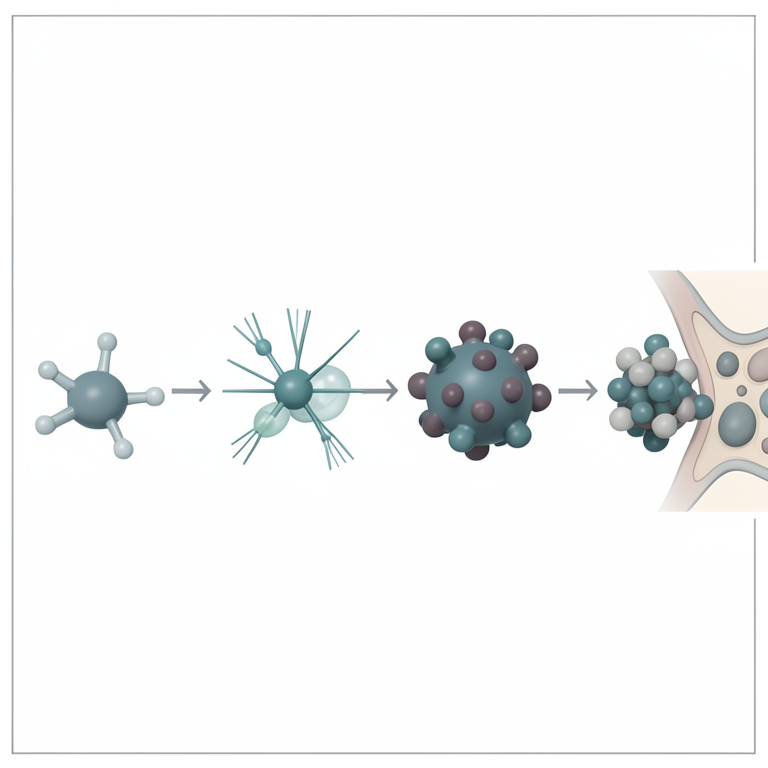
Comparison of Vaccine Platforms
AI-generated conceptual illustration (Vaccine molecular structures and delivery vehicles). It explains the idea and does not show study data.
View source evidence ↗Introduction
Vaccines have been one of the most successful public health interventions, significantly reducing the burden of infectious diseases worldwide. Traditional vaccine development, which often involves the use of live attenuated or inactivated pathogens, has its limitations, including lengthy production times, complex manufacturing processes, and potential safety concerns. Biotechnology offers innovative solutions to these challenges, enabling the development of next-generation vaccines that are safer, more effective, and easier to produce. This review provides a comprehensive overview of the biotechnological approaches used in the development of these advanced vaccines, highlighting their mechanisms, advantages, and future potential.
Main objective of the paper
The objective of this paper is to review biotechnological approaches used in developing nextgeneration vaccines, highlighting their mechanisms, advantages, and future potential.
Recombinant DNA technology in vaccine development
Recombinant DNA technology has revolutionized vaccine development by enabling the production of vaccines that are safer, more effective, and more precisely targeted than traditional vaccines. This technology involves the insertion of genes encoding specific antigens into expression systems such as bacteria, yeast, or mammalian cells to produce recombinant proteins. These recombinant proteins serve as antigens that stimulate the immune system to recognize and combat pathogens. One of the earliest and most successful applications of recombinant DNA technology in vaccine development is the hepatitis B vaccine. The hepatitis B surface antigen (HBsAg) gene was inserted into yeast cells, which then produced the antigen in large quantities. This recombinant HBsAg was then purified and used as the active ingredient in the vaccine. The recombinant hepatitis B vaccine demonstrated high efficacy and safety, leading to its widespread adoption and significant reductions in hepatitis B infections globally (McAleer WJ et al., 1984) [14] . Recombinant DNA technology also facilitates the development of subunit vaccines, which contain only specific antigens rather than whole pathogens. Subunit vaccines reduce the risk of adverse reactions because they do not contain live or inactivated pathogens. For example, the human papillomavirus (HPV) vaccine uses virus-like particles (VLPs) produced through recombinant DNA technology. VLPs are composed of the major capsid protein of HPV, which self-assembles into particles that resemble the virus but lack its DNA, making them non-infectious. Studies have shown that the HPV vaccine elicits strong immune responses and provides effective protection against HPV infections and related cancers (Schiller JT & Lowy DR, 2012) [18] . Another application of recombinant DNA technology is in the development of protein-based influenza vaccines.
Traditional influenza vaccines rely on growing the virus in eggs, which can be time-consuming and may not be suitable for individuals with egg allergies. Recombinant influenza vaccines, on the other hand, use the hemagglutinin (HA) protein, a key antigen of the influenza virus, produced in insect cells using baculovirus expression systems. Clinical trials have demonstrated that recombinant influenza vaccines are as effective as traditional vaccines and offer advantages in terms of production speed and scalability (Cox MM & Hashimoto Y, 2011) [15] . Recombinant DNA technology also enables the production of vaccines targeting multiple antigens simultaneously. This approach is particularly useful for complex pathogens with multiple virulence factors. For instance, the development of a recombinant vaccine for the bacterium Neisseria meningitidis, which causes meningococcal disease, involves the expression of multiple antigens to elicit a broad immune response. The resulting vaccine, known as the 4CMenB (Bexsero), has been shown to provide protection against a wide range of meningococcal strains (Giuliani D et al., 2006) [16] . Advancements in recombinant DNA technology have led to the exploration of novel vaccine platforms, such as DNA vaccines and RNA vaccines. DNA vaccines involve the direct injection of plasmid DNA encoding the antigen into the host, where it is taken up by cells and expressed to induce an immune response. RNA vaccines, which have gained prominence during the COVID-19 pandemic, use messenger RNA (mRNA) to encode the antigen. The mRNA is delivered into cells, where it is translated into the antigen, triggering an immune response. Both DNA and RNA vaccines offer rapid development and production times, making them valuable tools for responding to emerging infectious diseases (Plotkin S et al., 2017) [16] . The success of recombinant DNA technology in vaccine development is supported by extensive research and clinical studies. For example, a study by Plotkin S et al. (2017) [16] highlighted the advantages of recombinant vaccines in terms of safety, efficacy, and production scalability. Additionally, Schiller JT and Lowy DR (2012) [18] The fundamental principle behind mRNA vaccines involves the delivery of synthetic mRNA encoding the antigen of interest into host cells. Once inside the cells, the mRNA is translated by the host's ribosomes to produce the antigen, which is then presented on the cell surface. This antigen presentation stimulates both the humoral and cellular branches of the immune system, leading to the production of antibodies and the activation of T-cells. The immune system is thus "trained" to recognize and combat the actual pathogen if it is encountered in the future.
One of the most significant benefits of mRNA vaccines is their rapid development timeline. [19, 20] .
The production of mRNA vaccines also offers scalability and flexibility. The synthesis of mRNA does not require cell cultures or fermentation processes, which are often timeconsuming and complex. Instead, mRNA can be produced using a cell-free system that involves transcribing DNA templates in vitro. This cell-free production method is not only faster but also more easily scalable to meet global demand. Additionally, the same production platform can be adapted to produce different mRNA vaccines by simply changing the genetic sequence of the mRNA, making it a versatile tool for responding to emerging infectious diseases. Safety is another significant advantage of mRNA vaccines. Because mRNA vaccines do not use live pathogens, there is no risk of causing the disease they aim to prevent. Furthermore, mRNA does not integrate into the host genome, eliminating concerns about insertional mutagenesis. Studies have shown that mRNA vaccines are well-tolerated, with most adverse effects being mild to moderate and transient in nature, such as injection site pain, fever, and fatigue (Baden LR et al., 2021) [20] . The high efficacy of mRNA vaccines has been demonstrated in clinical trials and real-world studies. The Pfizer-BioNTech (BNT162b2) and Moderna (mRNA-1273) COVID-19 vaccines have shown efficacy rates of approximately 95% and 94.1%, respectively, in preventing symptomatic COVID-19 infection (Polack FP et al., 2020; Baden LR et al., 2021) [20] . These vaccines have also proven effective against severe disease and hospitalization. Moreover, subsequent studies have indicated that mRNA vaccines elicit robust immune responses, including neutralizing antibodies and T-cell responses, which are critical for long-term immunity (Sahin M et al., 2020) [21] . In addition to their use in combating COVID-19, mRNA vaccines are being explored for a wide range of other infectious diseases, including influenza, Zika, rabies, and cytomegalovirus. For example, an mRNA vaccine candidate for influenza has shown promising results in preclinical studies, eliciting strong immune responses and offering broad protection against multiple strains of the virus (Pardi et al., 2018) [3] . Similarly, mRNA vaccines targeting Zika virus have demonstrated efficacy in animal models, providing hope for effective prevention strategies against this and other emerging viral threats (Richner JM et al., 2017) [22] . The potential applications of mRNA technology extend beyond infectious diseases to include cancer immunotherapy. Personalized cancer vaccines, which use mRNA to encode tumor-specific antigens, are being developed to stimulate the immune system to recognize and attack cancer cells. Clinical trials have shown that these mRNA-based cancer vaccines can induce potent immune responses and, in some cases, lead to tumor regression (Sahin C et al., 2017) [23] .
Nanoparticle-based vaccines
Nanoparticle-based vaccines utilize nanotechnology to enhance the delivery and presentation of antigens. These vaccines can incorporate various types of nanoparticles, including liposomes, polymeric nanoparticles, and inorganic nanoparticles. Liposomes are spherical vesicles that can encapsulate antigens, enhancing their stability and delivery to immune cells. Liposome-based vaccines have been shown to improve the immunogenicity of encapsulated antigens, leading to stronger and longer-lasting immune responses. Polymeric nanoparticles can be engineered to release antigens in a controlled manner, prolonging antigen exposure and enhancing immune activation. These nanoparticles can also be designed to target specific tissues or cells, improving the efficacy of the vaccine.
Conclusion
The development and deployment of mRNA vaccines have marked a significant milestone in the field of immunization, showcasing the transformative potential of biotechnology. This study has detailed how mRNA vaccines operate on a fundamental level, from encoding specific antigens to stimulating robust immune responses in the host. The rapid design and synthesis capabilities of mRNA vaccines, exemplified by the swift response to the COVID-19 pandemic, highlight their flexibility and adaptability in addressing emerging infectious diseases. One of the critical advantages of mRNA vaccines is their ability to be produced quickly and at scale, bypassing the complex and time-consuming processes associated with traditional vaccine manufacturing. This speed and scalability are crucial in the face of global health emergencies, where timely vaccine deployment can save millions of lives. The success of the Pfizer-BioNTech and Moderna COVID-19 vaccines, which demonstrated high efficacy and safety profiles, underscores the effectiveness of this technology. The versatility of mRNA vaccines extends beyond infectious diseases, with promising applications in cancer immunotherapy. By encoding tumor-specific antigens, mRNA vaccines can potentially train the immune system to target and destroy cancer cells, opening new avenues for personalized cancer treatments. This adaptability makes mRNA technology a powerful tool in the broader field of medicine. However, challenges remain in the widespread adoption of mRNA vaccines, particularly concerning their stability and storage requirements. The need for ultra-cold storage has posed logistical challenges, especially in lowresource settings. Ongoing research aims to develop more stable formulations that can be stored at higher temperatures, which would significantly enhance the global distribution and accessibility of these vaccines. The potential for reactogenicity, while generally mild and transient, also needs to be addressed to improve public acceptance and adherence. Understanding and mitigating these immune reactions are essential for the continued success of mRNA vaccines. In summary, mRNA vaccines represent a groundbreaking advancement in vaccine technology, offering rapid development, high efficacy, and broad applicability. The success against COVID-19 has demonstrated their potential to revolutionize not only the fight against infectious diseases but also other health conditions such as cancer. Continued innovation and research are vital to overcoming current challenges, improving stability and storage, and expanding the applications of mRNA vaccines to enhance global health outcomes. The future of vaccine development is undoubtedly promising, with mRNA technology at the forefront of this transformative wave.
References
23 in the original paper- Zhang C, Maruggi G, Shan H, Li J. Advances in mRNA vaccines for infectious diseases. Front Immunol. 2019;10:594.
- Chen J, Wang Y, Huang S, Qi Y. Advances in the development of subunit and virus-like particle vaccines against respiratory viruses. J Thorac. Dis. 2020;12(8):4515-4525.
- Pardi N, Hogan MJ, Porter FW, Weissman D. mRNA vaccines -A new era in vaccinology. Nat Rev Drug Discov. 2018;17(4):261-279.
- Smith TR, Patel A, Ramos S, Elwood D, Zhu X, Yan J, et al. Immunogenicity of a DNA vaccine candidate for COVID-19. Nat Commun. 2020;11(1):2601.
- Dai L, Gao GF. Viral vectors for vaccines and therapeutics. Nat Rev Immunol. 2021;21(3):151-166.
- Irvine DJ, Swartz MA, Szeto GL. Engineering synthetic vaccines using cues from natural immunity. Nat Mater. 2013;12(11):978-990.
- Kim Y, Jang G, Park J, Park J, Jang J. Nanotechnologybased vaccine delivery systems for enhancing immune responses. Vaccines (Basel). 2020;8(4):737.
- Karikó K, Weissman D. mRNA-based therapeutics: developing a new class of drugs. Nat Rev Drug Discov. 2021;20(11):813-834.
- Pulendran B, Ahmed R. Immunological mechanisms of vaccination. Nat Immunol. 2011;12(6):509-517.
- Le TT, Cramer JP, Chen R, Mayhew S. Evolution of the COVID-19 vaccine development landscape. Nat Rev Drug Discov. 2020;19(10):667-668.
- Shukla R, Ranjan R, Thiyagarajan D, Kaur P, Mishra P, Bhushan S, et al. Virus-like particle-based vaccines against emerging infectious diseases. Front Immunol. 2021;12:790207.
- Mao Q, Yang J, Zhang Q, Salinas ND, Li X, Wei Z, et al. Virus-like particle vaccine for malaria: results from phase 1 trial and optimization of production process. Vaccine. 2021;39(8):1404-1413.
- He Q, Gao H, Tan D, Zhang Y, Wang J, Wang Y, et al. Virus-like particle-based vaccines for emerging infectious diseases: what can we learn from existing preventive vaccines? Front Microbiol. 2021;12:746-818
- McAleer WJ, Buynak EB, Maigetter RZ, Wampler DE, Miller WJ, Hilleman MR. Human hepatitis B vaccine from recombinant yeast. Nature. 1984;307(5947):178180.
- Cox MM, Hashimoto Y. A fast track influenza virus vaccine produced in insect cells. Journal of invertebrate pathology. 2011;107:S31-41.
- Giuliani D, Mioni C, Altavilla D, Leone S, Bazzani C, Minutoli L, et al. Both early and delayed treatment with melanocortin 4 receptor-stimulating melanocortins produces neuroprotection in cerebral ischemia. Endocrinology. 2006;147(3):1126-1135.
- Plotkin S, Robinson JM, Cunningham G, Iqbal R, Larsen S. The complexity and cost of vaccine manufacturing-an overview. Vaccine. 2017 Jul 24;35(33):4064-4071.
- Lowy DR, Schiller JT. Reducing HPV-associated cancer globally. Cancer prevention research. 2012 Jan 1;5(1):18-23.
- Polack FP, Thomas SJ, Kitchin N, Absalon J, Gurtman A, Lockhart S, et al. Safety and efficacy of the BNT162b2 mRNA Covid-19 vaccine. New England journal of medicine. 2020;383(27):2603-2615.
- Baden LR, El Sahly HM, Essink B, Kotloff K, Frey S, Novak R, et al. Creech CB, McGettigan J. Efficacy and safety of the mRNA-1273 SARS-CoV-2 vaccine. New England journal of medicine. 2021;384(5):403-416.
- Şahin M. Impact of weather on COVID-19 pandemic in Turkey. Science of the Total Environment. 2020;728:138810.
- Richner JM, Himansu S, Dowd KA, Butler SL, Salazar V, Fox JM, et al. Modified mRNA vaccines protect against Zika virus infection. Cell. 2017;168(6):11141125.
- Sahin C. The Predictive Level of Social Media Addiction for Life Satisfaction: A Study on University Students. Turkish Online Journal of Educational Technology-TOJET. 2017;16(4):120-125.