
Research article · 2023 · Full text
International Journal of Advanced Chemistry ResearchExploring the chemical space of covalent inhibitors in medicinal chemistry
Volume 5(2) · Pages 109–111 · DOI: 10.33545/26646781.2023.v5.i2b.207 ↗
Research areasChemistry and Chemical EngineeringComputational Drug Discovery Methods
Abstract
Author-writtenCovalent inhibitors have re-emerged as a powerful class of therapeutic agents in medicinal chemistry, offering advantages such as prolonged target engagement and high potency. This review explores the chemical space of covalent inhibitors, focusing on their design, mechanisms of action, and therapeutic applications. By analyzing recent studies, we provide insights into the development of covalent inhibitors, highlighting successful examples and discussing the challenges and future directions in this field.
Summary
Source-checkedPlain-language reading of the full paper, prepared with AI and checked against the text. Each point links to the authors' own words.
Why it matters
- Covalent inhibitors are of renewed interest in medicinal chemistry because they form strong, lasting bonds with target proteins, which can lead to longer inhibition and better therapeutic effects. View evidence ↗
- These inhibitors can be highly potent at lower doses because their irreversible binding maintains target inhibition even after the drug has left the bloodstream. View evidence ↗
- The market for covalent drugs was valued at approximately USD 5.6 billion in 2023 and is expected to grow at a CAGR of 9.4% over the next ten years. View evidence ↗
The question
- The paper aims to review the design principles, mechanisms of action, and therapeutic applications of covalent inhibitors within medicinal chemistry. View evidence ↗
What they did
- The author analyzed recent studies to provide insights into the development of covalent inhibitors and to highlight successful examples and challenges. View evidence ↗
- The design of covalent inhibitors is based on three primary components: the reactive warhead, the linker, and the binding moiety. View evidence ↗
- Structure-based drug design utilizes X-ray crystallography and cryo-electron microscopy to identify binding sites and reactive residues for rational inhibitor design. View evidence ↗
What they found
- Covalent inhibitors typically target nucleophilic amino acid residues, most commonly cysteine, serine, lysine, or tyrosine. View evidence ↗
- Ibrutinib, an irreversible BTK inhibitor, is effective in treating mantle cell lymphoma (MCL) and chronic lymphocytic leukemia (CLL). View evidence ↗
- Osimertinib treats non-small cell lung cancer by forming a covalent bond with the cysteine 797 residue of the T790M mutant EGFR, overcoming specific resistance mutations. View evidence ↗
- Tofacitinib is used for rheumatoid arthritis and inflammatory conditions by covalently binding to the ATP-binding site of Janus kinase (JAK). View evidence ↗
- Boceprevir and telaprevir treat HCV infection by irreversibly inhibiting the NS3/4A protease through a covalent bond with its active site serine residue. View evidence ↗
- Clavulanic acid overcomes antibiotic resistance by covalently binding to the active site serine of β-lactamase enzymes. View evidence ↗
- A major challenge in design is that overly reactive warheads can modify non-target proteins, which leads to toxicity. View evidence ↗
What it means
- The author states that future research needs to expand the variety of available warheads and explore new mechanisms for forming covalent bonds. View evidence ↗
Visual summary
1 visualsIllustrations explain the paper; they do not show study data.
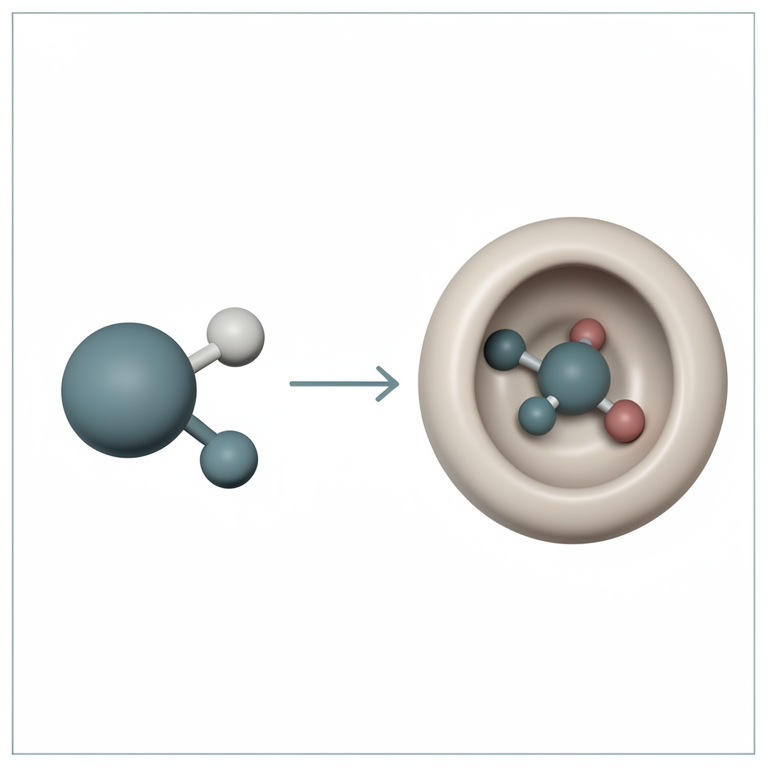
Anatomy of a Covalent Inhibitor
AI-generated conceptual illustration (a small molecule covalent inhibitor and a protein binding pocket). It explains the idea and does not show study data.
View source evidence ↗Introduction
Covalent inhibitors have gained renewed attention in the field of medicinal chemistry due to their ability to form a strong and lasting bond with their target proteins, resulting in prolonged inhibition and potentially improved therapeutic efficacy. Historically, covalent inhibitors were viewed with skepticism because of concerns about off-target effects and potential toxicity. However, advancements in drug design and a deeper understanding of protein-ligand interactions have led to the successful development and approval of several covalent inhibitors, transforming their reputation and showcasing their potential. The resurgence of interest in covalent inhibitors can be attributed to their unique advantages over non-covalent inhibitors. Covalent inhibitors can achieve high potency with lower doses, as the irreversible binding leads to sustained target inhibition even after the drug is cleared from the bloodstream. This property can translate into improved clinical outcomes, as seen with several FDA-approved covalent inhibitors. For instance, ibrutinib, an irreversible inhibitor of Bruton's tyrosine kinase (BTK), has demonstrated significant efficacy in the of off-target effects. The use of fragment-based drug discovery (FBDD) and structure-based drug design (SBDD) has led to the identification of novel covalent warheads and scaffolds that can be tailored to specific targets (Murray CW & Rees DC, 2009) [14] . The success of covalent inhibitors in oncology has been particularly notable. Osimertinib, a third-generation epidermal growth factor receptor (EGFR) inhibitor, was designed to overcome resistance mutations in non-small cell lung cancer (NSCLC). It selectively forms a covalent bond with the cysteine 797 residue of the T790M mutant EGFR, providing a highly effective treatment option for patients with this resistance mutation (Cross et al., 2014) [1] . The clinical success of osimertinib has underscored the potential of covalent inhibitors to address drug resistance, a major challenge in cancer therapy. Covalent inhibitors have also shown promise in the treatment of autoimmune diseases. Tofacitinib, an irreversible inhibitor of Janus kinases (JAKs), has been approved for the treatment of rheumatoid arthritis and other inflammatory conditions. By forming a covalent bond with the ATP-binding site of JAKs, tofacitinib effectively suppresses inflammatory signaling pathways, providing therapeutic benefits with a favorable safety profile (Hodge et al., 2016) [5] . Despite these successes, the development of covalent inhibitors is not without challenges. Achieving high selectivity to avoid off-target interactions remains a critical concern. The design of highly reactive warheads can lead to unwanted covalent modifications of non-target proteins, resulting in toxicity. Therefore, the balance between reactivity and selectivity is crucial in the design of covalent inhibitors. The use of reversible covalent inhibitors, which form bonds that can dissociate over time, offers a potential solution to this challenge (Singh et al., 2011) [10] . In summary, covalent inhibitors represent a powerful and versatile class of therapeutic agents with significant potential across various disease areas. The advancements in drug design, structural biology, and a better understanding of protein-ligand interactions have paved the way for the development of selective and effective covalent inhibitors. This review aims to provide a comprehensive overview of the chemical space of covalent inhibitors, discussing their design principles, mechanisms of action, and therapeutic applications, while highlighting the challenges and future directions in this rapidly evolving field.
Main objective
The objective of this paper is to review the design, mechanisms, and therapeutic applications of covalent inhibitors in medicinal chemistry.
Design principles of covalent inhibitors
The design of covalent inhibitors involves several key considerations to ensure selectivity, potency, and safety. The primary components of a covalent inhibitor include the warhead, the linker, and the binding moiety. Each of these components plays a crucial role in the overall effectiveness of the inhibitor. The warhead is the reactive group that forms a covalent bond with the target protein. Common warheads include Michael acceptors, acrylamides, epoxides, and sulfonate esters. The choice of warhead is critical for determining the reactivity and selectivity of the covalent inhibitor. Michael acceptors, for example, are widely used due to their moderate reactivity and ability to form covalent bonds with cysteine residues in proteins. Recent studies by Gehringer and Laufer (2019) [3] have highlighted the importance of optimizing warhead reactivity to balance potency and selectivity, thereby minimizing off-target effects. The binding moiety is responsible for recognizing and binding to the target protein, while the linker connects the binding moiety to the warhead. The binding moiety must be designed to ensure high affinity and specificity for the target protein, thereby guiding the warhead to the appropriate reactive site. The linker length and flexibility are also crucial, as they influence the orientation and positioning of the warhead relative to the target residue. Research by Singh et al. (2011) [10] demonstrated that optimizing the linker can significantly enhance the selectivity and efficacy of covalent inhibitors. Structure-based drug design (SBDD) plays a pivotal role in the development of covalent inhibitors. Highresolution structures of target proteins, obtained through techniques such as X-ray crystallography and cryo-electron microscopy, provide valuable insights into the binding sites and reactive residues. SBDD enables the rational design of inhibitors that can precisely target these sites. For example, the development of covalent Bruton's tyrosine kinase (BTK) inhibitors, such as ibrutinib, was facilitated by detailed structural information about the BTK active site and its cysteine residue (Cys481) (Honigberg et al., 2010) [4] .
Action of covalent inhibitors
Covalent inhibitors exert their effects through the formation of a covalent bond between the warhead and a specific residue in the target protein. This irreversible binding can lead to sustained inhibition and enhanced therapeutic efficacy. The mechanisms of action can be broadly classified based on the type of target residue and the nature of the covalent bond. Cysteine residues are the most common targets for covalent inhibitors due to their nucleophilic thiol groups, which readily react with electrophilic warheads. However, other nucleophilic residues, such as serine, threonine, lysine, and tyrosine, can also be targeted. The choice of target residue depends on the availability and accessibility of nucleophilic sites within the target protein. For example, covalent inhibitors of the serine protease family, such as serine βlactamase inhibitors, form covalent bonds with the active site serine residue, leading to irreversible enzyme inhibition (Page et al., 2001) [8] . The formation of a covalent bond between the warhead and the target residue typically involves a nucleophilic attack by the target residue on the electrophilic warhead. This reaction can proceed through various mechanisms, including Michael addition, nucleophilic substitution, and acylation. The stability and reversibility of the covalent bond are important considerations, as they influence the duration of inhibition and potential off-target effects. For example, reversible covalent inhibitors, such as those targeting the enzyme dihydroorotate dehydrogenase (DHODH), form a covalent bond that can dissociate over time, allowing for controlled inhibition and reduced toxicity (Liu et al., 2013) [6] .
Therapeutic applications of covalent inhibitors
Covalent inhibitors have been successfully developed for a wide range of therapeutic applications, including cancer, infectious diseases, and autoimmune disorders. Their ability to achieve sustained target inhibition makes them particularly effective in conditions requiring long-lasting therapeutic effects. Cancer therapy is a major area of application for covalent inhibitors. Several covalent inhibitors have been approved for the treatment of various cancers, targeting key oncogenic drivers and signalling pathways. For instance, ibrutinib, a covalent BTK inhibitor, is used in the treatment of B-cell malignancies such as chronic lymphocytic leukemia (CLL) and mantle cell lymphoma (MCL). Ibrutinib forms a covalent bond with Cys481 in BTK, leading to irreversible inhibition of BTK signalling and subsequent tumor cell apoptosis (Honigberg et al., 2010) [4] . Another notable example is osimertinib, a covalent inhibitor of the epidermal growth factor receptor (EGFR) used in non-small cell lung cancer (NSCLC). Osimertinib targets the T790M resistance mutation in EGFR, forming a covalent bond with Cys797 and overcoming resistance to earlier-generation EGFR inhibitors (Cross et al., 2014) [1] . The success of these inhibitors underscores the potential of covalent inhibitors in targeting cancer-specific mutations and overcoming drug resistance. Covalent inhibitors have also shown promise in the treatment of infectious diseases. Inhibitors targeting viral proteases and bacterial enzymes have been developed to combat infections. For example, covalent inhibitors of the hepatitis C virus (HCV) NS3/4A protease, such as boceprevir and telaprevir, have been approved for the treatment of HCV infection. These inhibitors form a covalent bond with the active site serine residue, leading to irreversible inhibition of the viral protease and suppression of viral replication (Sarrazin AF et al., 2010) [13] . In bacterial infections, covalent inhibitors of β-lactamase enzymes, such as clavulanic acid, are used in combination with β-lactam antibiotics to overcome antibiotic resistance.
Clavulanic acid forms a covalent bond with the active site serine residue of β-lactamase, thereby inhibiting the enzyme and allowing the antibiotic to exert its antibacterial effect (Drawz and Bonomo, 2010) [2] . Autoimmune disorders, characterized by the dysregulation of the immune system, are another area where covalent inhibitors have demonstrated therapeutic potential. Covalent inhibitors targeting kinases and other signalling proteins involved in immune cell activation have been developed for the treatment of autoimmune diseases. For example, tofacitinib, a covalent inhibitor of Janus kinase (JAK), is approved for the treatment of rheumatoid arthritis and other inflammatory conditions. Tofacitinib forms a covalent bond with the ATP-binding site of JAK, leading to sustained inhibition of JAK signalling and suppression of inflammatory responses (Hodge et al., 2016) [5] .
Conclusion
Covalent inhibitors represent a powerful class of therapeutic agents with unique advantages in medicinal chemistry. Advances in the design, mechanism of action, and therapeutic applications of covalent inhibitors have led to significant successes in cancer therapy, infectious diseases, and autoimmune disorders. Despite challenges related to selectivity, resistance, and drug delivery, ongoing research and innovation continue to expand the chemical space and clinical utility of covalent inhibitors. By addressing these challenges and exploring new directions, covalent inhibitors have the potential to revolutionize drug discovery and development, offering improved treatment options for a wide range of diseases. Future research in the field of covalent inhibitors should focus on expanding the chemical space of warheads and exploring novel mechanisms of covalent bond formation. The development of innovative screening methods and computational tools for predicting covalent interactions can accelerate the discovery of new covalent inhibitors. Additionally, integrating covalent inhibitors with emerging technologies such as proteomics and genomics can provide insights into their biological effects and identify new therapeutic targets. The exploration of covalent inhibitors in new therapeutic areas, such as neurodegenerative diseases and metabolic disorders, holds promise for expanding their clinical applications. Collaborative efforts between academia, industry, and regulatory agencies are essential for addressing the challenges and advancing the development of covalent inhibitors in medicinal chemistry.
References
13 in the original paper- Cross DA, Ashton SE, Ghiorghiu S, Eberlein C, Nebhan CA, Spitzler PJ, et al. AZD9291, an irreversible EGFR TKI, overcomes T790M-mediated resistance to EGFR inhibitors in lung cancer. Cancer Discov. 2014;4(9):1046-1061.
- Drawz SM, Bonomo RA. Three decades of β-lactamase inhibitors. Clin Microbiol Rev. 2010;23(1):160-201.
- Gehringer M, Laufer SA. Emerging and re-emerging warheads for targeted covalent inhibitors: applications in medicinal chemistry and chemical biology. J Med Chem. 2019;62(12):5673-5724.
- Honigberg LA, Smith AM, Sirisawad M, Verner E, Loury D, Chang B, et al. The Bruton tyrosine kinase inhibitor PCI-32765 blocks B-cell activation and is efficacious in models of autoimmune disease and B-cell malignancy. Proc Natl Acad Sci USA. 2010;107(29):13075-13080.
- Hodge JA, Kawabata TT, Krishnaswami S, Clark JD, Telliez JB, Dowty ME, et al. The mechanism of action of tofacitinib-an oral Janus kinase inhibitor for the treatment of rheumatoid arthritis. Clin Exp Rheumatol. 2016;34(2):318-328.
- Liu Q, Sabnis Y, Zhao Z, Zhang T, Buhrlage SJ, Jones LH, et al. Developing irreversible inhibitors of the protein kinase cysteinome. Chem Biol. 2013;20(2):146159.
- Ohashi K, Maruvka YE, Michor F, Pao W. Epidermal growth factor receptor tyrosine kinase inhibitorresistant disease. J Clin Oncol. 2012;30(27):3298-3307.
- arrazin C, Hézode C, Zeuzem S, Pawlotsky JM. Antiviral strategies in hepatitis C virus infection. Journal of hepatology. 2012;56(Suppl 1):88-100.
- Singh J, Petter RC, Baillie TA, Whitty A. The resurgence of covalent drugs. Nat Rev Drug Discov. 2011;10(4):307-317.
- Torchilin VP. Recent advances with liposomes as pharmaceutical carriers. Nat Rev Drug Discov. 2005;4(2):145-160.
- Byrd JC, Furman RR, Coutre SE, Flinn IW, Burger JA, Blum KA, et al. Targeting BTK with ibrutinib in relapsed chronic lymphocytic leukemia. New England Journal of Medicine. 2013;369(1):32-42.
- Sarrazin AF, Nunez VA, Sapede D, Tassin V, DamblyChaudiere C, Ghysen A. Origin and early development of the posterior lateral line system of zebrafish. Journal of Neuroscience. 2010;30(24):8234-8244.
- Murray CW, Rees DC. The rise of fragment-based drug discovery. Nature chemistry. 2009;1(3):187-192.