
Research article · 2024 · Full text
International Journal of Advanced Chemistry ResearchSynthesis and characterization of Alginate-Ag-attapulgite with different ratios of hydroxyapatite nanoparticles
Volume 6(2) · Pages 01–08 · DOI: 10.33545/26646781.2024.v6.i2a.203 ↗
Research areasBone Tissue Engineering Materials
Abstract
Author-writtenIn order to enable the in situ bio reduction of Ag ions, our work involves the ecologically friendly creation of a brown attapulgite-Ag nanocomposite using bay leaf extract. This enables good stability and dispersion of Ag NPs together with an effective enhancement in activity and biofriendliness. In order to improve the performance of the alginate-attaplugite-AgNps nanocomposite as an advanced adsorbent material, three different weights (0.1, 0.2, and 0.4 g) of hydroxyapatite nanocomposite were added. The resultant nanocomposite was characterized using XRD, SEM, BET, and TEM. As a result, given its higher bio-performance and cleaner, ecologically friendly production process, the created alginate-attaplugite-AgNps nanocomposite may have significant potential usage in a range of domains, such as food preservation, wound care, and antibacterial or as adsorbent materials.
Summary
Source-checkedPlain-language reading of the full paper, prepared with AI and checked against the text. Each point links to the authors' own words.
Why it matters
- Alginates are widely used in fields like food science and medicine due to their biocompatibility, biodegradability, and renewability. View evidence ↗
- Attapulgite is a magnesium aluminium silicate mineral valued for its non-toxicity, affordability, and stability. View evidence ↗
- Hydroxyapatite is considered an optimal adsorbent material for the recovery and removal of water contaminants. View evidence ↗
The question
- The study aimed to improve the performance of an alginate-attapulgite-AgNPs nanocomposite as an adsorbent by adding varying amounts of hydroxyapatite. View evidence ↗
What they did
- The researchers used bay leaf extract as a green reducing agent to create the attapulgite-Ag nanocomposite. View evidence ↗
- The final composites were made by mixing 100ml alginate gel with 1g Ag NPs-attapulgite and adding 0.1, 0.2, or 0.4g of hydroxyapatite nanoparticles. View evidence ↗
- The nanocomposites were analyzed using X-ray diffraction (XRD), scanning electron microscopy (SEM), Brunauer-Emmett-Teller (BET) surface area analysis, and transmission electron microscopy (TEM). View evidence ↗
What they found
- The Ag-attapulgite nanocomposite had an average particle size of 50.98 nm, ranging from 2 to 146 nm. View evidence ↗
- The average particle size for the alginate-Ag-attapulgite-hydroxyapatite nanocomposite was found to be 10.52 nm. View evidence ↗
- TEM measurements showed attapulgite diameters of 6-20 nm, hydroxyapatite diameters up to 60 nm, and silver diameters of 10-30 nm. View evidence ↗
- The BET surface area of the alginate-Ag-attapulgite-hydroxyapatite nanocomposite was 122.068 m²/g. View evidence ↗
- The average pore diameter of the final nanocomposite was measured at 19.234 nm. View evidence ↗
What it means
- The authors conclude that adding attapulgite (APT) significantly improved the dispersion and reduced the size of the silver nanoparticles. View evidence ↗
- The resulting nanocomposite is recommended for use in antimicrobial, medicinal, food preservation, and wound healing applications. View evidence ↗
Visual summary
1 visualsIllustrations explain the paper; they do not show study data.
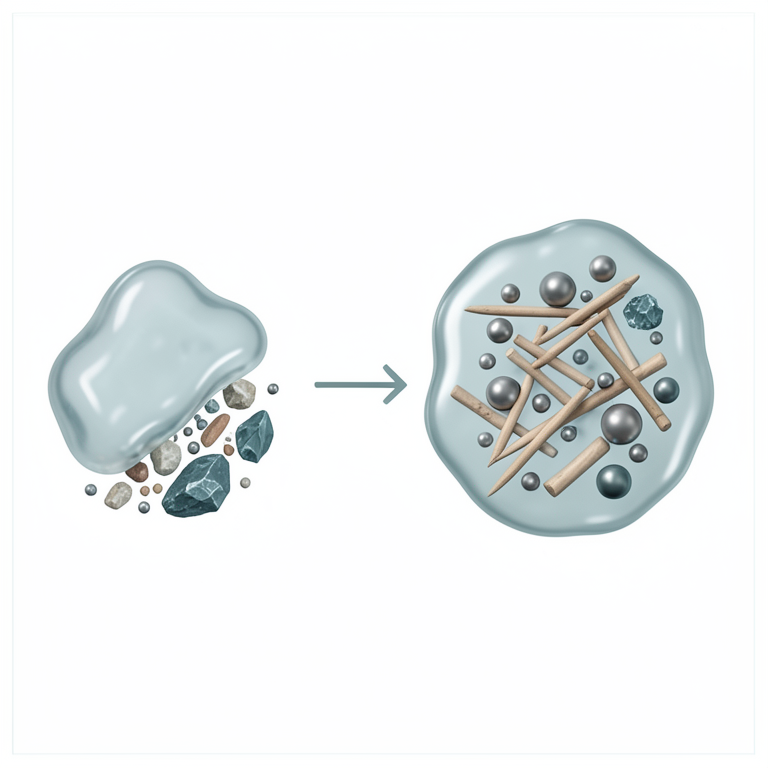
Nanocomposite Composition
AI-generated conceptual illustration (Alginate-Ag-attapulgite nanocomposite with hydroxyapatite nanoparticles). It explains the idea and does not show study data.
View source evidence ↗Figures & tables
From the original paper Table 1
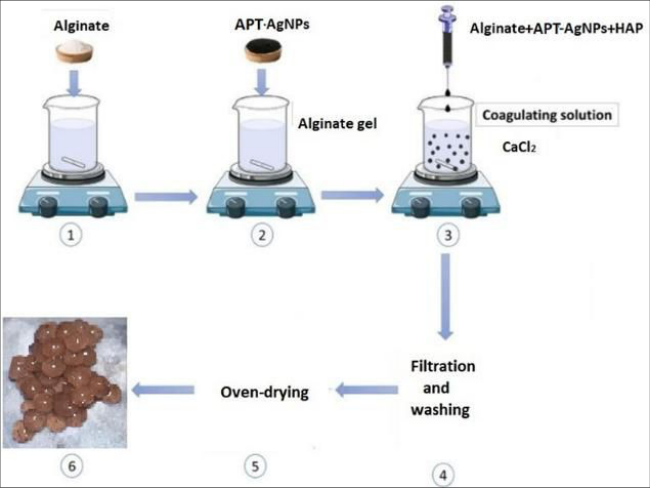 Figure 1
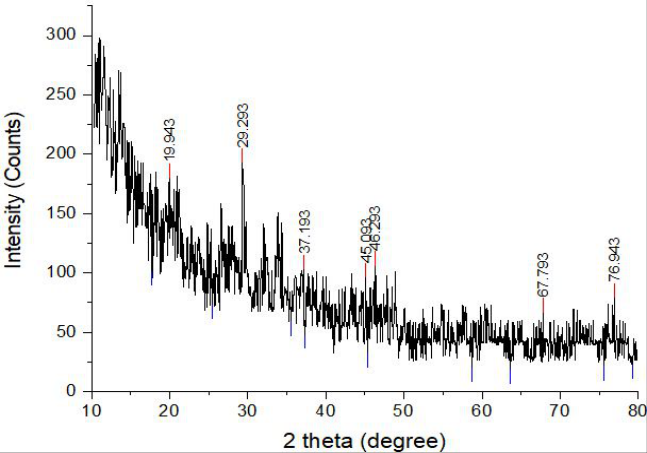 Figure 2
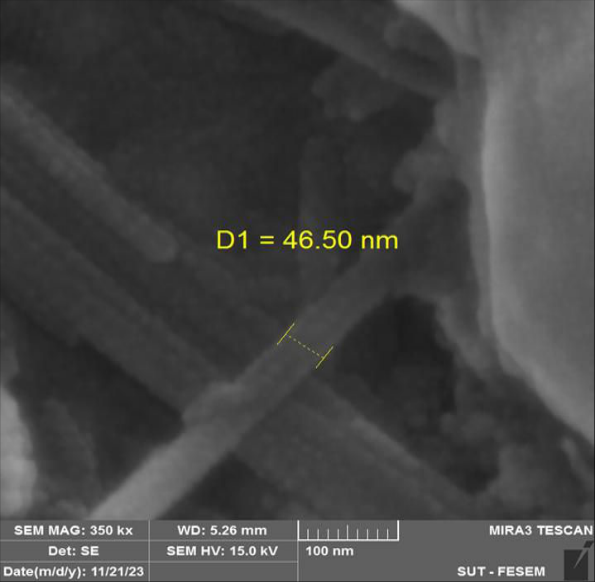 Figure 3
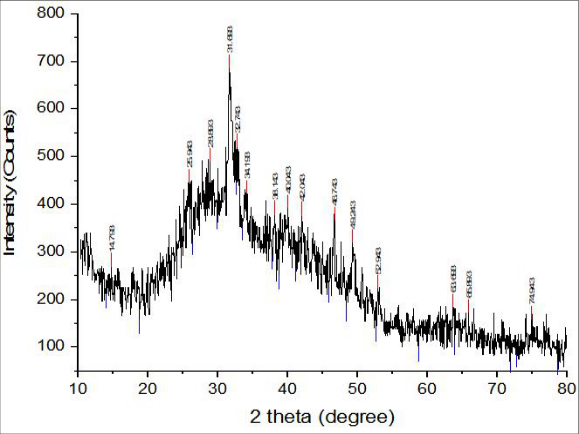 Figure 4
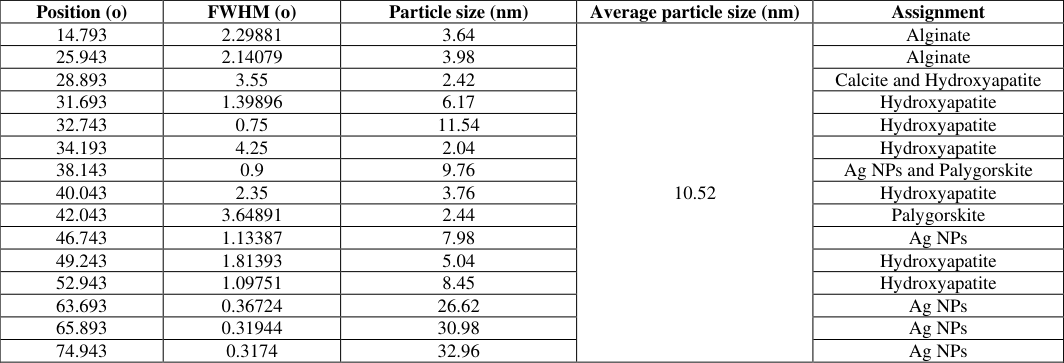 Table 2
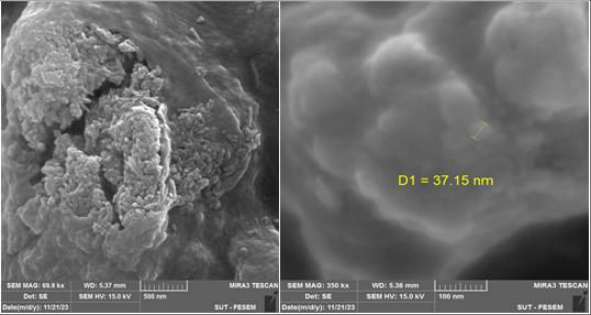 Figure 5
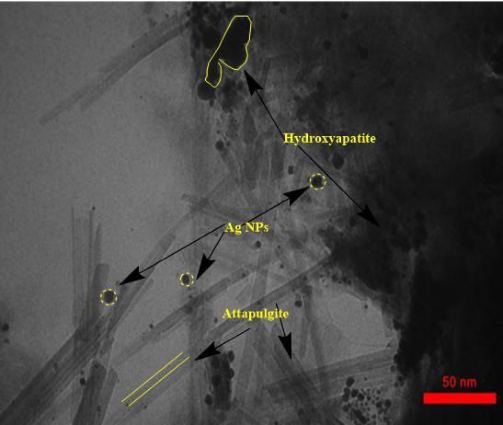 Figure 6
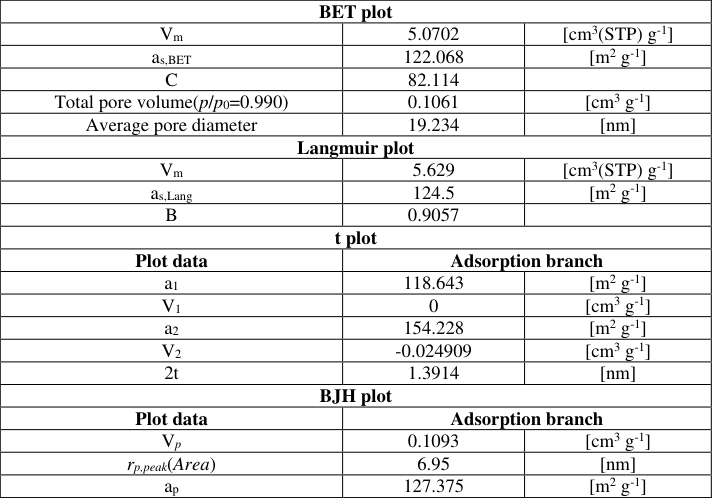 Table 3
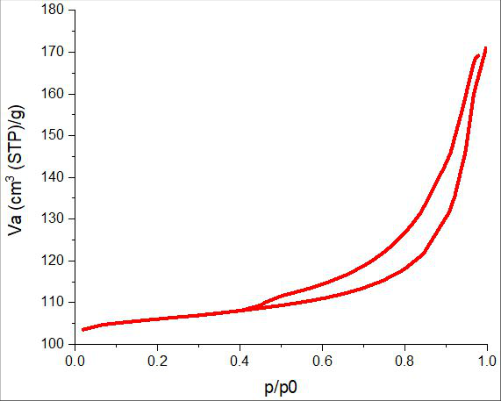 Figure 7
Introduction
Alginates have been created and applied all over the world for a very long period. In the latter half of the 1800s, British scientist E.C.C. Stanford made the first known discovery of alginates. Since then, a lot of research has been done on alginates to discover more about their properties and potential applications. The popularity of alginate, a biopolymer found in sea algae, has increased mostly composed of linear polymers of β-(1-4)-D-mannuronic (M) and α-L-gluronic (G) acids, which have different linear configurations and ratios [1,2] . Alginate's massive molecular mass gives it a high viscosity and gel strength [3] . Alginate's high molecular weight contributes to its poor solubility and bioavailability [4][5] . Alginates' remarkable properties with regard to renewability, biocompatibility, biodegradation, and processing have led to their widespread usage and investigation in a variety of fields, including tissue engineering, medication delivery, wound healing, textile, cosmetics, and food science. In industrial food processing, alginates are commonly utilized as coating compounds that resist microorganisms and as thickeners and stabilizers [6] . Because of its biodegradability, it is the ideal raw material for active packaging films used in the food and pharmaceutical industries [7] . Furthermore, the use of alginates and their composites in electrode modification has been the subject of some research [8] , the removal of contaminants [9] , and the fermentation of dormant cells [10] . Pure alginate salts unquestionably have a poorly formed structure [11] . Because these properties are directly related to their capacity to function as encapsulating materials, alginates are commonly identified by their average molecular weight and M/G ratio [12] . Alginates are often extracted and purified by first changing from an insoluble to a soluble state within the algal cell walls, typically with the aid of sodium salt. Then, a sequence of precipitations and dissolutions is carried out to eliminate any leftover pollutants [13] . Because of their many uses, nanocomposites are now thought to be extremely important materials [1418] . Since they are inexpensive and simple to produce in large quantities for industrial use, the nanostructured clays containing metal nanoparticles or metal oxide nanoparticles are the most significant of these composites [19][20][21] .
A kind of hydrated magnesium aluminium silicate mineral called Attapulgite (ATP) is made up of magnesium organized in an octahedral coordination and silicon dioxide shaped like a tetrahedron. The structural formula (OH 2 ) 4 (Mg,Al,Fe) 5 (OH) is used to represent it. The oxygen atoms (2Si 8 O 20 ) that the attapulgite units share bind the units together. The channels run the length of the crystals because of the partially organized water, which creates borders that resemble ribbons. The Mg (Al,Fe) brucite's magnesium cations are linked to the partially ordered water. Attapulgite creates a lattice structure of particles linked by hydrogen bonds that causes gel formations in both fresh and saline water. Among its many benefits are its excellent mechanical and thermal stability, affordability, accessibility, and lack of toxicity [22] . Because of its biological characteristics, silver nanoparticles differ from other metal nanoparticles. Silver nanoparticles have been shown in numerous studies to possess significant biological capabilities, including antimicrobial, antiviral, wound-healing, and anti-inflammatory effects [23][24][25] . Metallic Nanoparticles (NPs) are commonly prepared by conventional chemical and physical methods. However, modern environmental concerns have prompted research into green synthesis and eco-friendly synthesis in order to manufacture metallic NPs based on a range of biological entities [26] . This review does not aim to cover all plant extracts used in the green synthesis of AgNPs. Reviews [2729] discuss this field in great detail. Rather, this review focuses primarily on the synthesis of AgNPs using plant extracts as reducing agents. Silver nanoparticles are commonly produced using a variety of sources, including bacteria, fungi, plants, and biopolymers. In this reaction, Ag + and the functional components of various plant extract constituents interact electrostatically [30] . Silver nanoparticles are particularly important for their chemical and biological characteristics, among other reasons. Unwanted byproducts are produced during synthesis due to the usage of hazardous components. As such, there is an increasing need to create environmentally benign processes for the green production of nanoparticles. Consequently, research into the ecologically benign synthesis of Ag-NPs is emerging as an important field of study in nanotechnology. Biological resources, such as microorganisms, plant extracts, or both, can be used in place of physical and chemical interactions to make environmentally acceptable NPs [31] . Hydroxyapatite (HAp), an inorganic substance with the chemical formula Ca 10 (PO 4 ) 6 (OH) 2 , has received a lot of attention as a graft component due to its exceptional biocompatibility in the medical industry. It is widely used in several fields, including environmental conservation and dental restoration [32,33] . HAp has been used recently in numerous biological processes, including wound healing, drug transport, and tissue engineering [34] . Scientists have determined that Hydroxyapatite (HAP) is the best adsorbent material for removing and recovering contaminants from water [35] . HAP has been effectively utilised to remove a variety of contaminants from wastewater due to its exceptional surface characteristics. Review articles that were recently published discuss the use of HAP as a flexible material for environmental remediation [36,37] . One of the aims of the study was to reduce the usage of Iraqi attapulgite clays, whose supply seems to have disappeared. This goal was successfully met because the study only requires small amounts of the material. The synthetically produced composite materials exhibited encouraging adsorption properties. They seem to be promising adsorbents in the processes of removing organic pollutants. Furthermore, the alginate-attaplugite-AgNps composites' constituents are biodegradable and harmless for the environment. Alginate has demonstrated chemical stability. The chemical has an excellent structure and significant adsorption properties, according to study analysis.
Materials and Methods 1. Preparation of bay leaf extract
The bay leaf was dried and sieved after being baked for three days at 40 to 45 degrees Celsius and ground into a fine powder using a combination grinder. Combine 10g of leaf powder and 100ml of deionized water in a 500ml flask. Boil for 10 to 15 minutes, then allow to come down to room temperature. After filtering the cooled mixture through Whatman filter paper number 1, collect the filtrate.
Ag NPs-attapulgite
After dissolving two grammes of AgNO 3 in 150 millilitres of deionized water and heating to 60 degrees Celsius, 10 grammes of attapulgite clay were added to the mixture in order to equally distribute the silver ions throughout the clay. The mixture was then stirred for a further fifteen minutes. After that, bay leaf extract was added, bringing the total capacity up to roughly 250 ml. The mixture was stirred for an hour at room temperature, filtered, and rinsed three times with deionized water before being dried at 60 degrees Celsius for a duration of twelve hours.
Alginate gel
To make the alginate gel, two grammes of sodium alginate and one hundred millilitres of cold water were mixed together and shaken for a full day.
Alginate-Ag NPs-attapulgite-hydroxyapatite
Accompanying the alginate gel, a whole mixture of 100 ml and 1 g Ag NPs-attapulgite was utilized to produce matched composites with varying HA contents. Subsequently, 0.1, 0.2, and 0.4 g of hydroxyl apatite nanoparticles were added individually. After it was established that the combination was homogeneous, it was sonicated one more utilizing water bath ultrasonography equipment. The composite gel was then put into a beaker containing a gelation agent (One gramme dissolved in one hundred millilitres). After being collected, the droplet was cleaned with distilled water, dried for half an hour at 60 degrees Celsius, and then utilized again in the subsequent steps. were also seen in the measurement. These peaks correspond to the crystal planes of 111, 200, 220, and 311, respectively, and are related to the creation of the nanosilver facing centre cubic crystal system. The measurement thus demonstrates the efficacy of the attapulgite and nanosilver interaction, but it also reveals that the low-crystallinity clay decreased the silver's crystallinity (38, 39). As indicated in Table 1, the crystalline size was estimated using the Scherrer equation. The findings indicated that the average particle size was 50.98 nanometers, with a range of about 2-146 nanometers SEM: For the purpose of characterising nanomaterials, particularly those with well-known nanostructures like attapulgite, this measurement is thought to be crucial. Figure 3 measurement revealed geometric patterns that looked like different channels stacked on top of one another; these characteristics are thought to be unique to attapulgite. The measurement provides more evidence of the response between the attapulgite and the nanosilver. It also demonstrates how the nanosilver ornamentation formed rough surfaces on the attapulgite surfaces as the silver sintered on the attapulgite surface. The measurement showed the attapulgite containing nanosilver to have a diameter of less than 47 nanometers, which is consistent with the Scherrer equation-derived estimated particle size of 50.98 nm from X-ray diffraction. 2 to get the average particle size, which was found to be 10.52 nm.
| Position (o) | FWHM (o) | Particle size (nm) | Average particle size (nm) | Assignment |
|---|---|---|---|---|
| 19.943 | 3.93167 | 2.14 | 50.98 | Montomorillonite |
| 29.293 | 0.33651 | 25.50 | Calcite | |
| 37.193 | 0.99306 | 8.82 | Ag NPs and Palygorskite | |
| 45.093 | 0.17 | 52.89 | Palygorskite | |
| 46.293 | 0.13977 | 64.61 | Ag NPs | |
| 67.793 | 0.06827 | 146.53 | Ag NPs | |
| 76.943 | 0.18813 | 56.38 | Ag NPs |
Table text extracted from the original PDF; superscript letters are shown inline. The original table image is below.
View original table image
SEM
Alginate balls containing attapulgite, silver, and hydroxyapatite were used for this measurement. This measurement's findings showed a smooth surface with many aggregate structures, which are assumed to be the product of the composite particles inside the ball. The measurement also confirmed the presence of channel-like structures assigned to the attapulgite and irregular and spherical particles attributed to the other components in the attapulgite-silver-hydroxyapatite composite. These results show that the polymeric combination for the composite, as shown in Figure 5, is successful. TEM: As seen in Figure 6, the measurement revealed the presence of unique structures of nanosilver (as nanospheres), hydroxyapatite (as irregular structures), and attapulgite (as individual nanorods). The diameter of the attapulgite was measured and found to be 6-20 nanometers, the diameter of the hydroxyapatite was found to be no more than 60 nanometers, and the diameter of the silver was found to be 10-30 nanometers.
BET:
The measurement demonstrated the existence of distinct nanosilver (as nanospheres), hydroxyapatite (as irregular structures), and attapulgite (as individual nanorods) structures, as shown in Figure 6. The measurements revealed that the attapulgite had a diameter of 6-20 nanometers, the hydroxyapatite had a diameter of no more than 60 nanometers, and the silver had a diameter of 10-30 nanometers.
Conclusion
Based on the results of this study, we can use attapulgite impregnated with nanoscale silver in an environmentally friendly way by using extract from bay leaves as a reducing agent. This suggests that the addition of APT significantly decreased the size of Ag NPs and enhanced their dispersion. Therefore, in addition to having outstanding bioperformance, the alginate-attaplugite-AgNps nanocomposite that was created in this study offers the benefits of being simple, affordable, and ecologically benign. It may therefore find utility as a nanomaterial in numerous industries, such as wound healing, food preservation, and antimicrobial and medicinal applications.
Figures and tables from the paper
| Position (o) | FWHM (o) | Particle size (nm) | Average particle size (nm) | Assignment |
|---|---|---|---|---|
| 14.793 | 2.29881 | 3.64 | 10.52 | Alginate |
| 25.943 | 2.14079 | 3.98 | Alginate | |
| 28.893 | 3.55 | 2.42 | Calcite and Hydroxyapatite | |
| 31.693 | 1.39896 | 6.17 | Hydroxyapatite | |
| 32.743 | 0.75 | 11.54 | Hydroxyapatite | |
| 34.193 | 4.25 | 2.04 | Hydroxyapatite | |
| 38.143 | 0.9 | 9.76 | Ag NPs and Palygorskite | |
| 40.043 | 2.35 | 3.76 | Hydroxyapatite | |
| 42.043 | 3.64891 | 2.44 | Palygorskite | |
| 46.743 | 1.13387 | 7.98 | Ag NPs | |
| 49.243 | 1.81393 | 5.04 | Hydroxyapatite | |
| 52.943 | 1.09751 | 8.45 | Hydroxyapatite | |
| 63.693 | 0.36724 | 26.62 | Ag NPs | |
| 65.893 | 0.31944 | 30.98 | Ag NPs | |
| 74.943 | 0.3174 | 32.96 | Ag NPs |
Table text extracted from the original PDF; superscript letters are shown inline. The original table image is below.
View original table image
| BET plot | — | — |
|---|---|---|
| Vm | 5.0702 | [cm3(STP) g-1] |
| as,BET | 122.068 | [m2 g-1] |
| C | 82.114 | |
| Total pore volume(p/p0=0.990) | 0.1061 | [cm3 g-1] |
| Average pore diameter | 19.234 | [nm] |
| Langmuir plot | ||
| Vm | 5.629 | [cm3(STP) g-1] |
| as,Lang | 124.5 | [m2 g-1] |
| B | 0.9057 | |
| t plot | ||
| Plot data | Adsorption branch | |
| a1 | 118.643 | [m2 g-1] |
| V1 | 0 | [cm3 g-1] |
| a2 | 154.228 | [m2 g-1] |
| V2 | -0.024909 | [cm3 g-1] |
| 2t | 1.3914 | [nm] |
| BJH plot | ||
| Plot data | Adsorption branch | |
| Vp | 0.1093 | [cm3 g-1] |
| rp,peak(Area) | 6.95 | [nm] |
| ap | 127.375 | [m2 g-1] |
Table text extracted from the original PDF; superscript letters are shown inline. The original table image is below.
View original table image
References
40 in the original paper- Kokilam G, Vasuki S, Sajitha N. Biochemical composition, alginic acid yield and antioxidant activity of brown seaweeds from Mandapam region, Gulf of Mannar. J Appl. Pharm Sci. 2013;3(11):99-104.
- Sharma A, Gupta MN. Three phase partitioning of carbohydrate polymers: Separation and purification of alginates. Carbohydr Polym. 2002;48(4):391-395.
- Yoon HJ, Hashimoto W, Miyake O, Okamoto M, Mikami B, Murata K, et al. Overexpression in Escherichia coli, purification, and characterization of Sphingomonas sp. A1 alginate lyases. Protein Expr. Purif. 2000;19(1):84-90.
- Murata K, Inose T, Hisano T, Abe S, Yonemoto Y, Yamashita T, et al. Bacterial alginate lyase: enzymology, genetics and application. J Ferment Bioeng. 1993;76(5):427-437.
- Bacteroides clarus. Biochem Biophys Res Commun. 2021;547:111-117.
- Zhang X, Qu Q, Yang A, Wang J, Cheng W, Deng Y, et al. Chitosan enhanced the stability and antibiofilm activity of self-propelled Prussian blue micromotor. Carbohydr Polym. 2023;299:120134.
- Arroyo BJ, Bezerra AC, Oliveira LL, Arroyo SJ, de Melo EA, Santos AMP, et al. Antimicrobial active edible coating of alginate and chitosan add ZnO nanoparticles applied in guavas (Psidium guajava L.). Food Chem. 2020;309:125566.
- Makaremi M, Yousefi H, Cavallaro G, Lazzara G, Goh CBS, Lee SM, et al. Safely dissolvable and healable active packaging films based on alginate and pectin. Polymers. 2019;11(10):1594.
- Yang S, Gu Y, Qu Q, Zhu G, Liu G, Battaglia VS, et al. Engineered Si@ alginate microcapsule-graphite composite electrode for next generation highperformance lithium-ion batteries. Electrochim Acta. 2018;270:480-489.
- Elwakeel KZ, Ahmed MM, Akhdhar A, Sulaiman MG, Khan ZA. Recent advances in alginate-based adsorbents for heavy metal retention from water: a review. Desalin Water Treat. 2022;272:50-74.
- Fila D, Hubicki Z, Kołodyńska D. Fabrication, characterization and evaluation of an alginate-lignin composite for rare-earth elements recovery. Materials. 2022;15(3):944.
- Finotelli PV, Da Silva D, Sola-Penna M, Rossi AM, Farina M, Andrade LR, et al. Microcapsules of alginate/chitosan containing magnetic nanoparticles for controlled release of insulin. Colloids and Surfaces B: Biointerfaces. 2010;81(1):206-211.
- Rinaudo M. Main properties and current applications of some polysaccharides as biomaterials. Polymer international. 2008;57(3):397-430.
- Alheety MA, Raoof A, Al-Jibori SA, Karadağ A, Khaleel AI, Akbaş H, et al. Eco-friendly C60-SESMPFe3O4 inorganic magnetizable nanocomposite as highperformance adsorbent for magnetic removal of arsenic from crude oil and water samples. Materials Chemistry and Physics. 2019;231:292-300.
- Raoof Mahmood A, Alheety MA, Asker MM, Zyaad Tareq A, Karadağ A. Saccharine based carbonyl multiwalled carbon nanotubes: Novel modification, characterization and its ability for removing Cd (II) and Cu (II) from soil and environmental water samples. Journal of Physics: Conference Series. 2019 Sep;1294(5):052003.
- Shakiba M, Kakoei A, Jafari I, Rezvani Ghomi E, Kalaee M, Zarei D, et al. Kinetic modeling and degradation study of liquid polysulfide resin-clay nanocomposite. Molecules. 2021;26(3):635.
- El-Naggar ME, Wassel AR, Shoueir K. Visible-light driven photocatalytic effectiveness for solid-state synthesis of ZnO/natural clay/TiO 2 nanoarchitectures towards complete decolorization of methylene blue from aqueous solution. Environmental Nanotechnology, Monitoring & Management. 2021;15:100425.
- Pitaloka NF, Sriwijayanti A, Anisa S, Wijayanti IDA. Utilization of sugarcane bagasse cellulose-clay nanocomposite as a biodegradable and antibacterial packaging material to extend the food's shelf life. Khazanah: Jurnal Mahasiswa, 2020, 12(2).
- Hariram M, Ganesan V, Muthuramkumar S, Vivekanandhan S. Functionalization of kaolin clay with silver nanoparticles by Murraya koenigii fruit extractmediated bio-reduction process for antimicrobial applications. Journal of the Australian Ceramic Society. 2021;57:505-513.
- Châu NH, Thúy NT, Hiền ĐT, Mai HT, Quang NV, Long PH, et al. Study on antifungal activity of silver/bentonite nanomaterials on soybean phytopathogenic fungi. Vietnam Journal of Biotechnology. 2017;15(2):349-357.
- Zhao Q, Fu L, Jiang D, Ouyang J, Hu Y, Yang H, et al. Nanoclay-modulated oxygen vacancies of metal oxide. Communications Chemistry. 2019;2(1):11.
- Feng Y, Wang Y, Wang Y, Liu S, Jiang J, Cao C, et al. Simple fabrication of easy handling millimeter-sized porous attapulgite/polymer beads for heavy metal removal. Journal of colloid and interface science. 2017;502:52-58.
- Wei X, Cheng F, Yao Y, Yi X, Wei B, Li H, et al. Facile synthesis of a carbon dots and silver nanoparticles (CDs/AgNPs) composite for antibacterial application. RSC advances. 2021;11(30):18417-18422.
- Torabian F, Akhavan Rezayat A, Ghasemi Nour M, Ghorbanzadeh A, Najafi S, Sahebkar A, et al. Administration of silver nanoparticles in diabetes mellitus: a systematic review and meta-analysis on animal studies. Biological Trace Element Research. 2022;200(4):1699-1709.
- Song Y, Yang F, Mu B, Kang Y, Hui A, Wang A, et al. Phyto-mediated synthesis of Ag nanoparticles/attapulgite nanocomposites using olive leaf extract: Characterization, antibacterial activities and cytotoxicity. Inorganic Chemistry Communications. 2023;151:110543.
- Nath D, Banerjee P. Green nanotechnology-a new hope for medical biology. Environmental toxicology and pharmacology. 2013;36(3):997-1014.
- Akhtar MS, Panwar J, Yun YS. Biogenic synthesis of metallic nanoparticles by plant extracts. ACS Sustainable Chemistry & Engineering. 2013;1(6):591602.
- Baker S, Rakshith D, Kavitha KS, Santosh P, Kavitha HU, Rao Y, et al. Plants: Emerging as nanofactories towards facile route in synthesis of nanoparticles. Bio. Impacts: BI. 2013;3(3):111.
- Rai M, Yadav A. Plants as potential synthesiser of precious metal nanoparticles: progress and prospects. IET nanobiotechnology. 2013;7(3):117-124.
- Yousaf H, Mehmood A, Ahmad KS, Raffi M. Green synthesis of silver nanoparticles and their applications as an alternative antibacterial and antioxidant agents. Materials Science and Engineering: C. 2020;112:110901.
- Alharbi NS, Alsubhi NS, Felimban AI. Green synthesis of silver nanoparticles using medicinal plants: Characterization and application. Journal of Radiation Research and Applied Sciences. 2022;15(3):109-124.
- Li Z, Yu D, Wangbao G, Guangjun W, Ermeng Y, Jun X, et al. Aquatic ecotoxicology and water quality criteria of three organotin compounds: A review. Nat Environ Pollut. Technol. 2019;18:217-224.
- Duan B, Wang M, Zhou WY, Cheung WL, Li ZY, Lu WW, et al. Three-dimensional nanocomposite scaffolds International Journal of Advanced Chemistry Research https://www.chemistryjournals.net fabricated via selective laser sintering for bone tissue engineering. Acta biomaterialia. 2010;6(12):4495-4505.
- Mahto TK, Pandey SC, Chandra S, Kumar A, Kumar Sahu S. Hydroxyapatite conjugated graphene oxide nanocomposite: A new sight for significant applications in adsorption. RSC advances. 2015;5(117):9631396322.
- Simon FG, Biermann V, Peplinski B. Uranium removal from groundwater using hydroxyapatite. Applied Geochemistry. 2008;23(8):2137-2145.
- Ibrahim M, Labaki M, Giraudon JM, Lamonier JF. Hydroxyapatite, a multifunctional material for air, water and soil pollution control: A review. Journal of hazardous materials. 2020;383:121139.
- Pai S, Kini SM, Selvaraj R, Pugazhendhi A. A review on the synthesis of hydroxyapatite, its composites and adsorptive removal of pollutants from wastewater. Journal of Water Process Engineering. 2020;38:101574.
- Wang L, Sheng J. Preparation and properties of polypropylene/org-attapulgite nanocomposites. Polymer. 2005;46(16):6243-6249.
- Elbahnasawy MA, Shehabeldine AM, Khattab AM, Amin BH, Hashem AH. Green biosynthesis of silver nanoparticles using novel endophytic Rothia endophytica: Characterization and anticandidal activity. Journal of Drug Delivery Science and Technology. 2021;62:102401.
- Dong Y, Dong W, Cao Y, Han Z, Ding Z. Preparation and catalytic activity of Fe alginate gel beads for oxidative degradation of azo dyes under visible light irradiation. Catalysis Today. 2011;175(1):346-355.