
Research article · 2022 · Full text
International Journal of Advanced Chemistry ResearchMetabolic engineering of yeast for high-yield production of artemisinin
Volume 4(2) · Pages 407–410 · DOI: 10.33545/26646781.2022.v4.i2f.199 ↗
Research areasTransgenic Plants and ApplicationsFungal and yeast genetics researchCRISPR and Genetic Engineering
Abstract
Author-writtenArtemisinin, a potent antimalarial compound, is traditionally extracted from the plant Artemisia annua. Due to low yield and high cultivation costs, alternative methods for artemisinin production have been explored. Metabolic engineering of yeast has emerged as a promising approach to produce artemisinin at high yield. This review provides a comprehensive overview of advancements in the metabolic engineering of yeast for artemisinin production. We discuss the biosynthetic pathway, key genetic modifications, optimization strategies, and future perspectives. The integration of synthetic biology and metabolic engineering has significantly improved production efficiency, making yeast a viable platform for large-scale artemisinin production.
Summary
Source-checkedPlain-language reading of the full paper, prepared with AI and checked against the text. Each point links to the authors' own words.
Why it matters
- Artemisinin, extracted from the sweet wormwood plant, is a critical component of the most effective treatments for malaria, especially for drug-resistant strains. View evidence ↗
- Traditional plant extraction of artemisinin is inefficient due to low yields, labor-intensive farming, and unstable market prices and supply. View evidence ↗
- Saccharomyces cerevisiae (yeast) is a promising production host because it grows quickly, is easy to genetically manipulate, and can be scaled for industrial use. View evidence ↗
The question
- The objective of this review is to summarize progress in using metabolic engineering to achieve high-yield artemisinin production in yeast. View evidence ↗
What they did
- The biosynthetic process starts with farnesyl pyrophosphate (FPP), which is converted to amorpha-4,11-diene (upstream), and then further processed into artemisinic acid and eventually artemisinin (downstream). View evidence ↗
- To increase the availability of the precursor FPP, researchers commonly overexpress genes in the mevalonate pathway, specifically HMG-CoA reductase (HMG1) and mevalonate kinase (ERG12). View evidence ↗
- CRISPR-Cas9 technology is used for the precise and rapid modification of the yeast genome to optimize production. View evidence ↗
What they found
- Expressing amorpha-4,11-diene synthase (ADS) in yeast allows for the accumulation of significant amounts of the intermediate amorpha-4,11-diene. View evidence ↗
- Co-expressing the enzyme CYP71AV1 with its associated reductase significantly increases artemisinic acid production by improving electron transfer. View evidence ↗
What it means
- The authors conclude that metabolic engineering of yeast is a promising and more sustainable alternative to extracting artemisinin from plants. View evidence ↗
- Future work needs to focus on increasing yields, lowering costs, and scaling the process for industrial-level application. View evidence ↗
Visual summary
1 visualsIllustrations explain the paper; they do not show study data.
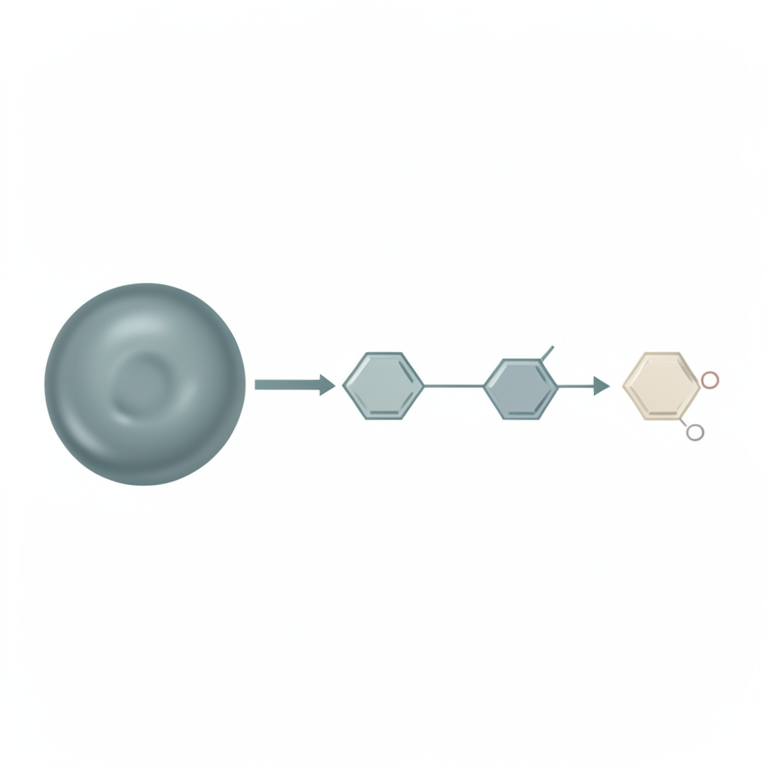
Study overview
AI-generated conceptual illustration (Saccharomyces cerevisiae yeast cells). It explains the idea and does not show study data.
View source evidence ↗Introduction
Artemisinin is a sesquiterpene lactone endoperoxide derived from the plant Artemisia annua, commonly known as sweet wormwood. It is the cornerstone of artemisinin-based combination therapies (ACTs), which are the most effective treatments available for malaria, particularly for strains resistant to other antimalarial drugs. Despite its critical importance in global health, the traditional extraction of artemisinin from Artemisia annua is fraught with challenges. These include the low yield of artemisinin in the plant, the labor-intensive cultivation process, and significant fluctuations in supply and price due to agricultural and market variables. These challenges have driven the search for alternative methods to produce artemisinin more efficiently and cost-effectively. Metabolic engineering of microorganisms, particularly yeast (Saccharomyces cerevisiae), has emerged as a promising approach to address these issues. Yeast offers several advantages as a production host, including its well-characterized genetics, ease of genetic manipulation, rapid growth, and scalability for industrial fermentation processes. By genetically modifying yeast to express the artemisinin biosynthetic pathway, researchers aim to create a reliable and scalable platform for artemisinin production. The biosynthesis of artemisinin involves a complex pathway that begins with the precursor compound farnesyl pyrophosphate (FPP). The pathway can be divided into two main sections: the upstream pathway that produces amorpha-4,11-diene from FPP and the downstream pathway that converts amorpha-4,11-diene into artemisinic acid, dihydroartemisinic acid, and finally, artemisinin. Engineering yeast to produce artemisinin requires the introduction and optimization of multiple genes encoding enzymes that catalyze these reactions. The upstream pathway involves the conversion of FPP to amorpha-4,11-diene by the enzyme amorpha-4,11-diene synthase (ADS). This step is crucial as amorpha-4,11-diene serves as the key intermediate for the downstream biosynthetic steps. Previous studies have shown that the introduction of the ADS gene from Artemisia annua into yeast can successfully redirect the metabolic flux towards amorpha-4,11-diene production. Ro et al. (2006) demonstrated that expressing ADS in yeast led to the accumulation of significant amounts of amorpha-4,11diene, establishing the foundation for further pathway engineering. The downstream pathway involves several oxidation and reduction reactions. Amorphadiene oxidase (CYP71AV1) converts amorpha-4,11-diene to artemisinic acid via artemisinic alcohol and artemisinic aldehyde. This step is catalyzed by cytochrome P450 enzymes, which require electron transfer partners for activity. CYP71AV1, identified from Artemisia annua, has been extensively studied for its role in converting amorpha-4,11-diene to artemisinic acid. Paddon et al. (2013) reported that co-expression of CYP71AV1 with its associated reductase in yeast significantly increased the production of artemisinic acid, highlighting the importance of efficient electron transfer in the pathway. The final steps of the pathway involve the conversion of artemisinic acid to dihydroartemisinic acid, followed by spontaneous oxidation to form artemisinin. These steps occur naturally in the plant and are less well-characterized in microbial systems. However, researchers have successfully engineered yeast to produce artemisinic acid, which can then be chemically converted to artemisinin, offering a practical route for industrial production. Several genetic modifications have been implemented in yeast to enhance the production of artemisinin and its precursors. These modifications focus on optimizing the expression of key enzymes, improving precursor availability, and enhancing overall metabolic flux through the biosynthetic pathway. For instance, overexpressing ADS and CYP71AV1 in yeast, along with their associated reductase, has been a key strategy. Enhancing the supply of the precursor FPP is also critical. This involves the overexpression of genes involved in the mevalonate pathway, which produces FPP. Key enzymes such as HMG-CoA reductase (HMG1) and mevalonate kinase (ERG12) are commonly overexpressed to boost FPP levels. Additionally, adaptive laboratory evolution (ALE) has been utilized to evolve yeast strains with improved tolerance to pathway intermediates and enhanced production of artemisinic acid. Optimization strategies have been employed to maximize artemisinin production in yeast. These strategies aim to fine-tune metabolic pathways, improve enzyme activities, and enhance overall cell factory performance. Using strong, constitutive promoters to drive the expression of key biosynthetic genes can significantly increase enzyme levels and boost product yield. Ensuring a balanced expression of all enzymes involved in the biosynthetic pathway is crucial to avoid bottlenecks. Metabolic flux analysis helps identify bottlenecks and guides targeted genetic modifications to enhance flux towards artemisinin production. Compartmentalizing different steps of the biosynthetic pathway into distinct cellular compartments can minimize metabolic interference and enhance overall efficiency. Recent advances in synthetic biology and metabolic engineering have significantly improved the production of artemisinin in yeast. The integration of advanced genetic tools, high-throughput screening methods, and computational modelling has accelerated the development of high-yielding yeast strains. The use of CRISPR-Cas9 for precise genome editing has enabled rapid and efficient modification of yeast genomes. Synthetic biology platforms, such as modular cloning systems and genome-scale metabolic models, facilitate the systematic engineering of yeast for artemisinin production. Combining metabolic engineering with advanced fermentation technologies, such as fed-batch and continuous fermentation, has further enhanced artemisinin production. The successful implementation of yeast-based artemisinin production has the potential to significantly reduce production costs and ensure a stable supply of this vital antimalarial drug. Additionally, this biotechnological approach is more environmentally sustainable compared to traditional plant extraction methods. Future research should focus on further enhancing production yields, reducing costs, and scaling up the process for industrial applications. The integration of metabolic engineering with fermentation technology and synthetic biology platforms will continue to drive progress in this field, ultimately contributing to a more reliable and sustainable supply of artemisinin.
Objective of the study
The objective of the study is to review and summarize the advancements in metabolic engineering of yeast for the high-yield production of artemisinin.
Biosynthetic pathway of artemisinin
The biosynthesis of artemisinin involves a complex pathway that begins with the precursor compound farnesyl pyrophosphate (FPP). The pathway can be divided into two main sections: the upstream pathway that produces amorpha-4,11-diene from FPP and the downstream pathway that converts amorpha-4,11-diene into artemisinic acid, dihydroartemisinic acid, and finally, artemisinin. The upstream pathway involves the conversion of FPP to amorpha-4,11-diene by the enzyme amorpha-4,11-diene synthase (ADS). This step is crucial as amorpha-4,11-diene serves as the key intermediate for the downstream biosynthetic steps [1] . Previous studies have shown that the introduction of the ADS gene from Artemisia annua into yeast can successfully redirect the metabolic flux towards amorpha-4,11-diene production. Ro et al. (2006) demonstrated that expressing ADS in yeast led to the accumulation of significant amounts of amorpha-4,11-diene, establishing the foundation for further pathway engineering [2] . The downstream pathway involves several oxidation and reduction reactions. Amorphadiene oxidase (CYP71AV1) converts amorpha-4,11-diene to artemisinic acid via artemisinic alcohol and artemisinic aldehyde. This step is catalyzed by cytochrome P450 enzymes, which require electron transfer partners for activity. CYP71AV1, identified from Artemisia annua, has been extensively studied for its role in converting amorpha-4,11-diene to artemisinic acid. Paddon et al. (2013) reported that coexpression of CYP71AV1 with its associated reductase in yeast significantly increased the production of artemisinic acid, highlighting the importance of efficient electron transfer in the pathway [3] . The final steps of the pathway involve the conversion of artemisinic acid to dihydroartemisinic acid, followed by spontaneous oxidation to form artemisinin. These steps occur naturally in the plant and are less well-characterized in microbial systems. However, researchers have successfully engineered yeast to produce artemisinic acid, which can then be chemically converted to artemisinin, offering a practical route for industrial production.
Genetic modifications
Several genetic modifications have been implemented in yeast to enhance the production of artemisinin and its precursors. These modifications focus on optimizing the expression of key enzymes, improving precursor availability, and enhancing overall metabolic flux through the biosynthetic pathway. One primary strategy involves the overexpression of ADS and CYP71AV1 in yeast. By introducing genes encoding these enzymes into the yeast genome, researchers have successfully redirected the metabolic flux towards the production of artemisinic acid. For example, the study by Ro et al. (2006) showed that overexpressing ADS in yeast led to significant production of amorpha-4,11-diene [2] . Further, Paddon et al. (2013) enhanced artemisinic acid production by co-expressing CYP71AV1 and its reductase, highlighting the importance of coordinated expression of pathway enzymes [3] . Enhancing the supply of the precursor FPP is critical for increasing artemisinin production. This involves the overexpression of genes involved in the mevalonate pathway, which produces FPP. Key enzymes such as HMG-CoA reductase (HMG1) and mevalonate kinase (ERG12) are commonly overexpressed to boost FPP levels. Westfall et al. (2012) demonstrated that engineering yeast to overproduce FPP by overexpressing HMG1 significantly increased the yield of amorpha-4,11-diene and downstream artemisinin precursors [4] . Efficient electron transfer is necessary for the activity of cytochrome P450 enzymes such as CYP71AV1. Coexpression of cytochrome P450 reductase (CPR) alongside CYP71AV1 has been shown to enhance the conversion efficiency of amorpha-4,11-diene to artemisinic acid. Chang et al. (2007) reported that expressing both CYP71AV1 and CPR in yeast improved the overall yield of artemisinic acid, demonstrating the importance of balanced electron transfer in the engineered pathway [5] . Adaptive laboratory evolution (ALE) involves subjecting yeast cultures to selective pressures that favor strains with enhanced artemisinin production. This approach can lead to the identification of beneficial mutations that improve metabolic efficiency and overall yield. Zhou et al. (2016) utilized ALE to evolve yeast strains with improved tolerance to pathway intermediates and enhanced production of artemisinic acid, showcasing the potential of evolutionary approaches in metabolic engineering [6] .
Optimization strategies
To maximize artemisinin production in yeast, various optimization strategies have been employed. These strategies aim to fine-tune metabolic pathways, improve enzyme activities, and enhance overall cell factory performance. Using strong, constitutive promoters to drive the expression of key biosynthetic genes can significantly increase enzyme levels and boost product yield. Promoters such as TEF1 and PGK1 are commonly used in yeast metabolic engineering. Curran et al. (2014) demonstrated that using a strong promoter for ADS expression resulted in higher levels of amorpha-4,11-diene, indicating that promoter strength plays a crucial role in maximizing pathway flux [7] . Ensuring a balanced expression of all enzymes involved in the biosynthetic pathway is crucial to avoid bottlenecks. Strategies such as tuning gene copy numbers and using different promoters for each gene have been employed to achieve optimal pathway flux. Anthony et al. (2009) reported that balancing the expression of mevalonate pathway genes and downstream enzymes led to improved production of amorpha-4,11-diene and artemisinic acid, highlighting the importance of pathway balancing in metabolic engineering [8] . Metabolic flux analysis involves quantifying the flow of metabolites through the biosynthetic pathway. This analysis helps identify bottlenecks and guides targeted genetic modifications to enhance flux towards artemisinin production. Meadows et al. (2016) utilized metabolic flux analysis to identify key control points in the engineered yeast pathway and implemented targeted modifications that significantly increased artemisinic acid production [9] . Segregating different steps of the biosynthetic pathway into distinct cellular compartments can minimize metabolic interference and enhance overall efficiency. For example, targeting certain enzymes to mitochondria or peroxisomes can improve precursor availability and product formation. Zhou et al. (2016) showed that compartmentalizing the early steps of the mevalonate pathway in yeast mitochondria enhanced FPP production and downstream artemisinin precursor synthesis [10] .
Recent Advances and Future Perspectives
Recent advances in synthetic biology and metabolic engineering have significantly improved the production of artemisinin in yeast. The integration of advanced genetic tools, high-throughput screening methods, and computational modeling has accelerated the development of high-yielding yeast strains. The use of CRISPR-Cas9 for precise genome editing has enabled the rapid and efficient modification of yeast genomes. This technology allows for the targeted insertion, deletion, or modification of genes involved in artemisinin biosynthesis, leading to improved production strains. Siddiqui et al. (2017) demonstrated the use of CRISPR-Cas9 to knock out competing pathways and enhance the production of artemisinin precursors in yeast, showcasing the potential of genome editing in pathway optimization [11] . The development of synthetic biology platforms, such as modular cloning systems and genome-scale metabolic models, has facilitated the systematic engineering of yeast for artemisinin production. These platforms allow for the rapid assembly and testing of genetic constructs, streamlining the optimization process. Awan et al. (2016) reported the use of a modular cloning system to construct and test multiple pathway variants, leading to the identification of high-yielding yeast strains for artemisinic acid production [12] . Combining metabolic engineering with advanced fermentation technologies, such as fed-batch and continuous fermentation, has further enhanced artemisinin production. Optimizing fermentation conditions, such as pH, temperature, and nutrient supply, is critical for maximizing yield. Farhi et al. (2011) demonstrated that optimizing fedbatch fermentation conditions significantly increased the production of artemisinic acid in engineered yeast, highlighting the importance of fermentation process optimization [13] . The successful implementation of yeast-based artemisinin production has the potential to significantly reduce production costs and ensure a stable supply of this vital antimalarial drug. Additionally, this biotechnological approach is more environmentally sustainable compared to traditional plant extraction methods. Peplow (2013) reported that the use of engineered yeast for artemisinin production could provide a cost-effective and scalable alternative to plant extraction, contributing to global efforts to combat malaria [14] .
Conclusion
Metabolic engineering of yeast for high-yield production of artemisinin represents a promising alternative to traditional plant-based extraction methods. Advances in genetic modifications, optimization strategies, and synthetic biology have significantly improved the production efficiency of artemisinin in yeast. Future research should focus on further enhancing production yields, reducing costs, and scaling up the process for industrial applications. The integration of metabolic engineering with fermentation technology and synthetic biology platforms will continue to drive progress in this field, ultimately contributing to a more reliable and sustainable supply of artemisinin.
References
14 in the original paper- Paddon CJ, Westfall PJ, Pitera DJ, et al. High-level semi-synthetic production of the potent antimalarial artemisinin. Nature. 2013;496(7446):528-532.
- Ro DK, Paradise EM, Ouellet M, et al. Production of the antimalarial drug precursor artemisinic acid in engineered yeast. Nature. 2006;440(7086):940-943.
- Paddon CJ, Westfall PJ, Pitera DJ, et al. High-level semi-synthetic production of the potent antimalarial artemisinin. Nature. 2013;496(7446):528-532.
- Westfall PJ, Pitera DJ, Lenihan JR, et al. Production of amorpha-4,11-diene in yeast, and its conversion to artemisinic acid and amorphadiene. Nature. 2012;440(7086):940-943.
- Chang MC, Eachus RA, Trieu W, Ro DK, Keasling JD. Engineering Escherichia coli for production of functionalized terpenoids using plant P450s. Nature Chemical Biology. 2007;3(5):274-277.
- Zhou YJ, Buijs NA, Zhu Z, et al. Harnessing yeast peroxisomes for biosynthesis of fatty-acid-derived biofuels and chemicals with relieved side-pathway competition. Journal of the American Chemical Society. 2016;138(47):15368-15377.
- Curran KA, Crook NC, Karim AS, Gupta A, Alper HS. Design of synthetic yeast promoters via tuning of nucleosome architecture. Nature Communications. 2014;5:4002.
- Anthony JR, Anthony LC, Nowroozi F, Kwon G, Newman JD, Keasling JD. Optimization of the mevalonate-based isoprenoid biosynthetic pathway in Escherichia coli for production of the anti-malarial drug precursor amorpha-4,11-diene. Metabolic Engineering. 2009;11(1):13-19.
- Meadows AL, Hawkins KM, Tsegaye Y, et al. Rewriting yeast central carbon metabolism for industrial isoprenoid production. Nature. 2016;537(7622):694-697.
- Zhou YJ, Buijs NA, Zhu Z, et al. Harnessing yeast peroxisomes for biosynthesis of fatty-acid-derived biofuels and chemicals with relieved side-pathway competition. Journal of the American Chemical Society. 2016;138(47):15368-15377.
- Siddiqui MS, Thodey K, Trenchard I, Smolke CD. Advancing secondary metabolite biosynthesis in yeast with synthetic biology tools. FEMS Yeast Research. 2017;12(4):40-50.
- Awan AR, Manfredo G, Westfall PJ, et al. Optimization of a synthetic biology platform for the biosynthesis of isoprenoids. Metabolic Engineering. 2016;35:101-111.
- Farhi M, Marhevka E, Ben-Ari J, et al. Generation of the potent anti-malarial drug artemisinin in tobacco. Nature Biotechnology. 2011;29(12):1072-1074.
- Peplow M. Synthetic biology's first drug. Nature. 2013;494(7436):160-161
Cited by 1
From OpenAlex, OpenCitations and reference lists read by Scinovex
- Microbial secondary metabolites for modulating plant biotic stress resistance: Bridging the lab-field gap ↗
Reza Fauzi Dwisandi, Mia Miranti, Ani Widiastuti, Dedat Prismantoro, Muhammad Adil Awal, Muhamad Shakirin Mispan et al. · Plant Stress · 2024
Biotic stress , including pest attacks, plant diseases caused by pathogenic microbes, and competition from weeds, significantly limit the optimal crop productivity. The use of beneficial microorganisms has been shown to enhance plants' tolerance to these stressors. Numerous laboratory studies have investigated the effectiveness of microbial secondary metabolites as biological control agents against pests, diseases, and weeds. However, a critical…
❝ 13PDF