
Research article · 2022 · Full text
International Journal of Advanced Chemistry ResearchThe role of heat shock proteins in protein homeostasis and disease
Volume 4(2) · Pages 396–397 · DOI: 10.33545/26646781.2022.v4.i2f.194 ↗
Research areasHeat shock proteins researchthermodynamics and calorimetric analysesProtein Structure and Dynamics
Abstract
Author-writtenHeat shock proteins (HSPs) are a diverse group of molecular chaperones that play a crucial role in maintaining protein homeostasis. They are involved in the folding, assembly, translocation, and degradation of proteins, and their expression is upregulated in response to cellular stress. This review discusses the various functions of HSPs in protein homeostasis, their mechanisms of action, and their involvement in disease processes. The paper highlights recent advancements in understanding HSP biology and explores therapeutic strategies targeting HSPs for treating various diseases.
Summary
Source-checkedPlain-language reading of the full paper, prepared with AI and checked against the text. Each point links to the authors' own words.
Why it matters
- Heat shock proteins (HSPs) are highly conserved proteins that the body produces in response to stressors like inflammation, oxidative stress, and heat shock. View evidence ↗
- HSPs act as molecular chaperones that ensure cellular survival by managing protein folding, assembly, and degradation to maintain protein homeostasis. View evidence ↗
- When HSPs are dysregulated, it is linked to the development of cardiovascular diseases, cancer, and neurodegenerative disorders. View evidence ↗
The question
- The study aims to review how HSPs maintain protein homeostasis, their role in diseases, and the current advancements in therapeutic strategies that target them. View evidence ↗
What they did
- The review categorizes HSPs into families based on molecular weight: HSP100, HSP90, HSP70, HSP60, and small heat shock proteins (sHSPs). View evidence ↗
- The review describes the stress response mechanism where heat shock factor 1 (HSF1) activates the transcription of HSP genes by binding to heat shock elements (HSEs). View evidence ↗
What they found
- HSP100 proteins specifically function to refold misfolded proteins and resolve protein aggregates. View evidence ↗
- HSP90 is critical for the stability of signaling molecules, kinases, and steroid hormone receptors. View evidence ↗
- HSP60 proteins maintain mitochondrial proteostasis by folding new proteins and refolding denatured ones within the mitochondrial matrix. View evidence ↗
- Small heat shock proteins (sHSPs) function as 'holdases' that bind to unfolded proteins to prevent them from aggregating. View evidence ↗
- In models of Alzheimer's disease, increasing the expression of HSP70 reduces the toxicity and aggregation of amyloid-beta (Aβ). View evidence ↗
- Inhibiting HSP90 promotes the degradation of tau protein in Alzheimer's disease via autophagy and proteasome pathways. View evidence ↗
- HSP70 helps combat Parkinson's disease by inhibiting alpha-synuclein fibrillization and promoting its degradation. View evidence ↗
- In Huntington's disease, HSP40 and HSP70 reduce polyglutamine toxicity by clearing mutant huntingtin proteins. View evidence ↗
- Small-molecule inhibitors of HSP90 can inhibit tumor growth by causing the degradation of oncoproteins. View evidence ↗
- Overexpressing HSP27 or HSP70 in animal models of ischemia-reperfusion injury improves cardiac function and reduces the size of the infarct. View evidence ↗
What it means
- The authors conclude that pharmacological modulators, small molecule chaperones, and gene therapy targeting HSPs are promising strategies for treating various diseases. View evidence ↗
- The authors state that further clinical trials and research are necessary to fully realize the benefits of HSP-targeted therapies for patients. View evidence ↗
Visual summary
1 visualsIllustrations explain the paper; they do not show study data.
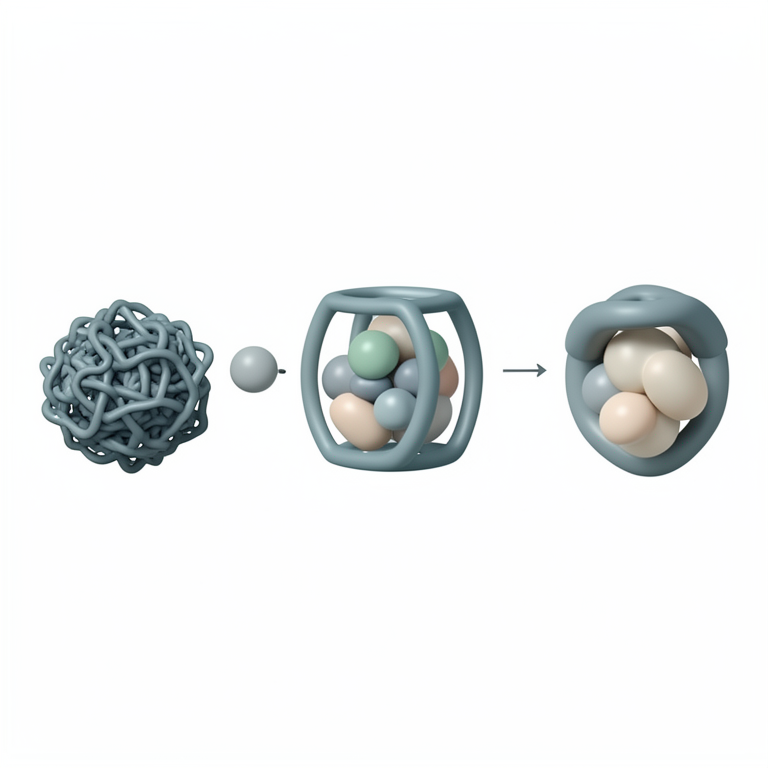
HSP Family Functional Map
AI-generated conceptual illustration (human cellular proteins and molecular chaperones). It explains the idea and does not show study data.
View source evidence ↗Introduction
Heat shock proteins (HSPs) are a family of highly conserved proteins that are expressed in response to various stress conditions, including heat shock, oxidative stress, and inflammation. HSPs function as molecular chaperones, facilitating the proper folding, assembly, and degradation of proteins. By maintaining protein homeostasis (proteostasis), HSPs play a critical role in cellular function and survival. Dysregulation of HSPs is associated with various diseases, including neurodegenerative disorders, cancer, and cardiovascular diseases. This review provides an overview of the role of HSPs in protein homeostasis and their involvement in disease processes, highlighting recent research advancements and potential therapeutic approaches.
Objective of study
The objective of this study is to review the role of heat shock proteins in maintaining protein homeostasis and their involvement in various diseases, highlighting recent advancements and potential therapeutic strategies targeting these proteins.
Heat shock proteins and protein homeostasis Classification and function of heat shock proteins
HSPs are classified based on their molecular weight into several families: HSP100, HSP90, HSP70, HSP60, and small heat shock proteins (sHSPs). Each family has distinct functions and mechanisms of action. HSP100: HSP100 proteins are involved in the disaggregation and refolding of misfolded proteins. They work in concert with other chaperones to resolve protein aggregates and restore proteostasis. HSP100 proteins are particularly important in stress conditions where proteins are prone to misfolding and aggregation [1] . HSP90: HSP90 proteins are essential for the stability and function of many client proteins, including steroid hormone receptors, kinases, and other signaling molecules. They play a significant role in signal transduction, protein folding, and the cellular stress response. HSP90 chaperones work in a multi-step cycle involving co-chaperones and ATP binding and hydrolysis to ensure the proper folding and function of client proteins [2] . HSP70: HSP70 family members assist in protein folding, translocation across membranes, and the degradation of misfolded proteins. They interact with a wide range of co-chaperones, including J-domain proteins (Hsp40 and other chaperones to facilitate their functions. HSP70 proteins bind to nascent polypeptides and misfolded proteins, preventing aggregation and facilitating proper folding [3] . HSP60: Also known as chaperonins, HSP60 proteins are involved in the folding of newly synthesized proteins and the refolding of denatured proteins within the mitochondrial matrix. They form large, barrelshaped complexes that encapsulate unfolded proteins, providing an isolated environment for proper folding. HSP60 proteins are crucial for mitochondrial proteostasis and function [4] .
Small Heat Shock Proteins (sHSPs) sHSPs act as holdases, binding to unfolded proteins and preventing their aggregation. They form dynamic oligomeric complexes and can sequester misfolded proteins, thereby protecting cells from stress-induced damage. sHSPs play a crucial role in the cellular response to stress and are involved in various cellular processes, including cytoskeletal organization and cell signalling [5] .
Mechanisms of Action
HSPs exert their chaperone activity through various mechanisms:
Protein Folding and Refolding HSPs facilitate the proper folding of nascent polypeptides and the refolding of misfolded proteins. HSP70 and HSP90, in particular, work together with co-chaperones to ensure proper protein conformation. HSP70 binds to unfolded or partially folded polypeptides, preventing aggregation and facilitating correct folding. HSP90, often acting downstream of HSP70, helps in the final maturation and stabilization of client proteins [6] .
Prevention of protein aggregation
sHSPs and HSP70 prevent the aggregation of unfolded or misfolded proteins by binding to exposed hydrophobic regions and maintaining them in a soluble state. This activity is crucial in conditions of cellular stress, where the risk of protein aggregation is high. sHSPs, in particular, form large oligomeric structures that can sequester misfolded proteins, preventing their toxic aggregation [7] .
Protein degradation
HSPs are involved in targeting misfolded proteins for degradation via the ubiquitin-proteasome system or autophagy. HSP70 and HSP90 play key roles in recognizing and delivering substrates to degradation pathways. HSP70, in conjunction with co-chaperones like CHIP (C-terminus of Hsc70-interacting protein), can ubiquitinate misfolded proteins, marking them for degradation by the proteasome. HSP90 also interacts with various co-chaperones and E3 ligases to facilitate the degradation of client proteins [8] .
Stress response
In response to cellular stress, HSPs are upregulated to protect cells from damage. This stress response is mediated by heat shock factor 1 (HSF1), which binds to heat shock elements (HSEs) in the promoters of HSP genes and activates their transcription. HSF1 is maintained in an inactive state under normal conditions but becomes activated in response to stress, leading to the rapid induction of HSP expression [9] .
Heat shock proteins in disease Neurodegenerative diseases
Neurodegenerative diseases, such as Alzheimer's disease, Parkinson's disease, and Huntington's disease, are characterized by the accumulation of misfolded and aggregated proteins. HSPs play a protective role in these diseases by promoting the refolding or degradation of misfolded proteins.
Alzheimer's disease
HSPs, particularly HSP70 and HSP90, have been shown to interact with amyloid-beta (Aβ) peptides, promoting their clearance and reducing amyloid plaque formation.
Enhancing HSP expression or function has been proposed as a therapeutic strategy for Alzheimer's disease. Studies have demonstrated that upregulating HSP70 can reduce Aβ aggregation and toxicity in cellular and animal models [10] . Additionally, HSP90 inhibitors have been shown to promote the degradation of tau protein, another pathological hallmark of Alzheimer's disease, through the proteasome and autophagy pathways [11] .
Parkinson's disease HSP70 and HSP90 are involved in the refolding and degradation of alpha-synuclein, a protein that aggregates in Parkinson's disease. Modulating HSP activity to enhance the clearance of alpha-synuclein aggregates is a potential therapeutic approach. HSP70 has been shown to inhibit the fibrillization of alpha-synuclein and promote its degradation via the proteasome and autophagy pathways [12] . HSP90 inhibitors can also reduce alpha-synuclein levels and protect against neurotoxicity in models of Parkinson's disease [13] .
Huntington's disease
In Huntington's disease, HSPs interact with mutant huntingtin protein, promoting its degradation and reducing aggregate formation. Upregulating HSP expression has been shown to alleviate symptoms and improve cellular function in models of Huntington's disease. HSP70 and HSP40 have been found to suppress polyglutamine toxicity by promoting the clearance of mutant huntingtin through the proteasome and autophagy pathways [14]. Pharmacological induction of HSP expression has shown promise in reducing huntingtin aggregation and improving motor function in animal models [15] .
Cancer
HSPs are often overexpressed in cancer cells, where they support the stability and function of oncoproteins and promote cell survival under stressful conditions. HSP90, in particular, is a key player in cancer biology.
HSP90 inhibitors
Targeting HSP90 with small-molecule inhibitors disrupts its chaperone function, leading to the degradation of client oncoproteins and the inhibition of tumor growth. Several HSP90 inhibitors, such as geldanamycin and its derivatives (e.g., 17-AAG), have been developed and tested in clinical trials for various cancers [16] . These inhibitors bind to the ATP-binding domain of HSP90, preventing ATP hydrolysis and disrupting the chaperone cycle. This results in the degradation of HSP90 client proteins, including many oncogenic proteins, and induces apoptosis in cancer cells [17] .
HSP70 and cancer
HSP70 supports the survival of cancer cells by inhibiting apoptosis and promoting the degradation of tumor suppressor proteins. Inhibitors of HSP70 are being explored as potential cancer therapies. For example, the smallmolecule inhibitor PES (2-phenylethynesulfonamide) has been shown to disrupt HSP70 function, leading to the accumulation of misfolded proteins and induction of apoptosis in cancer cells [18] . HSP70 inhibitors can also sensitize cancer cells to chemotherapy and radiation therapy, enhancing their efficacy [19] .
Cardiovascular diseases
HSPs play a protective role in cardiovascular diseases by reducing protein aggregation, enhancing proteostasis, and mitigating stress-induced damage.
Ischemia-reperfusion injury
HSPs, particularly HSP70 and HSP27, are upregulated in response to ischemic stress and protect cardiac cells from damage by promoting protein refolding and inhibiting apoptosis. Enhancing HSP expression or function may provide therapeutic benefits in ischemia-reperfusion injury.
Studies have shown that overexpression of HSP70 or HSP27 can reduce infarct size and improve cardiac function following ischemia-reperfusion injury in animal models [20] .
HSPs achieve this protective effect by stabilizing mitochondrial function, reducing oxidative stress, and inhibiting apoptotic pathways [21] .
Atherosclerosis
HSPs are involved in the cellular response to oxidative stress and inflammation in atherosclerosis. HSP60 has been implicated in the immune response to oxidized low-density lipoprotein (LDL), a key factor in atherogenesis.
Autoantibodies against HSP60 and oxidized LDL have been found in patients with atherosclerosis, suggesting a role for HSP60 in the development of the disease [22] . Targeting HSP60-mediated pathways may offer new therapeutic avenues for atherosclerosis. For example, inhibiting the interaction between HSP60 and its receptors on immune cells could reduce inflammation and plaque formation [23] .
Therapeutic strategies targeting heat shock proteins Pharmacological modulation
Pharmacological modulation of HSP activity represents a promising therapeutic approach for various diseases.
HSP90 inhibitors
Several small-molecule inhibitors of HSP90, such as geldanamycin and its derivatives, have been developed and tested in clinical trials for cancer. These inhibitors disrupt the chaperone function of HSP90, leading to the degradation of client oncoproteins and inhibition of tumor growth.
Geldanamycin and its derivatives (e.g., 17-AAG) bind to the ATP-binding domain of HSP90, preventing ATP hydrolysis and disrupting the chaperone cycle [24] . This results in the degradation of HSP90 client proteins, including many oncogenic proteins, and induces apoptosis in cancer cells. HSP90 inhibitors have shown efficacy in various cancer models and are being evaluated in clinical trials for multiple cancer types [25] .
HSP70 modulators
Modulators of HSP70, including inhibitors and activators, are being explored for their therapeutic potential in neurodegenerative diseases and cancer. For example, the HSP70 inhibitor PES has shown efficacy in reducing alphasynuclein aggregation and toxicity in models of Parkinson's disease [26] . HSP70 activators, such as celastrol, can enhance the expression of HSP70 and promote the clearance of misfolded proteins, offering potential benefits in neurodegenerative diseases [27] . HSP70 modulators can also sensitize cancer cells to chemotherapy and radiation therapy, enhancing their efficacy [28] .
Gene therapy
Gene therapy approaches to enhance HSP expression or function are being investigated for the treatment of neurodegenerative diseases and cardiovascular conditions.
CRISPR/Cas9
CRISPR/Cas9 technology offers the potential to upregulate HSP expression by targeting regulatory elements of HSP genes. This approach could be used to enhance the cellular stress response and protect against protein misfolding diseases. For example, CRISPR/Cas9-mediated activation of HSF1, the master regulator of HSP expression, has been shown to increase HSP levels and protect cells from proteotoxic stress [31] . This strategy could be applied to enhance HSP expression in tissues affected by neurodegenerative diseases or cardiovascular conditions.
Small molecule chaperones
Small molecule chaperones mimic the function of HSPs and can stabilize misfolded proteins, preventing their aggregation and promoting proper folding.
Tauroursodeoxycholic Acid (TUDCA)
TUDCA is a bile acid derivative that acts as a chemical chaperone, stabilizing misfolded proteins and reducing endoplasmic reticulum stress. It has shown therapeutic potential in models of neurodegenerative diseases and is being investigated in clinical trials. TUDCA has been found to reduce amyloid-beta aggregation and improve cognitive function in mouse models of Alzheimer's disease [32] . It also protects against neurodegeneration in models of Parkinson's disease and Huntington's disease by stabilizing misfolded proteins and reducing oxidative stress [33] .
4-Phenylbutyrate (4-PBA): 4-PBA is a chemical chaperone that enhances protein folding and reduces protein aggregation. It has shown efficacy in models of cystic fibrosis and neurodegenerative diseases and is being explored as a therapeutic agent. 4-PBA has been found to reduce the aggregation and toxicity of mutant huntingtin protein in models of Huntington's disease [34] . It also enhances the folding and function of misfolded cystic fibrosis transmembrane conductance regulator (CFTR) protein, improving clinical outcomes in patients with cystic fibrosis [35] .
Conclusion
Heat shock proteins are essential for maintaining protein homeostasis and protecting cells from stress-induced damage. Their roles in protein folding, prevention of aggregation, and protein degradation make them critical players in various physiological processes and disease states. Dysregulation of HSP function is associated with neurodegenerative diseases, cancer, and cardiovascular conditions, highlighting the therapeutic potential of targeting HSPs. Advances in our understanding of HSP biology and the development of pharmacological modulators, gene therapy approaches, and small molecule chaperones offer promising strategies for treating these diseases. Continued research and clinical trials are needed to fully realize the potential of HSP-targeted therapies in improving patient outcomes.
References
35 in the original paper- Parsell DA, Lindquist S. The function of heat-shock proteins in stress tolerance: degradation and reactivation of damaged proteins. Annu. Rev. Genet. 1993;27:437-496.
- Taipale M, Jarosz DF, Lindquist S. HSP90 at the hub of protein homeostasis: emerging mechanistic insights. Nat Rev. Mol. Cell Biol. 2010;11(7):515-528.
- Mayer MP, Bukau B. Hsp70 chaperones: Cellular functions and molecular mechanism. Cell Mol. Life Sci. 2005;62(6):670-684.
- Horwich AL, Fenton WA. Chaperonin-mediated protein folding: using a central cavity to kinetically assist polypeptide chain folding. Q Rev. Biophys. 2009;42(1):83-116.
- Haslbeck M, Franzmann T, Weinfurtner D, Buchner J. Some like it hot: the structure and function of small heat-shock proteins. Nat Struct. Mol. Biol. 2005;12(10):842-846.
- Young JC, Barral JM, Ulrich Hartl F. More than folding: localized functions of cytosolic chaperones. Trends Biochem Sci. 2003;28(10):541-547.
- Haslbeck M, Buchner J. Chaperone function of small heat shock proteins. Methods Mol. Biol. 2002;171:111126.
- Höhfeld J, Jentsch S. GrpE-like regulation of the Hsc70 chaperone by the anti-apoptotic protein BAG-1. EMBO J. 1997;16(20):6209-6216.
- Anckar J, Sistonen L. Heat shock factor 1 as a coordinator of stress and developmental pathways. Adv. Exp. Med. Biol. 2007;594:78-88.
- Koren J, Jinwal UK, Davey Z, et al. Chaperone signalling complexes in Alzheimer's disease. J Cell Mol. Med. 2009;13(4):619-630.
- Luo W, Dou F, Rodina A, et al. Roles of heat-shock protein 90 in maintaining and facilitating the neurodegenerative phenotype in tauopathies. Proc. Natl. Acad. Sci. USA. 2007;104(22):9511-9516.
- Auluck PK, Meulener MC, Bonini NM. Mechanisms of suppression of alpha-synuclein neurotoxicity by geldanamycin in Drosophila. J Biol. Chem. 2005;280(4):2873-2878.
- McLean PJ, Klucken J, Shin Y, et al. Geldanamycin induces Hsp70 and prevents alpha-synuclein aggregation and toxicity in vitro. Biochem Biophys Res Commun. 2004;321(3):665-669.
- Jana NR, Tanaka M, Wang G, Nukina N. Polyglutamine length-dependent interaction of Hsp40 and Hsp70 family chaperones with truncated Nterminal huntingtin: Their role in suppression of aggregation and cellular toxicity. Hum Mol. Genet. 2000;9(13):2009-2018.
- Hay DG, Sathasivam K, Tobaben S, et al. Progressive decrease in chaperone protein levels in a mouse model of Huntington's disease and induction of stress proteins as a therapeutic approach. Hum Mol. Genet. 2004;13(13):1389-1405.
- Neckers L. Heat shock protein 90: The cancer chaperone. J Biosci. 2007;32(3):517-530.
- Whitesell L, Lindquist SL. HSP90 and the chaperoning of cancer. Nat Rev Cancer. 2005;5(10):761-772.
- Powers MV, Clarke PA, Workman P. Death by chaperone: HSP90, HSP70 or both? Cell Cycle. 2009;8(4):518-526.
- Schmitt E, Gehrmann M, Brunet M, Multhoff G, Garrido C. Intracellular and extracellular functions of heat shock proteins: Repercussions in cancer therapy. J Leukoc Biol. 2007;81(1):15-27.
- Wang Y, Mearow KM. Heat shock protein 70 overexpression promotes survival of PC12 cells and neurite extension via c-jun N-terminal kinase and AKT signaling pathways. J Neurosci. Res. 2002;67(4):574582.
- Wickenden RE, Watters DJ. The role of chaperones and heat shock proteins in protein misfolding, aggregation and disease. Curr. Top Med Chem. 2010;10(4):432448.
- Wick G, Jakic B, Buszko M, Wick MC, Grundtman C. The role of heat shock proteins in atherosclerosis. Nat Rev. Cardiol. 2014;11(9):516-529.
- Pockley AG, Calderwood SK, Multhoff G. The atheroprotective properties of HSP70: An emerging role for a key cell stress protein in cardiovascular disease. Cell Stress Chaperones. 2012;17(5):617-631.
- Jhaveri K, Taldone T, Modi S, Chiosis G. Advances in the clinical development of heat shock protein 90 (Hsp90) inhibitors in cancers. Biochim Biophys Acta. 2012;1823(3):742-755.
- Chiosis G, Timaul MN, Lucas B, et al. A small molecule designed to bind to the adenine nucleotide pocket of Hsp90 causes selective inhibition of the chaperone and its client proteins. Proc. Natl. Acad. Sci. USA. 2001;98(5):1835-1840.
- Wisen S, Bertelsen EB, Thompson AD, et al. Binding of a small molecule at a protein-protein interface regulates the chaperone activity of Hsp70-Hsp40. Elife, 2014, 3.
- Westerheide SD, Bosman JD, Mbadugha BN, et al. Celastrols as inducers of the heat shock response and cytoprotection. J Biol. Chem. 2004;279(53):5605356060.
- Powers MV, Jones K, Barillari C, Westwood I, van Montfort RL, Workman P, et al. Targeting HSP70: the second potentially druggable heat shock protein and International Journal of Advanced Chemistry Research https://www.chemistryjournals.net molecular chaperone? Cell Cycle. 2010;9(8):15421550.
- Klucken J, Shin Y, Masliah E, et al. Hsp70 reduces alpha-synuclein aggregation and toxicity. J Biol. Chem. 2004;279(24):25497-25502.
- Martin JL, Mestril R, Hilal-Dandan R, et al. Small heat shock proteins and protection against ischemic injury in cardiac myocytes. Circulation. 1997;96(12):4343-4348.
- Ran FA, Hsu PD, Wright J, Agarwala V, Scott DA, Zhang F, et al. Genome engineering using the CRISPRCas9 system. Nat Protoc. 2013;8(11):2281-2308.
- Liu J, Shen HM. Stressed out: Endoplasmic reticulum stress, autophagy, and cancer. Cell Death Dis, 2009, 4.
- Smith HL, Li W, Cheetham ME. Molecular chaperones and neuronal proteostasis. Semin Cell Dev Biol. 2015;40:142-152.
- Zhao X, Weis WI. Rapid biochemical cross-linking of influenza hemagglutinin reveals residues critical for membrane fusion and receptor binding. J Mol. Biol. 1998;282(4):867-882.
- Rubenstein RC, Zeitlin PL. A pilot clinical trial of oral sodium 4-phenylbutyrate (Buphenyl) in delta F508homozygous cystic fibrosis patients: Partial restoration of delta F508-CFTR in nasal epithelia. Am J Respir Crit Care Med. 1998;157(2):484-490.
Cited by 1
From OpenAlex, OpenCitations and reference lists read by Scinovex
- l -Arginine Attenuates Brain Dysfunction in Heat-stress Rat Model via Modulating Nitric Oxide-dependent Pathway ↗
Priya Jaswal, Rishabh Chaudhary, Jhilli Basu, Sowvik Bag, Sumeet Gupta, Seema Bansal · Journal of Pharmacology and Pharmacotherapeutics · 2026
Background Heat stress (HS) is the body’s inability to manage internal heat efficiently. It impairs endothelial function, causes oxidative stress, and disrupts nitric oxide (NO) signaling, highlighting the downstream effects of endothelial dysfunction, including impaired vascular integrity, systemic inflammation, multiple-organ injury, and specifically, brain injury. As a NO modulator, l -arginine shows neuroprotective efficacy by restoring NO bioavailability and reducing…
❝ 0PDF