
Research article · 2023 · Full text
International Journal of Biology SciencesMetabolic engineering of microbes for enhanced production of biopharmaceuticals
Volume 5(2) · Pages 105–108 · DOI: 10.33545/26649926.2023.v5.i2b.218 ↗
Research areasMicrobial Metabolic Engineering and BioproductionBiofuel production and bioconversionEnzyme Catalysis and Immobilization
Abstract
Author-writtenMetabolic engineering has emerged as a powerful tool for enhancing the production of biopharmaceuticals in microbial systems. By manipulating the metabolic pathways of microorganisms such as bacteria, yeast, and filamentous fungi, researchers can optimize the biosynthesis of valuable compounds, including hormones, antibiotics, vaccines, and therapeutic proteins. This review explores the key strategies and advancements in metabolic engineering, highlighting the use of systems biology, synthetic biology, and computational modeling to improve microbial production of biopharmaceuticals. We also discuss the challenges and future directions in this rapidly evolving field.
Summary
Source-checkedPlain-language reading of the full paper, prepared with AI and checked against the text. Each point links to the authors' own words.
Why it matters
- Biopharmaceuticals, such as vaccines, hormones, antibiotics, and therapeutic proteins, are critical for modern medical treatment. View evidence ↗
- Traditional production of biopharmaceuticals using mammalian cell cultures is often costly and slow. View evidence ↗
- Microbial systems provide a more scalable and affordable alternative to mammalian cells for producing these drugs. View evidence ↗
The question
- The paper aims to review current advancements in metabolic engineering strategies that improve the production of biopharmaceuticals in microbes. View evidence ↗
What they did
- Pathway optimization is achieved by overexpressing key enzymes, deleting competing pathways, or introducing heterologous pathways to increase product flux. View evidence ↗
- Common microbial hosts used in these engineering efforts include E. coli, S. cerevisiae (yeast), and A. niger (filamentous fungi). View evidence ↗
- Systems biology is used to identify metabolic bottlenecks by integrating multi-omics data, including genomics, proteomics, transcriptomics, and metabolomics. View evidence ↗
- Adaptive laboratory evolution (ALE) is employed to improve strain robustness and production efficiency by applying selective pressures. View evidence ↗
What they found
- Engineering S. cerevisiae with human insulin genes and optimized fermentation led to high yields of functional, correctly folded insulin. View evidence ↗
- Glycoengineering in CHO cells produced monoclonal antibodies with human-like glycan structures, which reduced immunogenicity and improved efficacy. View evidence ↗
- The production of hepatitis B surface antigen (HBsAg) in yeast has enabled the creation of highly effective vaccines. View evidence ↗
- High yields and activity of human growth hormone (hGH) were achieved in E. coli and yeast through codon optimization, fusion proteins, and better purification. View evidence ↗
- E. coli was successfully engineered to produce the antimalarial drug artemisinin by introducing the full biosynthetic pathway from the plant Artemisia annua. View evidence ↗
- CRISPR-Cas9 has improved biopharmaceutical production by allowing precise gene knockouts, insertions, and regulatory changes in microbial hosts. View evidence ↗
What it means
- The authors conclude that metabolic engineering provides a sustainable and scalable alternative to traditional biopharmaceutical production methods. View evidence ↗
- Remaining challenges include the inherent complexity of metabolic networks, potential negative effects on host physiology, and the need for more robust scaling. View evidence ↗
Visual summary
1 visualsIllustrations explain the paper; they do not show study data.
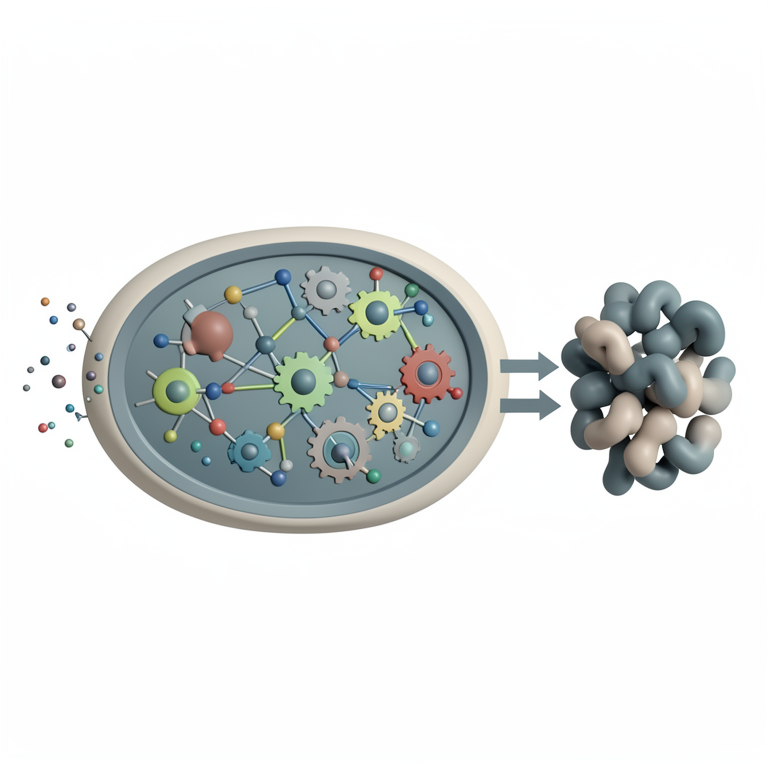
Microbial Factory Concept
AI-generated conceptual illustration (Escherichia coli bacteria). It explains the idea and does not show study data.
View source evidence ↗Introduction
Biopharmaceuticals, including hormones, antibiotics, vaccines, and therapeutic proteins, are essential components of modern medicine. The production of these compounds traditionally relies on mammalian cell cultures, which can be expensive and time-consuming. Microbial systems offer a cost-effective and scalable alternative for biopharmaceutical production. Metabolic engineering, which involves the modification of metabolic pathways within microorganisms, has become a crucial approach to enhancing the yield and efficiency of microbial production processes. This review focuses on recent advancements in metabolic engineering strategies for improving the production of biopharmaceuticals in microbial systems.
Objective of the paper
The objective of this paper is to review the advancements in metabolic engineering strategies used to enhance the production of biopharmaceuticals in microbial systems.
Literature review
The production of therapeutic proteins, such as insulin and monoclonal antibodies, has seen significant advancements through metabolic engineering. The seminal work by Walsh (2014) [24] highlighted the genetic engineering of yeast (Saccharomyces cerevisiae) for the production of human insulin. By introducing human insulin genes into yeast and optimizing the fermentation conditions, researchers achieved high yields of correctly folded and functional insulin, demonstrating the feasibility of microbial systems for producing complex therapeutic proteins. Monoclonal antibody production has also benefited from advances in metabolic engineering. Jefferis (2009) [18] discussed the importance of glycol engineering in Chinese Hamster Ovary (CHO) cells to produce monoclonal antibodies with human-like glycan structures. This modification improved the therapeutic efficacy and reduced the immunogenicity of the antibodies, emphasizing the role of metabolic engineering in enhancing biopharmaceutical quality. Antibiotic production has been significantly improved through pathway engineering in microorganisms. Olano et al. (2008) [19] explored the biosynthesis of erythromycin in Streptomyces erythraea. By overexpressing precursor biosynthetic genes and deleting competing pathways, they increased the production yield of erythromycin. This study exemplifies how pathway optimization can enhance the production of antibiotics, addressing the growing need for new antibiotics to combat resistant bacteria. Another notable study by Baltz (2010) [20] reviewed the advancements in combinatorial biosynthesis for producing novel antibiotics. By manipulating the genetic pathways of natural antibiotic producers, researchers have created new compounds with improved activity and reduced resistance. This approach has expanded the repertoire of available antibiotics, showcasing the potential of metabolic engineering to innovate in antibiotic biosynthesis. Vaccine production has greatly benefited from metabolic engineering, particularly in the development of virus-like particles (VLPs) and antigens. Pushko et al. (2013) [21] discussed the engineering of microbial systems to produce VLPs for vaccines. They highlighted the production of hepatitis B surface antigen (HBsAg) in yeast, which has led to highly effective hepatitis B vaccines. This study demonstrated the ability of metabolic engineering to produce complex vaccine components in microbial systems, making vaccines more accessible and affordable. In another study, Liang et al. (2017) [22] reviewed the advancements in synthetic biology for vaccine development. They emphasized the use of modular platforms that can be rapidly adapted to produce VLPs for emerging pathogens. This flexibility is crucial for responding to new infectious diseases, underscoring the importance of metabolic engineering in modern vaccine production. The microbial production of hormones such as human growth hormone (hGH) and erythropoietin (EPO) has been revolutionized by metabolic engineering. Ferrer-Miralles et al. (2009) [23] discussed the optimization of E. coli and yeast systems for producing hGH. By implementing strategies like codon optimization, fusion protein techniques, and improved purification methods, they achieved high yields and activity of hGH. Similarly, the production of glycosylated EPO in yeast has been a significant advancement. Walsh (2014) [24] highlighted the engineering of yeast to produce EPO with proper glycosylation, essential for its biological activity. This study demonstrated the potential of yeast systems for producing complex glycoproteins, providing a cost-effective alternative to mammalian cell cultures. Advancements in synthetic biology tools, such as CRISPR-Cas9, have provided powerful methods for precise genetic manipulation. Doudna and Charpentier (2014) [25] discussed how CRISPR-Cas9 technology has revolutionized genetic engineering, enabling targeted gene knockouts, insertions, and regulatory modifications. This technology will continue to drive innovations in metabolic engineering, enhancing the efficiency and precision of biopharmaceutical production.
Metabolic engineering
Metabolic engineering is a field that involves the modification of cellular metabolic pathways to enhance the production of desired compounds, such as biopharmaceuticals, biofuels, and specialty chemicals. This field leverages genetic, biochemical, and computational tools to systematically alter the metabolic networks within microorganisms, optimizing them for specific production goals. Recent advancements in metabolic engineering strategies have significantly improved the production of biopharmaceuticals in microbial systems, supported by reviews of previous studies. Pathway optimization involves modifying the metabolic pathways within a host organism to increase the flux toward the desired product. This can be achieved through the overexpression of key enzymes, the deletion of competing pathways, and the introduction of heterologous pathways. One of the foundational strategies in metabolic engineering is the overexpression of rate-limiting enzymes in a biosynthetic pathway. For example, overexpression of the enzyme 3-hydroxy-3-methylglutaryl-CoA reductase (HMGR) in yeast has been shown to increase the production of isoprenoids, a class of compounds with pharmaceutical applications. Another approach involves the deletion of genes responsible for pathways that compete for precursors or cofactors. For instance, in the production of ethanol from glucose, deleting the genes responsible for glycerol formation in Saccharomyces cerevisiae can redirect more carbon flux toward ethanol production. Introducing entire biosynthetic pathways from other organisms can enable the production of compounds that are not natively synthesized by the host. Keasling et al. (2010) [26] demonstrated this by engineering Escherichia coli to produce artemisinin, a key antimalarial drug, through the introduction of the complete biosynthetic pathway from the plant Artemisia annua. The choice of microbial host is critical for the success of metabolic engineering efforts. Common hosts include bacteria like Escherichia coli, yeast like Saccharomyces cerevisiae, and filamentous fungi like Aspergillus niger. Each host has unique advantages and limitations, and often, genetic modifications are required to optimize these hosts for biopharmaceutical production. E. coli is one of the most widely used hosts in metabolic engineering due to its fast growth rate and wellcharacterized genetics. However, its inability to perform post-translational modifications limits its use for certain biopharmaceuticals. By engineering E. coli strains to include pathways for glycosylation, researchers have expanded its utility for producing complex proteins. Yeast is favored for its ability to perform post-translational modifications similar to those in human cells. For instance, the production of human insulin was revolutionized by engineering S. cerevisiae to produce insulin precursors that are correctly folded and processed (Walsh, 2014) [24] . Filamentous fungi like Aspergillus niger are used for the production of enzymes and other proteins that require extensive post-translational modifications. These organisms can secrete large amounts of protein, making them suitable for industrial-scale production. Systems biology integrates data from genomics, transcriptomics, proteomics, and metabolomics to provide a comprehensive understanding of cellular metabolism. This holistic approach enables the identification of bottlenecks and regulatory nodes within metabolic networks, facilitating targeted interventions. Genomic sequencing and transcriptomic analysis help identify gene expression patterns and regulatory mechanisms. For example, transcriptomic analysis of engineered yeast strains producing artemisinic acid revealed specific genes upregulated during production, guiding further optimization. Proteomic and metabolomic analyses provide insights into the abundance and activity of enzymes and metabolites within the cell. This data can be used to identify flux imbalances and optimize metabolic pathways. For example, proteomic analysis of E. coli engineered for isopropanol production identified stress response proteins up-regulated under production conditions, suggesting targets for further engineering. Synthetic biology involves the design and construction of novel biological parts, devices, and systems. This field has provided powerful tools for precise genetic manipulation and pathway construction, enabling more sophisticated metabolic engineering strategies. The CRISPR-Cas9 system has revolutionized genetic engineering by providing a precise and efficient method for editing genes. This technology has been used to engineer microbial hosts for improved production of biopharmaceuticals by enabling targeted gene knockouts, insertions, and regulatory modifications (Doudna and Charpentier, 2014) [25] . Synthetic promoters and gene circuits allow for fine-tuning of gene expression and control of metabolic fluxes. For instance, inducible promoters can be used to temporally control the expression of biosynthetic genes, optimizing production conditions and reducing metabolic burden on the host. Adaptive laboratory evolution (ALE) is a technique where microbial populations are subjected to selective pressures to evolve desired traits. This approach can improve strain robustness, tolerance to toxic products, and overall production efficiency. ALE has been used to evolve E. coli strains with increased tolerance to toxic byproducts of biofuel production. This was achieved by continuously culturing the bacteria in the presence of increasing concentrations of the toxic compound, selecting for mutations that confer resistance. ALE can also be used to improve the production efficiency of biopharmaceuticals. For example, the evolution of yeast strains for improved production of the antimalarial drug artemisinin resulted in strains with significantly higher yields compared to the parent strain. Despite the remarkable progress in metabolic engineering, several challenges remain. These include the complexity of metabolic networks, potential unintended effects on host physiology, and the need for robust and scalable production processes. Future research should focus on integrating multi-omics data, developing more sophisticated computational models, and leveraging machine learning to predict and optimize metabolic engineering outcomes. Advancements in synthetic biology tools and techniques will continue to drive the field forward. The development of novel genetic parts, improved gene editing technologies, and high-throughput screening methods will enhance our ability to engineer microbial systems with precision. Additionally, the exploration of non-traditional microbial hosts and the use of microbial consortia for complex biosynthetic pathways hold promise for expanding the capabilities of metabolic engineering. Metabolic engineering has transformed the production of biopharmaceuticals, offering a sustainable and scalable alternative to traditional methods. By harnessing the power of microbial systems and employing advanced genetic and computational tools, researchers have achieved significant improvements in the yield and efficiency of biopharmaceutical production. Continued innovation and interdisciplinary collaboration will be essential to overcome existing challenges and unlock the full potential of metabolic engineering in biotechnology.
Advances in Biopharmaceutical Production
Biopharmaceuticals, including therapeutic proteins, antibodies, vaccines, and hormones, are essential in modern medicine for treating a wide range of diseases. The production of these biologically derived drugs has seen significant advancements due to innovations in metabolic engineering, synthetic biology, and bioprocess optimization. This review highlights key advancements in biopharmaceutical production, focusing on the role of metabolic engineering in enhancing yields, efficiency, and scalability. The production of therapeutic proteins such as insulin, growth hormones, and monoclonal antibodies has greatly benefited from metabolic engineering. Yeast, bacteria, and mammalian cells are commonly used as host systems. For example, the engineering of yeast (Saccharomyces cerevisiae) has been instrumental in the production of insulin. By introducing human insulin genes into yeast and optimizing the fermentation conditions, researchers have achieved high yields of correctly folded and functional insulin. Walsh (2014) [24] discussed how advancements in genetic engineering and bioprocess optimization have led to the efficient production of human insulin and other therapeutic proteins in microbial systems. Another notable advancement is the production of monoclonal antibodies using Chinese Hamster Ovary (CHO) cells. CHO cells have been genetically engineered to enhance glycosylation pathways, resulting in antibodies with human-like glycan structures, improving their therapeutic efficacy and reducing immunogenicity. The work by Jefferis (2009) [18] emphasized the importance of glycoengineering in improving the quality and function of monoclonal antibodies. Metabolic engineering has significantly improved the biosynthesis of antibiotics, addressing the growing need for new antibiotics to combat resistant bacteria. Streptomyces, a genus of actinobacteria, is a prolific producer of antibiotics. By manipulating the biosynthetic pathways of Streptomyces, researchers have increased the yields of existing antibiotics and created novel compounds. For instance, the production of erythromycin has been enhanced through the overexpression of precursor biosynthetic genes and the deletion of competing pathways. A study by Olano et al. (2008) [19] demonstrated how pathway engineering in Streptomyces erythraea led to increased production of erythromycin, providing a foundation for the development of new antibiotics through combinatorial biosynthesis. Vaccines are critical for preventing infectious diseases, and advancements in metabolic engineering have facilitated the production of more effective and accessible vaccines. Microbial systems such as E. coli, yeast, and insect cells have been engineered to produce various vaccine components, including antigens and virus-like particles (VLPs). The production of hepatitis B surface antigen (HBsAg) in yeast is a prime example. By optimizing the expression and purification processes, yeast-derived HBsAg has been used to produce highly effective hepatitis B vaccines. Additionally, advancements in synthetic biology have enabled the development of modular vaccine platforms that can be rapidly adapted to produce VLPs for emerging pathogens, as discussed by Pushko et al. (2013) [21] . The microbial production of hormones such as human growth hormone (hGH) and erythropoietin (EPO) has been revolutionized by metabolic engineering. E. coli and yeast have been genetically modified to produce these hormones with high efficiency and activity. For instance, the production of hGH in E. coli has been optimized by codon optimization, fusion protein strategies, and improved purification methods. Similarly, yeast has been engineered to produce glycosylated EPO, which is essential for its biological activity. The research by Walsh (2014) [24] highlighted the progress in producing recombinant hormones and the challenges that remain in ensuring their quality and consistency.
Challenges and Future Directions
Despite the remarkable progress in metabolic engineering, several challenges remain. These include the complexity of metabolic networks, the potential for unintended effects on host physiology, and the need for robust and scalable production processes. Future research should focus on integrating multi-omics data, developing more sophisticated computational models, and leveraging machine learning to predict and optimize metabolic engineering outcomes. Advancements in synthetic biology tools and techniques will continue to drive the field forward. The development of novel genetic parts, improved gene editing technologies, and high-throughput screening methods will enhance our ability to engineer microbial systems with precision. Additionally, the exploration of non-traditional microbial hosts and the use of consortia for complex biosynthetic pathways hold promise for expanding the capabilities of metabolic engineering.
Conclusion
Metabolic engineering has transformed the production of biopharmaceuticals, offering a sustainable and scalable alternative to traditional methods. By harnessing the power of microbial systems and employing advanced genetic and computational tools, researchers have achieved significant improvements in the yield and efficiency of biopharmaceutical production. Continued innovation and interdisciplinary collaboration will be essential to overcome existing challenges and unlock the full potential of metabolic engineering in biotechnology.
References
25 in the original paper- Arnold A, Papanikolaou A. Cyclin D1 in breast cancer pathogenesis. J Clin. Oncol. 2005;23(18):4215-4224.
- Asghar U, Witkiewicz AK, Turner NC, Knudsen ES. The history and future of targeting cyclin-dependent kinases in cancer therapy. Nat Rev. Drug Discov. 2015;14(2):130-146.
- Gao J, Zhao R, Yang Y, Liang H, Ren J. Selective targeting of DNA damage checkpoint kinase Chk1 enhances the therapeutic efficacy of curcumin in pancreatic cancer. Cancer Lett. 2014;346(2):245-253.
- Muller PA, Vousden KH. Mutant p53 in cancer: new functions and therapeutic opportunities. Cancer Cell. 2014;25(3):304-317.
- Philipp-Staheli J, Payne SR, Kemp CJ. p27Kip1: regulation and function of a haploinsufficient tumor suppressor and its misregulation in cancer. Exp. Cell Res. 2001;264(1):148-168.
- Lin SY, Makino K, Xia W, Matin A, Wen Y, Kwong KY, et al. Nuclear localization of EGF receptor and its potential new role as a transcription factor. Nat Cell Biol. 2001;3(9):802-808.
- Dick FA, Rubin SM. Molecular mechanisms underlying RB protein function. Nat Rev. Mol. Cell Biol. 2013;14(5):297-306.
- Loda M, Cukor B, Tam SW, Lavin P, Fiorentino M, Draetta GF, et al. Increased proteasome-dependent degradation of the cyclin-dependent kinase inhibitor p27 in aggressive colorectal carcinomas. Nat Med. 1997;3(2):231-234.
- Slingerland J, Pagano M. Regulation of the CDK inhibitor p27 and its deregulation in cancer. J Cell Physiol. 2000;183(1):10-17.
- Ventura A, Kirsch DG, McLaughlin ME, Tuveson DA, Grimm J, Lintault L, et al. Restoration of p53 function leads to tumour regression in vivo. Nature. 2007;445(7128):661-665.
- Weinberg RA. The retinoblastoma protein and cell cycle control. Cell. 1995;81(3):323-330.
- Phi LTH, Sari IN, Yang YG, Lee SH, Jun N, Kim KS, et al. Cancer stem cells (CSCs) in drug resistance and their therapeutic implications in cancer treatment. Stem Cells Int. 2018;2018:5416923.
- Bedrosian I, Lu KH, Verschraegen CF, Keyomarsi K. Cyclin E deregulation alters the biologic properties of ovarian cancer cells. Oncogene. 2004;23(16):26482657.
- Lin SY, Xia W, Wang JC, Kwong KY, Spohn B, Wen Y, et al. Beta-catenin, a novel prognostic marker for breast cancer: its roles in cyclin D1 expression and cancer progression. Proc. Natl. Acad. Sci. USA. 2000;97(8):4262-4266.
- Wang J, Zhou JY, Wu GS. ERK-dependent phosphorylation of BimEL inhibits its interaction with Bcl-2 and promotes cell survival in response to epidermal growth factor. Mol. Cancer Res. 2017;15(9):1255-1263.
- Lee SY, Kim HU, Chae TU, Cho JS, Kim JW, Shin JH, et al. A comprehensive metabolic map for production of bio-based chemicals. Nat Catal. 2019;2(1):18-33.
- Jefferis R. Glycosylation as a strategy to improve antibody-based therapeutics. Nature reviews Drug discovery. 2009 Mar;8(3):226-234.
- Olano C, Lombo F, Mendez C, Salas JA. Improving production of bioactive secondary metabolites in actinomycetes by metabolic engineering. Metabolic engineering. 2008 Sep 1;10(5):281-292.
- Baltz RH. Streptomyces and Saccharopolyspora hosts for heterologous expression of secondary metabolite gene clusters. Journal of Industrial Microbiology and Biotechnology. 2010 Aug 1;37(8):759-772.
- Pushko P, Pumpens P, Grens E. Development of viruslike particle technology from small highly symmetric to large complex virus-like particle structures. Intervirology. 2013 Apr 16;56(3):141-165.
- Liang C, Schimel JP, Jastrow JD. The importance of anabolism in microbial control over soil carbon storage. Nature Microbiology. 2017 Jul 25;2(8):1-6.
- Ferrer-Miralles N, Domingo-Espín J, Corchero JL, Vázquez E, Villaverde A. Microbial factories for recombinant pharmaceuticals. Microbial cell factories. 2009 Dec;8:1-8.
- Walsh G. Biopharmaceutical benchmarks 2014. Nature biotechnology. 2014 Oct;32(10):992-1000.
- Doudna JA, Charpentier E. The new frontier of genome engineering with CRISPR-Cas9. Science. 2014 Nov 28;346(6213):1258096.
- Keasling JD. Manufacturing molecules through metabolic engineering. Science. 2010 Dec 3;330(6009):1355-1358.