
Research article · 2023 · Full text
International Journal of Biology SciencesTherapeutic potential of N-acetylcysteine in mitigating colitis induced by nonsteroidal anti-inflammatory drugs in Rat models
Volume 5(2) · Pages 80–83 · DOI: 10.33545/26649926.2023.v5.i2a.212 ↗
Research areasLiver Disease Diagnosis and TreatmentClinical Nutrition and Gastroenterology
Abstract
Author-writtenNonsteroidal anti-inflammatory drugs (NSAIDs) are widely used for their analgesic and anti-inflammatory properties but are associated with gastrointestinal side effects, including colitis. N-acetylcysteine (NAC), a known antioxidant and mucolytic agent, has been investigated for its potential protective effects against NSAID-induced colitis. This article explores the therapeutic potential of NAC in mitigating colitis induced by NSAIDs in rat models, highlighting its mechanisms of action, experimental findings, and clinical implications.
Summary
Source-checkedPlain-language reading of the full paper, prepared with AI and checked against the text. Each point links to the authors' own words.
Why it matters
- Nonsteroidal anti-inflammatory drugs (NSAIDs) are commonly used for their ability to reduce pain, fever, and inflammation. View evidence ↗
- While beneficial, the long-term use of NSAIDs can lead to serious gastrointestinal issues, such as colitis. View evidence ↗
- NSAID-induced colitis occurs because the drugs inhibit COX enzymes, which reduces protective prostaglandins and leads to mucosal damage and inflammation. View evidence ↗
The question
- The study aims to investigate whether N-acetylcysteine (NAC) can mitigate colitis caused by NSAIDs in rat models. View evidence ↗
What they did
- The authors conducted a review of existing literature regarding the efficacy of NAC in various colitis models. View evidence ↗
- Rat models are used in this research context because they provide a controlled environment to study colitis pathophysiology and treatment efficacy. View evidence ↗
What they found
- NAC acts as a precursor to glutathione, providing antioxidant, anti-inflammatory, and cell-protective properties. View evidence ↗
- By replenishing glutathione, NAC helps combat the oxidative stress that contributes to gastrointestinal damage caused by NSAIDs. View evidence ↗
- NAC reduces the production of pro-inflammatory cytokines like interleukin-6 and tumor necrosis factor-alpha by modulating the NF-κB pathway. View evidence ↗
- Previous research in chemically-induced colitis models indicates that NAC reduces tissue damage, oxidative stress, and inflammation. View evidence ↗
- NSAIDs cause mitochondrial dysfunction in gastrointestinal epithelial cells, which increases reactive oxygen species (ROS) and leads to oxidative stress. View evidence ↗
- NSAID use can cause dysbiosis, which is an imbalance of beneficial and harmful bacteria in the gut. View evidence ↗
What it means
- The authors conclude that NAC has potential as a viable therapeutic intervention to reduce the gastrointestinal side effects of NSAIDs. View evidence ↗
- The authors state that rat models are essential for biomedical research and provide a reliable platform for understanding human health and disease. View evidence ↗
- The authors note that further exploration is needed to fully understand the protective mechanisms of NAC specifically for NSAID-induced colitis and to optimize clinical use. View evidence ↗
Visual summary
1 visualsIllustrations explain the paper; they do not show study data.
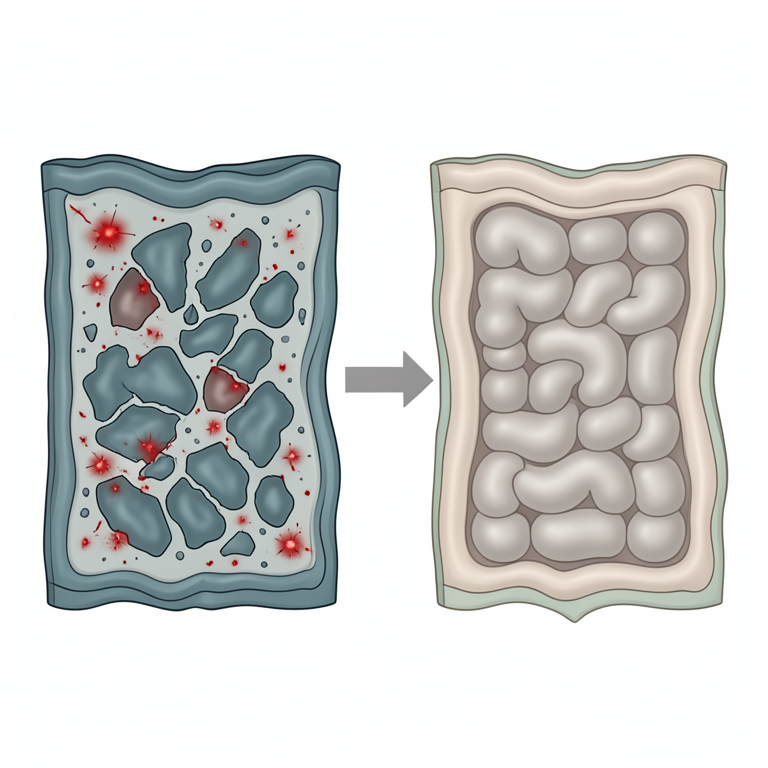
Mechanism of NAC Protection against NSAID Colitis
AI-generated conceptual illustration (rat colon tissue). It explains the idea and does not show study data.
View source evidence ↗Introduction
Nonsteroidal anti-inflammatory drugs (NSAIDs) are widely used for their analgesic, antipyretic, and anti-inflammatory properties. Despite their therapeutic benefits, long-term use of NSAIDs is often associated with significant gastrointestinal side effects, including the development of colitis. NSAID-induced colitis results from the inhibition of cyclooxygenase (COX) enzymes, leading to a decrease in protective prostaglandins and subsequent mucosal damage, increased intestinal permeability, and inflammation. Understanding and mitigating these adverse effects is critical for improving patient outcomes and expanding the safe use of NSAIDs in clinical practice. N-acetylcysteine (NAC) has emerged as a promising therapeutic agent due to its multifaceted pharmacological properties. NAC is a precursor to glutathione, a crucial intracellular antioxidant, and exhibits potent mucolytic, anti-inflammatory, and cytoprotective effects. Its ability to replenish intracellular glutathione levels makes it particularly effective in combating oxidative stress, a key contributor to NSAID-induced gastrointestinal damage. Additionally, NAC's anti-inflammatory properties help modulate immune responses and reduce the production of pro-inflammatory cytokines, offering further protection to the intestinal mucosa. Rat models have been instrumental in studying the mechanisms of NSAID-induced colitis and the therapeutic potential of various interventions. These models provide a controlled environment to investigate the pathophysiology of colitis and assess the efficacy of potential treatments. The physiological and genetic similarities between rats and humans make these models highly relevant for translational research, enabling the extrapolation of findings to human clinical scenarios. Previous studies have demonstrated the efficacy of NAC in various gastrointestinal disorders. In models of chemically-induced colitis, NAC has been shown to reduce inflammation, oxidative stress, and tissue damage. Its role in replenishing glutathione levels and modulating inflammatory pathways underscores its potential as a therapeutic agent. However, the specific effects of NAC on NSAID-induced colitis require further exploration to fully understand its protective mechanisms and optimize its use in clinical settings. This paper aims to explore the therapeutic potential of NAC in mitigating colitis induced by NSAIDs in rat models. By examining the detailed mechanisms through which NAC exerts its protective effects, we seek to provide a comprehensive understanding of its role in preventing and treating NSAIDinduced gastrointestinal damage.
We will review existing literature on NAC's efficacy in various colitis models, highlighting key findings and identifying areas for future research. Ultimately, this study aims to contribute to the development of effective strategies for managing NSAID-induced colitis, improving patient safety, and expanding the therapeutic utility of NSAIDs. Through a detailed examination of experimental studies, this paper will address the following objectives: to elucidate the mechanisms of NSAID-induced colitis, to investigate the antioxidative and anti-inflammatory properties of NAC in this context, and to evaluate the therapeutic outcomes of NAC treatment in rat models of NSAID-induced colitis. By achieving these objectives, we aim to underscore the potential of NAC as a viable therapeutic intervention for mitigating the adverse gastrointestinal effects associated with NSAID use.
Objective
The objective of this paper is to provide a comprehensive overview of the pivotal role of rat models in experimental biomedical research. This includes highlighting the various applications and advantages of using rat models to study disease mechanisms, evaluate drug efficacy, and understand physiological processes. By examining detailed examples of previous studies across multiple fields such as cardiovascular disease, neurobiology, cancer research, toxicology, metabolic disorders, immunology, pharmacology, and pain research, the paper aims to underscore the versatility and importance of rat models. Ultimately, this paper seeks to demonstrate how rat models contribute to scientific discovery, the development of therapeutic strategies, and the advancement of human health.
Mechanisms of NSAID-Induced Colitis
NSAID-induced colitis is a complex condition arising from the use of nonsteroidal anti-inflammatory drugs (NSAIDs), which can lead to inflammation and damage in the colon. The detailed mechanisms involved in this condition include: NSAIDs function by inhibiting cyclooxygenase (COX) enzymes, specifically COX-1 and COX-2. These enzymes are crucial for the production of prostaglandins, which are lipid compounds that perform several protective functions in the gastrointestinal tract, including maintaining the mucosal lining, regulating acid secretion, and ensuring proper blood flow to the mucosa. The inhibition of COX enzymes by NSAIDs reduces the synthesis of prostaglandins, leading to a compromised mucosal defense system and increased susceptibility to injury. The reduction in prostaglandin levels weakens the mucosal barrier, making the colon more vulnerable to damage from digestive enzymes, bile, and other luminal contents. Prostaglandins help maintain the integrity of the epithelial lining, and their absence can lead to the erosion of this protective layer, exposing the underlying tissues to harmful substances. NSAIDs can increase the permeability of the intestinal epithelium, a condition often referred to as "leaky gut." This increased permeability allows luminal antigens, bacteria, and toxins to translocate across the epithelium and enter the mucosa, triggering an inflammatory response. The disruption of tight junctions between epithelial cells is a key factor in this process, allowing for the passage of larger molecules that would normally be restricted. The breach in the mucosal barrier and the subsequent infiltration of luminal contents into the mucosa activate the immune system. Immune cells, such as neutrophils and macrophages, are recruited to the site of injury. These cells release inflammatory cytokines, chemokines, and reactive oxygen species (ROS), which further exacerbate inflammation and damage the colonic tissue. This immune activation can lead to a chronic inflammatory state, contributing to ongoing tissue injury and colitis. Mitochondrial Dysfunction: NSAIDs can induce mitochondrial damage in the epithelial cells of the gastrointestinal tract. Mitochondria are essential for cellular energy production and maintaining cellular homeostasis. NSAID-induced mitochondrial dysfunction can lead to increased production of ROS, causing oxidative stress and further cellular damage. This oxidative stress can compromise the epithelial barrier and promote inflammation. The use of NSAIDs can disrupt the balance of the gut microbiota, leading to a condition known as dysbiosis. Dysbiosis involves an imbalance between beneficial and harmful bacteria in the gut. This imbalance can contribute to inflammation and further compromise the integrity of the mucosal barrier. The altered microbial environment can promote the growth of pathogenic bacteria, which can exacerbate colonic inflammation and damage. NSAIDs may exert direct toxic effects on the epithelial cells of the gastrointestinal tract. These cytotoxic effects can lead to cell death, apoptosis, and necrosis, resulting in the erosion of the mucosal lining. The direct toxicity of NSAIDs on epithelial cells can exacerbate the weakening of the mucosal barrier and promote inflammation. Understanding these detailed mechanisms is crucial for developing strategies to prevent and manage NSAIDinduced colitis. Such strategies may include the use of COX-2 selective inhibitors, which preferentially inhibit COX-2 over COX-1, thereby reducing gastrointestinal side effects. Co-prescribing protective agents such as proton pump inhibitors (PPIs) or misoprostol can also help mitigate the risk of colitis by preserving the mucosal barrier. Additionally, careful monitoring of NSAID use, especially in individuals at higher risk of gastrointestinal complications, and exploring alternative pain management options can help prevent the onset of NSAID-induced colitis.
N-acetylcysteine
N-acetylcysteine (NAC) exerts its effects through multiple mechanisms, making it a versatile therapeutic agent. One of its primary actions is as a precursor to glutathione, a vital intracellular antioxidant. By supplying cysteine, NAC enhances glutathione synthesis, which boosts the cell's ability to neutralize reactive oxygen species and mitigate oxidative stress. NAC also possesses mucolytic properties, breaking disulfide bonds in mucus glycoproteins to reduce mucus viscosity and facilitate its clearance in conditions like chronic obstructive pulmonary disease and cystic fibrosis. Additionally, NAC exhibits anti-inflammatory effects by modulating the nuclear factor-kappa B (NF-κB) pathway, reducing the production of pro-inflammatory cytokines such as tumor necrosis factor-alpha and interleukin-6. Its detoxification capability is particularly evident in acetaminophen overdose treatment, where NAC replenishes glutathione levels to detoxify the harmful metabolite Nacetyl-p-benzoquinone imine, thereby preventing liver damage. NAC also influences various cellular signalling pathways, including the mitogen-activated protein kinase (MAPK) pathway, which affects cell survival and apoptosis. Its neuroprotective effects are linked to its ability to increase brain glutathione levels, reduce oxidative stress, and modulate neurotransmitter systems, offering potential benefits in neurodegenerative diseases and brain injuries. Furthermore, NAC modulates immune function by enhancing the activity of T cells, macrophages, and neutrophils, balancing the immune response to infections while preventing excessive inflammation. It also enhances nitric oxide production, promoting vasodilation and improving blood flow, beneficial in cardiovascular health. NAC's chelating properties enable it to bind heavy metals like mercury and lead, facilitating their excretion and providing therapeutic benefits in heavy metal poisoning. Emerging research also suggests that NAC may influence epigenetic mechanisms such as DNA methylation and histone acetylation, impacting gene expression and cellular function. This broad spectrum of actions underscores NAC's therapeutic potential across various clinical conditions, from respiratory and liver diseases to neurodegenerative disorders and beyond.
Experimental Studies in Rat Models
Experimental studies in rat models are essential for understanding disease mechanisms, testing therapeutic interventions, and exploring physiological processes.
Cardiovascular Disease: Rat models have been pivotal in studying hypertension and heart failure. For example, in a study on hypertension, researchers induced high blood pressure in rats using a high-salt diet and observed the effects on cardiovascular health. They found that the rats developed increased blood pressure and left ventricular hypertrophy, mirroring human hypertension. This model allowed the testing of antihypertensive drugs, leading to insights into their mechanisms and efficacy.
Neurobiology: In Parkinson's disease research, rat models have been used to mimic the dopaminergic neuron loss seen in humans. In one study, researchers used the neurotoxin 6hydroxydopamine (6-OHDA) to selectively destroy dopaminergic neurons in rats, creating a model of Parkinson's disease. This model was instrumental in testing the effects of various neuroprotective agents and deep brain stimulation techniques, advancing the understanding of potential treatments for Parkinson's disease.
Cancer Research: Rat models have been employed to study breast cancer metastasis. In one notable study, researchers injected human breast cancer cells into the mammary fat pad of immunocompromised rats. They observed tumor growth and metastatic spread to other organs, closely resembling the progression of breast cancer in humans. This model was used to test the efficacy of novel anti-cancer drugs and to understand the molecular mechanisms driving metastasis.
Toxicology:
In toxicology studies, rat models are used to assess the safety of new drugs. For example, a study on acetaminophen toxicity involved administering varying doses of the drug to rats and monitoring liver enzyme levels, histopathological changes, and overall health. This study provided critical information on the hepatotoxic dose range and mechanisms of liver injury, guiding safe dosage recommendations for humans.
Metabolic Disorders: Rat models of diabetes have been extensively used to study the disease's pathophysiology and treatment. In one study, researchers induced diabetes in rats using streptozotocin, which selectively destroys insulinproducing beta cells in the pancreas. These diabetic rats were then treated with different insulin formulations and oral hypoglycemic agents, helping to identify effective treatments and their mechanisms of action.
Immunology and Infectious Diseases: Rat models have contributed to understanding autoimmune diseases like rheumatoid arthritis. In one study, researchers induced arthritis in rats using collagen injections, creating a model that mimicked human rheumatoid arthritis. They tested various immunosuppressive drugs on these rats, leading to insights into the disease's immunological mechanisms and potential treatments.
Pharmacology: Pharmacokinetic studies often use rats to understand how drugs are absorbed, distributed, metabolized, and excreted. For example, researchers studying a new anti-inflammatory drug administered it to rats and measured its plasma concentration over time. This study provided essential data on the drug's half-life, bioavailability, and optimal dosing schedule, informing subsequent clinical trials.
Pain and Analgesia:
In pain research, rat models help study chronic pain mechanisms and test analgesic compounds. In one study, researchers induced neuropathic pain in rats by ligating the sciatic nerve, leading to behaviour's indicative of chronic pain. They then administered various analgesic drugs to these rats and assessed their pain responses, providing valuable information on the drug's efficacy and potential mechanisms of action.
Conclusion
Experimental studies in rat models are indispensable in biomedical research, offering profound insights into disease mechanisms, drug efficacy, and physiological processes. Through examples in cardiovascular disease, neurobiology, cancer research, toxicology, metabolic disorders, immunology, pharmacology, and pain research, it is evident that rat models provide a reliable and translatable platform for understanding human health and disease. These studies have led to significant advancements in therapeutic interventions and have been crucial in the development of safer and more effective treatments. The controlled and reproducible nature of rat models allows for detailed exploration of complex biological processes, underscoring their vital role in scientific discovery and medical innovation.
References
7 in the original paper- Philip AK, Dabas S, Pathak K. Optimized prodrug approach: A means for achieving enhanced antiinflammatory potential in experimentally induced colitis. Journal of drug targeting. 2009 Apr 1;17(3):235241.
- Osafo N, Obiri DD, Danquah KO, Essel LB, Antwi AO. Potential effects of xylopic acid on acetic acidInternational Journal of Biology Sciences https://www.biologyjournal.net induced ulcerative colitis in rats. The Turkish Journal of Gastroenterology. 2019 Aug;30(8):732.
- Jurjus AR, Khoury NN, Reimund JM. Animal models of inflammatory bowel disease. Journal of pharmacological and toxicological methods. 2004 Sep 1;50(2):81-92.
- A Ivanenkov Y, V Balakin K, Lavrovsky Y. Small Molecule Inhibitors of NF-B and JAK/STAT Signal Transduction Pathways as Promising AntiInflammatory Therapeutics. Mini reviews in medicinal chemistry. 2011 Jan 1;11(1):55-78.
- Pandurangan AK, Mohebali N, Norhaizan ME, Looi CY. Gallic acid attenuates dextran sulfate sodiuminduced experimental colitis in BALB/c mice. Drug design, development and therapy. 2015 Jul 30:39233934.
- Kim YJ, Kim EH, Hahm KB. Oxidative stress in inflammation-based gastrointestinal tract diseases: Challenges and opportunities. Journal of gastroenterology and hepatology. 2012 Jun;27(6):10041010.
- Farzaei MH, Abdollahi M, Rahimi R. Role of dietary polyphenols in the management of peptic ulcer. World journal of gastroenterology: WJG. 2015 Jun 6;21(21):6499.