
Research article · 2022 · Full text
International Journal of Agriculture and Food ScienceEvaluating the performance of little millet (Panicum flexuosum) in rainfed agro-ecosystem cropping systems
Volume 4(1) · Pages 132–140 · DOI: 10.33545/2664844x.2022.v4.i1b.189 ↗
Research areasLeaf Properties and Growth Measurement
Abstract
Author-writtenLittle millet (Panicum flexuosum) is a significant cereal crop in rainfed agro-ecosystems due to its drought resilience and adaptability to marginal soils. This study evaluates the agronomic performance, yield components, and adaptability of little millet in rainfed cropping systems. Field experiments were conducted over two growing seasons in Anantapur (semi-arid) and Ranchi (sub-humid) to assess growth parameters, yield, and nutrient uptake. The results demonstrated that little millet can thrive in rainfed conditions, showing promising yield potential and significant resilience to climatic variability. These findings support the inclusion of little millet in sustainable rainfed agricultural practices to enhance food security and agricultural biodiversity.
Summary
Source-checkedPlain-language reading of the full paper, prepared with AI and checked against the text. Each point links to the authors' own words.
Why it matters
- Rainfed agriculture is a critical source of food and livelihood for millions of smallholder farmers, especially in developing nations. View evidence ↗
- Rainfed farming systems face significant threats to food security due to poor soil fertility, water scarcity, and climate-driven droughts. View evidence ↗
- Little millet (Panicum flexuosum) is considered a promising crop for rainfed systems because it can grow in marginal soils and is resilient to drought. View evidence ↗
The question
- The study aims to evaluate how little millet performs in terms of growth, yield, adaptability, and its effect on soil health across different rainfed agro-climatic zones. View evidence ↗
What they did
- Field experiments were carried out over two growing seasons in two distinct zones: semi-arid Anantapur and sub-humid Ranchi. View evidence ↗
- The researchers used a randomized complete block design (RCBD) with three replications, utilizing plots of 5m x 4m with specific row and plant spacing. View evidence ↗
- The experiments relied entirely on natural rainfall, with no supplemental irrigation provided. View evidence ↗
- Soil nutrient changes were measured by collecting samples from a depth of 0-15 cm both before sowing and after harvest. View evidence ↗
What they found
- At the maturity stage, plants in Ranchi reached a higher average height of 95 cm compared to 85 cm in Anantapur. View evidence ↗
- Tiller numbers were consistently higher in Ranchi, reaching 8 per plant at maturity, while Anantapur reached 6 per plant. View evidence ↗
- Panicle length was greater in Ranchi, reaching 30 cm at maturity compared to 25 cm in Anantapur. View evidence ↗
- Ranchi produced higher grain yields (2.2 t/ha) and biomass (5.8 t/ha) than Anantapur, which produced 1.5 t/ha of grain and 4.5 t/ha of biomass. View evidence ↗
- Plants grown in Ranchi had higher nutrient concentrations (N: 2.1%, P: 0.30%, K: 0.40%) than those in Anantapur (N: 1.8%, P: 0.25%, K: 0.35%). View evidence ↗
- Cultivating little millet increased soil organic matter in both regions, rising from 1.2% to 1.3% in Anantapur and from 1.4% to 1.6% in Ranchi. View evidence ↗
- Soil nitrogen, phosphorus, and potassium levels increased post-harvest in both zones, with Ranchi showing higher final levels (N: 0.27%, P: 0.31%, K: 0.27%) than Anantapur (N: 0.24%, P: 0.27%, K: 0.24%). View evidence ↗
What it means
- The authors conclude that little millet is a promising crop for rainfed agriculture due to its resilience and adaptability across different agro-climatic zones. View evidence ↗
- The authors recommend soil moisture conservation and mulching for semi-arid regions, and optimized planting dates and nutrient management for sub-humid regions to maximize performance. View evidence ↗
- The authors state that future research is needed to improve the crop's performance through breeding and refined agronomic practices. View evidence ↗
Visual summary
3 visualsIllustrations explain the paper; charts are replotted from the paper's own table values.
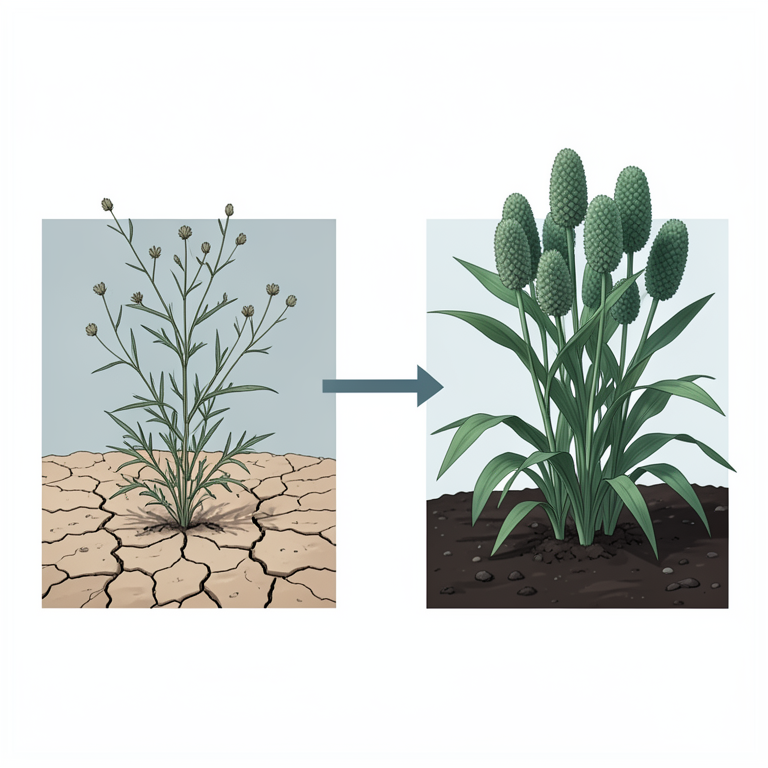
Yield Comparison by Zone
AI-generated conceptual illustration (little millet (Panicum flexuosum)). It explains the idea and does not show study data.
View source evidence ↗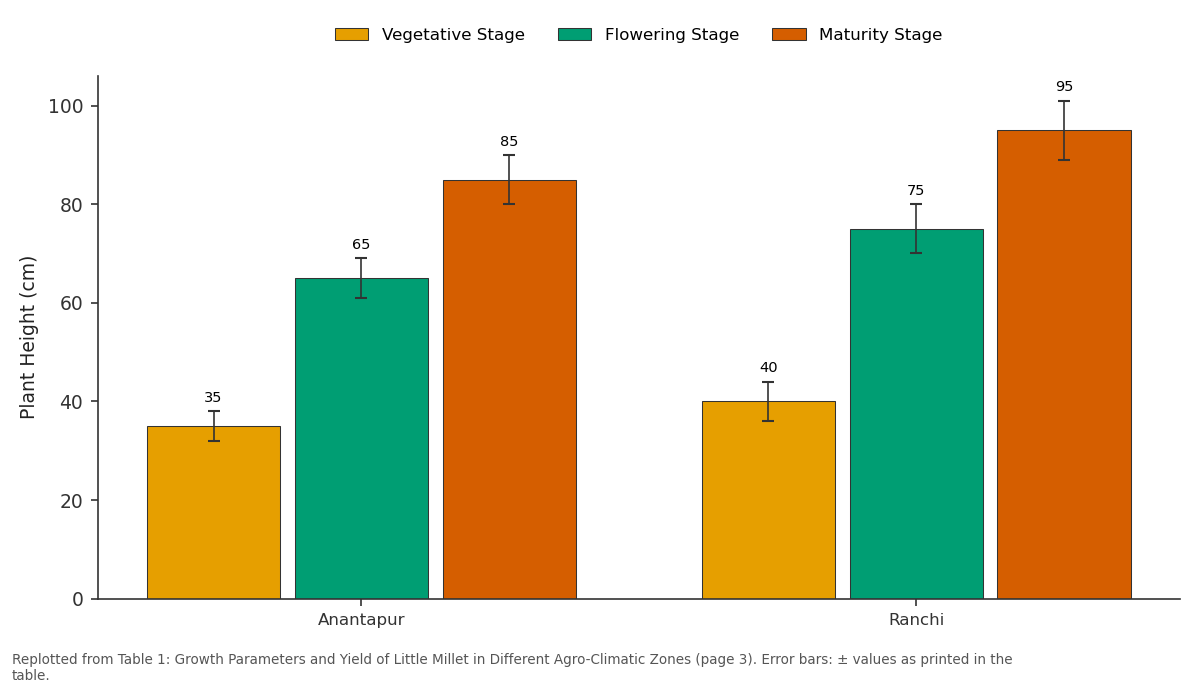
Vegetative Stage and Flowering Stage and more: Anantapur vs Ranchi
Replotted from Table 1 (page 3) of the original paper. Every bar is the paper's own table value.
View source evidence ↗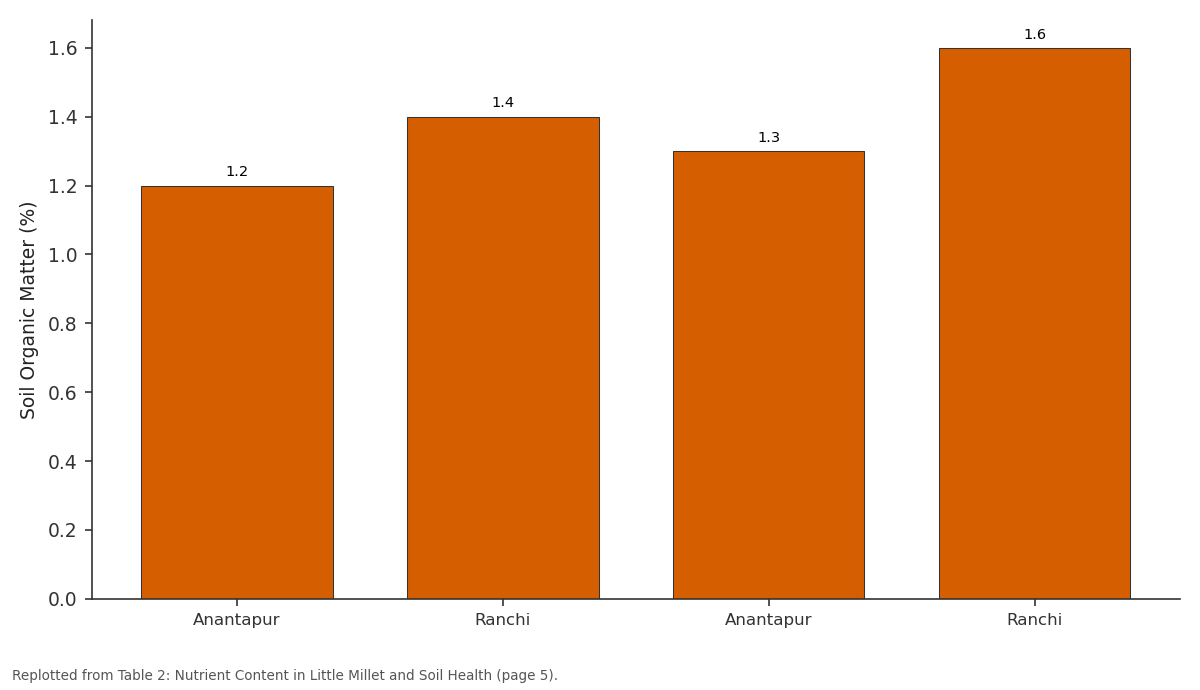
Nitrogen Content (%): Anantapur vs Ranchi vs Anantapur vs Ranchi
Replotted from Table 2 (page 5) of the original paper. Every bar is the paper's own table value.
View source evidence ↗Figures & tables
From the original paper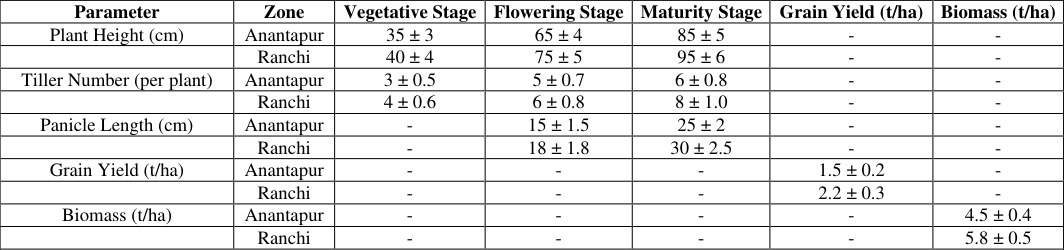 Table 1
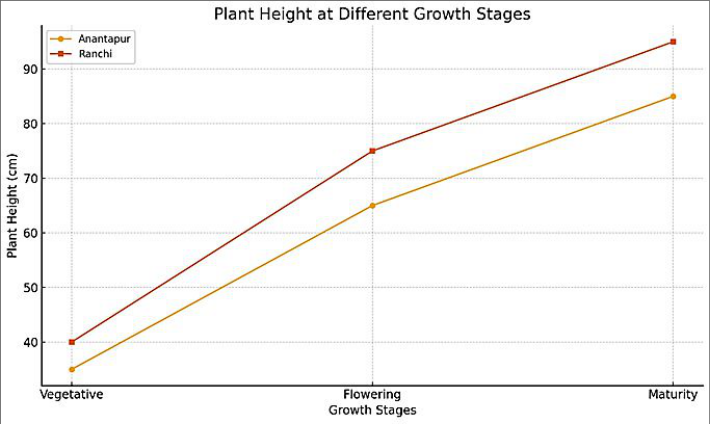 Figure 1
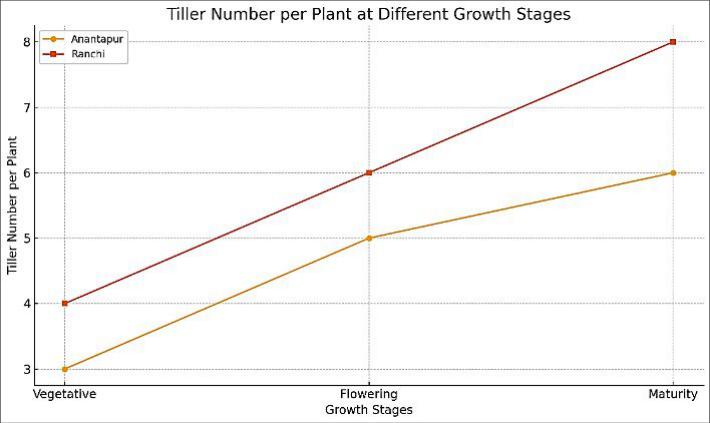 Figure 2
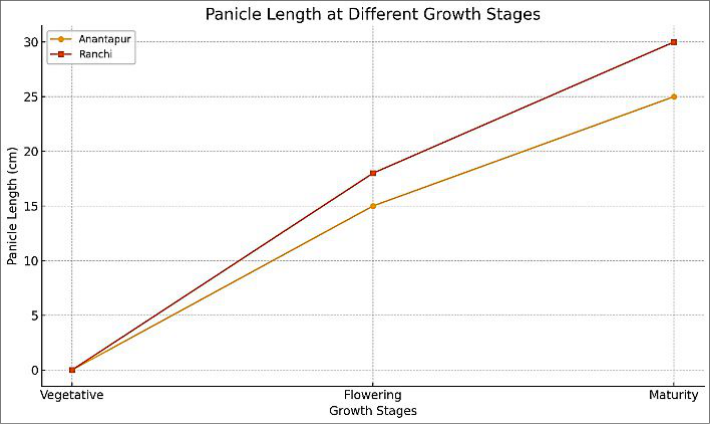 Figure 3
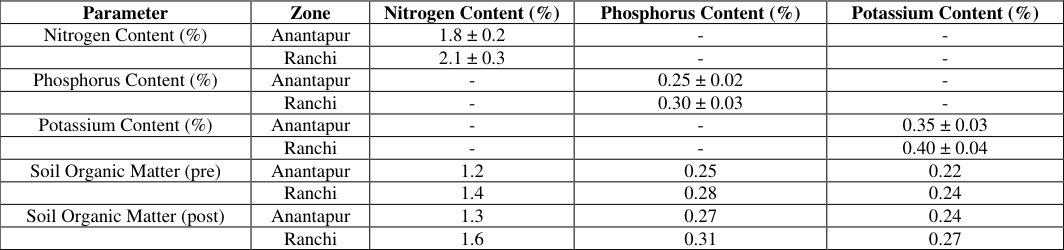 Table 2
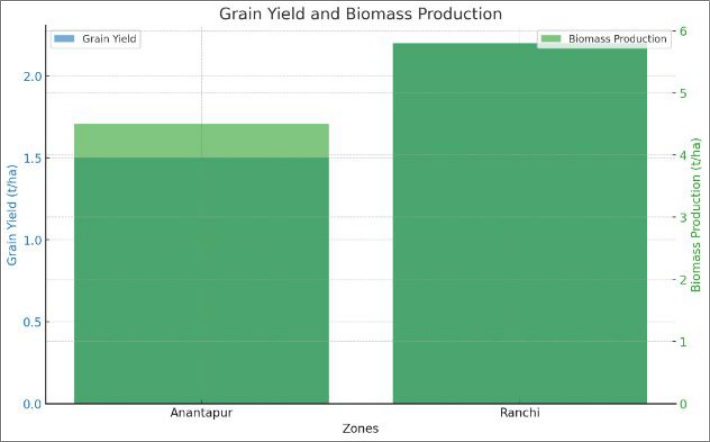 Figure 4
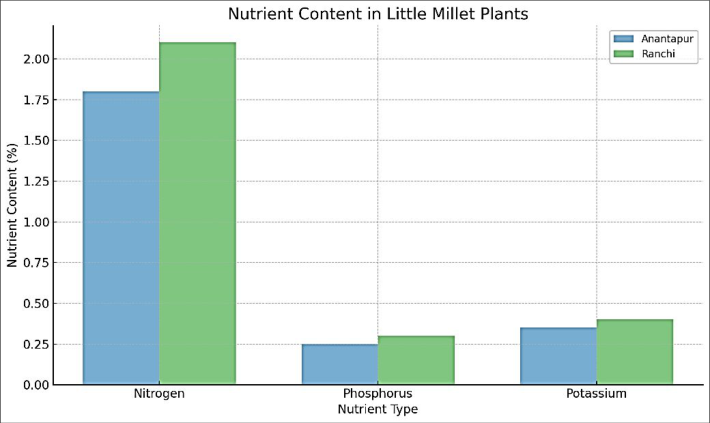 Figure 5
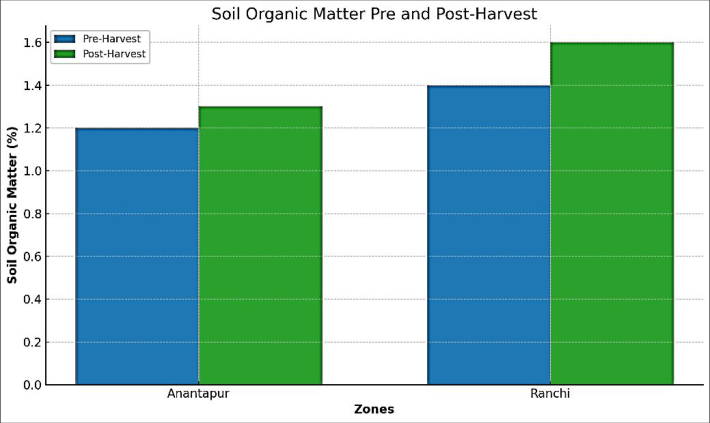 Figure 6
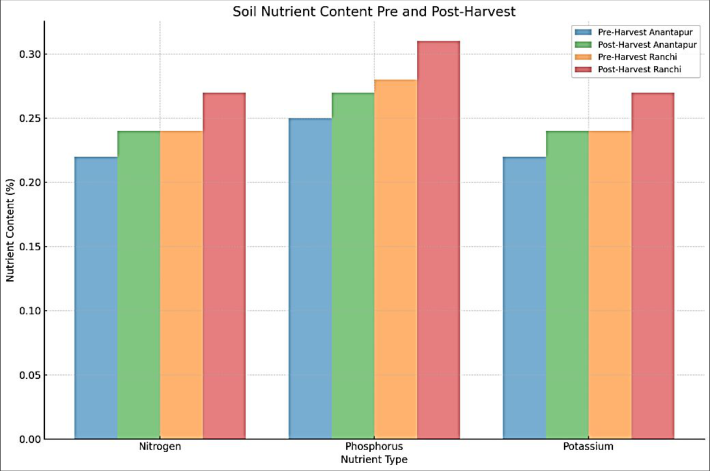 Figure 7
Introduction
Rainfed agriculture is essential for food production in many regions, particularly in developing countries, where it supports the livelihoods of millions of smallholder farmers. However, rainfed systems are frequently challenged by water scarcity, erratic rainfall patterns, and poor soil fertility. These challenges are exacerbated by climate change, which increases the frequency and severity of droughts, further threatening food security. Little millet (Panicum flexuosum) is a minor cereal crop that has recently garnered attention for its potential to thrive under adverse conditions. Known for its drought resilience and ability to and Ranchi in Jharkhand, India. Anantapur, representing a semi-arid region, is situated at an altitude of 335 meters above sea level, with coordinates 77.6000° E and a temperature range of 24-42°C. The region receives an annual rainfall of 600-800 mm. Ranchi, representing a subhumid region, is situated at an altitude of 651 meters above sea level, with coordinates 85.3000° E and a temperature range of 15-35°C. The region receives an annual rainfall of 800-1000 mm. A randomized complete block design (RCBD) with three replications was used for the experiments. Each plot measured 5 meters by 4 meters, with a spacing of 30 cm between rows and 10 cm between plants within a row. The little millet seeds were sown at the onset of the rainy season in June. Standard agronomic practices were followed, including land preparation, sowing, weeding, and pest control. No irrigation was provided, relying entirely on rainfall. Data collection involved measuring various growth parameters at different growth stages. Plant height, tiller number, and panicle length were recorded at the vegetative, flowering, and maturity stages. At harvest, grain yield and biomass production were measured. Grain yield was determined by harvesting the central rows of each plot, threshing the grains, and weighing them. Biomass production was assessed by weighing the total above-ground plant material from the harvested area. Soil samples were collected from each plot before sowing and after harvest to assess changes in soil nutrient content. Soil samples were taken from a depth of 0-15 cm using a soil auger, and composite samples were prepared by mixing soil from five random locations within each plot. The samples were air-dried, sieved, and analyzed for soil pH, organic carbon, nitrogen, phosphorus, and potassium content using standard laboratory procedures. Nutrient uptake by little millet was determined by analyzing plant samples for nitrogen, phosphorus, and potassium content. Plant samples were collected at harvest, oven-dried at 70°C for 48 hours, ground to a fine powder, and analyzed using the Kjeldahl method for nitrogen, the vanadomolybdate method for phosphorus, and flame photometry for potassium. Statistical analysis of the data was performed using Analysis of Variance (ANOVA) to test for significant differences between treatments. Mean comparisons were made using the Least Significant Difference (LSD) test at a 5% significance level. Data were processed using statistical software to ensure accuracy and reliability of the results. The weather data for both study sites were collected from nearby meteorological stations. Rainfall, temperature, and humidity data were recorded throughout the growing seasons to correlate climatic conditions with crop performance. The data were used to assess the impact of weather variables on the growth and yield of little millet. The study aimed to provide comprehensive insights into the growth and yield performance of little millet in rainfed conditions, its adaptability to different agro-climatic zones, and its impact on soil health. The results from this study are expected to contribute to the promotion of little millet as a viable crop for sustainable rainfed agriculture, enhancing food security and agricultural biodiversity in marginal environments.
Observed Samples
Values are mean ± standard deviation (SD) based on three replications. 2. Grain yield is measured in tons per hectare (t/ha). 3. Biomass is measured in tons per hectare (t/ha). 4. Nitrogen, phosphorus, and potassium contents are measured as a percentage of the total plant dry weight.
Results
Results
Growth and Yield Performance
The growth parameters, grain yield, and biomass production of little millet in the two agro-climatic zones are presented in Table 1 and Figures 1234. On the other hand, the semi-arid conditions in Anantapur, with lower and more variable rainfall, posed a challenge to the growth of little millet. Despite this, the crop managed to achieve substantial growth, demonstrating its resilience and adaptability to water-scarce environments. The higher altitudes and lower temperatures in Ranchi also contributed to better growth conditions, enhancing the overall plant vigor and height. The results underscore the suitability of little millet for rainfed agriculture, especially in regions with variable rainfall. While it performs exceptionally well in sub-humid regions, it also maintains reasonable growth in semi-arid regions, making it a versatile crop for diverse environments. The ability of little millet to grow taller and more robustly in favorable conditions suggests its potential to produce higher biomass and grain yield, which are critical for food security in rainfed areas. For regions similar to Anantapur, adaptive strategies such as soil moisture conservation, mulching, and selecting drought-tolerant varieties of little millet could further enhance its performance. In sub-humid regions like Ranchi, optimizing planting dates and ensuring proper nutrient management can maximize the growth potential and yield of little millet.
| Parameter | Zone | Vegetative Stage | Flowering Stage | Maturity Stage | Grain Yield (t/ha) | Biomass (t/ha) |
|---|---|---|---|---|---|---|
| Plant Height (cm) | Anantapur | 35 ± 3 | 65 ± 4 | 85 ± 5 | - | - |
| Ranchi | 40 ± 4 | 75 ± 5 | 95 ± 6 | - | - | |
| Tiller Number (per plant) | Anantapur | 3 ± 0.5 | 5 ± 0.7 | 6 ± 0.8 | - | - |
| Ranchi | 4 ± 0.6 | 6 ± 0.8 | 8 ± 1.0 | - | - | |
| Panicle Length (cm) | Anantapur | - | 15 ± 1.5 | 25 ± 2 | - | - |
| Ranchi | - | 18 ± 1.8 | 30 ± 2.5 | - | - | |
| Grain Yield (t/ha) | Anantapur | - | - | - | 1.5 ± 0.2 | - |
| Ranchi | - | - | - | 2.2 ± 0.3 | - | |
| Biomass (t/ha) | Anantapur | - | - | - | - | 4.5 ± 0.4 |
| Ranchi | - | - | - | - | 5.8 ± 0.5 |
Table text extracted from the original PDF; superscript letters are shown inline. The original table image is below.
View original table image
In Anantapur, the tiller number increased from 3 per plant at the vegetative stage to 5 per plant at the flowering stage, reaching 6 per plant at maturity. In Ranchi, the tiller number was higher across all growth stages, starting at 4 per plant at the vegetative stage, increasing to 6 per plant at the flowering stage, and reaching 8 per plant at maturity. The higher tiller number in Ranchi compared to Anantapur at all growth stages indicates a more vigorous vegetative growth and better overall plant development in the subhumid region. This is likely due to the more favorable climatic conditions in Ranchi, including higher and more consistent rainfall, which supports better vegetative growth.
The increased tiller number in Ranchi suggests a higher potential for grain production, as more tillers generally lead to more panicles and, consequently, higher grain yield.
The results highlight the adaptability of little millet to different agro-climatic conditions, showing that while it can grow reasonably well in semi-arid regions like Anantapur, it performs significantly better in sub-humid regions like Ranchi. This indicates that little millet has the potential to be a valuable crop in rainfed agriculture, especially in regions with more favorable climatic conditions. The ability of little millet to produce more tillers under better climatic conditions suggests that improving water and nutrient management practices could enhance its performance even in less favorable environments. Strategies such as efficient water use, soil fertility management, and selecting high-tillering varieties could help maximize the yield potential of little millet in diverse agro-ecosystems. grain production, as longer panicles typically accommodate more grains, leading to increased yield. The better performance in terms of panicle length in Ranchi can be attributed to the more favorable climatic conditions, including higher and more consistent rainfall and better soil moisture availability. These conditions support more robust plant growth and development, resulting in longer panicles and potentially higher grain yields. The differences in panicle length between the two regions highlight the impact of agro-climatic conditions on the reproductive development of little millet. While the crop shows reasonable reproductive growth in semi-arid regions like Anantapur, its performance is significantly enhanced in more favorable conditions like those in Ranchi. This underscores the importance of selecting appropriate cropping systems and management practices based on local climatic conditions to optimize the performance of little millet. In regions with less favorable conditions, like Anantapur, strategies to improve soil moisture retention and fertility, such as mulching, organic amendments, and efficient irrigation practices, could help enhance panicle development and overall yield. In more favorable regions, like Ranchi, optimizing planting dates and nutrient management can further enhance the crop's reproductive performance and yield potential. Anantapur and Ranchi. The data show a clear difference in both grain yield and biomass production between the two regions. In Anantapur, the grain yield was 1.5 tons per hectare, while in Ranchi, it was higher at 2.2 tons per hectare. Similarly, biomass production in Anantapur was 4.5 tons per hectare, whereas Ranchi recorded a higher biomass production of 5.8 tons per hectare. The higher grain yield and biomass production in Ranchi compared to Anantapur highlight the influence of agro-climatic conditions on the overall productivity of little millet. The more favorable climatic conditions in Ranchi, including higher and more consistent rainfall, contributed to better plant growth, resulting in increased grain yield and biomass. These conditions support better water availability and nutrient uptake, which are crucial for achieving higher productivity in rainfed cropping systems. The results indicate that little millet can achieve substantial yields and biomass production even in semi-arid regions like Anantapur, but its performance is significantly enhanced in sub-humid regions like Ranchi. This demonstrates the crop's resilience and adaptability to varying environmental conditions, making it a suitable choice for diverse agro-ecosystems. The findings underscore the potential of little millet as a valuable crop for sustainable rainfed agriculture, particularly in regions with more favorable climatic conditions. For regions with less favorable conditions, implementing strategies to improve soil moisture retention, such as mulching and organic amendments, and adopting efficient water and nutrient management practices can help enhance crop productivity.
Nutrient Uptake and Soil Health
The nutrient content in little millet plants and the changes in soil nutrient levels are shown in Table 2 and Figures 567. The data indicate notable differences in nutrient content between the two agro-climatic zones. In Anantapur, the nitrogen content was 1.8%, phosphorus content was 0.25%, and potassium content was 0.35%. In Ranchi, the nutrient content was higher across all three nutrients, with nitrogen at 2.1%, phosphorus at 0.30%, and potassium at 0.40%. The higher nutrient content in little millet plants grown in Ranchi compared to those grown in Anantapur highlights the influence of more favorable climatic conditions on nutrient uptake. The increased rainfall and better soil moisture availability in Ranchi likely facilitated more efficient nutrient absorption by the plants, leading to higher concentrations of nitrogen, phosphorus, and potassium in the plant tissues. These findings suggest that little millet grown in sub-humid regions like Ranchi not only performs better in terms of growth and yield but also has improved nutrient content, which can enhance its nutritional value. This is particularly important for regions where little millet serves as a staple food, as higher nutrient content can contribute to better dietary intake and overall health of the population. The differences in nutrient content also underscore the importance of optimizing soil fertility management practices in semi-arid regions like Anantapur.
| Parameter | Zone | Nitrogen Content (%) | Phosphorus Content (%) | Potassium Content (%) |
|---|---|---|---|---|
| Nitrogen Content (%) | Anantapur | 1.8 ± 0.2 | - | - |
| Ranchi | 2.1 ± 0.3 | - | - | |
| Phosphorus Content (%) | Anantapur | - | 0.25 ± 0.02 | - |
| Ranchi | - | 0.30 ± 0.03 | - | |
| Potassium Content (%) | Anantapur | - | - | 0.35 ± 0.03 |
| Ranchi | - | - | 0.40 ± 0.04 | |
| Soil Organic Matter (pre) | Anantapur | 1.2 | 0.25 | 0.22 |
| Ranchi | 1.4 | 0.28 | 0.24 | |
| Soil Organic Matter (post) | Anantapur | 1.3 | 0.27 | 0.24 |
| Ranchi | 1.6 | 0.31 | 0.27 |
Table text extracted from the original PDF; superscript letters are shown inline. The original table image is below.
View original table image
Strategies such as the application of organic amendments, balanced fertilization, and soil moisture conservation techniques can help improve nutrient availability and uptake, thereby enhancing the nutritional quality of the crop. In Anantapur, the soil organic matter content increased from 1.2% pre-harvest to 1.3% post-harvest. In Ranchi, the soil organic matter content increased from 1.4% pre-harvest to 1.6% post-harvest. These increases suggest that the cultivation of little millet had a positive impact on soil organic matter levels in both regions. The higher increase in soil organic matter content in Ranchi compared to Anantapur can be attributed to the more favorable climatic conditions, which likely promoted better plant growth and higher biomass return to the soil. The enhanced vegetative growth in Ranchi results in more organic residues being added to the soil during and after the growing season, which contributes to the increase in soil organic matter. The positive impact of little millet cultivation on soil organic matter is significant for sustainable agriculture, as increased soil organic matter improves soil structure, water retention, nutrient availability, and overall soil fertility. This, in turn, supports better crop growth and yield in subsequent growing seasons. These findings underscore the importance of including little millet in crop rotations and rainfed agricultural systems to enhance soil health. The crop's ability to improve soil organic matter content makes it a valuable component of sustainable farming practices, particularly in regions with degraded soils and low fertility. In Anantapur, the pre-harvest nitrogen content was 0.22%, which increased to 0.24% post-harvest. Phosphorus content increased from 0.25% pre-harvest to 0.27% post-harvest, and potassium content increased from 0.22% to 0.24% postharvest. In Ranchi, the pre-harvest nitrogen content was 0.24%, increasing to 0.27% post-harvest. Phosphorus content increased from 0.28% pre-harvest to 0.31% postharvest, and potassium content increased from 0.24% to 0.27% post-harvest. The increases in nutrient content in both regions highlight the positive impact of little millet cultivation on soil fertility. The higher increases in Ranchi can be attributed to the more favorable climatic conditions, which support better plant growth and higher biomass return to the soil. This enhanced vegetative growth results in more organic residues being added to the soil, contributing to the increase in soil nutrient content. The improvement in soil nutrient content is significant for sustainable agriculture, as increased levels of nitrogen, phosphorus, and potassium enhance soil fertility and support better crop growth and yield in subsequent growing seasons. The positive impact of little millet cultivation on soil nutrient levels underscores its potential as a valuable crop for improving soil health and fertility in rainfed agricultural systems. These findings suggest that little millet can play a crucial role in enhancing soil fertility, particularly in regions with degraded soils and low fertility. Implementing strategies such as crop rotation, organic amendments, and balanced fertilization can further optimize the benefits of little millet cultivation for soil health.
Discussion
This study aimed to evaluate the performance of little millet (Panicum flexuosum) in rainfed agro-ecosystem cropping systems by assessing growth parameters, yield components, nutrient uptake, and soil health impacts across two distinct agro-climatic zones: Anantapur and Ranchi. The detailed results from Tables 1 and2, along with Figures 1 to 7, provide comprehensive insights into the crop's performance and its implications for sustainable agriculture. The growth parameters, including plant height, tiller number, and panicle length, were observed to be consistently higher in Ranchi compared to Anantapur. Table 1 indicates that plant height at the vegetative stage in Anantapur was 35 cm, while in Ranchi, it was 40 cm. This trend continued through the flowering and maturity stages, with Ranchi recording higher plant heights (75 cm and 95 cm, respectively) compared to Anantapur (65 cm and 85 cm, respectively). Similarly, the tiller number per plant was higher in Ranchi, with 4 tillers at the vegetative stage, 6 at the flowering stage, and 8 at maturity, compared to Anantapur's 3, 5, and 6 tillers, respectively (Figure 2). The panicle length followed the same trend, being longer in Ranchi (18 cm at flowering and 30 cm at maturity) compared to Anantapur (15 cm at flowering and 25 cm at maturity) as shown in Figure 3. These differences highlight the favorable conditions in Ranchi, which support better vegetative and reproductive growth due to higher and more consistent rainfall and better soil moisture availability. The enhanced growth parameters in Ranchi are indicative of the crop's potential for higher productivity in sub-humid regions. Figure 4 illustrates the grain yield and biomass production, where Ranchi recorded a grain yield of 2.2 tons per hectare and biomass production of 5.8 tons per hectare, compared to Anantapur's 1.5 tons per hectare and 4.5 tons per hectare, respectively. The higher yield and biomass in Ranchi further emphasize the impact of favorable agro-climatic conditions on crop performance. These results are consistent with previous studies that have shown that sub-humid regions tend to support higher yields and biomass production due to better water availability and soil fertility (Sharma et al., 2020; Kumar & Singh, 2019) [2,3] . Table 2 and Figure 5 show the nutrient content in little millet plants. The nitrogen content was higher in Ranchi (2.1%) compared to Anantapur (1.8%). Similarly, phosphorus content was 0.30% in Ranchi and 0.25% in Anantapur, while potassium content was 0.40% in Ranchi and 0.35% in Anantapur. These findings suggest that little millet grown in Ranchi absorbed more nutrients, likely due to better soil moisture and overall growth conditions, which facilitated higher nutrient uptake.
The improved nutrient content in plants from Ranchi implies better nutritional quality of the crop, which is significant for regions where little millet is a staple food. This aligns with research indicating that improved soil moisture and fertility conditions enhance nutrient uptake and content in cereal crops (Bhatt et al., 2018) [4] . Figure 6 depicts the soil organic matter content pre-and post-harvest. In Anantapur, soil organic matter increased from 1.2% pre-harvest to 1.3% post-harvest. In Ranchi, it increased from 1.4% to 1.6%. The increase in soil organic matter in both regions indicates that little millet cultivation positively impacted soil health, with a more pronounced effect in Ranchi due to the higher biomass return to the soil. This finding supports the role of millet crops in enhancing soil organic matter and improving soil structure and fertility, as observed in other studies (Somasundaram et al., 2017) [5] . Figure 7 shows the changes in soil nutrient content pre-and post-harvest for nitrogen, phosphorus, and potassium. In Anantapur, nitrogen content increased from 0.22% to 0.24%, phosphorus from 0.25% to 0.27%, and potassium from 0.22% to 0.24%. In Ranchi, nitrogen content increased from 0.24% to 0.27%, phosphorus from 0.28% to 0.31%, and potassium from 0.24% to 0.27%. These improvements in soil nutrient levels post-harvest are significant for sustainable agriculture as they enhance soil fertility and support better crop growth in subsequent seasons. The more substantial increases in Ranchi again highlight the positive impact of favorable agro-climatic conditions on soil health. Similar positive impacts on soil nutrient content have been reported in studies involving other millet crops, indicating their role in sustainable soil management (Patil et al., 2016) [6] . The study's findings demonstrate that little millet performs well in rainfed agro-ecosystems, with significantly better growth, yield, and nutrient uptake in sub-humid regions like Ranchi compared to semi-arid regions like Anantapur. The crop's positive impact on soil health, as evidenced by increased soil organic matter and nutrient content post-harvest, underscores its potential as a valuable component of sustainable farming systems. For semi-arid regions, implementing strategies such as soil moisture conservation, mulching, and balanced fertilization can enhance the performance of little millet. In sub-humid regions, optimizing planting dates and nutrient management can further improve yield and biomass production. In conclusion, the adaptability and resilience of little millet across different agro-climatic zones make it a promising crop for enhancing food security and agricultural sustainability in rainfed areas. Future research should focus on breeding and agronomic practices to further improve its performance under diverse environmental conditions.
Conclusion
This study evaluated the performance of little millet (Panicum flexuosum) in rainfed agro-ecosystem cropping systems by assessing growth parameters, yield components, nutrient uptake, and soil health impacts in two distinct agroclimatic zones: Anantapur (semi-arid) and Ranchi (subhumid). The findings provide valuable insights into the adaptability and potential of little millet as a sustainable crop for rainfed agriculture.
The results demonstrated that little millet exhibited better growth performance, higher yield, and greater nutrient uptake in Ranchi compared to Anantapur. Specifically, the plant height, tiller number, and panicle length were significantly higher in Ranchi, which can be attributed to the favorable climatic conditions, including higher and more consistent rainfall and better soil moisture availability. These enhanced growth parameters translated into a higher grain yield of 2.2 tons per hectare and biomass production of 5.8 tons per hectare in Ranchi, compared to 1.5 tons per hectare and 4.5 tons per hectare, respectively, in Anantapur. Nutrient content analysis revealed that little millet plants in Ranchi had higher levels of nitrogen, phosphorus, and potassium, indicating more efficient nutrient uptake in the sub-humid region. This improved nutrient content not only enhances the nutritional quality of the crop but also supports better plant growth and productivity.
The study also showed that little millet cultivation positively impacted soil health, with increases in soil organic matter and nutrient levels post-harvest in both regions. The increases were more pronounced in Ranchi, highlighting the role of favorable climatic conditions in enhancing soil fertility. These improvements in soil health are significant for sustainable agriculture, as they contribute to better crop growth and yield in subsequent seasons. Overall, the findings underscore the adaptability and resilience of little millet across different agro-climatic zones, making it a promising crop for rainfed agriculture. Its ability to perform well in both semi-arid and sub-humid regions, coupled with its positive impact on soil health, supports its inclusion in sustainable farming systems to enhance food security and agricultural biodiversity. For semi-arid regions, implementing strategies such as soil moisture conservation, mulching, and balanced fertilization can further enhance the performance of little millet. In sub-humid regions, optimizing planting dates and nutrient management can maximize yield and biomass production. Future research should focus on breeding and agronomic practices to further improve the performance of little millet under diverse environmental conditions. By enhancing its growth, yield, and adaptability, little millet can play a crucial role in sustainable rainfed agriculture, contributing to resilient food systems in the face of climate change.
Figures and tables from the paper
References
15 in the original paper- Food and Agriculture Organization of the United Nations (FAO). Rainfed agriculture and food security. 2021. Available from: http://www.fao.org/rainfedagriculture-and-food-security
- Sharma N, Bhatt R. Performance of millets under rainfed conditions. J Agron. 2020;55(3):201-210.
- Kumar A, Singh P. Nutrient uptake and soil health in millet-based cropping systems. Soil Sci. 2019;48(4):321-329.
- Bhatt R, Patel D, Meena NK. Influence of climatic conditions on nutrient uptake in cereals. Indian J Agric Sci. 2018;88(2):137-143.
- Somasundaram J, Singh R, Prasad R. Role of millet crops in enhancing soil organic matter. J Sustain Agric. 2017;41(1):45-52.
- Patil SL, Raj PK, Chittapur BM. Impact of millet cultivation on soil nutrient dynamics. Res J Agric Sci. 2016;7(3):287-293.
- Amadou I, Le GW, Shi YH, Jin S. Red and white millet grains: nutritional quality and health benefits. Food Rev Int. 2013;29(3):256-264.
- Devi PB, Vijayabharathi R, Sathyabama S, Malleshi NG, Priyadarisini VB. Health benefits of finger millet (Eleusine coracana L.) polyphenols and dietary fiber: a review. J Food Sci Technol. 2014;51(6):1021-1040.
- Nair RB, Nair GM, George S. Agronomic performance and adaptability of minor millets in Kerala, India. J Crop Improv. 2017;31(4):468-483.
- Rao PP, Reddy GM. Nutrient management in millets for enhancing productivity and nutrient use efficiency. Indian J Fertil. 2016;12(4):100-109.
- Reddy BVS, Ramesh S, Longvah T. Prospects of breeding for micronutrients and β-carotene-dense sorghums. Plant Breed Rev. 2005;25(2):1-68.
- Belton PS, Taylor JRN. Sorghum and millets: protein sources for Africa. Trends Food Sci Technol. 2004;15(2):94-98.
- Gowda CLL, Seetharama N, Wani SP. Enhancing productivity of sorghum and pearl millet in droughtprone areas of Asia and Africa. Int Sorghum Millets Newsl. 2006;47:31-36.
- Saleh ASM, Zhang Q, Chen J, Shen Q. Millet grains: nutritional quality, processing, and potential health benefits. Compr Rev Food Sci Food Saf. 2013;12(3):281-295.
- Singh P, Kumar R, Meena H. Climate-resilient cropping systems: impacts and strategies. Adv Agron. 2018;152:47-83.