
Research article · 2024 · Full text
International Journal of Research in AgronomyPearl farming: A review of farming in the future
Volume 7(6S) · Pages 478–485 · DOI: 10.33545/2618060x.2024.v7.i6sg.920 ↗
Research areasFisheries and Aquaculture Studies
Abstract
Author-writtenPearl farming is a symbol of innovation and sustainability in contemporary farming techniques, although it is frequently disregarded in agricultural discourse. This article explores the emerging field of pearl farming, explaining its ethereal attributes and several beneficial effects on the environment and socioeconomic domains. Pearl farming is a kind of agriculture that goes beyond conventional ideas, using marine ecosystems to grow beautiful pearls instead of land crops. Because pearl farming combines gem creation with aquaculture, it produces a unique and valuable product, which accounts for its abstract character. Furthermore, pearl farming contributes to biodiversity conservation by enhancing the condition of marine environments and offering refuge to a wide range of aquatic organisms. Beyond its ethereal appeal, pearl cultivation has good effects on many aspects of society and the environment. In terms of the economy, pearl farming supports rural lives and gives coastal towns a boost by offering other revenue streams. In addition, it promotes local industries and sustainable development by providing chances for entrepreneurship. The foundation of the beneficial effects of pearl cultivation is environmental sustainability. Pearl farms minimise habitat degradation and promote biodiversity conservation by fostering healthy marine ecosystems. Pearl farming further improves its environmental credentials by using eco-friendly techniques, such as minimising chemical consumption and lowering waste output. Pearl farming's advantages place it at the forefront of emerging agricultural paradigms. Pearl farming is an example of how human activity and the natural world may live peacefully, especially in light of the growing worldwide demand for products that are ethically and sustainably supplied. Pearl farming is a prime example of how agriculture may advance towards a more just, resilient, and ecologically sensitive future by embracing innovation and sustainability.
Summary
Source-checkedPlain-language reading of the full paper, prepared with AI and checked against the text. Each point links to the authors' own words.
Why it matters
- Pearl farming represents a sustainable and innovative approach to contemporary agriculture, though it is often overlooked in general agricultural discussions. View evidence ↗
- The practice supports biodiversity conservation by improving marine environments and providing habitats for various aquatic species. View evidence ↗
- Economically, pearl farming provides alternative income sources that support rural livelihoods and boost the economies of coastal communities. View evidence ↗
The question
- The paper aims to explore the field of pearl farming, specifically its characteristics and its positive impacts on socioeconomic and environmental domains. View evidence ↗
What they did
- The cultivation process involves selecting healthy molluscs and performing nucleation, where a small bead or tissue fragment is surgically inserted into the soft tissue. View evidence ↗
- Freshwater pearl farming follows a six-step sequence: mussel assortment, pre-surgery preparation, surgical procedures, post-operative treatment, pond ecosystem management, and harvesting. View evidence ↗
- Lamellidens marginalis is recommended for cultivation because its mature size (7 to 10 cm) makes it more suitable for surgical procedures than Parreysia. View evidence ↗
What they found
- In 2020, total global aquaculture production was 122.6 million tonnes, with shells and pearls for decoration accounting for 700 tonnes. View evidence ↗
- The 2.7% increase in global animal species aquaculture output in 2020 compared to 2019 was the lowest annual growth rate recorded in over 40 years. View evidence ↗
- Freshwater mussel farming is the fastest-growing aquaculture industry globally, with an annual growth rate of approximately 10%. View evidence ↗
- Mussel cultivation, likely originating in China, generates an estimated $2 billion (US) in annual income and is a major industry in China and Japan. View evidence ↗
- India produced approximately 20,000 tonnes of mussels during the 2009-2010 period. View evidence ↗
What it means
- The authors conclude that pearl farming demonstrates how agriculture can become more sustainable and profitable by combining aquaculture technology with gem production. View evidence ↗
- The authors recommend increased cooperation, investment, and research to maximize the potential of pearl farming to protect ecosystems and improve human lives. View evidence ↗
- The authors note that FAO figures may not include all relevant information due to limitations in their data gathering methods. View evidence ↗
Visual summary
1 visualsIllustrations explain the paper; they do not show study data.
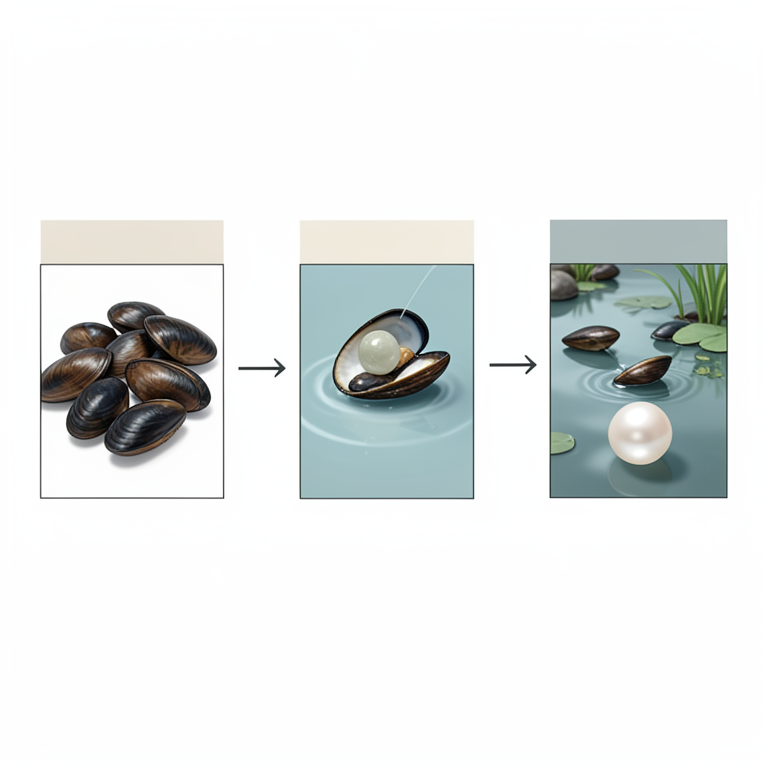
Freshwater Pearl Culture Workflow
AI-generated conceptual illustration (freshwater mussels). It explains the idea and does not show study data.
View source evidence ↗Figures & tables
From the original paper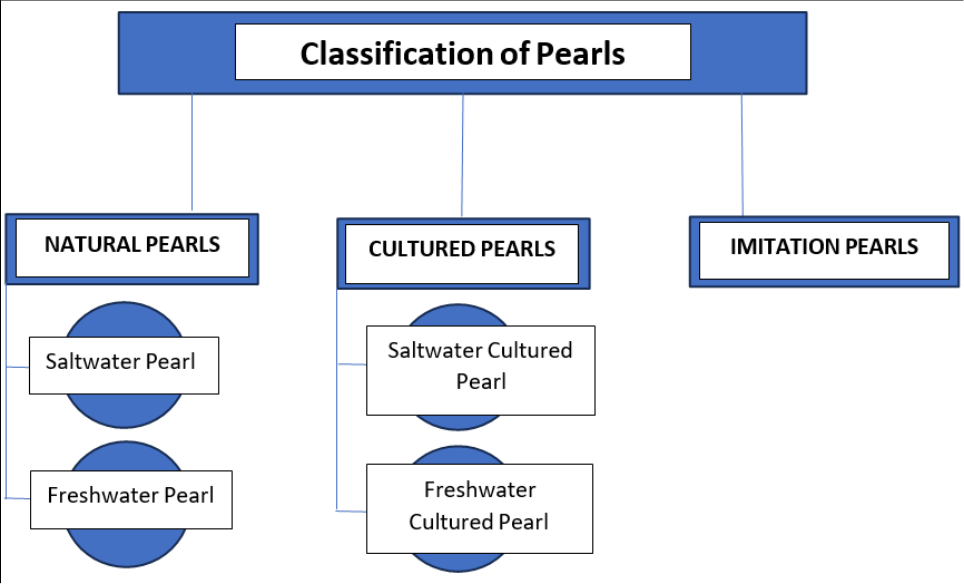 Figure 1
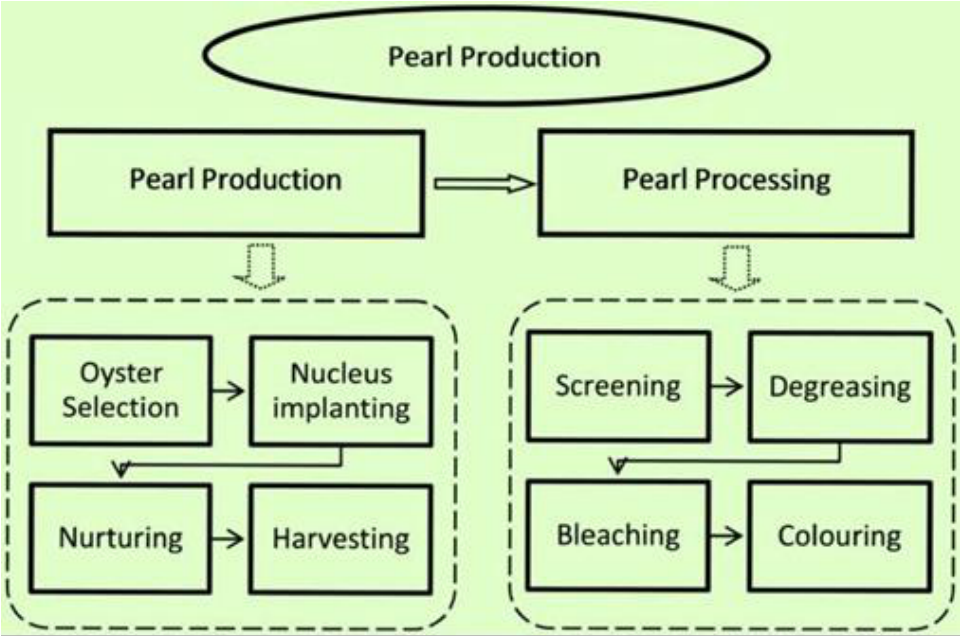 Figure 2
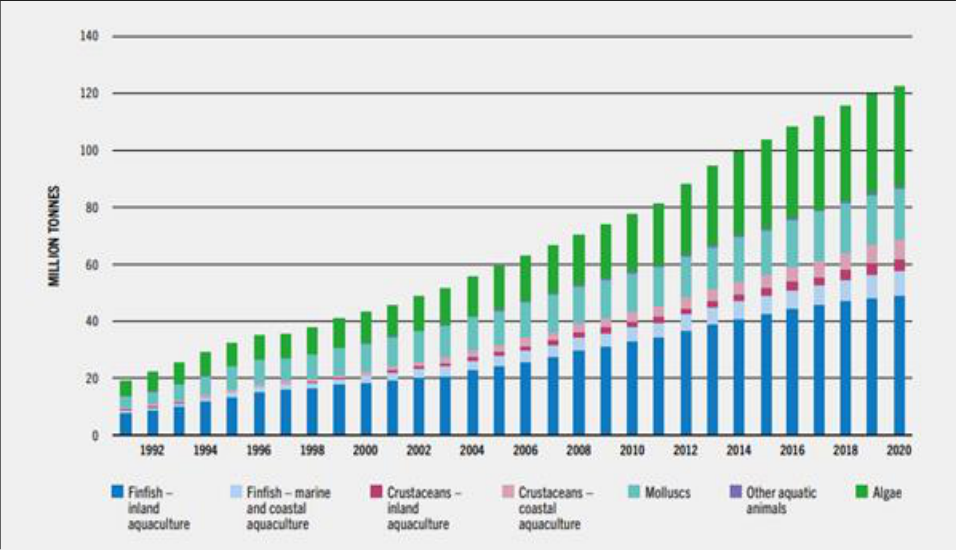 Figure 3
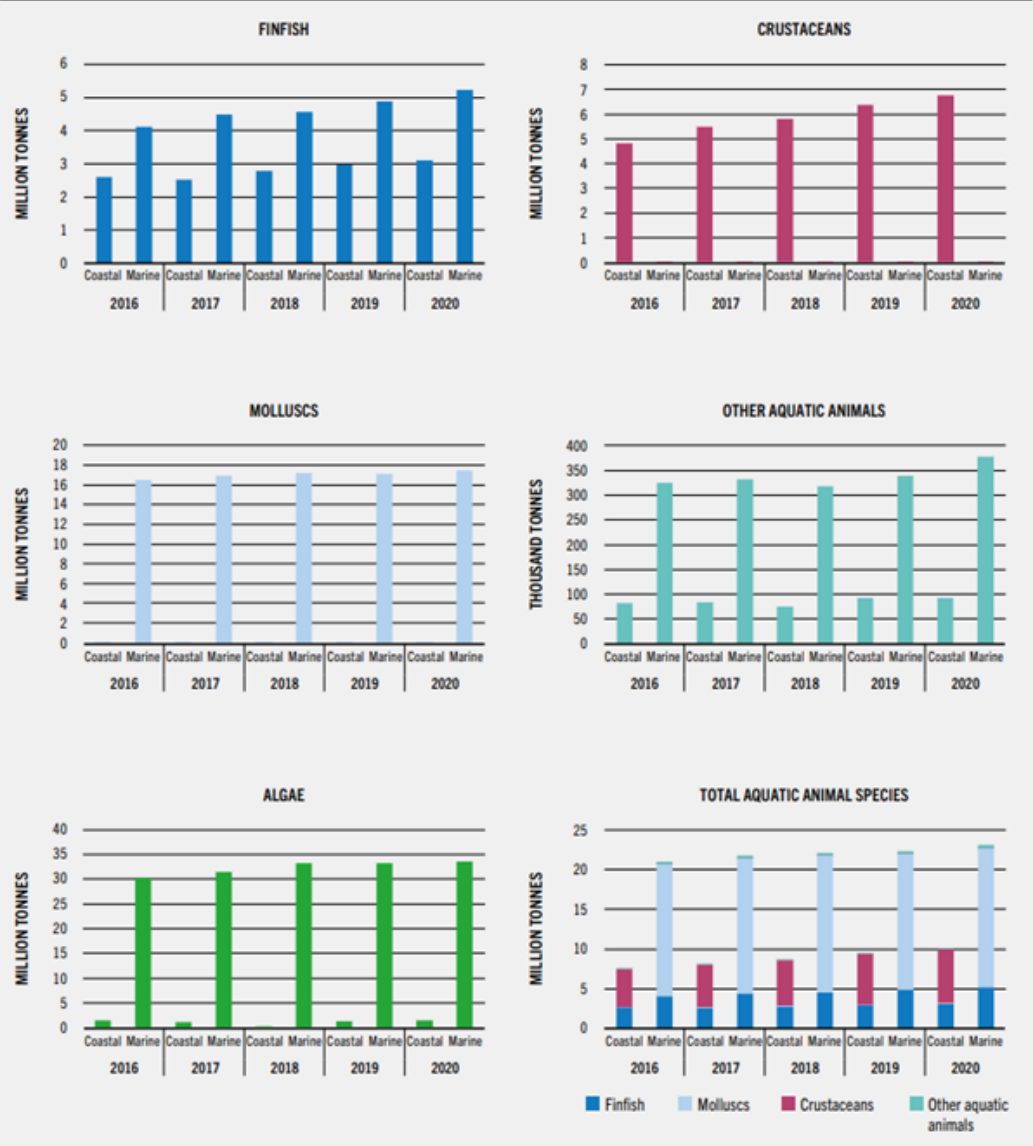 Figure 4
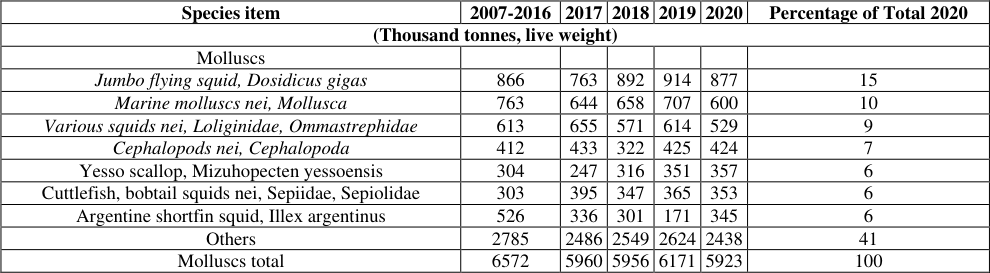 Table 1
Introduction A Pearl
"A Pearl" is a naturally occurring gemstone that develops inside the soft tissues of certain mollusc's, including mussels and oysters. The main ingredient is calcium carbonate, which is found in the forms of calcite or aragonite and is deposited in concentric layers around any foreign objects or irritants that have penetrated the mollusc's shell. These mother-of-pearl, or nacre, layers accumulate over time to become pearls. Pearls differ according to the kind of mollusc's and the environment in which they originate in terms of size, shape, colour, and lustre. for millennia, pearls have been highly valued for their beauty and rarity, and they have historical importance in many different civilizations around the globe. They have been embellished with them to make jewellery, clothes, and décor pieces. In many communities, pearls are also connected to symbolism, signifying riches, beauty, and purity.
Pearl farming
"Pearl farming", sometimes referred to as pearl cultivation or pearl culture, is the practice of raising molluscs that produce pearls to a high standard. With roots in ancient China and India, this discipline has been practiced for millennia. Pearl farming has grown to be a substantial industry today, producing pearls in a variety of sizes, shapes, and colours via the use of diverse processes.
Molluscs like oysters and mussels are usually cultivated as part of the pearl farming process. In tightly regulated settings, such freshwater or saltwater farms, these molluscs are given the best circumstances possible for development and pearl production. The process of pearl farming starts with the meticulous identification of robust molluscs possessing the capability to provide superior grade pearls. After that, these molluscs undergo a procedure called nucleation in which a tiny bead or fragment of tissue is inserted into the soft tissue of the molluscs. This causes the molluscs to start secreting nacre, the glossy material that makes up a pearl's layers. Over time, layers of nacre accumulate around the implanted nucleus, gradually becoming a pearl. A few factors that influence the quality of the pearl produced include the health of the molluscs, the quality of the implanted nucleus, and the environment in which it is nurtured. As a sustainable substitute for harvesting pearls from wild molluscs, pearl farming is essential to supplying the world's need for pearls. Furthermore, by creating jobs and bolstering local communities, pearl harvesting boosts the economy of many coastal areas. The manufacturing of pearls in a broad variety of colours, forms, and sizes has been made possible by technological and pearl farming improvements in recent years, greatly increasing the market for these valuable jewels.
Global Evolution of pearl farming throughout history
Pearl farming has changed dramatically over time, moving from traditional methods of gathering wild pearls to more advanced methods of producing cultivated pearls. This is a summary of its development:
Ancient Pearl Gathering
Diving was the method used historically to harvest pearls from the wild. Pearls were gathered from oyster beds found naturally in rivers, seas, and oceans by ancient civilizations including those in China, India, and the Persian Gulf region.
Early Attempts at farming
In China, pearl farming first became known in the 13th century. Documents indicate that Chinese pearl cultivators conducted trials on how to induce pearl development by introducing tiny items into oysters. In other areas, such as Japan and India, comparable endeavours were undertaken.
Modern Cultivation Technique Development
The late 19th and early 20th centuries saw the start of the modern age of pearl farming. The initial effective method for producing cultured pearls is ascribed to the Japanese entrepreneur Kokichi Mikimoto. Using Mikimoto's method, oysters were placed in controlled settings and a little nucleus was inserted to promote the formation of pearls.
Technological Advancements
As science and technology have progressed throughout time, pearl farming methods have also had to adapt. Higher harvests of high-quality pearls are the result of enhanced breeding, nucleation, and husbandry techniques.
Growth of Cultured Pearl Farms
The cultivation of cultured pearls has surpassed Japan's borders, reaching Australia, Tahiti, and other Pacific islands. Every area created its own methods and became an expert at creating pearls with a variety of hues, sizes, and forms.
Environmental Conservation and Sustainable Pearl Farming Practices
In the last several years, there has been a greater focus placed on these two topics. There is a concerted effort to protect natural ecosystems and reduce the negative environmental effects of pearl cultivation.
Indian Evolution of pearl farming throughout history: Historical Roots and Customary Methods
The use and manufacture of pearls have a long history in India, as evidenced by historical writings and archaeological finds that highlight their significance to Indian culture. The utilisation of natural oyster beds and crude methods of pearl formation induction were features of traditional pearl farming practices.
Modern Cultivation's Introduction
The use of scientific techniques for pearl cultivation marked the start of India's modern age of pearl farming. In order to promote pearl creation, molluscs have been known to employ methods like nucleation, in which a tiny nucleus is introduced. Practices used in other pearl-producing nations, such as Japan, were improved and integrated into this system. Mahanty and Mishra (2013) [39] .
Research and Development
Indian research groups and scientific institutes have made significant contributions to the advancement of pearl farming practices. Studies have concentrated on raising pearl quality, optimising environmental conditions for pearl farming, and strengthening breeding programmes. (Patnaik et al., 2009) [27] . A top research facility within the Indian Council of Agricultural Research (ICAR), the Central Institute of Freshwater Aquaculture (CIFA) is dedicated to the study and advancement of freshwater aquaculture. Even though freshwater aquaculture is CIFA's main focus, the organisation has made a substantial impact on the pearl industry, especially when it comes to freshwater pearl farming. CIFA's history and contributions to pearl cultivation are summarised below.
Central Institute of Freshwater Aquaculture's (CIFA)
With the mission of conducting research, development, and training in freshwater aquaculture, CIFA was founded in 1987 under the auspices of the Indian Council of Agricultural Research (ICAR). Its main office located in Bhubaneswar, Odisha, India, the institution has several field stations and regional research centres all throughout the nation. CIFA has become a preeminent research centre for freshwater aquaculture throughout the years, introducing cutting-edge techniques and technology to support the growth of aquaculture in a sustainable manner.
The Pearl Farming Contribution
A number of facets of pearl farming have been studied by CIFA, including the use of freshwater mussels in the production of freshwater pearls. Techniques for mussel breeding, seed generation, nursery rearing, and pearl harvesting have all been developed and refined by the institution for use in freshwater pearl farming. CIFA has carried out research to evaluate freshwater pearl farming's sustainability and economic feasibility, investigating the possibility of this practice as a substitute source of income for rural populations.
In order to facilitate information sharing and technological transfer in the field of pearl farming, the institute has worked on initiatives with other research institutes, universities, and industry players.
Variations by Region and Specialisation
Due to their unique geographic circumstances, certain Indian areas have produced highly skilled pearl farmers. As an illustration, freshwater pearl farming is common in West Bengal and Andhra Pradesh, but marine pearl farming is carried out in coastal areas like Tamil Nadu and Kerala. (Rao et al., 2018) [29] .
Integrating Conventional Wisdom with Contemporary Science
Conventional wisdom and customs still have an impact on pearl farming in India, even in the face of scientific methods' acceptance. Successful pearl farming is sometimes achieved by farmers by fusing traditional knowledge passed down through the centuries with contemporary technology. (Nayak and colleagues, 2017) [24] . Pearl farming has become a significant economic activity in some parts of India, supporting the aquaculture sector and rural lifestyles. This has had an impact on market development. India's standing in the world pearl market has been enhanced by the production of premium pearls for both export and local use. (Mohanty and associates, 2020) [22] .
Freshwater pearl mussels' geographic distribution Freshwater Mussel Culture's Worldwide Situation
With an annual growth rate of around 10%, freshwater mussel farming is the aquaculture industry with the quickest pace of expansion in the world. Today, it is a common procedure used to produce freshwater pearl oysters and mussels around the world. Aquaculture has a roughly 4,000-year history. With an estimated $2 (US) billion in yearly income, the mussel cultivation technique-which most likely originated in China-is poised to grow into a major aquaculture industry in both China and Japan. Other countries, including the Philippines, Korea, Bangladesh, and Given the potential for global trade in farmed freshwater pearls, Thailand and Vietnam have lately started doing research and implementing large-scale programmes (Fassler 1994) [40] . Southeast Asia is home to freshwater pearl mussels belonging to the genera Lamellidens and Parreysia (Patil et al., 1976) [26] . As more people become aware of the possibility for pearl production in freshwater mussels, especially in the Republic of China, this industry has grown. The United States of America is entering the field of freshwater mussel culture, according to Ward (1985) [39] . Bangladesh started cultivating mussels using its abundant riverine resources. According to Barman et al. (2018) [3] , there are pearl-producing opportunities in Bangladesh's natural waters for L. marginalis, L. corrianus, L. jenkensianus, and L. phenchooganjensis.
The status of fresh water mussel cultivation in India
Since 1997, the practice of mussel culture has gained significant traction in the Malabar region thanks to the CMFRI's success in raising green mussels through rack culture in the backwaters and the involvement of forward-thinking farmers who discovered the practice to be a lucrative endeavour. About 20,000 tonnes of mussels were produced in India overall in 2009-2010. (CMFRI, 2009-2010). 1998. The Indian coast is home to two kinds of mussels that are harvested for food on a commercial basis: brown mussels (P. indica) and green mussels (Perna viridis). Given the abundance of naturally occurring mussels in the Malabar region, Kerala is referred to as the "mussel fishery zone of India" During group farming efforts in Kerala, the Central Marine Fisheries Research Institute, Kochi, conducted studies and demonstration trials across the nation in the early 1970's, developing straightforward, environmentally friendly farming practices.
A Few Prominent Indian Freshwater Mussels Genera
Two genera of freshwater mussels, Lamellidens and Perreysia, are utilised in aquaculture to produce food and pearls. Lamellidens marginalis is the species that ought to be utilised for pearl cultivation for two reasons. First, it is appropriate for surgery because of its size (mature one's range in length from 7 to 10 cm, measured from anterior to posterior end) in comparison to Parreysia. According to Mahnoor Patel et al.
(2019), they are prevalent in the majority of inland bodies of water. Southeast Asia is home to a large distribution of the Lamellidens and Parreysia species. Janakiram (1989) [8] found Parreysia corrugata and Lamellidens corrianus as additional freshwater mussels that are significant for pearl production operations in India. Shukla et al. (2018) found Lemellidens marginalis (Lamarck) with Parreysia favidens (Benson), another species of freshwater mussel, in the Gomti River and various water reservoirs in and around Lucknow (U.P.) India. The yearround presence of Lamellidens marginalis in the Gomti River in Lucknow, Uttar Pradesh, facilitates the production of pearls through their cultivation (Rawat and Singh et al. 2023) [27] .
Grouping pearls according to their quality
Three basic categories may be used to categorise pearls they are listed below.
Natural pearls
Without human intervention, these pearls develop organically in the environment when mussels swallow an alien particle. Natural pearls contain thicker crystalline pearl nacre surrounding a tiny core, or nucleus. It is rather little and shaped unevenly. The rough roughness of the surface of a natural pearl is caused by the edges of the covering aragonite crystals.
Saltwater Pearl
Produced by a variety of marine mollusc's species, such as clams, pearl oysters, common edible oysters, gastropod snails, and scallops.
Freshwater Pearl Generated in lakes and rivers by a variety of freshwater mollusc's species Saltwater Cultured Pearl
Freshwater Pearl Generated in lakes and rivers by a variety of freshwater mollusc's species Saltwater Cultured Pearl
Saltwater Cultured Pearl Produced mostly by three types of pearl oysters
Freshwater Cultured Pearl Produced in freshwater lakes and rivers by marine clam and mussel species.
Oriental pearls
The term "Oriental Pearl" refers to saltwater natural pearls from the Orient (which includes Asia and the Far East). These pearls were regarded as the most exquisite of all pearls, with the most ideal shapes and sizes. They had a distinctive appearance that combined a deep lustre and subtle colours that were visible through their translucent "skins"-this feature being described as a pearl's "Orient".
Cultured pearls
It resembles the pearls that naturally develop in mussels, but instead of an organism inadvertently absorbing an alien particle, a mantle graft and a nucleus are surgically transplanted into the mussel. Pearls of the appropriate size, shape, and colour can be produced.
Imitation or artificial pearls
In order to replace real or cultivated pearls, artificial pearls are created by coating a hard, spherical core or foundation with materials that resemble pearls. The coating can reveal a distinction between pearl essences made from fish scales and inexpensive dazzling paints. Figure displays the three varieties of pearls, not only artificial pearls. Artificial pearls, on the other hand, have a smooth surface texture and create a scratch when brushed against a sharp item. Products called imitations of pearls simply mimic the look of real or artificial pearls. Instead of being created by molluscs they are manufactured goods created in factories.
Culture of fresh water pearls
Pearl is a naturally occurring gem that is made by molluscs. Due to overexploitation and pollution, pearl demand is rising in India and other countries, but natural pearl resources are declining. To suit domestic demand, India imports a significant amount of cultivated pearls from outside markets each year. Common freshwater mussels, which are commonly found in freshwater environments across the nation, are the source of the freshwater pearl production method created by the Central Institute of Freshwater Aquaculture (CIFA), Bhubneshwar. A natural pearl often has an uneven form and modest size. The sole distinction between a cultivated and a natural pearl is the surgical insertion of a live mantle graft and nucleus to speed up the cultivate pearls to the appropriate dimensions, forms, hues, and sheen. To make high-quality pearls, three kinds of freshwater mussels that are widely accessible in India can be used: Lammelidens marginalis, L. corrianus, and Parreysia corrugata.
The Technology
Natural pearls are created when foreign particles, such as sand particles, insects, etc., accidentally get into a mussel's body and the mussel is unable to expel them; instead, it builds a layer-bylayer glossy covering around the foreign particle. The procedures of pearl farming take use of this easy phenomena. The freshwater pearl culture process consists of six main processes that are followed in order as a farming practice:
1. An assortment of mussels 2. Prior to surgery 3. Surgical procedures 4. After-operation treatment 5. Pond Ecosystems 6. Pearl harvesting
Product diversification General state and trend of production
Pearl farming has expanded to produce pearls in a variety of forms and colours, such as button, baroque, and pink, in addition to the classic round pearls. Pearls are now more widely available to a larger spectrum of customers and have a larger market thanks to this diversification. Despite variations among areas and producing nations within each region, global aquaculture output continued to expand in 2020 despite the global spread of the COVID-19 pandemic (see the section COVID-19, a calamity like no other and Box 2). Overall aquaculture production reached 122.6 million tonnes in live weight in 2020, primarily from 87.5 million tonnes of aquatic animals for human consumption, 35.1 million tonnes of algae 10 for both food and non-food uses, and 700 tonnes of shells and pearls for decorative purposes Figure . In comparison to 115.9 million tonnes in 2018, this indicates an increase of 6.7 million tonnes. With an increase of USD 18.5 billion from 2018 and USD 6.7 billion from 2019, the projected total farm gate value in 2020 was USD 281.5 billion. Animal species aquaculture output increased globally by 2.7% in 2020 compared to 2019, which was the lowest yearly growth rate in more than 40 years. Nonetheless, the 2.3 million tonnes net rise during the same time frame was similar to some previous decade years. Finfish raised for food reached 57.5 million tonnes (USD 146.1 billion) in 2020. Of this, 49.1 million tonnes (USD 109.8 billion) came from aquaculture on land, while 8.3 million tonnes (USD 36.2 billion) came from marine and coastal aquaculture. 5.25 million tonnes of aquatic invertebrates (USD 2.5 billion), 11.2 million tonnes of crustaceans (USD 81.5 billion), 17.7 million tonnes of molluscs (USD 29.8 billion), mostly bivalves, and 537 000 tonnes of semi-aquatic species, such as turtles and frogs (USD 5 billion) were produced. The State of World Aquaculture and Fisheries 2020 edition included 622 units, but the most recent statistics compiled by FAO are based on estimates for non-reporting countries and national reports. They cover all aquaculture productions worldwide over a 71-year period (1950-2020) under 652 units, technically known as "species items." They comprise 94 groups of species defined at the genus level, 57 groups of species identified at the family or higher levels, 494 individual species, and 7 finfish hybrids. Among the 494 taxonomically recognised species that have ever been raised on land are 313 finfish species (found in 186 genera) 88 mollusc species, 49 crustacean species, 31 algal species, 2 cyanobacteria species, 6 marine invertebrate species, 3 amphibian species of frogs, and 2 aquatic turtle species (reptiles). The actual number of aquatic species that are farmed worldwide is substantially higher, and the number of hybrids of finfish that are now known is only a small portion of the numerous hybrids that also include molluscs, frogs, aquatic turtles, and seaweeds. Due to limitations in the data gathering method, the FAO Figures are unable to include all relevant information. The constraints of utilising FAO's aquaculture data should be taken into account while conducting studies on aquatic biodiversity and genetic resources. The primary objective of the data is to track the growth of aquaculture as an agricultural industry.
Source: FAO
Source: FAO
Conclusion
Pearl farming as a potential agricultural venture shows a plethora of advantages that go well beyond its attraction. A tribute to human creativity and the successful coexistence of agricultural and natural ecosystems is pearl farming. Pearl farming is a prime example of how agriculture may advance towards more profitable and sustainable methods through its creative mix of aquaculture technology with gem manufacturing. Pearl farming has good effects on the environment, the socioeconomic sphere, and culture. In terms of the environment, pearl farms protect biodiversity by promoting robust marine ecosystems and reducing habitat degradation. Moreover, the implementation of environmentally sustainable procedures in pearl farming operations highlights the company's dedication to environmental care. Pearl farming provides coastal communities with alternate forms of income and boosts local economies, making it a socioeconomic lifeline. Pearl farming encourages resilient development and sustainable development in vulnerable coastal areas by generating chances for entrepreneurship and skill development. Pearls are culturally ageless, representing richness and elegance in many different civilizations. In addition to preserving traditional skills, pearl farming opens up new channels for cross-cultural understanding and interaction. Pearl farming's beneficial effects and sustainable techniques offer hope and motivation as we face the difficulties of a world changing quickly. Pearl farming opens the door for a more resilient, ecologically conscientious, and egalitarian agricultural future by embracing innovation, environmental stewardship, and socioeconomic empowerment. Pearl farming essentially goes beyond the traditional definition of agriculture, representing the principles of sustainable development and conscientious use of the resources of our earth. Pearl farming may serve as a source of inspiration and a driving force for good changes in the agriculture sector as we steer towards a more sustainable future. We can fully realise pearl farming's potential to improve lives, protect ecosystems, and create a better future for future generations by cooperating, investing, and doing research.
Figures and tables from the paper
| Species item | 2007-2016 | 2017 | 2018 | 2019 | 2020 | Percentage of Total 2020 |
|---|---|---|---|---|---|---|
| (Thousand tonnes, live weight) | ||||||
| Molluscs | ||||||
| Jumbo flying squid, Dosidicus gigas | 866 | 763 | 892 | 914 | 877 | 15 |
| Marine molluscs nei, Mollusca | 763 | 644 | 658 | 707 | 600 | 10 |
| Various squids nei, Loliginidae, Ommastrephidae | 613 | 655 | 571 | 614 | 529 | 9 |
| Cephalopods nei, Cephalopoda | 412 | 433 | 322 | 425 | 424 | 7 |
| Yesso scallop, Mizuhopecten yessoensis | 304 | 247 | 316 | 351 | 357 | 6 |
| Cuttlefish, bobtail squids nei, Sepiidae, Sepiolidae | 303 | 395 | 347 | 365 | 353 | 6 |
| Argentine shortfin squid, Illex argentinus | 526 | 336 | 301 | 171 | 345 | 6 |
| Others | 2785 | 2486 | 2549 | 2624 | 2438 | 41 |
| Molluscs total | 6572 | 5960 | 5956 | 6171 | 5923 | 100 |
Table text extracted from the original PDF; superscript letters are shown inline. The original table image is below.
View original table image
References
30 in the original paper- Bai Z, Zheng H, Lin J, Wang G, Li J. Comparative analysis of the transcriptome in tissues secreting purple and white nacre in the pearl mussel Hyriopsis cumingii. PLOS One. 2013 Jan 14;8(1).
- Barman AC, Tanu MB, Mahmud Y, Rashid MH, Siddique MF. Distribution of different species of Freshwater Mussels in Bangladesh. Bangladesh Journal of Fisheries Research. 2018;17(1-2):35-43.
- Cunha RL, Blanc F, Dufossé L, Delevalée F. Pearls: A review from their origin to their role in modern society. Crit Rev Food Sci Nutr. 2020;60(5):731-754.
- Funabara D, Ohmori F, Kinoshita S, Koyama H, Mizutani S, Ota A, et al. Novel genes participating in the formation of prismatic and nacreous layers in the pearl oyster as revealed by their tissue distribution and RNA interference knockdown. PLoS One. 2014 Jan 15;9(1).
- Fujii R. A review of recent research activities on pearl farming in Japan. Mar Biotechnol (NY). 2012;14(3):265277.
- Janakiram K. Studies on cultured pearl production from freshwater mussels. Curr Sci. 1989;58:474-476.
- Jena JK, Pal AK. Freshwater pearl culture. In: Freshwater Aquaculture. New Delhi: Springer; 2016. p. 413-436.
- Kinoshita S, Wang N, Inoue H, Maeyama K, Okamoto K, Nagai K, Kondo H, Hirono I, Asakawa S, Watabe S. Deep sequencing of ESTs from nacreous and prismatic layer producing tissues and a screen for novel shell formationrelated genes in the pearl oyster. PLOS One. 2011 Jun 22;6(6).
- Mahnoor Patel, Preeti Sharma. Freshwater Pearl culture. Ijppr.Human. 2019;16(4):261-287.
- Ma HY, Lee IS. Characterization of vaterite in low quality freshwater cultured pearls. Mater Sci Eng C. 2006 May 1;26(4):721-723.
- Marin F, Luquet G, Marie B, Medakovic D. Molluscan shell proteins: primary structure, origin, and evolution. Curr Top Dev Biol. 2007 Jan 1;80:209-276.
- McGinty EL, Zenger KR, Jones DB, Jerry DR. Transcriptome analysis of bio mineralisation-related genes within the pearl sac: Host and donor oyster contribution. Mar Genomics. 2012 Mar 1;5:27-33.
- Nayak SK, Mohapatra A, Meher PK, Sahoo S. Freshwater Pearl Culture: A Traditional and Commercial Aquaculture Practice. Int J Fish Aquat Stud. 2017;5(2):21-25.
- Nudelman F. Nacre biomineralisation: A review on the mechanisms of crystal nucleation. Semin Cell Dev Biol. 2015 Oct 1;46:2-10.
- Patil VY. Functional morphology of mantle of Freshwater mussel. J Shivaji Uni. 1976;16:79-80.
- Patnaik LN, Panda S, Ramesh M, Dash PK. Pearl Culture in India. In: Recent Advances in Marine Biotechnology. New Delhi: Springer; 2009. p. 369-386.
- Pearl Knowledge. Accessed 2021-06-17. Available from: https://rawpearls.com.au/pearl_knowledge.
- Rao RV, Santhanam P, Arasu A, Vijayakumar A. Prospects and Challenges of Pearl Farming in Tamil Nadu, India. Aquacult Res. 2018;49(6):2281-2290.
- Rawat RS, Singh A. Functional anatomy and histomorphology of siphons of freshwater mussel, Lamellidens marginalis (Bivalvia: Unionida). J Exp Zool India. 2023;26(2).
- Saxena S. Pearl: Origin, Biotic Resources and Exploitation. Anthropol. 1995;17(1):61-69.
- Shi Y, Yu C, Gu Z, Zhan X, Wang Y, Wang A. Characterization of the pearl oyster (Pinctada martensii) mantle transcriptome unravels biomineralization genes. Mar Biotechnol. 2013 Apr 1;15(2):175-187.
- Take S, Igarashi Y, Yoshitake K, Asakawa S, Maeyama K, Nagai K, Watabe S, Kinoshita S. Gene expression profiles at different stages for formation of pearl sac and pearl in the pearl oyster Pinctada Fucata. BMC Genomics. 2019 Dec;20(1):1-21.
- Taylor JD, Kennedy WJ, Hall A. The shell structure and mineralogy of the Bivalvia. Introduction, NuculaseTrigonella. Bull Br Mus (Nat Hist), Geol. 1993;49(1):1-125.
- Wada K, Nishikawa T, Wakabayashi K, Fujii R. Pearl production. In: The Pearl Oyster. Amsterdam: Elsevier; 2018. p. 275-306.
- Wang X, Liu Z, Wu W. Transcriptome analysis of the freshwater pearl mussel (Cristaria plicata) mantle unravels genes involved in the formation of shell and pearl. Mol Genet Genomics. 2017 Apr 1;292(2):343-352.
- Ward JE, Targett NM. Are metabolites from the brown tide alga, Aureococcus anophagefferens, deleterious to mussel feeding behavior? In: Novel Phytoplankton Blooms: Causes and Impacts of Recurrent Brown Tides and Other Unusual Blooms. Berlin, Heidelberg: Springer Berlin Heidelberg; 1989. p. 543-556.
- Wehrmeister U, Jacob DE, Soldati AL, Hager T, Hofmeister W. Vaterite in freshwater cultured pearls from China and Japan. J Gemmol. 2007;30(7/8):399.
- Zhu C, Southgate PC, Li T. Production of pearls. In: Goods and Services of Marine Bivalves 2019. Cham: Springer; 2019. p. 73-93.
- Mahanty A, Mishra S, Bosu R, Maurya UK, Netam SP, Sarkar B. Phytoextracts-synthesized silver nanoparticles inhibit bacterial fish pathogen Aeromonas hydrophila. Indian Journal of Microbiology. 2013 Dec;53:438-46.
- Fässler R, Schnegelsberg PN, Dausman J, Shinya T, Muragaki Y, McCarthy MT, et al. Mice lacking alpha 1 (IX) collagen develop noninflammatory degenerative joint disease. Proceedings of the National Academy of Sciences. 1994 May 24;91(11):5070-4.
Cited by 1
From OpenAlex, OpenCitations and reference lists read by Scinovex
- IoT Based Pearl Farm Health Regulator ↗
Jayashree Kharat, Swaroop Bharat Thikane, Atharav Ramchandra Todakar, Savita Sidram Totad, V. S. Pawar, Vedant Vishwanath Joshi · 2025
❝ 0