
Research article · 2024 · Full text
International Journal of Veterinary Sciences and Animal HusbandryAssessing the impact of L-Carnitine as a Semen additive on semen parameters and oxidative stress markers in Kankrej bulls
Volume 9(2S) · Pages 155–159 · DOI: 10.22271/veterinary.2024.v9.i2sc.1264 ↗
Research areasAnimal Diversity and Health Studies
Abstract
Author-writtenThe current investigation examined the effects of L-Carnitine on Kankrej bull semen, focusing on both semen characteristics and oxidative stress parameters. Results revealed that at the post-thawed (PT) stage, subjective motility, HOST reactive sperm, and sperm viability were significantly higher (p
Summary
Source-checkedPlain-language reading of the full paper, prepared with AI and checked against the text. Each point links to the authors' own words.
Why it matters
- The success of freezing and thawing semen depends heavily on the choice of dilutant because sperm cells are susceptible to injury during cryopreservation. View evidence ↗
- Cold shock during the cryopreservation process can cause oxidative stress, which may lead to DNA damage and sperm cell death. View evidence ↗
- L-carnitine is an essential metabolite that plays a critical role in the maturation of spermatozoa and energy metabolism. View evidence ↗
The question
- The study aimed to evaluate how adding L-carnitine to the semen of Kankrej bulls affects semen characteristics and markers of oxidative stress. View evidence ↗
What they did
- The researchers collected 10 ejaculates each from three healthy mature Kankrej bulls over a five-week period. View evidence ↗
- Ejaculates were split into three groups using a Tris Fructose Egg Yolk Glycerol dilutant: a control group, a group with 0.05 mg/ml L-carnitine, and a group with 0.1 mg/ml L-carnitine. View evidence ↗
- The study measured sperm motility, viability, abnormality, and membrane integrity, as well as oxidative stress markers (MDA, SOD) and enzyme activity (ALT, AST) at post-dilution, post-equilibration, and post-thaw stages. View evidence ↗
What they found
- At the post-thawed stage, sperm viability, subjective motility, and HOST reactive sperm were significantly higher in both L-carnitine groups (0.05 and 0.1 mg/ml) compared to the control group. View evidence ↗
- Sperm abnormality at the post-thawed stage was significantly lower in the L-carnitine treated groups (8.62% and 8.69%) than in the control group (11.23%). View evidence ↗
- The 0.05 mg/ml L-carnitine group showed a significantly higher concentration of superoxide dismutase (SOD) at the post-thawed stage (16.03 ng/ml) compared to the control (13.65 ng/ml). View evidence ↗
- There were no significant differences in malondialdehyde (MDA) concentrations between the control and L-carnitine groups across all stages. View evidence ↗
- AST enzymatic values were significantly lower in both L-carnitine groups compared to the control group specifically at the post-equilibration stage. View evidence ↗
- ALT values increased non-significantly from the post-dilution to post-thawed stages across all three experimental groups. View evidence ↗
What it means
- The authors conclude that adding 0.05 mg/ml of L-carnitine to the semen extender is the best concentration for improving the quality of post-thawed semen in Kankrej bulls. View evidence ↗
Visual summary
3 visualsIllustrations explain the paper; charts are replotted from the paper's own table values.
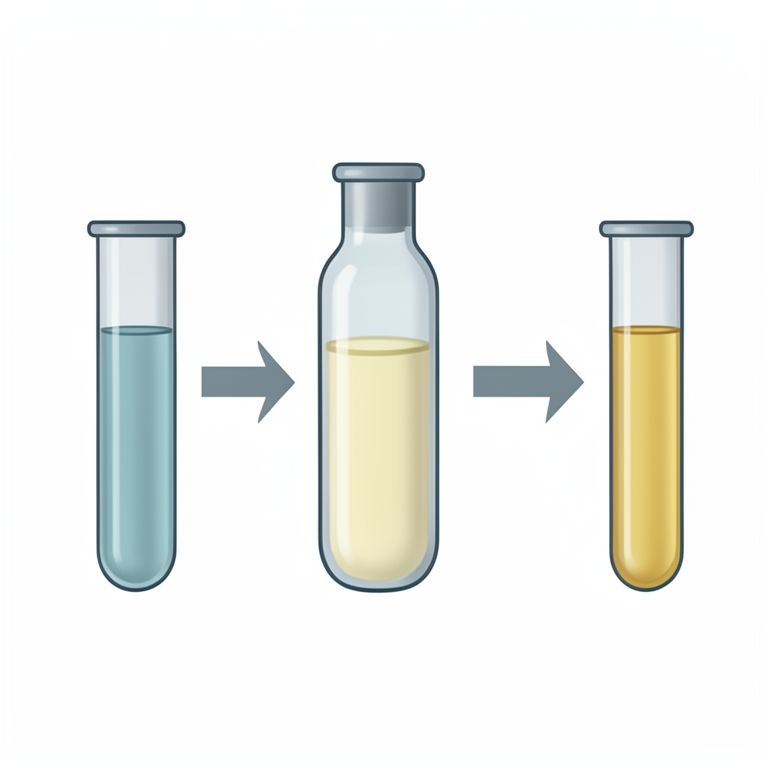
Experimental Grouping
AI-generated conceptual illustration (Kankrej bull semen). It explains the idea and does not show study data.
View source evidence ↗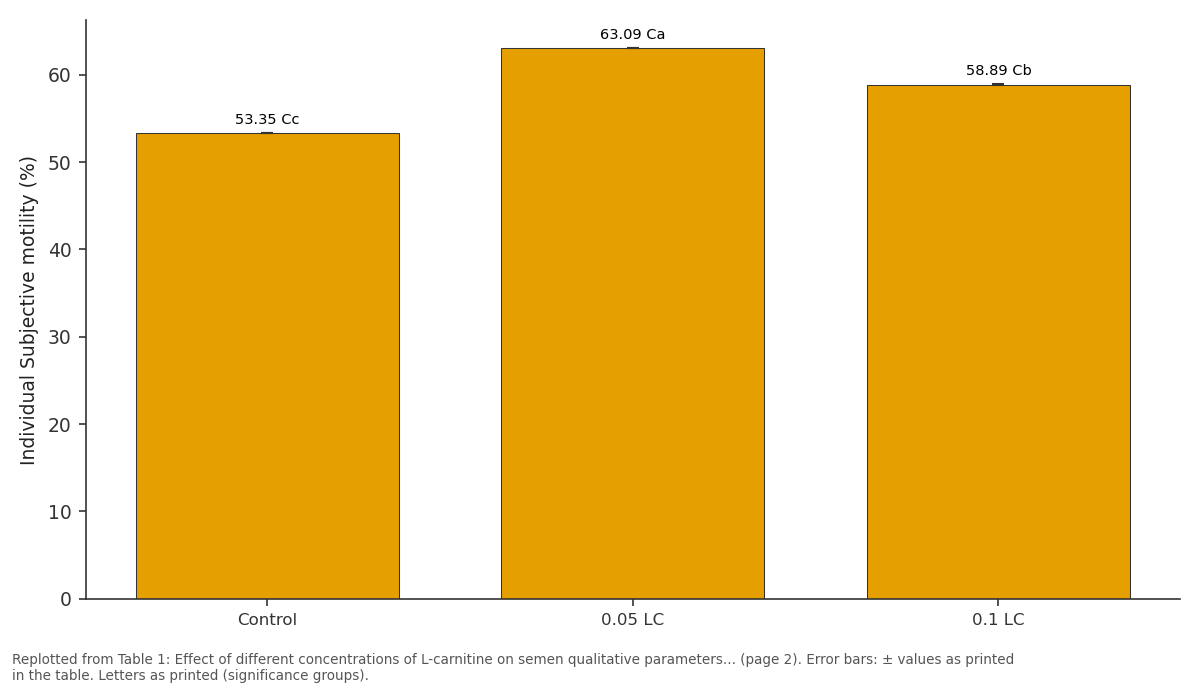
PT: Control vs 0.05 LC vs 0.1 LC
Replotted from Table 1 (page 2) of the original paper. Every bar is the paper's own table value.
View source evidence ↗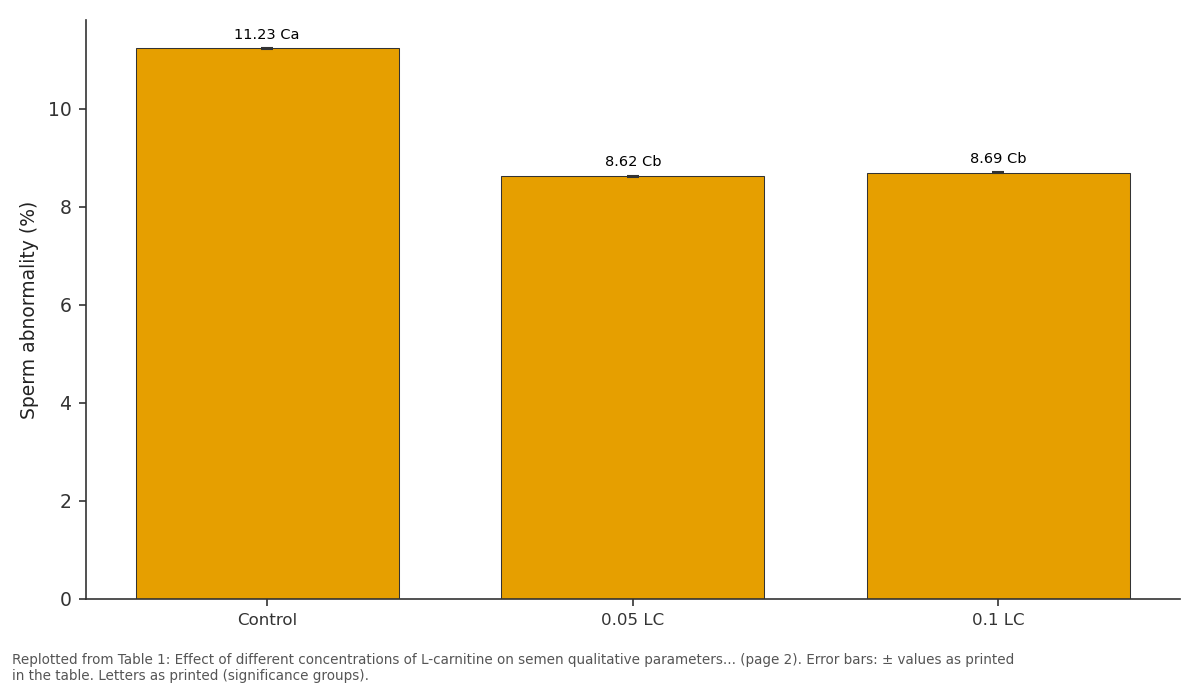
PT: Control vs 0.05 LC vs 0.1 LC
Replotted from Table 1 (page 2) of the original paper. Every bar is the paper's own table value.
View source evidence ↗Figures & tables
From the original paper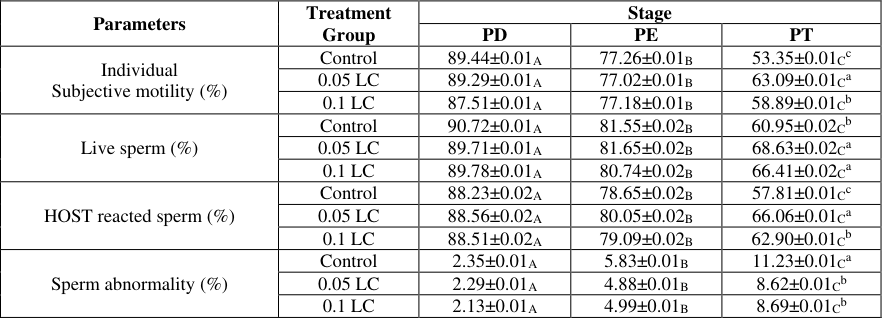 Table 1
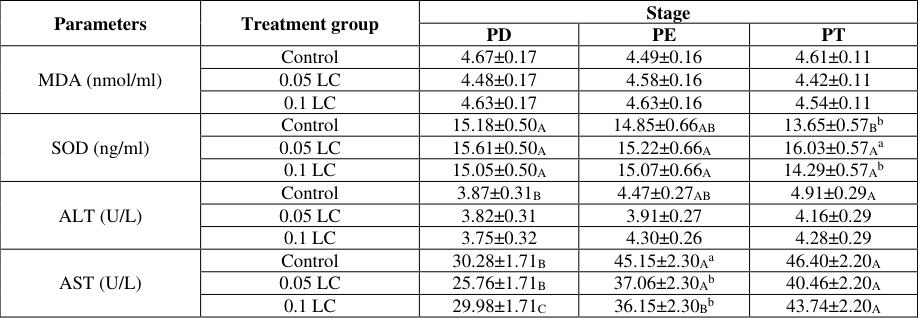 Table 2
Introduction
The efficacy of semen cryopreservation techniques depends on the susceptibility of sperm cells to injury during the freezing and thawing process, with the choice of freezing medium or dilutant playing a pivotal role. Despite the complexity of factors contributing to cryo-injuries, the precise mechanisms underlying cryo-damage remain unclear. Furthermore, disparities in sperm characteristics such as size, shape, and lipid-protein composition across species demonstrate that cryopreservation methods are not fairly efficient in all species (Lv, 2019) [1] . Notably, farm animals such as bulls, rams, and boars tend to exhibit greater sensitivity to cryoinjuries compared to species like humans, rabbits, cats, and dogs (Grotter et al., 2019) [2] . During semen cryopreservation, mammalian spermatozoa experience diminished characteristics due to exposure to various stresses, such as cold shock. This exposure can result in damage to the mitochondria, plasma membrane, and acrosome membrane of the sperm cells (Smith et al., 2011) [3] . The cold shock on sperm cells often leads to oxidative stress, resulting in the death of sperm cells due to DNA damage. Reactive oxygen species (ROS) are typically linked to compromised semen quality and impaired functional capacity in human sperm cells (Moustafa et al., 2004) [4] . L-carnitine (γ-trimethylamino-β-hydroxybutyrate) is an essential metabolite, which has various role in intermediary metabolism (Bieber, 1988) [5] . The high concentration of carnitine found in the male reproductive tract, especially in the epididymis, suggesting its crucial role in energy metabolism and in the maturation of spermatozoa (Lenzi et al., 1992) [6] . Because the sperm in the epididymis are able to use fatty acids and phospholipids as energetic source, probably L-carnitine acts as a co-factor for the mitochondrial transport and the subsequent oxidation of fatty acids. Due to its beneficial effect, L-carnitine can be used in semen dilutant as additive to maintain the quality of the frozen semen.
Materials and Methods
Three healthy mature Kankrej bulls were were selected for the investigation from the Dama semen production unit managed by Banaskantha District Co-Operative Milk Producers' Union Ltd., Banas dairy, Palanpur. Over a period of 5 weeks, a total of 30 ejaculates were obtained, with 10 ejaculates from each bull. Following semen collection by artificial vagina method, each ejaculate underwent examination for volume and concentration. Subsequently, all the ejaculates were evenly divided into three aliquots: control, 0.05 mg/ml L-carnitine (LC) and 0.1 mg/ml LC using Tris Fructose Egg Yolk Glycerol diluents to study the effect of L-carnitine (C0283, CAS No. 6645-46-1, Sigma Aldrich). Each aliquot underwent an assessment for initial subjective motility percentage. Only samples exhibiting initial motility of 70% or higher were selected for further dilution with the same diluents, maintaining a sperm concentration of 20 million per straw. The final diluted semen was filled and sealed in to French mini straw (0.25 ml, TBS, IMV, France) by using automatic filling, sealing and printing machine (IS 4, IMV, France). The filled-sealed and printed straws were transferred to cold handling cabinet (Vitrine Refregfree tropical, IMV, France) and kept for 4 hours at 4 o -5 o C for equilibration. The freezing process followed a specific protocol: first, the temperature was reduced from 4°C to -10°C at a rate of 5°C per minute, then from -10°C to -100°C at a rate of 40°C per minute, and finally from -100°C to -140°C at a rate of 20°C per minute. After undergoing cryopreservation for a period of 24 hours, the straws were thawed in a water bath at 37°C for 30 seconds for post thaw examination. The individual subjective motility, sperm viability, sperm abnormality and sperm plasma membrane integrity were assessed at post dilution, post equilibration and post thawed stages in all the three groups. Moreover, to study the effect of L-carnitine the semen samples were also assessed for the oxidative stress (MDA and SOD) and enzymatic activity (ALT and AST). The data generated were first checked for normality using by Shapiro-wilk test. The mean difference among the groups and withing groups for different variables were seen using repeated measure ANOVA. The differences among the bulls for semen quantitative parameters were checked by One-way ANOVA. The data were presented as mean±S.E. Significance was set at 95%. Data analysis was done with SPSS software (IBM® SPSS® statistics, version 20.0).
Results and Discussion
The semen samples were examined for individual subjective motility, viability, plasma membrane integrity and sperm abnormality at post dilution, post equilibration and post thawed stages (Table 1). The Individual subjective motility (%), Live sperm (%), Host reacted sperm (%), and sperm abnormality (%) were nonsignificantly differed at post dilution (PD) and post equilibration (PE) stage between control, 0.05 mg/ml LC and 0.1 mg/ml LC groups. In accordance to present study, Hussein (2018) [7] also found non-significant difference in individual motility, HOST reactive sperm and sperm viability between 2mM and 3mM L-carnitine supplement in Friesian bull at post dilution stage. Similarly, El-Raey et al. (2016) [8] also found non-significant difference in post dilution as well as post equilibration stage in semen supplemented with 0.01mg/ml, 0.05 mg/ml and 0.1 mg/ml L-carnitine in buffalo bull. Similarly, Hufana-duran et al. (2017) [9] was also found non-significant difference of HOST reacted sperm between control, LC 0.5 mM, LC 1.0 mM, LC 10 mM, and LC 30 mM groups at pre freezing stage.
| Parameters | Treatment Group | Stage | — | — |
|---|---|---|---|---|
| PD | PE | PT | ||
| Individual Subjective motility (%) | Control | 89.44±0.01A | 77.26±0.01B | 53.35±0.01Cc |
| 0.05 LC | 89.29±0.01A | 77.02±0.01B | 63.09±0.01Ca | |
| 0.1 LC | 87.51±0.01A | 77.18±0.01B | 58.89±0.01Cb | |
| Live sperm (%) | Control | 90.72±0.01A | 81.55±0.02B | 60.95±0.02Cb |
| 0.05 LC | 89.71±0.01A | 81.65±0.02B | 68.63±0.02Ca | |
| 0.1 LC | 89.78±0.01A | 80.74±0.02B | 66.41±0.02Ca | |
| HOST reacted sperm (%) | Control | 88.23±0.02A | 78.65±0.02B | 57.81±0.01Cc |
| 0.05 LC | 88.56±0.02A | 80.05±0.02B | 66.06±0.01Ca | |
| 0.1 LC | 88.51±0.02A | 79.09±0.02B | 62.90±0.01Cb | |
| Sperm abnormality (%) | Control | 2.35±0.01A | 5.83±0.01B | 11.23±0.01Ca |
| 0.05 LC | 2.29±0.01A | 4.88±0.01B | 8.62±0.01Cb | |
| 0.1 LC | 2.13±0.01A | 4.99±0.01B | 8.69±0.01Cb |
Table text extracted from the original PDF; superscript letters are shown inline. The original table image is below.
View original table image
In present study, individual subjective motility, HOST reactive sperm, sperm viability was significantly (p<0.05) decreased from post dilution to post thawed stage in all the three groups. Similarly, El-raey et al. (2016) [8] also reported consistently reduced individual motility from post dilution stage to post thawed stage in L-carnitine (0.01 mg/ml, 0.05 mg/ml and 0.1 mg/ml) and control groups in buffalo bull semen. Hussein (2018) [7] also reported similar trend in their experiment. In present experiment, individual subjective motility, HOST reactive sperm and sperm viability were significantly (p<0.05) higher in 0.05 mg/ml (63.09±0.01%, 66.06±0.01% and 68.63±0.02%, respectively) and 0.1 mg/ml (58.89±0.01%, 62.90±0.01% and 66.41±0.02%, respectively) groups than control (53.35±0.01%, 57.81±0.01% and 60.95±0.02%) group at post thawed stage. Like present findings, El-raey et al. (2016) [8] also noticed significantly (p<0.05) higher motility in LC 0.05 mg/ml than LC 0.01 mg/ml, LC 0.1 mg/ml and control group. Similarly, MA et al. (2017) [10] reported significantly (p<0.05) higher post thawed motility, HOST reacted sperm and Sperm viability in LC 0.05 mg/ml than, LC 0.1 mg/ml and control group. While, Wafa et al. (2021) [11] recorded better results in 3.0 mM L-carnitine than control group in buffalo bull. In present study, L-carnitine showed favourable effect on individual motility as compared to control group. One of the possible ameliorative mechanisms could be L-Carnitine facilitates the transport of fatty acids to the mitochondrial membrane to produce ATP through the process of β-oxidation which could increase sperm motility (Agarwal and Said, 2004) [12] . The result of present study demonstrated that sperm viability was better in L-carnitine supplemented groups especially at post-thawed stage. This might be due to positive impact of L-carnitine on post-thawing sperm motility and decreased capacitation-like damages (Longobardi et al., 2017) [13] in post-thawed semen. Moreover, it was also noted that the favourable impacts of L-carnitine on buffalo sperm arise from a decrease in oxidative stress and a rise in ATP generation, leading to enhanced membrane stability of sperm (Longobardi et al., 2017) [13] . The cryopreservation procedure significantly diminishes both sperm motility and viability. Nevertheless, the inclusion of L-carnitine could prove advantageous in maintaining viability during the post-thawed stage. Spermatozoa generate reactive oxygen species (ROS), which are essential at low levels for crucial cellular processes during fertilization, such as capacitation, the acrosome reaction, hyperactivation, and sperm-oocyte fusion to occur (Ahmed et al., 2020) [14] . However, an excess of ROS results in membrane damages through the initiation of lipid peroxidation (Sharma and Agarwal, 1996) [15] . In the current research, L-carnitine demonstrated a protective function against reactive oxygen species (ROS), potentially through a reparative mechanism involving the reduction of elevated intracellular toxic acetyl-coenzyme A (acetyl-CoA) levels and/or the substitution of fatty acids in membrane phospholipids, as suggested by Vicari and Calagero (2001) [16] . In addition, the combined attributes and roles of Lcarnitine, including its osmotic balance function (Brooks et al., 1974) [17] and its membrane-stabilizing effects, are likely to play a part in enhancing the motility characteristics of treated spermatozoa, leading to a higher proportion of sperm exhibiting sperm plasma membrane integrity at post-thawed stage. The percentage of total sperm abnormality at the post-thawed stage was significantly (p<0.05) lower in the 0.05 mg/ml (8.62±0.01%) and 0.1 mg/ml (8.69±0.01%) groups compared to the control group (11.23±0.01%). In line with the findings current investigation, Wafa et al. (2021) [11] reported a significantly (p<0.05) lower percentage of sperm abnormality in post-thawed buffalo bull semen treated with 3.0 mM Lcarnitine compared to the control group. The semen samples were assessed for MDA, SOD, AST and ALT at post dilution, post equilibration and post thawed stages (Table 2). In present study, the MDA concentrations (nmol/ml) were non significantly differed during post dilution, post equilibration and post thawed stages between control, 0.05 mg/ml LC and 0.1 mg/ml LC. The MDA concentration was non-significantly reduced by 3.85% at post-equilibrated stage and 1.29% at post-thawed stage as compared to its concentration at post-diluted stage in control group. However, it was non-significantly increased by 2.32% at postequilibrated stage and non-significantly reduced by 1.34% at post-thawed stage in 0.05 L-Carnitine group. Similarly, it was remained as such at post-equilibrated stage and nonsignificantly reduced by 1.94% at post-thawed stage in 0.1 L-Carnitine group. The findings of present study were in accordance with Longobardi et al. (2017) [13] , who also found non-significant difference in MDA concentration between 2.5mM, 7.5 mM and control groups in buffalo bull frozen thawed semen. Similarly, Bucak et al. (2010) [19] also found non-significantly differed MDA concentration between Carnitine 2.5 mM, Carnitine 7.5 mM and Control significant effectiveness in preventing lipid peroxidation (LPO) formation when compared to the control group. Mammalian spermatozoa are highly sensitive to LPO, which occurs as a result of the oxidation of membrane lipids by partially reduced oxygen molecules, e.g., superoxide (O 2 -), hydrogen peroxide (H 2 O 2 ) and hydroxyl radicals (OH -). Spontaneous peroxidation of the membranes of mammalian spermatozoa destroys the structure of the lipid matrix, due to the attacks of ROS, formed through the univalent reduction of oxygen, during cryopreservation (Bucak et al., 2010) [19] . This ROS is also catalysed by free iron through Haber -Weiss reaction (O 2 -+ H 2 O 2 → O 2 + OH -+ OH . ) (Haber and Weiss, 1934) [20] . Meanwhile, the ferrous state of iron accelerates lipid oxidation by breaking down hydrogen and lipid peroxides to reactive free radicals via the Fenton reaction (Fe 2 + H 2 O 2 → Fe 3 + OH -+ OH . ). Fe3+ ion also produces radicals from peroxides although the rate is tenfold less than that of Fe2+ ion (Miller, 1996) [21] . L-carnitine and its esters exhibit the ability to partially inhibit iron-induced lipid peroxidation in liposomes by forming complexes with free iron and disrupting the formation of ferrous and ferrozine complex, indicating its chelating capabilities (Gulcin, 2006) [22] . The non-significant decrease in lipid peroxidation observed in the L-carnitine groups within this study implies that L-carnitine may possess iron chelating properties. However, L-carnitine may not directly interfere with other reactive oxygen species (ROS). Consequently, in the current study, it did not demonstrate any significant effectiveness in preventing lipid peroxidation (LPO) formation when compared to the control group. The SOD concentration (ng/ml) was non significantly differed during post dilution and post equilibration stage between control, 0.05 mg/ml and 0.1 mg/ml groups. The SOD concentration was non-significantly reduced by 2.17% at post-equilibrated stage and significantly (p<0.05) reduced by 10.08% at post-thawed stage as compared to its concentration at post-diluted stage in control group. However, it was nonsignificantly reduced by 2.50% at post-equilibrated stage and non-significantly increased by 1.03% at post-thawed stage in 0.05 L-Carnitine group. While, it was remained almost as such at post-equilibrated stage and non-significantly reduced by 5.05% at post-thawed stage in 0.1 L-Carnitine group. The SOD concentration (ng/ml) was significantly (p<0.05) higher in 0.05 mg/ml (16.03±0.57) group as compared to control (13.65±0.57) and 0.1 mg/ml higher SOD value in buffalo bull semen at 0.05 mg/ml LC (73.67±5.37U/mL) than 0.01 mg/ml LC (52.66±6.07U/mL), 0.1 mg/ml LC (31.00±5.51 U/mL) and control (27.33±3.49U/mL) groups at post thawed stage. The similar trend was observed by Chaudhary et al. (2022) [23] with increased SOD concentration from post equilibration to post thawed stage in Curcumin (25µM, 50µM and 75µM) added groups in Kankrej bull semen. SOD is the main antioxidant enzyme in seminal plasma (Allai et al., 2018; Barranco et al., 2019) [24,25] , which protects the cell against O 2 -(ROS), as it normally catalysed the dismutation of this anion to H 2 O 2 . However, SOD activity promotes the formation of H 2 O 2 , a more stable and long-lived ROS, which can be removed by the cell using other enzymatic antioxidants such as CAT and GPx (Silvestre et al., 2021) [26] . In present study increased SOD level in treatment group due to L-carnitine act as scavenging of ROS, destroyed hydrogen peroxide and has a function on metal chelation as well as inhibition of xanthine oxidase activity (Surai, 2015) [27] . Gulcin, (2006) [22] also observed that L-carnitine has a direct scavenging action of free radicals like O 2 -or H2O2. So, it may possible that L-carnitine scavenge O 2 -directly and it reduced availability for catalysation process of SOD enzyme which directly cause increased SOD level in L-carnitine treatment group.
| Parameters | Treatment group | Stage | — | — |
|---|---|---|---|---|
| PD | PE | PT | ||
| MDA (nmol/ml) | Control | 4.67±0.17 | 4.49±0.16 | 4.61±0.11 |
| 0.05 LC | 4.48±0.17 | 4.58±0.16 | 4.42±0.11 | |
| 0.1 LC | 4.63±0.17 | 4.63±0.16 | 4.54±0.11 | |
| SOD (ng/ml) | Control | 15.18±0.50A | 14.85±0.66AB | 13.65±0.57Bb |
| 0.05 LC | 15.61±0.50A | 15.22±0.66A | 16.03±0.57Aa | |
| 0.1 LC | 15.05±0.50A | 15.07±0.66A | 14.29±0.57Ab | |
| ALT (U/L) | Control | 3.87±0.31B | 4.47±0.27AB | 4.91±0.29A |
| 0.05 LC | 3.82±0.31 | 3.91±0.27 | 4.16±0.29 | |
| 0.1 LC | 3.75±0.32 | 4.30±0.26 | 4.28±0.29 | |
| AST (U/L) | Control | 30.28±1.71B | 45.15±2.30Aa | 46.40±2.20A |
| 0.05 LC | 25.76±1.71B | 37.06±2.30Ab | 40.46±2.20A | |
| 0.1 LC | 29.98±1.71C | 36.15±2.30Bb | 43.74±2.20A |
Table text extracted from the original PDF; superscript letters are shown inline. The original table image is below.
View original table image
In the present study, the mean ALT enzymatic value (U/L) was non significantly differed between control, 0.05 mg/ml and 0.1 mg/ml groups during post dilution, post equilibration and post thawed stages. Similar results obtained in AST enzymatic value (U/L) except at post equilibration stage in which AST was significantly (p<0.05) lower in 0.05 mg/ml and 0.1 mg/ml groups as compared to control group at post equilibration stage. In present experiment, ALT values were non-significantly increased from post dilution to post thawed stages in all the three groups. In accordance to the present study, Thumar et al. (2017) [28] also reported constantly increased ALT and AST value in 2 mM Melatonin, 100 mM Trehalose and control groups at post thawed stage in Kankrej bull. Similarly, Kapadiya et al. (2018b) [29] also observed consistently increased ALT and AST value in Melatonin (1mM, 2mM and 3mM) and control groups at post thawed stage as compared to post dilution stage in Kankrej bull semen. The observed non-significant but beneficial effects of Lcarnitine in this study can be attributed to its antioxidative properties, which help neutralize oxygen free radicals. Enzyme release is generally regarded as an indicator of cellular damage, where membranes become compromised or destroyed, leading to the loss of cellular contents. L-carnitine has been shown to stabilize mitochondrial membranes (Liu et al., 2002) [30] , thus protecting spermatozoa from apoptosis by reducing oxidative stress and preserving the integrity of the cell plasma membrane, which prevents the leakage of enzymes such as AST, ALT, and LDH from the sperm (Liu et al., 2004) [31] . Consequently, the decrease in enzyme activity coincided with an improvement in semen quality in the groups treated with L-carnitine.
Conclusion
From post-dilution to post-thaw stages, both with and without L-Carnitine in the semen extender, there was a decrease in individual subjective motility, sperm viability, and HOST reactive sperm, accompanied by an increase in sperm abnormality in Kankrej bull semen. The addition of 0.05 mg/ml L-carnitine to the TFEYG extender exhibits antioxidant properties, as evidenced by an increase in superoxide dismutase (SOD) activity and a reduction in Malondialdehyde (MDA) levels during the post-thawed stage of cryopreservation in Kankrej bull semen, effectively resisting oxidative stress. The supplementation of L-carnitine at concentrations of 0.05 mg/ml and 0.1 mg/ml to the TFEYG extender demonstrated a modest safeguarding effect on the sperm plasma membrane, evident through a reduction in enzymatic activity (ALT and AST) especially during the postthawed stage when compared to the control group. The inclusion of L-carnitine at a concentration of 0.05 mg/ml in the semen extender is the optimal choice for improving the qualitative parameters of post-thawed semen in Kankrej bulls during semen cryopreservation as compared to 0.1mg/ml Lcarnitine.
References
26 in the original paper- Bieber LL. Carnitine. Annual Review of Biochemistry. 1988;57(1):261-283.
- Lenzi A, Lombardo F, Gandini L, Dondero F. Metabolism and action of L-carnitine: its possible role in sperm tail function. Archivio Italiano di Urologia, Nefrologia, Andrologia: Organo Ufficiale Dell'associazione per la Ricerca in Urologia= Urological, Nephrological, and Andrological Sciences. 1992;64(2):187-196.
- Hussein YS. Cryoprotective efficacy of local friesian bull's spermatozoa using tris-extender enriched with natural or synthetic antioxidants. Egyptian Journal of Animal Production. 2018;55(1):1-6.
- El-Raey Mohamed, Ma B, Mm A, Zm R. L-carnitine enhancing roles on Buffalo semen freezability, ultrastructure and fertilizing potentials. Assiut Veterinary Medical Journal. 2016;62(149):163-173. https://doi.org/10.21608/avmj.2016.169979
- Hufana-Duran D, Duran PG, Monson R, Parrish J. Motility and membrane integrity of ejaculated bovine spermatozoa extended and cryopreserved in L-carnitine Tris-egg yolk extender. Journal of International Society for Southeast Asian Agricultural Sciences. 2017;23:56-67.
- Ma B, Ibrahim E, Rma D, Ms H, Hm H. Effects of LCarnitine on Morphology and Antioxidant Enzymes and DNA integrity of cryopreserved Buffalo spermatozoa. Assiut Veterinary Medical Journal. 2017;63(152):173182. https://dx.doi.org/10.21608/avmj.2017.169269
- Wafa WM, El-Nagar HA, Hussein YS, Saeed AM. Effect of different antioxidant sources added to buffalo semen extender during cryopreservation on freezability and fertility of buffalo spermatozoa. J Anim. Health Prod. 2021;9(3):222-228. http://dx.doi.org/10.17582/journal.jahp/2021/9.3.222.228
- Agarwal A, Said TM. Carnitines and male infertility. Reproductive Biomedicine Online. 2004;8(4):376-384. https://doi.org/10.1016/S1472-6483(10)61641-0
- Longobardi V, Salzano A, Campanile G, Marrone R, Palumbo F, Vitiello M, et al. Carnitine supplementation decreases capacitation-like changes of frozen-thawed buffalo spermatozoa. Theriogenology. 2017;88:236-243. https://doi.org/10.1016/j.theriogenology.2016.09.031
- Ahmed H, Jahan S, Ullah H, Ullah F, Salman MM. The addition of resveratrol in tris citric acid extender ameliorates post-thaw quality parameters, antioxidant enzymes levels, and fertilizing capability of buffalo (Bubalus bubalis) bull spermatozoa. Theriogenology. 2020;152:106-113. https://doi.org/10.1016/j.theriogenology.2020.04.034
- Sharma RK, Agarwal A. Role of reactive oxygen species in male infertility. Urology. 1996;48(6):835-850. https://doi.org/10.1016/S0090-4295(96)00313-5
- Vicari E, Calogero AE. Effects of treatment with carnitines in infertile patients with prostato-vesiculoepididymitis. Human Reproduction. 2001;16(11):23382342. https://doi.org/10.1093/humrep/16.11.2338
- Brooks DE, Hamilton DW, Mallek AH. Carnitine and glycerylphosphorylcholine in the reproductive tract of the male rat. Reproduction. 1974;36(1):141-160. https://doi.org/10.1530/jrf.0.0360141
- Deana R, Rigoni F, Bonaga G, Andrighetto I, Bonsembiante M, Siliprandi N. Effect of carnitine on functions of bovine spermatozoa. In 10. International congress on animal reproduction and artificial insemination, University of Illinois (USA), 10-14 Jun 1984. University of Illinois at Urbana-Champaignd, 1984.
- Bucak MN, Tuncer PB, Sarıozkan S, Başpınar N, Taşpınar M, Çoyan K, et al. Effects of antioxidants on post-thawed bovine sperm and oxidative stress parameters: antioxidants protect DNA integrity against cryodamage. Cryobiology. 2010;61(3):248-253. https://doi.org/10.1016/j.cryobiol.2010.09.001
- Haber F, Weiss J. The catalytic decomposition of hydrogen peroxide by iron salts. Proceedings of the Royal Society of London. Series A-Mathematical and Physical Sciences. 1934;147(861):332-351. https://doi.org/10.1098/rspa.1934.0221
- Miller DD. Mineral. In: Fennema, O.R. (Ed.), Food Chemistry. Marcel Deckker, New York, 1996, p. 618-649.
- Gulcin I. Antioxidant and antiradical activities of Lcarnitine. Life Sciences. 2006;78(8):803-811. https://doi.org/10.1016/j.lfs.2005.05.103
- Chaudhary PJ, Dhami AJ, Chaudhari DV, Hadiya KK, Patel JA. Comparative study of Gir cattle and Surti buffalo bulls semen under middle Gujarat climate. Indian Journal of Veterinary Sciences & Biotechnology. 2017;13(1):5661.
- Allai L, Benmoula A, da Silva MM, Nasser B, El Amiri B. Supplementation of ram semen extender to improve seminal quality and fertility rate. Animal Reproduction Science. 2018;192:6-17. https://doi.org/10.1016/j.anireprosci.2018.03.019
- Barranco I, Padilla L, Tvarijonaviciute A, Parrilla I, Martínez EA, Rodriguez-Martinez H, et al. Levels of activity of superoxide dismutase in seminal plasma do not predict fertility of pig AI-semen doses. Theriogenology. 2019;140:18-24. https://doi.org/10.1016/j.theriogenology.2019.08.010
- Silvestre MA, Yániz JL, Peña FJ, Santolaria P, CastellóRuiz M. Role of antioxidants in cooled liquid storage of mammal spermatozoa. Antioxidants. 2021;10(7):1096. https://doi.org/10.3390/antiox10071096
- Surai PF. Antioxidant action of carnitine: molecular mechanisms and practical applications. EC Veterinary Science. 2015;2(1):66-84.
- Thumar HK, Patel MR, Nakhashi HC, Suthar BN, Sutaria TV, Chauhan PM, et al. Comparative Efficacy of Melatonin and Trehalose Additives on Enzyme Leakage during Cryopreservation of Kankrej Bull Semen. International Journal of Agriculture Sciences. 2017, ISSN, 0975-3710.
- Liu J, Head E, Gharib AM, Yuan W, Ingersoll RT, Hagen TM, et al. Memory loss in old rats is associated with brain mitochondrial decay and RNA/DNA oxidation: partial reversal by feeding acetyl-L-carnitine and/or R-α-lipoic acid. Proceedings of the National Academy of Sciences. 2002;99(4):2356-2361. https://doi.org/10.1073/pnas.261709299
- Liu J, Head E, Kuratsune H, Cotman CW, Ames BN. Comparison of the effects of L-carnitine and acetyl-L-carnitine on carnitine levels, ambulatory activity, and oxidative stress biomarkers in the brain of old rats. Annals of the New York Academy of Sciences. 2004;1033(1):117-131. https://doi.org/10.1196/annals.1320.011
Cited by 3
From OpenAlex, OpenCitations and reference lists read by Scinovex
- Omics approaches to understand impact of heat stress on semen quality and fertility in bovines ↗
Meenakshi Chitkara, Ankita Gurao, Harsimran Kaur, Mahesh Shivanand Dige, Monika Sodhi, Manishi Mukesh et al. · Animal Reproduction Science · 2025
❝ 6 - Reactive Oxygen Species‐Induced Damage in Cryopreserved Bovine Sperm: Mitigation Strategies ↗
Mst. Mahomudha Akhtar, Sakib Hossain, A M Meem, A F Lubaba, Md. Kamrul Hasan Kazal · Veterinary Medicine and Science · 2026
BACKGROUND: The importance of sperm cryopreservation in cattle production is that it enables the flow of genetic variation and the speedy distribution of genetically superior bulls. Nevertheless, there are still considerable technological gaps because the quality of post-thaw sperm is always poor and differs significantly across breeding bulls. OBJECTIVES: The aim of this review was to investigate the origin of…
❝ 0PDF - Influence of L-Carnitine on Post-Thaw Semen Quality in Mehsana Buffalo Bulls with Different Freezability Levels
Deep Nitinkumar Dudhatra, CHANDRAKANT FULJIBHAI CHAUDHARI, Ravjibhai Karshanbhai Chaudhari, Tarunkumar Virabhai Sutaria, H.C. Nakhashi, Babulal Natvarlal Suthar · International Journal of Veterinary Sciences and Animal Husbandry · 2026
This study evaluated the effect of L-carnitine supplementation on post thaw semen quality and oxidative stress parameters in Mehsana buffalo bulls. Bulls were categorized into three groups based on freezability: poor, moderate and good. Results indicated no significant differences in individual motility among groups at post-dilution and post-thaw stages. Sperm viability showed no significant variation at post-dilution but differed significantly (P<0.05) at the post-thaw stage. Plasma membrane integrity and sperm morphology differed significantly (P<0.05) among groups at both stages. Oxidative