
Research article · 2024 · Full text
International Journal of Biology SciencesPrevalence of hepatitis B and C virus infections among hemodialysis patients in Basrah city
Volume 6(1) · Pages 224–229 · DOI: 10.33545/26649926.2024.v6.i1c.211 ↗
Research areasHepatitis B Virus StudiesHepatitis C virus research
Abstract
Author-writtenThe inflammation of liver that may arise from the hepatitis viruses can be extremely fatal and they both acute (short term) and chronic (long term) liver disease. HBV infection and HCV infection are the most common sources of diseases and death in those receiving like hemodialysis. The test techniques of ELIZA were employed to identify the presence of HBV antigen and anti-HCV antibodies by patients undergoing Hemodialysis (HD). One of the major traits of patients with renal failure on HD treatment is the high frequency of blood transfusions, an extended vascular access, close contact with infected individuals in healthcare facilities, contaminated equipment and the exposure of patients to each other viral hepatitis. The aim of this study is to detirmin HBV and HCV infection in the HD patients of Basrah City.
Summary
Source-checkedPlain-language reading of the full paper, prepared with AI and checked against the text. Each point links to the authors' own words.
Why it matters
- Hepatitis B (HBV) and Hepatitis C (HCV) infections are primary causes of illness and mortality among patients receiving hemodialysis. View evidence ↗
- Hemodialysis patients are particularly vulnerable to viral hepatitis due to frequent blood transfusions, prolonged vascular access, and potential exposure to contaminated equipment or infected individuals. View evidence ↗
- Liver inflammation caused by hepatitis viruses can lead to fatal acute or chronic liver diseases. View evidence ↗
The question
- The study aimed to determine the prevalence of HBV and HCV infections among hemodialysis patients in Basrah City. View evidence ↗
- The researchers also sought to assess the various routes through which these infections are transmitted in this patient population. View evidence ↗
What they did
- The study was conducted between October 2022 and February 2023. View evidence ↗
- The study included 50 randomly selected hemodialysis patients, consisting of 25 males and 25 females. View evidence ↗
- The Enzyme-Linked Immunosorbent Assay (ELISA) was used to test for the Hepatitis B surface antigen (HBsAg) and anti-HCV antibodies. View evidence ↗
- A questionnaire was used to collect data on risk factors and determine correlations. View evidence ↗
What they found
- HBV infection (HBsAg positive) was found in 5 patients: 3 males (6%) and 2 females (4%). View evidence ↗
- HCV infection (HCV Ab positive) was significantly more prevalent, affecting 25 males (50%) and 20 females (40%). View evidence ↗
- Co-infection with both HBV and HCV was observed in 3 males (12%) and 2 females (8%). View evidence ↗
- The study found a significant correlation between the total number of hemodialysis visits and the frequency of HCV infection. View evidence ↗
What it means
- The authors recommend reducing hepatitis prevalence through staff education and the isolation of infected patients. View evidence ↗
- The authors advocate for a comprehensive infection control program involving monitoring, training, vaccines, and serological testing. View evidence ↗
- The authors state that further research is required to better identify the risk factors contributing to HBV and HCV prevalence in hemodialysis patients. View evidence ↗
- Additional studies are needed to determine the specific genotypes of the hepatitis viruses present in these patients. View evidence ↗
Visual summary
2 visualsIllustrations explain the paper; charts are replotted from the paper's own table values.
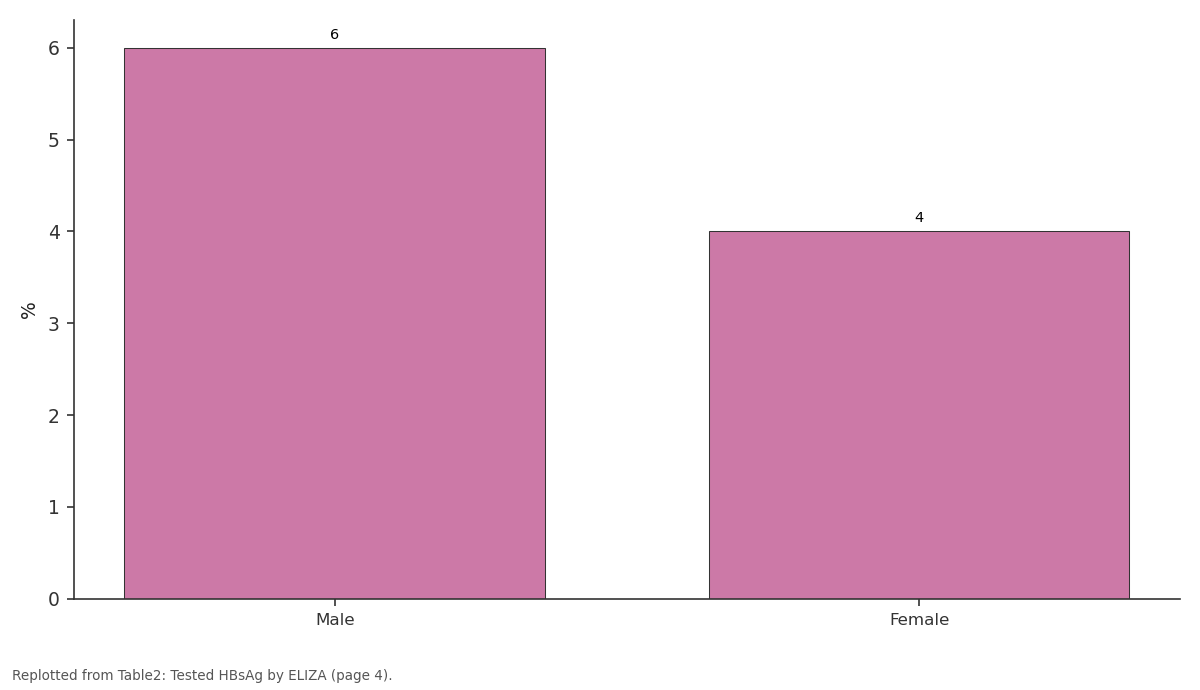
%: Male vs Female
Replotted from Table2 (page 4) of the original paper. Every bar is the paper's own table value.
View source evidence ↗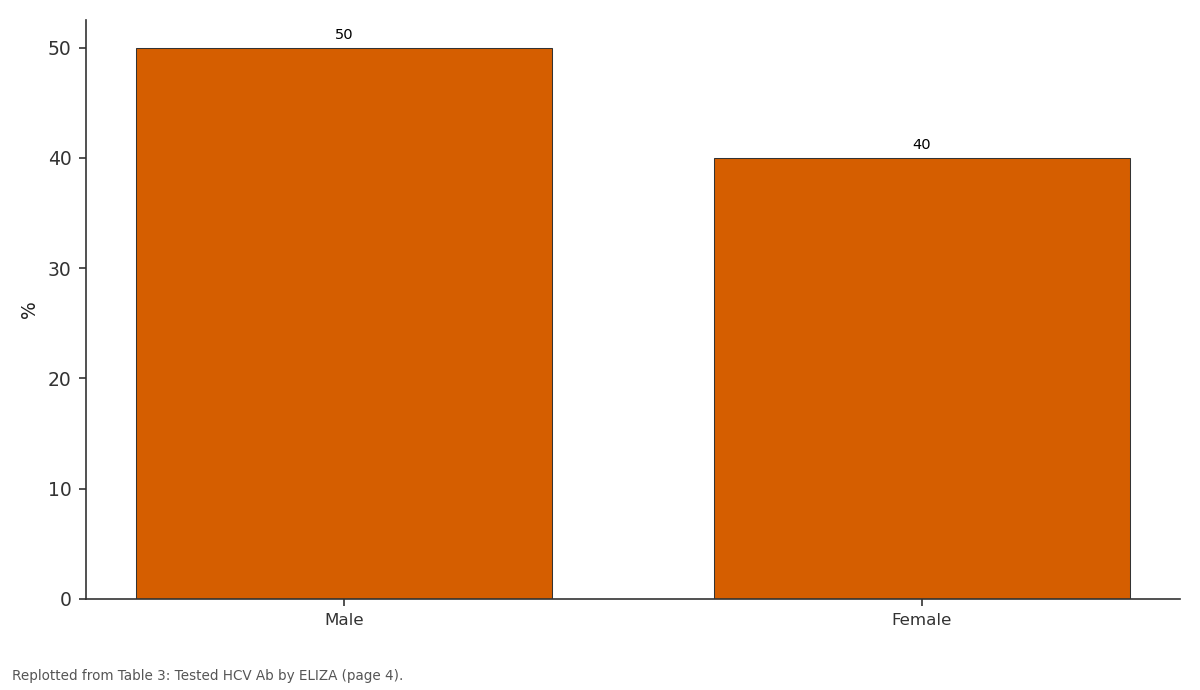
%: Male vs Female
Replotted from Table 3 (page 4) of the original paper. Every bar is the paper's own table value.
View source evidence ↗Figures & tables
From the original paper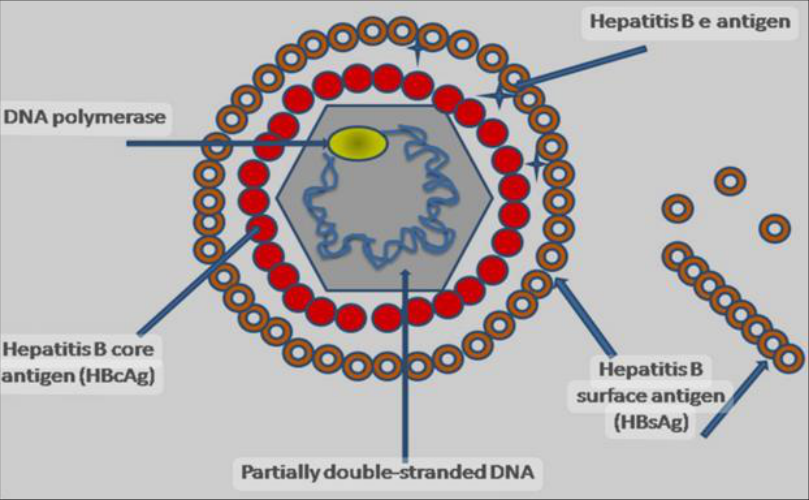 Figure 1
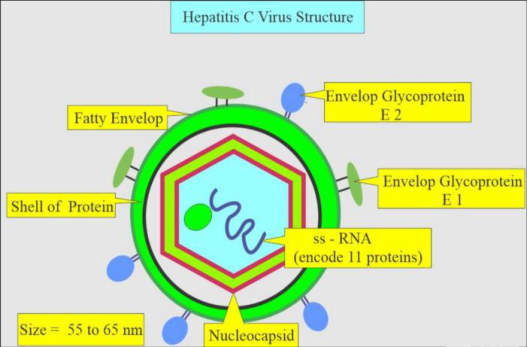 Figure 2
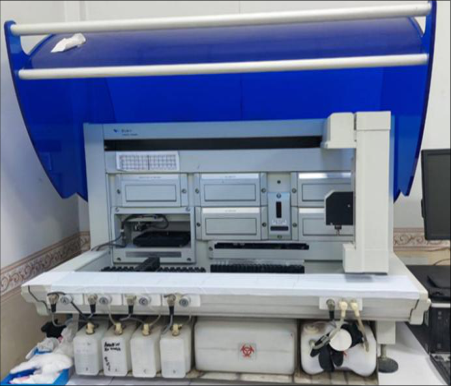 Figure 3
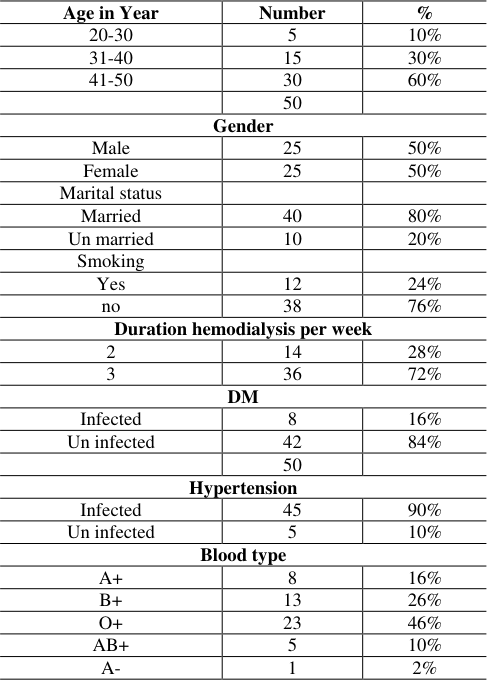 Table 1
 Table2
 Table 3
 Table 4
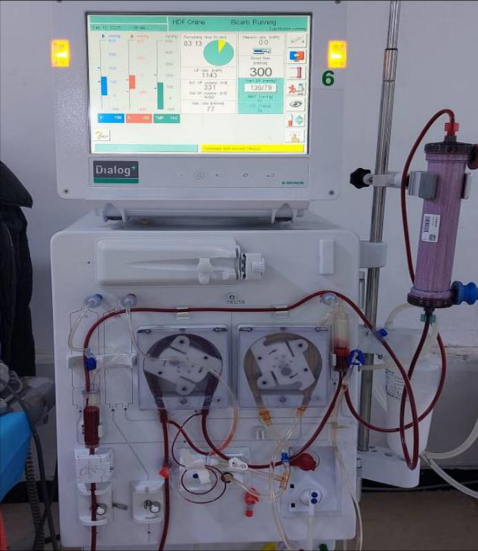 Figure 4
Introduction
The liver disease including viral hepatitis is a hepatitis. Hepatitis viruses come in five varieties (HAV, HBV, HCV, HDV and HEV), each with a unique mode of transmission that can impact various demographics and lead to varying health outcomes: Hepatitis viruses come in five varieties (HAV, HBV, HCV, HDV and HEV), each with a unique mode of transmission that can impact various demographics and lead to varying health outcomes. HAV and HEV are implicated in the sharing food or water and through person-to-person transmission. These viruses are acute self-limiting infections and rarely undergo long-term pathology [1] . Blood-borne pathogens HBV, HCV and HDV are deemed as high-risk infections that can be spread through bloodstream via use of unsafe injections, undergoing medical procedures using unsterilized instruments, sexual intercourse, and sharing tools for injection of drugs, notably syringes. Concerning HBV, HCV and HDV, the response can be modulated by the disease chronicity, which can progress to cirrhosis and liver cancer if undiagnosed over a long period of time. A hemodialysis is a medical procedure through which blood would be filtered. People who have been diagnosed with a fatal disease like that will have to be exposed to such a scenario. A fact should be mentioned that dialysis procedure is recognized as one of the most invasive procedures, carried out outside of the operating room, as it involves direct contact with the bloodstream during the process of filtration. Moreover, HD patients are susceptible to infections caused after any invasive operation and may face additional perils. Some specialists believe that, based on statistics, infections are tied with the second one on the list of causes of death for the patients having dialysis. Through this, it is important to note that infections related to dialysis can occur anywhere in the body, including the skin, lungs, bones, and blood vessels. Poorly-sanitized or contaminated dialysis units may be fatal to patients, cause them to be immobilized, hospitalized or their illness prolonged. Besides, patients may be required to spend more money for treatment, their lives become disrupted and they lose some of the activities they may have engaged in. The World Health Organization (WHO) affirms that liver diseases can be acquired either acute or chronic upon contact with virus carrying blood and other bodily fluids which can lead to Hepatitis B Virus (HBV) infection and sometimes even to liver cirrhosis. As information pertaining to cirrhosis and hepatocellular carcinoma worldwide that have been identified as the leading cause of Hepatitis C Virus (HCV) infection. However, with recent finding of the long-term carriers could carry the disease without any symptom, it become very risk [5] .
Liver cancer consists of exposure to viral contaminated blood or its products. HCV can be transmitted through the exchange of blood, by practicing unsafe sex, sharing needles during drug use and for injection, by having surgery and by means of tattoos. A HCV infection, as it are the present or the past one, falls into the category of chronic viral infection that can be confirmed by a positive result of HCV antibody test which also shows the contact with HCV. The results of a blood test showing the presence of HCV RNA or anti-HCV antibodies in the serum or plasma is an essential feature of HCV infection. An ongoing chronic HCV infection is testified by a positive HCV RNA test HCV hepatitis virus. (Figure 2). The two most frequently caused illnesses, humanly, are Hepatitis B (HBV) and Hepatitis C (HCV). HBV asymptomatic persistent infection is predicted to be global issue that will have 350 million people as it's victims.
Thereafter, compared to that, the global prevalence of chronic hepatitis C is figured out to be 160 million. Liver infections can lead to a lot of different things from liver cancer to decompensated cirrhosis, to cirrhosis, and even death sometimes as a result [7] . The primary method of treatment instead of your kidneys in people with stage 5 kidney disease is HD, hemodialysis.
These are very important causes of increased morbidity and mortality among these patients who require renal dialysis.
The individuals who fall under HD, acute renal failure, or severe renal contract may not have a working simulated system in their bodies to aid in maintaining the hemostasis. Most of these patients need ongoing dialysis therapy for a long period of time during which they might develop different kinds of aftereffects [9] . Unless they come into contact with the virus in the health care setting, it is unlikely that HD patients will acquire the infection nosocomially, with some possible risk factors including sharing single-use infusion vials between patients, improper infection control practices, inadequate cleaning of dialysis supplies and equipment, as well as contamination by people who are looking after them. In addition, recipients of transfusions undergone a substantial number of times may have increased risk on vascular exposure as well. Otherwise, renal impairment, that is, patients with dialysis have, already helps the virus spread through their immune systems, making them susceptible to infection [10] . By being typically more susceptible to viral infections because of the immunosuppression phase, patients on dialysis are at higher risk. Another major risk factor for hepatitis among dialysis patients is high chances of acquiring viruses and other pathogens, which make them prone to the same viruses as the general population but they also frequently have anemia, blood transfusions and more invasive procedures performed on them than the general population [11] . In He AMD, the hematological infections are more prominent and they are associated with many risk factors. Consequently, in a dialysis unit shielding these risks and doing all the possible preventive procedures have become the main focus of all departments in the unit [12] . Viral hepatitis continues to pose a major health problem, globally Viral Hepatotoxic agents such as HBV and HCV are to blame for plenty epidemic cases and deaths while it happens globally [13] .
HCV is an RNA member of the Flaviviride family while the HBV is a member of the family Hepadnavidae with a DNA genome [14] . Generally, vertical transmission of the HBV and HCV occurs via blood contact such as sharing syringes, needles and with susceptible objects, and also sexual exposure between partners and from mother to child are other ways [15] . In acute in either long-term or sudden manner the HBV as well as HCV hepatitis progresses from the slight liver dysfunction to liver failure, cirrhosis of the liver and hepatocellular carcinoma. As compared to patients who received the hepatitis B vaccine, the response rate of patients undergoing hemodialysis can much lower, and they have less immune protection, meaning they are at a high risk of pathogenic viruses [16] . In addition, HD patients will have the higher susceptibility to the virus as compared to the general population which is often associated with more frequent anaemia, blood transfusions and invasive procedure; the last 3 risk factors all demonstrate greater chances of the virus being contracted [11] . Thus, they suppose that individuals with the greatest risk will be those undergoing HD. Those suffering from chronic kidney failure are likely to have a higher morbidity and mortality rates if they are connected with HBV or HCV. To illustrate, the recipients of the kidneys who have the HCV infection are at higher risk of rejection and mortality than those who do not have the infection [17] . Moreover, in a chronic kidney disease patients, response rate to antiviral therapy is suboptimal and antiviral drug side effect frequency is higher, as reported by a recent study. Increased risk of contracting blood-borne infections from HD patients is mainly determined by interactive effects of different risk factors. This way, while operating hemodialysis units, the researchers have focused on assessing these risk factors and employing remedies to reduce incidents [19] .
Aim of the study
The two main causes of morbidity and death in the Basrah population are HBV and HCV, and these infections have a significant impact on patients undergoing HD and suffering from kidney diseases. As a result, individuals with chronic HD are more likely to get infections with hepatitis B and hepatitis C. The study's objectives are to ascertain the frequency of HBV and HCV in patients undergoing HD and assess the different routes of infection transmission.
Materials and Methods
The time frame for conducting this study was October 2022-February 2023. Serum samples were extracted from the blood of 50 patients, out of whom 25 were males and 25 were females, randomly selected patients undergoing HD. All of the patients were admitted to Basrah Teaching Hospital with HD and were experiencing acute renal failure. Age, gender, blood type, hemoglobin, marital status, family history, smoking, number of weekly dialysis sessions, living situation, and natural diet were among the questions asked of patients taking part in the study. To assess risk factors, a questionnaire was created, and data were produced to assess the significance of the correlation. This study took into account a patient's weekly dialysis dosage as well as the total number of sessions they had, along with their risk of contracting hepatitis B and hepatitis C. The purpose of this cross-sectional study was to find out how frequently patients undergoing HD had HBV and HCV. After getting permission from the patients or their legal guardian, 5 milliliters of blood were drawn from these patients. Using the Enzyme-Linked Immunosorbent Assay (ELISA) method, samples were examined for Hepatitis B surface antigen (HBsAg) and anti-HCV antibodies in accordance with the kit's standard instructions (Fig 3 and4). The blood sample was collected from each patient by using a 5 ml syringe and a centrifuge tube, and the serum was separated from the blood. Data analysis and interpretation. Descriptive statistics were used to present the study's findings. Using the Statistical Package for Social Sciences (SPSS) program, the gathered data were input, examined, and summarized according to frequency. Figure 4, Instrument for Hemodialysis the total amount of dialysis performed as well as the frequency of sessions per week were used to calculate the correlation between HBV and HCV infection. An HCV infection and the total number of hemodialysis visits a patient has are significantly correlated.
As the number of dialysis patients increased, so did the frequency of HCV infection. Table 1 shows the sociodemographic characteristics of the study for HD patients, including 5 patients (10%) with ages ranging from 20 to 30 years, 15 patients (30%) with ages 31 to 40 years, and 30 patients (60%) with ages 41 to 50 years. In addition, table 1 includes marital status; married patients were 40 (80%), while unmarried patients were 10 (20%). Smoking patients were 12 (24%), while non-smoking patients were 38 (76%).
| Age in Year | Number | % |
|---|---|---|
| 20-30 | 5 | 10% |
| 31-40 | 15 | 30% |
| 41-50 | 30 | 60% |
| 50 | ||
| Gender | ||
| Male | 25 | 50% |
| Female | 25 | 50% |
| Marital status | ||
| Married | 40 | 80% |
| Un married | 10 | 20% |
| Smoking | ||
| Yes | 12 | 24% |
| no | 38 | 76% |
| Duration hemodialysis per week | ||
| 2 | 14 | 28% |
| 3 | 36 | 72% |
| DM | ||
| Infected | 8 | 16% |
| Un infected | 42 | 84% |
| 50 | ||
| Hypertension | ||
| Infected | 45 | 90% |
| Un infected | 5 | 10% |
| Blood type | ||
| A+ | 8 | 16% |
| B+ | 13 | 26% |
| O+ | 23 | 46% |
| AB+ | 5 | 10% |
| A- | 1 | 2% |
Table text extracted from the original PDF; superscript letters are shown inline. The original table image is below.
View original table image
The average duration of HD per week ranges from two times per week for 14 patients (28%), to three times per week for the rest of the patients 36 (72%).
Of the total 50 patients with renal failure, 8 patients (16%) were diabetic, and 42 (84%) were not.
As for patients with hypertension, they were 45 (95%), while non-hypertension patients were 5 (10%). Regarding the blood group of dialysis patients, there were 8 (16%) A+, 13 (26%) B+, 23 (46%) O+, 5 (10%) AB+, and 1 (2%) A-.
Table 2 shows the prevalence of HBV infection among patients undergoing HD. The detection of HBsAg was done by the ELIZA HBsAg was positive in 5 patients, 3 males (6%) and 2 females (4%), while HBsAg was negative in 22 (44%) male patients and 23 (46%) female patients.
| Gender | Positive | % | Negative | % |
|---|---|---|---|---|
| Male | 3 | 6% | 22 | 44% |
| Female | 2 | 4% | 23 | 46% |
Table text extracted from the original PDF; superscript letters are shown inline. The original table image is below.
View original table image
On the other hand, the prevalence of HCV infection among patients undergoing HD is listed in Table 3. Tested HCV antibodies using the ELIZA technique. HCV Ab positives in HD patients were 25 (50%) in males and 20 (40%) in females, while negative results were in males 0 and females 5 (10%). The prevalence of HBV and HCV co-infection among patients undergoing HD is listed in Table 4. In this study of the participants, both zero-markers (Haig and anti-HCV) were positive in patients with HD: 3 (12%) males and 2 (8%) females.
| Gender | Co-infection | % |
|---|---|---|
| Male | 3 | 12% |
| Female | 2 | 8% |
Table text extracted from the original PDF; superscript letters are shown inline. The original table image is below.
View original table image
| Gender | Positive | % | Negative | % |
|---|---|---|---|---|
| Male | 25 | 50% | 0 | 0% |
| Female | 20 | 40% | 5 | 10% |
Table text extracted from the original PDF; superscript letters are shown inline. The original table image is below.
View original table image
Discussion
Major causes of chronic liver inflammation (Which constitutes hepatitis B and hepatitis C viruses) that lead to high morbidity and mortality rates are the two viruses or agents [20] . The patients with end-stage chronic renal disease are more prone to suffer HBV and HCV infections due to reduced ability to deal with infection, which is in fact the impaired immunity [21] .
In contrast to healthy a haas (ESRD) patients are at higher risk for hepatotoxins A and C due to exposure to multiple transfusions and poor immune responses [9] . HIV and HCV infection is a life-threatening concern for the hemodialysis patients. The polluting of the internal devices by the "sharing" of equipment, ineffective cleaning practices within the interdialytic period, and the drug preparation and injecting using shared glassware constitute the risk of the high-filtration procedure [22] .
Even though the serologic testing for the hepatitis B virus, the use of vaccinations, and the international prevention guidelines are available, the association of its evolvement in the dialysis patients are still of a major concern. However, gastroenteritis prevalence is very small if we compare hepatitis B with hepatitis C [23] . Renal function of patients having acute renal failure, chronic renal failure, chronic kidney disease, and other end stage renal diseases is poor, resulting in urinary retention, overwhelming accumulation of solutes, and the need of artificial means or dialysis therapy to eliminate waste products from the blood. The reason for this is that they are dependent on a perfusion system that provides an artificial means by which their blood can be cleansed, as well as removing potentially dangerous nitrogenous wastes which can do a lot of harm to their bodies if they build up [9] . Patients who are on dialysis for their renal complaints, being unable to resist the disease, are the most probable group vulnerable to be infected. These patient who undergo frequent dialysis works are more vulnerable to being infected with HBsAg and HCV [24] . Yes, exposure to the blood products including frequent use of manufacture lines can increase the risk of Chronic Renal Failure (CRF) patient who are on maintenance hemodialysis contracting the hepatitis B and C infections. Since the literature mentioned that nearly 2.9% of those who are on hemodialysis died as a result of hepatitis B and C, the literature review therefore shows the deadly danger that hepatitis as a medical condition presents to these patients. This study determined 25 (50% of the electro acupuncture patients) male participants and 20 (40% of the electro acupuncture patients) female participants were positive for the HCV antibody whilst 5 (10% of the electro acupuncture patients) were positive for HBSAg. 3 male patients (6%) and 2 female patients (4%). Below are the given sentences. Cut each sentence into two parts. Some sentences might overlap.
The main reason for these changes is the implementation or no implementation of Infection Control protocols as they are recommended. The study will also include ensuring complete compliance with infection control measures will help in reducing the prevalence rate of HBV and HCV in these patients. Given the fact that dialysis related morbidity and mortality are the primary causes of infections among patients, regular primary care physicians need to be thorough on the fact that the potential factors should be prioritized and relevant information given to these patients. Furthermore, the professors face the ethical issues of those who work in dialysis facilities. By stressing the use of preventive measures against HBV infection, the HBV vaccine, HBV surface antigens (HBsAg) and antibodies tests, and proper knowledge of the major susceptibility patterns that increase the risk in contracting HBV, a primary health care physician helps a significant number of patients [26] .
Conclusion
The present study unveils that, although occurrence of HBV/HCV infections becomes less often, these infection are in yet constitute major HIV sources of infection among patients with HD. Dialysis technique would be highly risky because the patients most exposed to this technique are those who receive Hemodialysis (HD) multiple times per week. The exposure level rises with the extent of treatment. In longrun prevention of complications requires implementing the measures that are essential so that the accidents may be reduced.
The incidence as well as the duration of HCV infection indicated higher accumulated risk factors for HCV induction specifically among those patients on regular HD treatment. However, various blood parenteral means were the highly significant factors (either HBV or HCV) in the development of HBV and/or HCV among dialysis patients.
Recommendation
1. HD patients have a high and diverse prevalence of HBV and HCV infections. The prevalence of 1-=hepatitis infections in HD patients should be reduced via staff education and isolation of both HBV and HCV-infected patients.
Figures and tables from the paper
References
24 in the original paper- Platt L, Easterbrook P, Gower E, McDonald B, Sabin K, McGowan C, et al. Prevalence and burden of HCV coinfection in people living with HIV: A global systematic review and meta-analysis. The Lancet Infectious Diseases. 2016;16(7):797-798.
- Manns MP, Wedemeyer H, Manns MP. Epidemiology, pathogenesis and management of hepatitis D: update and challenges ahead. Nature Reviews Gastroenterology & Hepatology. 2010;7(1):31-40.
- Bertino G, Ardiri A, Proiti M, Rigano G, Frazzetto E, Demma S, et al. Chronic hepatitis C: This and the new era of treatment. World Journal of Hepatology. 2016;8(3):92-106.
- Lingala S, Ghany MG. Natural History of Hepatitis C. Gastroenterology Clinics of North America. 2015;44(4):717-734.
- Chizoba OO, Chibuogwu AA. Duration of dialysis increases risk of hepatitis C virus infections among hemodialysis patients in Anambra state, Nigeria. Universa Medicina. 2018;37(3):173-180.
- Malhotra R, Soin D, Grover P, Galhotra S, Khutan H, Kaur N et al. Hepatitis B virus and hepatitis C virus coinfection in hemodialysis patients: A retrospective study from a tertiary care hospital of North India. Journal of Natural Science, Biology and Medicine. 2016;7(1):7274.
- Adane T, Getawa S. The prevalence and associated factors of hepatitis B and C virus in hemodialysis patients in Africa: A systematic review and metaanalysis. PLOS One. 2021;16(6):e0251570.
- Schaier M, Leick A, Uhlmann L, Kalble F, Morath C, Eckstein V, et al. End stage renal disease, dialysis, kidney transplantation and their impact on CD4 (+) T cell differentiation. Immunology. 2018;155(2):211-224.
- Kosaraju K, Faujdar SS, Singh A, Prabhu R. Hepatitis viruses in heamodialysis patients: An added insult to injury? Hepatitis research and treatment. 2013;2013(1):860514.
- Okoye OCS. Sero-prevalence of Hepatitis B and C infection among patients with end stage renal disease at hemodialysis initiation. African Journal of Medical and Health Sciences. 2020;19(1):1-6.
- Elizabeth W. Global epidemiology of hepatitis B virus, (HBV) infection. North American Journal of Medical Sciences. 2011;4(1):7-13.
- Khayriyyah MH, Groeger J, Flaxman AD, Wiersma ST. Global epidemiology of hepatitis C virus infection: new estimates of age-specific antibody to HCV seroprevalence. Hepatology. 2013;57(4):1333-1342.
- Stephane C, Michael JP. Diagnosis and management of chronic viral hepatitis: Antigens, antibodies and viral genomes. Best Practice and Research: Clinical Gastroenterology. 2008;22(6):1031-1048.
- Al Saran A, Sabry A, Halawany Z, et al. Factors affecting response to hepatitis B vaccine among hemodialysis patients in a large Saudi hemodialysis center. Saudi Journal of Kidney Diseases and Transplantation. 2014;25(1):185-191.
- Sanchez N, Kupa D, Tapia N, et al. Prevalence of hepatitis c virus infection among hemodialysis patients at a tertiary care hospital in Mexico City, Mexico. Journal of Clinical Microbiology. 2004;42(9):43214322.
- Wang K, Xing H, Zhao H, et al. Efficacy and tolerability of low dose interferon alpha in hemodialysis patients with chronic hepatitis C virus infection. World Journal of Gastroenterology. 2014;20(15):4071-4075.
- Alashek W, Maclntyre C, Taal M. Hepatitis B and C in hemodialysis patients in Libya: Prevalence, incidence and risk factors. BMC Infectious Diseases. 2012;12:265.
- Kumar V, Das S, Jameel S. The biology and pathogenesis of hepatitis viruses. Current Science. 2010;98(3):312-325.
- Pol D, Pichard VA, Corouge M, Mallet VO. Hepatitis C: Epidemiology, diagnosis, natural history and therapy. Hepatitis C in Renal Disease, Hemodialysis and Transplantation. 2012;176:1-9.
- Thongsawat S, Maneekarn N, Kuniholm MH, Pantip C, Thungsuputi A, Lumlertkul D, et al. Occult hepatitis C virus infection during an outbreak in a hemodialysis unit in Thailand. Journal of Medical Virology. 2008;80(5):808-815.
- Khedmat H, Amini M, Chehreh GME, Agah S. Hepatitis C virus infection in dialysis patients. Saudi J Kidney Dis Transpl. 2014;25(1):1-8.
- Anwar K, Imran M, Shahzad F, Noreen M, Atif M, Ahmad F. Prevalence of Hepatitis B and Hepatitis C infection among patients undergoing dialysis. J Hum Virol Retrovirol. 2016;3(3):00094.
- Aghakhani A, Banifazl M, Eslamifar A, Ahmadi F, Ramezani A. Viral hepatitis and HIV infection in hemodialysis patients. Hepatitis Monthly. 2012;12(7):463-464.
- Mahupe P, Baikai MOJ, Saleshando G, Rwegerera GM. Prevalence and risk factors for hepatitis B and C among end-stage renal disease patients on hemodialysis in Gaborone Botswana. Nigerian Journal of Clinical Practice. 2021;24(1):81-88.