
Research article · 2024 · Full text
International Journal of Research in AgronomyAssessing the impact of climate change on agriculture and livelihood in Dhule district, Maharashtra, and identifying adaptation opportunities
Volume 7(6S) · Pages 21–30 · DOI: 10.33545/2618060x.2024.v7.i6sa.807 ↗
Research areasAgricultural Economics and Practices
Abstract
Author-writtenThe Dhule district in Maharashtra faces severe climate change-induced impacts, particularly affecting agriculture and livelihoods. This research aims to propose adaptation measures, recommend mitigation strategies, and establish a sustainable framework for resilience-building. Using mixed methods, including surveys, interviews, and focus groups, the study engages local communities and stakeholders. Ethical considerations are prioritized, and partnerships with organizations like the Lupin Human Welfare and Research Foundation are crucial. The research explores the impact of climate change on weather patterns, agriculture, and livestock production, identifying key challenges and adaptation practices. Findings reveal fluctuations in rainfall, changes in crop patterns, and shifts in livestock populations. Recommendations include promoting climate-resilient practices, enhancing community awareness, and fostering sustainable development pathways.
Summary
Source-checkedPlain-language reading of the full paper, prepared with AI and checked against the text. Each point links to the authors' own words.
Why it matters
- Dhule district in Maharashtra is experiencing severe impacts from climate change, which specifically threaten the region's agriculture and the livelihoods of its people. View evidence ↗
- Because the region is primarily agrarian, changes in agricultural productivity directly affect the economic stability and food security of local communities. View evidence ↗
- The vulnerability of residents is increased by a significant lack of awareness and a shortage of adaptation strategies tailored to the local context. View evidence ↗
The question
- The study aims to develop a sustainable framework for resilience by proposing specific adaptation measures and mitigation strategies for the region. View evidence ↗
What they did
- The researchers used a mixed-methods approach that combined surveys, interviews, and focus groups with local stakeholders and communities. View evidence ↗
- The sampling for the study included 40 farmers across 10 villages in 4 tehsils of the Dhule district. View evidence ↗
What they found
- Annual rainfall in Dhule district was highly variable between 2009 and 2023, with a low of 106 mm in 2015 and a high of 387 mm in 2013. View evidence ↗
- Cotton production showed resilience to climate changes, increasing by approximately 33.92%. View evidence ↗
- Production of chickpea and wheat decreased by 37.82% and 9.12%, respectively. View evidence ↗
- There was a sharp decline in the area used for traditional cereals, with Bajra dropping from 104.5 to 45.1 thousand hectares and Sorghum from 90 to 17.4 thousand hectares. View evidence ↗
- A vast majority of farmers (80%) reported a significant drop in the groundwater table. View evidence ↗
- Perceived soil quality has plummeted over ten years, with only 10% of farmers now viewing it as good, compared to 60% a decade ago. View evidence ↗
- About 70% of farmers reported a 20% to 30% decrease in yields for major crops over the last 10 years. View evidence ↗
- Every farmer surveyed (100%) agreed that pest and disease pressure on their fields has increased. View evidence ↗
- Livestock populations in villages have declined significantly over the last decade, according to 65% of farmers. View evidence ↗
- Crop residue burning is common, with 80% of rainfed and 60% of irrigated farmers burning cotton stakes after harvest. View evidence ↗
What it means
- The authors recommend promoting drip irrigation through targeted awareness campaigns to combat water scarcity. View evidence ↗
- To improve soil health, the authors suggest reducing chemical inputs in favor of organic alternatives like vermicompost and organic manures. View evidence ↗
Visual summary
1 visualsIllustrations explain the paper; they do not show study data.
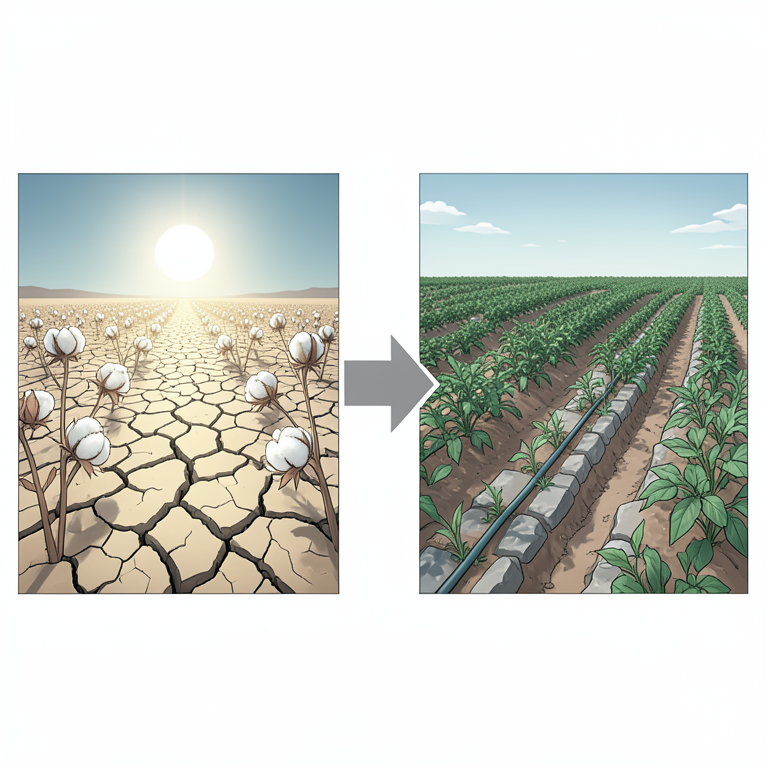
Climate Adaptation Framework
AI-generated conceptual illustration (Cotton and sorghum crops in the semi-arid landscape of Dhule district, Maharashtra). It explains the idea and does not show study data.
View source evidence ↗Figures & tables
From the original paper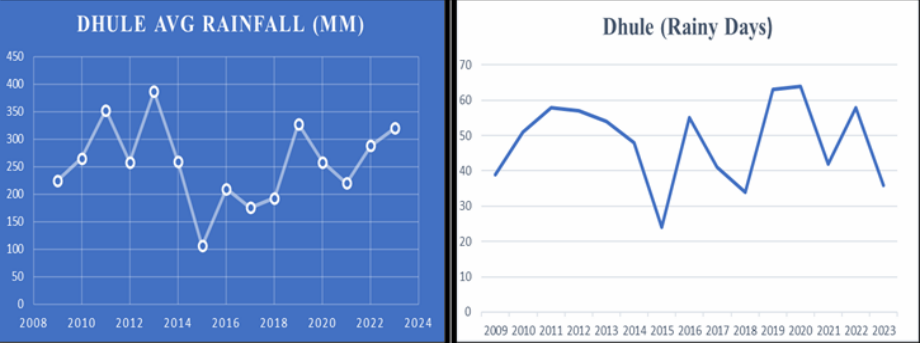 Figure 1
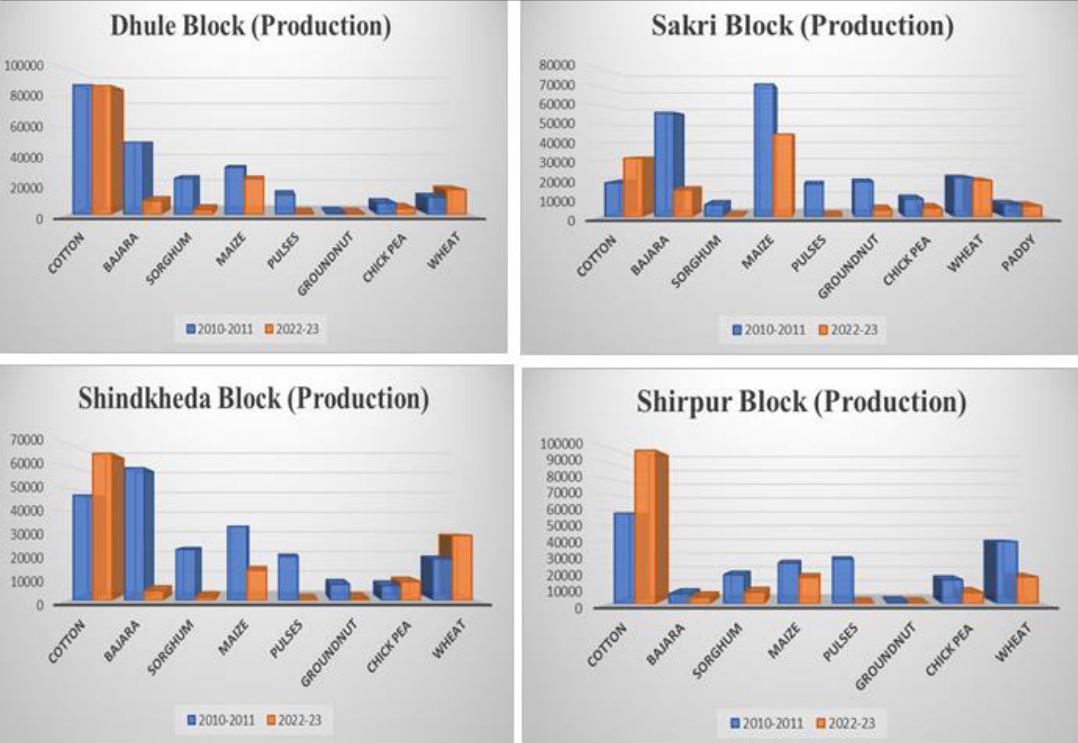 Figure 2
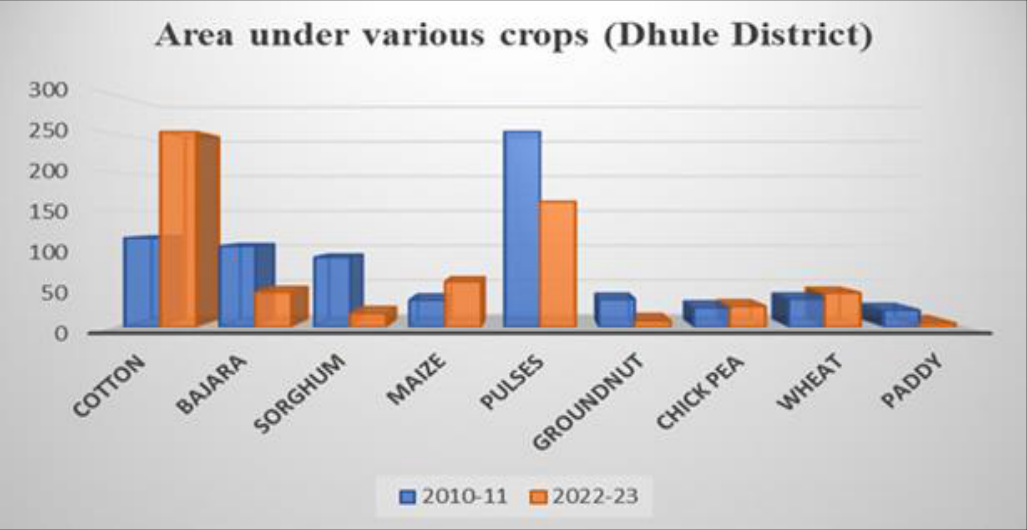 Figure 4
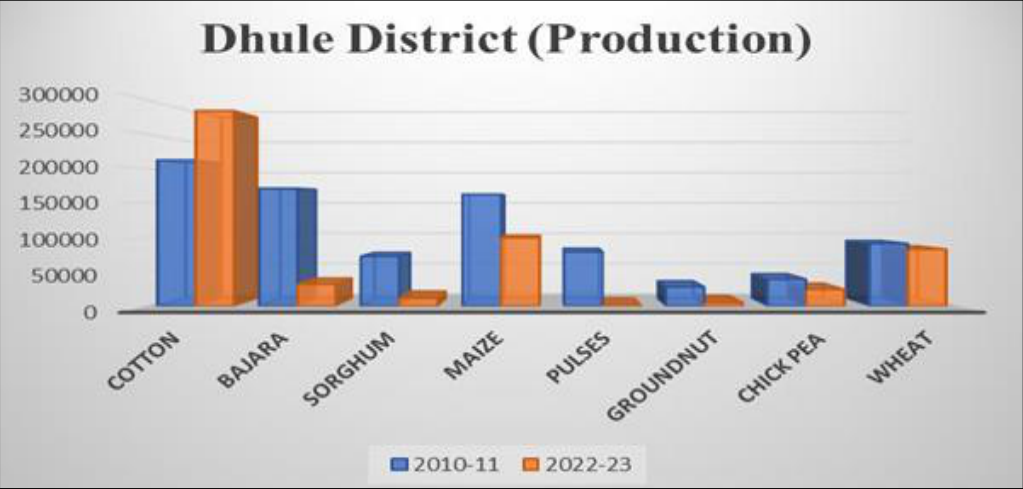 Figure 3
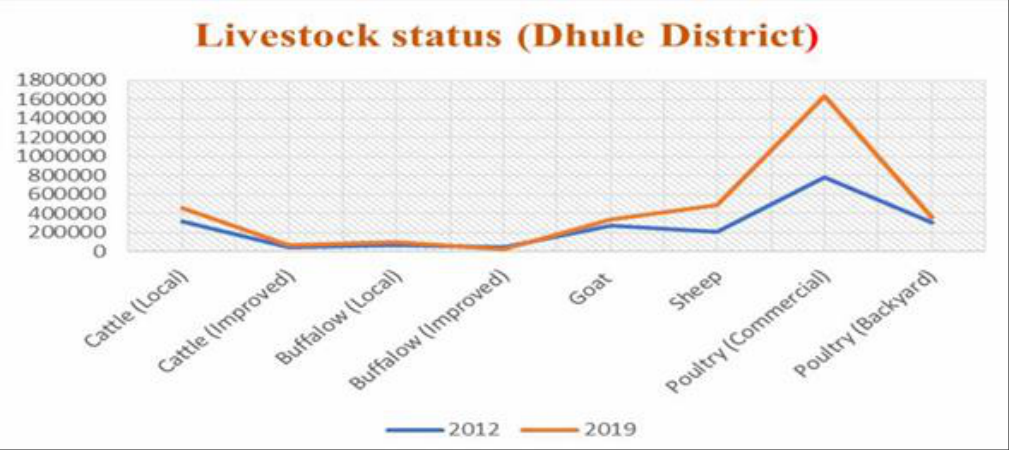 Figure 5
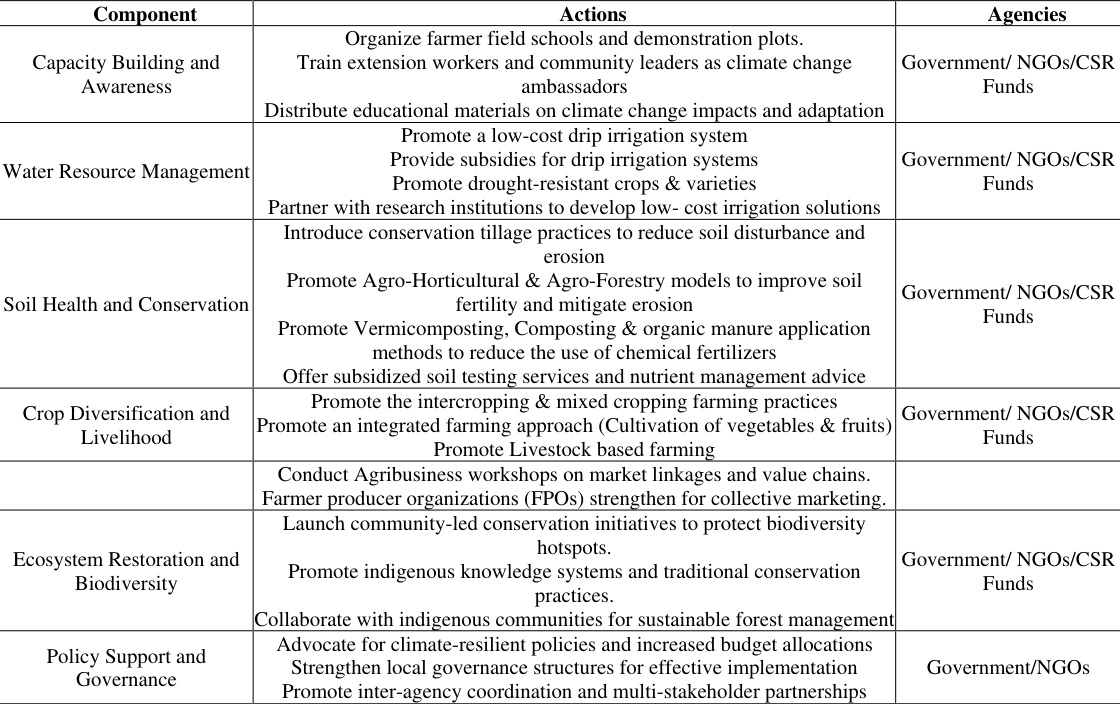 Table 1
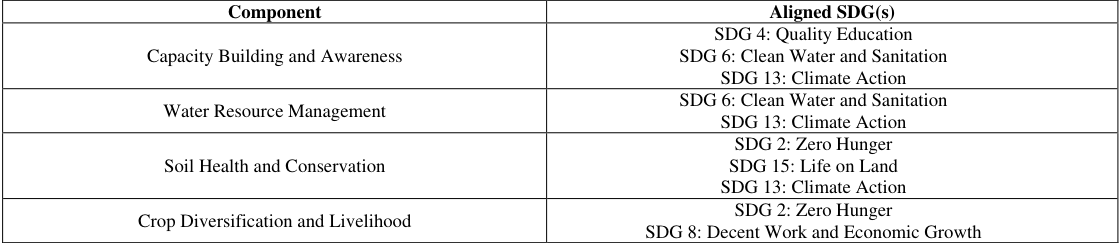 Table 2
Introduction
The Dhule district of Maharashtra, India, stands at the forefront of the climate crisis, bearing the brunt of erratic weather patterns and rising temperatures. As a predominantly agrarian region, the impact of climate change on agriculture reverberates throughout the district, affecting not only crop yields but also the livelihoods of local communities. Despite the severity of these challenges, there remains a stark lack of awareness and tailored adaptation strategies, exacerbating the vulnerability of Dhule's residents. Climate change-induced shifts in rainfall patterns and temperature extremes have triggered a cascade of adverse effects on agricultural productivity. From fluctuating crop yields to dwindling water resources, farmers in Dhule face multifaceted challenges that threaten their economic stability and food security. The once-predictable monsoon season has become increasingly erratic, leading to water scarcity and crop failures. Moreover, rising temperatures have accelerated soil degradation and pest infestations, further compromising agricultural sustainability. In light of these pressing concerns, there is an urgent need for comprehensive research and intervention strategies to bolster the resilience of Dhule's agricultural sector and safeguard the well-being of its communities. By identifying localized impacts, assessing adaptation needs, and fostering stakeholder collaboration, it is possible to chart a path towards sustainable development in the face of climate uncertainty. By shedding light on the intricate interplay between climate change, agriculture, and livelihoods, this research seeks to inform policy decisions, guide adaptation efforts, and pave the way for a more sustainable future in Dhule district and beyond. Through proactive measures and community empowerment, it is possible to mitigate the adverse effects of climate change and build a resilient foundation for generations to come.
Research Design and Methodology Research Design
The mixed-method approach combines qualitative and quantitative data collection methods.
Rainy Days:
The number of rainy days fluctuated annually, indicating variations in the duration and intensity of rainfall events. While some years recorded a higher number of rainy days, such as 2011 with 58 days, others, like 2015, had fewer rainy days, totaling only 24. Anomalies and Extremes: Certain years, such as 2013 and 2019, stand out for their above-average rainfall, while others, like 2015 and 2017, experienced below-average precipitation. These anomalies highlight the susceptibility of the Dhule district to extreme weather events and the potential impact of climate change on rainfall patterns.
Impact on Agriculture and Water Resources: Fluctuations in rainfall can significantly impact agricultural productivity, water availability, and hydrological cycles in Dhule district. Years with below-average rainfall may lead to drought conditions, affecting crop yields and groundwater recharge, while aboveaverage rainfall may increase the risk of flooding and soil erosion.
Implications for Climate Change:
The observed variability in rainfall patterns underscores the need for climate change adaptation strategies in Dhule district. Increasing the frequency and intensity of extreme weather events may necessitate measures such as water conservation, crop diversification, and infrastructure development to mitigate risks and build resilience to climate-related challenges.
Impact of climate change on agriculture and livestock production
Cotton Production: Generally, cotton production increased across all four blocks over the observed period, signifying its resilience and potential adaptation to changing climate conditions.
Bajra and Sorghum Decline: Bajra and sorghum production experienced significant declines in all blocks, indicating potential challenges in cultivating these traditional crops in the face of evolving environmental factors.
Maize Moderation: Maize production showed a mixed trend across the blocks, with some witnessing moderate decreases while others remained relatively stable, suggesting varying impacts of climate change on maize cultivation.
Pulses and Groundnut Decline: Pulses and groundnut production declined sharply across all blocks, reflecting challenges in sustaining legume crops under changing climatic conditions.
Chickpea and Wheat Fluctuations: Chickpea and wheat production exhibited fluctuations, with some blocks experiencing notable decreases while others saw moderate increases, highlighting the diverse impacts of climate change on different crops. Cotton experienced a significant increase in production, with a percentage change of approximately 33.92%. This suggests a notable expansion in cotton cultivation and productivity in the Dhule district. Bajra (Pearl Millet), Sorghum, Maize, Pulses, and Groundnut witnessed substantial decreases in production, with percentage changes ranging from -39.07% to -83.84%. This decline indicates potential challenges or shifts in agricultural practices for these crops over the observed period.
Production in 000 MT
Chick Pea and Wheat also experienced decreases in production, with percentage changes of -37.82% and -9.12%, respectively.
Pulses (Groundnut, Chick Pea): Groundnut and Chick Pea:
There has been a significant decrease in the cultivation area for both Groundnut and Chick Pea. Groundnut cultivation area decreased from 35.8 thousand hectares to 7.7 thousand hectares, while Chick Pea cultivation area remained relatively stable, increasing slightly from 25 thousand hectares to 26.6 thousand hectares. Overall, the data indicates a substantial shift in crop patterns, with a remarkable increase in cotton production at the expense of a decline in cereal and pulse cultivation.
This expansion suggests changing dietary preferences, economic opportunities, and the adaptability of poultry to diverse environmental conditions Climate Change Implications:
The observed trends in livestock population dynamics may be influenced by climate change-induced factors such as temperature fluctuations, water availability, and disease prevalence. Shifts in rainfall patterns and temperature extremes could impact fodder availability, breeding cycles, and overall animal health.
Impact of climate change on agriculture and allied based livelihood and recommendations based on climate change ad amputations water availability Key Findings & Observations
The number of farmers utilizing bore wells and wells for irrigation has increased. 80% of farmers acknowledge a significant decline in the groundwater table. There hasn't been a notable shift in the number of farmers transitioning from open irrigation to drip irrigation. Only 30% of farmers perceive sufficient water availability for farming, compared to 60% a decade ago. 40% of farmers express interest in adopting drip irrigation methods. All farmers recognize a significant alteration in rainfall patterns over the past 5 years. 60% of farmers have adjusted their cropping patterns due to limited water availability, moving from irrigated to rainfed agriculture. Farmers universally report a reduction in yields by 30% to 40% due to water scarcity. Farmers unanimously agree on the importance of drip irrigation for water conservation. 60% of farmers face financial constraints in installing drip irrigation systems. While 60% of farmers acquire drip systems through government subsidies, they often receive low-quality equipment.
Recommendations
Recommendations
Invest in Research and Development
• Allocate resources to research initiatives aimed at improving water management practices (drip irrigation technology) to make it more efficient and affordable for farmers in Dhule.
Provide Capacity Building and Training
• Organize training programs and workshops to educate farmers on the proper installation, operation, and maintenance of drip irrigation systems.
Conduct Awareness Campaigns
Collaborate with local organizations and extension services to launch awareness campaigns using various communication channels.
Ensure that farmers understand the long-term benefits of drip irrigation through informative workshops and demonstrations.
Facilitate Collaborative Efforts
Foster partnerships between government agencies, NGOs, and private stakeholders to streamline efforts in promoting drip irrigation and sustainable water management practices. Establish support networks to provide ongoing assistance and guidance to farmers adopting drip irrigation methods.
These recommendations aim to address key challenges and promote the adoption of drip irrigation as a sustainable water management solution in the Dhule district
Soil Quality Key Findings & Observations
60% of farmers regarded their soil quality as good A decade ago, whereas now only 10% share this view. Approximately 60% of farmers now consider their soil to be very hard, a stark contrast to conditions 10 years ago. The primary reasons cited by farmers for soil hardening, in descending order, include excessive use of chemical fertilizers, pesticides, and irrigation, along with low utilization of organic materials like cow dung, FYM, or vermicompost. 80% of farmers report a decline in soil productivity, resulting in reduced yields. 80% of rainfed farmers practice monocropping, while 50% of irrigated farmers adopt the same, leading to soil fertility depletion. While farmers are aware of soil testing, the absence of nearby laboratories and delays in receiving reports from government facilities hinder their ability to access timely soil analysis results. Nearly 90% of farmers engaging in intensive tillage practices experience soil layer loss.
Recommendations 1. Promote Sustainable Soil Management Practices
Encourage farmers to reduce reliance on chemical fertilizers and pesticides by promoting the use of organic alternatives such as compost, vermicompost, and organic manures. Provide training and extension services to educate farmers on sustainable soil management techniques, including crop rotation, cover cropping, and mulching, to improve soil structure and fertility. Aware farmers of applied recommended dose of fertilizers on their farm
Facilitate Access to Soil Testing Services
Establish accessible soil testing laboratories or mobile soil testing units in rural areas to provide farmers with timely and accurate soil analysis reports.
Collaborate with local agricultural extension services and
NGOs to conduct soil health assessment camps and awareness programs to promote the importance of soil testing.
Encourage Crop Diversification and Intercropping
Promote crop diversification and intercropping practices among rainfed and irrigated farmers to enhance soil biodiversity, improve nutrient cycling, and reduce soil erosion. Advocate for the cultivation of leguminous cover crops and green manures to replenish soil nitrogen levels and improve overall soil fertility.
Implement Soil Conservation Measures
Implement Soil Conservation Measures
Crop Diversification and Rotation
Encourage farmers to diversify their cropping systems and adopt crop rotation practices to reduce the risk of pest and disease outbreaks and improve soil health. Promote the cultivation of alternative crops that are better suited to changing climatic conditions and have lower water requirements.
Promotion of Indigenous Crop Varieties
Support the conservation and revival of indigenous crop varieties, including desi varieties of cereals and pulses, which are often more resilient to local environmental stresses. Raise awareness among farmers about the nutritional and cultural significance of indigenous crops, fostering their preservation and cultivation.
Capacity Building and Extension Services
Strengthen extension services and farmer training programs to enhance agricultural knowledge and skills related to climate change adaptation and crop management. Provide access to timely and relevant information on weather forecasts, pest and disease outbreaks, and best agricultural practices through mobile-based advisory services and community workshops.
Market Access and Value Chains
Facilitate market linkages and value chain development for climate-resilient crops to ensure farmers receive fair prices for their produce. Support the establishment of farmer cooperatives and collective marketing initiatives to improve bargaining power and market access for smallholder farmers.
Policy Support and Investment
Advocate for policies and incentives that promote sustainable agriculture, including subsidies for climateresilient inputs, insurance coverage for crop losses, and investment in agricultural infrastructure. Engage policymakers and stakeholders in dialogue to address the underlying drivers of crop yield reduction and develop evidence-based policy interventions to support farmers. By implementing these recommendations, farmers can enhance their resilience to climate change, improve crop productivity, and sustainably manage their agricultural systems in the face of evolving environmental challenges
Pest and disease dynamics Key Findings & Observations
100% of farmers agree that there is an increase in pest and disease pressure on their farm fields. New pest incidences have emerged and are currently in severe conditions, such as pink bollworms in cotton, Armyworms in maize, and Bollworms in chickpeas. Due to the severity of pest and disease outbreaks, farmers resort to using numerous chemicals for control. However, it is increasingly challenging to manage conditions due to the resurgence of pests against these chemicals. Similar challenges are observed in vegetable and orchard cultivation among farmers.
Recommendations Integrated Pest Management (IPM) Practices
Crop Rotation and Diversification (These two practices are already explained in previous recommendations)
Biological Control Agents
• Facilitate the use of biological control agents such as predatory insects, parasitoids, and microbial pesticides to suppress pest populations and minimize reliance on chemical pesticides.
• Establish community-based rearing and distribution programs for beneficial insects and natural enemies to enhance their effectiveness in pest management.
Early Warning Systems
• Develop and implement early warning systems for pest and disease outbreaks based on meteorological data, pest monitoring networks, and remote sensing technologies.
• Provide timely alerts and advisory services to farmers through mobile applications, SMS notifications, and community radio broadcasts to enable proactive pest management decisions.
Responsible Pesticide Use
• Promote the judicious use of pesticides by educating farmers about proper application techniques, dosage rates, and safety precautions to minimize negative environmental and human health impacts.
• Encourage the adoption of alternative pest control methods such as pheromone traps, botanical extracts, and biopesticides as sustainable alternatives to chemical pesticides.
•
•
Farm-Level Monitoring and Surveillance
• Establish farmer-led monitoring and surveillance networks to track pest and disease dynamics, share information, and coordinate response efforts at the community level.
• Encourage collaboration between farmers, extension agents, researchers, and agricultural authorities to monitor pest populations, assess pest resistance, and evaluate the efficacy of pest management interventions. In its journey spanning over three decades, the foundation has covered over 1.45 million beneficiaries in over 5000 villages in 23 districts spread across nine states in India. Over the years, the foundation has largely focused on building sustainable livelihood opportunities and triggering economic growth in some of the most backward and underdeveloped districts of India. It has adopted a familycentered approach and initiated measures that help them break the vicious circle of poverty, positively impacting their lives and livelihoods. To ensure that economic development is substantiated by social upliftment and an improvement in quality of life, the organization has been working relentlessly in the areas of health and education at the grassroots level. Structured efforts have been made to upgrade the local infrastructure, build awareness, catalyze positive behavior change, and facilitate access to healthcare services for the most marginalized and underserved communities. The foundation works extensively with various government and non-government partners, international development agencies, and like-minded philanthropic organizations to mobilize additional resources and extend its reach to several more isolated and underserved populations, covering a large majority of landless tribal, scheduled caste, and minority populations in target geographies.
Research and Innovation
As one of the parts of the organization's livelihood strategies Better Cotton Initiative is the major project where 95156 smallholder farmers are engaged in sustainable cotton production".
Figures and tables from the paper
| Component | Aligned SDG(s) |
|---|---|
| Capacity Building and Awareness | SDG 4: Quality Education SDG 6: Clean Water and Sanitation SDG 13: Climate Action |
| Water Resource Management | SDG 6: Clean Water and Sanitation SDG 13: Climate Action |
| Soil Health and Conservation | SDG 2: Zero Hunger SDG 15: Life on Land SDG 13: Climate Action |
| Crop Diversification and Livelihood | SDG 2: Zero Hunger SDG 8: Decent Work and Economic Growth |
Table text extracted from the original PDF; superscript letters are shown inline. The original table image is below.
View original table image
References
4 in the original paper- Handore AR, Sardar SY, Bhavare RN. Climate Change Impact, Mitigation and Adaptation Strategies for Agriculture in Context of Maharashtra. Int. J Adv. Appl. Res. 2022;4(6):2023.
- Nikumbha PD. Agricultural Production Reduces with Increase in Rainfall Variability in Dhule District, Maharashtra. Int. J Food Nutr Sci. 2022;11(11)2320-7876, Nov. 2022.
- Todmal SR. Link between Monsoon Rainfall Variability and Agricultural Drought in the Semi-Arid Region of Maharashtra, India. Curr Sci. 2022;122(8):25. April 2022.
- ADB. Tackling Climate Change, Building Climate and Disaster Resilience, and Enhancing Environmental Sustainability, 2019-2024: Strategy 2030 Operational Plan for Priority 3. Asian Development Bank; c2019.