
Research article · 2024 · Full text
International Journal of Veterinary Sciences and Animal HusbandryMortality rates among improved boran beef cattle and their crosses from birth to two years under ranching conditions in Kenya
Volume 9(3) · Pages 321–331 · DOI: 10.22271/veterinary.2024.v9.i3e.1434 ↗
Research areasRangeland Management and Livestock EcologyGenetic and phenotypic traits in livestockAnimal Diversity and Health Studies
Abstract
Author-writtenThe objective of this study was to establish mortality rates of growing beef cattle under ranching conditions in Beef Research Institute in Nakuru County in Kenya. Mortality rates for pre-weaning (birth-7 months), weaners (8-12 months) and growers (13-24 months) were evaluated in improved Boran cattle and its crosses. Data were retrieved from beef herds database between 2014 and 2021. Descriptive statistics analysis was conducted using Microsoft excel while effect of sex, birth weight and breeds of calves were evaluated by logistic regression using SAS version 20. The pre-weaning, weaners and growers mortality rates were 6.3%, 2.7% and 2.0% respectively. Breed and sex of the calf had a significant effect while birth weight had a non-significant effect (p≤0.05) on calf mortality. It is concluded that management practices for pre-weaned calves such as provision of sufficient colostrum and strategic supplementation of the weak calves during times of feed deficit should be done.
Summary
Source-checkedPlain-language reading of the full paper, prepared with AI and checked against the text. Each point links to the authors' own words.
Why it matters
- The livestock sector is a critical part of Kenya's economy, contributing 12% of the national GDP and 42% of the agricultural GDP. View evidence ↗
- Beef production in Kenya, primarily under pastoral systems, faces challenges including disease, climate-driven feed deficits, and calf mortality rates reaching up to 35%. View evidence ↗
The question
- The study aimed to determine the mortality rates of growing beef cattle reared under ranching conditions at the Beef Research Institute in Nakuru County, Kenya. View evidence ↗
What they did
- The study analyzed data from 1,340 births between 2014 and 2021, identifying 144 deaths in animals aged 0-2 years. View evidence ↗
- Logistic regression using SAS version 20 was used to evaluate if birth weight, breed, and sex significantly affected mortality (p≤0.05). View evidence ↗
What they found
- Mortality was highest in the pre-weaning stage (6.3%), followed by weaners (2.7%) and growers (2.0%). View evidence ↗
- The sex of the calf significantly influenced mortality (p≤0.05), with males experiencing higher death rates than females. View evidence ↗
- The breed of the calf was found to have a significant effect on mortality rates. View evidence ↗
- Birth weight did not significantly affect calf mortality (p≤0.05). View evidence ↗
- The primary causes of death were Colibacillosis (21%), Haemorrhagic Septicaemia (21%), Pneumonia (12%), East Coast Fever (11%), and Enterotoxaemia (9%). View evidence ↗
- Mortality rates peaked during the driest months of the year, specifically February and March. View evidence ↗
What it means
- The authors conclude that current mortality rates across all age categories are low enough to support herd growth, genetic progress, and economic viability. View evidence ↗
- The authors recommend ensuring quality colostrum feeding within the first 24 hours of life to build passive immunity in calves up to 7 months old. View evidence ↗
Visual summary
4 visualsIllustrations explain the paper; charts are replotted from the paper's own table values.
Mortality by Age Group
AI-generated conceptual illustration (Boran beef cattle). It explains the idea and does not show study data.
View source evidence ↗
Seasonal Mortality Risk
AI-generated conceptual illustration (Boran beef cattle). It explains the idea and does not show study data.
View source evidence ↗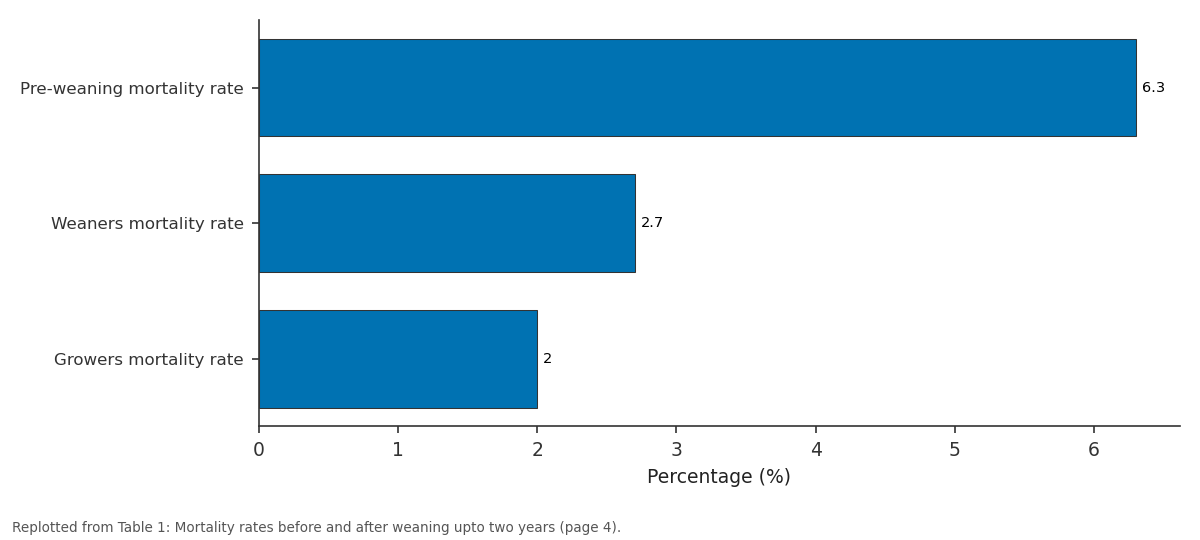
Percentage (%): Pre-weaning mortality... vs Weaners mortality rate vs Growers mortality rate
Replotted from Table 1 (page 4) of the original paper. Every bar is the paper's own table value.
View source evidence ↗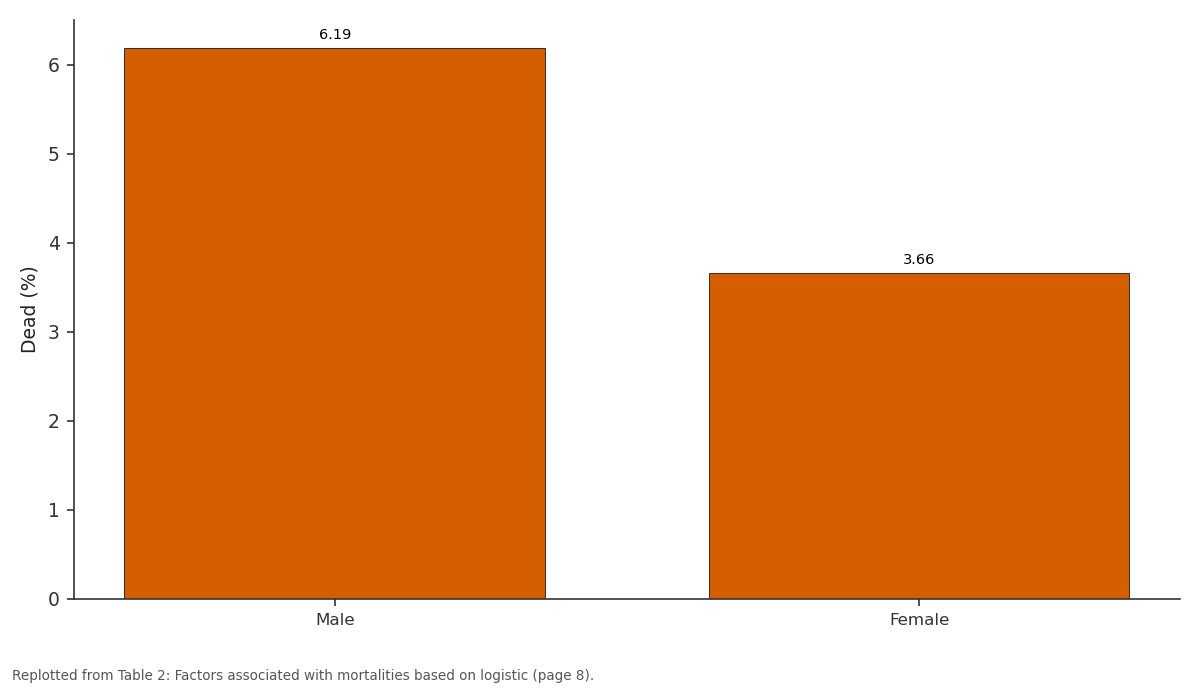
Dead (%): Male vs Female
Replotted from Table 2 (page 8) of the original paper. Every bar is the paper's own table value.
View source evidence ↗Figures & tables
From the original paper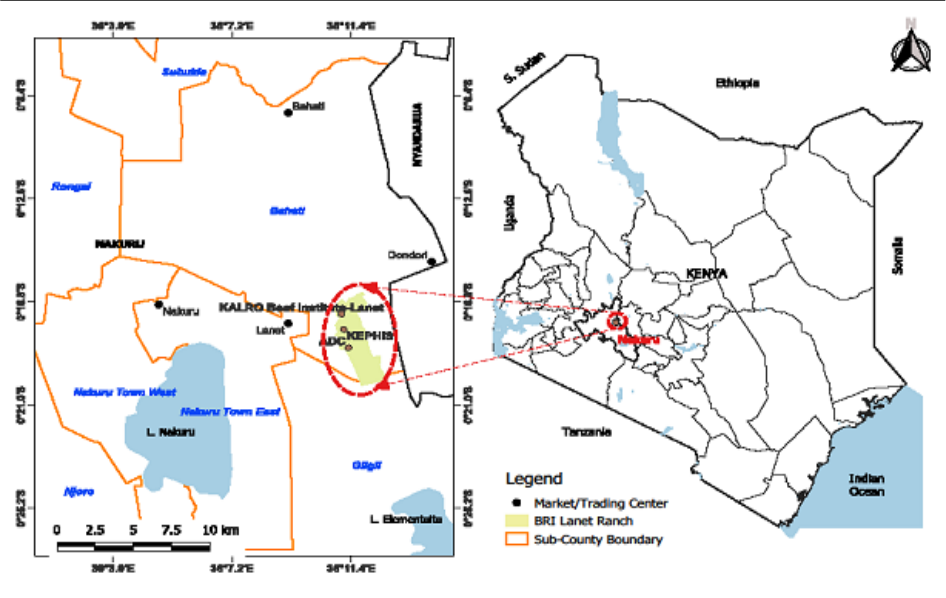 Figure 1
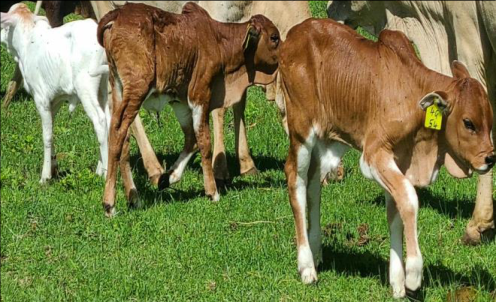 Plate 1
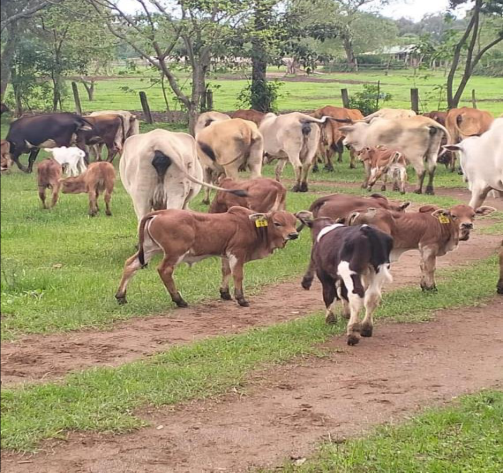 Plate 2
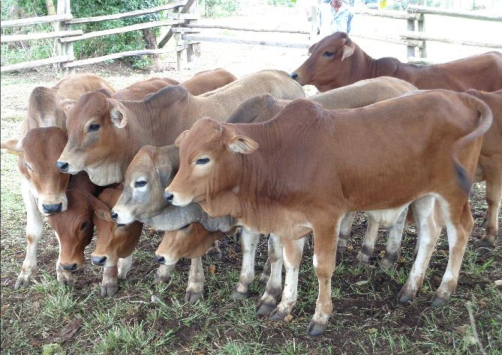 Plate 3
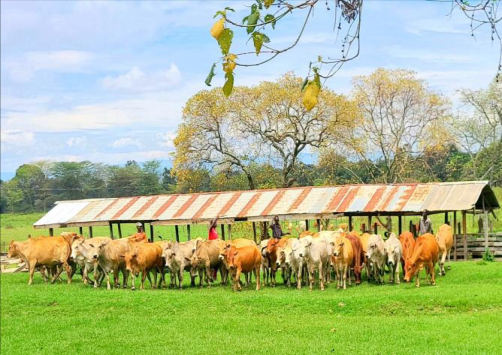 Plate 4
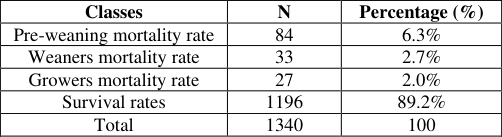 Table 1
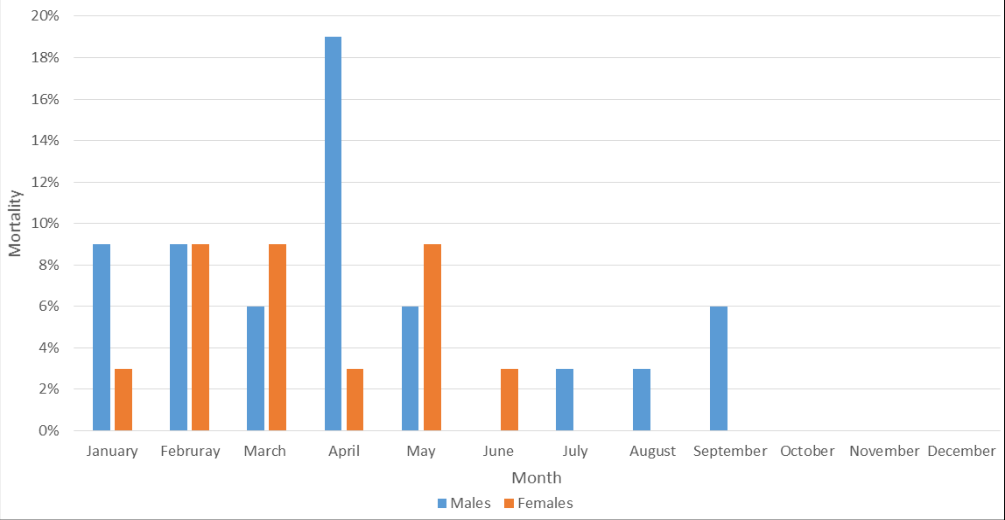 Figure 3
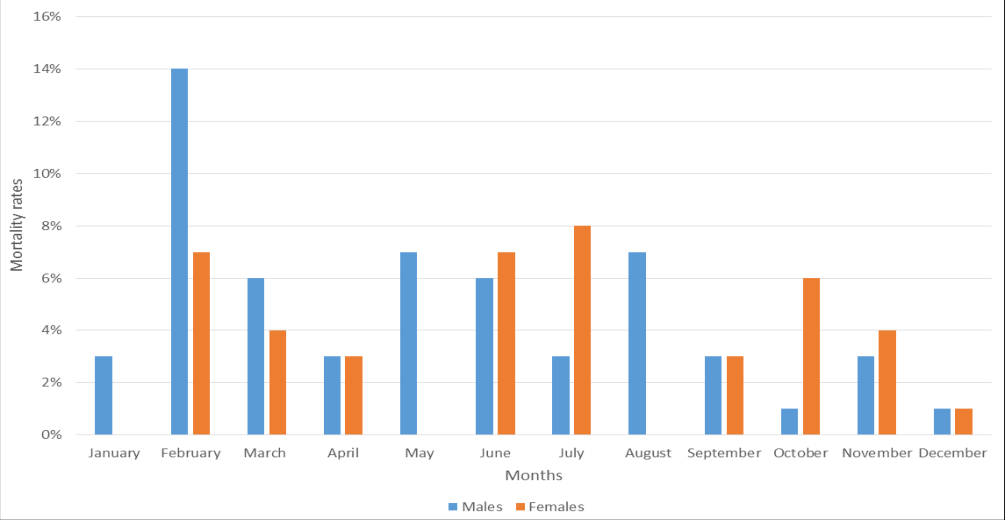 Figure 2
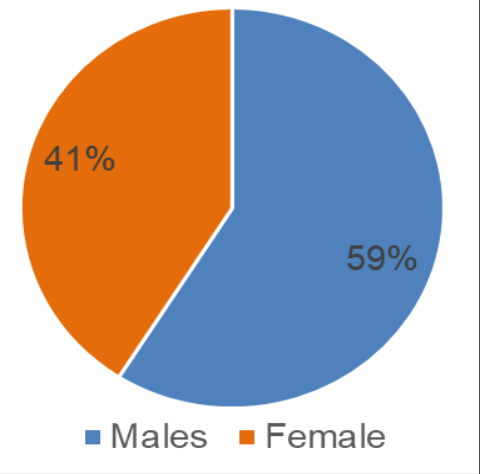 Figure 5
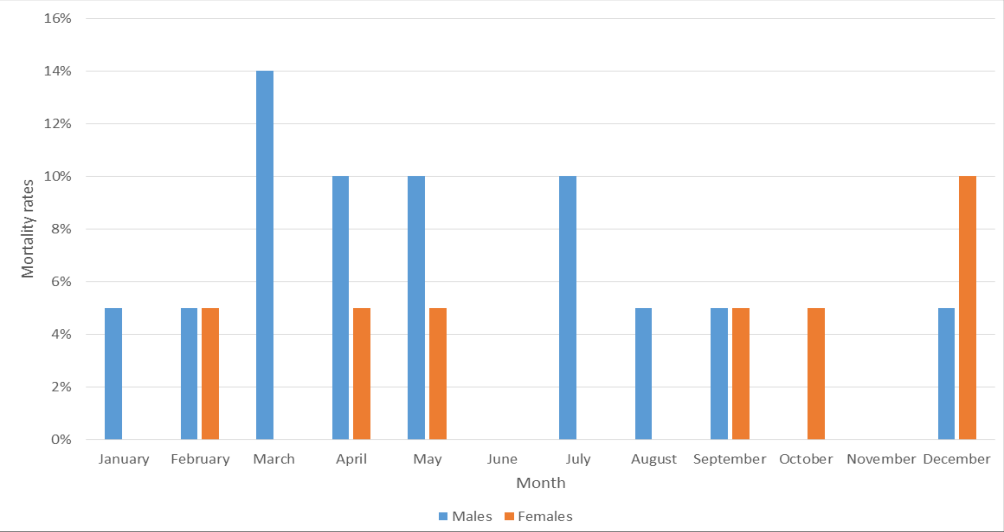 Figure 4
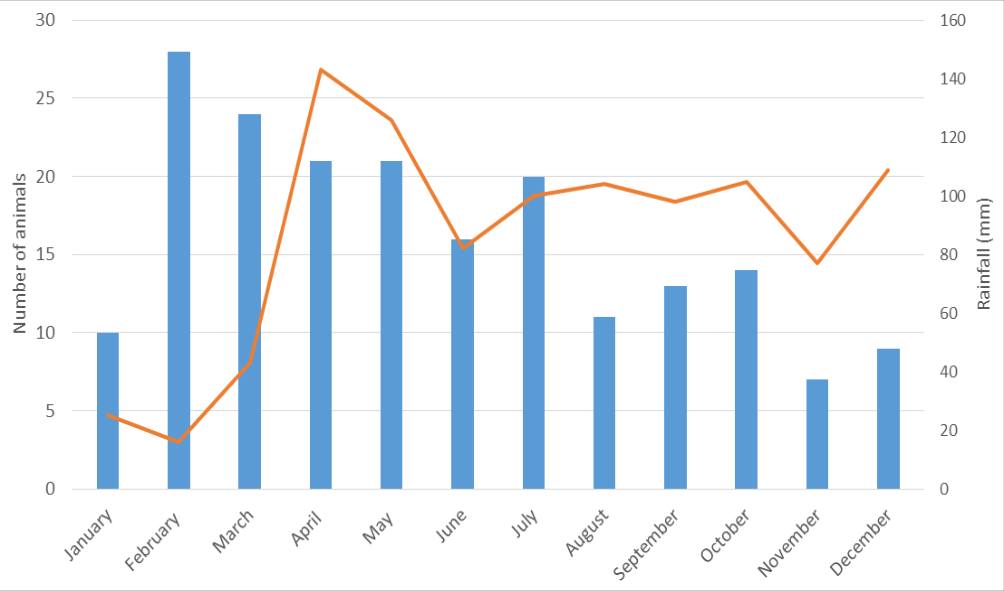 Figure 6
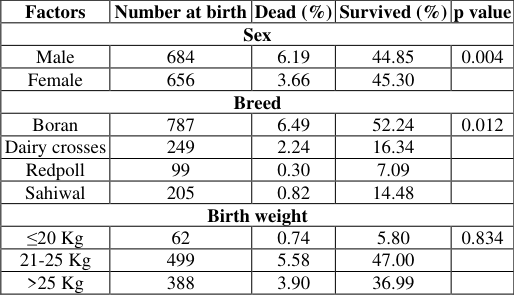 Table 2
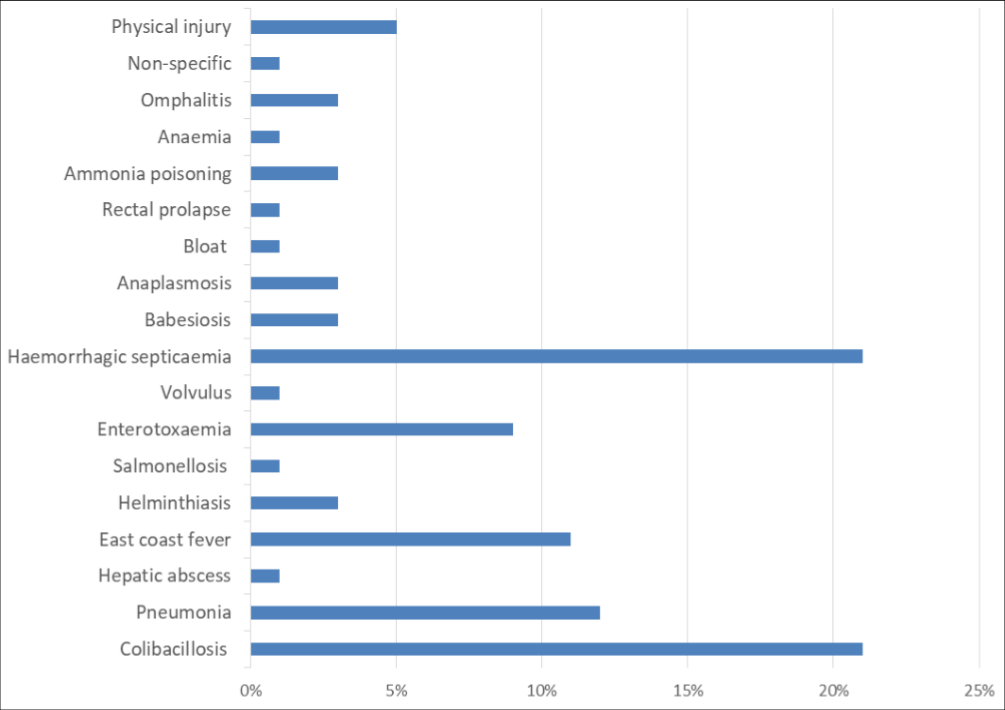 Figure 7
Introduction
The livestock sector contributes 12% to the national Gross Domestic Product (GDP) and 42% of the agricultural GDP in Kenya (Engida et al. 2015) [9]. 38% of Kenyan households keep beef cattle with a total of 13.5 million heads, providing them with benefits such as income, food and employment opportunities in slaughterhouses and breeding stock (FAO, 2018; KNBS, 2019; Nyariki and Amwata, 2019) [10,24,38] . The majority of beef cattle production in Kenya is under pastoral production system which is constrained by high calf mortality rates (upto 35%), slow growth rates, poor cattle breeds, disease prevalence, feed deficit caused by climate change among others (Abebe et al., 2022) [1] . Consequently, this results to slow herds growth, high mortalities, slow reproductive maturity, poor carcass quality and reduced profitability from the beef cattle entreprise. Under ranching conditions, pre-weaning mortality rates were reported to be between 11.93 -24.50% in Kebamo et al. (2019) and Uza et al. (2005) [22,54] . High mortality rates reported in various beef cattle production systems in Kenya could be due to occurrence of diseases and lack of feeds and water during drought seasons, poor management techniques and predation among other factors. High calf mortality rates could lead to loss of valuable genetic material, increased operational costs and reduced profitability in beef cattle production. Beef cattle production is a viable enterprise if modern technologies that would reduce calf mortality rates are adopted i.e., appropriate production systems, disease risk management, improved feeds and nutrition, herd management and keeping of improved climate smart beef breeds. Kenya is a red meat deficit country with a beef supply deficit of about 100, 000 metric tonnes with the current beef demand estimated to be 705, 000 metric tonnes (KMT, 2019) [23] , and is expected to grow due to increase in human population (Mwangi et al., 2010) [34] . Achievement of lower mortality rates for calves, weaners and other growing cattle will improve supply of the ever increasing demands for domestic and export markets. Pastoral production land use system in Kenya, in southern rangelands had changed in the past from communal land ownership to communal commercial large scale ranches and later sub-divided into individual ownership for intensive use (Waller, 2014) [56] . Similar changes are expected in Northern Kenya ASALs Counties in future due to increasing pressure from climate change that is threatening to end traditional pastoralism. The traditional pastoralism could evolve to more sedentrilised livestock production system with manageable and improved herds utilizing modern beef husbandry techniques. Thus results and recommendations of this study could be used by pastoral ranches and large scale farms.
Materials and Methods
Materials and Methods
Study area
The study was conducted in Kenya Agricultural and Livestock Research Organization -Beef Research Institute in Lanet, Nakuru County, Kenya which is situated in Agro-Ecological zones 3 and 4 (Wasike et al., 2007) [57] . The mean annual rainfall in Lanet is 800 mm and diurnal temperatures between 14-26 °C. Cattle are reared under ranching conditions with improved Boran cattle as the main breed and their crosses. Purebreeding is carried out for maintenance of pure lines for the improved boran breed and also for its conservation. Crossbreeding between improved Boran with Sahiwal, Redpoll, Brahman and Friesian is done through natural mating method for development of intermediate breeds with high meat and milk outputs and also adaptable to climate change and ASALs conditions of Kenya. The breeds that were considered in this study were improved Boran and its crosses with Sahiwal, Redpoll, Ayrshire and Fresian. The improved Boran reared in the institute ranch are registered with Kenya Stud Book through boran cattle breeders association (BCBA). Improved Boran and its crossbreds have climate smart and resiliance characteristcs such as adaptability to high environmental temperatures, good browsing abilities and efficient conversion of poor quality feeds. A map of the study area is shown in Figure 1.
Management of animals under ranching conditions in Lanet, Kenya
The beef cattle are reared under ranching conditions whereby forages such as Chloris gayana, Pennisetum clandestimun, Themeda triandra, Brachiaria brizantha, Sporobolus pyramiradis, Indigofera arrecta, Cynodon dactylon, Desmomdim intortum and Trifolium semi-pilosum are the dorminant species in the ranch. Grazing animals access water for their daily requirements from springs and water pans strategically developed in the grazing fields. The ranch uses open nucleus breeding design whereby registered elite bulls are sourced from reputable ranches as a way also of controlling levels of inbreeding. Contionus breeding is practiced whereby calves are born throughout the year. To ensure proper identifican of the calves at birth, the following important records are taken: date of birth, breed, sire, dam, coat colour and birth weight. The calves are tattoed and ear-tagged (Plate 1) immediately after birth for proper identification.
Plate 1: Newly born ear-tagged calves
Cow-calf rearing system (birth-7 months)
The cow-calf system is a common practice in raising beef cattle calves where calves run with the mother from birth until the time of weaning at 7 months as shown in Plate 2. With this practice at Beef Research Institute ranch, calves attain a third of dams body weight at 7 months of age i.e about 167 kgs. The calves remain and graze with their dams until they reach 7 months, when they are weaned. This system exposes the calves to adlib milk suckling and early forages access which fosters faster rumen development and faster growth rates. The cow-calf system ensures that calves suckles during the day which ensures adequate nutrition is provided to the calves to facilitate attainement of the desired weight at weaning age. For the dairy crossbred calves, they are fed with colostrum for about 5 days after which they are bucket fed with whole dam milk at 10% of the body weight for 3-4 weeks and slowly reduced as they start taking adequate water and solid feeds. Gradual adjustments of the milk quantities are done depending on the age of the calf where the quantities are reduced as the calves grows towards weaning. All the calves apart from dairy crosses graze with the dams on natural pastures and supplemented with mineral salts. All the calves are weaned after 7 months after which male and female weaners are kept separately.
Weaners management (8-12 months)
Weaning is done at 7 months of age and usually weaned calves experience stress due to withdrawal of constant suckling/feeding of milk from the dams. Improved Boran calves that have been weaned are shown in Plate 3. In order to reduce stress among the weaned calves, they are fed on high quality rhodes grass hay (Chloris gayana) and mineral salts ad libitum and also supplemented with weaners pellets. After weaning, they are confined in paddocks for 3 weeks before joining the other weaners herds whereby they graze in the fields at a proximate distance of 2-3 kilometres within the ranch between 7.30 am to 5.00 pm. The weaners then gradually adapts to the new regime of grazing on natural pastures on their own. During this period, the weaners are also branded for permanent identification in addition to tattooing and ear-tagging that is done at birth.
Heifers management
The heifers that are ready to join respective breeding herds are selected based on age (20-24 months), body weight (about 270 kgs), structural soundness such as appropriate feet and back, colour and blood lines. Heifers join the breeding herds based on their specific breeds whereby pure bred improved Boran heifers are only mated to pure bred improved Boran bulls. For the crossbreds, bulls belonging to the different breeds such as Sahiwal or Redpoll are mated to the improved Boran heifers or crossbred heifers. The breeding bulls remain in the breeding herds through out the year under continuous breeding program at a bull to cow ratio of 1:50 as long as it is fit to breed.
Male growers management
After weaning, the male weaners that meet the breed-specifc standard are selected for rearing as breeding bulls. The selection criteria has been defined based on specific characteristics and body structural soundness. By the time they reach 1 year, the weaners have already adapted to feeding on their own grazing practice on natural pastures. The males that attain the selection criteria continue grazing on natural pastures for about 3 weeks before joining the mature bulls as registered or commercial bulls. During this period, monthly live weights are taken to monitor the growth trends of the males just before maturity. Additionally, scrotal measurements are taken at weaning, 1, 2 and 3 years for since the testicular parameters are indicators of bull fertility and can be used in selection of best bulls for breeding. When the bull reaches 3 years, they are ready to be availed to farmers for breeding. At this stage, the bulls are also eligible for registration with the Kenya Stud Book.
Steers management
Immediately after weaning, male calves that are suitable for breeding are evaluated and selected based on breed-specific selection criteria. The males that do not attain the selection criteria are castrated and continue grazing on rhodes grass hay for about 3 weeks before joining the steers herd. The steers continue grazing on natural pastures whereby they are provided with clean water and mineral salts adlib. The steers are supplemented with rhodes grass during dry seasons. When the steers reach about two and a half years they are finished in a feedlot system in which they are fed with quality feeds (Total mixed rations based on silage or Rhodes grass hay) that provide sufficient proteins and energy for a period of three months after which they are sold. The finishing in a feedlot system ensures that they attain an average daily weight gain of 1kg per day. This is monitored through taking the initial live weights and weekly weighing of the steers.
Data source and statistical analysis
Data that had been recorded between 2014 and 2021 was retrieved from beef herds database to evaluate the pre and post-weaning calf mortality rates. When the animal dies, they are sent to national laboratory to know the cause of the mortality. The results from the lab was used to compile the data on mortality annually and its causes. Veterinary investigation laboratory results were used to collect information on animal identification, age of the animal, sex, breed, date and cause of death. A total of 144 deaths were identified from a total of 1340 births between 2014 to 2021 for animals between 0-2 years across the breeds. The data was initially recorded in MS Excel which was used for graphic presentation of the results. The data was further transferred to SAS version 20 for logistic regression analysis where effects of birth weight, breed and sex on mortality was evaluated at p≤0.05.
Results and discussion
Results and discussion
Mortality rates before and after weaning
The mortality rates for pre-weaned calves, weaners and growers stages are shown in Table 1 below. The highest death rates occurred before weaning (6.3%), weaners (8 months-12 months) at 2.7% and growers (between 12-24months) at 2.0%. The pre-weaned calves had a higher mortality rates as compared to post-weaned ones. A similar trend of higher preweaned mortality rate in comparison to post-weaned mortality rate was reported by Kebamo et al. (2019) [22] , where a preweaned and post weaned mortality rates of 13.2% and 11.2% respectively was observed in Ethiopian Boran calves under ranching production system. The pre-weaned mortality rate in the current study (6.3%) was lower as compared to 13.3% reported by Kebamo et al. (2018) [22] .
| Classes | N | Percentage (%) |
|---|---|---|
| Pre-weaning mortality rate | 84 | 6.3% |
| Weaners mortality rate | 33 | 2.7% |
| Growers mortality rate | 27 | 2.0% |
| Survival rates | 1196 | 89.2% |
| Total | 1340 | 100 |
Table text extracted from the original PDF; superscript letters are shown inline. The original table image is below.
View original table image
Higher mortality rates (11%) have been recorded for suckling calves for cattle reared under small-holder crop-livestock systems in Zimbabwe. The high rates of mortality under small-holder production system could be attributed to the management levels in terms of health and feeding among other factors. High pre-weaning mortalities are associated with the fact that the immunity of the calves is still developing and also the extent of transfer of antibodies to the calves which requires that for optimal antibodies transfer, the young ones should be fed with adequate colostrum within 24 hours of birth (Godden 2008 [15,16,22,48] . The pre-weaning mortality rate in the current study was slightly above the value of 5% as recommended by Moran (2012) [31] , although in dairy cattle. This implies that there is a need to strengthen calf management practices from birth to weaning through strategies such as feed supplementation of the lactating dams especially during the dry seasons to ensure adequate supply of milk to the suckling calves and timely colostrum suckling especially among calves that are born weak or premature. This will play the role of controlling growth depression and reduced levels of calf mortality.
The post weaning mortality rates however, were within the recommended rates between (3-5%) by Radostits et al. (1994) [45] . This means that the post-weaning feeding and health management and other management practices at Lanet ranch are within the desirable levels or standards for beef production and also is attributed to the developed immune system for the growing animals. Higher mortality rates (8.7% and 6.3%) for animals upto 1 year have been recorded under ranching conditions for Africander and Tswana cattle respectively in Botswana Trail et al. (1977) [53] . High calf mortality rates (upto 16%) have been reported under ranching conditions in Uzza and Abdullahi-Adee (2005) [54] in Nigeria where calf mortality rates of 20.69, 17.80 and 11.93% were reported in government, research and private ranches respectively. ILCA (1991) [6] , recorded a calf mortality rate upto 60% among the Maasai community cattle under pastoral production in Kenya during the years which was associated with diseases and malnutrition. Mortality rates upto 30% have been reporterd in Amboseli in Kenya where cattle are reared under group-owned ranches (Nkedianye et al., 2011) [35] .
Mortality rates among Calves
Mortalities for calves (0-7 months) occurred throughout the whole year from January to December. This could be due to the fact that their immunity is still developing and therefore the calves are more susceptible to many diseases. According to Riley et al. (2004) [47] , the window of disease susceptibility of the calves is usually high a few weeks after birth and before weaning. This is the period where active immunity is developing, an activity which occurs upto when the animal reaches the sexual maturity stage. Increased susceptibility of calves to pathogens also happens when there is a failure of transfer of passive immunity from the dam to the calf (Godden et al., 2019) [16] . This happens as a result of low intake of colostrum at birth which could eventually lead to high calf mortality (Raboisson et al., 2016) [44] . Highest number of mortalities being in February could be attributed to insufficient pastures for the dams as shown in Figure 5, which in turn leads to inadequate supply of milk and colostrum to the calves. This could consequently compromise the immunity of the calves due to insufficient provision of nutrients from the milk and the pastures. Moreover, occurrence of more mortalities in July which is mostly the coldest month of the year, can be taken to be as a result of cold weather and housing (for dairy crossbred calves) being a pre-disposing factor to occurrence of diseases such as pneumonia due to the weather being favourable for multiplication of pathogens (Mellado et al., 2014) [30] .
Mortality rates among Weaners
Calves died throughout the year in comparison to weaners. There were no mortalities for weaners in October, November and December. More mortalities for weaners occurred between January and May due to prevailing dry season and pasture regenerating. The higher death rates between January and May could be associated with deficit and poor quality pastures and weaning stressors for the weaned calves among other factors. Weaning, the separation of the calf from the dam, has the effect of discontinuation of milk access by the calf. It has been reported to have some negative effects on the calves such as reduced intake of feed, reduced live weight and susceptibility to diseases (Freeman et al., 2021) [12] . According to Lamidi and Ologbose (2014) [29] , poor quality pastures also increases the susceptibility of cattle to diseases. This is because the pastures are more fibrous, have low levels of nutrients and reduced levels of utilization during dry periods.
Mortality rates among Growers
The mortalities for growers (1-2 years), occurred throughout the year except in June and November, without a particular trend (Figure 4). The highest mortality rate for this age category was in March which could imply that the quality of pastures as influenced by the amount of rainfall had an impact on the susceptibility of the cattle to diseases. The low levels of rainfall were in January, February and March as shown in Figure 6. The relatively lowest rates of mortalities for this age category as compared to calves and weaners can be attributed to the reason that the rumen of the cattle is fully developed, and immunity is well developed to fight against diseases.
Comparison of mortality rates among males and females
Mortality rates for males and females are shown in Figure 5. Generally, more males died than females. This was similar to what was recorded by Patterson et al. (1987) [43] for beef cattle under range management system. Staley and Bush (1985) and Khan and Khan (1991) [50,27] have stated that there is less absorption of serum immunoglobulins in males as compared to females which are required for protection against diseases. Due to competition between immunoglobulins and microorganisms for a common intestinal receptor, males become more immune deficient than females and therefore they become more prone to diseases that are caused by bacteria. Hyde et al. (2019) [19] , also reported higher mortalities in males as compared to females although this was in dairy farming which was associated with females having a tendency of being given more care than the males. Azzam et al. (1993) [4] , states that males have a tendency to have high mortalities in comparison to females even when some factors such as dystocia and the birth weight have been accounted for.
Total monthly mortalities in relation to the rainfall from January to December
The mortality and average monthly rainfall levels are shown in Figure 6. More mortalities occurred during driest months of the year (February and March). The mortalities reduced after the onset of rains in April. The mortalities reduced during rainy season (between April and June) after which they increased in July. There was an increament in mortality levels between August and October which was followed by a reduction from November to January. The highest number of mortalities occurring in February and March as shown in Figure 6, is an indication that availability of quality feeds affects survival of the calf as a result of sufficient nutrition to the dams which in turn provide enough milk and colostrum for the calves especially for the pre-weaned calves. Therefore, although, supplementation is done at the ranch during the dry seasons, it might not be sufficient. According to Uza and Abdullahi-Adee (2005) [54] , unavailability of quality feeds and reduced feed intake during dry months of the year could be the cause of high rates of mortalities for calves and growing cattle during dry periods in February and March. During dry periods, the pastures are mostly fibrous and have reduced protein levels (Branco et al., 2014; Valente et al., 2014) [55,7] . This can lead to lowered immunity of the animals and make them more susceptible to diseases. This was similar to what was found by Uza and Abdullahi-Adee (2005) [54] whereby more mortalities occurred in dry seasons of the year.
Insufficient availability of quality feeds during dry periods neccessitates supplementation of the different categories of cattle with sufficient feed that will meet their nutritional daily requirements based on the recommendations by NRC (2000) [36] . NRC (2000) [36] recommends 18-20% crude protein (CP) and 4.5-4.8 Mcal/kg metabolizable energy (ME) in milk or milk replacer for calves. Calf starters should contain 14-16% CP and 2.5-2.8 Mcal/kg ME NRC (2000) [36] . For weaners, the NRC (2000) recommends 16-18% CP and 2.5-2.8
Mcal/kg ME in starter feeds. Grower rations for weaners should provide 14% CP and 2.2-2.4 Mcal/kg ME [36] .
According to the NRC (2000) [36] , grower rations for 12-24month-old cattle should contain 12-13% CP and 2.0-2.2
Mcal/kg ME. Minimum fiber recommendations for weaners and growers are 75% neutral detergent fiber (NDF) in the total ration NRC (2000) [36] . Higher death rates experienced in May, June and July is also an implication of how some diseases could have high prevalences due to cold environmental temperatures for pre and post-weaned calves.
According to [46,14,30] , factors that are related to weather such as extreme cold leads to an increase in pathogens loads and makes the environment conducive for multiplication of microorganisms.
Effect of sex, breed and birth weight on cattle mortality
Effect of sex, breed and birth weight of the calves on cattle mortality rates are shown in Table 2. Sex and breed significantly affected calf mortality. Birth weight of calf however, did not have a significant effect on mortalities at p≤0.05 with P values at 0.004, 0.012 and 0.834, respectively. [30,42] , where sex of the calf was reported to influence the mortality of the animal. A possible explanation to this has been given in Khan and Khan (1991) Staley and Bush (1985) [50,27] , whereby it was recorded that there is less absorption of serum immunoglobulins in males as compared to females which are required for protection against diseases. Since there is competition between immunoglobulins and micro-organisms for a common intestinal receptor, males become more immuno deficient than females making them more prone to bacterial diseases. Ramesh et al. (2002), however found no significant effect of sex on calf mortality in Ongole cattle in India.
| Factors | Number at birth | Dead (%) | Survived (%) | p value |
|---|---|---|---|---|
| Sex | ||||
| Male | 684 | 6.19 | 44.85 | 0.004 |
| Female | 656 | 3.66 | 45.30 | |
| Breed | ||||
| Boran | 787 | 6.49 | 52.24 | 0.012 |
| Dairy crosses | 249 | 2.24 | 16.34 | |
| Redpoll | 99 | 0.30 | 7.09 | |
| Sahiwal | 205 | 0.82 | 14.48 | |
| Birth weight | ||||
| ≤20 Kg | 62 | 0.74 | 5.80 | 0.834 |
| 21-25 Kg | 499 | 5.58 | 47.00 | |
| >25 Kg | 388 | 3.90 | 36.99 |
Table text extracted from the original PDF; superscript letters are shown inline. The original table image is below.
View original table image
The breed of the calf had a significant effect on calf mortality which was in harmony with Debnath et al. (1990) [8] . Improved Boran, Sahiwal X improved Boran, Redpoll X improved Boran and Dairy crosses breeds were the breeds in consideration in this study. The significant effect of the breed is as a result of the indigenous improved breeds such as improved Boran and Sahiwal which have been developed for tropical conditions having better adaptability to environmental and climatic conditions in comparison to exotic breeds and their crosses (Debnath et al. 1990) [8] . In Pathak et al. (2018) [42] , however, non-significance of genetic groups on mortality rates on Jersey crossbred calves of different ages was reported. Higher mortality rates were reported for crossbred calves at 75% exotic and 25% local as compared to crossbreds at 50% local breeds. Birth weight did not have a significant effect on mortality of the calves. This could be because of the small number of calves that were ≤20 kgs as compared to the other categories. It could also be due to the fact that most of the calves belonged to improved Boran cattle which have relatively lighter calves at birth (an average of 25 kgs) and therefore seldomly experience calving difficulty which is one of the factors that can lead to calf mortality at an early age. Improved Boran cattle do not usually experience calving difficulty even when crossed with large breeds (Were et al., 1973) [58] . Birth weight was found to have a significant effect on mortality in Hight (1966) [17] which was associated with reduced stimulation to suckle and resistance to exposure which leads to higher mortality rates. Pathak et al. (2018) [42] reported that calves that weighed fifteen kilogrammes or less had a higher risk of more mortality rates in Jersey cattle.
Common causes of mortalities
The common causes of pre-weaned and post-weaned mortality rates are presented in Figure 7 below. The five most common diseases were Colibacillosis (21%), Haemorrhagic Septicaemia (21%), Pneumonia (12%), East Coast Fever (11%) and Enterotoxaemia (9%). Bloat, rectal prolapse and anaemia were among the least common causes of mortalities, at 1% level for all of them. High mortalities resulting from alimentary tract infections (colibacillosis) was similar to what was found in Mulei et al.
(1995) [32] for calves that were mainly composed of dairy breeds in intensive and peri-urban areas in Kenya. According to Bashahun and Amina (2017) [5] , collibacillosis is one of the most common causes of calf mortalities in cattle herds and could be prevented and controlled through proper timely colostrum feeding, improvement of calving hygiene conditions and active immunization of the in-calf dams inorder to stimulate the development of antibodies against bovine rotavirus. Haemorrhagic septicaemia which is the response of the body to infectious pathogens or their toxins that is not regulated was also found to be a major cause of mortalities in Ferede et al. (2014) [11] for smallholder crossbred dairy calves in North West Ethiopia. Pas et al. (2023) [41] also reported Septicaemia as a major cause of mortality in mainly less than one month old calves which mainly belonged to beef breeds. This can be prevented through prompt treatment of wounds, regular removal of objects that can cause physical injury to animals, proper handling and use of antiseptic sprays on animals during disbudding and dehorning of the cattle. Pneumonia has also been found to be a common cause of death especially in young calves in Gitau et al. (2010) [13] for calves raised in peri-urban areas in Nairobi, Kenya. Occurrence of pneumonia is attributed to stresses such as withdrawal of the calves from their dams during weaning, dust, cold among others and is caused by various bacteria and viruses (Panciera and Confer 2010; Taylor et al., 2010) [40,51] . The sources of stress, increases the susceptibility of young cattle to opportunistic infections through hindering the calves immune system and alterations in the respiratory mucosa.
Taylor et al. (2010) [51] , however, reports that there is still more research that needs to be done on predisposing factors for pneumonia disease. In Hordofa et al. (2021) [18] , pneumonia was also reported as a major cause of calf mortality in dairy cattle under zero-pasture production system in Southern Ethiopia. It can be prevented and controlled through proper housing and vaccination of calves. East Coast Fever (ECF) has a tendency to cause high mortality rates especially in cattle that are below six months [39] as the immune system is still developing in young animals. In a study conducted in Ol Pejeta Conservancy in Kenya by Afonso (2023) [2] , more mortalities occurrence was associated with rainfall patterns whereby it was reported that ECF cases were more during rainy seasons which could imply that the control of ticks should be increased during wet seasons. In another study that was done under pastoral and agro-pastoral systems in North Rift province in Kenya by Kipronoh (2009) [28] , mortality rate due to ECF was 23%, 11% and 9% for calves, weaners and mature livestock respectively. Thumbi et al. (2013) [52] has reported a mortality rate of upto 40% in Kenya under mixed crop-livestock production system. This can be prevented through use of acaricides for tick control, restriction of cattle movements and vaccination (Musisi 1990; Nanteza et al., 2023) [37,33] . Annual Vaccination programme against ECF was introduced in BRI in the year 2016. Which implies that the high number of ECF cases in this study could be associated more with the period before introduction of the vaccine. Enterotoxaemia has been recorded as one of the major causes of mortalities in intensively reared dairy cattle heifers in Ismail and Muhaffel (2022) [21] . According to Goossens et al.
(2014) [14] , enterotoxaemia usually accounts for more mortalities especially in beef cattle production systems in comparison to dairy and mixed farming. Enterotoxaemia can be prevented through vaccination and improvement of general calf management practices since treatment is usually ineffective (Simpson et al., 2018) [49] . Physical injuries happen due to animals' injuring one another, sharp and blunt objects and also improper handling (Alam et al., 2010) [3] . This can be prevented through some practices such as proper handling of animals during various farm operations such as treatment, deworming and removal of sharp and blunt objects which could cause injuries to animals.
Injuries have been recorded in Kersalke et al. (2018) [25] as one of the factors that cause economic costs in dairy cattle farming due to culling and mortalities.
Conclusion
From the results, the pre-weaning mortality rates are slightly above the recommended levels which is associated with lower ability of the calves to fight diseases as the immunity is still developing.
On the other hand, post-weaning mortality rates were lower and within the recommended levels. Higher mortality rates were observed during the dry seasons of the year as compared to wet seasons due to limited feeds supply. It is concluded that the mortality rates for growing cattle in all age categories in this study are within levels that will ensure desired herd growth, genetic progress and positive economic returns under the current production system. Some adjustments in management practices for pre-weaned calves however needs to be made.
Recommendations
For calves from birth to 7 months: adequate passive immunity building via quality colostrum feeding in the first 24 hours of life should be ensured and feeding containers such as buckets and bottles and calf housing should be maintained under high hygienic conditions. For weaners; Adequate supplementation should be done immediately after weaning with feeds that supply daily nutritional requirements to avoid weaners depression. The common diseases can be controlled through prompt treatment, timely vaccination and proper housing.
Acknowledgement
The authors gratefully acknowledges Mr. Ali Godana, Mr. Ambrose Molu and Mr. Rono who are foremen in the ranch and all the livestock herders in Beef Research Institute for assisting during data collection.
Conflict of Interest
Conflict of Interest
Figures and tables from the paper
References
47 in the original paper- Alam MR, Gregory NG, Jabbar MA, Uddin MS, Kibria AS, Silva-Fletcher A. Skin injuries identified in cattle and water buffaloes at livestock markets in Bangladesh. Vet. Record. 2010;167(11):415-419.
- Azzam SM, Kinder JE, Nielsen MK, Werth LA, Gregory KE, Cundiff LV, et al. Environmental effects on neonatal mortality of beef calves. J Anim Sci. 1993;71(2):282290.
- Bashahun GM, Amina A. Colibacillosis in calves: A review of literature. J Anim Sci Vet Med. 2017;2(3):6271.
- Branco AF, Moreli G, Jobim CC, Cecato U, Guimarães KC, Teixeira S. Performance of Nellore steers grazing on Panicum maximum Jacq cv. Mombaça receiving chopped sugar cane tops and protein supplementation. Acta Sci Anim Sci. 2010;32(4):455-460.
- Debnath NC, Sil BK, Selim SA, Prodhan MAM, Howlader MMR. A retrospective study of calf mortality and morbidity on smallholder traditional farms in Bangladesh. Prev Vet Med. 1990;9(1):1-7.
- FAO. Africa Sustainable Agriculture 2050. 2018.
- Ferede Y, Mazengia H, Bimrew T, Bitew A, Nega M, Kebede A, et al. Pre-weaning morbidity and mortality of crossbred calves in Bahir Dar Zuria and Gozamen districts of Amhara region, northwest Ethiopia. Open Access Library J. 2014;1(3):1-8.
- Freeman S, Poore M, Pickworth C, Alley M. Influence of weaning strategy on behavior, humoral indicators of stress, growth, and carcass characteristics. Transl Anim Sci. 2021;5(1)
- Goossens E, Verherstraeten S, Timbermont L, Valgaeren BR, Pardon B, Haesebrouck F, et al. Clostridium perfringens strains from bovine enterotoxemia cases are not superior in in vitro production of alpha toxin, perfringolysin O and proteolytic enzymes. BMC Vet Res. 2014;10(1):1-7.
- Godden S. Colostrum management for dairy calves. Vet Clin North Am Food Anim Pract. 2008;24(1):19-39.
- Godden SM, Lombard JE, Woolums AR. Colostrum management for dairy calves. Vet Clin North Am Food Anim Pract. 2019;35:535-555.
- Hight GK. The effects of undernutrition in late pregnancy on beef cattle production. N Z J Agric Res. 1966;9(3):479-490.
- Hordofa D, Abunna F, Megersa B, Abebe R. Incidence of morbidity and mortality in calves from birth to six months of age and associated risk factors on dairy farms in Hawassa city, southern Ethiopia. Heliyon. 2021;7(12).
- Hyde RM, Green MJ, Sherwin VE, Hudson C, Gibbons J, Forshaw T, et al. Quantitative analysis of calf mortality in Great Britain. J Dairy Sci. 2020;103(3):2615-2623.
- International Development(I-Dev). Kenya livestock and meat market analysis for cattle, goat and sheep. Kenya Market Trust. p.56. 2014.
- Ismail ZB, Muhaffel MM. Dairy calf and replacement heifer mortality on a single intensively managed dairy farm in Jordan: A 3-year-long study (2016-2018). Open Vet J. 2022;12(6):944-950.
- Kebamo M, Jergefa T, Dugassa J, Gizachew A, Berhanu T. Survival rate of calves and assessment reproductive performance of heifers and cows in dida tuyura ranch, borana zone, southern Ethiopia. Vet Med -Open J. 2019;4(1):1-8.
- Kenya Market Trust [KMT]. A Study on Meat End Market Trends in Kenya. 2019.
- Kerslake JI, Amer PR, O'Neill PL, Wong S, Roche JR, Phyn CVC. Economic costs of recorded reasons for cow mortality and culling in a pasture-based dairy industry. J Dairy Sci. 2018;101(2):1795-1803.
- Khadr AM. Outbreaks of pneumonia in beef calves associated with bovine viral diarrhea virus seroconversion and other respiratory pathogens. J Vet Med Res. 2005;15(2):289-294.
- Khan AZ, Khan MZ. Aetiopathology of neonatal calf mortality. J Islamic Ac Sci. 1991;4:159-65.
- Lamidi AA, Ologbose FI. Dry season feeds and feeding: a threat to sustainable ruminant animal production in Nigeria. J Agric Soc Res. 2014;14(1):17-30.
- Mellado M, Lopez E, Veliz F G, De Santiago MA, Macias-Cruz U, Avendaño-Reyes L, et al. Factors associated with neonatal dairy calf mortality in a hot-arid environment. Liv Sc. 2014;159:149-155.
- Moran J. Rearing young stock on tropical dairy farms in Asia. Csiro publishing. 2012.
- Musisi FL. Methods currently used for the control of East Coast fever: their validity and proposals for future control strategies. Parassitologia. 1990;32(1):15-22.
- Mwangi V, Owuor S, Kiteme B, Giger M. Beef production in the rangelands: A comparative assessment between pastoralism and large-scale ranching in Laikipia county, Kenya. Agriculture. 2020;10(9):399.
- Nkedianye D, de Leeuw J, Ogutu JO, Said MY, Saidimu TL, Kifugo SC, Reid RS. Mobility and livestock mortality in communally used pastoral areas: the impact of the 2005-2006 drought on livestock mortality in Maasailand. Pastoralism: Research, Policy and Practice. 2011;1:1-17.
- National Research Council (NRC). Nutrient requirements of beef cattle (7th rev. ed.). National Academy Press. 2000.
- Nanteza A, Nsadha Z, Nsubuga J, Oligo S, Kazibwe A, Terundaja C, et al. Assessment of the Impact of Early Diagnosis and Early Treatment in the Integrated Control of East Coast Fever (ECF) Involving Acquired Immunity Induced by Natural Infection in Ankole Cattle. Pathogens. 2023;12(1):115.
- Nyariki DM, Amwata DA. The value of pastoralism in Kenya: Application of total economic value approach. Pastoralism. 2019;9(1):1-13.
- Oligo S, Nanteza A, Nsubuga J, Musoba A, Kazibwe A, Lubega GW. East Coast Fever Carrier Status and Theileria parva Breakthrough Strains in Recently ITM Vaccinated and Non-Vaccinated Cattle in Iganga District, Eastern Uganda. Pathogens. 2023;12(2):295.
- Panciera RJ, Confer AW. Pathogenesis and pathology of bovine pneumonia. Vet Clin North Am Food Anim Pract. 2010;26(2):191-214.
- Pas ML, Bokma J, Lowie T, Boyen F, Pardon B. Sepsis and survival in critically ill calves: Risk factors and antimicrobial use. J Vet Intern Med. 2023;37(1):374-389.
- Pathak K, Koloi S, Ghosh MK, Karunakaran MK, Mandal A. Genetic analysis of calf survivability in crossbred cattle. Indian J Dairy Sci. 2018;71(6):598-603.
- Patterson DJ, Bellows RA, Burfening PJ, Carr JB. Occurrence of neonatal and postnatal mortality in range beef cattle. I. Calf loss incidence from birth to weaning, backward and breech presentations and effects of calf loss on subsequent pregnancy rate of dams. Theriogenology. 1987;28(5):557-571.
- Raboisson D, Trillat P, Cahuzac C. Failure of passive immune transfer in calves: A meta-analysis on the consequences and assessment of the economic impact. PLoS One. 2016;11(3).
- Radostits OM, Leslie KE, Fetrow J. Health management of dairy calves and replacement heifers. Herd Health. 1994;2:183-214.
- Ramesh K, Sreenivasa MPR, Sarjan RK, Venugopal NK. Calf mortality pattern in relation to age and sex in organized livestock farms in Andhra Pradesh. Indian J of animal sciences. 2002;72(10):921-923.
- Riley DG, Chase CC, Olson TA, Coleman SW, Hammond AC. Genetic and nongenetic influences on vigor at birth and preweaning mortality of purebred and high percentage Brahman calves. J Anim Sci. 2004;82(6):1581-1588.
- Simpson KM, Callan RJ, Van Metre DC. Clostridial abomasitis and enteritis in ruminants. Vet Clin North Am Food Anim Pract. 2018;34(1):155-184.
- Staley TE, Bush LJ. Receptor mechanisms of the neonatal intestine and their relationship to immunoglobulin absorption and disease. J Dairy Sci. 1985;68(1):184-205.
- Taylor JD, Fulton RW, Lehenbauer TW, Step DL, Confer AW. The epidemiology of bovine respiratory disease: What is the evidence for predisposing factors?. Can Vet J. 2010;51(10):1095.
- Thumbi SM, Bronsvoort MB, Kiara H, Toye PG, Poole J, Ndila M, et al. Mortality in East African shorthorn zebu cattle under one year: predictors of infectious-disease mortality. BMC Vet Res. 2013;9:1-14.
- Trail JCM, Buck D, Light TW, Rutherford M, Miller D. Productivity of Africander, Tswana, Tuli and crossbred beef cattle in Botswana. Anim Sci. 1977:57-62.
- Uza DV, Abdullahi-Adee A. Causes and costs of calf mortality at government research and private farms in the dry subhumid savanna zone of Nigeria. Niger Vet J. 2005;26(2):22-28.
- Valente EEL, Paulino MF, Barros LV, Almeida DM, Martins LS, Cabral CHA. Nutritional evaluation of young bulls on tropical pasture receiving supplements with different protein: carbohydrate ratios. Asian-Australas J Anim Sci. 2014;27(10):1452.
- Waller R. Pastoral production in colonial Kenya: lessons from the past?. Afr Stud Rev. 2014;55(2):1-27.
Cited by 9
From OpenAlex, OpenCitations and reference lists read by Scinovex
- Survival analysis and mortality determinants in Boran-Sahiwal crossbred calves under semi-arid pastoral systems in Ethiopia ↗
Tilahun Kebede · Journal of Entomology and Zoology Studies · 2026
Background: Calf mortality is a primary constraint to beef cattle productivity in sub-Saharan Africa, with losses frequently exceeding 20% in pastoral systems. Crossbreeding indigenous Boran with Sahiwal dairy genetics has been promoted as a strategy to enhance adaptive fitness and reduce early-life mortality, yet prospective survival data from Ethiopian pastoral conditions remain limited.Objectives: This research aimed to evaluate survival patterns
- Comparative pre-weaning and post-weaning mortality patterns in purebred versus crossbred Boran cattle on commercial ranches in Tanzania ↗
Paschal Mushi · South Asian Journal of Agricultural Sciences · 2026
Background: Calf mortality during the pre-weaning and post-weaning phases remains a critical determinant of economic viability in commercial beef ranching across East Africa. Crossbreeding indigenous Boran with exotic beef breeds has been advocated to improve survival and growth, yet comparative phase-specific mortality data from Tanzanian ranching systems are limited.Objectives: This research aimed to compare pre-weaning (0-7 months) and post-weaning (7-24
- Seasonal mortality trends and associated risk factors in improved Boran beef cattle under extensive grazing management in Uganda ↗
Dorothy Kato, Patrick Byaruhanga · The Pharma Innovation · 2026
Background: Seasonal fluctuations in forage availability, disease pressure, and environmental conditions impose cyclical stresses on extensively managed beef cattle in sub-Saharan Africa, directly influencing mortality patterns. In the cattle corridor of Uganda, where improved Boran cattle have been introduced to enhance productivity, seasonal mortality dynamics remain poorly documented.Objectives: This research investigated seasonal mortality trends and associated risk factors among improved
- Influence of Breed, Season, Sex, and Parity on Mortality of Holstein Friesian and Brown Swiss Calves ↗
Veysel Fatih Özdemir · Kahramanmaraş Sütçü İmam Üniversitesi Tarım ve Doğa Dergisi · 2025
Bu çalışmanın amacı, sütten kesim öncesi dönemde buzağı ölümleri üzerine mevsim, parite, ırk ve cinsiyetin etkilerini araştırmaktır. Çalışmada Erzurum'da Atatürk Üniversitesi Sığırcılık İşletmesinde doğan ve yetiştirilen 1890 Esmer ve Siyah Alaca ırkı buzağıya ait kayıtlar kullanılmıştır. Çalışmanın verileri SPSS istatistik programında bulunan Ki-Kare testi kullanılarak analiz edilmiştir. Araştırma sonuçları, mevsimin buzağı ölümleri üzerinde istatistiksel olarak önemli bir etkiye sahip olduğunu…
❝ 0PDF - Some Calf Rearing Practices in Horasan District, Erzurum Province: A Survey Study ↗
Veysel Fatih Özdemir, Bahri Bayram, Taner Ciritoğlu · Journal of Agricultural Production · 2025
This study was conducted to determine the calf rearing practices of dairy cattle enterprises in the Horasan district of Erzurum province. To achieve this, data were collected through face-to-face interviews with the owners of 340 farms. The results revealed that 82.4% of farm owners in the district were aware of the importance of colostrum. In addition, 59.1% of farm owners…
❝ 0PDF - Comparative survival analysis of Boran cattle and crossbreds from birth to two years
Thabo L Mokoena, Zanele N Dlamini, P. J. Van der Merwe · International Journal of Statistics and Applied Mathematics · 2025
The genetics of survival in tropical crossbred cattle involves a complex interplay between adaptive and productive traits that standard production metrics often fail to capture. This research applied Kaplan-Meier survival analysis, Cox proportional hazard modeling, and competing risks regression to compare survival trajectories of Pure Boran cattle and four crossbred groups (Boran×Sahiwal, Boran×Simmental, Boran×Hereford, and Boran×Charolais) from birth to two years of age under commercial ranch conditions in the Laikipia highlands of Kenya. A cohort of 1,347 calves born between June 2018 and
- Assessment of risk factors associated with early life mortality in beef cattle in Kenyan ranch systems ↗
Samuel K Byaruhanga, Grace N Akello, Moses T Wabwire, Juliet A Namubiru · International Journal of Multidisciplinary Trends · 2025
Between 10% and 20% of beef calves born on Kenyan commercial ranches never reach their second birthday, yet most ranch management systems treat this attrition as a fixed cost of production rather than a modifiable outcome. This research assessed the risk factors associated with early life mortality (birth to 24 months) in improved Boran beef cattle managed on five commercial
- Influence of genetic crossbreeding on growth and survival in Boran cattle under Kenyan ranch conditions ↗
Tadesse Gemechu, Almaz Bekele, Dawit K Tessema, Meron Y Abera · International Journal of Applied Research · 2025
Crossbreeding indigenous Boran cattle with exotic sire breeds has been widely promoted across East Africa as a strategy to enhance beef productivity, yet the combined effect of genetic background on both growth performance and survival under rangeland conditions remains poorly characterized. This research evaluated the influence of five genetic groups-Pure Boran, Boran×Sahiwal, Boran×Simmental, Boran×Hereford, and Boran×Charolais-on growth trajectories and survival
- Patterns of pre-weaning and post-weaning mortality in Boran beef cattle and their crosses ↗
James Ochieng, Grace Wanjiku Muthoni · Journal of Mathematical Problems Equations and Statistics · 2025
What determines whether a calf born on a Kenyan rangeland survives its first two years of life? This research examined patterns of pre-weaning (0-6 months) and post-weaning (7-24 months) mortality in improved Boran beef cattle and their crosses under ranch management conditions. A total of 1,389 calves from five breed groups-Pure Boran, Boran×Sahiwal, Boran×Simmental, Boran×Hereford, and Boran×Charolais-were monitored from birth