
Research article · 2024 · Full text
International Journal of Veterinary Sciences and Animal HusbandrySedative and analgesic effect of Butorphanol-xylazine-ketamine anesthesia in rabbits
Volume 9(3) · Pages 209–212 · DOI: 10.22271/veterinary.2024.v9.i3c.1385 ↗
Research areasVeterinary Pharmacology and AnesthesiaAnesthesia and Sedative AgentsAnesthesia and Neurotoxicity Research
Abstract
Author-writtenThis study was conducted to evaluate the effects of intramuscular (IM) administration of Butorphanol-Xylazine-Ketamine combination for diagnostic and surgical procedures in rabbits. Five rabbits were included in present study undergoing surgical procedures. Basic physiological parameters, analgesic and sedative scores were recorded at 0, 10, 20, 30, 40, 60. Single intramuscular injection of butorphanol (0.1 mg/kg)-xylazine (5 mg/kg)-ketamine (15 mg/kg) was given. The parameters like rectal temperature (RT), depth and rate of respiration (RR), heart rate (HR), oxygen saturation (Spo2) and reflexes were recorded. Butorphanol found to improve sedation and postoperative analgesia of xylazine-ketamine combination in rabbits.
Summary
Source-checkedPlain-language reading of the full paper, prepared with AI and checked against the text. Each point links to the authors' own words.
Why it matters
- Rabbit anesthesia has historically been challenging in veterinary practice because rabbits exhibit higher mortality rates than other small domesticated animals. View evidence ↗
- While ketamine is used as a dissociative anesthetic, using it alone often results in a persistent pain reflex and inadequate muscle relaxation. View evidence ↗
- Combining opioids with alpha2-adrenergic agonists is considered a multimodal approach that can provide better pain relief and fewer side effects. View evidence ↗
The question
- The study aimed to evaluate the anesthetic and postoperative analgesic effects of a combination of butorphanol, xylazine, and ketamine in rabbits. View evidence ↗
What they did
- The study involved 6 healthy rabbits undergoing surgical procedures at the Bai Sakarbai Dinshaw Petit Hospital for Animals. View evidence ↗
- The rabbits received a single intramuscular injection consisting of butorphanol (0.1 mg/kg), xylazine (5 mg/kg), and ketamine (15 mg/kg). View evidence ↗
- Physiological parameters, including heart rate, respiration rate, rectal temperature, and oxygen saturation, were recorded at 10, 20, 30, 40, and 60 minutes after induction. View evidence ↗
- Sedation was measured using a modified numerical rating scale ranging from poor (0-2) to severe (10). View evidence ↗
What they found
- Heart rate remained stable for the first 10 minutes, then decreased significantly to its lowest mean value of 137.16 bpm at 40 minutes, compared to an initial mean of 176.66 bpm. View evidence ↗
- No anesthetic emergency complications, such as apnea or cardiac arrest, were observed during the study. View evidence ↗
What it means
- The authors conclude that the intramuscular combination of butorphanol, xylazine, and ketamine provides adequate sedation and analgesia for rabbits during surgery. View evidence ↗
Visual summary
3 visualsIllustrations explain the paper; charts are replotted from the paper's own table values.
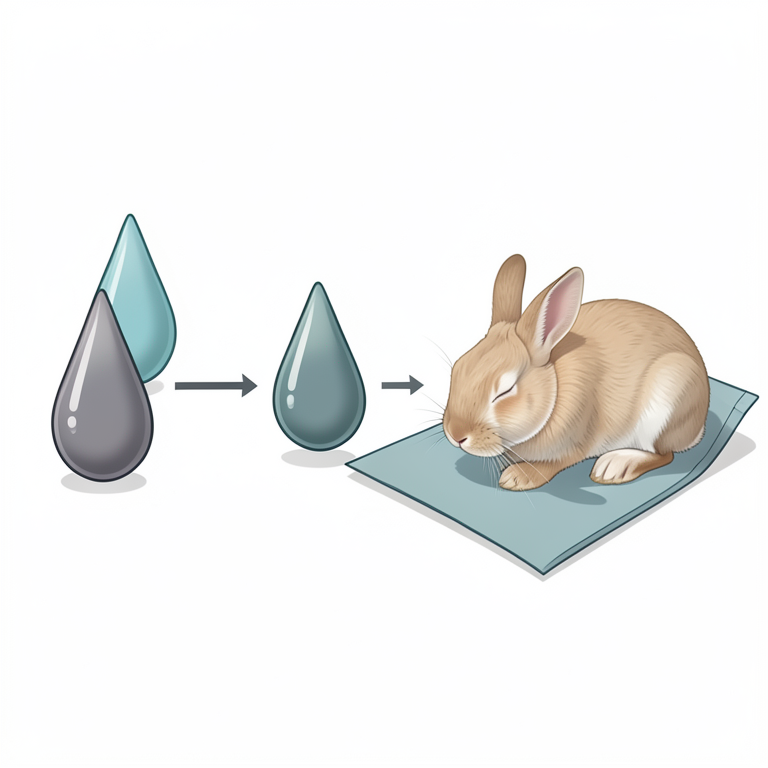
Multimodal Anesthesia Concept
AI-generated conceptual illustration (domestic rabbits). It explains the idea and does not show study data.
View source evidence ↗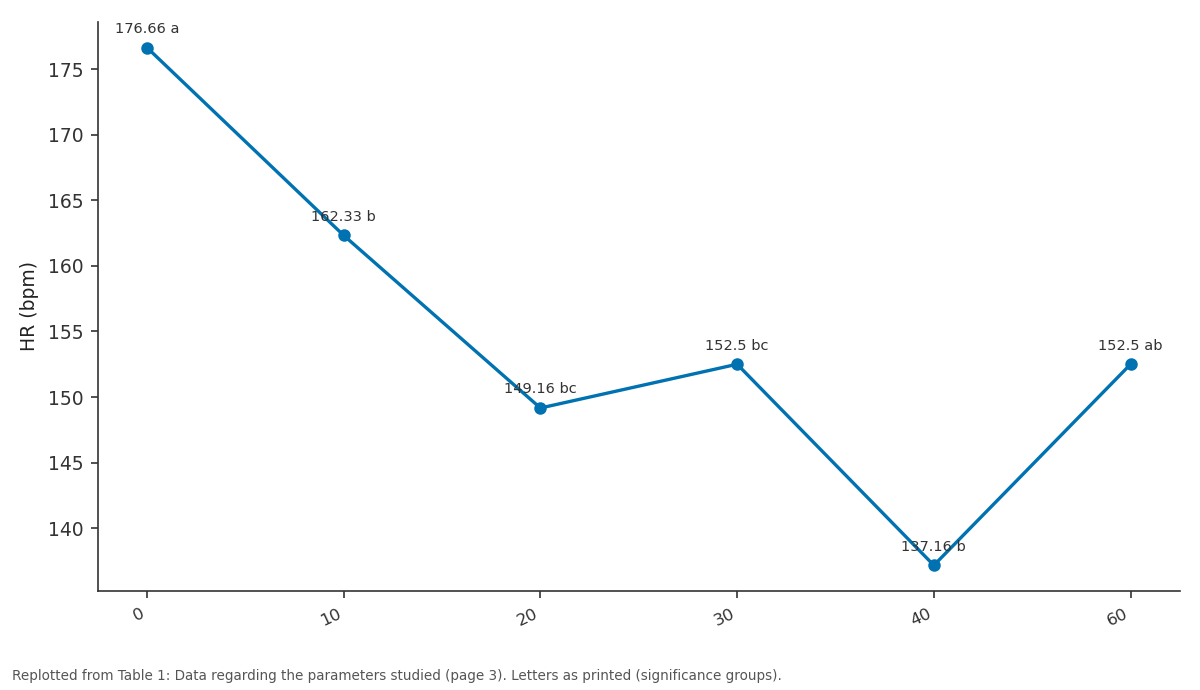
HR / Mean: 0 vs 10 vs 20 vs 30 vs 40
Replotted from Table 1 (page 3) of the original paper. Every bar is the paper's own table value.
View source evidence ↗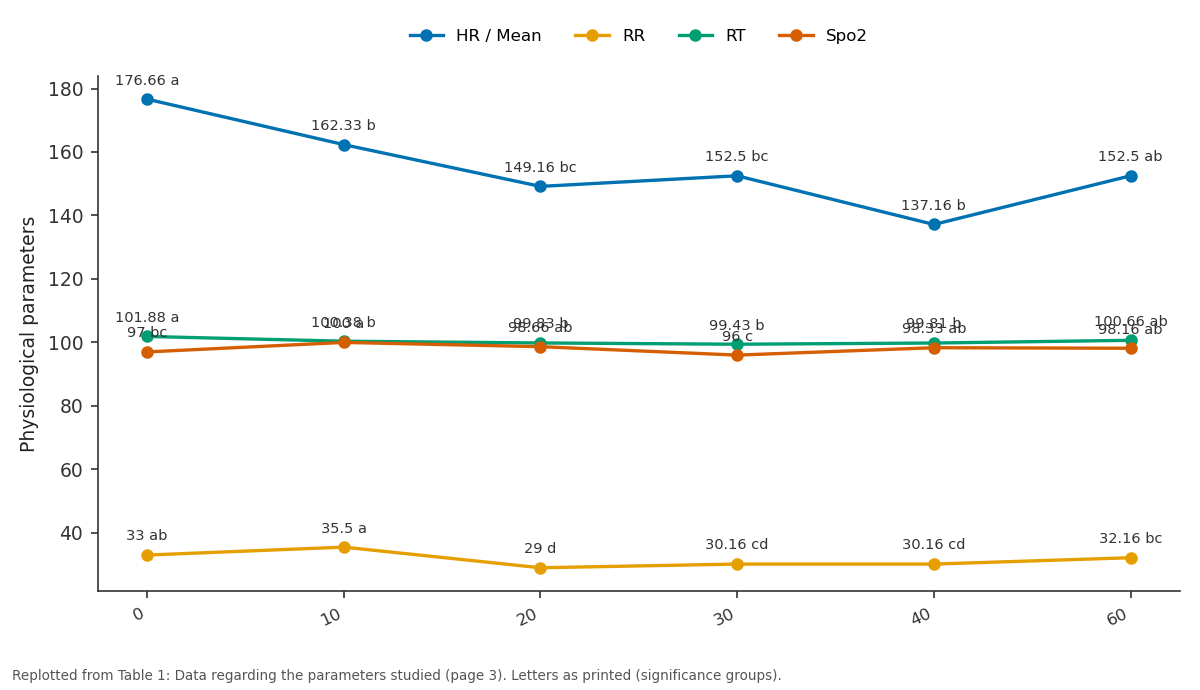
HR / Mean and RR and more: 0 vs 10 vs 20 vs 30 vs 40
Replotted from Table 1 (page 3) of the original paper. Every bar is the paper's own table value.
View source evidence ↗Figures & tables
From the original paper Table 1
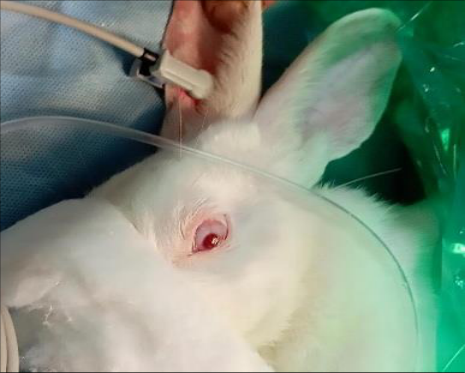 Figure 1
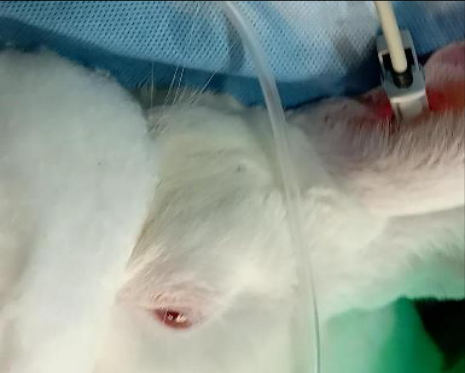 Figure 2
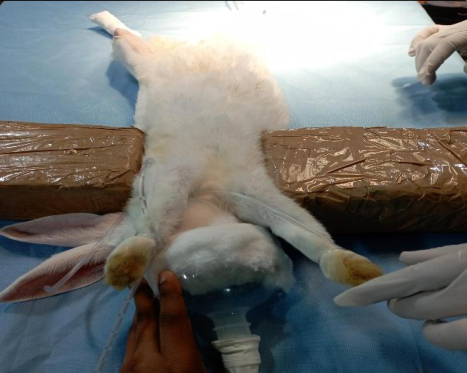 Figure 3
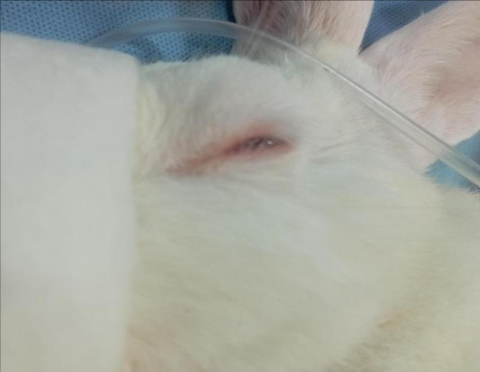 Figure 4
Introduction
For many of years the rabbit anaesthesia was a task and was considered as fear within veterinary practice due to the higher mortality rates seen in rabbits compared to the other small domesticated animal. Nowadays advances being seen in as rabbit medicine and surgery. Anaesthesia is a reversible technique that aims to provide a quick, safe, effective, and affordable means of chemical restraint so that medical or surgical procedures can be carried out with the least amount of stress, pain, discomfort, and hazardous side effects to patients or anaesthetists (Haque and Lucky, 2019) [7] . For successful surgical procedures, anaesthesia is required to establish desired sedation, analgesia, and muscular relaxation (Nesgash et al., 2016) [1] . Ketamine hydrochloride is a dissociative anaesthetic with sympathomimetic action in the central nervous system (CNS). When administered alone, it causes insufficient muscular relaxation and a persistent pain reflex. Muscle hypertonicity, myoclonus, convulsions, and a dose-dependent decrease of heart function are all possible side effects (Mahmud et al., 2014). Therefore, ketamine is usually administered in combination with other medication classes such as benzodiazepines and alpha2 adrenergic agonists to reduce these undesirable and restrictive effects (Özkan et al., 2010) [4] . The combination of alpha2-adrenergic agonists and opioids provides a multimodal pain management with superior analgesia, considerable opioid sparing, fewer side effects, and overall patient satisfaction (Peng et al., 2015) [13] . Multimodal analgesia is defined as the concept of simultaneous administration of two or more analgesics of various classes to provide the most effective analgesia (Robertson and Taylor, 2004) [17] . For intramuscular (IM) anaesthetic induction, pre-mixed combinations of an opioid, dissociative, and alpha2adrenergic agonist are commonly used (Kreisler et al., 2020) [14] . Therefore, the goal of this study was to determine, anaesthetic and postoperative analgesic effects of butorphanol-xylazine-ketamine in rabbits.
Materials and Methods
Materials and Methods
Selection and preparation of the patients
The present study was conducted on 6 healthy rabbits undergoing surgical procedures presented to Bai Sakarbai Dinshaw Petit Hospital for Animals (BSDPHA) affiliated with Mumbai Veterinary College, Parel. Accurate weight measurement is also extremely important in rabbits as even small inaccuracies can result in an under/over dosage of large percentages. The patients were not kept off feed, as rabbits should not be starved prior to anaesthesia, the risk of vomiting is nil due to the rabbit's inability to vomit (Varga, 2014) [20] . Regurgitation has (rarely) been reported (Parkinson et al, 2017) [12] . Fasting can actually be disastrous as there is the potential for slowing of gut motility and subsequent stasis. This study was approved by the Ethical Committee.
Treatment protocol followed
Before induction of anaesthesia, all the rabbits received 100% oxygen via face mask @4L/min (Figure 1), The aim of preoxygenation was to replace nitrogen in the functional residual lung capacity, with oxygen. This has a significant positive impact on body oxygen stores and, therefore, tolerance to apnoea is increased (Sirian and Wills, 2009) [18] . The Single intramuscular injection of butorphanol (0.1 mg/kg)-xylazine (5 mg/kg)-ketamine (15 mg/kg) was given. A small gauge catheter was then placed into the marginal ear vein with relative by clipping and preparing the area as dogs and cats. During anaesthesia in normovolaemic patients received 6 ml/kg/hour fluid when undergoing diagnostic procedures, and rabbits undergoing abdominal surgery, received 10 ml/kg/hour fluid to compensate for evaporative losses and the higher risk of haemorrhage Fluid therapy is extremely important as rabbits have a high metabolic rate and their daily fluid requirement is 100 ml/kg/day maintenance. (Eatwell, 2014) [3] .
Basic physiological parameters
Heart rate (HR; beats/ min), respiration rate (RR; breaths/min), rectal temperature (RT) was recorded at 10, 20, 30, 40, 60 min post-induction. The oxygen saturation was evaluated periodically by pulse oximetry.
Sedation and recovery quality assessment
The degree of sedation and anaesthesia in rabbits was scored using a modified numerical rating scale (Rodrigo-Mocholí et al., 2016). Poor sedation (0-2), light sedation (4-5), moderate sedation (6-9), and severe sedation (10).
Post-operative observation of pain indicator behaviours:
The post-operative pain was evaluated by distant examination. The pain was scored (0-2), using Rabbit Grimace Scale.
Statistical Data analysis:
The data analysis was carried out using turkey pairwise comparison test and Friedman test.
Results and Discussion
Basic Physiological parameters Heart rate: From 0-10min HR maintained its level then after 10mins it decreased significantly from its initial level attaining the lowest value at 40min and then again increased to attain normal level. Typical heart rates in conscious rabbits lie between 240-280 beats per min (range 125-325 bpm, dependent on size and stress levels), but these may drop to 120-160 bpm after pre-medication (Flecknell, 2000) [5] .
Respiratory rate: From 0-10 min RR didn't show the significant change, between 10-20mins it decreased significantly and around 60 min it again attended the normal value. Changes in respiratory rate may indicate excessive or too light anaesthesia and/or hypercapnia, whereas changes in the quality of respirations (e.g. increased effort made by the animal or decrease in rebreathing bag movements) may signal an obstructed airway (Longley, 2008) [10] .
Rectal temperature: RT significantly decreased from 0to 10 min and then remained relatively stable until 60 min and at and around 60 min it increased to initial level. Pre-medication all animals causes marked hypothermia. Due to the high surface area to bodyweight ratio in the rabbit, this can be exacerbated further. Temperature management is extremely useful especially in the pre, peri and post-operative periods, can be done using heat pads, foil blankets, forced air warming devices and incubators (Rachel, 2018) [15] . Spo2: From 0-10 min spo2 increased significantly and showed some significant fluctuations in-between. Pulse oximeters require adequate pulsations in order They may therefore be Considered unreliable in patients with decreased blood Pressure and/or vasoconstriction. In addition, it should be emphasized that pulse oximeters measure a pulse but this does not ensure an adequate blood flow (Lawson, 1987) [9] .
Sedation and recovery quality assessment
Sedation score: There was significant change in sedation score at various time periods. Till 30 min sedation score steadily increased and then started decreasing slightly. Multimodal regimen by combining a tranquillizer and an analgesic in optimal doses is the method of choice to produce the greatest sedative and opioid action with the fewest adverse effects can solve the Problem (Steagall and Monteiro-Steagall, 2013) [19] .
Pain score: The median pain score did not differ significantly throughout the procedures. Our findings are consistent with current research on pre-emptive analgesia for pain management (Goodwin, 1998; Reichert et al., 2001) [6,16] . Preemptive analgesia is a novel method to postoperative pain management that seeks to avoid or minimize pain before it starts (Kien et al., 2019) [8] .
Complications
Several anaesthetic emergency conditions such as apnoea or severe respiratory depression (<4 breaths per minute), upper airway obstruction, hypovolaemia, hypo-and hyperthermia, bradycardia and cardiac arrest (Yvonne, 2014). No such complications were noted as the proper anaesthetic management in this study, including careful and continued monitoring of the patient, allowed better control over anaesthetic depth and duration, resulting into decreased risk of emergency situation.
Acknowledgement
AcknowledgementWe appreciate and thank all the professors of department of Veterinary Surgery and Radiology, Mumbai Veterinary College, Parel for their help.
Figures and tables from the paper
| Time (Min) | HR | RR | RT | Spo2 | Sedation score | Pain score |
|---|---|---|---|---|---|---|
| Mean | Median | |||||
| 0 | 176.66 a | 33.00 ab | 101.88 a | 97.00 bc | 0.31 | 0 |
| 10 | 162.33 b | 35.50 a | 100.38 b | 100.00 a | 2.89 | 0 |
| 20 | 149.16 bc | 29.00 d | 99.83 b | 98.66 ab | 4.89 | 0 |
| 30 | 152.50 bc | 30.16 cd | 99.43 b | 96.00 c | 9.89 | 0 |
| 40 | 137.16 b | 30.16 cd | 99.81 b | 98.33 ab | 8.56 | 0 |
| 60 | 152.50 ab | 32.16 bc | 100.66 ab | 98.16 ab | 6.81 | 0 |
| P- value | 0.00 | 0.500 |
Table text extracted from the original PDF; superscript letters are shown inline. The original table image is below.
View original table image
References
14 in the original paper- Nesgash A, Yaregal B, Tesfamariam Kindu, Endalkachew Hailu. Evalution of General Anesthesia Using Xylazine-Ketamine Combination with and without Diazipam for Ovariohysterectomy in Bitches. Journal of Veterinary Science and Technology. 2016;7:376.
- Rodrigo-Mocholi D, Belda E, Tim Bosmans, Francisco G Laredo. Clinical efficacy of intramuscular administration of alfaxalone alone or in combination with dexmedetomidine in cats. Veterinary Anaesthesia and Analgesia. 2016;43(3):291-300.
- Özkan F, Çakır-Özkan N, Eyibilen A, Yener T, Erkorkmaz Ü. Comparison of ketamine-diazepam with ketamine-xylazine anesthetic combinations in sheep spontaneously breathing and undergoing maxillofacial surgery. Bosn J Basic Med Sci. 2010 Nov;10(4):297-302.
- Kien NT, Geiger P, Van Chuong H, Cuong NM, Van Dinh N, Pho DC, Anh VT, Giang NT. Preemptive analgesia after lumbar spine surgery by Pregabalin and celecoxib: A prospective study. Drug Des Devel Ther. 2019;13.
- Lawson D, Norley I, Korbon G, Loeb R, Ellis J. Blood flow limits and pulse oximetry signal detection. Anesthesiol. 1987;67:599-603.
- Mahmud MA, Shaba P, Yisa HY, Gana J, Ndagimba R, Ndagi S. Comparative efficacy of Diazepam, Ketamine, and Diazepam-Ketamine combination for sedation or anesthesia in cockerel chickens. Journal of Advanced Veterinary and Animal Research. 2014;1(3):107-113.
- Parkinson L, Kuzma C, Wuenschmann A, Mans C. Esophageal smooth muscle hypertrophy causing regurgitation in a rabbit. J Vet Med Sci. 2017;79(11):1848-1852.
- Peng W, Zhang T. Dexmedetomidine decreases the emergence agitation in infant patients undergoing cleft palate repair surgery after general anesthesia. BMC Anesthesiology. 2015;15:145.
- Rachael E Kreisler, Heather N Cornell, Veronica A Smith, Samantha E Kelsey, Erik H Hofmeister. Use of nalbuphine as a substitute for butorphanol in combination with dexmedetomidine and tiletamine/zolazepam: a randomized non-inferiority trial. Journal of Feline Medicine and Surgery. 2020;22(2):100-107.
- Rachel Sibbald. Principles of rabbit anaesthesia for veterinary nurses. The Veterinary Nurse. 2018;9(4).
- Reichert JA, Daughters RS, Rivard R, Simone DA. Peripheral and pre-emptive opioid antinociception in a mouse visceral pain model. Pain. 2001;89.
- Robertson SA, Taylor PM. Pain management in catspast, present and future. Part 2. Treatment of painclinical pharmacology. Journal of Feline Medicine and Surgery. 2004;6(5):321-333.
- Sirian R, Wills J. Physiology of apnoea and the benefits of preoxygenation Continuing Education in Anaesthesia critical care and pain. 2009;9(4):105-108.
- Steagall PVM, Monteiro-Steagall BP. Multimodal analgesia for perioperative pain in three Cats. J Feline Med Surg. 2013;15.