
Research article · 2024 · Full text
International Journal of Research in AgronomyExploring various natural and organic approaches for storage and preservation of food grains
Volume 7(5) · Pages 265–270 · DOI: 10.33545/2618060x.2024.v7.i5d.689 ↗
Research areasInsect Pest Control StrategiesUrban Agriculture and SustainabilityInsect Utilization and Effects
Abstract
Author-writtenThe utilization of herbs for the preservation of food grains represents a traditional and sustainable approach to extending the shelf life of essential staples. Throughout history, people have relied on plant materials to safeguard field crops and stored goods from insect damage. Interestingly, many of these plants have also played significant roles in traditional medicine among local communities. Whether collected from the wild or intentionally cultivated, leaves, roots, twigs, and flowers have been combined with various commodities to act as protective agents against pests in different regions across the globe. Various storage structures like aerial structures, underground pits, gourds, bamboo baskets, straw mats are used for storage across villages. While for preservation of food grains, range of herbs including turmeric, basil, marjoram, anise, cumin, chili pepper, and coriander, as well as extracts from neem and Siam weed, alongside tobacco leaves and vegetable oil, are commonly utilized as effective agents. The duration of storage and preservation varies depending on factors such as the type of material and herb used, storage conditions, and initial grain quality. However, when stored properly in airtight containers with adequate ventilation, preserved grains can maintain their quality for several months to a year. The efficiency of herb-based preservation techniques lies in their ability to not only extend the shelf life of food grains but also enhance their flavor and nutritional value.
Summary
Source-checkedPlain-language reading of the full paper, prepared with AI and checked against the text. Each point links to the authors' own words.
Why it matters
- Food grain production is essential for India's agricultural sector and the food security of its large population. View evidence ↗
- Post-harvest losses are a major issue in India, with total crop damage at approximately 10%, and storage-related losses making up about 6% of that figure. View evidence ↗
- Concerns over the adverse health effects of synthetic chemical insecticides have led to a search for safer, sustainable pest management alternatives. View evidence ↗
The question
- The paper aims to explore various natural and organic methods for the storage and preservation of food grains. View evidence ↗
What they did
- The approach discussed involves a fusion of traditional herbal practices and modern preservation methodologies used by Indian farmers. View evidence ↗
- The storage methods reviewed are designed to protect grains from rodents, insects, and microbial spoilage. View evidence ↗
What they found
- Coating containers with cow dung serves as an antimicrobial agent and natural insect repellent that helps regulate temperature. View evidence ↗
- Global grain damage caused by pests like the Rice Weevil, Maize Weevil, and Lesser Grain Borer is estimated to be as high as 20-30%. View evidence ↗
- Methanol extracts from Annona muricata (Sour SOP) use alkaloids and flavonoids to act as a biocontrol agent against pests like the maize weevil. View evidence ↗
- Grains preserved with these methods in airtight, ventilated containers can maintain quality for a period ranging from several months to one year. View evidence ↗
What it means
- The authors conclude that using the antimicrobial and insect-repellent properties of herbs extends the shelf life of grains while reducing environmental harm. View evidence ↗
- The authors state that herbal extracts must undergo rigorous toxicological testing and formal registration to ensure safety for humans and pets. View evidence ↗
Visual summary
1 visualsIllustrations explain the paper; they do not show study data.
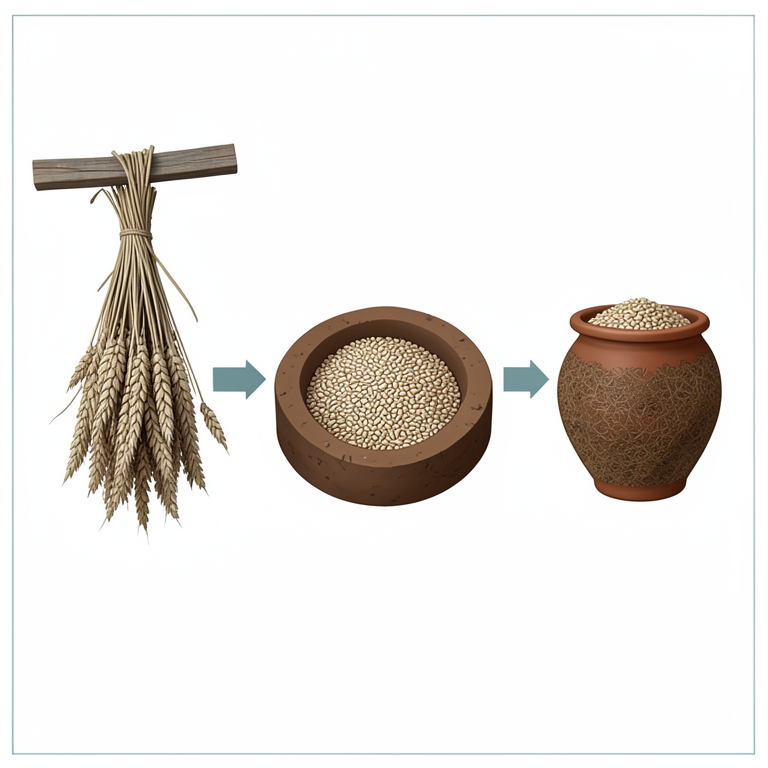
Traditional Storage Methods
AI-generated conceptual illustration (food grains in traditional storage containers). It explains the idea and does not show study data.
View source evidence ↗Figures & tables
From the original paper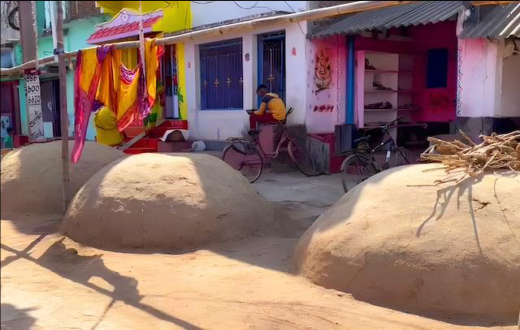 Figure 1
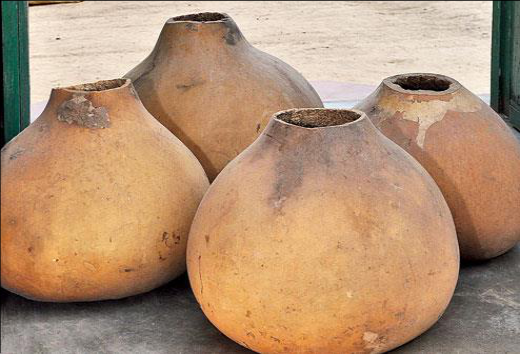 Figure 2
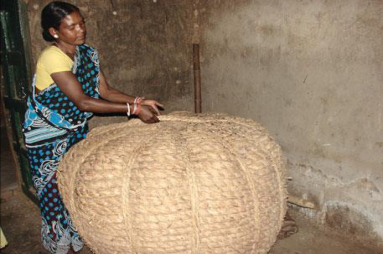 Figure 3
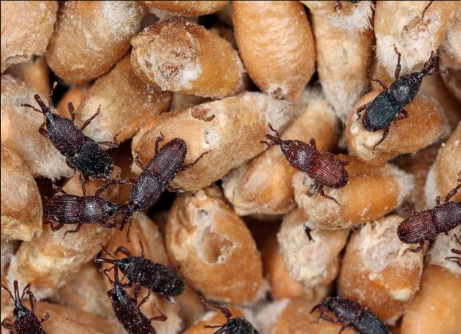 Figure 4
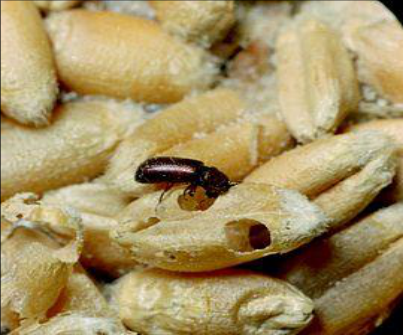 Figure 5
Introduction
Food grain production in India plays a vital role in sustaining the country's agricultural sector and ensuring food security for its vast population. India, with over 70% of its population relying on agriculture, has significantly increased its pulse and grain production in recent decades. However, despite advancements in technology, post-harvest losses remain a significant challenge, accounting for approximately 10% of crop damage, with storage-related losses contributing to about 6% of this total. Insufficient storage and processing facilities are causing considerable damage to food grains post-harvest. Additionally, fluctuations in climatic events such as floods, droughts, and irregular temperature and rainfall patterns could significantly affect agricultural production (Arun et al., 2017) [1] . Post-harvest losses due to insect and pest infestation pose a serious threat to the quality and quantity of stored grains in India. Insects like bruchids, rice weevil, lesser grain borer, granary weevil, warehouse moth are major pests that infest stored grain pulses and cereals, causing substantial damage. These pests penetrate mature grains during storage, leading to quality deterioration and significant economic losses. Chemical insecticides have been traditionally used to control these pests; however, the adverse health effects associated with synthetic chemicals have raised concerns, prompting the exploration of alternative, safe, and sustainable pest management practices. In response to the persistent challenge of insect infestation jeopardizing stored grain supplies, Indian farmers have ingeniously embraced a holistic approach merging traditional herbal practices with modern methodologies for preservation. This symbiotic fusion draws upon centuries-old wisdom passed down through generations, intertwining it with cutting-edge techniques to fortify the resilience of stored ecosystems. By synergizing ancient remedies with scientific advancements, farmers endeavor to mitigate the detrimental effects of pests on grain reserves.
This harmonious coalescence not only preserves the nutritional integrity of the grains but also sustains the livelihoods of farming communities, ensuring food security for present and future generations.
Tradition methods for storage of food grains
Traditional methods of food grain storage have been crucial for preserving grains for centuries, ensuring food security and sustainability (Hall, 1970) [3] . Every grain storage method or structure fundamentally aims to protect grains from insects and rodents, as well as prevent spoilage caused by microbial activity The age-old techniques for storing and preserving grains have been in practice since ancient times. These methods were cultivated within communities and passed down from one generation to the next (Natarajan and Santha, 2006) [9] . Some of the traditional methods for food grain preservation are as follows: -1. Aerial Storage in Tied Bundles: Hanging bundles of grains in well-ventilated areas helps prevent moisture buildup and pest infestation. This method utilizes vertical space efficiently, keeping grains off the ground and safe from pests. It's a simple yet effective way to preserve grains without the need for elaborate storage structures. 2. Underground Pits: Digging pits in the ground provides a natural and stable environment for grain storage. The cool temperature of the earth helps maintain grain quality and prevents spoilage. This method has been used for centuries in various cultures and regions, demonstrating its reliability and effectiveness. structures provides protection from pests and environmental factors. These structures offer insulation and stability, maintaining optimal conditions for grain preservation. Mud rhombuses are a traditional storage solution in many agricultural communities, reflecting their practicality and efficiency. 5. Wooden Boxes: Wooden boxes with proper ventilation are ideal for storing grains. Air circulation prevents moisture buildup and mold growth, preserving grain quality. Wooden boxes are durable and versatile, making them suitable for long-term grain storage in various environments.
6. Gourds: Dried gourds serve as natural and breathable containers for storing grains. Gourds offer protection from pests while allowing air circulation, maintaining grain freshness. This eco-friendly storage option is lightweight and easy to handle, making it a popular choice in traditional grain storage practices. 7. Bamboo Baskets: Bamboo baskets provide air circulation and protection from pests, ensuring grain quality. The natural strength and flexibility of bamboo make it an excellent material for grain storage containers. Bamboo baskets are lightweight and durable, making them suitable for both short-term and long-term storage needs. 8. Thatched Granaries: Granaries with thatched roofs offer insulation and protection from moisture. Thatched roofs provide ventilation while shielding grains from direct sunlight and rain. This traditional storage method has been used for centuries and remains effective in preserving grain quality. 9. Jute Bags: Storing grains in jute bags allows for air circulation while protecting against pests and mold. Jute is a breathable material that helps maintain grain freshness and quality. Jute bags are affordable and biodegradable, making them an eco-friendly choice for grain storage. 10. Clay Pots: Clay pots provide a cool and breathable environment for grain storage. The porous nature of clay allows air circulation, preventing moisture buildup and mold growth. Clay pots are durable and aesthetically pleasing, making them a popular choice for traditional grain storage methods.
Cow Dung Coating: Coating grain containers with cow
dung acts as a natural insect repellent and helps regulate temperature. Cow dung has antimicrobial properties that inhibit pest infestation and spoilage. This traditional method of grain preservation is cost-effective and environmentally friendly. 12. Leaf Wrapping: Wrapping grains in leaves such as banana leaves provides short-term protection and preserves freshness. Leaves offer a natural barrier against pests and moisture, keeping grains safe during transport or temporary storage. Leaf wrapping is a simple yet effective way to preserve grains in traditional farming communities. 13. Straw Matting: Grains placed on straw mats benefit from air circulation and avoid direct contact with the ground, preventing moisture buildup and pest infestation. This method is simple yet effective, particularly in temporary storage situations or for small quantities of grains. The density of stone provides insulation against temperature fluctuations, maintaining stable storage conditions. This traditional method is durable and well-suited for storing grains in regions with harsh climates or where pest infestation is a concern.
These traditional methods of food grain storage showcase the ingenuity of ancient cultures in preserving grains effectively without the need for modern technology. Each method reflects a deep understanding of environmental conditions and the importance of maintaining grain quality for sustenance and future use.
Traditional herbs as a source of grain preservation
In agriculture, storing grains is incredibly important and requires careful attention. One major challenge farmer's face is the damage caused by insect infestations. Despite their small size, these pests can wreak havoc on stored grains, leading to significant economic losses and food shortages. Different types of insects contribute to grain storage losses, each with its own role in damaging the quality and quantity of stored grains. Some of the most common offenders include the Rice Weevil (Sitophilus oryzae), the Maize Weevil (Sitophilus zeamais), and the Lesser Grain Borer (Rhyzopertha dominica).
Together, these insects are responsible for causing a considerable percentage of grain damage globally, estimated to be as high as 20-30%.
The damage inflicted by these insects primarily occurs through their feeding activities, which involve tunnelling into grains, consuming the kernels, and contaminating the produce with their waste. It's crucial to understand the behaviour and impact of these insects to implement effective storage management practices. This helps mitigate losses and ensures food security for communities that rely on stored grains. Grain preservation has been a critical aspect of human civilization since ancient times, with various methods employed to ensure long-term storage and food security. Traditional herbs have played a significant role in this process, offering natural solutions for preserving grains without the need for synthetic chemicals.
Zingiber officinale (Ginger)
▪ Chemical Compounds: Contains various bioactive compounds. ▪ Mechanism: Ginger plant powder acts as a natural insect repellent due to its strong aroma and compounds that deter pests from infesting stored grains.
Conclusion
Organic preservation of food grains with herbs employs traditional and innovative methods to ensure sustainable storage. Techniques such as aerial storage in tied bundles, underground pits, and earthen bins utilize natural materials to deter pests and regulate moisture levels. Innovations like mud rhombuses and cow dung coating offer eco-friendly solutions for long-term preservation. By harnessing the inherent properties of herbs, including their antimicrobial and insect-repellent qualities, these methods extend shelf life while minimizing environmental impact. Embracing organic approaches for grain preservation with herbs reflects a growing preference for natural, sustainable practices in food storage, promising a greener future for grain preservation.
Future prospects
The future of organic preservation of food grains with herbs is promising, with research focusing on optimizing herbal combinations and application methods for maximum efficacy. Advancements in technology, such as precision agriculture and biotechnology, offer opportunities for sustainable cultivation and extraction processes, making herbal preservation solutions more accessible. Additionally, exploring the role of herbal preservation in reducing post-harvest losses and food waste is crucial for enhancing food security. As consumer demand for natural, eco-friendly products grows, there is a significant market opportunity for organic preservation methods. Overall, this field holds potential for sustainable food systems, environmental conservation, and improved global food security.
Figures and tables from the paper
References
4 in the original paper- Mobolade AJ, Bunindro N, Sahoo D, Rajashekar Y. Traditional methods of food grains preservation and storage in Nigeria and India. Annals of Agricultural Sciences. 2019;64(2):196-205.
- Natarajan, Santha G. Indigenous agricultural practices among tribal women. Indian J Tradit. Knowl. 2006;5:114117.
- Phokwe OJ, Manganyi MC. Medicinal Plants as a Natural Greener Biocontrol Approach to The Grain Destructor" Maize Weevil (Sitophilus zeamais) Motschulsky. Plants (Basel). 2023 Jun 30;12(13):2505. DOI: 10.3390/plants12132505. PMID: 37447066; PMCID: PMC10346355.
- Soyelu OJ, Oluwamakinde BA, Okonji RE. Effect of Neem, Siam Weed and Vetiver Oils on Physiological Reactions and Fitness of House Fly, Musca domestica L. Journal of Applied Sciences and Environmental Management. 2020;24(3):519-523.
Cited by 5
From OpenAlex, OpenCitations and reference lists read by Scinovex
- Innovative Approaches for Climate-Resilient Farming: Strategies against Environmental Shifts and Climate Change ↗
Hridesh Harsha Sarma, Santanu Kaushik Borah, Niharika Dutta, Nazmin Sultana, Hrishikesh Nath, Bikash Chandra Das · International Journal of Environment and Climate Change · 2024
Climate change, driven predominantly by human activities such as burning fossil fuels and deforestation, is causing significant alterations to global weather patterns. This phenomenon results in more frequent and severe weather events, including prolonged droughts, intense rainfall, and shifting temperature regimes. Such changes pose a substantial threat to agriculture, a sector highly dependent on stable climatic conditions. Crop yields are…
❝ 43PDF - Recent technological innovations and strategies for reducing post-harvest losses during bulk grain storage: Applications of IoT and non-destructive quality evaluation ↗
Pratibha Jain, Mohammed Shafiq Alam, Manpreet Kaur Saini, Raouf Aslam · Journal of Stored Products Research · 2025
Ensuring food security, minimizing post-harvest losses, and improving grain storage methods are crucial for sustaining agricultural production. Currently, grain storage mismanagement contributes to significant losses, especially in developing countries. This review provides an in-depth analysis of global grain storage systems, traditional and modern technologies, and the critical factors influencing grain quality. It provides a recent report on the quantitative and…
❝ 4PDF - Enhancing Stored Wheat Shelf Life: Advances in Storage Technologies, Integrated Pest Management, and Climate‐Responsive Approaches ↗
Hafiz Muhammad Bilal Yousuf, Muhammad Yasin, Kurt A. Rosentrater, M Usman Saeed Khan · Food and Energy Security · 2026
ABSTRACT Recent advances in agricultural production and storage systems have contributed to a significant enhancement in annual wheat production and preservation, aimed at satisfying increasing consumer demands. Despite such potential developments, there are still significant post‐harvest losses in stored wheat, induced by destructive pests, grain moisture content, and proliferation of fungi. This review discussed recent innovations in wheat storage, comprising…
❝ 1PDF - Biorational food protectants: Prediction of effective biofumigant against Callosobruchus maculatus adults with a comparison of residue persistence on beetle body surface ↗
Aswathi Kozhissery Sreekrishnakumar, B. R. Annapoorna, Parthiban Packirisamy, Madan Kumar Perumal, Subramanian Ezhil Vendan · Food Bioscience · 2025
❝ 1 - Assessing the Growth and Yield Metrics of Pigeon Pea (Cajanus cajan) as Affected by Foliar Nutrient Management ↗
Elumle Priyanka, M. D. Shrirame, Hridesh Harsha Sarma, Lalita Kumar Mohanty, Marwan Reddy Chinnam, A. S. Chandan et al. · Journal of Advances in Biology & Biotechnology · 2024
An experiment titled was conducted at the Agriculture Research Station, Badnapur, Maharashtra, under Vasantrao Naik Marathwada Krishi Vidyapeeth, Parbhani during the kharif season of July 2018-19. The primary objective was to assess the impact of foliar nutrition on the growth, yield, and economic performance of pigeonpea. The study was designed using a Randomized Block Design (RBD) with ten different treatments…
❝ 0PDF