
Research article · 2024 · Full text
International Journal of Research in AgronomyAllelopathic potential of purple nutsedge (Cyperus rotundus L.) on germination and initial seedling vigour of Bt cotton hybrid
Volume 7(4) · Pages 593–601 · DOI: 10.33545/2618060x.2024.v7.i4h.610 ↗
Research areasBotany, Ecology, and Taxonomy StudiesAllelopathy and phytotoxic interactionsFlowering Plant Growth and Cultivation
Abstract
Author-writtenAllelopathic effects of Cyperus spp. have been generally reported and are considered the major factor limiting the initial establishment of agricultural crops. A laboratory study was conducted to examine the allelopathic effects of Cyperus rotundus L. on Bt cotton. Since it was hypothesised that C. rotundus exudates enters in the rhizosphere environment in the form of aqueous extract at the time of germination of tubers. The allelopathic effect was assessed in series of laboratory environments at Department of Agronomy, Annamalai University, Annamalai Nagar, Tamil Nadu during start of two seasons viz., October 2023 (Rainfed) and January 2024 (Irrigated). At the time of cropping the germinated C. rotundus rhizomes were collected from the cotton field and the aqueous stock solution of 1:1 (w/v) was prepared and dilutions were made in 0, 10, 20, 30, 40 and 50% concentrations. Bt cotton seeds (RCH 659 BG II) were incubated for 10 days under respective concentrations and biometrics were recorded. The pooled data of the present experiment indicated that aqueous extract of germinated rhizomes C. rotundus significantly reduced the frequency of percent germination, seed germination potential; increased the percent mortality rate, abnormal germination rate, germinal length inhibition index and seedling vigour index.
Summary
Source-checkedPlain-language reading of the full paper, prepared with AI and checked against the text. Each point links to the authors' own words.
Why it matters
- Weeds negatively impact global agricultural production by competing with crops for essential resources like light, water, space, and nutrients. View evidence ↗
- Purple nutsedge (Cyperus rotundus L.) is considered one of the world's most noxious weeds, capable of causing yield losses between 20% and 90% in various crops. View evidence ↗
- Allelopathy occurs when donor plants release secondary metabolites, known as allelochemicals, which can inhibit or stimulate the growth and development of nearby receptor plants. View evidence ↗
The question
- The study aimed to evaluate how aqueous extracts from the germinated rhizomes of Purple nutsedge affect the germination of hybrid Bt cotton seeds. View evidence ↗
What they did
- The research was conducted at Annamalai University in Tamil Nadu during two seasons: October 2023 (rainfed) and January 2024 (irrigated). View evidence ↗
- A 1:1 (w/v) aqueous stock solution was prepared from crushed germinated tubers and then diluted to create concentrations of 10%, 20%, 30%, 40%, and 50%. View evidence ↗
- Hybrid Bt cotton seeds (RCH 659 BG II) were sterilized and soaked overnight in the various extract concentrations or distilled water (control), using a randomized complete block design with four replications. View evidence ↗
What they found
- Germination percentage decreased as the concentration of the extract increased, falling from 92.25% at a 10% concentration to 31% at a 50% concentration. View evidence ↗
- Seed germination potential dropped from 55.5% in the control group to 52.25% at 20% concentration and further down to 7% at 50% concentration. View evidence ↗
- The average time for seeds to germinate increased with higher extract concentrations, rising from 3.2 days in the control to 8.4 days at 50% concentration. View evidence ↗
- No abnormal germination was observed up to 30% concentration, but 100% of seeds showed abnormal germination at the 50% concentration. View evidence ↗
- The germinal length inhibition index increased with concentration, reaching 74.19% for shoots and 83.33% for roots at the 50% concentration level. View evidence ↗
- The seedling vigour index decreased sharply from 30% concentration (4.2) down to 0.7 at 50% concentration. View evidence ↗
What it means
- The authors concluded that Purple nutsedge rhizome extracts at concentrations above 30% significantly inhibit the germination and early growth of hybrid Bt cotton. View evidence ↗
- The authors state that fields heavily infested with Purple nutsedge reduce the initial vigour of Bt cotton, decreasing the likelihood of successful plant establishment without efficient weed control. View evidence ↗
Visual summary
1 visualsIllustrations explain the paper; they do not show study data.
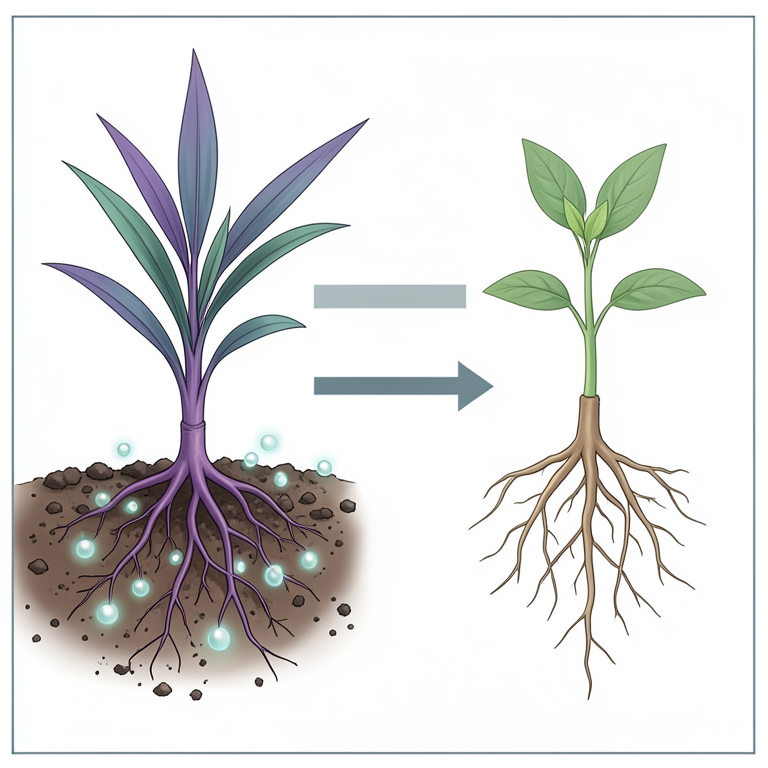
Allelopathic Interaction Model
AI-generated conceptual illustration (Purple nutsedge (Cyperus rotundus) and Bt cotton seedlings). It explains the idea and does not show study data.
View source evidence ↗Figures & tables
From the original paper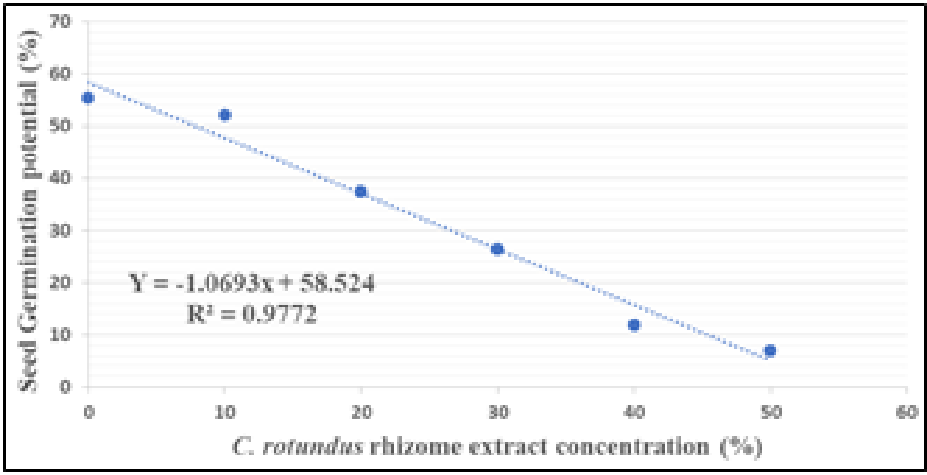 Figure 2
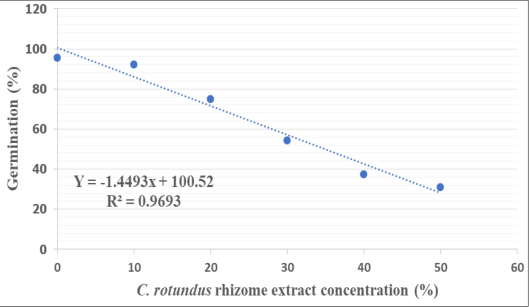 Figure 1
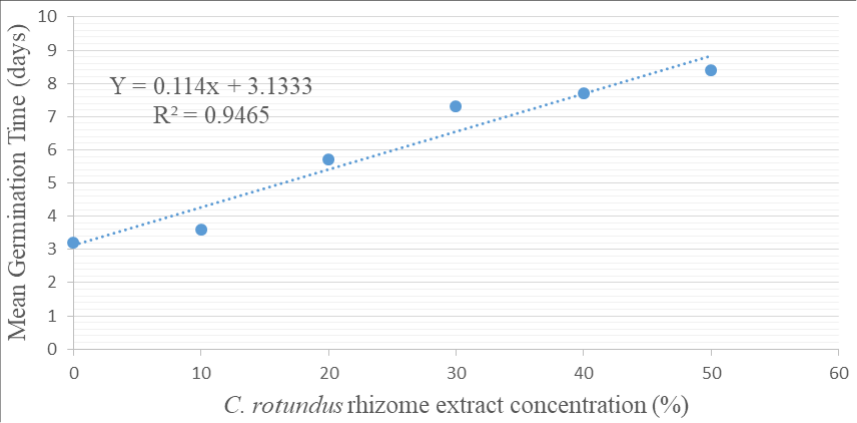 Figure 3
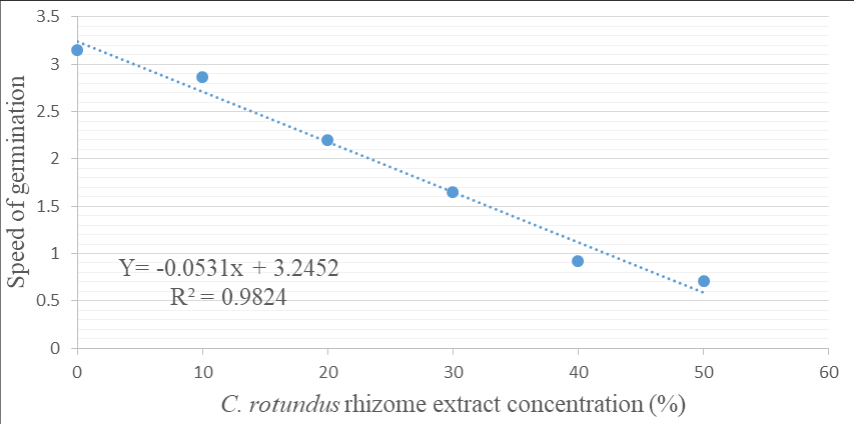 Figure 4
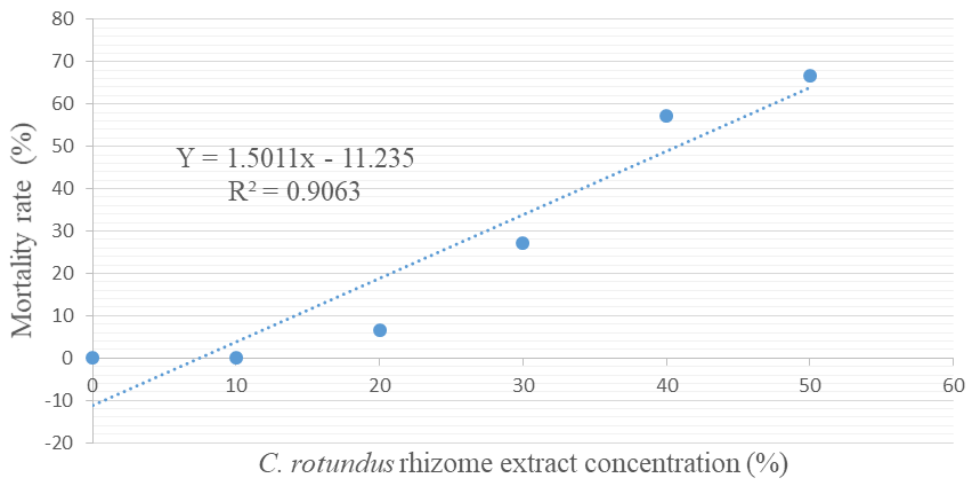 Figure 5
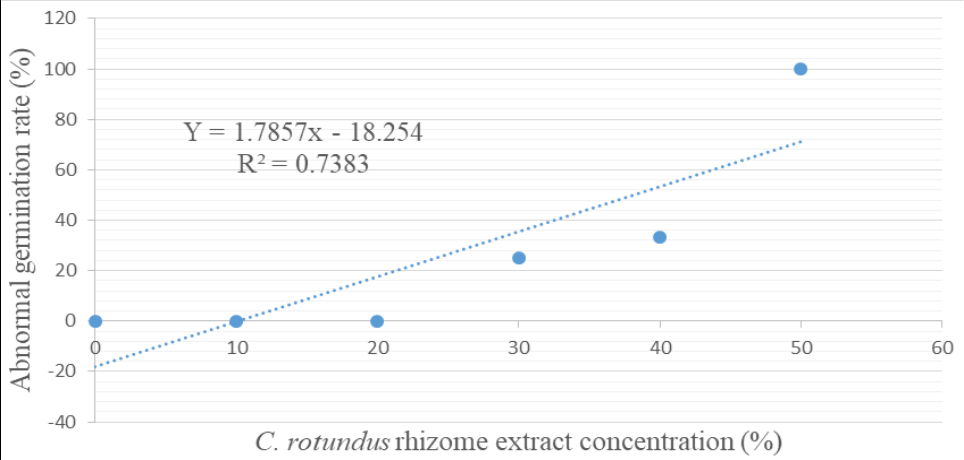 Figure 6
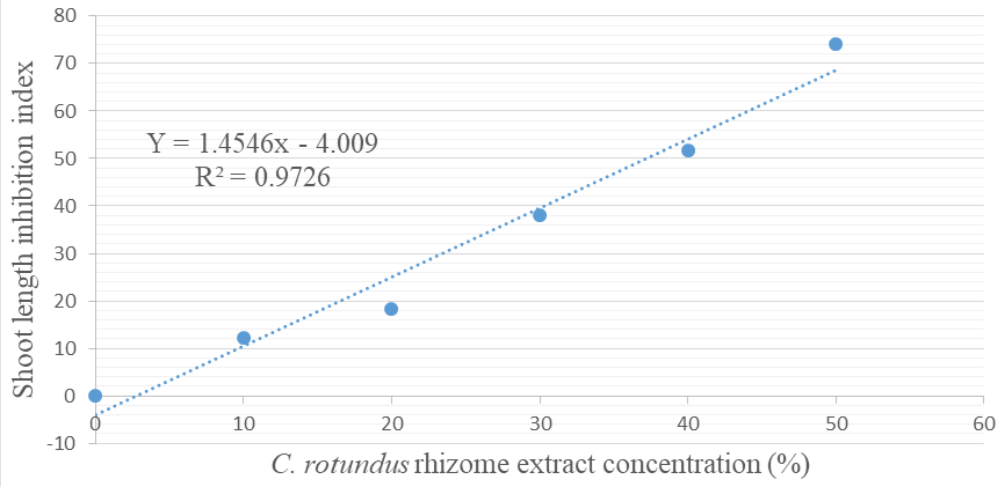 Figure 7
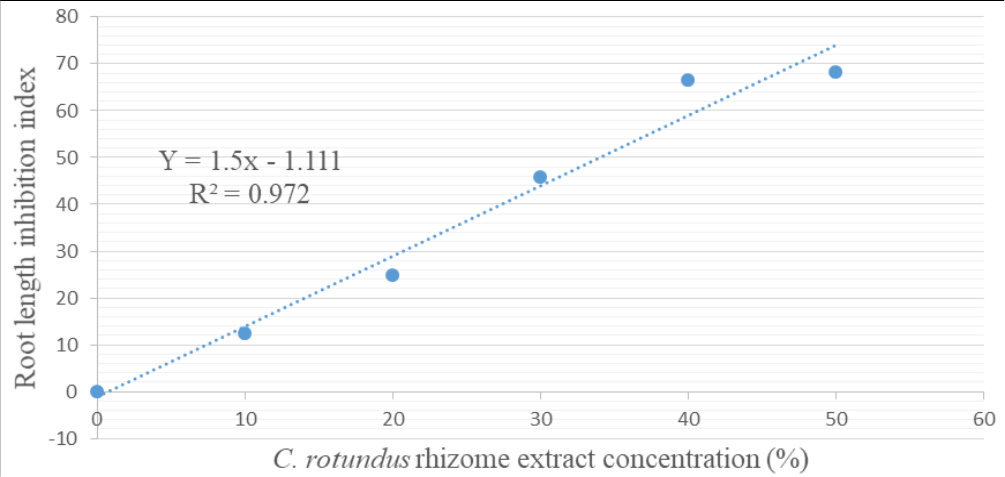 Figure 8
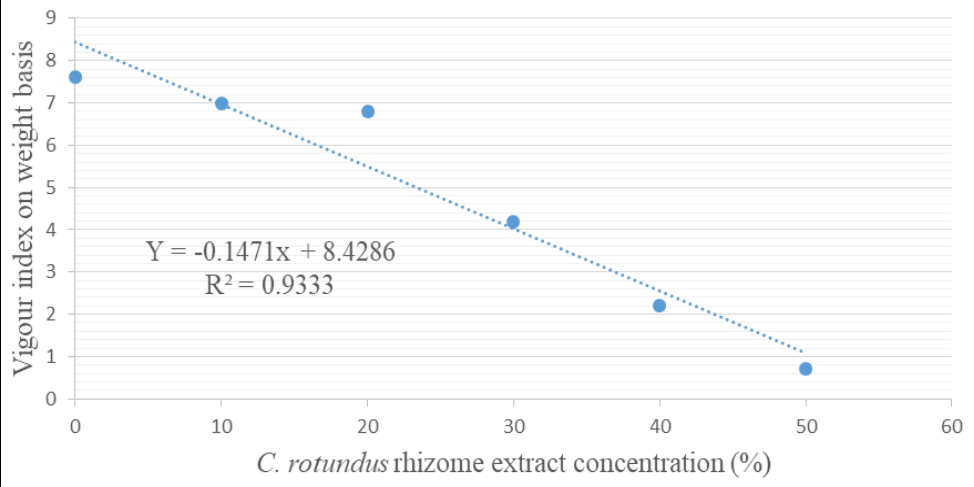 Figure 9
Introduction
Weeds are unwanted, troublesome, noneconomic and harmful vegetations that compete with associate plants for light, water, space, nutrients, and thus cause significant loss to global agricultural production systems (Singh et al., 2022) [24] . It has been reported that weeds cause yield reduction up to 10-100%, depending upon crop and related weed flora, weed density, time of competition, duration of competition, management practices and agro-climatic situations (Damalas and Koutroubas et al., 2022) [6] . The early adaptative nature and rapid growth of weed make it able to impede the desired crop growth and diminish the yields (Travlos et al., 2020) [29] . The interference of weeds with crops may be the consequence of competition and/or allelopathy. Allelopathy is prevalent in agricultural ecosystems and mediated by plant-derived secondary metabolites (allelochemicals). Allelochemicals are released by donor plants and affect the root growth and development of receptor plants (Huang et al., 2020) [13] . The release of specific Allelo-chemicals from leaves, root, rhizome and stem into the surrounding growing environment between weeds and agricultural plants can have both inhibitory and stimulatory effects. The allelopathic effect of different parts of a single weed plant also varies in their influence on crops seed germination and development (Shah et al., 2022) [22] . Cyperus rotundus L., (Purple nutsedge) belonging to the family Cyperaceae, native to India, is the world's worst noxious weed of different economically important crops. Its rapid growth tendency and extensive underground rhizome makes it extremely difficult to control. Although this weed also produces seeds but it mostly spreads by tubers (Zoheir et al., 2009) [30] . This weed has been reported to cause 20-90% yield losses in various crops across the world (Peerzada 2017) [18] .
Perennial nature, genetic diversity, high rate of reproduction, ability to tolerate adverse climatic conditions, ease-ofdispersion, strong competitive abilities, and allelopathic potential assist this weed to thrive in a wide range of agroclimatic regions (Travlos et al., 2020) [29] . Due to dormancy, the tubers also sustain in the soil for longer time and interfere with the crops raised in the succeeding season. Cotton (Gossypium hirsutum L.) is a major textile industry crop and in 2022-23 India's acreage under cotton was 13,061 lakh hectares (33% of the world's total cotton acreage), the highest in the world. Bt cotton varieties dominate hybrid cotton production in India however the production has dipped to 15-year low due to multiple factors. India (5.7 million metric tons) being the second largest producer in the world after China (6.7 million metric tons) (Shahbandeh, 2023) [23] . The productivity per hectare during 2022 growth season was 445 kgs, which was significantly lower in comparison with the top producer (2,015 Kgs per ha) and world (662 Kgs per ha) average (Sandhya, 2023 & Textor, 2024) [20,28] . Heavy weed infestation is one of the major low per-hectare production of cotton. Cotton is much more vulnerable to weed competition due to the broad spacing requirement between the plants (Chen et al., 2022) [4] . Presence of allelochemicals of certain weeds such as C. rotundus also inhibit or delayed germination of cotton seeds which may reduce the vigour index of seedlings, and ultimately suppress the growth and productivity. Although the economic damage caused by C. rotundus production of various agriculture crops, there are no reports of allelopathic effects of these species on seeds germination of hybrid Bt cotton. Therefore, this experiment was aimed to evaluate the allelopathic potential of aqueous extracts of C. rotundus germinated rhizome on hybrid Bt cotton seeds germination.
Materials and Methods
The present study was carried out at the Agronomy Experimental laboratory (11°24′ North latitude, 79°44′ East longitude and at an altitude of +5.79 msl), Annamalai University, Annamalai Nagar, Tamil Nadu, during the start of two cropping seasons viz., October 2023 (Rainfed) and January 2024 (Irrigated). The weather is moderately warm with hot summer months with mean annual rainfall of 1550 mm. About 80% of rainfall is distributed during North East monsoon (Oct-Dec). The mean maximum temperature is 24.3 during monsoon while 34.8 °C during summer with the average RH of 78%. The germinated rhizomes were collected from the C. rotundus severely infected cotton fields at the time of germination of Bt cotton crop. Immediately after collection rhizomes were thoroughly washed to remove the soil particles. The aqueous extract of 100% concentration was prepared by crushing fresh germinated tubers by immersing them in distilled water for 24 hours with a 1:1 weight/volume ratio, and filtered using Whatman no 1 filter paper. Then diluted with distilled water to achieve desired concentrations of 10%, 20%, 30%, 40% and 50% extract. The seeds of hybrid Bt cotton (RCH 659 BG II) were surface sterilized with 1.0% sodium hypochlorite solution for one minutes, then rinsing them twice with sterile water and blotted dry. The seeds were soaked for overnight in different concentration of respective rhizome extracts and seeds soaked in distilled water as control. Total of five treatments (10%, 20%, 30%, 40% and 50%) and a control each replicated four times were placed in randomized complete block design. Three layers of filter paper (Whatman No. 1) were placed in a petri-dish, moisture with respective concentrations and 20 numbers of seeds were placed. These experimental set up was placed in Laboratory at a room temperature (27 o C) and relative humidity of 72%. Each petri-dish was moistened with 5 ml of respective concentrations of extract each time, when necessary. The changes in the seed germination were recorded daily. The seeds were considered to have sprouted when the tip of the radicle appeared to have free of seed coat. The germination period was determined as the number of days from the first observed germination to the time when there was no germination. After ten days of incubation, five seedlings were randomly selected from each petri-dish, and the required parameters were analysed. The first count was obtained by the percentage of normal seedlings obtained at fifth day. The final germination percentage was obtained by counting the normal seedlings observed after 10 days after treatment, it was considered normal for the seedlings that had radicle greater than 5 mm in length and shoot with leaflets expanded. The germination analysis at the first count is significant to determine the allelopathic effect. The germination indices were analysed by using the following equations. Germination percent was calculated using the equation suggested by Scott et al., (1984) [21] and expressed as percentage.
Where, Gn is the number of seeds germinated 10 days after treatment and Gn is the total number of seeds sown. Seed germination potential was calculated using the equation suggested by Pan et al., (2023) [17] and expressed as percentage.
Where, NGn is the normal germination number and N is the total seed number within 5 days of germination. Mean germination time is the average time to germination or for the radicle to reach 2 mm. Mean germination time was calculated by using the equation of Ellis and Roberts (1980) [8] and expressed as days.
Where, t i is the time (days) from the start of the experiment to the ith observation, n i is the number of seeds germinated at the ith observation and k is the day of last observation. Germination rate was evaluated by the equation proposed by Maguire (1962) [16] . The germination rate is calculated by dividing the number of normal seedlings obtained at each counting by the number of days seeds have been incubated. The values obtained at each count are then summed at the end of the germination test to obtain the germination rate: Percent mortality rate is calculated by dividing the number of seeds that don't germinate by the total number of seeds tested, and then multiplying by 100 and expressed as a percentage.
Percent mortality rate was evaluated by using the following equation.
Where, MR is percentage mortality rate, MRn is the number of seeds perished after germination and GN is the total number of seeds germinated. Abnormal germination rate was evaluated by using the following equation Where, Abnormal germination rate (%), AGs -Number of abnormal germinated seeds and N -Total number of seeds germinated. The germinal length inhibition index (GII) is a measurement used to assess the impact of a treatment on the root or shoot growth of germinating seeds compared to a control group. Germinal length inhibition index was evaluated by using the following equation:
Where, Gli -Germinal length inhibition index (%), Cgl -Control germinal length and Tgl -Treatment germinal length The root shoot ratio on the basis of seedling length was calculated by using the following equation.
The vigour level of treated seeds was calculated by using the procedure suggested by Abdul-Baki and Anderson (1973) [1] . Seed Vigour Index (Mass) in terms of mass was determined by multiplication of germination percentage with seedling dry weight.
Statistical analysis
Seed germination and initial growth seedling experiments utilized a completely randomized design with four replications. The angular transformation of Arc sin √𝑥 was used for normalizing of the data. The results obtained in seeds germination of each species were subjected to polynomial regression using the SPSS Version 24 statistical program.
Results
Germination percent indicates the proportion of seeds successfully sprout under specific treatments. The effect of C. rotundus rhizome extract concentrations on germination percentage was exhibited the strong coefficient of determination (R²=0.9693). The germination inhibition was decreased from 92.25% in 10% concentration to 31% in 50% concentration (Fig. 1). Seed germination potential indicates the likelihood of a seed successfully germinating and developing into a seedling under ideal conditions. The C. rotundus rhizome extract concentrations was exhibited the robust coefficient of determination (R²=0.9772) on the seed germination potential. Seed germination potential in the control was 55.5% and it was strongly reduces from 52.25% in 20% concentration to 7% in 50% concentration (Fig. 2). 2 days while the increment in the treatment was from 5.7 days in 20% concentration to 8.4 days in 50% concentration (Fig. 3). Speed of germination measures the time taken by individual seeds within those specified seeds germinated. A high speed of germination value indicated that a larger portion of the seeds are germinating within a relatively short time frame. Earlier emergence of seedlings allows them to establish themselves before facing competition from weeds and also harsh weather conditions. The C. rotundus rhizome extract concentrations was registered the strong coefficient of determination (R²=0.9824) on speed of germination. It decreases when treatment concentration increases. The control exhibited the mean speed of germination value of 3.15 while the decrease in the treatments were from 52.20 in 20% concentration to 0.71 in 50% concentration (Fig. 4). There was no percent mortality rate in control and 10 percent concentration while it was higher in 30% (27.27%), 40% (57.14%) and 50% (66.67%) concentration (Fig. 5).
Abnormal germination rate refers to the percentage of seeds within a group that sprout but exhibit some kind of deformity or weakness that hinders their ability to develop into healthy, mature plants. The C. rotundus rhizome extract concentrations registered the strong coefficient of determination (R²=0.7383) on abnormal germination rate. It increases from 30% concentration onwards. There was no Abnormal germination rate up to 30 percent concentration while at 50% concentration it exhibited the 100% abnormal germination rate (Fig. 6).
The germinal length inhibition index (GII) quantifies the reduction in root or shoot length caused by a particular treatment applied to seeds during germination. A higher GII value indicates a greater inhibitory effect on root or shoot growth. The different concentrations of C. rotundus rhizome extract registered the strong coefficient of determination (R²=0.9726) on shoot length inhibition index (GIIshoot) of Bt hybrid cotton. The GIIshoot value was 0 for control and it significantly increases when treatment concentration increases. The increment was from 16.13% in 10% concentration to 74.19% in 50% concentration (Fig. 7).
Likewise, the GIIroot value was 0 for control and it significantly rises when treatment concentration increases. The increment was from 12.5% in 10% concentration to 83.33% in 50% concentration (Fig. 8). A GII close to 0% suggests minimal inhibition by the treatment, while a GII of >80% signifies that the treatment reduced root or shoot length by 80 percent compared to the control group.
The vigor index of seedlings on a weight basis is a metric used to assess the overall health and establishment potential of germinated seeds. A higher vigor index indicates a healthier and more vigorous seedling population. These seedlings have a higher chance of successful establishment and growth into mature plants. The C. rotundus rhizome extract concentrations was registered the strong coefficient of determination (R²=0.9333) on vigour index of Bt cotton seedlings. It decreases when treatment concentration increases. The sturdy decrease in the vigour index was observed from 30% concentration onwards (4.2) and 50% concentration registered the vigour index value of 0.7 (Fig. 9).
[2,7] . Various secondary metabolites produced by plants and micro-organisms have been considered as potential allelochemicals. They are released by a donor plant into the environment via volatilization, leaching, root exudation, or decomposition of plant residues, which is the greatest source of allelotoxins (Staszek et al., 2021) [27] .
In agroecosystems, allelochemicals have detrimental effects on the growth of associated and or next-season crops. In addition, weeds can exhibit allelopathy against crop plants. The strong allelopathic effects exhibited by plants play a significant role in promoting their invasion by altering the dynamics and interactions within the invaded ecosystem (Pan et al., 2023) [17] . Phenolic acids constitute a vital group of allelochemicals that release into the soil or rhizosphere environment from plants through numerous mechanisms including root exudation (Rice, 1974). Upon release, they play a multitude of ecological and physiological roles viz., inhibit plant growth, disrupt membrane permeability, induce water stress, affect photosynthesis and protein synthesis, alter enzyme activities, etc. The water extract of C. rotundus tuber contains phenolic acids such as Ferulic acid (35.8%), Vanelic acid (33.67%) and Caffiec acid (21.73%) (El-Rokiek et al., 2010) [9] . Among them Ferulic acid and Caffiec acid have exhibits strong allelopathic effect on plants. Ferulic acid (4-hydroxy-3methoxycinnamic acid) is produced by plants and subsequently released into soils involved in biochemical interactions between plants (allelopathy). Ferulic acid inhibits seed germination, root and shoot growth, cell division, band dry weight accumulation and induces several physiological alterations in the plants (Blum and Dalton, 1985) [3] . Ferulic acid inhibits photosynthesis, reduces leaf chlorophyll content, disrupts ion and water uptake, and plant water utilization, cause stomatal closure by reducing turgor and osmotic pressure and inhibits foliar expansion. Ferulic acid inhibits root growth and development, and in vitro rooting process in mung bean by interfering with biochemical processes that are crucial for root formation (Singh et al., 2014) [25] . Ferulic acid caused a reduction in the contents of watersoluble proteins and endogenous total phenolics, whereas the activities of proteases, peroxidases, and polyphenol peroxidases increased. Even low concentrations of ferulic acid significantly inhibited stomatal opening, the stomatal opening ratio, stomatal length and width and inhibited net photosynthetic rate (Fu et al., 2019) [10] . Pan et al., (2023) [17] observed that caffeic acid did not significantly affect root length during seed germination. However, it significantly inhibited root growth at higher concentrations during the subsequent plant growth stage. Caffeic acid significantly suppressed root growth of mung bean, and impaired adventitious root formation and root length. It also interference with the biochemical processes involved in rooting process such as root initiation, root expression, and postexpression of rhizogenesis (Daizy et al., 2008) [5] . Likewise, reactive oxygen species (ROS) have significant roles in plant physiology, and regulate radicle emergence and root elongation in a non-enzymatic manner during dicot seed germination (Li et al., 2017; Huang et al., 2020) [14,12] . However, their imbalance results in disruption of cell structure and deregulation of cellular processes. Intense allelopathic exposure can lead to over production and accumulation of ROS in the plants (Šoln et al., 2022) [26] . At the cellular level, allelochemicals induce a burst of ROS, which leads to oxidative stress, and can promote cell death (He et al., 2022) [11] . Lipid peroxidation and cell membrane changes, protein modifications, and increased protease activities are the early signs of cell damage (Liu et al., 2018). When enzymatic and nonenzymatic antioxidants cannot scavenge reactive oxidants, this can result in hydrolytic or necrotic degradation of the protoplast. Cell organelles then lose their integrity and function.
In roots, the structure and activity of the apical meristem are changed, which affects root growth and water absorption and ultimately development of plants. these are all influence the germination of Bt hybrid cotton. The accumulation of these phenolic acids could create a more favourable environment for C. rotandus to compete for growth space and resources and promoting their further colonization and inhibit the growth of economically important crops including hybrid cotton.
Conclusion
The present study concluded that at higher concentrations (>30%), C. rotundus rhizome extract significantly decreased germination percentage, seed germination potential, speed of germination, while increased mean germination time, mortality rate, abnormal germination rate and germinal length inhibition index. The inhibitory effect was more pronounced due to the presence of phenolic compounds such as ferulic acid and caffiec acid. The C. rotandus heavily infested fields are fail to exhibit initial vigour of crops such as Hybrid Bt cotton and reduced the chance of healthier and more vigorous seedling population. This have a less chance of successful establishment and growth into mature plants unless the efficient weed control methods are not followed.
References
28 in the original paper- Abdul Baki AA, Anderson JD. Vigour determination in soybean by multiple criteria. Crop Science, 1973;13(6):630633.
- Ameena M, Geethakumari VL, George S. Allelopathic effects of root exudates of purple nutsedge (Cyperus rotundus L.) on growth of field crops. Journal Crop and Weed, 2015; 11(Special Issue):142-145
- Blum U, Dalton BR. Effects of ferulic acid, an allelopathic compound, on leaf expansion of cucumber seedlings grown in nutrient culture. J Chem Ecol. 1985;11:279-301.
- Chen D, Yuzhen Lu, Zhaojian Li, Sierra Young. Performance evaluation of deep transfer learning on multiclass identification of common weed species in cotton production systems, Computers and Electronics in Agriculture. 2022;198:107091
- Daizy RB, Singh HP, Kaura S, Kohlia RK, Yadava SS, Caffeic acid affects early growth, and morphogenetic response of hypocotyl cuttings of mung bean (Phaseolus aureus). Journal of Plant Physiology. 2008;165:297-305.
- Damalas CA, Koutroubas SD. Weed Competition Effects on Growth and Yield of Spring-Sown White Lupine. Horticulturae. 2022;8(5):430.
- Dhima K, Vasilakoglou I, Stefanou S, Gatsis T, Paschalidis K, Aggelopoulos S, et al. Differential competitive and allelopathic ability of Cyperus rotundus on Solanum lycopersicum, Solanum melongena and Capsicum annuum. Archives of Agronomy and Soil Science. 2016;62(9):12501263.
- El-Rokiek K, El-Din SAS, Sharara FAA. Allelopathic Behavior of Cyperus rutundus L. on Both Chorchorus olitorius (Broad leaved weed) and Echinochloa crusgalli (Grassy weed) Associated with Soybean. Journal of Plant protection Research. 2010;50(3):274-279.
- Fu YH, Quan WX, Li CC, Qian CY, Tang FH, Chen XJ. Allelopathic effects of phenolic acids on seedling growth and photosynthesis in Rhododendron delavayi Franch. Photosynthetica. 2019;57(2):377-387.
- He SL, Gu C, Ma DW, Zhang H. The regulation of signal molecules reactive oxygen species and NO in the induction of root edge cell death in Silkworm beans under allelopathic stress induced by soil mustard. J. Ecol. 2022;42:10.
- Huang C, Lei XU, Jing SJ, Zhang ZH, Mei-lan FU, Huiying TENG, et al. Allelochemical p-hydroxybenzoic acid inhibits root growth via regulating ROS accumulation in cucumber (Cucumis sativus L.). Journal of Integrative Agriculture. 2020;19(2):518-527.
- Huang W, Reddy GVP, Shi P, Huang J, Hu H, Hu T. Allelopathic effects of Cinnamomum septentrionale leaf litter on Eucalyptus grandis saplings. Glob. Ecol. Conserv. 2020;21:e00872.
- Li WY, Chen BX, Chen ZJ, Gao YT, Chen Z, Liu J. Reactive Oxygen Species Generated by NADPH Oxidases Promote Radicle Protrusion and Root Elongation during Rice Seed Germination. Int. J Mol Sci. 2017;18(1):110.
- Jingkun L, Xie M, Xiuzhuang Li, Jin H, Yang X, Yan Z, et al. Main Allelochemicals from the Rhizosphere Soil of Saussurea lappa (Decne.) Sch. Bip. and Their Effects on Plants' Antioxidase Systems, Molecules. 2018;23(10):2506.
- Maguire JD. Speed of germination-aid in selection and evaluation for seedlings emergence and vigor. Crop Science. 1962;2(1):176-177.
- Pan L, He F, Liang Q, Bo Y, Lin X, Javed Q, et al. Allelopathic Effects of Caffeic Acid and Its Derivatives on Seed Germination and Growth Competitiveness of Native Plants (Lantana indica) and Invasive Plants (Solidago canadensis). Agriculture. 2023;13:1719.
- Peerzada AM. Biology agricultural impact, and management of Cyperus rotundus L.: the world's most tenacious weed. Acta Physiol Plant. 2017;39:270.
- Sandhya K. Annual yield of cotton in India FY 2014-2022. 2023. https://www.statista.com/statistics/764450/indiayield-of-cotton/ [Visited on 27 March, 2024].
- Scott SJ, Jones RA, William WA. Review of data analysis methods for seed germination. Crop Science. 1984;24:11921199.
- Zareen S, Fawad M, Haroon M, Ahmad I, Zaman A. Allelopathic potential of summer weeds on germination and growth performance of wheat and chickpea. Journal of Natural Pesticide Research. 2022 Jun 1;1:100002.
- Shahbandeh M. Global cotton production 2022/2023, by country; c2023. https://www.statista.com/statistics /263055/cottonproduction-worldwide-by-top-countries/ [Visited on 27 March, 2024].
- Singh M, Singh KM, Irmak S, Jhala Amit J. Water Use Characteristics of Weeds: A Global Review, Best Practices, and Future Directions. Frontiers in Plant Science. 2022;12:794090.
- Singh HP, Kaur S, Batish DR, Kohli RK. Ferulic acid impairs rhizogenesis and root growth, and alters associated biochemical changes in mung bean (Vigna radiata) hypocotyls. Journal of Plant Interactions. 2014;9(1):267274.
- Šoln K, Klemenčič M, Koce JD. Plant cell responses to allelopathy: from oxidative stress to programmed cell death. Protoplasma, 2022;259:1111-1124.
- Staszek P, Krasuska U, Ciacka K, Gniazdowska A. ROS Metabolism Perturbation as an Element of Mode of Action of Allelochemicals. Antioxidants (Basel). 2021;10(11):1648.
- Textor C. Cotton yield in China 2000-2023. https://www.statista.com/statistics /275654/cotton-yield-inchina/ [Visited on 27 March, 2024].
- Travlos I, Gazoulis I, Kanatas P, Tsekoura A, Zannopoulos S, Papastylianou P. Key factors affecting weed seeds' germination, weed emergence, and their possible role for the efficacy of false seedbed technique as weed management practice. Front. Agron. 2020;2:1.
- Zoheir YA, Rahnavard A, Sadeghi S. Study of Allelopathic Effect Cyperus rotundus L. and Echinochloa crus-galli on Seed Germination and Growth Barley (Hordeum vulgare). Botany Research International, 2009;2(3):136-138.