
Research article · 2024 · Full text
International Journal of Research in AgronomyApplication of different coatings in Ber fruit: A review
Volume 7(4) · Pages 568–572 · DOI: 10.33545/2618060x.2024.v7.i4h.605 ↗
Research areasPlant Physiology and Cultivation StudiesPostharvest Quality and Shelf Life ManagementDate Palm Research Studies
Abstract
Author-writtenThe quality of fruits and vegetables is expected to be severely impacted in the coming years by the manufacture of edible films and coatings, which has increased significantly in recent years. Fresh fruits with an extensive shelf life, great quality, and no pesticide residues are preferred by consumers. A new way to discover a long-lasting solution to this particular problem is to add edible films on fruits and vegetables. Numerous studies show that these coatings effectively prevent oxygen emission, prolong shelf life, maintain fruit quality, and have antibacterial properties. The significance, patterns, and perspectives of polysaccharides, protein, pectin, cellulose, and herbal coatings on various fruits are discussed in this study, as well as how they impact fruit prices in the market. The application of coatings on fruits using various processes, such as dipping, spraying, extrusion, and brushing, is also covered. In this context, we explore the use of antioxidant films and coatings as well as the impact of chemical dips containing antimicrobial and anti-browning chemicals on fruit shelf-life.
Summary
Source-checkedPlain-language reading of the full paper, prepared with AI and checked against the text. Each point links to the authors' own words.
Why it matters
- Ber (Zizyphus mauritiana) is considered the most valuable fruit crop in sub-tropical and tropical regions. View evidence ↗
- Ber fruits are highly perishable, typically lasting only 2 to 4 days at room temperature. View evidence ↗
- Edible coatings serve as a preservation method by acting as a barrier between fruit tissues and the environment, controlling the movement of gas, moisture, and solutes. View evidence ↗
The question
- The study aims to discuss the significance and perspectives of various coatings, including proteins, polysaccharides, pectin, cellulose, and herbal options, on different fruits and their market price impact. View evidence ↗
What they did
- Edible coatings are typically applied as thin layers, averaging less than 0-3 mm in thickness. View evidence ↗
- Four primary techniques are used to apply these coatings: dipping, brushing, extrusion, and spraying. View evidence ↗
- In the dipping process, fruits are immersed in the coating solution for a duration of 5 to 30 seconds. View evidence ↗
What they found
- A 1.5% aloe vera coating preserved the color of papaya and extended its shelf life by up to 15 days. View evidence ↗
- Applying a 20% aloe vera coating significantly reduced weight loss and improved the hardness and color of the fruit. View evidence ↗
- A 0.6% concentration of lemon peel essential oil showed significant antibacterial activity against various bacteria, including bacillus species. View evidence ↗
- Citrus fruits coated with 3.19% cactus polysaccharides exhibited better quality and a longer shelf life. View evidence ↗
- A blend of guar gum and aloe vera preserved the firmness, acidity, and color of Ber fruit when stored at room temperature. View evidence ↗
- Mango quality was effectively preserved using a combination of 10% guar gum and 3% calcium chloride, provided low temperatures were maintained. View evidence ↗
- A combination of 2.0% chitosan, 2.0% cassava starch, and 1.0% to 3.0% Lippiagracilis Schauer genotype was most effective at delaying ripening and inhibiting both gram-positive and gram-negative bacteria in vitro. View evidence ↗
What it means
- The authors identify starch as the most promising renewable polymer for edible films due to its low cost, availability, biodegradability, and functional properties. View evidence ↗
- The review concludes that edible coatings are effective tools for maintaining fruit quality, prolonging shelf life, preventing oxygen emission, and providing antibacterial benefits. View evidence ↗
Figures & tables
From the original paper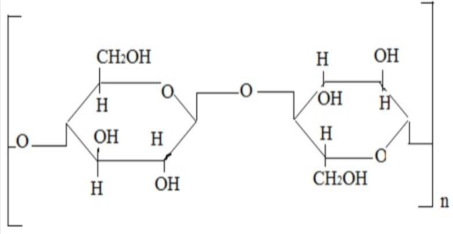 Figure 1
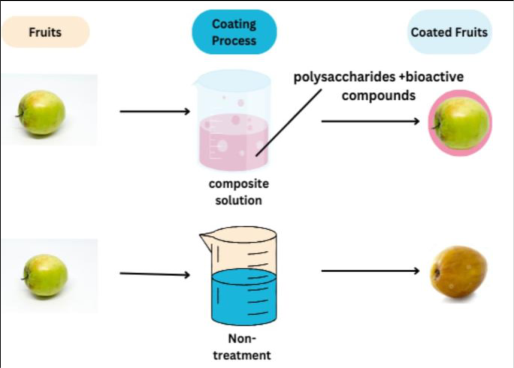 Figure 2
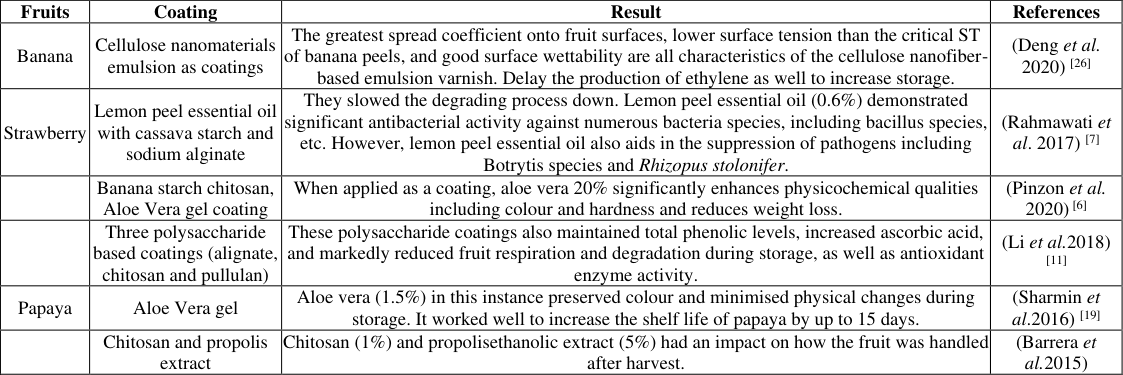 Table 1
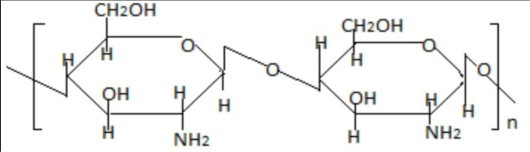 Figure 3
Introduction
Ber (Zizyphus mauritiana) is the most valuable fruit crop in tropical and sub-tropical regions. It is indigenous to central Asia and is a member of the Rhamnaceae family. Vitamins, carotenoids, pectin, and mineral components are all abundant in Ber fruit. Haryana, Punjab, Uttar Pradesh, Rajasthan, Gujarat, Madhya Pradesh, and Bihar are the primary Ber-growing states in India. Although it can resist exceptionally high temperatures, it is susceptible to frost. In terms of global fruit production, India comes at second place. Horticultural crops experience storage loss during the post-harvest period as a result of internal or external influences, which seriously reduces quality, nutrition, and sensory quality. Ber fruits have a very limited shelf life, and their quick perishability is an issue. A shelf-life of 2-4 days is typical at room temperature. Fruits are often coated with an edible coating to reduce moisture loss. The desiccation of fruit, the uptake of oxygen, and the loss of other volatile material from inside the fruit are typically prevented by a very thin coating layer of edible material. Due to their ability to operate as a barrier between the system (fruit tissues) and the environment (gas, moisture, and solute molecules) edible coatings are also useful as a crucial method of horticulture produce preservation. The finest feature of edible coatings is that eating them alongside the food product has no health risks. Active compounds like antimicrobials, texture enhancers, anti browning agents, antioxidants and nutraceuticals can be included into the polymer matrix of edible coatings to increase their functional qualities. Long-chain polysaccharides, proteins, lipids, or their mixtures can be used to make edible coatings. Proteins and polysaccharides lack effective moisture barrier qualities due to their hydrophilic nature, however films and coatings created from them are effective barriers against moisture.
Several methods, such as refrigeration, altered storage environments, chemical preservatives, and packaging, are being used to reduce negative effects (Zhang et al. 2018) [11] . These are all far more expensive than edible coating. Fruit storage life may also be extended by using semi-porous coverings. Some benefits of food coatings include improved acid, colour, flavour, and sugar retention. Fruits and vegetables should keep their quality while being stored. Reduced firmness loss and weight loss, reduce waste and polymer packaging. One can eat edible coatings with fruits and vegetables because they include nutrients that are good for health.
Edible coating
An edible coating is a thin layer of material that may be digested and protects food from air, external microorganisms, moisture, and solute movement. The purpose of edible coating is to increase shelf life by lowering gas exchange, oxidative reaction rates, respiration, moisture and solute migration, and physiological disorders on fruits. Numerous kinds of materials were utilised to coat and wrap a variety of fruits to increase their shelf life. These materials are called edible coatings if they are consumed with foods, with or without removal. Fruits look glossy because of edible coatings or films. The average edible covering is less than 0-3 mm thick. Edible coating's primary trait is its ability to extend the shelf life of fresh or processed fruits and vegetables and to protect them from postharvest losses and environmental deterioration. Fresh fruits exterior membranes are shielded by an edible layer. The edible coatings are utilised as a nutraceutical and as a carrier of antioxidants and texture enhancers. The edible coating should be stable and usually regarded as safe even in conditions of high relative humidity. The majority of edible coatings and films are flavourless, colourless, and odourless, and they ought to have high mechanical qualities. The gas barrier and moisture barrier qualities of edible coatings are good.
Properties
The molecular makeup, molecular size, and chemical composition of edible coatings determine their physical and chemical characteristics. These characteristics are as follows: Edible coatings provide effective moisture, oxygen, carbon dioxide, and ethylene barrier characteristics. It enhances appearance and mechanical handling to preserve fruit and vegetable structure and colour. Edible coatings contain active ingredients like antioxidants, vitamins, and other nutrients that improve the nutritional content of fruits and vegetables without compromising their quality. These coatings extend the shelf life of fruits and vegetables by giving them a protective covering.
Types of coatings Cellulose based coating
The polymer created by plants is called cellulose. The filmforming abilities of hydroxypropyl cellulose (HPC), carboxymethyl cellulose (CMC), and hydroxypropyl methylcellulose (HPMC) are all good. These are typically clear, tasteless, odourless, flexible, and of moderate strength. They are also water-soluble, resistant to fats and oils, and resistant to the transmission of oxygen and moisture. The molecular weight of cellulose edible coating has an impact on its qualities; the higher the molecular weight or concentration, the higher the coating's quality. Fatty acids and their derivatives, known as lipids, dissolve in organic solvents rather than water. They exhibit strong water vapour resistance. Lipid can't create the self-supporting structures, hence it can't be used to create edible films by itself. To increase the water resistance, hydrocolloids are frequently added to it. Another choice is to create a composite of these polymers, which, by carefully choosing the kind and quantity of polymers, can enhance the desired qualities. Starch appears to be the most promising polymer among many renewable sources for producing edible films because of its simplicity in availability, simplicity in processing, higher yield, high nutritional content, cheap cost, biocompatibility, biodegradability, edibility, and persuasive functional qualities. In order to be a successful food packaging material, starch films must be edible, odourless, tasteless, colourless, and semi-permeable to gases, moisture, lipids, and flavour components.
Gum based coatings
The polysaccharide used in the gum formulation. Exudate gums (such as gum Arabic), extractive gums (such as guar and locust bean), and microbial fermentation gums are some of them.
(Gellan and Xanthan). It functions as a barrier between the treated samples and their surrounding environment. This barrier controls the gas and water vapor exchanges and delays ripening process, which has the tendency to delay several metabolic changes in fruits such as ascorbic acid, polyphenols, anthocyanins, antioxidant activity, firmness, colour.
Pectin based coatings
Pectin is a typical plant compound that may be found in fruits and vegetables like guavas and apples, among others. Galactouronic acids make up the polysaccharide known as pectin. Due to its thickening ability and resistance to lipid migration and moisture loss, pectin is utilised as a coating.
Strawberries covered in pectin exhibited decreased variations in weight loss, firmness, and microbial infection. Pectin-based coatings reduce the shelf life of sapotax fruit by preventing both physical and chemical alterations while the fruit is at room temperature.
Chitosan based coating
An alkaline material, such as sodium hydroxide, is used to treat the chitin in the shells of prawns and other crustaceans to create the edible polymer chitosan. It is a natural, non-toxic, and environmentally friendly product. Chitosan possesses antibacterial and antifungal properties that aid in the preservation of food. These films are strong, flexible, highly durable, and very challenging torn. Chitosan blends nicely with starch and other essential oils; in various combinations, it aids in extending the shelf life of produce. Chitosan coating modifies the internal atmosphere of the fruit and controls gas exchange and transpiration losses, which delays fruit ripening. Chitosan not only maintains firmness but also improves postharvest quality during cold storage.
Proteins based coating
In order to improve the physical characteristics of the films, protein-based edible coatings are frequently mixed with plasticizers or other substances. Proteins are utilised as a coating ingredient to prevent moisture loss and lengthen the product's shelf life. The manufacture, characteristics, and food application of milk-based edible coatings. Casein, collagen, gelatin, whey protein, egg white protein, keratin, soy protein, wheat gluten, peanut protein, maize zein and cotton seed protein are a few examples.
Paraffin wax and Bee wax: After being purified, it is a natural wax made by honeybees of the species Apis. This coating is frequently used with coatings made of chitosan or cellulose. The effect of bee wax coating on maintaining the physical and biochemical properties of sweet orange.
Plasticizers and antimicrobial compounds
The majority of coatings made from proteins and polysaccharides are brittle by nature; to solve this issue, plasticizers are employed to increase flexibility. As plasticizers, glycerol, sucrose, polyethylene glycol, and acetylated monoglyceroide are used to coat plants and fruits. Essential oils like lemongrass, cinnamon, clove, oregano, thyme, rosemary, tea tree, and bergamot have been combined with enzymes like lysozyme, peroxidase, and lacto peroxidase to create an emulsion coating that protects against pathogenic spoilage after harvest. Additionally used are natural antioxidants such tocopherols, tocotrienols, ascorbic acid, carotenoids, and citric acid. Persimmon fruits coated in gum arabic coating have a longer shelf life and are less likely to perish.
Herbal coatings
Typically, aloe gel, neem, tulsi, lemon grass, turmeric, and rosemary are used to extract herbal coatings. Mangoes, nectarines, strawberries, apples, cherries, papayas, plums, peaches, tomatoes, and table grapes among them exhibit the finest results when coated with aloe gel. The gel is clear in appearance, tasteless, odourless, and environmentally friendly.
Other than these, antimicrobial activities can be found in extracts from ginger, garlic. These are made up of vitamins, minerals, and antioxidants. Examined the use of plant-derived natural gums and their derivatives as inexpensive, readily accessible, nontoxic, and biodegradable food coatings. The information regarding the incorporation of natural extracts in coatings and films, preparations, difficulties, and prospects.
Banana Cellulose nanomaterials emulsion as coatings
The greatest spread coefficient onto fruit surfaces, lower surface tension than the critical ST of banana peels, and good surface wettability are all characteristics of the cellulose nanofiberbased emulsion varnish. Delay the production of ethylene as well to increase storage.
(Deng et al. 2020) [26] Strawberry Lemon peel essential oil with cassava starch and sodium alginate They slowed the degrading process down. Lemon peel essential oil (0.6%) demonstrated significant antibacterial activity against numerous bacteria species, including bacillus species, etc. However, lemon peel essential oil also aids in the suppression of pathogens including Botrytis species and Rhizopus stolonifer.
(Rahmawati et al. 2017) [7] Banana starch chitosan, Aloe Vera gel coating When applied as a coating, aloe vera 20% significantly enhances physicochemical qualities including colour and hardness and reduces weight loss.
(Pinzon et al. 2020) [6] Three polysaccharide based coatings (alignate, chitosan and pullulan)
These polysaccharide coatings also maintained total phenolic levels, increased ascorbic acid, and markedly reduced fruit respiration and degradation during storage, as well as antioxidant enzyme activity. (Li et al.2018) [11] Papaya Aloe Vera gel Aloe vera (1.5%) in this instance preserved colour and minimised physical changes during storage. It worked well to increase the shelf life of papaya by up to 15 days.
(Sharmin et al.2016) [19] Chitosan and propolis extract Chitosan (1%) and propolisethanolic extract (5%) had an impact on how the fruit was handled after harvest. Fruit quality was enhanced by CI-CH, which successfully reduced the rate of fruit degradation.
(Gao et al.2020) [14] Polysaccharides from opuntia coating in kinnow Citrus coated with 2% cactus polysaccharides retain the most moisture and the highest pH value, while citrus coated with 3.19% cactus polysaccharides have a longer shelf life and better quality.
2018)
Ber Guar gum blended with aloe Vera Such a coating preserved the fruit's firmness, colour, and acidity when stored at room temperature.
(Arghya M et al.2018) [2] Chitosan, Guar gum and Gum tragacanth coatings Fruit's shelf life has been extended.
(Nilesh Bhowmick et al.2015) [3] Guava Chitosan cassava starch supplemented with Lippiagracilis and Schauer genotype 2.0% chitosan, 1.0%, 2.0% or 3.0% Lippiagracilis Schauer genotype, and 2.0% cassava starch were the most effective in inhibiting gram-negative and gram-positive bacterial growth in vitro and delaying fruit ripening.
Aquino et al.2015) [15] Guar gum Guar gum with water caused an infestation to disappear. Fruit flies are effectively dispersed by this treatment, which also extends the fruit's shelf life.
2018)
Mango Gum Arabic coating with calcium chloride
Fruit quality was effectively preserved with guar gum (10%) and calcium chloride (3%) but at a low temperature throughout storage.
2015) Chitosan and Calcium Chloride
Chitosan and calcium chloride together functioned as an efficient preservative and extended the shelf life of mango in storage.
(Shweta et al.2014) [5] Applying methods of edible coating Different techniques should be used to apply edible coatings on fruits and vegetables. These techniques a. Dipping b. Brushing c. Extrusion d. Spraying a) Dipping: Fruits are dipped in coating solution for 5-30 seconds using the dipping process, which is frequently used to apply edible coatings to fruits. Most fruits can easily be treated with it.
b) Brushing:
The parameters determining the level of soaking and the duration of spreading before drying determine whether to use the brushing method, which means applying a high viscosity coating to the fruit surface with a sterile brush. (Sharma et al., 2019) [24] . c) Extrusion: It is the best way for applying EC for industrial purposes when compared to other techniques; it depends on the thermoplastic qualities of edible coatings.
d) Spraying:
For coating solutions that are less viscous and sprayed at high pressure, the spraying approach is more appropriate. This method involves misting food goods with a liquid solution that condenses into small droplets.
Effect of Chemical dips containing antimicrobial and antibrowning agents
Pectin is a water-soluble polysaccharide with a high molecular weight that gives the principal cell walls of plants and fruits their structure. It is mostly made up of linked d-galacturonic acid esterified units. The multivalent metal cations in calcium or other multivalent ions cause the pectin polymer chains to connect into a flexible network and solidify into a gel. To improve the viscosity and gel strength of food products, pectin is industrially produced from a variety of fruit by products, including apple pomace and citrus peels. The calcium treatment required to cause pectin gelation-typically 1% CaCl 2 -contributes to retaining fruit firmness throughout storage, as has been well demonstrated in other research. However, customers may occasionally taste bitterness because of the remaining calcium chloride on the fruit's surface. It has been suggested and tested to add antimicrobials such nisin, lysozyme, organic acids, and essential oils to edible coatings in order to boost the microbiological stability of fresh fruits. The ability of edible coatings to sustain a continuous action of the antimicrobial compounds on the fruit surface and to control their diffusion into fruit proved to be favourable over the direct application of preservatives to meals. Potassium sorbate and sodium benzoate are food additives generally recognised as safe (GRAS) and frequently used in foods as antimicrobials, while receiving less research as edible coating components.
During storage, fruits are prone to browning, a phenomenon assigned to the action of polyphenol oxidase and other oxidative enzymes on the natural phenolic compounds released at the surface from the injured cells and one that adversely affects the quality and attractiveness of the product. Dipping in solutions of anti-browning agents, such as ascorbic acid and its derivatives, cinnamic acids, cysteine, glutathione, sodium chlorite, ethanol, sulphites and plant extracts, or their incorporation into edible coatings have been tested in previous work in order to inhibit or retard the browning of fruits. The use of methylcellulose edible coating in combination with ascorbic acid, calcium chloride and ascorbic acid was found to prolong the shelf life of fresh by slowing browning and strengthening texture.
Freshly fruits surface browning was greatly reduced by a chemical dip comprising 2% ascorbic acid, 1% calcium lactate, and 0.5% cysteine, as well as by alginate and gellan coatings containing glutathione and N-acetylcysteine. Using carrageenan and whey protein coatings promoting ascorbic acid, citric acid, or cysteine with alginate and gellan coatings containing Nacetylcysteine, browning of fresh was successfully reduced. The objective of this study was to use pectin-based edible coatings combined with chemical dips containing potassium sorbate (PS) or sodium benzoate (SB) as antimicrobials and either N-acetyl cysteine (N-AC) or the combination of ascorbic acid (AA) and citric acid (CA) as antibrowning agents to preserve the quality of fruits during storage at 8 C. Fruits were stored at 8 °C for 15 days while weight loss, colour values, browning index, hardness, titratable acidity, soluble solids content, total phenolic content, antioxidant activity, and sensory characteristics were observed. Numerous investigations on fruit included doses of ascorbic acid (AA) and its derivatives ranging from 0.5 to 4% (w/v). Under a variety of circumstances, the anti-browning properties of AA have been shown in a number of fruit fresh products. Additionally, AA can be added to the edible coating substance as an antioxidant that minimises vitamin C loss. Antimicrobial effects of AA on freshly fruit, including papaya, apple, and jackfruit.
Application of antioxidant films and coatings
After peeling or chopping, dipping the sample in antioxidant solutions is one technique to prevent fruit from browning. This approach focuses on low-temperature storage and modified environment packing to extend the shelf life of the product.
Fruit's shelf life can also be extended by films and edible coatings. Additional antioxidants can enhance the preservation activity of films and coatings, prevent browning, and minimise the detrimental effects of nutrient oxidation. Before adding antioxidants to films and coatings, it is important to assess not only their antioxidant capacity but also how they affect (i) the materials' properties, such as the retention power, and (ii) the qualities of the food product, such as flavour, colour, and chemical alterations. This presentation will discuss the composition, added antioxidant, method of measurement, and the main findings of several studies on antioxidant films and coatings.
Figures and tables from the paper
References
25 in the original paper- Aguilar-Duran JA, García León I, Quiroz Velásquez JDC. Elongation of shelf life of fruits by the use of biofilms. Revista Boliviana de Química. 2020;37(1):40-45.
- Anaya-Esparza LM, González-Aguilar GA, DomínguezÁvila JA, Olmos-Cornejo JE, Pérez-Larios A, MontalvoGonzález E. Effects of minimal processing technologies on jackfruit (Artocarpus heterophyllus Lam.) quality parameters. Food and Bioprocess Technology. 2018;11:1761-1774.
- Bhowmick N, Ghosh A, Dutta P, Dey K. Efficacy of edible coatings on the shelf life of ber (Zizyphus mauritiana Lamk.) fruits at ambient condition. International Journal of Agriculture, Environment and Biotechnology. 2015;8(3):601-608.
- Gurjar PS, Killadi B, Lenka J, Shukla DK. Effect of gum arabic coatings on physico-chemical and sensory qualities of guava (Psidium guajava L.) cv. Shweta. International Journal of Current Microbiology and Applied Sciences. 2018;7(5):3769-3775.
- Hammad K, Elsayed N, Elkashef H. Development of a whey protein concentrate/apple pomace extract edible coating for shelf life extension of fresh-cut apple. International Food Research Journal. 2021;28(2):377-385.
- Honggowati S, Rahmawati R, Aryani YA, Probohudono AN. Corporate governance and strategic management accounting disclosure. Indonesian Journal of Sustainability Accounting and Management. 2017;1(1):23â-30.
- Hooda PK, Singh J. Effect of edible coatings on jujube (Ziziphus mauritiana Lamk.) fruits: A review. The Pharma Innovation Journal. 2022;11(11):2231-2235
- Jain D, Kachwaya DS, Kuchi VS, Vikas G. Influence of post-harvest treatments on storage behaviour and fruit value of ber (Zizypus mauritiana) cv. gola. Plant Archives. 2017;17(2):1277-1282.
- Kapoor H, Baswal AK, Vishavjeet Jakhar AG. Effect of pre-and or post-harvest application of salicylic acid and ascorbic acid on post-harvest quality of horticultural crops: A review. The Pharma Innovation Journal. 2022;11(7):1973-1982.
- Li M, Zhang F, Liu Z, Guo X, Wu Q, Qiao L. Controlled release system by active gelatin film incorporated with βcyclodextrin-thymol inclusion complexes. Food and Bioprocess Technology. 2018;11:1695-1702.
- Mani A, Prasanna VSSV, Halder S, Praveena J. Efficacy of edible coatings blended with aloe vera in retaining postharvest quality and improving storage attributes in ber (Ziziphus mauritiana Lamk.). International journal of chemical studies. 2018;6(6):1727-1733.
- Momin MC, Jamir AR, Ankalagi N, Henny T, Devi OB. Edible coatings in fruits and vegetables: A brief review. Pharma Innovation Journal. 2021;(10):71-78.
- Nie X, Gao Z, Ren X, Jiang Q, Li S, Jiang C, et al. Effect of pectin coating infused with gallic acid on the quality and shelf life of Japanese sea bass (Lateolabrax japonicas) fillets. Food and Bioprocess Technology. 2020;13:300-307.
- Palma A, Schirra M, D'Aquino S, La Malfa S, Continella A. Effect of edible coating on ascorbic acid, betalains, organic acids, sugar, polyphenol content and antioxidant activity in minimally processed cactus pear (Opuntia ficusindica). Acta Horticulturae. 2015;1067:127-133.
- Pinzon MI, Sanchez LT, Garcia OR, Gutierrez R, Luna JC, Villa CC. Increasing shelf life of strawberries (Fragaria ssp.) by using a banana starch-chitosan-Aloe vera gel composite edible coating. International Journal of Food Science & Technology. 2020;55(1):92-98.
- Pleșoianu AM, Nour V. Pectin-based edible coating combined with chemical dips containing antimicrobials and antibrowning agents to maintain quality of fresh-cut pears. Horticulturae. 2022;8(5):449 https://doi.org/10.3390/horticulturae8050449.
- Prakash A, Baskaran R, Vadivel V. Citral nanoemulsion incorporated edible coating to extend the shelf life of fresh cut pineapples. Science direct. 2020;118:108851.
- Raghav PK, Agarwal N, Saini M. Edible coating of fruits and vegetables: A review. Education. 2016;1(2):188-204.
- Rashid MHA. Effects of modified atmosphere packaging (MAP) and natural edible coatings on controlling postharvest fungal infection, shelf life extension and quality retention of strawberry (Fragaria × ananassa Duch.). Journal of Agriculture, Food and Environment (JAFE)| ISSN (Online Version): 2708-5694. 2020;1(3):14-23.
- Rossi-Márquez G, Helguera M, Briones M, DávalosSaucedo CA, Di Pierro P. Edible coating from enzymatically reticulated whey protein-pectin to improve shelf life of roasted peanuts. Coatings. 2021;11(3):329.
- Rout CK, Singh S. Efficacy of edible coatings on jujube (Ziziphus mauritiana Lamk.) fruits: a review. Plant Archives. 2021;21(1):2665-2669.
- Saleem MS, Anjum MA, Naz S, Ali S, Hussain S, Azam M, Ejaz S. Incorporation of ascorbic acid in chitosan-based edible coating improves postharvest quality and storability of strawberry fruits. International Journal of Biological Macromolecules. 2021;189:160-169.
- Sharma HP, Chaudhary V, Kumar M. Importance of edible coating on fruits and vegetables: A review. Journal of Pharmacognosy and Phytochemistry. 2019;8(3):4104-4110.
- Shiekh RA, Malik MA, Al-Thabaiti SA, Shiekh MA. Chitosan as a novel edible coating for fresh fruits. Food Science and Technology Research. 2013;19(2):139-155.
- Xiong Y, Deng B, Warner RD, Fang Z. Reducing salt content in beef frankfurter by edible coating to achieve inhomogeneous salt distribution. International Journal of Food Science & Technology. 2020;55(8):2911-2919.
Cited by 2
From OpenAlex, OpenCitations and reference lists read by Scinovex
- Advances in oil-based edible coatings for postharvest preservation of fruits and vegetables: A comprehensive review of biopolymer types, functional plant oils, nanoemulsion systems, and application techniques ↗
Ali Muhi Aldeen Omar Aljabary, Farhang Hameed Awlqadr, Ammar B. Altemimi, Azhin Bakhtyar Mahmood Abdulrahman, Mohammed N. Saeed, Mohammad Ali Hesarinejad · Journal of Agriculture and Food Research · 2025
The rapid deterioration of fruits and vegetables after harvest remains a significant challenge in ensuring food quality, safety, and sustainability. Oil-based edible coatings provide an eco-friendly solution to prolong shelf life, minimize postharvest losses, and reduce reliance on synthetic packaging. This review focuses on the distinctive role of oil-based matrices in edible coatings, emphasizing their essential function as hydrophobic barriers…
❝ 7PDF - Nanotechnology a sustainable solution for food packaging: a comprehensive review ↗
Niharika V Rao, Aswin Ram Chidambaram, Paramveer Singh, Subhasha Nigam, Monika Joshi · Nanotechnology · 2025
Innovations in the food packaging industry are necessary as they directly impact the food quality and human health. Nanotechnology has emerged as a promising approach towards the food industry, ranging from preservation to packaging. The current review has critically examined previously published work related to food packaging, highlighted knowledge gaps and proposed future research direction. The various food packaging nanomaterials…
❝ 3