
Research article · 2024 · Full text
International Journal of Veterinary Sciences and Animal HusbandryEfficacy of propofol with sevoflurane to produce balanced anaesthesia in dogs
Volume 9(2) · Pages 933–937 · DOI: 10.22271/veterinary.2024.v9.i2m.1331 ↗
Research areasAnesthesia and Sedative AgentsVeterinary Pharmacology and AnesthesiaAnesthesia and Neurotoxicity Research
Abstract
Author-writtenA study was conducted to evaluate the quality of surgical anaesthesia produced by propofol induction and sevoflurane maintenance in dogs. Ten dogs presented for ovariohysterectomy were selected for the study. The dogs were premedicated with butorphanol @ 0.3 mg/kg and midazolam @ 0.3 mg/kg, intramuscularly and anaesthesia was induced using propofol @ 4.0 mg/kg intravenously. Maintenance of anaesthesia was carried out with sevoflurane (3-5%) in oxygen for all dogs. The anaesthetic combination was found to be suitable for producing surgical anaesthesia with smooth induction, easy intubation, good quality of analgesia and excellent muscle relaxation in all the dogs. Quality of recovery from sevoflurane was rapid and smooth and the anaesthetic combination had no immediate adverse effects on the vital organs.
Summary
Source-checkedPlain-language reading of the full paper, prepared with AI and checked against the text. Each point links to the authors' own words.
Why it matters
- Using combinations of drugs is often more effective for animal control than administering high doses of a single drug. View evidence ↗
- Propofol is frequently used as a sedative-hypnotic because it has a rapid onset, short duration, and lacks excitatory effects during the anaesthesia process. View evidence ↗
- Sevoflurane is considered close to an ideal anaesthetic due to its specific physical, pharmacodynamic, and pharmacokinetic properties. View evidence ↗
The question
- The study aimed to evaluate the quality of surgical anaesthesia and the haemato-biochemical effects of a protocol using butorphanol-midazolam for premedication, propofol for induction, and sevoflurane for maintenance during elective ovariohysterectomy in dogs. View evidence ↗
What they did
- The study included ten female non-descript dogs, aged 1-5 years and weighing 10-20 kg, undergoing elective ovariohysterectomy in Assam, India. View evidence ↗
- Premedication consisted of intramuscular butorphanol (0.3 mg/kg) and midazolam (0.3 mg/kg), followed by intravenous propofol (4.0 mg/kg) for induction after 15 minutes. View evidence ↗
- Anaesthesia was maintained using sevoflurane at a concentration of 3-5% in oxygen. View evidence ↗
- Researchers measured clinical parameters including the time and quality of sedation and induction, intubation scores, analgesia quality, muscle relaxation, and the time and quality of recovery. View evidence ↗
What they found
- The mean time to achieve sedation was 5.17±0.31 minutes, with all dogs transitioning smoothly to lateral recumbency. View evidence ↗
- Following propofol administration, the mean time for induction of anaesthesia was 2.32±0.08 minutes. View evidence ↗
- All ten dogs achieved a Score 0 for intubation, indicating that intubation was easy for every patient. View evidence ↗
- Muscle relaxation was rated as excellent in 80% of the dogs and good in the remaining 20%. View evidence ↗
- Recovery quality was excellent in 70% of the dogs, while 30% exhibited slight whimpering, salivation, and urination. View evidence ↗
- Haemoglobin and packed cell volume decreased significantly (p<0.05) from the start up to 40 minutes, then gradually increased but stayed below baseline levels. View evidence ↗
- Increases in alkaline phosphatase, GGT, creatinine, and BUN were non-significant (p>0.05) and remained within physiological limits throughout the study. View evidence ↗
What it means
- The authors conclude that the combination of butorphanol-midazolam, propofol, and sevoflurane produces balanced anaesthesia in dogs and recommend it for clinical use. View evidence ↗
Visual summary
2 visualsIllustrations explain the paper; charts are replotted from the paper's own table values.
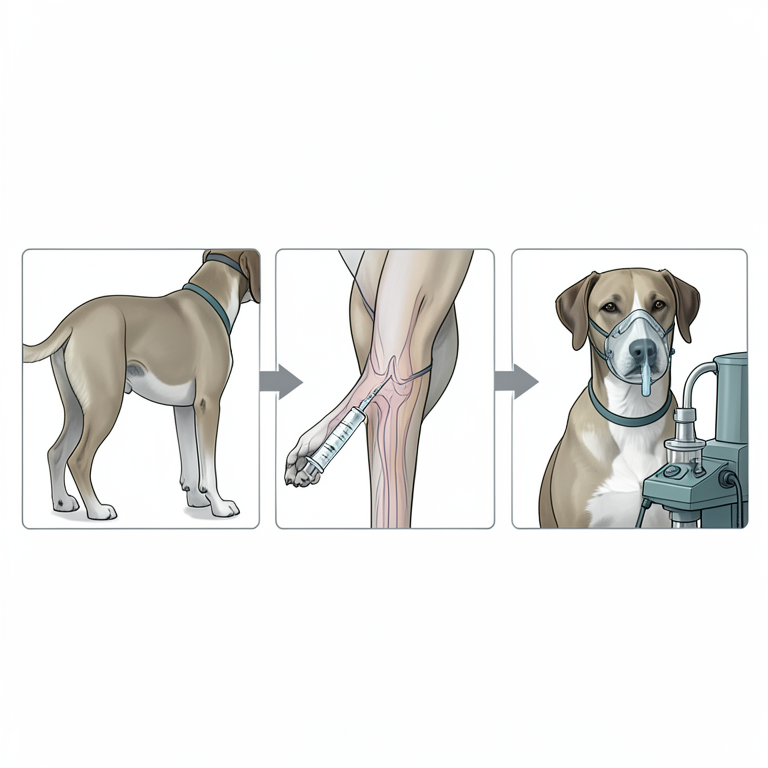
Anaesthesia Protocol Workflow
AI-generated conceptual illustration (domestic dogs). It explains the idea and does not show study data.
View source evidence ↗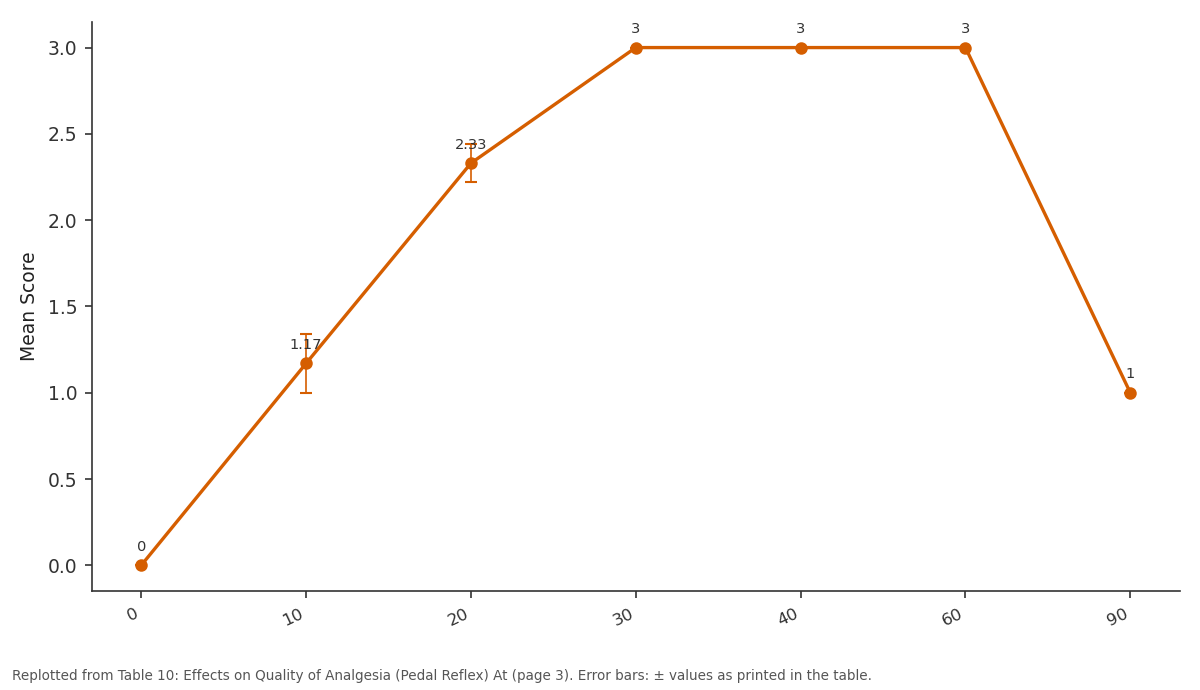
Mean Score: 0 vs 10 vs 20 vs 30 vs 40
Replotted from Table 10 (page 3) of the original paper. Every bar is the paper's own table value.
View source evidence ↗Figures & tables
From the original paper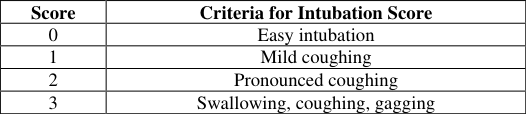 Table 3
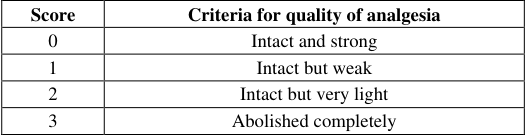 Table 4
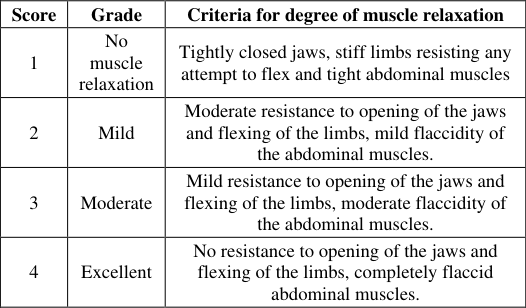 Table 5
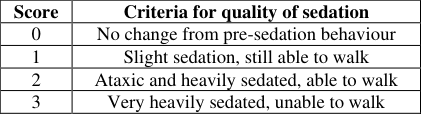 Table 1
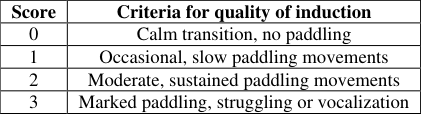 Table 2
 Table 6
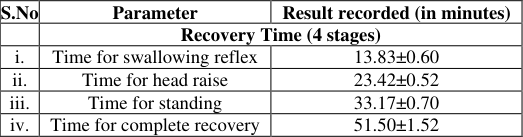 Table 8
 Table 7
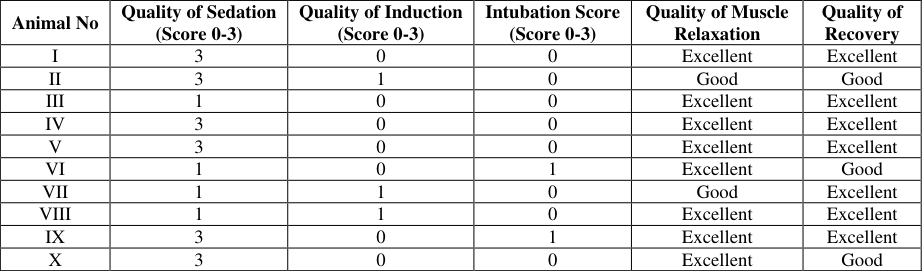 Table 9
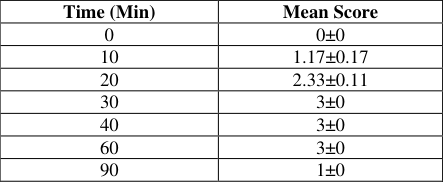 Table 10
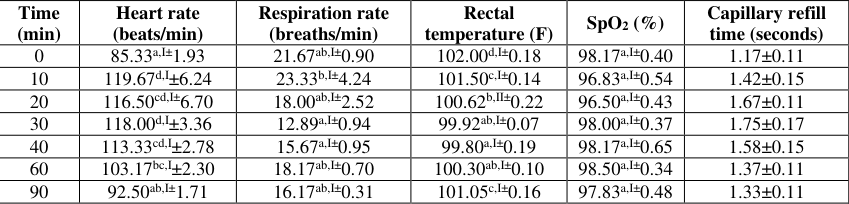 Table 11
 Table 12
 Table 13
Introduction
A number of drugs when used in combination are often more effective in controlling animals than high doses of an individual drug. Effective sedation depends on selection of the drug appropriate for the procedure, the species of animal, its temperament and condition, and must not allow for possible side-effects (Clarke et al., 2014) [1] . Butorphanol is one the commonly used opioids used for sedation in dogs, in combination with benzodiazepines or alpha-2 agonists. Midazolam, a benzodiazepine drug is often combined with ketamine, propofol or barbiturates for inducing general anaesthesia in dogs (Dundee et al., 1984) [2] . Propofol is a commonly used sedative-hypnotic characterized by rapid onset, short duration, lack of accumulation on repeated administration, and no excitatory effects during induction, maintenance and recovery (Bufalari et al., 1996) [3] . Sevoflurane, a fluorinated ether has been licensed for medical use in Japan since 1990 but has become very popular for clinical anaesthesia in a wide variety of animals over the last decade. The physical, pharmacodynamic and pharmacokinetic properties of sevoflurane come closest to that of the ideal anaesthetic (Herarra, 2001) [4] . Sevoflurane can also be used for maintenance of anaesthesia after induction with an injectable anaesthetic agent. Hence, present study was undertaken to evaluate the quality of surgical anaesthesia and haemato-biochemical effects of using butorphanolmidazolam as pre-medication, propofol as induction agent and sevoflurane for maintenance while performing elective ovariohysterectomy in dogs.
Materials and Methods
Materials and Methods
Selection and preparation of animals
Ten number of female, non-descript dogs of age 1-5 years, and weighing 10-20 kgs presented for elective ovariohysterectomy at the Department of Surgery and Radiology, College of Veterinary Science, AAU, Khanapara, Guwahati, Assam were chosen for the study. All the animals were subjected to thorough clinical and haematological examination to judge their fitness for surgery. The dogs were kept off-fed for 12 hours and off-water for 6 hours prior to surgery.
Pre-medication and induction of anaesthesia
The dogs were premedicated with butorphanol @ 0.3 mg/kg, IM and midazolam @ 0.3 mg/kg, IM. After an interval of 15 minutes, induction of anaesthesia was done using propofol @ 4.0 mg/kg, IV.
Maintenance of anaesthesia
Following induction of anaesthesia and jaw relaxation, the dogs were intubated and anaestheisa was maintained using sevoflurane in oxygen. The sevoflurane vaporizer setting was kept at 3-5% for initial five minutes to stabilize the patient and thereafter, adjusted accordingly to maintain a surgical plane of anaesthesia. On completion of surgery, flow of sevoflurane was stopped, the rebreathing bag flushed and oxygen (100%) supply was continued in all the animals until the re-appearance of swallowing reflex.
Parameters 2.4.1 Clinical parameters
The following clinical parameters were recorded during the study viz., time of sedation (minutes), quality of sedation (scored in a scale of 0 to 3), time of induction (minutes), quality of induction (scored in a scale of 0 to 3), intubation score (scored in a scale of 0 to 3), quality of analgesia (scored in a scale of 0 to 3), degree of muscle relaxation (scored in a scale of 1 to 4), time for recovery (in minutes) and quality of recovery (scored in a scale of 1 to 4). The quality of sedation was recorded for each dog, 15 minutes after the injection of pre-anaesthetic medication by orderly testing of the characteristic signs of sedation as per the score card described by Amengual et al., (2013) [5] in Table 1. Similarly, the quality of induction of anaesthesia and ease of intubation was scored according to the criteria described by Amengual et al., (2013) [5] in Table 2. & Table 3 respectively. The quality of analgesia was assessed by scoring the pedal reflex. It was done by observing the withdrawal to the digital clamping/pinching reflex of the inter-digital skin of either hind limb (Ahmad et al., 2013) [6] and recorded at regular intervals upto 90 mins post sedation (Table 4). The degree of muscle relaxation was recorded on a scale of 1 to 4 as per criteria described by Bisth (2017) [7] in Table 5. Moderate resistance to opening of the jaws and flexing of the limbs, mild flaccidity of the abdominal muscles.
| Score | Criteria for quality of induction |
|---|---|
| 0 | Calm transition, no paddling |
| 1 | Occasional, slow paddling movements |
| 2 | Moderate, sustained paddling movements |
| 3 | Marked paddling, struggling or vocalization |
Table text extracted from the original PDF; superscript letters are shown inline. The original table image is below.
View original table image
| Score | Criteria for quality of sedation |
|---|---|
| 0 | No change from pre-sedation behaviour |
| 1 | Slight sedation, still able to walk |
| 2 | Ataxic and heavily sedated, able to walk |
| 3 | Very heavily sedated, unable to walk |
Table text extracted from the original PDF; superscript letters are shown inline. The original table image is below.
View original table image
| Score | Criteria for quality of analgesia |
|---|---|
| 0 | Intact and strong |
| 1 | Intact but weak |
| 2 | Intact but very light |
| 3 | Abolished completely |
Table text extracted from the original PDF; superscript letters are shown inline. The original table image is below.
View original table image
| Score | Criteria for Intubation Score |
|---|---|
| 0 | Easy intubation |
| 1 | Mild coughing |
| 2 | Pronounced coughing |
| 3 | Swallowing, coughing, gagging |
Table text extracted from the original PDF; superscript letters are shown inline. The original table image is below.
View original table image
Moderate
Mild resistance to opening of the jaws and flexing of the limbs, moderate flaccidity of the abdominal muscles.
Excellent
No resistance to opening of the jaws and flexing of the limbs, completely flaccid abdominal muscles.
The time for recovery was recorded in four stages (in minutes) as the time from shutting off sevoflurane supply till complete recovery viz., time for swallowing reflex, time for head raise, time for standing and time for complete recovery. The quality of recovery from anaesthesia was assessed by observing signs like retching, coughing, pawing, hyper excitability and whimpering during the recovery and was graded as per criteria described by Uilenreef et al. (2008) [8] in Table 6.
| Score | Grade | Criteria for quality of recovery |
|---|---|---|
| 1 | Very poor | Excitation, whimpering, aggression, persistent biting/scratching at wound; |
| 2 | Poor | Excitation/whimpering >10 minutes, no persistent licking/biting at wound. |
| 3 | Moderate | May have some excitation < 2 minutes, whimpering <5 minutes, attention to wound area suspected |
| 4 | Good | No excitation, may have slight whimpering <1 minute, somewhat prolonged recumbency. |
| 5 | Excellent | Excitation/whimpering-free recovery, smooth transition to sternal recumbency and standing. |
Table text extracted from the original PDF; superscript letters are shown inline. The original table image is below.
View original table image
Physiological parameters
The physiological parameters i.e., heart rate, respiration rate, rectal temperature, capillary refill time, saturated partial pressure of oxygen (SpO 2 ) were recorded before sedation (0 minute) and at regular intervals until the end of surgery.
Haematological and biochemical parameters
The following blood parameters were evaluated before sedation (0 minute) and at regular intervals until the end of surgery for evaluation of blood parameters viz. haemoglobin, packed cell volume, total erythrocyte count, total leukocyte count and total platelet count. Similarly, biochemical parameters viz., alkaline phosphatase, gamma glutamyltransferase, creatinine and blood urea nitrogen were evaluated. The data obtained were processed partly by SAS 9.3 Package (2012) as described by Snedecor and Cochran (1994) [9] and Software R (Version 3.6.0) as per the methods described by Logan (2010) [10] .
Results and Discussion
Results and Discussion
Clinical parameters
The mean sedation time was recorded as 5.17±0.31 minutes and all the dogs showed a smooth transition to lateral recumbency by the end of sedation time without any excitement, vocalization or paddling (Table 7). Four out of ten dogs were given Score 1 (40%), and six (60%) scored 3. This can be attributed to the sedative and minimal cardiovascular effects of butorphanol and midazolam which are reported to be preserved when used in combination, leading to smooth and uneventful sedation (Reves et al., 1985; Tyner et al., 1989) [11,12] . The mean time of induction was recorded as 2.32±0.08 minutes following administration of propofol (Table 7). The dogs exhibited a rapid and smooth induction, however, two out of ten dogs showed transient apnoea after the injection of propofol which was resolved in less than a minute. Seven out of ten dogs were given Score 0 (70%), and three (30%) Score 1. Adverse signs like vomition or coughing were not present in any patient. Similar synergistic effect of premedication & inducing drugs was reported by Sano et al. (2003) [13] with midazolam-butoprhanol-propofol anaesthesia in dogs. Quality of intubation was recorded a Score 0 (easy intubation) in all ten patients. Eight out of ten dogs were given Score 0 (80%), and two (20%) Score 1. Muscle relaxation was observed to be excellent in eight out of ten dogs (80%) and good in two (20%) dogs under study (Table 9). The excellent quality of intubation can be attributed to a better degree of muscle relaxation due to addition of midazolam which was further enhanced by butorphanol and propofol (Lemke, 2007) [14] . Pedal reflex was intact and strong in all the dogs at 0 mins (before sedation) and gradually reduced to weak reflex upto 10 mins after sedation and became completely abolished at 30 mins (Table 10). Quality of analgesia was found to be good, however a weak pedal reflex recorded at 90 mins (postsurgery) which may be due to the poor analgesic properties of propofol (Beths et al., 2001) [15] . The time for recovery was recorded in four stages (Table 8). Quality of recovery was excellent, involved no whimpering and smooth transition to sternal recumbency and standing in seven out of ten (70%) dogs while three (30%) dogs showed slight whimpering, salivation and urination during recovery (Table 9). Smooth recovery from anaesthesia was reported by Kuusela et al. (2003) [16] during propofol-isoflurane anaesthesia in dogs.
| Time (Min) | Mean Score |
|---|---|
| 0 | 0±0 |
| 10 | 1.17±0.17 |
| 20 | 2.33±0.11 |
| 30 | 3±0 |
| 40 | 3±0 |
| 60 | 3±0 |
| 90 | 1±0 |
Table text extracted from the original PDF; superscript letters are shown inline. The original table image is below.
View original table image
| Animal No | Quality of Sedation (Score 0-3) | Quality of Induction (Score 0-3) | Intubation Score (Score 0-3) | Quality of Muscle Relaxation | Quality of Recovery |
|---|---|---|---|---|---|
| I | 3 | 0 | 0 | Excellent | Excellent |
| II | 3 | 1 | 0 | Good | Good |
| III | 1 | 0 | 0 | Excellent | Excellent |
| IV | 3 | 0 | 0 | Excellent | Excellent |
| V | 3 | 0 | 0 | Excellent | Excellent |
| VI | 1 | 0 | 1 | Excellent | Good |
| VII | 1 | 1 | 0 | Good | Excellent |
| VIII | 1 | 1 | 0 | Excellent | Excellent |
| IX | 3 | 0 | 1 | Excellent | Excellent |
| X | 3 | 0 | 0 | Excellent | Good |
Table text extracted from the original PDF; superscript letters are shown inline. The original table image is below.
View original table image
| S. No | Parameter | Result recorded (in minutes) |
|---|---|---|
| 1 | Time for Sedation | 5.17±0.31 |
| 2 | Time for Induction | 2.32±0.08 |
Table text extracted from the original PDF; superscript letters are shown inline. The original table image is below.
View original table image
| S.No | Parameter | Result recorded (in minutes) |
|---|---|---|
| Recovery Time (4 stages) | ||
| i. | Time for swallowing reflex | 13.83±0.60 |
| ii. | Time for head raise | 23.42±0.52 |
| iii. | Time for standing | 33.17±0.70 |
| iv. | Time for complete recovery | 51.50±1.52 |
Table text extracted from the original PDF; superscript letters are shown inline. The original table image is below.
View original table image
Physiological parameters
There was a significant increase in heart rate (p<0.05) with its maximum increase at 30 mins of anaesthesia and decreased thereafter. Respiration rate decreased significantly (p<0.05) with maximum reduction of respiration rate recorded at 30 mins of anaesthesia and increased thereafter to near baseline value. Rectal temperature decreased significantly (p<0.05) in all the animals with maximum drop at 40 mins of anaesthesia followed by a gradual increase to near baseline value. Oxygen saturation showed an initial non-significant decrease from 98.17±0.40% at 0 mins to 96.50±0.43% at 20 mins of observation, followed by gradual increase and stable level (>88%) of SpO 2 till the end of observation period. The capillary refill time (CRT) at various time intervals was less than 2.0 seconds in all ten animals. All the above clinical parameters for anaesthetic monitoring were within the physiological range and did not show any significant variation during the period of study (Table 11.) Similar findings were reported by Sharma et al. (2002) [17] due to propofolmidazolam and Varun (2016) [18] using sevoflurane in dogs.
| Time (min) | Heart rate (beats/min) | Respiration rate (breaths/min) | Rectal temperature (F) | SpO2 (%) | Capillary refill time (seconds) |
|---|---|---|---|---|---|
| 0 | 85.33a,I±1.93 | 21.67ab,I±0.90 | 102.00d,I±0.18 | 98.17a,I±0.40 | 1.17±0.11 |
| 10 | 119.67d,I±6.24 | 23.33b,I±4.24 | 101.50c,I±0.14 | 96.83a,I±0.54 | 1.42±0.15 |
| 20 | 116.50cd,I±6.70 | 18.00ab,I±2.52 | 100.62b,II±0.22 | 96.50a,I±0.43 | 1.67±0.11 |
| 30 | 118.00d,I±3.36 | 12.89a,I±0.94 | 99.92ab,I±0.07 | 98.00a,I±0.37 | 1.75±0.17 |
| 40 | 113.33cd,I±2.78 | 15.67a,I±0.95 | 99.80a,I±0.19 | 98.17a,I±0.65 | 1.58±0.15 |
| 60 | 103.17bc,I±2.30 | 18.17ab,I±0.70 | 100.30ab,I±0.10 | 98.50a,I±0.34 | 1.37±0.11 |
| 90 | 92.50ab,I±1.71 | 16.17ab,I±0.31 | 101.05c,I±0.16 | 97.83a,I±0.48 | 1.33±0.11 |
Table text extracted from the original PDF; superscript letters are shown inline. The original table image is below.
View original table image
Haematological parameters
The results revealed significant decrease (p<0.05) in haemoglobin and packed cell volume (%) from 0 min up to 40 mins and then gradually increased towards the end of the study period, but remained lower than the pre-administration value. Total erythrocyte count (TEC) and total leukocyte count (TLC) showed a decreasing trend from 0 minute up to 60 mins, followed by slight increase but remained lower than base value. The decrease in haemoglobin, PCV and TEC may be attributed to the splenic pooling of erythrocytes during anaesthesia and haemodilution due to fluid therapy (Skarda and Muir, 1996) [19] or shift in the body fluid from extravascular to the intravascular compartment to maintain the cardiac output (Muir et al., 2011) [20] . Similar findings were also reported due to plasma skimming during propofolmidazolam combination (Sharma et al., 2002) [17] . There was a non-significant increase in the value of total platelet count up to 20 mins of anaesthesia, followed by a gradual decrease. This may be due to sequestration of blood cells in spleen and lungs during anaesthesia and shifting of fluid from extravascular compartment to intravascular compartment (Wagner et al., 1991) [21] and decrease in TLC due to sequestration of platelets to liver, spleen, lungs during anaesthesia (Handagama and Feldman, 1988) [22] .
Biochemical parameters
The results revealed non-significant (p>0.05) increase in the level of alkaline phosphatase, GGT, creatinine and BUN from 0 minute until the end of study period. However, the values for ALP, GGT, creatinine and BUN were within physiological limits throughout the observation period indicating minimal effect on the liver, kidney and intestine due to the anaesthetic combinations under study (Komnenuo et al., 2005 [23] , Braun et al., 1983 [24] ). Creatinine and BUN, often interpreted as an index of renal function were found to increase during the study but the levels were within the physiological limits, indicative of no immediate adverse effects to the kidney. The increase in the level of BUN might be due to temporary inhibitory effect of drugs on renal blood flow and consequent decrease in glomerular filtration, changes in the cardiovascular and neuroendocrine activity that transiently affects renal functions (Surbhi et al., 2010) [25] . Tomoki (2013) [26] described that sevoflurane and isoflurane had no harmful effects on liver and kidney when he examined the effects of repeat exposure to inhalation anaesthetics on liver and renal function in humans.
Conclusion
In the present study, the clinical, physiological and haematological and biochemical parameters exhibited minimal changes without any adverse effects during the period of study. Butorphanol @ 0.3 mg/kg, IM and midazolam @ 0.3 mg/kg, IM combination produced excellent sedation. Propofol @ 4.0 mg/kg, IV produced smooth induction and facilitated ease of intubation in all dogs under study. Sevoflurane (3-5%) in oxygen was suitable for maintenance of surgical anaesthesia with good quality of analgesia and excellent muscle relaxation during ovariohysterectomy. Quality of recovery was rapid and smooth and the anaesthetic combination was found to have no adverse effects on the liver and kidney based on the haematobiochemical studies. Hence, the anaesthetic combination of butorphanol-midazolam premedication, propofol induction followed by maintenance with sevoflurane in oxygen was found to produce balanced anaesthesia in dogs and could be recommended for clinical use.
Figures and tables from the paper
| Time (min) | Haemoglobin (g/dl) | PCV (%) | TEC (million/ µL) | TLC (thousand/µL) | Total platelet count (thousand/µL) |
|---|---|---|---|---|---|
| 0 | 12.17a,I±0.77 | 37.18a,I±2.23 | 5.91a,I±0.61 | 15.13c,I±2.06 | 178.20a,I±23.42 |
| 10 | 10.07bc,I±0.61 | 30.35bc,I±1.90 | 5.07ab,I±0.46 | 13.16bc,I±1.74 | 191.40a,I±42.05 |
| 20 | 9.55de,I±0.54 | 28.70de,I±1.63 | 4.63bc,I±0.54 | 12.50abc,I±1.61 | 245.80a,I±108.29 |
| 30 | 9.40d,I±0.51 | 26.75d,I±3.02 | 4.48c,I±0.56 | 12.15ab,I±1.64 | 216.80a,I±92.22 |
| 40 | 9.83be,I±0.34 | 29.37bde,I±0.97 | 4.11d,I±0.55 | 11.48ab,I±1.52 | 167.20a,I±47.75 |
| 60 | 10.77cf,I±0.48 | 30.42cde,I±2.86 | 4.04d,I±0.55 | 10.32a,I±1.05 | 174.20a,I±38.59 |
| 90 | 11.32af,I±0.52 | 31.17c,I±2.82 | 4.37c,I±0.57 | 11.62ab,I±0.89 | 187.17a,I±17.70 |
Table text extracted from the original PDF; superscript letters are shown inline. The original table image is below.
View original table image
| Time (min) | Alkaline phosphatase (U/L) | GGT (U/L) | Creatinine (mg/dl) | BUN (mg/dl) |
|---|---|---|---|---|
| 0 | 50.77a,I±2.59 | 2.29a,I±0.60 | 0.86a, I±0.09 | 29.69a,I±2.66 |
| 10 | 61.19a, I±5.51 | 2.19a,I±0.35 | 0.91ab, I±0.11 | 29.35a, I±2.29 |
| 20 | 57.56a, I±6.13 | 2.30a,I±0.35 | 1.03ab, I±0.10 | 29.48a, I±2.40 |
| 30 | 50.30a, I±3.94 | 3.45a,I±0.30 | 1.05ab, I±0.12 | 30.65a, I±2.95 |
| 40 | 51.68a, I±6.16 | 3.86a,I±0.48 | 1.04ab, I±0.16 | 30.41a, I±2.99 |
| 60 | 48.95a,I±6.66 | 3.45a,I±0.59 | 1.08b, I±0.15 | 30.33a, I±3.10 |
| 90 | 56.87a,I±4.92 | 3.95a,I±0.51 | 1.22c,I±0.14 | 30.78a,I±2.47 |
Table text extracted from the original PDF; superscript letters are shown inline. The original table image is below.
View original table image
References
20 in the original paper- Dundee JW, Halliday NJ, Harper KW, Brogden RN. Midazolam. A review of its pharmacological properties and therapeutic use. Drugs. 1984;28(6):519-543.
- Bufalari A, Short CE, Giannonim C, Vaino O. Comparative response to propofol anaesthesia alone and with alpha-2 adrenergic medications in canine model. Acta Veterinaria Scandinavica. 1996;37(2):187-201.
- Herrera DL, Ostroff DR, Rogers AS. Sevoflurane: Approaching the Ideal Inhalational Anesthetic: A Pharmacologic, Pharmacoeconomic and Clinical Review. CNS. Drug. Reviews. 2001;7(1):48-120.
- Amengual M, Flaherty D, Auckburally A, Bell AM, Scott EM, Pawson P. An evaluation of anaesthetic induction in healthy dogs using rapid intravenous injection of propofol or alfaxalone. Veterinary Anaesthesia and Analgesia. 2013;40(2):115-123.
- Ahmad RA, Amarpal Kinjavdekar P, Aithal HP, Pawde AM, Kumar D. Potential use of dexmedetomidine for different levels of sedation, analgesia and anaesthesia in dogs. Veterinarni. Medicina. 2013;58:87-95.
- Uilenreef JJ, Murrell JC, McKusick BC, Hellebrekers LJ. Dexmedetomidine continuous rate infusion during isoflurane anaesthesia in canine surgical patients. Veterinary Anaesthesia and Analgesia. 2008;35(1):1-12.
- Reves JG, Fragen RJ, Vinik HR, Greenblat DJ. Midazolam: pharmacology and uses. Anesthesiology. 1985;62:310-324.
- Tyner CL, Greene SA, Hartsfield SM. Cardiovascular effects of butorphanol administration in isoflurane-O 2 anesthetized healthy dogs. American Journal of Veterinary Research. 1989;50(8):1340-1342.
- Sano T, Nishimura R, Mochizuki M, Sasaki N. Effects of midazolam-butorphanol, acepromazine-butorphanol and medetomidine on an induction dose of propofol and their compatibility in dogs. Journal of Veterinary Medical Science. 2003;65(10):1141-1143.
- Beths T, Reid J, Monteiro AM, Nolan AM, Glen JB. Evaluation and optimization of a target-controlled infusion system for administering propofol to dogs as part of a total intravenous anaesthetic technique during dental surgery. Veterinary Record. 2001;148(7):198-203.
- Kuusela E, Vainio O, Short CE, Leppaluoto J, Huttunen P, Strom S, et al. A comparison of propofol infusion and propofol / isoflurane anaesthesia in dexmedetomidine premedicated dogs. Journal of Veterinary Pharmacology and Therapeutics. 2003;26(3):199-204.
- Sharma VK, Bhargava MK, Pandey SK. Propofol as general anaesthetic in combination with preanaesthetics in dogs. Indian journal of veterinary surgery. 2002;23(1):0254-4105.
- Skarda RT, Muir WW. Comparision of antinociceptive, cardiovascular and respiratory effects, head ptosis and position of pelvic limbs in mares after caudal epidural administration of xylazine and detomidine hydrochloride solution. American Journal of Veterinary Research. 1996;51:556-560.
- Muir WW, Gadawski JE. Respiratory depression and apnea induced by propofol in dogs. American Journal of Veterinary Research. 1998;59:157-161.
- Wagner AE, Muir WW, Hinchcliff KW. Cardiovascular effects of xylazine and detomidine in horses. American Journal of Veterinary Research. 1991;52(5):651-657.
- Handagama P, Feldman BF. Thrombocytopenia and drugs. Veterinary Clinics of North America: small animal practice. 1988;18(1):51-65.
- Komnenou A, Karayannopoulou M, Polizopoulou ZS, Constantinidis TC, Dessiris A. Correlation of serum alkaline phosphatase activity with the healing process of long bone fractures in dogs. Veterinary clinical pathology. 2005;34(1):35-38.
- Braun JP, Benard P, Burgat V, Rico AG. Gamma Glutamyl transferase in domestic animals. Veterinary research communications. 1983;6:77-90.
- Surbhi Kinjavdekar P, Amarpal Aithal HP, Pawde AM, Pathak MC, Borena BM. Physiological and biochemical effects of medetomidine-butorphanolpropofol anaesthesia in dogs undergoing orthopaedic surgery. Indian journal of veterinary surgery. 2010;31(2):101-104.
- Tomoki N. Effects of repeat exposure to inhalation anaesthetics on liver and renal function. Journal of Anaesthesiology Clinical Pharmacology. 2013;29(1):8387.