
Research article · 2024 · Full text
International Journal of Agriculture Extension and Social DevelopmentA survey-based analysis of sugarcane varietals and sociodemographic characteristics to improve farmer knowledge
Volume 7(4) · Pages 441–446 · DOI: 10.33545/26180723.2024.v7.i4f.560 ↗
Research areasSugarcane Cultivation and Processing
Abstract
Author-writtenThis study looks into the farming techniques, knowledge acquisition, and socio-profile standing of farmers in India's Punjab region's rural communities. Face-to-face interviews and structured questionnaires were used to gather data from farmers living in five villages as part of a cross sectional survey design. The studying analysis is based upon the interest and knowledge gain by farmer. Whole data is concluded in result as which village has maximum number of knowledge gainer. Following video presentations on sugar cane varieties, farmers showed a discernible improvement in knowledge, demonstrating the effectiveness of multimedia tools in agricultural education. As video shows the enhanced cultivars are released to boost the yield of sugarcane. Certain cultivars, such as Co Pb-96 and Co-0118, mature early and can withstand red rot. Some kinds, such as Co-05011, CoJ-64, are mid-maturing and have good sucrose content and ratooning potential. Co-238 and Co-0118 are two kinds that are primarily produced in Punjab; they have a high sugar content and are resistant to water lodging. The main goal is to educate farmers about the varieties of sugarcane.
Summary
Source-checkedPlain-language reading of the full paper, prepared with AI and checked against the text. Each point links to the authors' own words.
Why it matters
- Sugarcane is a vital industrial crop in India that significantly contributes to the national agriculture sector and the gross domestic product (GDP). View evidence ↗
- The crop serves as a primary raw material for sugar production and over 25 other industries, including paper, chemicals, and cattle feed. View evidence ↗
- Because many rural farmers cannot afford in-person training, video presentations are viewed as an effective tool to democratize agricultural knowledge regardless of literacy levels. View evidence ↗
The question
- The primary objective of the study was to educate farmers regarding different sugarcane varieties. View evidence ↗
What they did
- The researchers used a cross-sectional survey design involving structured questionnaires and face-to-face interviews with farmers across five villages. View evidence ↗
- The study analyzed data from a sample of 60 observations. View evidence ↗
- To improve farmer knowledge, the researchers provided a short video clip covering sugarcane types and seed rates. View evidence ↗
- Knowledge gain was measured by asking farmers a set of questions both before and after they watched the educational video. View evidence ↗
What they found
- The majority of the surveyed farmers (60%) were between 30 and 60 years old. View evidence ↗
- Regarding education, 45% of the farmers had attained a secondary qualification. View evidence ↗
- The farmer population was distributed as 50% small, 28% marginal, and 22% middle farmers. View evidence ↗
- Television was the most common source of agricultural information (32%), while social media and newspapers each accounted for 21%. View evidence ↗
- Livestock ownership was common, with 60% of farmers owning milch animals. View evidence ↗
- After watching the video, 50% of respondents learned about improved sugarcane cultivars, and 51% became aware of their importance. View evidence ↗
- The mean score of correct answers increased from 8.4 before the video to 8.8 after the video. View evidence ↗
What it means
- The authors conclude that multimedia tools, specifically video presentations, are effective in improving farmers' knowledge of sugarcane varieties. View evidence ↗
Visual summary
3 visualsIllustrations explain the paper; charts are replotted from the paper's own table values.
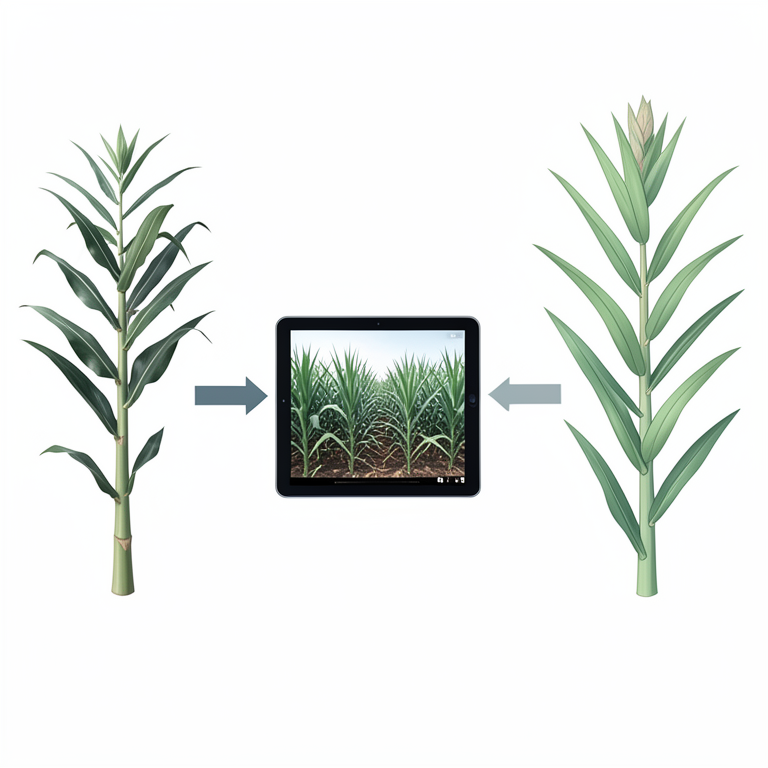
Knowledge Gain Workflow
AI-generated conceptual illustration (sugarcane plants and a digital tablet). It explains the idea and does not show study data.
View source evidence ↗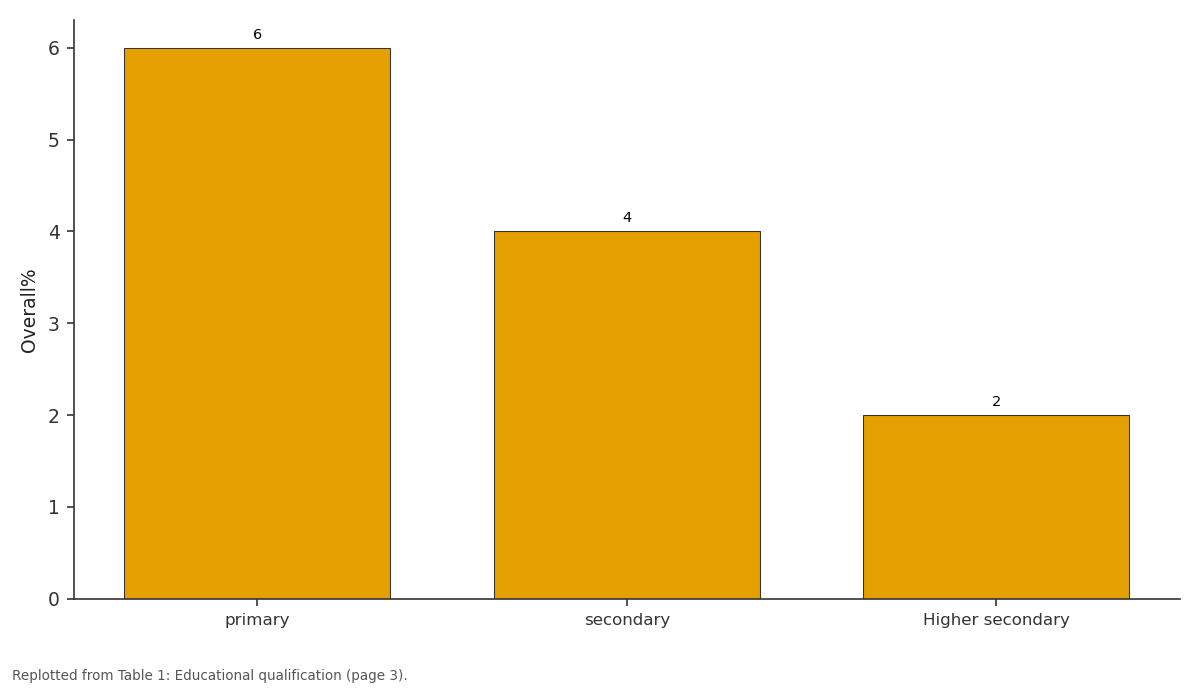
Allahpur n=12: primary vs secondary vs Higher secondary
Replotted from Table 1 (page 3) of the original paper. Every bar is the paper's own table value.
View source evidence ↗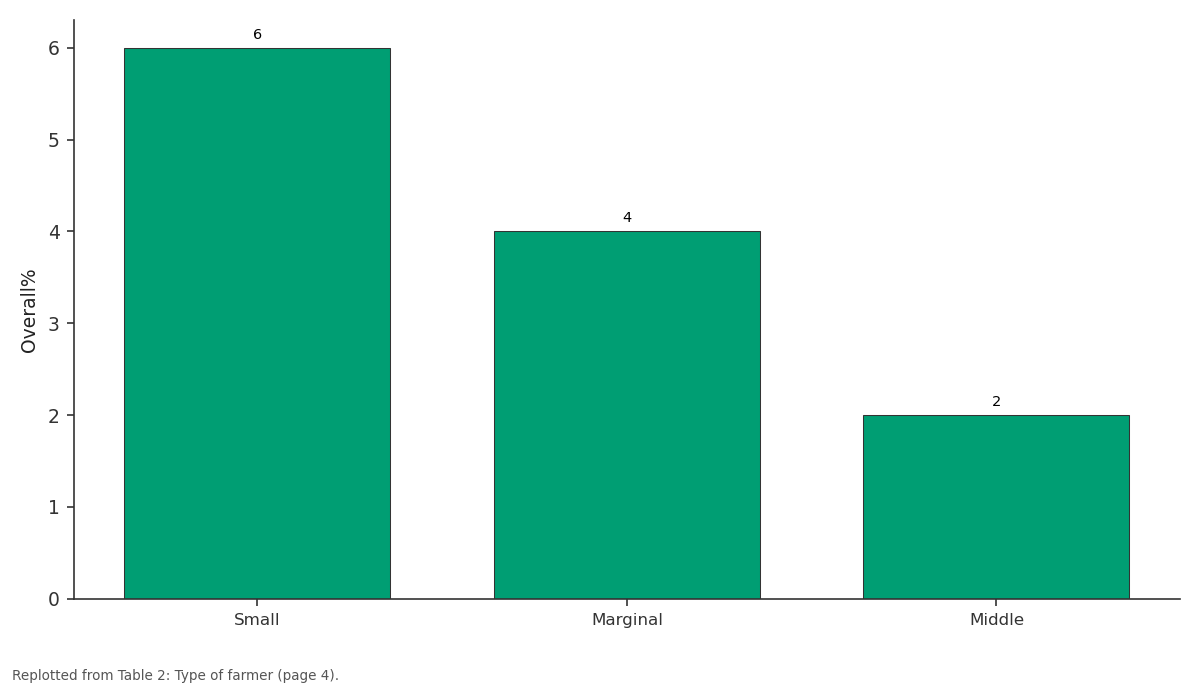
Allahpur / n=12: Small vs Marginal vs Middle
Replotted from Table 2 (page 4) of the original paper. Every bar is the paper's own table value.
View source evidence ↗Figures & tables
From the original paper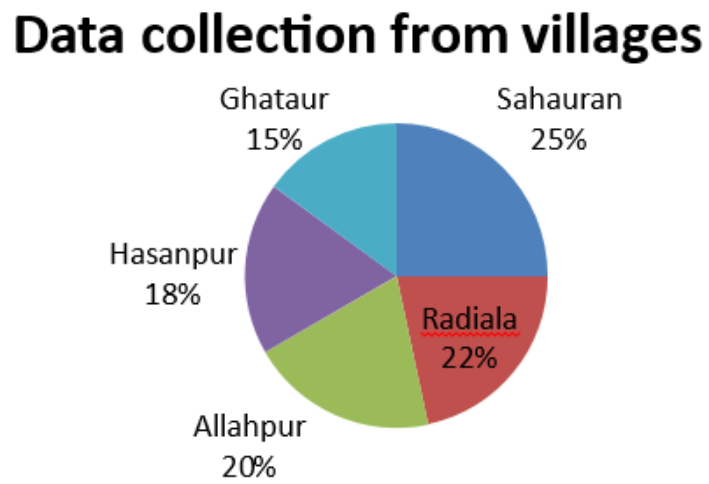 Figure 1
 Table 1
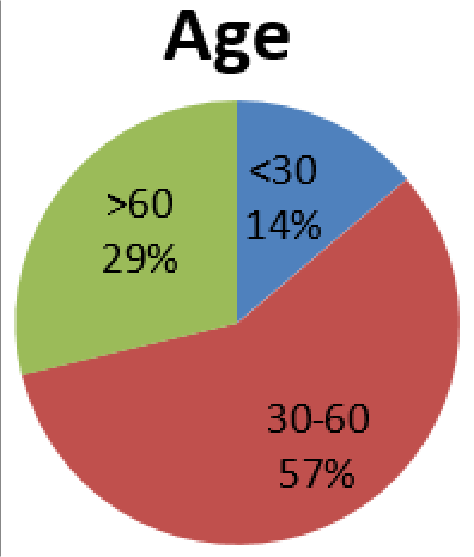 Figure 2
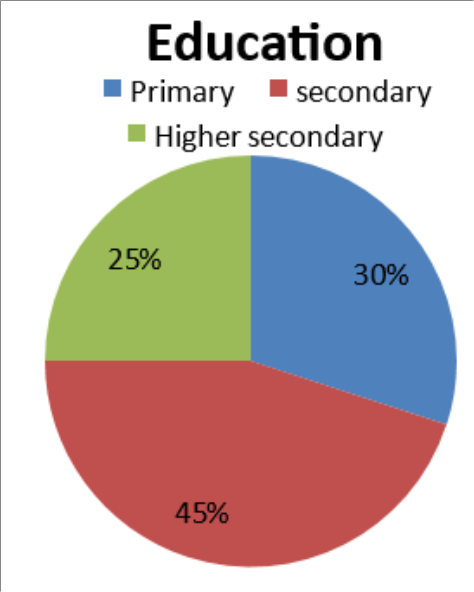 Figure 3
 Table 2
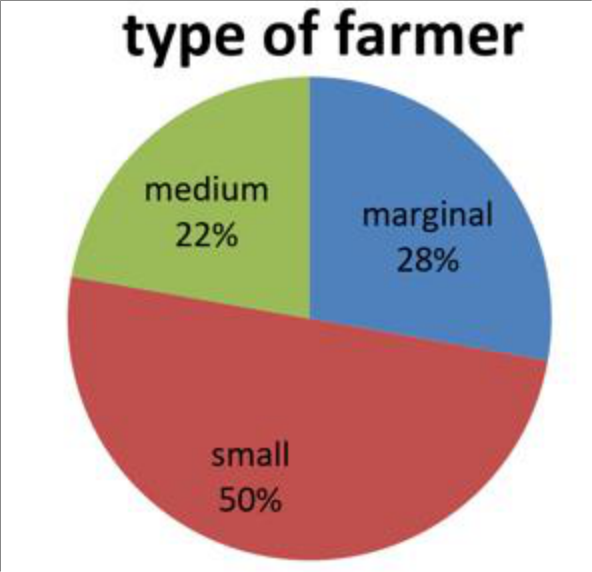 Figure 4
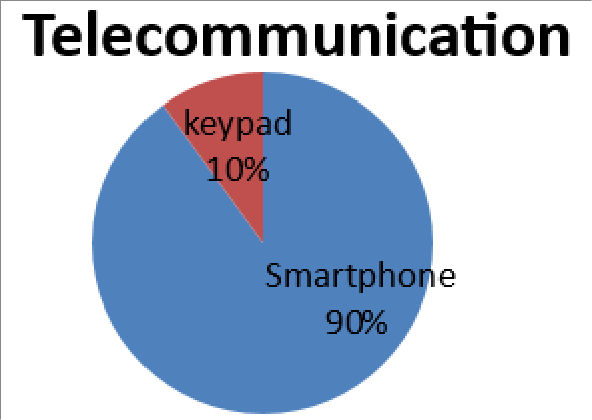 Figure 5
 Table 3
 Table 4
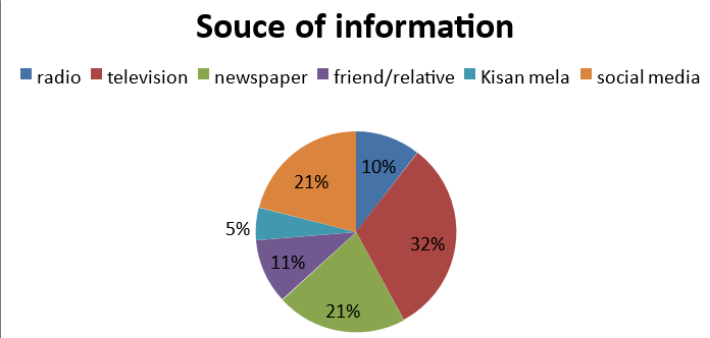 Figure 6
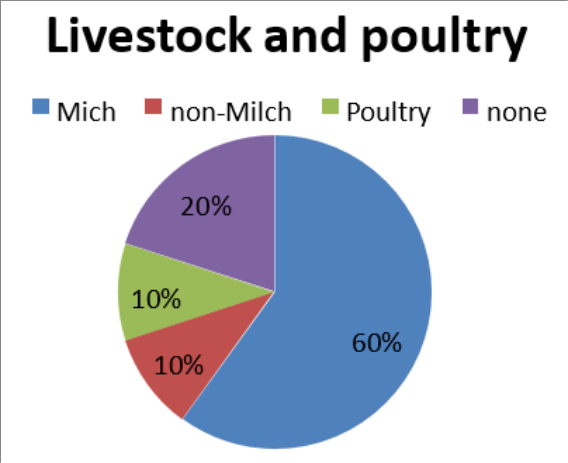 Figure 7
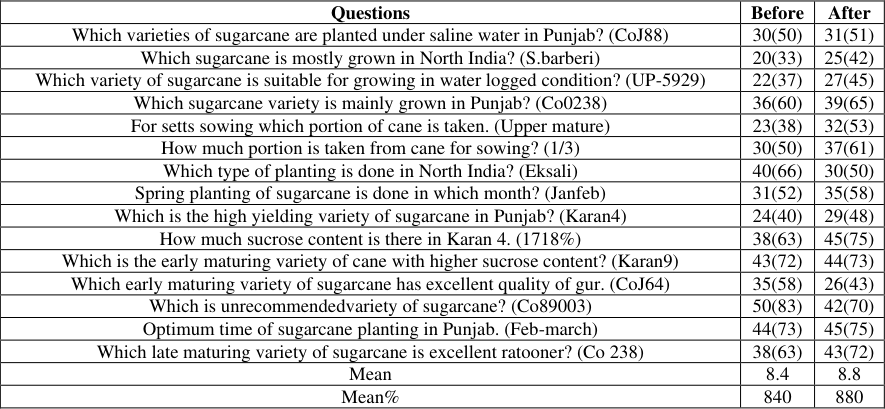 Table 5
Introduction
Over the past few years, watching videos to increase one's knowledge has shown to be an effective way for farmers to become more skilled. The videos themselves have a significant impact on rural farmers by increasing their curiosity about learning through useful videos. This makes it easier for farmers to become knowledgeable about recently created varieties by allowing them to learn from one another through the network of information sharing (Abu-Ellail et al., 2021) [1] . Since most rural farmers cannot afford trainings and in-person instruction, videos have been shown to be a useful tool for democratizing knowledge and integrating farmers-literate or not-into the changing agricultural market. Most farmers use modern communication technology for the welfare of their rural areas. On the other hand, we claim that visual presentation is a new agricultural tool that helps many farmers to improve their knowledge and skills. Videos are essential to a farmer's rural lifestyle. Sugarcane is a significant industrial crop driven by commerce. It has made a significant contribution to the expansion of both the GDP (gross domestic product) and Indian agriculture (Shukla et al., 2018) [6] . The typical sugarcane farming rural economy area is mostly associated with the sugarcane crop and related enterprises. India's main source of sugar is hybrid sugarcane Saccharum spp. [Error! Reference source not found]. Due to its increased use throughout the nations; it holds a major role in the Indian agricultural scenario. It possesses significant contribution to the national economy, serving as a raw material for sugar and more than 25 other significant businesses, such as the manufacture of chemicals, papers, alcohol, and cattle feed (Alarmelu and Shanthi., 2015) [2] . The tri-specific hybrids {(S. officinarum × S. spontaneum) × S. barberi} created at the Indian Council of Agricultural Research-Sugarcane Breeding Institute (ICAR-SBI) were well-liked in India and a number of other nations as parents or variations. (Que et al., 2024) [3] . The yield of sugarcane has increased from 30.9 t/ha in 1930 to 79.6 t/ha in 2018-2019, and the percentage of sugar recovered has increased from 8.96% to 11.01% during the same period (Shukla et al., 2017) [5] . Most farmers are not aware of newly introduced improved varieties such as Co-95 and most new improved cultivars are not known to them.
Materials and Methods
Material is being collected by farmers during village survey. The farmer is properly interviewed regarding his village and socio-profile. We asked the farmer some questions regarding sugarcane types and seed rate during the video interview and graded their overall level of expertise.
Selection of Area
Selecting the pertinent location is an essential step in the research. The study's chosen venue is Chandigarh City; this designates five communities for a survey. www.extensionjournal.com
Selection of sample
The questionnaire was created as a result of extensive conversations regarding the particulars and quirks of regional farming techniques with amateur farmers in and around village. The farmer's data is gathered collectively. Personal interviews are conducted with farmers.
Choice of instrument
Selecting the appropriate instrument is the most important step in performing a research project. In order to collect information regarding rural farming, a survey form was developed and disseminated extensively among various age groups. To increase farmers knowledge we have a short clip about sugarcane kinds and seed rate in case he or she is unaware of them. After talking about a few sugarcane species, we talked about the sugarcane cultivars that are primarily grown in Punjab state in terms of their maturity index.
Data collection
A standardized questionnaire was used to collect data from the respondents. Data were collected, tabulated, categorized, and examined. During the course of the survey, the farmer provided their primary data. A data file containing 60 observations is used to present the secondary data's content. Each variable has a corresponding question from the survey's questionnaire. The questionnaire is divided into two parts. 1. Demographic method of video presentation 2.Farmers socio-profile. The first section includes the knowledge increase data of farmers of each village. Second section includes Farmers age and their type. In this village research we have use the formula to calculate percentage of farmer's knowledge about variety of sugarcane by using these formulas-:
Results and Discussion
The survey's results demonstrate the great potential for raising farmers' awareness. Respondents' strong interest highlights the challenges of farming and ensures that farmers' knowledge is increased through the use of videos and regular questioning. We started collecting our data from Sahauran village. We conducted a village survey and spoke with a number of farmers. Many of them are aware of the new sugarcane types that ICAR has produced.
Data of Socio and video questionnaire
The distribution of ages showed that the majority of farmers (60%) were in the 30-to 60-year-old age range, indicating that this was a mature farming population. A larger proportion of the population was made up of people over 60 (29%), with a smaller fraction being under 30 (14%). The generational shift taking place in farming communities is reflected in this age distribution, which has consequences for current farming practices and succession planning. Based on patterns of type of farmer, the distribution of farmers was 28% marginal, 50% small, and 22% middle.
The socioeconomic environment of the farming community is diverse, as seen by the variation in landownership. This emphasizes the necessity for focused support systems and policy interventions that are catered to the unique requirements of each group (Fig. 4). Ninety percent of farmers reported using a smartphone, according to telecommunication trends. This indicates that digital technology is becoming more and more prevalent in rural areas, and there is potential to use mobile platforms and applications to provide weather forecasts, market data, and agricultural extension services. Due to the increasing availability of smartphones, farming communities have more ways to communicate and share information (Fig. 5). www.extensionjournal.com The most commonly stated sources of agricultural information were television (32%), followed by social media and newspapers (21%). This suggests that peer networks and experiential learning play a significant role in the spread of knowledge within farming communities. Afterwards, friends and family (11%), the radio (10%), and lastly, Kisan Mela (5%), came next (Fig. 6). Ownership of livestock varied; the majority (60%) had milch animals, followed by those without any milch or nonmilch animals (20%), and then non-milch and poultry (10%). Farmers who kept livestock frequently practiced vaccination, demonstrating their understanding of the importance of animal health and welfare (Fig. 7). www.extensionjournal.com According to Table 5 data, which compares respondents' knowledge before and after watching the sugarcane varieties video, 50.00 percent of respondents learned about the various improved sugarcane cultivars, and 51% of farmers are aware of the importance of these cultivars. About 42% of respondents knew about appropriate cultivars, whereas just 33% knew about the right seed rate and planting window for sugarcane. Less than 50% of farmers are incompetent or ignorant about the most current types of sugarcane, whereas more than 50% of farmers are only familiar with recently found cultivars.
| Questions | Before | After |
|---|---|---|
| Which varieties of sugarcane are planted under saline water in Punjab? (CoJ88) | 30(50) | 31(51) |
| Which sugarcane is mostly grown in North India? (S.barberi) | 20(33) | 25(42) |
| Which variety of sugarcane is suitable for growing in water logged condition? (UP-5929) | 22(37) | 27(45) |
| Which sugarcane variety is mainly grown in Punjab? (Co0238) | 36(60) | 39(65) |
| For setts sowing which portion of cane is taken. (Upper mature) | 23(38) | 32(53) |
| How much portion is taken from cane for sowing? (1/3) | 30(50) | 37(61) |
| Which type of planting is done in North India? (Eksali) | 40(66) | 30(50) |
| Spring planting of sugarcane is done in which month? (Janfeb) | 31(52) | 35(58) |
| Which is the high yielding variety of sugarcane in Punjab? (Karan4) | 24(40) | 29(48) |
| How much sucrose content is there in Karan 4. (1718%) | 38(63) | 45(75) |
| Which is the early maturing variety of cane with higher sucrose content? (Karan9) | 43(72) | 44(73) |
| Which early maturing variety of sugarcane has excellent quality of gur. (CoJ64) | 35(58) | 26(43) |
| Which is unrecommendedvariety of sugarcane? (Co89003) | 50(83) | 42(70) |
| Optimum time of sugarcane planting in Punjab. (Feb-march) | 44(73) | 45(75) |
| Which late maturing variety of sugarcane is excellent ratooner? (Co 238) | 38(63) | 43(72) |
| Mean | 8.4 | 8.8 |
| Mean% | 840 | 880 |
Table text extracted from the original PDF; superscript letters are shown inline. The original table image is below.
View original table image
Conclusion
In India, sugarcane ranks as the second most productive crop. This versatile crop is used to create molasses, paper, jaggery, and khandsari. The specific variety of sugarcane (Saccharumbarberi) is mostly farmed in India. Its output is growing daily, although many farmers are unaware that the ministry of agriculture is now developing new types. To gather statistics, farmers from various villages are interviewed briefly. We provide a brief film that we produced as a way for farmers to learn more about the sugarcane crop after conducting research on every hamlet. It provides data on sugarcane seed rate and types along with their early, mid, and late maturity index. A few questions are posed to the farmers both before and after the movie is shown, and the data is recorded and presented in tabular, pie, and graph form. The entire study process is designed to facilitate communication with farmers in order to jointly acquire and expand our expertise.
Figures and tables from the paper
| S. No. | Parameters | Sahauran n=15 | Hasanpur n=11 | Radiala n=13 | Ghataur n=9 | Allahpur n=12 | Overall% n=60 |
|---|---|---|---|---|---|---|---|
| 1. | primary | 3 | 4 | 3 | 2 | 6 | 30 |
| 2. | secondary | 6 | 4 | 7 | 6 | 4 | 45 |
| 3. | Higher secondary | 2 | 2 | 4 | 5 | 2 | 25 |
Table text extracted from the original PDF; superscript letters are shown inline. The original table image is below.
View original table image
| S. No. | Parameters | Sahauran | Hasanpur | Radiala | Ghataur | Allahpur | Overall% |
|---|---|---|---|---|---|---|---|
| n=15 | n=11 | 11=13 | n=9 | n=12 | n=60 | ||
| 1. | Small | 7 | 6 | 8 | 3 | 6 | 50 |
| 2. | Marginal | 4 | 2 | 2 | 5 | 4 | 28 |
| 3. | Middle | 2 | 3 | 3 | 3 | 2 | 22 |
Table text extracted from the original PDF; superscript letters are shown inline. The original table image is below.
View original table image
| S. No. | Parameters | Sahauran n=15 | Hasanpur n=11 | Radiala n=13 | Ghataur n=9 | Allahpur n=12 | Overall% n=60 |
|---|---|---|---|---|---|---|---|
| 1. | Newspaper | 3 | 2 | 2 | 2 | 3 | 21 |
| 2. | Television | 3 | 5 | 3 | 4 | 5 | 32 |
| 3. | Radio | 2 | 1 | 1 | 2 | 0 | 10 |
| 4. | Social media | 2 | 3 | 2 | 3 | 2 | 21 |
| 5. | Friends | 2 | 2 | 1 | 2 | 0 | 11 |
| 6. | Kisan mela | 1 | 0 | 0 | 1 | 1 | 5 |
Table text extracted from the original PDF; superscript letters are shown inline. The original table image is below.
View original table image
| S. No. | Parameters | Sahauran n=15 | Hasanpur n=11 | Radiala n=13 | Ghataur n=9 | Allahpur n=12 | Overall% n=60 |
|---|---|---|---|---|---|---|---|
| 1. | Milch | 7 | 5 | 7 | 7 | 10 | 60 |
| 2. | Non milch | 2 | 1 | 1 | 1 | 1 | 10 |
| 3. | Poultry | 3 | 1 | 0 | 1 | 1 | 10 |
| 4. | None | 4 | 2 | 2 | 2 | 2 | 20 |
Table text extracted from the original PDF; superscript letters are shown inline. The original table image is below.
View original table image
References
3 in the original paper- Abu-Ellail FF, El-Taib ABA, Hefny YAM. Stability analysis and performance of promising sugarcane varieties for yield and quality traits. Electronic Journal of Plant Breeding. 2021;12(3):623-636.
- Que Y, Wu Q, Zhang H. Developing new sugarcane varieties suitable for mechanized production in China: principles, strategies and prospects. Frontiers in Plant Science. 2024;14:1337144.
- Ram B, Hemaprabha G, Singh BD, Appunu C. History and current status of sugarcane breeding, germplasm development and molecular biology in India. Sugar Tech. 2022;24(1):4-29.