
Research article · 2024 · Full text
International Journal of Horticulture and Food ScienceValue chain analysis of medicinal and aromatic plants: The case of rosemary (Rosmarinus officinalis L.) in Ethiopia
Volume 6(1) · Pages 62–68 · DOI: 10.33545/26631067.2024.v6.i1a.192 ↗
Research areasEthnobotanical and Medicinal Plants StudiesAfrican Botany and Ecology StudiesBiological Control of Invasive Species
Abstract
Author-writtenTwo districts were\r\ninvolved in the study: one from the Guraghe zone of the Southern Nations,\r\nNationalities and People\'s Region and one from the Finfine surrounding area of\r\nthe Oromia special zone in the Oromia region. The target population was\r\nstratified using the farming system as a criterion to achieve a relatively\r\nhomogeneous group. Following the determination of the target population and\r\nresource availability, 137 households made up the sample size. Standard\r\ndeviation, mean, percentage, and frequency were among the descriptive\r\nstatistics that were employed. Value chain mapping, profit margin analysis, and\r\ninferential statistics like the t-test and chi-square were utilized to examine\r\nthe data. Rosemary herbal goods\' value chains are distinct in a way that hasn\'t\r\nreally affected conversations about value chains in a socioeconomic setting.\r\nSmall and medium-sized businesses frequently control this sector, which is\r\nsubject to a variety of laws pertaining to product quality and health claims.\r\nThe value chain needs to become more inventive, dynamic, and efficient in order\r\nto gain a competitive edge. Additionally, the MAPs sector needs to construct\r\nefficient lines of communication among value chain actors in order to react\r\nswiftly to changes in market demands.
Summary
Source-checkedPlain-language reading of the full paper, prepared with AI and checked against the text. Each point links to the authors' own words.
Why it matters
- Traditional medicine is a primary healthcare source for 80% of Ethiopians because it is culturally rooted, affordable, and accessible. View evidence ↗
- Medicinal and aromatic plants (MAPs) provide an opportunity for small-scale farmers to increase their income by intercropping them with vegetables or cereals. View evidence ↗
The question
- The study aimed to identify the actors involved in the rosemary value chain, including those in production, processing, and utilization. View evidence ↗
- The research sought to evaluate the factors that either promote or hinder the production and marketing of rosemary. View evidence ↗
What they did
- The study was conducted across two districts: one in the Guraghe zone (SNNPR) and one in the Finfine surrounding area (Oromia region). View evidence ↗
- A total of 137 households were sampled using a stratified sampling method based on farming systems. View evidence ↗
- Data analysis involved descriptive statistics (mean, percentage, frequency) and inferential statistics, specifically t-tests and chi-square tests. View evidence ↗
What they found
- MAPs availability trends differed significantly by region: 40.3% of respondents in Enamor and Inner reported an increase, while 56.52% in Sebeta reported a decrease. View evidence ↗
- Farmers in Enamor and Inner use more land for rosemary, but prices per quintal are higher in Sebeta Awas because it is closer to Addis Ababa. View evidence ↗
- The rosemary value chain is governed by a framework that grants wholesalers significant power, favoring them over smallholders and consumers. View evidence ↗
What it means
- The authors conclude that the MAPs sector must establish strong communication links and become more efficient and flexible to remain competitive. View evidence ↗
- A critical gap identified is the complete lack of institutional support for the rosemary value chain within the studied research areas. View evidence ↗
Visual summary
1 visualsIllustrations explain the paper; they do not show study data.
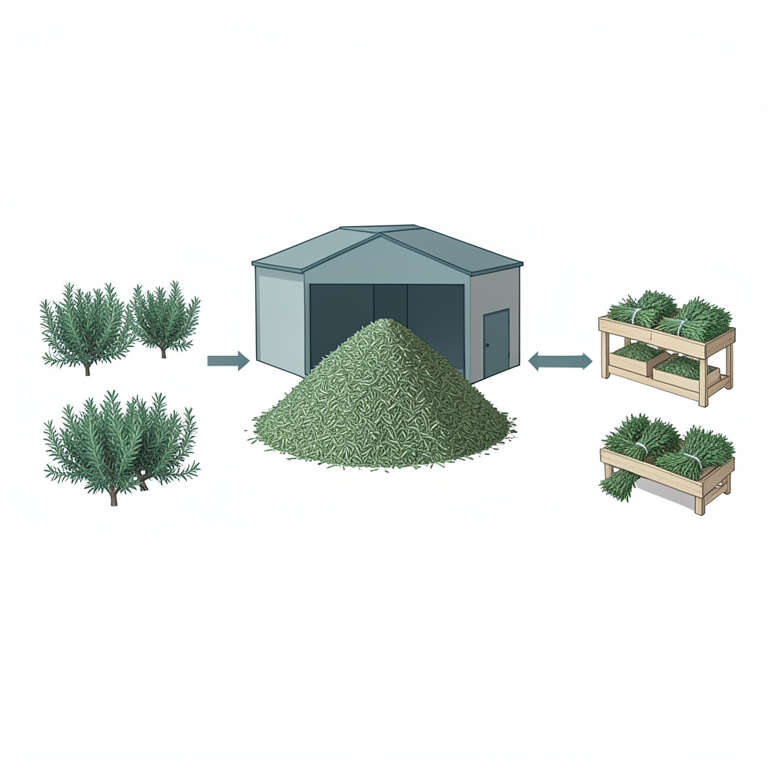
Rosemary Value Chain Power Dynamics
AI-generated conceptual illustration (Rosemary plants (Rosmarinus officinalis L.) and logistics). It explains the idea and does not show study data.
View source evidence ↗Figures & tables
From the original paper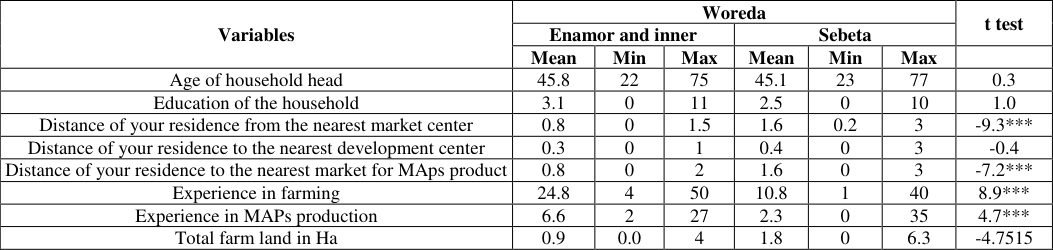 Table 1
 Table 2
 Table 1
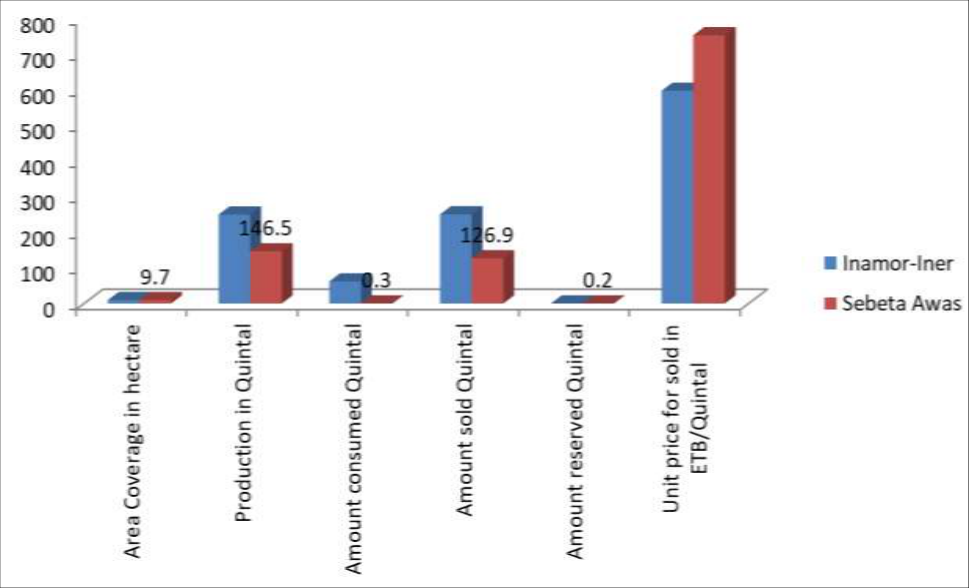 Figure 1
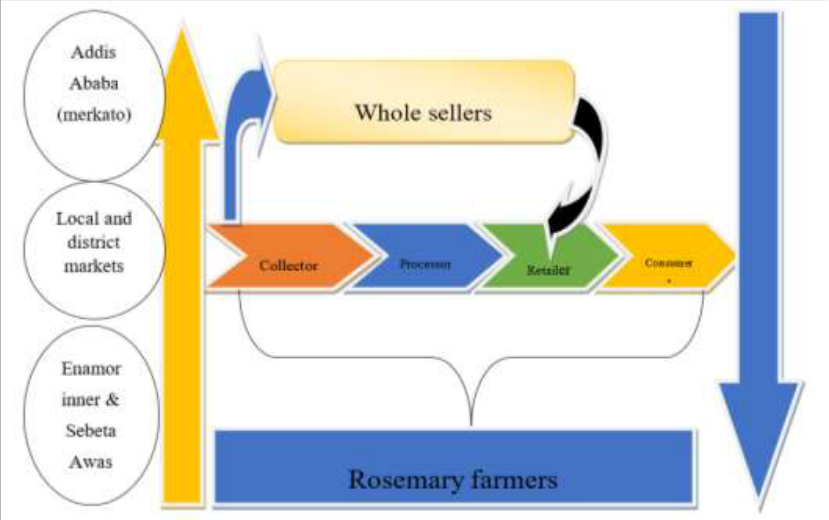 Figure 2
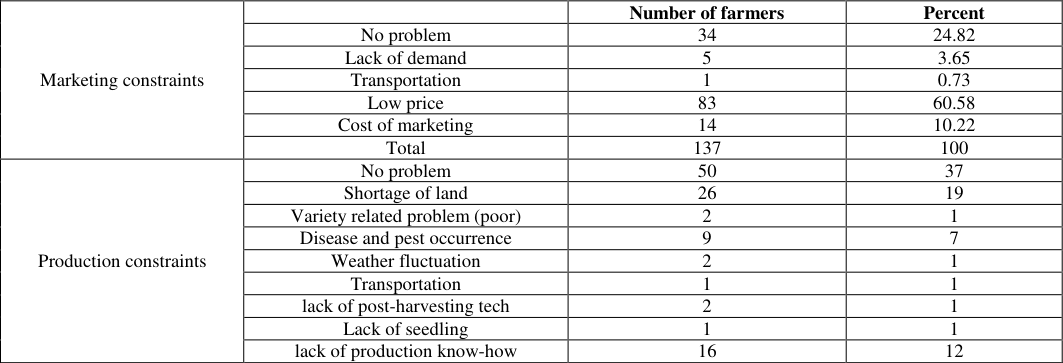 Table 4
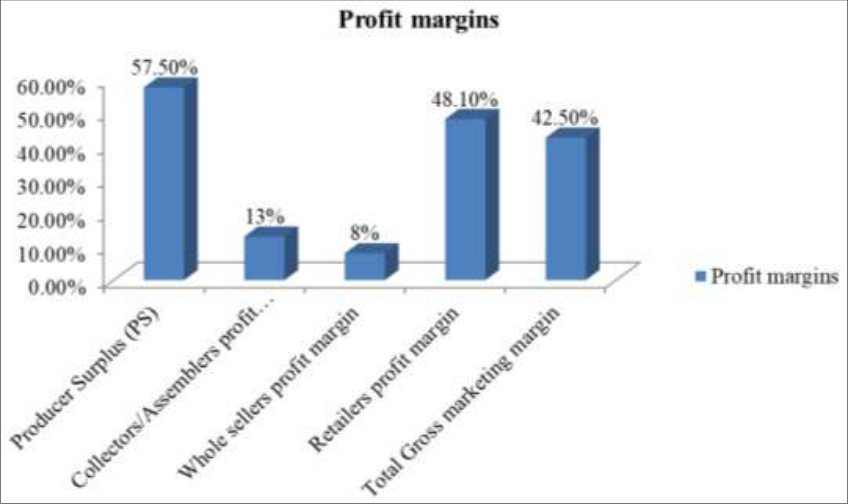 Figure 3
Introduction
The majority of Ethiopians have limited access to healthcare due to the inadequacy of conventional medical facilities, which are mainly focused in metropolitan areas and unable to keep up with the country's growing population. Because it is widely accessible, reasonably priced, and deeply rooted in culture, 80% of people choose traditional medicine as their primary source of healthcare (Kassaye, K. D. et al., 2006) [8] . In addition, people still turn to traditional medicine for curative procedures as their main source of healthcare, despite Western medicine's change in emphasis towards prevention measures (Pankhurst, R. 1990) [10] . In terms of culture, economy, and society, medicinal plants are important. Growing these crops as intercrops with cereals or vegetable crops can help small landholding farmers boost their returns per unit area. In order to maximize the use of the land and resources that are available, certain MAPs can also be grown under stressed circumstances, in degraded soils affected by salt, and as under crops in orchards. Natural products have a bright future ahead of them as more people turn to them for nutritional and medicinal needs. Medicinal plant resources are one of Africa's main sources of income; the continent is second only to Asia in terms of volume exported to the global market. There are over 245 plant families among the six to seven thousand species that make up Ethiopia's flora. Approximately one-third of the families have worked in conventional medicine, while the precise number is yet unknown. Even though Ethiopia has a high demand and profitability for medicinal plants, very little is produced there; most highly valued medicinal plants are found in the wild, but only a tiny percentage are traded. A spice is a small amount of dried fruit, vegetable, bark, seed, or other vegetative material that is added to food to flavour it. It can also be used as a preservative by inhibiting the growth of harmful bacteria. Many of these materials are also utilized in other contexts, including medicine, perfumes, cosmetics, religious ceremonies, and vegetable preparation. (Coordination Committee for the Spice Sector Strategy, 2010) Between 250,000 and 750,000 species of higher plants are thought to exist on Earth; roughly 50,000 of these have been utilized medicinally at some stage (Der Marderosian and Liberti, 1988) [3] . Ethiopia is home to a wide variety of exotic and native spices, herbs, medicinal plants, and other plants that provide essential oils due to its varied climate and soil types. Ethiopia is home to between 6,000 and 7,000 higher plant species as a result (Asfaw and Tadesse, 2001) [1] . About 406 plant species are utilized as spices in Ethiopia, according to research (Coffee, Tea and Spices Research Strategies, 2015) [2] . Nonetheless, the Tepi National Spice Research Center is in charge of coordinating research on lowland species such as black pepper, cardamom, turmeric, ginger, cinnamon, and korarima that are related to spices, herbs, and medicinal plants in Ethiopia (Girma et al., 2008) [5] . Two million metric tons are thought to be produced worldwide each year for spices. Approximately 800,000 metric tons of this production are consumed locally, with Indonesia and India being the top producers (400,000 metric tons). One estimate puts the entire number of spices exported worldwide at 600,000 metric tons. Ninety thousand metric tons of black and white pepper are shipped from Vietnam alone, accounting for roughly one-third of the world's total spice production. With an annual volume of 220,000 metric tons, the European Union is a major importer of tropical spices, whereas North America imports 130,000 metric tons. Spice output and productivity, as well as the area covered by spice crops, are substantially lower in Ethiopia compared to other major producing countries. Ethiopia produced 418,000 metric tons of spices in 2013, up from 238,000 metric tons in 2005. Between 2010 and 2014, the average annual production of spices was primarily derived from the SNNP, Oromia, and Amhara regions, accounting for 37%, 32%, and 25% of the total. Black cardamom, ginger, and turmeric are the principal products of the SNNP region; black cumin and chillies are primarily produced in the Oromia and Amhara regions, Herms (2015) [6] stated. The spice trade, which has been one of the most important forms of commerce, dates back to around 2000 BCE and connected many different civilizations, including the trade of silver and gold. With global consumption steadily increasing, the growth rates of spice production are estimated to be between 2% and 5% per annum, with a total annual production of 7.8 million MT and global trade of 1.5 million MT per annum in 2013. The majority of spice exports, approximately 700,000 MT, went to developed economies in the EU, USA, and Japan. Domestic demand for spices is high, and there is a shortage in supply for most spices, resulting in prices increasing due to the gap between increased demand, insufficient supply, and speculation. For example, prices for spices imported to the EU from developing countries increased by an average of 6.8% per year between 2010 and 2014 (Herms S. 2015) [6] . African spice producers generally target the home and regional market, with an estimated yearly trade of 300,000 MT between African countries and between Africa and the Middle East, India, and other regions. Tanzania, Côte d'Ivoire, Nigeria, and Ethiopia are the top exporters to North Africa, Kenya, Uganda, the Middle East, and India. Ethiopia is one of the largest spice consumers in Africa and produces a variety of spices used for both food and medicinal purposes, consuming over 90% of its production domestically. While Ethiopia has the potential to be a significant spice exporter, it currently contributes only 0.8% of the country's total export value. In 2009/10, Sudan was the leading importer of spices from Ethiopia, followed by India, Yemen, the UAE, Saudi Arabia, Morocco, and Singapore. Jordan and South Africa also imported significant amounts of Ethiopian spices. Spice exports from Ethiopia in 2013 and 2014 amounted to 15,000 MT per annum, valued at US$26 million. The growth of the global spices market is driven by several factors, including increasing access to information, growing population, shifting consumer trends towards health and authenticity in developed economies, sustained economic growth in developing economies, and the increasing consumption of meat in developing countries. As the world becomes more interconnected, the demand for spices is likely to continue to grow, creating opportunities for spice producers in Africa and beyond (Herms S. 2015) [6] .
Objective of the study
The objectives of the study include 1. Identify the value chain actors involved in the production, processing, and utilization of aromatic shrub and tree plants (Rosemary) and their orientation. 2. Assess the factors that hinder or promote the marketing and production of aromatic shrub and tree plant (Rosemary) technologies. 3. Propose strategies for the promotion of aromatic shrub and tree plant (Rosemary) technologies.
Methodology 2.1 Description of Study Area
The study was conducted in two districts, one of which was situated in the Oromia Special Zone in the Oromia region, while the other was located in the Guraghe Zone of the Southern Nations, Nationalities, and People's Region. The woreda of Sebata Hawas is located in the Oromia Region of Ethiopia and lies to the southwest of the South West Shewa Zone, to the northwest of Walmara, to the north of Burayu, to the northeast of Addis Ababa, and the east of Akaki. The altitude of the woreda ranges from 1700 meters above sea level to about 3385 meters. According to the Woreda Agricultural and Rural Development Office, 87.2% of the land is used for agriculture, 4.2% is pasture, 2.9% is forest, 1.86% is reserved for industrial establishment, 1.68% is covered by lakes and other bodies of water, and built-up land covers 1.28%.
Sampling Technique and Sample Size
To obtain a representative sample, a stratified sampling method was employed to select the target society for the socio-economic survey. In this instance, the farming system served as the basis for stratification, with the intention of creating relatively homogeneous groups. The final sample size was determined to be 137 households, taking into account the available resources and target population.
Data Collection Method
The researcher obtained both primary and secondary data.
To collect primary data, a structured socio-economic survey questionnaire was employed, and information about the study area's farming system, land holding and use system, and potentials was gathered. Secondary data, on the other hand, were obtained from published and unpublished sources.
Data Analysis Method
To analyze the data for producers, traders, and consumers, various statistical techniques were deployed, including descriptive statistics such as frequency, mean, percentage, and standard deviation. Tables and pie charts were also utilized as descriptive tools to display data. In addition, inferential statistics, such as t-test and chi-square, were employed to draw conclusions about the data. Finally, value chain mapping and profit margin analysis were used to analyze data for producers, traders, and consumers.
Results and Discussion
Results and Discussion
Socioeconomic Characteristics of Farm households
The research discovered that most of the participants in the sample had, on average, finished grade 3, and there was little variation in the study area. However, there were notable differences between the two study areas in regards to proximity to the nearest market, proximity to the nearest development center, and farming experience among MAPs (as shown in Table 1).
| Items | — | Woreda | — | Total | Chi2 |
|---|---|---|---|---|---|
| Enamor and Inner | Sebeta | ||||
| What is the trend of MAPs availability over the last five years | Increasing | 27 (40.3) | 10 (14.49) | 37 (27.21) | 14.7*** |
| Decreasing | 19 (28.36) | 39 (56.52) | 58 (42.65) | ||
| Remain the same | 21 (31.34) | 20 (28.99) | 41 (30.15) | ||
| Total | 67 (100) | 69 100) | 136 (100) |
Table text extracted from the original PDF; superscript letters are shown inline. The original table image is below.
View original table image
| Variables | Woreda | — | — | — | — | — | t test |
|---|---|---|---|---|---|---|---|
| Enamor and inner | Sebeta | ||||||
| Mean | Min | Max | Mean | Min | Max | ||
| Age of household head | 45.8 | 22 | 75 | 45.1 | 23 | 77 | 0.3 |
| Education of the household | 3.1 | 0 | 11 | 2.5 | 0 | 10 | 1.0 |
| Distance of your residence from the nearest market center | 0.8 | 0 | 1.5 | 1.6 | 0.2 | 3 | -9.3*** |
| Distance of your residence to the nearest development center | 0.3 | 0 | 1 | 0.4 | 0 | 3 | -0.4 |
| Distance of your residence to the nearest market for MAps product | 0.8 | 0 | 2 | 1.6 | 0 | 3 | -7.2*** |
| Experience in farming | 24.8 | 4 | 50 | 10.8 | 1 | 40 | 8.9*** |
| Experience in MAPs production | 6.6 | 2 | 27 | 2.3 | 0 | 35 | 4.7*** |
| Total farm land in Ha | 0.9 | 0.0 | 4 | 1.8 | 0 | 6.3 | -4.7515 |
Table text extracted from the original PDF; superscript letters are shown inline. The original table image is below.
View original table image
Demographic aspect of the respondents
The survey result showed that the percentage of married, unmarried but spouse-away, divorced, and widowed households during the study was not statistically significantly different (Table 2). According to the respondents, the trend of MAPs availability over the last five was decreasing in Sebeta Awas (57%) than Enamor and Inner (28%) and similarly, increasing in Enamor and Inner (40%) and Sebeta Awas (14%) and these differences are statistically significant (Table 3). The study result showed that on average farmers allocate more acres of their farm land for Rosemary herbal production in Enamor and Inner than Sebeta Awas but on average, the price for Rosemary herbal production per quintal was higher in Sebeta Awas than Enamor and Inner and this is because Sebeta Awas is closer to Addis Ababa city the capital of Oromia region, Ethiopia and Africa (Figure 2).
| Woreda | Marital status of the household head | — | — | — | — | Chi2 |
|---|---|---|---|---|---|---|
| Married | Unmarried | Divorced | Widowed | Total | ||
| Enamor and inner | 64 (95.52) | 1 (1.49) | 1 (1.49) | 1 (1.49) | 67 (100) | 5.5 |
| Sebeta Awas | 61 (87.14) | 3 (4.29) | 0 (0) | 6 (8.57) | 70 (100) | |
| Total | 125 (91.24) | 4 (2.92) | 1 (0.73) | 7 (5.11) | 137 (100) |
Table text extracted from the original PDF; superscript letters are shown inline. The original table image is below.
View original table image
The results of the study revealed that farmers in Enamor and Inner allocate more acres of their land to Rosemary herbal production compared to Sebeta Awas. However, the per quintal price for Rosemary herbal production is higher in Sebeta Awas due to its proximity to Addis Ababa, the capital of the Oromia region and Africa (as shown in Figure 2).
Collectors / Processors
Independent vendors gather and prepare rosemary in local markets. They then package and deliver the herb using small trucks and pack animals. The rosemary is thereafter sold to bigger markets by these entrepreneurs. Since their trading activities involve purchasing and assembling the herb, drying it, packing it, sorting it, and selling it to wholesalers, local traders are essential to the local rosemary value chain. Usually, the merchants carry the rosemary in wagons or donkeys to the closest district town, where they sell it to distributors and shops. Additionally, the neighborhoods vendors gather the rosemary on behalf of wholesalers, who buy the herb from them after paying a premium for the services rendered and covering all expenses. Rosemary is widely used in the studied areas as a spice and flavouring element in a variety of recipes. Its processing entails drying and adding value. Farmers and collectors handle the processing part, selling consumers cleaned and dried rosemary. Known locally as "sega metbesha," rosemary is frequently used as a spice and is frequently mixed with powdered pepper or used fresh in meat recipes. Major cities around the nation have been using rosemary as a flavouring component more frequently in recent years.
Wholesalers
In order to resell rosemary in deficit areas to larger market centers and retailers with higher financial and informational capabilities, wholesalers are traders who purchase rosemary from rural collectors and farmers, typically those in excess areas. These dealers, who buy at least a truckload of rosemary at a time from farmers, are the main consumers of rosemary. Although the study district does not have any licensed wholesalers, the majority of wholesalers are based in Addis Ababa (Merkato), where they buy produce in bulk from the districts and then transport it to nearby marketplaces like Adama, Bahirdar, and Hawassa.
Wholesalers have better access to storage, transportation, and communication than other traders, and they frequently purchase rosemary through collectors who act as their representatives in purchasing activities.
Retailers
In the value chain of rosemary, retailers are essential players both inside and outside the research region. They are renowned for having poor financial and information capacities, as well as restricted abilities to handle and buy goods. The intermediaries between manufacturers and customers are these actors. District retailers and central retailers are the two categories of retailers in the research area. While major city supermarkets and shops mostly get rosemary in dry form from wholesalers, district shopkeepers usually buy it from farmers or wholesale traders. It was noted during market visits that shopkeepers usually carry limited amounts of rosemary. Retailers usually sell the product to consumers because they provide a range of selections and pricing that are affordable for them.
Consumers
The majority of people buy rosemary goods from merchants to use as a spice for their own consumption. Individual homes, both in rural and urban areas, as well as hotels and institutions, are the consumers of rosemary.
Enablers and Facilitators
Enablers in a value chain are any actors unique to the chain that regularly offer support or speak for the interests of all the actors in the chain. Those who assist value chain actors but are not directly involved in the chain are known as supporting function players in the rosemary value chain. Information gathering, research and development, and other services are some of these support roles. Input and equipment suppliers, financial services, extension services, market information access and dissemination, technology suppliers, advisory services, and more are examples of support service providers that are essential to the development of value chains. Nevertheless, no institutions in the research areas provide any kind of support for the rosemary value chain. The District Trade and Market, District Agriculture Office, and District Irrigation and Development Authority are among the anticipated support providers. Wondo Genet Agricultural Research Center, private transporters, cooperatives, Oromia and Omo Micro Finance Institutions, Development Office. Based on key informant interviews, it is evident that although producers receive general agriculture extension services, there is a lack of support for enhancing the technical abilities of rosemary producers. The goal at Wondo Genet Agricultural Research Center is to improve the variety of rosemary seedlings that can withstand biotic and abiotic stress, produce a high biomass, and adapt to various settings. But when it comes to financial matters, the farmers in the research region are not receiving enough assistance. In the research area, there are no cooperatives that support rosemary producers along the value chain. This is a result of the district administrations' failure to acknowledge and stress how crucial it is to set up farmer's organizations as cooperatives for the production and marketing of rosemary in order to support the smooth operation of the value chain.
Value chain governance
The governance structure sheds light on the relationships between buyers and producers of rosemary along the supply chain. Because they depend on traders and lack access to important market data, producers in the study area are in a weaker bargaining position when negotiating prices. They consequently frequently become price takers out of fear of suffering losses after harvest if their goods are not sold. Producers mentioned poor coordination among value chain participants and challenges in exchanging information and knowledge along the chain during focus group talks. The study discovered that the governance framework in existence favours wholesalers and retailers over smallholders and consumers and that wholesalers have a considerable amount of power over the rosemary value chain. Wholesalers are well-versed in the dynamics of the rosemary market and supply, including data on availability, pricing, and regional production. Wholesalers in Addis Ababa engage in informal networking and negotiate rates; official collateral is not needed for deals.
Mapping and Marketing Margin analysis
From the beginning of production to the end, the study examined the participants and their roles along the value chain. Gaining a thorough grasp of the movement of goods and services from production to their final destination was the aim of the marketing channels examination. The marketing margin was computed by deducting the producer prices from the consumer prices in order to assess the chain players' performance. Where, AR-Average Revenue and AC-Average Cost It was discovered that the research area's governance system lacked the necessary coordination between value chain participants for knowledge transfer and information sharing, as well as for their participation in rule and regulation changes. As a result, it is crucial to create a system for value chain actors to coordinate their efforts and to motivate all parties to take part in the process of amending the laws and policies in the research domains.
Challenges and opportunities of actors along the rosemary value chain
One of value chain analysis's benefits is its ability to pinpoint bottlenecks in the chain's evolution from input supply to consumption. These bottlenecks can then be explained by various actors via focus groups and surveys.
The main obstacles impeding the growth of the rosemary value chain can be divided into three primary stages, according to the findings: the farm level, the marketing/traders' stage, and the consumer stage (Table 4). The primary productivity limitations that farmers encounter at the farm level are a lack of available land, a lack of expertise in production methods, and insect and disease outbreaks, in that order of significance. Regarding market limitations, low prices were cited as a concern by 60.6% of the farmers in the study, followed by the expense of marketing (Table 4). This is probably going to discourage growers from increasing the amount of aromatic and medicinal plants they produce and sell. In Sebeta Awas woreda, inadequate drying and storage facilities at the farm level as well as poor post-harvest management practices have a detrimental effect on farmers' and traders' profits. The main problems in the districts that were chosen are disease and pest attacks, and farmers have said that they have little understanding about how to address these issues in order to cultivate rosemary.
| Marketing constraints | — | Number of farmers | Percent |
|---|---|---|---|
| No problem | 34 | 24.82 | |
| Lack of demand | 5 | 3.65 | |
| Transportation | 1 | 0.73 | |
| Low price | 83 | 60.58 | |
| Cost of marketing | 14 | 10.22 | |
| Total | 137 | 100 | |
| Production constraints | No problem | 50 | 37 |
| Shortage of land | 26 | 19 | |
| Variety related problem (poor) | 2 | 1 | |
| Disease and pest occurrence | 9 | 7 | |
| Weather fluctuation | 2 | 1 | |
| Transportation | 1 | 1 | |
| lack of post-harvesting tech | 2 | 1 | |
| Lack of seedling | 1 | 1 | |
| lack of production know-how | 16 | 12 |
Table text extracted from the original PDF; superscript letters are shown inline. The original table image is below.
View original table image
Conclusion and Recommendations 4.1 Conclusion and Recommendations
Analysis of the value chains for medicinal and aromatic plants -which are typically harvested from small-scale farming practices -is severely lacking when it comes to herbal items. From a pharmacognostic standpoint, this has significant ramifications for the formulation of laws and quality control plans. There are several unique characteristics of the value chains for herbal goods made with rosemary that haven't really affected the way value chains are discussed in socioeconomic contexts. Small and medium-sized businesses usually control this sector, which is governed by a variety of international rules pertaining to product quality and health claims. Understanding how shifts in the commercialization pattern affect the value chain's many components -from the local households that produce rosemary to the end users -is made possible by the analytical approach. The method also aids in comprehending how modifications to the value chain could significantly impact the product and its calibre. The market requires suppliers to adhere to strict specifications on product quantity and quality, packaging, and price and product consistency. The value chain has to become more inventive, flexible, and efficient in order to obtain a competitive advantage. In order for the value chain's members to react quickly to shifting market conditions, the MAPs sector also needs to have strong communication links.
Acronyms and Abbreviations
Acronyms and Abbreviations
Figures and tables from the paper
References
5 in the original paper- Asfaw Z, Tadesse M. Prospects for sustainable use and development of wild food plants in Ethiopia. Economic Botany. 2001;55(1):47-62.
- Der Marderosian AH, Liberti LE. Natural Product Medicine. Philadelphia: GF Stickley Co., 1988, 5.
- Herms S. Business Opportunities Report Spices #6 in the series written for the Ethiopian Netherlands business event 5-6 November 2015, Rijswijk, The Netherlands; c2015.
- Kassaye KD, Amberbir A, Getachew B, Mussema Y. A historical overview of traditional medicine practices and policy in Ethiopia. Ethiopian Journal of Health Development. 2006;20:127-134.
- Tadesse M, Demissew S. Medicinal Plants Ethiopian: Inventory, Identification and Classification. In: Sue Edwards & Zemede Asfaw (eds.). Plants Used in African Traditional Medicine as Practiced in Ethiopia and Uganda. Botany 2000: East and Central Africa. NAPRECA Monograph. 1992;5:21-24.
Cited by 3
From OpenAlex, OpenCitations and reference lists read by Scinovex
- Effect of Packaging Materials and Storage Durations on the Phytochemical and Antioxidant Profiles of Ethiopian Ginger ( Zingiber officinale ) Genotypes ↗
Temesgen Laelago Ersedo, Tilahun A. Teka, Sirawdink Fikreyesus Forsido, Engida Dessalegn · Journal of Food Biochemistry · 2025
Ginger ( Zingiber officinale ) is a valuable medicinal and culinary plant renowned for its rich content of bioactive compounds, including phytochemicals and antioxidants, which help neutralize free radicals and promote overall health. The stability of these compounds in dried ginger powder depends significantly on packaging materials and storage conditions. This study evaluated the influence of two packaging types—glass jars…
❝ 5PDF - Effect of packaging materials and storage durations on nutritional composition and antimicrobial potential of ginger (Zingiber officinale) genotypes from Ethiopia ↗
Temesgen Laelago Ersedo, Tilahun A. Teka, Sirawdink Fikreyesus Forsido, Engeda Dessalegn · Food Nutrition · 2025
❝ 1PDF - Effect of Storage Duration on Bioactive Compounds and Antioxidant Activity of Ethiopian Ginger (Zingiber officinale) Genotypes ↗
Temesgen Laelago Ersedo · Journal of Packaging Technology and Research · 2026
❝ 0