
Research article · 2024 · Full text
International Journal of Research in AgronomySnails and slugs: A new threat to crop cultivation
Volume 7(4) · Pages 306–312 · DOI: 10.33545/2618060x.2024.v7.i4e.567 ↗
Research areasMollusks and Parasites StudiesAnimal Ecology and Behavior Studies
Abstract
Author-writtenTerrestrial gastropods, snails and slugs belong to the phylum Mollusca, which is the secondlargest phylum in terms of species composition after Arthropoda. Snails are identified by having shells in their outer body surface for protection, while slugs do not have, but are similar in nature. Many gastropods serve a significant role in ecological process, while some result in major risks and annoyances in crop production leads to economic losses to the farmers. This nation is home to around 1500 different kinds of gastropods, of these snails like Achatina fulica (Bowdich), Pomacea canaliculata (Lamarck), Opeas gracile (Hutton), Macrochlamys indica (Blanford) etc. and slugs like Laevicaulis alte (Ferrussac), Mariella dussumieri (Gray) etc. are identified as notorious pests of various agricultural, horticultural and plantation crops in different parts of the world due to their rasping feeding behaviour. They feed on the leaves, steams, bud, flowers, roots, corns, bulbs, tubers etc. and create holes. Even their slimy product can also found on the parts of the invaded crops making them unsuitable for marketing. Mollusk management is therefore becoming increasingly crucial while keeping an eye on the threshold. But little is known about these emerging threats in agriculture, limiting their proper management. Thus, the present article lightens up about these major pestiferous snails and slugs threatening Indian crop cultivation with focusing their distribution, morphological feature, damage symptoms as well as suitable management practices.
Summary
Source-checkedPlain-language reading of the full paper, prepared with AI and checked against the text. Each point links to the authors' own words.
Why it matters
- While many gastropods are ecologically beneficial, certain species pose significant risks to crop production, causing economic losses for farmers. View evidence ↗
- Pest gastropods damage various plant parts, including leaves, roots, and tubers, and their slime can make crops unsuitable for sale. View evidence ↗
- Proper management of these pests is hindered by a lack of comprehensive knowledge regarding these emerging agricultural threats. View evidence ↗
The question
- The authors aim to provide an overview of pestiferous snails and slugs threatening Indian crops, focusing on their distribution, morphology, damage symptoms, and management. View evidence ↗
What they did
- This study is a review article that synthesizes existing information on the scenario of pestiferous snails and slugs in agricultural fields. View evidence ↗
What they found
- Golden Apple Snails (GAS) measuring 22-40 mm are particularly detrimental, capable of completely damaging rice seedlings during germination and destroying 20% of seedlings during transplanting. View evidence ↗
- In the Philippines, the Golden Apple Snail has caused estimated annual economic losses of up to USD 1200 million to aquatic crops. View evidence ↗
- Adult Opeas gracile snails consume a relatively small amount of their preferred food, approximately 1.5 cm² per day. View evidence ↗
- In lower West Bengal, the population density of Macrochlamys indica was reported at 43 per million. View evidence ↗
- The slug Laevicaulis alte is characterized as a shell-less, dark-colored spherical organism typically 7 to 8 cm in length. View evidence ↗
- Deep ploughing twice annually is recommended to reduce infestation by exposing pests and their eggs to sunlight. View evidence ↗
- Chemical tests indicate that methiocarb is more toxic to slugs than metaldehyde. View evidence ↗
What it means
- The authors conclude that land mollusc density and richness are associated with abiotic factors (rainfall, humidity, leaf litter) and biotic/anthropogenic factors (vegetation cover and human pressure). View evidence ↗
- The authors state that further research is necessary to develop more efficient control methods for terrestrial molluscan pests. View evidence ↗
Visual summary
1 visualsIllustrations explain the paper; they do not show study data.
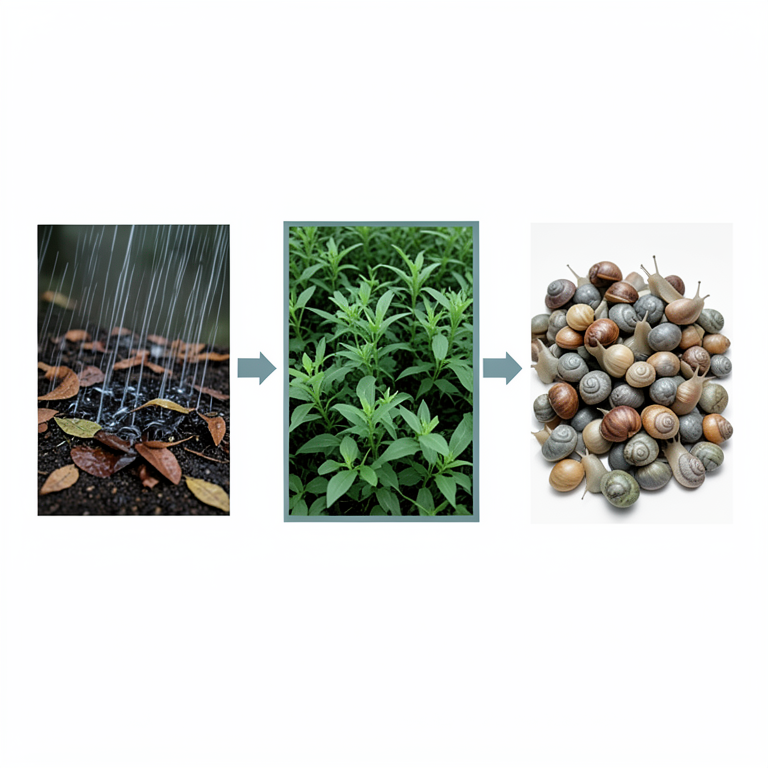
Factors Influencing Mollusc Density
AI-generated conceptual illustration (land snails and slugs in a garden crop setting). It explains the idea and does not show study data.
View source evidence ↗Figures & tables
From the original paper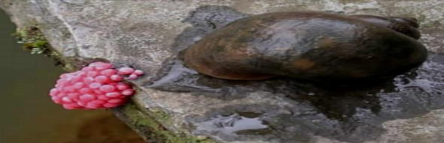 Figure 1
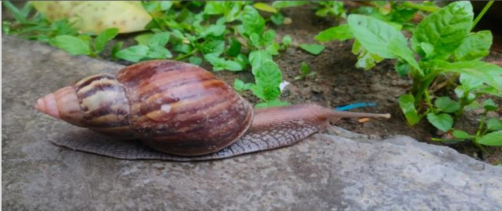 Figure 2
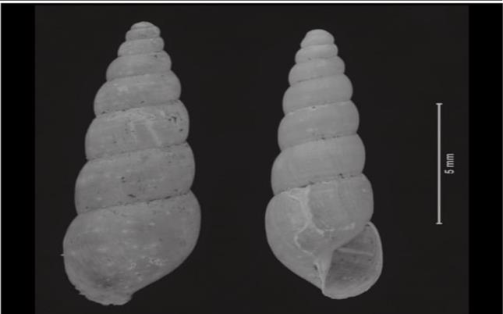 Figure 3
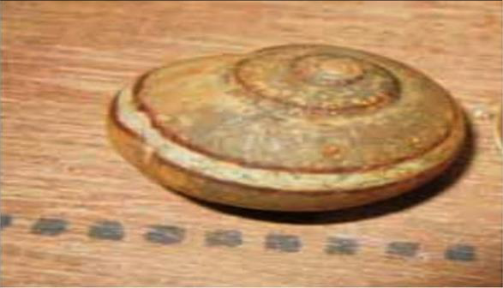 Figure 4
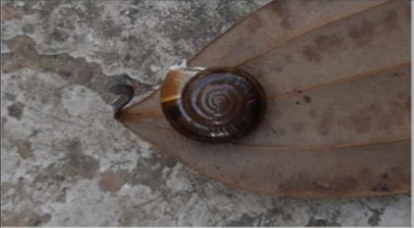 Figure 5
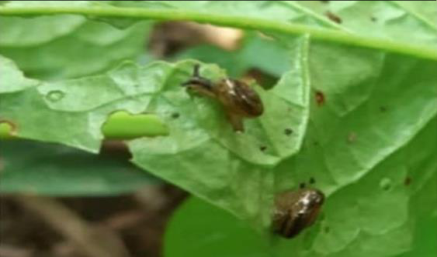 Figure 6
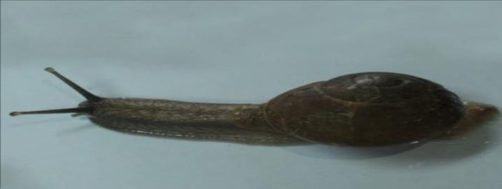 Figure 7
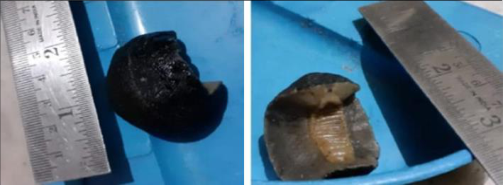 Figure 8
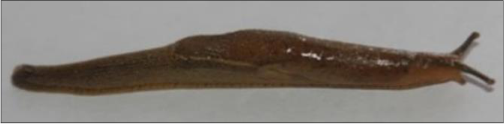 Figure 9
Introduction
The second biggest phylum of creatures in the world, mollusca are primarily found in tropical climates. The word Molluscs comes from the Latin word "mollus" which means "soft" and is often shielded by a hard calcium containing shell (Zala et al. 2018) [40] . Due to their poikilothermic nature, mollusca utilize almost every ecosystem on earth, with the exception of ice caps. Six taxonomic groups, including Cephalopoda, Monoplacopoda, Amphineura, Scaphoppda, Bivalvia and Gastropoda, make up the phylum Molluscs (Srivastava 1992) [36] . Members of Class Gastropoda are the most diverse and arguably the most successful group within Phylum Mollusca and constitute about 80% of species (Pearce and Őrstan 2006) [26] . Gastropods having asymmetrical, undifferentiated and spirally coiled body without backbones, and most common examples are snails and slugs (Kumar 2020) [20] . A single snails or slugs may quickly expand into a large colony on a field due to their high reproductive potential, making it exceedingly challenging to manage their numbers. However, through the day, these animals can be discovered in damp, shady areas, but at night they emerge from these regions and harm various crops, resulting in economic losses. Due to their rasping eating habits, certain species of snails and slugs are regarded as notable pests in agro-ecosystems in various parts of the world infesting vegetables, field crops, ornamental plants and fruit trees (Routray and Dey 2016, Das et al. 2020) [32,15] . Due to gastropod feeding and contamination of harvested plants with their bodies, eggs, slime or feces, crops are damaged, which results in a decrease in the quality of the harvest and monetary (South 1992) [34] . Hole like structures and presence of sticky tracks across plant leaves are characteristics symptoms of molluscs infestation (Adeline et al. 2018) [2] . In India 1500 species are terrestrial snails are found but the discovered population of slugs are less.
Though they caused substantial damage in our crop production, people are unaware of these particular pests. And even there are very limited study related to them as a whole. Hence, this review article aims to enlighten the overview of pestiferous snails and slugs scenario in the agricultural fields with their suitable management practices.
Pestiferous Snails
Snails are gastropod organisms that have large coiled exterior shell for protection. In domestic settings, snails frequently eat fruits and vegetables. Families contain pestiferous snails are Achantinidae, Subulinidae and Ariophantidae.
Golden Apple Snail
The synonymous name of this snail species is Ampullaria canaliculata Lamarck, 1822, common names are known as Apple snail (Andriani et al. 2023) [4] . "Mystery snail" and "miracle snail" are names of Golden Apple Snail (GAS). Term 'golden' describe the sum of money that wrangles can earn by cultivating snails as opposed to the colour of the snail, because they are enormous rounded and have the capability to grow to Apple size. There are more than 100 species of apple snail that exists. In Asia, the Pomacea bridgesii and Pomacea canaliculata are found (Joshi 2005) [19] .
Distribution
South America is the natural habitat of the golden apple snail, Pomacea canaliculata (Lamarck). In the 1980s, it was introduced by farmers in the Philippines from Argentina via Taiwan and other Asian nations in order to boost their revenue, improve the protein quality of their diets, and also as aquarium pets. A menace to Bangladesh, India, Pakistan, and perhaps Australia, the golden apple snail is spreading throughout Asia. The golden apple snail is one of the top 100 worst invasive alien species in the world, according to the Global Invasive Species Programme. Without accounting for the non-crop harm to human health and natural ecosystems, it has resulted in economic losses to aquatic crops in the Philippines that are estimated to be up to USD 1200 million annually (Joshi 2005) [19] .
Morphological characteristics
This is the major pest of rice. The Pomacea bridgesii and Pomacea canaliculata are orange or yellow variants, however it seems P. canaliculata is the only one that is suitable for golden Apple snail that are black, yellow and brown in colour (Cowie 2005) [13] . Shell -The dorsal side of the golden snail's shell, which has an epical and conical in shape with 5 to 6 threads dispersed among deep indentations. The shell possess enormous oval to circular shape. As compared to female snail, male snails have been found to have more rounded apertures. The ambilicus is wide and substantial. Body -The flat feet reside on the rear ventral and can be detached from the shell. Head -The head can be fully developed and equipped with the pair of tentacles and eye. Egg -They are round bright coloured pink eggs occurs in cluster sticks on the rice plant's tillers (Andriani et al. 2023) [4] .
Damaging symptoms
Golden Apple snail have layered jaws (radula) to cut out the roots of rice seedlings while eating the succulent, tender, delicate foliage. The most detrimental GAS are those which are 22 -40 mm long. They have got the ability to completely damage rice seedlings during the germination stage and during transplanting 20% of the seedling. GAS of 10 mm size could potentially damage newly direct seeded rice seeds as well. It's not only having a negative impact on rice but also on the corm and foliage of taro, leads to detrimental loss to the taro industry. Severe damage are seen where water stagnate in the lower part of the field (Joshi 2005) [19] .
Achatina fulica (Bowdich)
Achatina fulica, commonly known as the Giant African Snail, originated from Eastern Africa and is among the world's 100 most invasive alien species (Lowe et al. 2000) [22] . High humidity and warm temperature made the snail available in all year round. Intentionally and unintentionally in various countries across the world the snail used for food, medicine (escargot), as well as for academic study (Raut and Barker 2002) [29] . Numerous times, the snail has gotten away from farming and developed breeding populations in the wild. The snail has the capacity to seriously harm agricultural crops wherever it lives.
Distribution
African's east coast is home to A. fulica (Lange 1950) [21] . The species is naturally found across its entire range, which stretches from Natal and Mozambique in the south to Kenya, the southern portion of Ethiopia, and Somalia in the north (Lange 1950, Raut and Barker 2002) [21,29] . A. fulica's spread in Africa may in part be the result of human introduction, according to the literature (Raut and Barker 2002) [29] . Following reports from Togo, Nigeria, and Ghana (Ekoué and Kuevi-Akue 2002, Ademolu et al. 2016) [16,3] , it is also likely to have become a well-established member of the snail fauna of West Africa. A. fulica is currently a common invasive species that originated in Africa and has spread to all continents with tropical and subtropical temperatures and the majority of its widespread dissemination is due to human action.
Morphological characteristics
The shell is light yellow and diagonally tarnished with transversely fine groove, having ovate-conoid shape, which is slightly glossy, roughly dessated in delicate loops, omitting the terminal whorls. Cylindrical spiral, septum impressed, and sharp tip. Eight convex with the final one roughly half the length of the shell. Elliptic ovate in shape with a white or light lilac core and an erect peristome columella is somewhat concavely curved and truncate and the edges are acute, joined by a callus that covers the frontal wall (Raut and Ghose 1984) [30] .
Giant African snail as a pest
Decomposing plant and animal materials, lichens, algae, and fungus are its favorite tools. Attacks can occur on the bark of relatively big trees like cocoa, papaya, rubber, and citrus. In locations where it has been introduced, the snail has significant positive ecological and economic effects (Raut and Barker 2002) [29] . The snail, which mostly consumes plants, has been noted as a significant agricultural problem (Cowie 2001) [12] . Recent research has shown that it can also serve as a predator of snails (Meyer et al. 2008) [24] . In the Araku valley zone of Andhra Pradesh, Reddy and Sreedharan (2006) [31] conducted a survey to locate the places where the gigantic snails cause harm to coffee and other secondary crops.
Opeas gracile (Hutton)
Common name: Graceful awl snail Origin: South America Distribution Graceful awl snails are found in many states like -Bihar, Assam, Nagaland, and west Bengal, Tamil Nadu, Kerala (Raut and Ghose 1984) [30] . (Capinera 2017) [10] Morphological characteristics Shell -Shell is clear transparent, thin and white in colour or more accurately colourless with progressive narrow spire. There are 12 whorls total with the body whorls being equivalent to the 2 prior whorls long lines semi-ovate, longer than broad with straight and slightly reflected right mouth serrated. Body -The transition from fast development to slower growth was timed with maturation or the start of egg production. Egg -Some snails required 50 days to start laying eggs, while others required up to 60 days. Egg production began immediately and maintained for the duration of 280 days (9.3 months), and it probably would have remained longer (Capinera 2017) [10] .
Damaging symptoms
Allopeas gracile feeds on green plants (vegetables like romaine lettuce, sliced zucchini, potato carrot taproot, weeds like livid Amaranth, Brazilian pusley, creeping indigo, flowers like French marigold, wax begonia), animal matter (dead cockroaches and earthworms), fungi (cultivated mushroom and sooty mould), but rot decomposing plants (tree leaves). At adulthood, these tiny snails devoured a very modest amount of most plants available, just approximately 1.5 cm2/day of their preferred meal per day. The mature snails did not feed entirely through the leaf, making it changing to assess such consumption with the leaf area meter.
When snails engage in this eating activity, which is also known as "window pane feeding", they normally consume the leaf's abaxial surface while leaving the adaxial surface unaltered. The mesophyll and lower epidermis were therefore destroyed, while the top leaf cuticle and epidermis were still present (Capinera 2017) [10] . [18] Morphological characteristics Peristome simple, truncate, whorls 51/2, flatly convex above, the last slightly sub-angulate at the periphery, moderately swollen beneath, aperture olescure, lantely oval in shape, shell have pork holes which is sub globosely depressed, seamless, striated in nature, white or yellowish brown, frequently with a bluish tint, often rufous within and many small, brownish, translucent spots irregularly dispersed (Raut and Ghose 1984) [30] .
Ariophanta solata (Benson
Ariophanta solata (Benson
Damaging symptoms
Ariophanta solata mainly found in garden and vegetated areas with high moisture content in the soil specially during rainy season (July and August). They consume fruit peel, bark from fragile branches, and Arabica coffee leaves as food, which causes leaves to become deformed and dried up stems. They mainly feed on plant nurseries followed by berseem and citrus orchards with Spinach and wheat crop having the lowest diversity (Raut and Ghose 1984) [30] .
Macrochlamys indica (Godwin-Austin) Common name: Horntail snail
Macrochlamys indica (Godwin-Austin) Common name: Horntail snail
Distribution
Horntail snail found in many state like Assam, Bihar, Orissa, West Bengal.
Assam: M. indica was spotted in Golaghat, Jorhat, and Gauhati (East Sarani, Ulubari, and Lachit Tagar). Bihar: They may be found in every region. South Bihar has a greater density as compared to North Bihar. Orisha: They are widespread in eastern Orissa. The Balasore region's Nilgiri recorded the highest population density.
West Bengal: All districts, with the exception of Purulia, have reported seeing them. The population density of lower West Bengal is greater, at 43 per million (Raut and Ghose 1984) [30] . ) [11] Morphological characteristics Shell characters: Depressed Dextral, slightly convex above, thin but not brittle, medium (width up to 17.32 mm; height up to 9.76 mm), transparent, pale brownish, shiny, smooth surface with faint growth lines; columellar edge thickened to some amount, oblique, curved and slightly reflected above the narrowly open umbilicus, number of whorls 5 -6, the final whorl rounded at the periphery. Spire conoid, little elevated. Suture somewhat impressed and aperture broadly lunate and a little oblique. Body characters -With tripartite, reticulated, pale to dark grey skin that is lighter towards the foot sole and darker at the head and eye stalks a high caudal horn, a wide caudal foss, mantle lobes that are dark grey and we'll developed, dorsal lobes that are broad and long, and shell lobes that are long and narrow. When disturbed, animals release a yellowish green mucous. The genital organs have their opening on the right side of the head (Blanford and Godwin-Austen 1908) [9] .
Damaging symptoms
The species consumes basically a variety of vegetables in home gardens and nurseries due to of its polyphagous nature. In severe condition it can consume the whole leaves including stems starting by holes in developed leaves of shoot and products. They commonly found in wild areas and prevalent in wild plants (Chanda and Mandal 2020) [11] . [11] Cryptozona smirugata (Beck) Distribution Gujrat: Ahmednagar, Bhuj. (Raut and Ghose 1984) [30] .
Morphological characteristics
Generally globose and firm, with a light horny brown surface sculptured with fine, oblique striae, whorls numbering five to six, and faintly impressed sutures. Large body whorl that is inflated, longer than its wide, and angled downward toward the apertural end. Variously shaped spire, either high and convexly connoid or depressed. Large, wide, and obliquely oval aperture with thin peristome and columellar border reflecting over and partially obscuring the umbilicus (Raut and Ghose 1984) [30] .
Cryptozona bistrialis (Beck) Distribution
Andhra Pradesh: Snails are widespread in and around Dummagudem in East Godabari. Karnataka: Snails have been spotted in and around Mysore, Mandya, and Bangalore. Kerala: Found in the Kottayam district's rubber-growing regions, particularly in Karikkattor. Tamil Nadu: They are highly prevalent in the Salem district, Tiruchirapalli, and Chengalpattu (Raut and Ghose 1984) [30] .
Morphological characteristics
Shell thin, brittle, umbilicus rather open, depressedly globose and inflated, light horny brown or brownish white, surface finely striated, decussated above with impressed spiral lines, whorls four to five in number, growing quickly from above downward. Two reddish brown spiral lines are enclosed by a wider whitish spiral band on the body whorl, which is flattened above, rounded at the edges, convex below, and not sloped downward toward the apertural end. Spire downcast and dejected. Large, widely oval, columellar border somewhat reflected over the umbilicus, peristome sharply edged aperture (Raut and Ghose 1984) [30] . [23] .
Bensonia monticola (Hutton) Distribution
This snail is found in Himachal Pradesh, Jammu and Kashmir and Uttar Pradesh (Raut and Ghose 1984) [30] .
Morphological characteristics
Openly perforated, depressed, comparatively thin, striated shells with the outer skin epidermis on the inner whorls more or less conspicuously minutely decussated having oblique elevated lines, golden yellow to brown, and at times with an extensive broad rufous helical band above the periphery, the broad yellowish border beneath the lip chestnut, as well as more applicants sporadically spaced yellow and chestnut bands that represent seasonal growth stop; low, conoidal spire with 6-7 convex whorls, the last of which is rounded at the periphery oblique, wide and sub-ovately lunate aperture; acute peristome thickened internally with a white callosity; collumellar edge reflected umbilicus (Raut and Ghose 1984) [30] .
Pestiferous Slugs
The word slug is also often used as part of the common name of any gastropod mollusc that has no shell or a much reduced shell, or only a small internal shell. These are basically invertebrates, non-insect pests related to category polyphyletic and hermaphrodite in nature. In India, 14 pestiferous slug species have been reported from different diverse habitats like orchards, nursery, playhouses and crop fields among which some are exotic to this land (Das et al. 2020) [15] . The two most significant families of slugs are the Veronicellidae and Ariophantidae.
Belocaulus angustipes, Laevicaulis alte, Sarasinula plebeia, Veronicella cubensis, Veronicella sloanei, etc. are only a few of the Veronicellids that have been identified as significant pests in several tropical crop varieties (Das et al. 2020) [15] . Three significant pestiferous slugs species, L. alte, D. depart, and Mariaella dussumierei, were described from Southern India by Jayashankar et al. (2012) [18] .
Laevicaulis alte (Ferrussac)
Common name: Tropical batherleaf slug, black slug, common slug, garden slug etc. Origin: Africa Distribution: States like Gujarat, Karnataka, A.P, M.P, Maharashtra, Punjab, Sikkim, U.P, West Bengal and many other parts of the country (Das et al. 2020) [15] . Mandal 2020) [11]
Morphological characteristics
Laevicaulis alte is a spherical, dark-colored slug without a shell that is 7 or 8 cm long. It has a minor tuberculation on its skin. The main keel is a brownish beige colour. Adult slugs have a foot that is just 4 or 5 mm broad, while immature individuals have a foot that is only 1 mm wide. Slugs are known for having very thin feet. The tentacles are tiny, measuring 2 or 3 mm long, and they seldom reach above the mantle's border (Das and Parida 2015) [15] .
Damaging symptoms
Typically slug forage at night and the mucus trails which acts as alarm for us by letting known about their activity. Slugs may pierce a wide range of plant parts via their rasping tongue including leaves, steams, bud, flowers, roots, corns, bulbs and tubers (Chanda and Mandal 2020) [11] . Slugs especially seedlings and other delicate growth can devour a variety of vegetables like cabbage, beans, gourd lettuce, of their young seedling and ornamental plants like lilies, verbena, dahlia, cosmos, portulaca, marigold etc. and Ddamage get severe during hot muggy weather (Das and Parida 2015, Chanda and Mandal 2020) [11,15] .
Mariella dussumieri (Gray) Common name: Brown slug
Mariella dussumieri (Gray) Common name: Brown slug
Distribution
Found in Western ghats, South India, Srilanka, Kasargod Kerela, Puttaswamayyana palya, Tumkur district Karnataka, Kadur district of Mysore, perhaps to Mahableshwar (Das et al. 2020) [15] Damaging symptoms M. dussumieri believed to be native to the Western Ghats of India, which is a voracious eater, is regarded as a pest of industrial plants because it degrades crop quality and market value in part due to its faeces and mucus production (Das et al. 2020) [15] . Additionally, M. dussumieri was noted to eat immature rubber plants (Naggs et al. 2003) [25] , leaves and succulent buds of vanilla trees in southern India, cabbage (Tandon et al. 1975) etc. and many plants. The herbivory of M. dussumieri has also been implicated in the damage of weed plants, including Galinsoga ciliata and G. parviflora, where it delayed blooming and reduced dry matter output (Rai and Tripathi 1985) [28] . [15] .
Cultural control measures
Deep ploughing twice a year should be done for to lower the infestation as it exposes the snails, slugs and their eggs to the sun for destruction. Trimming, weeding etc. can be done to control their incidence (Das et al. 2020) [15] .
Mechanical Control measures
Fencing: Fencing is effective against slugs and snails as it reduces the efficacy of the pest. (Speiser et al. 2001) [35] Hand collection -Hand collection of snails, slugs and their eggs at dusk or dawn and then destroy. But it is labour intensive and cost effective in nature (Chanda and Mandal 2020) [11] . Application of dry salts to the rows but only for Asparagus as it is a high salt tolerant crop as it is an effective dehydrating agent (Speiser et al. 2001) [35] Cattle salt, caustic soda, dry quick lime can be used alternately by farmers (Chanda and Mandal 2020) [11] .
Trapping: This method can be used widely by using any fermented food in a cups or earthen pot will attract the slugs which then fail into them and drown (Chanda and Mandal 2020) [11] .
Barrier: Nowadays, copper foils around barks of tree or flower pots can be used as repellents (Chanda and Mandal 2020) [11] . Dry ash and or saw dust effective barriers against slugs and snails.
Legislative control measures
In order to effectively control the molluscs' infestation, it is crucial to stop the molluscs' spread to unaffected regions. Due to the spread of economic pest molluscs caused by man, ships, soil, plants, seeds, trains, vehicles, airplanes, freight, luggage, postal items, and food products, plant quarantine treatments were necessary. Therefore, rigorous quarantine regulations should be imposed both domestically and internationally in order to prevent the arrival of pest molluscs (Kumar 2020) [20] .
Chemical control measures
For to control snails and slugs effective use of molluscicides is needed like Metaldehyde, Methiocarb (mesurol), common salt or combinations of these chemicals can also be very effective (Kumar 2020) [20] . Metaldehyde leads to stimulation of mucous gland cause death due to dehydration (Henderson and Triebskorn 2002, Abd El-Wakeil 2005) [17,1] . Thiamexthoxam and diafenthiuron were assessed by Bhavsar and Patel (2011) [8] , who also observed molluscidal activity against the terrestrial snail.
In tests against slugs, methiocarb was shown to be more toxic than metaldehyde (Abd El-Wakeil 2005) [1] .
Biocontrol measures
Spraying of neem oil is an effective measure of control (Ploomi et al. 2009) [27] . Gingerol, allicin leads reduction in feduncity, eggs laying, and survival of the young snails (Singh and Singh 2000) [33] . Strong bioactivity exists in clove oil, and studies have shown that it exerts ovicidal effects on the eggs of many snail species, including Achatina fulica. (Thayil and Yadnya 2017) [38] . Bacillus thuringiensis and the parasitic worm Rhabditis worked together to successfully manage the terrestrial snail and slug populations in Egypt (Azam 1998, Azam and Belal 2002) [5,6] . Wui and Engle (2007) [39] investigated the possibility of fish Mylopharyngodon piceus, also known as the black carp, as a biological control agent against two pest snails, Melanoides tuberculata (a substratum-dwelling snail) and Physella acuta (a bank-dwelling snail), and found effective result. The main parasitic predators found around molluscs are protozoa, lungworms, flat worms, glow worm larvae of lampyrid beetles (L. tenebrosusattacks Achantina fulica and M. indica), carabid beetles and Sciomyzidae (diptera) larvae (Baker 1989) [7] . Using of slug-eating birds, Ducks eating snails, snakes eating slugs, Firefly nymph eating snails for to control their population. Even rodents, rove beetles, ground beetles etc. feed on slugs (Speiser et al. 2001) [35] .
Conclusion
Molluscs (snails and slugs) are responsible for significant economic and agricultural losses by destroying crops and other horticultural crops. In agricultural fields, Molluscs population are rapidly increasing owing to human activities such as Molluscs migration and rapid shift in the global climate situation brought on by ineffective crop and farm management strategies. All round the world, these pests are widely dispersed. Molluscs caused damage to nursery stock, vegetable fields and horticultural fields, leads to have a higher financial impact due to contamination with slime and feces, which dramatically lowers the value to merchants. Certain kinds of snail and slug species, although adults can lay eggs all season long. However, their prevalence remains throughout the year. So, this need effective and well planned control measures to control it's effectiveness. Locals have noted that slugs are growing tough to eradicate through molluscicides due to getting resistant quickly.
In conclusion, it can be said, that abiotic factors like rainfall and humidity as well as distribution of soil leaf litre on the ground and biotic factors like vegetation cover and various and anthropogenic pressures were associated with land mollusc density and richness. Therefore, from a population control perspective, effective management vegetation and land use trends should be taken into account. Thus, more research is required to create efficient controls for terrestrial molluscan pests.
Figures and tables from the paper
References
28 in the original paper- Adeline SJ, Chakravarthi R, Khamis NH, Harum M, Yeow YK. Sound Based Identification of snail pest in Agriculture. Int J Eng Technol. 2018;7(4.25):267-270.
- Ademolu KO, Fantola FO, Bamidele JA, Dedeke GA, Idowu AB. Formation and composition of epiphragm in three giant African land snails (Archachatina marginata, Achatina fulica and Achatina achatina). Ruthenica. 2016;26(3-4):165-169.
- Andriani Y, Pratama RI, Rostini I. A Review of the Potential of Golden Apple Snail (Pomacea canaliculata) as a Raw Material for Aquaculture Feed. Int J Multidiscip Res. 2023;1(6):655-664.
- Azzam KM. First record of the snail parasitic nematode Rhabditis sp. isolated from Egyptian terrestrial snails and its compatibility to infect other pests. Egypt J Biol Pest Control. 1998;8:27-29.
- Baker GH. Damage, population dynamics, movement and control of pest helicid snail in Southern Australia. BCPC Mono. 1989;41:1-19.
- Bhavsar SS, Patel NG. Molluscicidal activity of two pesticides against Macrochlamys indica. Golden Res. 2011;1(5):2-3.
- Capinera JL. Biology and food habits of the invasive snail Allopeas gracile (Gastropoda: Subulinidae). Fla Entomol. 2017;100(1):116-123.
- Chanda A, Mandal B. Major Pestiferus Snails and Slugs of Paschim Medinipur: an Account on Diagnosis, Damage and Control. Int Res J Basic Appl Sci. 2020;5:13-22.
- Cowie RH. Invertebrate invasions on Pacific islands and the replacement of unique native faunas: A synthesis of the land and freshwater snails. Biol Invasions. 2001;3:119-136.
- Cowie RH. Pomacea canaliculata (mollusc). Article on the Global Invasive Species Database website. http://www.issg.org/database/species/ecology.asp?si=135&f r=1. Accessed April 11, 2024.
- Das PPG, Bhattacharyya B, Bhagawnti S, Dev EB, Manpoong NS, Bhairavi KS. Slug: A emerging menace in agriculture: A review. J Entomol Zool Stud. 2020;8(4):0106.
- Ekoué S, Kuevi-Akue K. Investigations on consumption, distribution and breeding of giant snails in Togo. Tropicultura. 2002;20(1):17-22.
- Joshi RC. The golden apple snail: raiders of the rice fields. Outlooks Pest Manag. 2005;23:1-3.
- Kumar P. A Review-On Molluscs as an Agricultural Pest and Their Control. J Sci Food Agric. 2020;4(4):383-389.
- Maheshini PWD, Thilakarathne KGDD, Hirimuthugoda GN, Ranawana KB, Kumburegama S. The distribution of terrestrial pest gastropods and their damage to agricultural crops in Kandy and Nuwara Eliya districts in Sri Lanka. Ceylon J Sci. 2019;48(2):177-184.
- Meyer WM III, Hayes KA, Meyer AL. Giant African snail, Achatina fulica, as a snail predator. Am Malacol Bull. 2008;24(1):117-119.
- Naggs F, Raheem DC, Mohan PB, Grimm B, Ranawana KB, Kumburegama NPS. Ancient relicts and contemporary exotics: Faunal changes and survivorship in Sri Lanka's snail fauna. In: BCPC Symposium Proceedings: Slugs and snails: Agricultural, Veterinary and Environmental perspectives. 2003;80:103-108.
- Pearce TA, Őrstan A. Terrestrial Gastropoda. In: Sturm CF, Pearce TA, Valdés A, eds. The Mollusks: A Guide to Their Study, Collection, and Preservation. American Malacological Society. 2006;8:261-285.
- Ploomi A, Jogar K, Metspalu L, Hiiesar K, Loorits L, Sibul I, et al. The toxicity of Neem to the snail Arianta arbustorum. Sci Works Lithucanian Inst Horticult Lithuanian Univ Agric Sodininkyste IR Darzininkyste. 2009;28(3):153-156.
- Rai JPN, Tripathi RS. Effect of herbivory by the slug, Mariaella dussumieri, and certain insects on growth and competitive success of two sympatric annual weeds. Agric Ecosyst Environ. 1985;13(2):125-137.
- Raut SK, Ghose KC. Pestiferous land snails of India. Tech Monogr Zool Surv India. 1984;11:151.
- Reddy KB, Sreedharan K. Record of giant African snail, Achatina fulica Bowdich on coffee in Visakha agency areas, Andhra Pradesh. Indian Coffee. 2006;70(12):17-19.
- Routray S, Dey D. Snails and slugs as crop pests. Rashtriya Krishi. 2016;11(1):40-41.
- Singh K, Singh DK. Effect of different combinations of MGK-264 or piperonyl butoxide with plant-derived molluscicides on snail reproduction. Arch Environ Contam Toxicol. 2000;38:182-190.
- Tandon PL, Krishnaiah K, Prasad VG. Record of a slug, Mariaella dussumieri Gray (Ariophantidae: Basommatophora), as a new pest of cabbage from India. Curr Sci. 1975;44(1):29.
- Thayil LP, Yadnya A. Toxic effect of clove oil on the survival and histology of various tissues of pestiferous land snail Achatina fulica (Bowdich, 1822). J Exp Biol Agric. 2017;5(4):492-505.
- Wui YS, Engle CR. The economic impact of restricting use of black carp for snail control on hybrid striped bass farms. N Am J Aquacult. 2007;69:127-138.
- Zala MB, Sipai SA, Bharpoda TM, Patel BN. Molluscan pests and their management: A review. AGRES An Int e-J. 2018;7(2):126-130.