
Research article · 2024 · Full text
International Journal of Agriculture Extension and Social DevelopmentAssessment of knowledge and adoption of drip irrigation in guava crop among farmers of Haryana
Volume 7(4) · Pages 193–199 · DOI: 10.33545/26180723.2024.v7.i4c.528 ↗
Research areasIrrigation Practices and Water ManagementAgricultural Economics and PracticesPlant and soil sciences
Abstract
Author-writtenDrip irrigation is an efficient method of watering and has significant impact on the growth of fruits crops. The present study was undertaken to assess the knowledge and adoption level of drip irrigation in guava crop among farmers of Haryana state. Majority of farmers belonged to 36 to 50 years age group (60.00%), general castes (82.50%), educated up to graduation and above (67.50%), having no membership of social organization (70.00%), belonged to joint families (67.50%), having high income (40.00%) and having medium family size and high mass media exposure (67.50%). Knowledge level of majority of sampled farmers was high (65.00%) followed by moderate (25.00%) level. Forty five percent farmers had high adoption level and 35 percent had moderate level. A number of socioeconomic characteristics, including age, land ownership, income, exposure to mass media, education, and socioeconomic position, have been found to be strongly correlated with the degree of awareness and use of drip irrigation in guava crops. The conclusion is that in order to see a broader adoption of micro-irrigation technology, more work has to be done to improve farmers' understanding of drip irrigation.
Summary
Source-checkedPlain-language reading of the full paper, prepared with AI and checked against the text. Each point links to the authors' own words.
Why it matters
- Drip irrigation is considered a transformative technology for Indian agriculture because it conserves runoff water by delivering it directly to the plant's root zone. View evidence ↗
- Guava crops specifically benefit from drip irrigation as they require consistent and sufficient moisture for proper fruit development and growth. View evidence ↗
- India is a leading global producer of guava, accounting for up to 45% of global production, totaling 5.59 metric tonnes. View evidence ↗
The question
- The study aimed to evaluate the level of knowledge and the rate of adoption of drip irrigation for guava crops among farmers in Haryana. View evidence ↗
What they did
- The researchers randomly selected 80 respondents from the Hisar, Fatehabad, and Sirsa districts of Haryana. View evidence ↗
- Data was collected through personal surveys using a prepared interview schedule. View evidence ↗
- An adoption index was developed based on factors including the area under drip irrigation, years of use, crop intensity, yield, and revenue. View evidence ↗
What they found
- Most farmers demonstrated a high level of knowledge regarding drip irrigation (65.00%), while 25.00% had moderate knowledge and 10.00% had low knowledge. View evidence ↗
- Regarding adoption, 45.00% of farmers showed a high degree of adoption, 35.00% a moderate degree, and 20.00% a low degree. View evidence ↗
- Statistical analysis indicated that knowledge levels were significantly related to age, education, income, land ownership, socioeconomic status (SES), and media exposure. View evidence ↗
- Adoption was strongly correlated with age, with 58.33% of farmers aged 36–50 exhibiting a high degree of adoption. View evidence ↗
- Landholding size was substantially correlated with adoption, with two-thirds of large and semi-medium growers utilizing drip irrigation. View evidence ↗
- There was a strong correlation between socioeconomic class and adoption, with 60.00% of those with high adoption also belonging to a high socioeconomic class. View evidence ↗
- Mass media exposure strongly influenced adoption, with 59.09% of medium-exposure and 42.59% of high-exposure farmers adopting the technology at a high rate. View evidence ↗
What it means
- The authors conclude that further efforts to educate farmers are necessary to increase the widespread use of drip irrigation. View evidence ↗
- To improve adoption rates, the authors recommend enhancing rural education, training, extension contacts, and mass media exposure. View evidence ↗
Visual summary
1 visualsIllustrations explain the paper; they do not show study data.
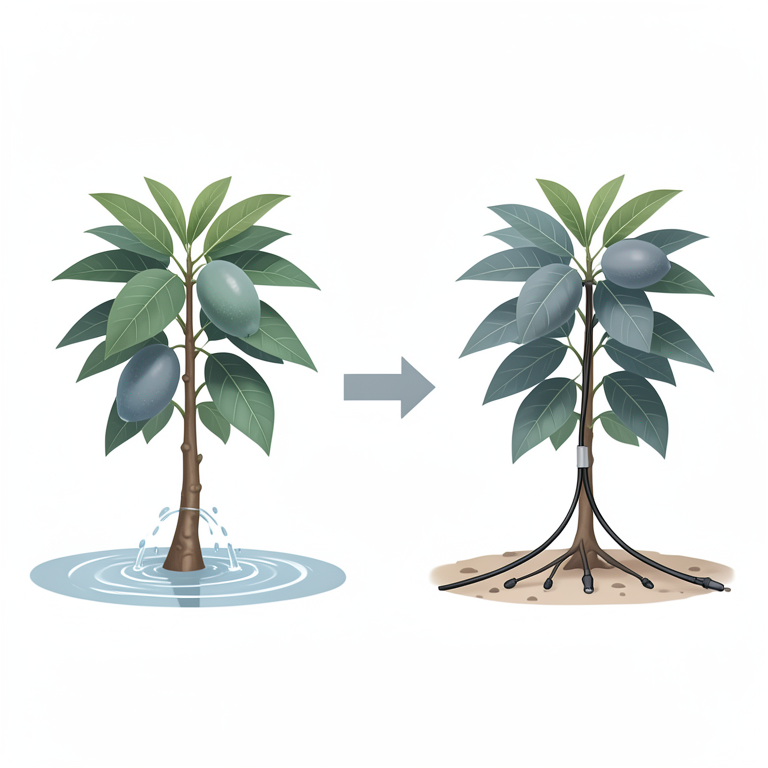
Socioeconomic Drivers of Technology Adoption
AI-generated conceptual illustration (guava plants in a field). It explains the idea and does not show study data.
View source evidence ↗Figures & tables
From the original paper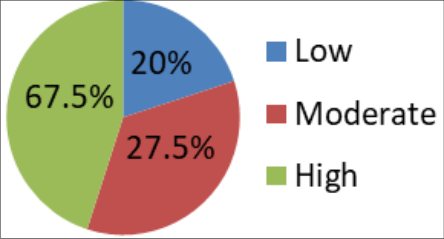 Figure 4
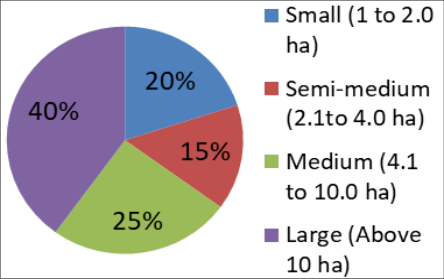 Figure 3
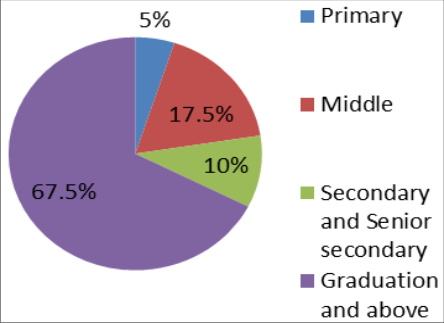 Figure 2
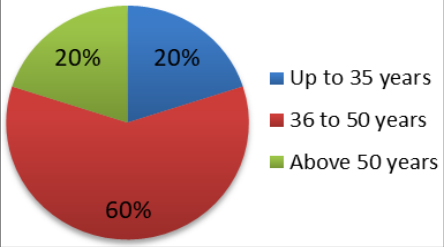 Figure 1
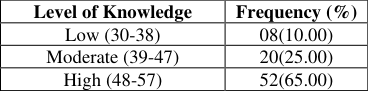 Table 1
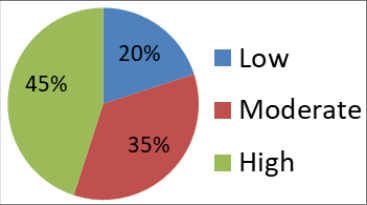 Figure 5
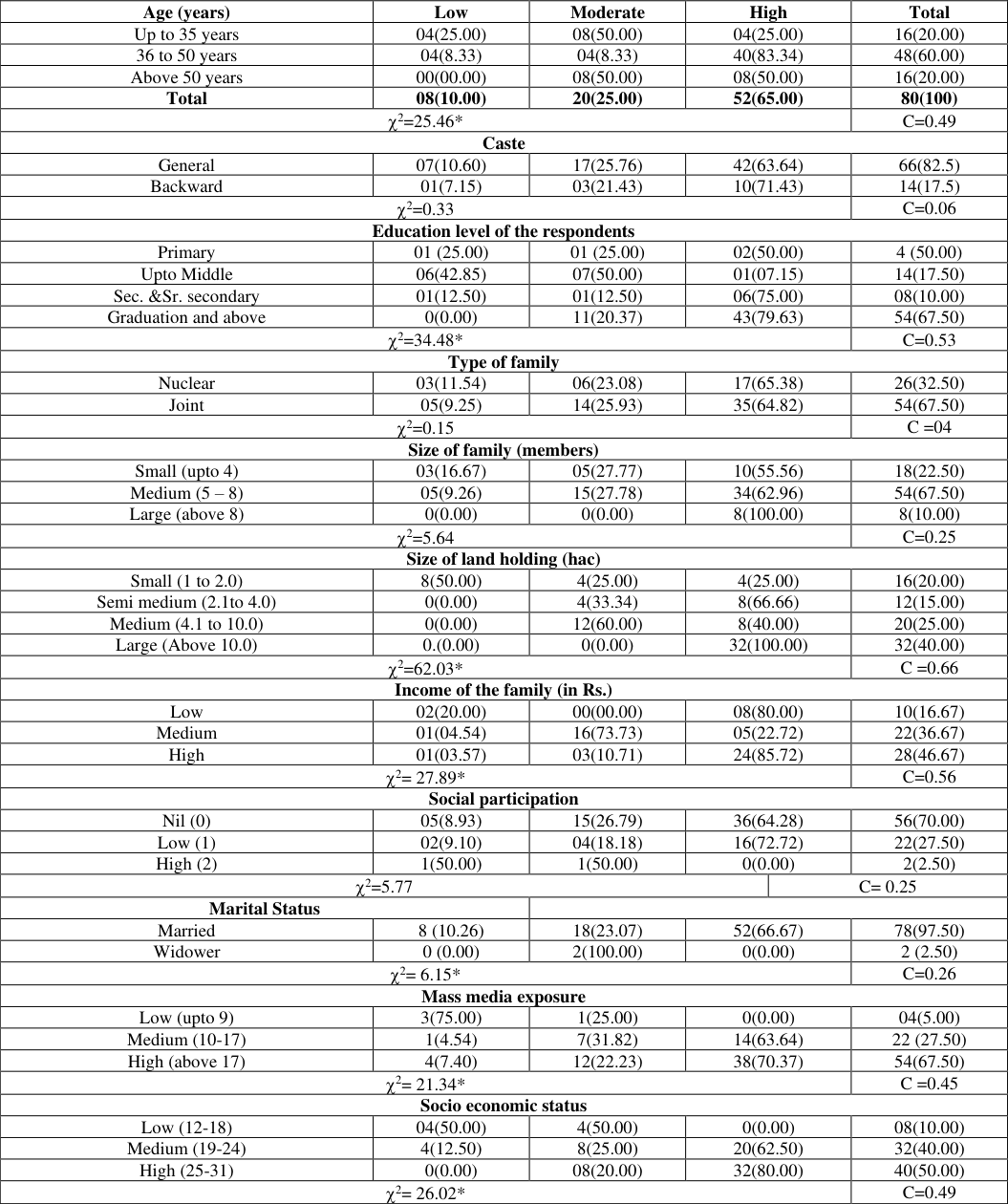 Table 2
 Table 3
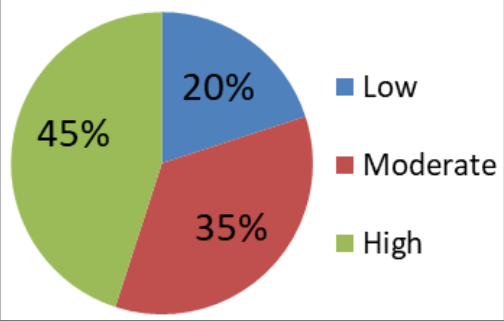 Figure 6
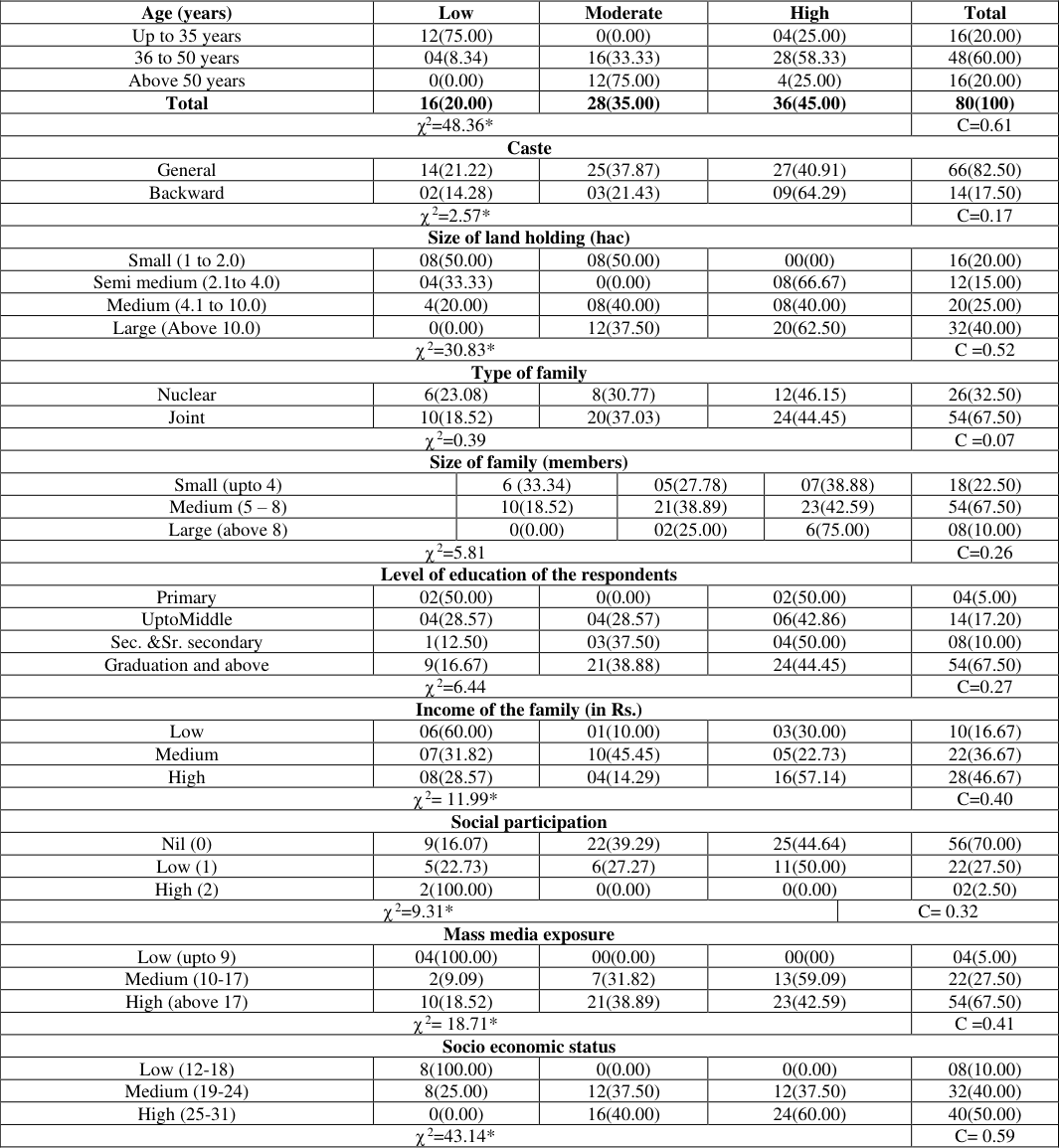 Table 4
Introduction
Through an efficient network of pipes, tubes, etc., drip irrigation delivers water directly to the base root zone of plants. This strategy is regarded as a game-changer for India's entire agricultural ecosystem. In comparison to conventional agricultural practices, it results in the conservation of runoff water. Guava crops additionally benefit greatly from drip irrigation given that they need consistent, sufficient moisture for healthy growth and fruit development. Drip irrigation is thus even more essential for crops like guava that require extensive use of water. The production of guava is particularly substantial in India, which ranks among the world's top producers of the fruit. India produces 5.59 metric tonnes of guava or up to 45% of global production. (Statistica, 2023) [16] . India's appetite for fruit crops continues to rise rapidly as a result of the country's expanding population, high nutritional value, and rising level of life. With a total area under guava of 359 thousand hectares, the top five producing states of guava are Uttar Pradesh, Madhya Pradesh, Bihar, Andhra Pradesh, and Haryana. Compared to its size, the state of Haryana contributes 6% of the nation's total guava output. (Board, 2022) [3] . As far as the total production is concerned, Haryana alone produced 291.34 ton thousand in 2023 which is an increment from 87.05 ton thousand in 2013 (Database, 2023) [4] . With these facts in mind the study was undertaken among the farmers of Haryana for determining the knowledge and adoption levels of drip irrigation with respect to the Guava crop. www.extensionjournal.com problem, computer run, and improvement of soil health. Response options were complete knowledge, limited knowledge, and no knowledge. Three points were awarded for complete knowledge, two for partial knowledge, and one point for ignorance. By considering the following factors, an index was created to gauge the farmers' degree of drip irrigation adoption. (i) The maximum number of years that drip irrigation can be used (ii) Crop intensity (iii) farmers' adopted drip irrigation area (iv) high yield (vi), less weed (vii), less work (v), high revenue, etc. An index was created to gauge the farmers' level of drip irrigation adoption, and each farmer's index score was determined by accounting for several factors like. Each responder received a score, which was then classified as low, moderate, or high degree of adoption. In order to derive relevant conclusions, the data gathered from the respondents' replies was appropriately categorised, collated, and analysed using statistical methods including frequency distribution, percentages, chi-square, and coefficient of contingency analysis.
Results and Discussion
Results and Discussion
Scio-economic characteristics of respondents
The respondents' personal profiles indicted that the majority of farmers (60.00%) belonged to the 36-50 age group, followed by the 25-50 age group (20.00%) (Fig 1). In terms of caste, just 17.50% belonged to disadvantaged castes, while the vast majority (82.50%) were from general castes. Nobody belonged to the Scheduled Castes. More than two third of respondents (67.50%) were educated up to graduation and above level followed by 17.50 percent educated upto middle level (Fig 2). Overwhelming majority (97.50%) were married and having no membership of social organization (70.00%). Two fifth majorities of respondents (40.00%) were having land above 10 hectares (Fig 3), belonging to joint families (67.50%), having high income (40.00%) and having medium (67.50%) and small (22.50%) family size. Two third majorities of the respondents (67.50%) were having high level of mass media exposure (Fig 4) and 50.00 percent were having high socio-economic status whereas forty percent were having medium SES. A large majority were not having any subsidiary occupation (85.00%) and no animal possession (62.50%). Only 22.50 percent were rearing more than one animal in their families. Irrigation technology and Guava cultivation are multifaceted on various fronts. The knowledge levels revolve majorly around the knowledge about improved varieties, methods of propagation, orchard management, knowledge about irrigation features in addition to the fertilizers and pesticides to be used. A hallmark in the knowledge levels has been the information about diseases and pest attacks. Farmers' knowledge of drip irrigation systems was evaluated through the creation of 20 questions, each with three possible answers: full knowledge, partial knowledge, and no knowledge; water saving; knowledge of subsidies; water requirement; use of chemical fertilisers; checking of filters; minimal water waste and use of saline water; applications of liquid fertilisers; reduction of weed problems; computerrun; and improvement of soil health. The total score for each respondent was determined by adding up all the points, and knowledge of drip irrigation was classified as low, moderate, and high. (Table 1). As far as knowledge about drip irrigation, the majority of sampled farmers had high knowledge (65.00%) followed by moderate status of knowledge pertaining to Drip Irrigation (25.00%) and only 10.00% had low knowledge as shown in Fig. 5.
| Level of Knowledge | Frequency (%) |
|---|---|
| Low (30-38) | 08(10.00) |
| Moderate (39-47) | 20(25.00) |
| High (48-57) | 52(65.00) |
Table text extracted from the original PDF; superscript letters are shown inline. The original table image is below.
View original table image
Table 1: Knowledge level of respondents about drip irrigation.
Level of Knowledge
Frequency (%) Low (30-38) 08(10.00) Moderate (39-47) 20(25.00) High (48-57) 52(65.00)
Fig 5: Knowledge Level of farmers about drip irrigation
In the study conducted in the Bundi district of Rajasthan, it was seen that the overall knowledge levels were medium to high for 78.57 percent of the farmers. It was further reported that the farmers had high knowledge about the improved varieties and interval of irrigation, insect pests of guava and common diseases associated with Guava cultivation with Drip Irrigation technology (Bangarva et al. 2013) [1] . The same study also pointed out the direct relationship between Socio-Personal and Family variables and the Knowledge levels of the farmers. It was reported that an overwhelming majority of farmers (86.5%) were graduates. The results are in consonance with the other findings in the studies towards wheat production and citrus plantation (Singh et al., 2010) [15] (Singh, et al., 2003) [14] . Kumari et al. (2022) [13] reported that the majority of farmers in the citrus crops had knowledge levels high (61.67%) followed by moderate (31.67%) and low (6.67%) levels. The research done in the major part of North Indian states has produced similar results due to the corresponding knowledge levels and variables. In the Muzaffarnagar district of Uttar Pradesh, it was reported appropriate knowledge levels are the recommended for having profitability in the new and improved Guava varieties. An overwhelming majority of the farmers (93.75%) of the farmers reported having knowledge about newer varieties of Guava saplings available in the market and the filling material to be used with them. Similarly, the knowledge about judging the ripe fruit, packaging for short and longdistance markets, and application of various growth regulators and insecticides was found to be medium to high for an overwhelming population (Bharti, et al., 2023) [2] . The study also looked at the knowledge imparted by the KVK professionals and other farm leader farmers in extending the area under Guava cultivation. The study in the Muzaffarnagar district is in consonance with the research undertaken in Karnataka regarding knowledge of Drip Irrigation and various fruit crops (Jadhav et al., 2013) [6] .
Approximately two-thirds of the farmers (65%) in the Kannada region of Karnataka who participated in the groundbreaking work on post-harvest management of fruit crops, primarily mango and guava, had a high level of knowledge regarding improved guava varieties that could be used with drip irrigation and other micro-irrigation techniques. The increase in the knowledge levels has been attributed to the self-help groups and local farmers' organizations who have undertaken novel methods to educate the farmers and increase their knowledge levels (Modi et al., 2010) [8] .
Association of socio-economic factors with knowledge level:
In terms of the relationship between socioeconomic factors and respondents' knowledge of drip irrigation, it was discovered that those in the 36-50 year age range (83.34%), with high exposure to mass media (70.37%), high SES (80.00%), a significant income (85.72%), education up to graduation and beyond (79.63%), large families (100.00%), large land holdings (100.00%), and nuclear family membership (65.38%) had the highest level of knowledge. Chi-square findings showed that the knowledge level of producers was related to their SES, age, education, amount of land they owned, income, and exposure to the media. (Table 2).
| Age (years) | Low | Moderate | High | — | Total |
|---|---|---|---|---|---|
| Up to 35 years | 04(25.00) | 08(50.00) | 04(25.00) | 16(20.00) | |
| 36 to 50 years | 04(8.33) | 04(8.33) | 40(83.34) | 48(60.00) | |
| Above 50 years | 00(00.00) | 08(50.00) | 08(50.00) | 16(20.00) | |
| Total | 08(10.00) | 20(25.00) | 52(65.00) | 80(100) | |
| 2=25.46* | C=0.49 | ||||
| Caste | |||||
| General | 07(10.60) | 17(25.76) | 42(63.64) | 66(82.5) | |
| Backward | 01(7.15) | 03(21.43) | 10(71.43) | 14(17.5) | |
| 2=0.33 | C=0.06 | ||||
| Education level of the respondents | |||||
| Primary | 01 (25.00) | 01 (25.00) | 02(50.00) | 4 (50.00) | |
| Upto Middle | 06(42.85) | 07(50.00) | 01(07.15) | 14(17.50) | |
| Sec. &Sr. secondary | 01(12.50) | 01(12.50) | 06(75.00) | 08(10.00) | |
| Graduation and above | 0(0.00) | 11(20.37) | 43(79.63) | 54(67.50) | |
| 2=34.48* | C=0.53 | ||||
| Type of family | |||||
| Nuclear | 03(11.54) | 06(23.08) | 17(65.38) | 26(32.50) | |
| Joint | 05(9.25) | 14(25.93) | 35(64.82) | 54(67.50) | |
| 2=0.15 | C =04 | ||||
| Size of family (members) | |||||
| Small (upto 4) | 03(16.67) | 05(27.77) | 10(55.56) | 18(22.50) | |
| Medium (5 – 8) | 05(9.26) | 15(27.78) | 34(62.96) | 54(67.50) | |
| Large (above 8) | 0(0.00) | 0(0.00) | 8(100.00) | 8(10.00) | |
| 2=5.64 | C=0.25 | ||||
| Size of land holding (hac) | |||||
| Small (1 to 2.0) | 8(50.00) | 4(25.00) | 4(25.00) | 16(20.00) | |
| Semi medium (2.1to 4.0) | 0(0.00) | 4(33.34) | 8(66.66) | 12(15.00) | |
| Medium (4.1 to 10.0) | 0(0.00) | 12(60.00) | 8(40.00) | 20(25.00) | |
| Large (Above 10.0) | 0.(0.00) | 0(0.00) | 32(100.00) | 32(40.00) | |
| 2=62.03* | C =0.66 | ||||
| Income of the family (in Rs.) | |||||
| Low | 02(20.00) | 00(00.00) | 08(80.00) | 10(16.67) | |
| Medium | 01(04.54) | 16(73.73) | 05(22.72) | 22(36.67) | |
| High | 01(03.57) | 03(10.71) | 24(85.72) | 28(46.67) | |
| 2= 27.89* | C=0.56 | ||||
| Social participation | |||||
| Nil (0) | 05(8.93) | 15(26.79) | 36(64.28) | 56(70.00) | |
| Low (1) | 02(9.10) | 04(18.18) | 16(72.72) | 22(27.50) | |
| High (2) | 1(50.00) | 1(50.00) | 0(0.00) | 2(2.50) | |
| 2=5.77 | C= 0.25 | ||||
| Marital Status | |||||
| Married | 8 (10.26) | 18(23.07) | 52(66.67) | 78(97.50) | |
| Widower | 0 (0.00) | 2(100.00) | 0(0.00) | 2 (2.50) | |
| 2= 6.15* | C=0.26 | ||||
| Mass media exposure | |||||
| Low (upto 9) | 3(75.00) | 1(25.00) | 0(0.00) | 04(5.00) | |
| Medium (10-17) | 1(4.54) | 7(31.82) | 14(63.64) | 22 (27.50) | |
| High (above 17) | 4(7.40) | 12(22.23) | 38(70.37) | 54(67.50) | |
| 2= 21.34* | C =0.45 | ||||
| Socio economic status | |||||
| Low (12-18) | 04(50.00) | 4(50.00) | 0(0.00) | 08(10.00) | |
| Medium (19-24) | 4(12.50) | 8(25.00) | 20(62.50) | 32(40.00) | |
| High (25-31) | 0(0.00) | 08(20.00) | 32(80.00) | 40(50.00) | |
| 2= 26.02* | C=0.49 |
Table text extracted from the original PDF; superscript letters are shown inline. The original table image is below.
View original table image
Nearly three-fourths (81.11%) of the respondents to the study on the knowledge levels of Gujarati farmers had medium to high levels of exposure to the media and extension activities. (Sardhara et al., 2020) [12] . Similar results in the studies of (Bhargava et al, 2013; Rao et al., 2019; Mishra and Kaur, 2023) [1,11,2] and (Navya and Nayka, 2021) [9] put forth a clear and direct association between the level of education and level of knowledge by the farmers in Rajasthan, Telangana and Karnataka respectively.
Level of adoption of drip irrigation
Knowledge forms one side of the coin on which Adoption acquires the other side. Having pre-requisite knowledge about the cultivation of the Guava crop is just one step towards having a positive impact on the socio-economic sphere of the farmers. The farmers after acquiring adequate information about the crops tend to still shy away from the adoption of the same skills. The issues around adoption revolve around the technical aspects such as the absence of a guidance force, inadequate availability of land and halfhearted training regarding guava production, managerial www.extensionjournal.com problems such as low productivity and absence of agencies supporting guava production and socio-personal considerations (Upadhyay et al., 2018) [17] . For the purpose of measuring the adoption levels, an index has been developed which has been desriberd in the methodology. According to the findings of the adoption of drip irrigation, a higher percentage of farmers (45.00%) had a high degree of adoption. Drip irrigation was used at a moderate and low level in the remaining 35.00% and 20.00%, respectively as shown in Table 3.
| Level of adoption | Frequency (%) |
|---|---|
| Low (12-14) | 16(20.00) |
| Moderate (15-17) | 28(35.00) |
| High (18-21) | 36(45.00) |
Table text extracted from the original PDF; superscript letters are shown inline. The original table image is below.
View original table image
Association of socio-economic factors with adoption level
The level of adoption forms the most intrinsic step in this wave of Micro Irrigation Technologies such as Drip Irrigation. Only having adequate knowledge about the technicalities is not important; hence, the level of adoption of novel techniques is the marker towards knowing the extent of Drip adoption. Several socioeconomic characteristics were discovered to have an impact on the degree of drip irrigation adoption for guava crops (Table 4). The adoption level of drip irrigation was shown to be highly correlated with the age of the farmers, with the majority of those in the 36-50 age range (58.33%) having a high degree of adoption. The degree of drip irrigation adoption and the respondents' caste were found to be insignificantly correlated. Compared to general castes (40.91%), backward caste groups (64.29%) had a comparatively higher adoption rate of drip irrigation. The extent to which farmers were using drip irrigation was shown to be substantially correlated with the size of their landholdings. Two-thirds of semi-medium and big growers widely used drip irrigation for guava crops.
Table 3: Adoption level of respondents about drip irrigation.
Level of adoption
Frequency (%) Low (12-14) 16(20.00) Moderate (15-17) 28(35.00) High (18-21) 36(45.00)
The degree of drip irrigation adoption was similarly influenced by family size. However, there was no discernible correlation between it and the drip irrigation level. The percentage of respondents with big families had a high degree of adoption (75.00%). The degree to which farmers used drip irrigation was shown to be strongly correlated with their exposure to the mass media. The majority of farmers with medium (59.09%) and high (42.59%) levels of exposure to the media used drip irrigation at a comparatively high rate. Individuals with less exposure to mass media had a low degree of drip irrigation adoption (100.00%). In the Punjabi area of Mansa, the implementation of several crop management methods and practices, including as the usage of fertiliser, seed, and Bt cotton hybrids, resulted in a 138% increase in total output. Impact of socio-economic factors on adoption of drip irrigation in cotton crop was also found by Kumari et al.
The implementation of drip irrigation systems in the guava crop was also influenced by the socioeconomic position of the farmers. The results of the analysis made it abundantly evident that farmers with high rates of drip irrigation adoption also had high socioeconomic class (60.00%), and vice versa. Additionally, a significant correlation was discovered between these two characteristics. On the vivid account of knowledge and adoption among the citrus fruits growers in Haryana, it was reported widely and profusely that three-fourths of the farmers had medium to high adoption levels. The degree to which farmers were using drip irrigation was shown to be strongly correlated with socioeconomic parameters including wealth, the size of their landholding, exposure to the media, etc. (Kumari et al., 2022) [13] . Similar and undistinguishable results were also seen in the study by (Prajapati et al., 2016) where it was noted that around 60 percent of the respondents had high adoption levels. On the same lines, it was seen in the studies in the Western Uttar Pradesh that around 65 percent (almost two-thirds) of the farmers had medium to high adoption levels (Yadav et al., 2019) [19] . According to (Sharma et al., 2022) [13] research, the adoption level of those surveyed was positively correlated with age, area of land, yearly income, social involvement, and exposure to mass media, with the exception of education, socioeconomic position, and caste.
The technical issues have come to the forefront in the study undertaken in Northern India where supply chain mismanagement and hiccups in the delivery system leading to rotten produce become the major hindrance in the adoption of novel though expensive technology such as Drip Irrigation (Imtiyaz & Soni, 2013) [5] . Likewise, in the early 2000s, the low adoption among farmers for Drip Irrigation was revealed in Allahabad due to similar problems of untimely payment and the poor market-driven demand of the Guava crop (Mathi & Pandey, 2008) [7] . Overall, it can be said that a variety of characteristics, including socioeconomic position, age, income, and the amount of landholdings, contributed significantly to the adoption of drip irrigation techniques in the guava crop. In order to increase the level of drip irrigation adoption among farmers, it is necessary to enhance mass media exposure, extension contacts, trainings, education, etc. in rural areas. This is because the low level of adoption was primarily caused by small landholdings, low mass media exposure, socioeconomic status, and lack of knowledge. www.extensionjournal.com
Conclusion
The majority of tested farmers in the districts of Hisar, Fatehabad, and Sirsa had a high (65.00%) level of knowledge regarding drip irrigation systems, followed by a moderate (25.00%) level of knowledge, according to the data analysis. Of the farmers, 45% had a high adoption rate, and 35% had a moderate rate. The statistics showed that drip irrigation had a cumulative socioeconomic impact on 45.0% and 30.00 percent of the population, respectively, at a high and medium level. A number of socioeconomic characteristics, including age, land ownership, income, exposure to mass media, education, and socioeconomic position, have been found to be strongly correlated with the degree of awareness and use of drip irrigation in guava crops. The conclusion is that more work has to be done to educate farmers about drip irrigation so that it may be used more widely.
Figures and tables from the paper
References
18 in the original paper- Bangarva GS, Meena BL, Jhajaria AK, Jhajharia S. www.extensionjournal.com Knoweldge About Different Aspects of Recommended Guava Production Technologies in Bundi District of Rajasthan. Int. J Extension Educ. 2013;1(1):209-213.
- Bharti SD, Yadav RN, Kumar G, Mishra SK, Pandey MK, Singh A, Tripathi P. Knowledge Level of Guava Orchardists Regarding Guava Cultivation Practices of Muzzafarnagar District. Pharma Innovation. 2023;12(6):4334-4337.
- Database CG. CEIC DATA Co. [Internet]. [Cited 2023]. Available from: CEIC DATA WEBSITE.
- Imtiyaz H, Soni P. Supply Chain Analysis of Fresh Guava: A Case Study. Int. J Manage Bus Res. 2013;3(4):372-382.
- Jadhav VD, Thombre BM, Mande JV. Knowledge Level of Extension Personnel about Horticultural Recommendation on Selected Fruit Crops. Mysore J Agric Sci. 2013;47(2):383-390.
- Mathi KM, Pandey AP. Marketing of Guava in Allahabad District, Uttar Pradesh. ICFAI. 2008;(1):723.
- Modi RK, Bheemappa A, Manjunath L, Hegde RV, Handigol JA. Determinants of Knowledge and Adoption of Post-Harvest Management Practices among Mango Growers in Northern Karnataka. Karnataka J Agric Sci. 2010;23(4):606-611.
- Navya D, Nayka KV. Studying the Relationship between Profile Characteristics of Paddy and Cotton Growers with their Knowledge Level of Plant Protection Measures. Curr Adv. Agric. Sci. 2021;13(1):68-70.
- Prajapati VV, Kaid SV, Prajapati RC, Thakkar KA. Adoption Behaviour of Drip Irrigation Technology among the Pomegranate Growers of North Gujarat. Int. J Agric Sci. 2016;8(22):1443-1447.
- Rao NV, Jain PK, Kumar NK, Reddy NJ. Production Technologies of Cotton followed by Farmers in Karimnagar, Telangana. J KrishiVigyan. 2019;7(2):199-205.
- Sardhara AD, Jadav NB, Kapuriya TD. Relationship of Technological Gap in Adoption of Plant Protection Practives with Socio-Economic Characteristics of Cotton Growers. Gujarat J Extension Educ. 2020;31(1):1-5.
- Sharma T, Kathpalia J, Kumari V, Tyagi R. Croping pattern and adoption of Bt. Cotton amonf Bt. Cooton growing farmsers in Haryana: A Sociological study. J Global Commun. 2022;14(1):53-59.
- Singh P, Verma NS, Shehrawat PS, Singh S, Majria RC, Singh P, Singh S. Knowledge Levels of Farmers about Improved Ber Production Technology in Haryana. Environ Ecol. 2003;21(1):463-466.
- Singh SP, Singh J, Singh VK, Bansal V. Association Between Socio-Personal Characteristics and Knowledge, Attitude of Farmers towards Wheat Cultivation. J Community Mobilisation Sustainable Dev. 2010;5:57-59.
- Statistica. Statistica Corp. [Internet]. 2023 [cited 2023 Aug 16]. Available from: https://www.statista.com/statistics/1043925/indiaproduction-volume-ofguava/#:~:text=In%20fiscal%20year%202023%2C%20 volume,in%20the%20country%20in%202023.
- Upadhyay AP, Papnai G, Singh P. Problems and Prospects of Guava Producers in Allahabad District of Uttar Pradesh, India. IOSR J Humanities Soc Sci. 2018;23(6):01-07.
- Verma H, Sharma S. Factors Associated with Adoption of Drip Irrigation System by the Farmers in Bikaner District of Rajasthan. Asian J Agric Extension Econ Sociol. 2017:1-8.
- Yadav K, Yadav JP, Bijarniya S. Adoption of Drip Irrigation System by the Farmers in Jihotwara Panchayat Samiti of District Jaipur, Rajasthan. Indian J Extension Educ. 2019;55(1):142-144.