
Research article · 2024 · Full text
International Journal of Advanced Biochemistry ResearchStudies on the efficacy of certain phyto therapeutic agents in treating repeat breeding syndrome in cross-bred cows
Volume 8(4S) · Pages 289–295 · DOI: 10.33545/26174693.2024.v8.i4sd.966 ↗
Research areasReproductive Physiology in LivestockLivestock Management and Performance ImprovementRuminant Nutrition and Digestive Physiology
Abstract
Author-writtenThe present study was conducted to describe the efficacy of certain Phyto therapeutic agents in treating repeat breeding syndrome in cross-bred cows. The study utilized 463 cattle maintained by farmers doorstep and private dairy farms in and around Rajendranagar, Rangareddy district, Telangana State. Screening camps conducted in four villages identified 146 repeat breeding cows, of which twenty-four repeat breeder cows were selected and randomly divided into three groups. In the treatment protocol, the group I cows were treated with a placebo of powdered Super Napier fodder. Group II cows underwent Phyto therapeutic protocol I with powdered Bael leaf, Curry leaf, Ashwagandha and garlic extract for intrauterine at specified dose rates for 5 days from the day of estrus. Group III cows treated with Phyto therapeutic protocol II involving Raphanus, Aloe Vera, Moringa leaf paste, Adamant creeper stem paste, and curry leaf paste at specified dose rates over specific days during estrus. Treatment with phytotherapeutic agents showed a conception rate of 62.50% in Group II and 50.00% in Group III. Efficacy of both phytotherapeutic protocols was assessed by Fern pattern, pH of CVM, white side test and conception rate. Repeat breeder cows treated with Phytotherapeutic protocol I exhibited a shorter estrus cycle, increased estrus duration, and heightened intensity compared to the control group. The study concludes that Phytotherapeutic protocol I can effectively address repeat breeding in cows, providing a viable treatment option with shorter duration and higher conception rates compared to Phytotherapeutic protocol II. This suggests its potential to replace conventional antibiotic in the future and be recommended as a treatment to enhance fertility in repeat breeder cows under field condition.
Summary
Source-checkedPlain-language reading of the full paper, prepared with AI and checked against the text. Each point links to the authors' own words.
Why it matters
- Maintaining high reproductive efficiency in dairy farming is essential for ensuring profitability and improving living standards for both rural and urban populations. View evidence ↗
- Reproductive disorders, specifically repeat breeding syndrome, create significant economic challenges for dairy farms and negatively impact animal welfare. View evidence ↗
- Conventional treatments for repeat breeding, such as antibiotics and hormones, have limitations including high costs, drug resistance, and potential human health hazards due to residues in milk and meat. View evidence ↗
The question
- The study aimed to evaluate how effective specific phytotherapeutic (plant-based) agents are in treating repeat breeding syndrome in cross-bred cows. View evidence ↗
What they did
- Out of 463 cattle screened, 146 were identified as repeat breeders; from these, 24 cows were randomly assigned to three groups of 8 animals each. View evidence ↗
- Group I served as the control and received a placebo of 50 g/day of powdered Super Napier fodder for five days starting from the first day of estrus. View evidence ↗
- Group II received Phytotherapeutic Protocol I, consisting of a daily oral mixture of Bael leaf (100g), Curry leaf (100g), and Ashwagandha (15g) for five days, plus intrauterine Garlic Extract (10µg) for the same period. View evidence ↗
- Group III received Phytotherapeutic Protocol II, a sequential treatment over 20 days involving Raphanus, Aloe Vera, Moringa leaf paste, Adamant creeper stem paste, and Curry leaf paste at various doses. View evidence ↗
- The efficacy of treatments was measured by analyzing cervical mucus (CVM) for pH levels, fern patterns via microscopy, and the white side test using 5.0% NaOH. View evidence ↗
What they found
- After treatment, Group II showed the highest number of cows with a typical fern pattern, followed by Group III (62.50%) and Group I (25.00%). View evidence ↗
- Cervical mucus pH significantly decreased in Groups II and III after treatment, with values ranging from 7.49±0.09 to 8.24±0.10. View evidence ↗
- During the second service, the conception rate was 62.50% for Group II and 50.00% for Group III, while Group I had a 0.00% conception rate. View evidence ↗
- The overall conception rates for the phytotherapeutic treatments were 62.50% for Protocol I (Group II) and 50.00% for Protocol II (Group III). View evidence ↗
What it means
- The authors conclude that Phytotherapeutic Protocol I is the preferred treatment for improving fertility in repeat breeder cows due to its shorter treatment duration and higher conception rate compared to Protocol II. View evidence ↗
- The results suggest that these phytotherapeutic agents have the potential to replace conventional antibiotics for enhancing fertility in repeat breeder cows in field settings. View evidence ↗
Visual summary
1 visualsIllustrations explain the paper; they do not show study data.
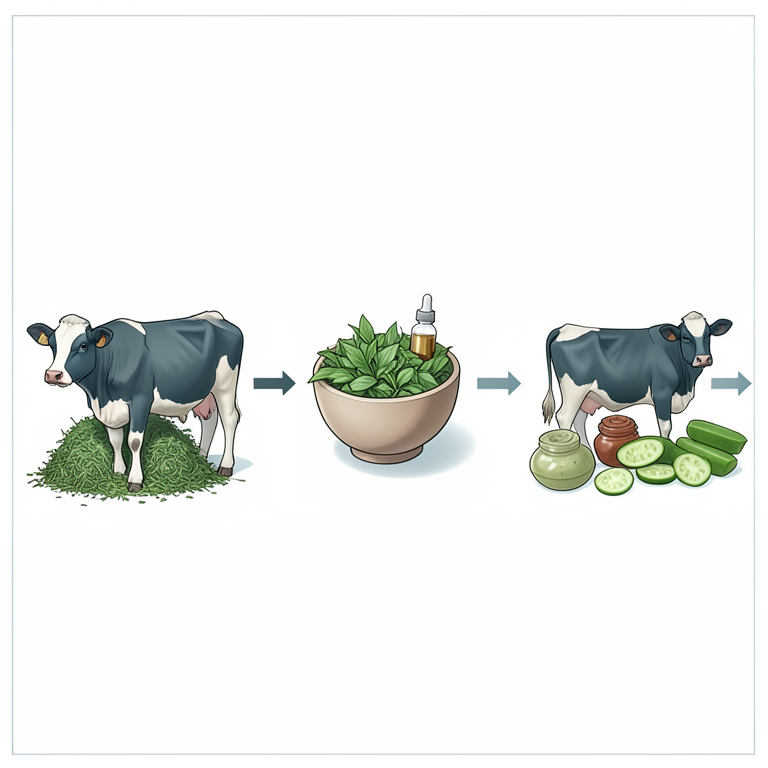
Comparison of Treatment Protocols
AI-generated conceptual illustration (cross-bred cows). It explains the idea and does not show study data.
View source evidence ↗Figures & tables
From the original paper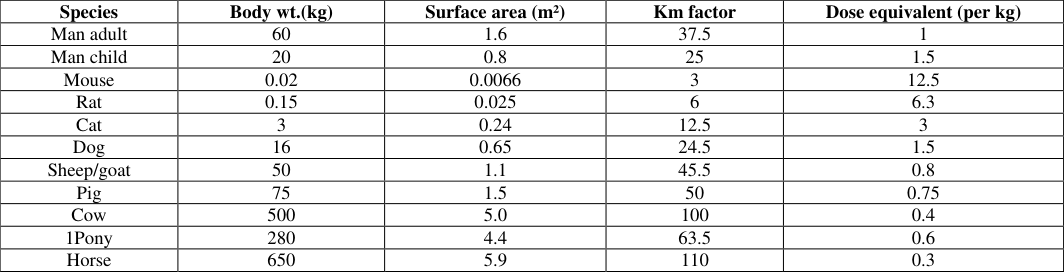 Table 1
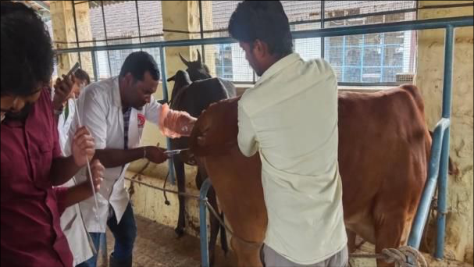 Figure 1
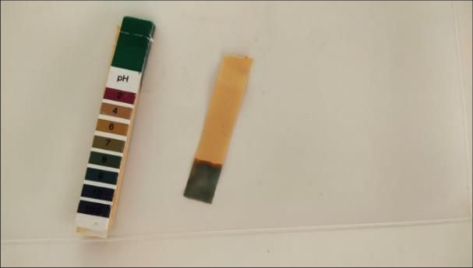 Figure 2
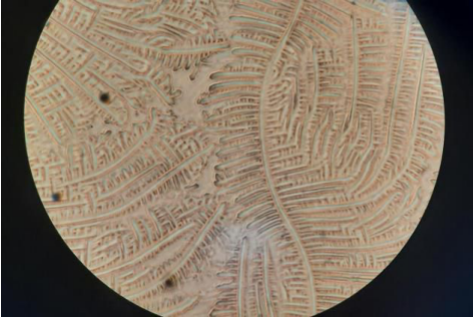 Figure 3
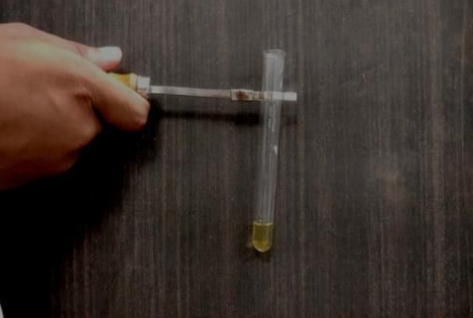 Figure 4
 Table 2
Introduction
India, primarily an agricultural nation, relies significantly on its livestock sector, contributing 30.87% to the Agricultural and Allied Sector GVA and 6.17% to the Total GVA, with a GVA of about Rs. 11,14,249 crores during FY 2020-21 (DAHD, 2022) [7] . The value of livestock product exports in 2021-22 reached Rs. 31,470.21 billion, while imports amounted to Rs. 45,727.74 billion (Singh A, 2023) [38] . With a livestock population of 536.76 million, including 193.46 million cattle, India stands as one of the world's largest livestock producers. The decline in indigenous cattle and the rise in crossbred cattle have propelled India to become the largest milk producer globally (DADF, 2022) [8] . Telangana, a southern state in India, significantly contributes to the nation's cattle population, playing a pivotal role in the agrarian economy and fostering dairy farming as a crucial source of income and employment for rural households. Optimal reproductive efficiency is pivotal for the success of dairy farming, impacting profitability and the living standards of rural and urban societies (Abraham F, 2017) [1] . Persistent challenges, notably reproductive disorders like repeat breeding, pose significant hurdles, affecting both the economic viability of dairy farming and the welfare of the animals (Kumar et al., 2017) [19] . A repeat breeder is generally defined as any cow that has not conceived after three or more services, has normal oestrus cycle, is free from palpable abnormalities, shows no abnormal vaginal discharges, has calved at least once before and is less than ten years old is a costly problem for the dairy producer (Gustafsson and Emanuelson, 2002) [11] .
Repeat breeding is generally characterized by long calving interval (18-24 months) (Purohit, 2008) [31] , low conception rate (<40%) and high service per conception (>3) (Rustamadji et al., 2007) [34] . The etiologies of repeat breeding in buffaloes can be failure of fertilization and early embryonic deaths which includes reproductive tract abnormalities, endocrine dysfunctions, infectious causes, errors in management including nutritional deficiencies and compromises in artificial insemination (AI) procedures (Singh & Pant, 1999 and Saraswat C S & Purohit G N, 2016) [39,35] . As there were apparently several reasons for repeat breeder syndrome, no single treatment was likely to alleviate the condition in every herd or animal at field level. Several approaches have been employed to treat repeat breeding crossbred cows including, antibiotics, antiseptic and hormonal therapy (Hussain A M and Daniel R C W. 1991; Vijayaranjan et al., 2007) [13,43] . However, there are certain limitation in the use of antibiotic & hormonal therapy, like development of drug resistance, residual effect of antibiotics and hormones in the milk & meat causing human health hazard, high cost of treatments, inhibition of normal uterine defence mechanism etc. (Whitmore H L and Anderson K L. 1986) [44] . Existing hormonal therapy is believed by the masses to render harmful effects and also impairs the physiological activity causing another disorder (Jadhav A N and Bhutani K K. 2005) [14] . Similar problems have given rise to the search for safer and more affordable alternatives to current animal healthcare systems, such as herbal medicines. As a result of this the attention is now moving towards the herbal formulations (Hemiaiswarya et al., 2008) [12] . Herbal plants have been used as a source of valuable medication in virtually all cultures worldwide due to presence of important antimicrobial principles, immunomodulatory activities, and maintenance of general health, precious therapeutic properties and healing potentials; thus, ensure prevention and cure for several diseases and disorders of humans and animals (Mahima A et al., 2012; Rahal R et al., 2014) [21,32] . Herbal remedies for veterinary use are plant-based medications used for therapeutic, preventative, or diagnostic purposes in the care of animals. In Rig-Veda, there is description of many medicinal plants which have been successfully used in treatment of anoestrus (Kujur A et al., 2022) [18] . Plant based drug may be used directly that they may be collected dried and used as a therapeutic agent (crude drugs) or their active principles, separated by various chemical process which are employed as medicines. The active principles of plants may be carbohydrates, glycosides, tannins, lipids and alkaloids (Ramachandran and Mehtani, 1990) [33] . Indian Pharmacopoeia (IP) is an official regulatory document published by the Indian Pharmacopoeia Commission on fulfilment of the requirements of the Drugs and Cosmetics Act 1940 and Rules1945 under it. It includes several well selected extracts, formulations, and monographs on herbs. The botanical name for each herb in the IP monograph is given in accordance with the binomial system of nomenclature, which includes the genus, species, variety, and quality standards. WHO estimates, 80% of the world population perceive on traditional system of medicines, where more than 7500 plants species (herbs, etc.) are being used (Mukherjee and Wahile, 2006) [25] . Therefore, keeping in view the above facts, herbal preparations called as phytotherapeutic agents were used for treatment of repeat breeding condition in cross-bred cows in the present study.
Materials and Methods
Materials and Methods
Ethical approval
Experimental procedures followed the guidelines of the Institutional Animal Ethical Committee (IAEC), approved by IAEC of P. V. Narsimha Rao Telangana State University (Resolution IAEC No: 32/26/CVSc, Hyd, dated 26.06.2023). Owners provided written informed consent for their animals' participation in the study.
Experimental Design
The experimental animals for this study included crossbred cows screened in four villages from Rangareddy district for repeat breeding condition based on their history and gynaecological examination. A total of 463 cattle from farmers' doorsteps and private dairy farms were involved in the study. The screening process selected 146 cows with repeat breeding condition, and subsequently, 24 of them were randomly selected and categorized into three groups, each comprising 8 cows with subjected to white side test results for further study. The selected Repeat breeder crossbred cows, housed under asbestos roofs with concrete flooring, received a diet of concentrates and forage, undergoing twice-daily washes before milking. The feeding regimen included ad libitum forage (Parra grass, native field grass, and rice straw) and concentrates (wheat pollard and rice bran), provided in the morning and evening, along with access to drinking water. The entire research study was conducted over a period of six months, spanning from May 2023 to October 2023.
Preparation of Placebo
Chopped Super Napier fodder from the Instructional Livestock Farm Complex, College of Veterinary Science, Rajendranagar, Hyderabad, was shade-dried and ground in a Wiley mill to create a powder. This powder, constituting a daily dose of 50 g, was carefully packed in an airtight polythene bag, labelled with plant details, collection information, dose, and preparation date, and stored at room temperature. The preparation of the placebo involved multiple steps, including collection, chopping, shade drying, pulverization, weighing, and dose making of the Super Napier fodder powder.
Preparation of Phyto Therapeutic Protocol I
Mature green leaves of Aegle marmelos and Murraya Koenigii were collected from various parts of Rangareddy between May and July 2023. These plant materials were botanically identified and authenticated at Medicinal and Aromatic Research Station, Sri Konda Laxman Telangana State Horticulture University, Rajendranagar, Hyderabad, Telangana-500030. The collected materials were shadedried and ground into powder using a Wiley mill. A 1:1 mixture of Aegle marmelos and Murraya Koenigii powders, constituting daily doses of 200 grams, was stored in airtight polythene bags at room temperature with proper labelling indicating plant details, collection information, dose, and preparation date.
Dose extrapolation from rats to large animals
The 50% ethanolic extracts of Murraya (Mehrotra, 2002) [24] and Aegle (Jondhale, 2007) [15] have been examined @100, 300, 1000 mg kg -1 respectively, in rats and 1000 mg kg -1 dose was found effective in augmenting ovarian function. Dose of Murraya Koenigii and Aegle marmelos leaves powder from rat (1000 mg kg -1 ) to cattle was done by the dose equivalent system described by VANMIERT (1986) using km factor table 1.
| Species | Body wt.(kg) | Surface area (m²) | Km factor | Dose equivalent (per kg) |
|---|---|---|---|---|
| Man adult | 60 | 1.6 | 37.5 | 1 |
| Man child | 20 | 0.8 | 25 | 1.5 |
| Mouse | 0.02 | 0.0066 | 3 | 12.5 |
| Rat | 0.15 | 0.025 | 6 | 6.3 |
| Cat | 3 | 0.24 | 12.5 | 3 |
| Dog | 16 | 0.65 | 24.5 | 1.5 |
| Sheep/goat | 50 | 1.1 | 45.5 | 0.8 |
| Pig | 75 | 1.5 | 50 | 0.75 |
| Cow | 500 | 5.0 | 100 | 0.4 |
| 1Pony | 280 | 4.4 | 63.5 | 0.6 |
| Horse | 650 | 5.9 | 110 | 0.3 |
Table text extracted from the original PDF; superscript letters are shown inline. The original table image is below.
View original table image
Dose of extract for the species was calculated as below
The dose of the extract was converted to powder form based on the percent yield using the formula Percent yield of M. koenigii and A. marmelos was 14.44 and 11.27, respectively. Leaf powder dose was worked out separately for M. koenigii and A. marmelos per kg body weight basis and then divided by two to yield half of the dose. Final dose was obtained by mixing both the calculated doses, according to animal's body weight (Dutt et al., 2010) [10] . Garlic cloves and Ashwagandha powder were procured from the local market for therapeutic purposes.
The Methanolic Garlic extract (20% W/V) was prepared by combining 200 grams of garlic seeds paste with 100% methanol, resulting in a final volume of 1000 millilitres.
After 48 hours of incubation, the solution was sieved and filtered, leading to a semi-solid paste formed over a month. Doses were created by dissolving 10 micrograms of paste in 5 millilitres of Phosphate Buffered Saline, stored at 4 °C. Attempts were made for field transportation using a thermos flask with ice packs, and each dose was reconstituted with 25 millilitres of PBS before intrauterine administration, following a documented approach in the study by Lawange et al., (2019) [20] .
For the therapeutic aspect of the study, commercially available Ashwagandha powder was employed and administered in concentrate at a daily rate of 15 grams over a period of five days.
Preparation of Phyto Therapeutic
Preparation of Phyto Therapeutic
Dose extrapolation from rats to large animals
The dose of extract for cows was extrapolated from rat using the dose equivalent system by Km factor as described by Van Miert (1986) [41] . The aqueous extract Aloe barbadensis (Kosif and Aktas, 2009) [17] was effective at the dose of 140 mg kg -1 and Moringa oleifera (Ogunsola et al., 2017) [26] leaves was effective at the dose of 500 mg kg -1 for augmentation of ovarian function and fecundity in rats.
The friedelin portion of Cissus quadrangularis stems was effective in augmentation of ovarian function in rats at the dose rate of 100 mg kg -1 (Aswar et al., 2010) [3] . The 50% ethanolic extract of M. koenigii (Mehrotra, 2002) [24] was shown effective at the dose of 1000 mg kg -1 for augmentation of ovarian function in rats. Subsequently, the dose of the extract was converted to dose of leaf paste based on percent yield using the formula. [22,40,10] . Leaf paste dose was worked out separately for A. barbadensis, M. oleifera, C. quadrangularis and M. koenigii per kg body weight basis and final dose was obtained according to animal's body weight.
Treatment Protocol
The Crossbred cows in the Control group (group I) were treated with shade-dried, powdered Super Napier fodder (Placebo) at a dose rate of 50 g/day per animal for 5 days from the starting day of estrus (day 0). The cross-breed cows in group II were treated to an herbal mixture containing 100g of each shade-dried and powdered Bael leaf (A. marmelos), 100g of Curry leaf (M. koenigii), and 15g of Ashwagandha powder. This mixture was given to each animal once daily for five days beginning on the day of estrum, along with 10µg of Garlic Extract dissolved in 30 mL of PBS and administered intrauterinally for the same duration. The animals in the treatment group III were treated with Raphanus at a dose rate of 100g/day/animal for 4 days from day 1 of estrum; Aloe Vera at a dose rate of 130g/day/animal for 4 days from day 5 of estrum; Moringa leaf paste at a dose rate 200 g/day/animal starting from day 9 to day 12 of estrum; Adamant creeper stem paste at a dose rate of 150 g/day/animal from day 13 to day 16 of estrum and Curry leaf paste at a dose rate of 100g/day/animal starting from day 17 to day 20 of estrum.
Laboratory evaluation of cervical mucus
Estrual cervical mucus collection took place 8 to 12 hours after the onset of behavioural estrus following the procedure outlined by Dhillon et al. (2006). The vulvar and perineum regions were cleaned with antiseptic solution, and cervical mucus was collected using a sterilized plastic catheter connected to a syringe. Approximately 4-5 ml of cervical mucus was aspirated and transported to the laboratory at 4°C for storage at -20 °C. pH of the cervical mucus was measured using pH paper strips, and the fern pattern was confirmed under a low-power microscope at the collection site and categorized as typical, atypical, or nil. The white side test involved mixing cervical mucus with 5.0% NaOH and heating; yellow coloration indicated endometritis, and intensity was graded as no infection (0), mild (+), moderate (++), or severe (+++), following the methodology by Pateria and Rawal (1990) [28] .
Study of estrus pattern
The study of estrus pattern involved calculating the duration of the estrus cycle as the time difference between treatment start and the appearance of the first estrus sign in days. Additionally, the duration of estrus was determined by the time difference between the onset and end of estrus signs in hours. The intensity of estrus was evaluated through observed behavioural, physiological, and gynaecological changes, following scoring method with slight modifications.
Results
The data regarding Fern pattern, Whiteside test, pH of cervical mucus and Conception Rate in repeat breeder cattle is presented in Table 2. Values with different superscripts (A, B, C) in column and (X, Y) in row differ significantly (p<0.05) in pH of CVM.
The Repeat breeding cows exhibited typical fern pattern as 25.00, 75.00 and 62.50 percent, atypical fern pattern as 50.00, 25.00 and 37.50 percent, nil fern pattern as 25.00, 0.00 and 0.00 percent before treatment in group I, II and III respectively. After treatment the cows exhibited typical fern pattern as 25.00, 75.00 and 62.50 percent, atypical fern pattern as 50.00, 25.00 and 25.00 percent, nil fern pattern as 25.00, 0.00 and 12.50 percent in group I, II and III respectively. Results revealed maximum number of animals exhibiting typical fern pattern in group II after treatment followed by group III (62.50%) and group I (25.00%).
Whiteside test was performed on CVM collected from the repeat breeding cows of all the groups before and after treatment. All the repeat breeding cows selected for the study were positive to white side test. The data presented revealed that after treatment, at subsequent oestrus, 100.00 percent cows in group I, 87.50 percent in group II and 87.50 percent in group III became positive for white side test.
The pH value of CVM before treatment from different groups varied from 8.25±0.09 to 8.28±0.09. The pH values before treatment between different groups was found nonsignificant (p>0.05) between treatment groups I and II, II and III, I and III. The pH value of CVM after treatment in different groups varied from 7.49±0.09 to 8.24±0.10. The pH value after treatment was significantly decreased in II and III groups (p<0.05). However, the post treatment difference was found statistically significant (p>0.05) between treatment groups I and II, I and III, II and III. Fertility response was recorded in terms of conception rate in different treatment groups of repeat breeder cows. None of the cows conceived during the first service. The Second service conception rate in groups I, II and III were 0.00, 62.50, and 50.00 percent respectively. The overall conception rate was seeming to be higher (62.50%) in group II as compared to group III (50.00%).
Discussion
The cervix secretes a fluid called cervical mucus during estrus, which is made up of mucin and plasma. Cervical mucus may be utilized to detect the oestrous cycle in animals and sterilizes microorganisms in the uterus. Clear estrual mucus is conducive for sperm penetration and conception, whereas, turbidity retards sperm motility in estrual mucus (Dev S et al., 1997) [9] . The presence of fern pattern and sperm penetrability exhibits a positive association. The typical fern pattern is believed to favour greater sperm penetration compared to the atypical fern pattern (Dev et al., 1997) [9] . The higher conception rate in cows with typical fern pattern may be attributed to increased spermatozoa motility in cervical mucus as compared to atypical or nil patterns (Verma et al., 2014) [42] . However, in Group II, typical fern pattern was observed in 75% of cows, while 25% displayed atypical patterns. In this group the condition was addressed through intrauterine phytotherapeutic therapy in the present research, resulting in a successful outcome as a considerable number of animals conceived (62.50%; as shown in Table 1). Similar fern pattern results were also reported in repeat breeders with uterine infections by Zaman et al., (2013) [46] and Bhat et al., (2014) [4] . All the cows taken in this study were positive (100%) for white side test before treatment indicating positive for subclinical endometritis. At subsequent estrus after treatment, 100.00% cattle in group I followed by 87.50% in group II and group III became positive to white side test. The presence of leucocytes in cervical CM might explain the positive reactivity to WST (Popov, 1969) [29] . Neutrophil infiltration and metrorrhagia, both of which are common during oestrogen dominance and may be the source of the colour change in the white side test in cows (Ohtani et al., 1993) [27] . In an infected uterus, the absolute leucocyte count increases and can be used as an adjuvant to diagnose uterine infection (Promod et al., 2002) [30] . Normal cervical mucus has very few leucocytes to result in any colour change, while discharges from repeat breeders with clinical or subclinical metritis have more leucocytes, which results in a mild to severe colour change (Bhattacharyya et al., 2011) [5] . The pH of CM indicates the status of uterine environment existing at the time of fertilization. Significant decline (p<0.05) in pH was observed in II and III groups after treatment. A significant decrease (p<0.05) in pH of group II (7.49±0.09), group III (7.91±0.06) was observed as compare to group I (8.24±0.10). This reduction in pH may be due to the decline in bacterial load and inflammatory process in uterus after treatment (Shaktawat JS 2005) [36] . Hafeez (2000) stated that acidity or excessive alkalinity of CM reduces the sperm motility, thereby causing failure of fertilization. They suggested that the pH of estrus mucus rises when organisms multiply and proliferate in the genitalia, causing endometritis or a condition that encourages repeat breeding. The pH would rise as a result of infection and inflammation (Bhat et al., 2014) [4] . Optimum pH of cervical mucus helps in the survival of spermatozoa but when its pH goes beyond the optimum level, it reduces the fertility of spermatozoa. (Branigan and Larry, 2008) [6] .
In Group II, a conception rate of 62.50% was found surpassing the overall conception rate of 35% in India (DAHDF Annual Report 2018-19). In my investigation, none of the animals conceived during their initial oestrous cycle, but in the second cycle, better conception rate (62.50%) was found phytotherapeutic protocol-I treated group as compared to other treatment groups. Conception rate of 50.00% was achieved in group III when treated with phytotherapeutic protocol-II. The leaves of the herbal plant Murraya Koenigii used in Phytotherapeutic Protocol-I was identified as rich in essential minerals, including calcium, phosphorus, manganese, antioxidants, vitamins, and amino acids (Shanthala and Prakash, 2005) [37] . Studies by McGarvey et al. (2001) [23] and Koblovska (2008) [16] highlighted the profound impact of phytoestrogens like coumestrol and genistein found in Murraya Koenigii and Asparagus marmelos on LH secretion, acting at both pituitary and hypothalamic levels. A subsequent study by Woclawek-Potocka et al., (2013) [45] suggested that the plant-derived isoflavone genistein could effectively modulate LH secretion in ovariectomized ewes. The increased conception rate observed in Group II may be attributed to combined intrauterine treatment with Garlic extract, clearing the uterus of unfavourable conditions for foetal growth by reducing endometrial inflammation and bacterial infection, potentially enhancing the rate of conception (Ahmadi and Dehghan, 2007: Lawange et al., 2018) [2,20] . The failure of animals to conceive in the first estrus cycle clearly indicated that these compounds required time to stabilize the hypothalamo-hypophyseal-pituitary axis and elicit a response from the gonads to improve fertility.
Conclusion
Based on this study, it can be concluded that considering the shorter duration of treatment and higher conception rate observed in Group-II (PTP-I) compared to Group-III (PTP-II), Phytotherapeutic protocol-I can be suggested as a treatment to augment fertility in repeat breeder cows under field condition.
Acknowledgement
The authors are grateful to PVNR Telangana Veterinary University, Hyderabad, Telangana, India-500 030 and Dr. Vishnu Vardhan Goud, Veterinary assistant Surgeon, Primary veterinary Centre, Mekaguda, Rangareddy district, Tealngana State, India for facilitating the study and providing the necessary facilities.
Figures and tables from the paper
References
38 in the original paper- Abraham F. An overview on functional causes of infertility in cows. J Fertil. In vitro IVF Worldwide Reprod Med Genet Stem Cell Biol. 2017;5(2):203.
- Ahmadi MR, Dehghan SA. Evaluation of the treatment of repeat breeder dairy cows with uterine lavage plus PGF2α with and without Cephapirin. Turk J Vet Anim. Sci. 2007;31(2):125-129.
- Aswar UM, Bhaskaran S, Mohan V, Bodhankar SL. Estrogenic activity of friedelin rich fraction (IND-HE) separated from Cissus quadrangularis and its effect on female sexual function. Pharmacognosy Res. 2010;2(3):138-145.
- Bhat FA, Bhattacharyya HK, Hussain SA. White side test: A simple and rapid test for evaluation of nonspecific bacterial genital infections of repeat breeding cattle. Vet Res Forum. 2014;5(3):177-180.
- Bhattacharyya HK, Makhdoomi DM, Hafiz A, Fazili MR. Clinico-therapeutic management of sub-clinical metritis in cows. Intas. Polivet. 2011;12(1):26-27.
- Department of Animal Husbandry and DairyingDAHD. Basic Animal Husbandry Statistics -2022. Ministry of Fisheries, Animal Husbandry & Dairying, Govt. of India. Retrieved from https://dahd.nic.in/sites/default/files/BAHS_2022English.pdf
- Department of Animal Husbandry, Dairying and Fisheries-DADF. DADF Annual report 2022-23. Ministry of Agriculture & Farmers Welfare, Government of India. Retrieved from https://dahd.nic.in/sites/default/files/FINALREPORT20 23.pdf
- Dev S, Pangawkar GR, Sharma RK, Verma HK. Sperm penetration in relation to physical characteristics of buffalo oestrual mucus. Int. J Anim. Sci. 1997;12:8991.
- Dutt R, Mehrotra S, Hoque M, Shanker U, Singh G, Agarwal SK, Das GK, Singh SK. Effect of Murraya Koenigii and Aegle marmelos combination on resumption of fertility in anestrous goats. J Appl. Anim. Res. 2010;38(2):275-278.
- Gustafsson H, Emanuelson U. Characterisation of the repeat breeding syndrome in Swedish dairy cattle. Acta Vet Scand. 2002;43:115-125.
- Hemiaiswarya S, Kruthiventi SK, Doble M. Synergism between natural products and antibiotics against infectious diseases. Phytomedicine. 2008;15:639-652.
- Hussain AM, Daniel RCW. Bovine endometritis current and future alternative therapy. J Vet Med. Ser. B. 1991;3:641-651.
- Jadhav AN, Bhutani KK. Ayurveda and gynaecoogical disorders. J Ethnopharmacol. 2005;97:151-159.
- Kosif R, Aktas RG. Investigation of the effects of Aloe barbadensis on Rat ovaries: A preliminary study. J Med Food. 2009;12(6):1393-1397.
- Kujur A, Srivastava N, Jasrotia N, Arunpandian J. The Role of Medicinal Plants in Domestic Animals and Estrus Induction with Particular Reference to Aegle marmelos and Murraya Koenigii. Anim. Reprod. Update. 2022;2(1):56-62.
- Kumar A, Srivastava S, Kumar S, et al. Physico - Chemical Characteristics of Cervical Discharge in Endometritic Repeat Breeder Cow. Int. J Pure & Appl. Biosci. 2017;5:821-831.
- Lawange SR, Markandeya NM, Kumawat BL, et al. Efficacy of garlic extract±ashwagandha for the treatment of infectious repeat breeding in cattle. Indian J Anim Reproduction. 2019;40(1):31-34.
- Mahima A, Rahal R, Deb SK, Latheef HA, Samad. Immunomodulatory and therapeutic potentials of herbal, traditional/indigenous and ethno veterinary medicines. Pak J Biol. Sci. 2012;15:754-774.
- Mahima A, Rahal R, Mandil R, Verma AK, Kumar V. Nutritional Potentials of Moringa olifera Leaves in Uttar Pradesh, India. Res. J Med. Plants. 2014;8(6):283289.
- McGarvey C, Cates PA, Brooks A, Swanson IA, Milligan SR, Coen CW, et al. Phytoestrogens and gonadotropin-releasing hormone pulse generator activity and pituitary luteinizing hormone release in the rat. Endocrinology. 2001;142(3):1202-1208.
- Mukherjee PK, Wahile A. Integrated approaches towards drug development from Ayurveda and other Indian system of medicines. J Ethnopharmacol. 2006;103(1):25-35.
- Ogunsola OA, Owolabi JO, Fabiyi OS, Nwobi NL, Faluyi B, Akinbola AS. Moringa Plant Parts Consumption Had Effects on Reproductive Functions in Male and Female Rat Models. IOSR J Dent. Med. Sci. 2017;16(10):82-86.
- Ohtani S, Okuda K, Nishimura K, Mohri S. Histological changes in bovine endometrium during the estrous cycle. Theriogenology. 1993;39:1033-1042.
- Pateria AK, Rawal CVS. White Side Test for Subclinical metritis in buffaloes. Indian J Anim. Reproduction. 1990;11:142-144.
- Popov IN. Diagnosis of occult endometritis in cows (using Whiteside test on cervical mucus). Veterinariia. 1969;46(4):85-87.
- Promod K, Mahmood S, Singh R. Cytological changes during certain reproductive condition in in-vitro uterine flushings in buffaloes (Bubalis bubalis). Indian J Anim. Reproduction. 2002;23(2):123-125.
- Rahal R, Mahima A, Verma AK, Kumar A, Tiwari R. Phytonutrients and nutraceuticals in vegetables and their multi-dimensional medicinal and health benefits for humans and their companion animals: A review. J Biol. Sci. 2014;14:1-19.
- Ramachandran K, Mehtani S. Ayurvedic drugs-the need for current identity. J Res. Educ. Indian Med. 1990;9(1):1-3.
- Rustamadji B, Ahmadi K, Sutarno T. Kinerja usaha peternakan sapi perah rakyat sebagai tulang punggung pembangunan persusuan nasional. Lokakarya Persusuan Nasional. 2007;10(2):25-9.
- Saraswat CS, Purohit GN. Repeat breeding: Incidence, risk factors and diagnosis in buffaloes. Asian Pacific J Reproduction. 2016;5(2):87-95.
- Shanthala M, Prakash J. Acceptability of curry leaf (Murraya Koenigii) incorporated products and attitude toward consumption. J Food Processing Preservation. 2005;29(1):33-44.
- Singh A. Livestock production statistics of India; 2022. Originally uploaded at www.vetextension.com. Retrieved from https://www.vetextension.com/ livestock-production-statistics-of-india-2022/and updated till 04/2023. 2023.
- Singh M, Pant HC. Factors associated with repeat breeding in Himachal Pradesh. Indian Vet J. 1999;76:522-523.
- Talreja T, Sirohi P, Sharma T. Proximate composition analysis of two medicinally important plants Achyranthes aspera and Cissus quadrangularis. Int. J Pharm Pharm. Sci. 2015;7(4):416-418.
- Van Miert. The use of animals of drug licensed for human use only. In: Comparative Veterinary Pharmacology, Toxicology and Therapy. Eds. Van Miert ASJPAM, Bogaert M, De Backere M. Proc. III Congress Eur. Assoc. Vet Pharmacol Toxicol. MTP press, Limited, Lancaster. 1986:489-500.
- Verma KK, Prasad S, Kumaresan A, Mohanty TK, Layek SS, Patbandha TK, et al. Characterization of physico-chemical properties of cervical mucus in relation to parity and conception rate in Murrah buffaloes. Vet World. 2014;7(7):461-471.
- Vijayaranjan A, Chandrahasn C, Ezakial Nepolean RZ. Effect of Pre and post insemination substitution of GnRH in repeat breeding bufaloes. Indian Vet J. 2007;84:940-943.
- Zaman MI, Sharma U, Kumar S, Kumar S. Studies on physical properties of cervical mucus of repeat breeding crossbred cows. Indian J Anim. Reproduction. 2013;34(2):6-8.