
Research article · 2024 · Full text
International Journal of Biology SciencesAnalyzing the factors and control strategies of COVID-19 in Iraq: A cross-sectional analysis
Volume 6(1) · Pages 183–192 · DOI: 10.33545/26649926.2024.v6.i1c.204 ↗
Research areasCOVID-19 Pandemic Impacts
Abstract
Author-writtenBackground: The COVID-19 pandemic has significantly impacted Iraq, necessitating a thorough analysis of causes and control strategies to effectively manage the crisis. Research Objective: The study aims to identify the causes that led to this pandemic and to limit and reduce its spread broadly in Iraq and all countries of the world by answering some questions. Methods: A cross-sectional analysis utilizes a comprehensive dataset comprising epidemiological, clinical, and public health data related to COVID-19 in Iraq. Demographic characteristics, healthcare infrastructure, vaccination coverage, public health interventions, and socio-economic determinants are examined. Results: The study included 50 participants from Iraq, with an equal gender distribution. Significant findings were observed in the relationship between gender and COVID-19 susceptibility, as well as the impact of gender on immune system resilience. Educational attainment showed a strong association with children's vulnerability to COVID-19. Specialization also played a role in COVID-19 symptoms. Age groups were linked to COVID-19-induced complications such as brain damage and pneumonia, especially among those with chronic diseases. Additionally, the effectiveness of hand dryers in killing the virus varied with age. Maintaining distance from infected individuals significantly reduced infection rates and influenced self-care efficacy in managing pandemic-related stress. Proximity to infected persons affected sleep quality, emphasizing the importance of social distancing. Vitamin intake's role in immunity and its relation to COVID-19 complications like pancreatic damage and kidney failure were also highlighted. Conclusion: This study reveals significant correlations between factors and COVID-19 susceptibility, symptoms, and outcomes. Gender, educational level, and age group influence susceptibility and immune system resilience. Preventive measures like distance, hand hygiene, and safety protocols are crucial. Self-care practices can manage stress and anxiety. Targeted interventions based on these associations can improve healthcare systems' responses to COVID-19.
Summary
Source-checkedPlain-language reading of the full paper, prepared with AI and checked against the text. Each point links to the authors' own words.
Why it matters
- The COVID-19 pandemic has had a significant impact on Iraq, making it necessary to analyze the causes and control strategies to manage the crisis. View evidence ↗
- COVID-19 is described as a severe global health crisis and the most formidable obstacle of the 21st century, affecting society, economy, and culture. View evidence ↗
The question
- The research objective is to identify the causes of the pandemic and determine ways to limit and reduce its spread in Iraq and globally. View evidence ↗
What they did
- The study used a convenience sampling method to recruit 50 participants of various genders and age groups. View evidence ↗
- Data was collected using a structured questionnaire focusing on demographics, knowledge, attitudes, and practices related to COVID-19. View evidence ↗
- Statistical analysis was performed using SPSS v20, specifically utilizing the Chi-Square test to find significant differences in virus spread and mitigation efficacy. View evidence ↗
What they found
- There is a notable association between gender and susceptibility to COVID-19 or immune system vulnerability (Chi-Square = 5.526, p = 0.038). View evidence ↗
- Gender is significantly connected to the efficacy of self-care practices in managing pandemic-related stress and anxiety (Chi-Square = 7.867, p = 0.020). View evidence ↗
- A highly significant link exists between educational level and the vulnerability of children to the virus (Chi-Square = 17.956, p = 0.006). View evidence ↗
- There is a statistically significant connection between educational specialization and ongoing COVID-19 symptoms (Chi-Square = 13.230, p = 0.040). View evidence ↗
- Age is significantly correlated with the development of COVID-19-induced pneumonia (Chi-Square = 4.19, p = 0.001). View evidence ↗
- Among individuals with chronic diseases like diabetes, there is a significant relationship between age and susceptibility to COVID-19 (Chi-Square = 9.704, p = 0.046). View evidence ↗
- Maintaining distance from infected persons is significantly related to the ability of self-care to manage stress and anxiety (Chi-Square = 7.541, p = 0.023). View evidence ↗
- A significant relationship was found between the role of vitamins in boosting immunity and the occurrence of pancreatic damage and kidney failure (Chi-Square = 3.947, p = 0.047). View evidence ↗
What it means
- The authors recommend strengthening immunity through the intake of zinc and vitamins B, C, and D. View evidence ↗
- The small sample size of 50 participants may limit the ability to generalize the results to larger or different populations. View evidence ↗
- The cross-sectional nature of the study prevents the authors from establishing causal relationships or temporal sequences between variables. View evidence ↗
Visual summary
3 visualsIllustrations explain the paper; charts are replotted from the paper's own table values.
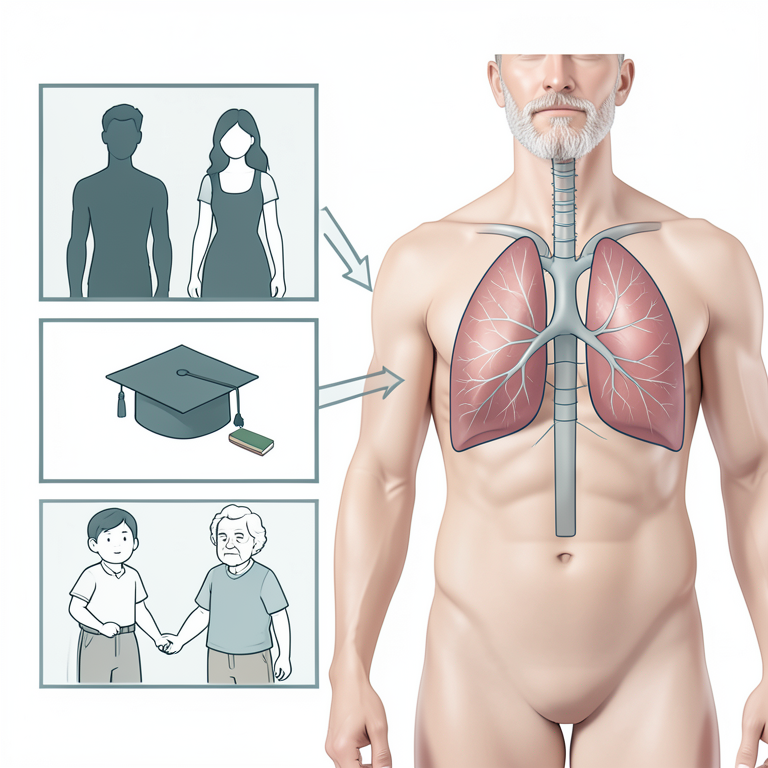
Factors Influencing COVID-19 Susceptibility
AI-generated conceptual illustration (Human respiratory system and demographic profiles). It explains the idea and does not show study data.
View source evidence ↗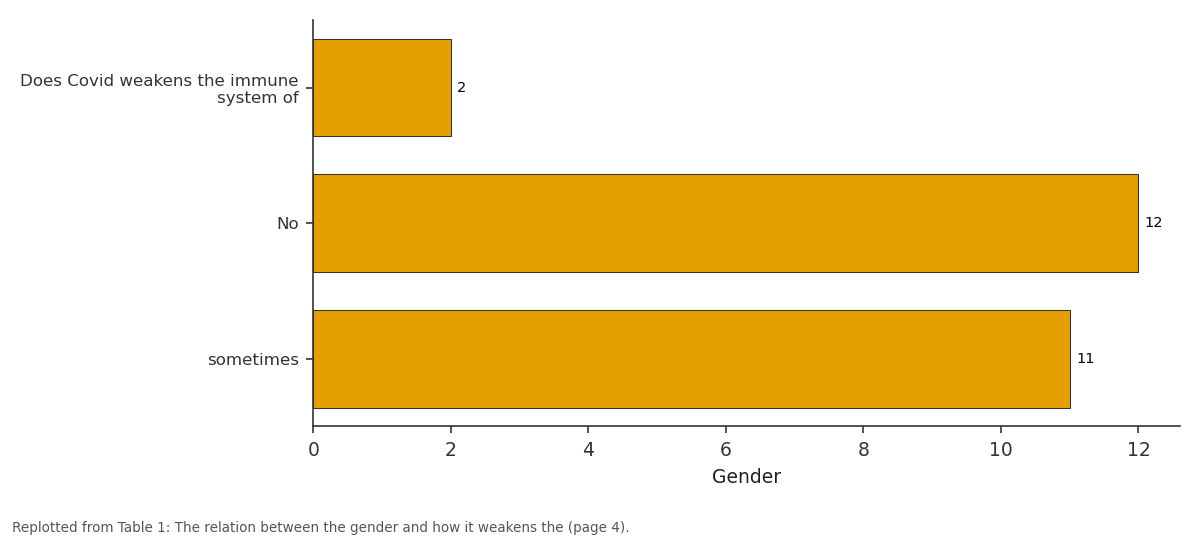
Gender: Does Covid weakens the... vs No vs sometimes
Replotted from Table 1 (page 4) of the original paper. Every bar is the paper's own table value.
View source evidence ↗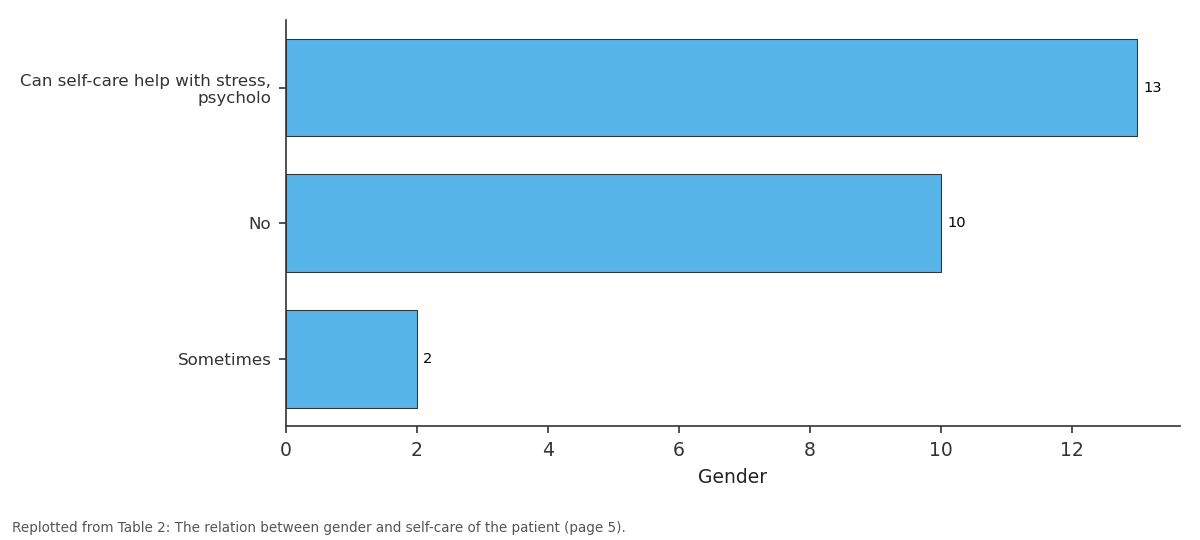
Gender: Can self-care help with... vs No vs Sometimes
Replotted from Table 2 (page 5) of the original paper. Every bar is the paper's own table value.
View source evidence ↗Figures & tables
From the original paper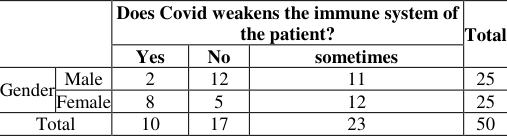 Table 1
 Table 2
 Table 3
 Table 4
 Table 4
 Table 5
 Table 6
 Table 6
 Table 7
 Table 7
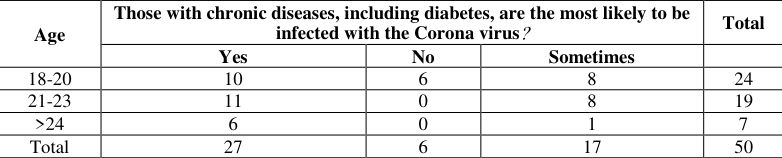 Table 8
 Table 9
 Table 9
 Table 10
 Table 10
 Table 11
 Table 12
 Table 12
 Table 13
 Table 13
Introduction
The COVID-19 pandemic has emerged as the most formidable obstacle for humanity in the 21st century, presenting a severe global health crisis that impacts various aspects of life, including the environment, economy, society, politics, and culture. The series of events commenced in December 2019 in the city of Wuhan, China, when an unprecedented outbreak of a novel B group coronavirus, known as SARS-CoV-2, occurred. Subsequent investigations identified a novel coronavirus as the causative agent, genetically related to the Severe Acute Respiratory Syndrome Coronavirus (SARS-CoV) and the Middle East Respiratory Syndrome coronavirus (MERS-CoV). The rapid spread of the virus within Wuhan and its subsequent global dissemination highlighted the challenges of containing a highly transmissible respiratory pathogen in an interconnected world [1][2][3] . The disease exhibited a remarkably high level of contagion and spread rapidly across the globe, causing over 70,000 infections within the initial seven weeks of the outbreak. The SARS-CoV-2 is primarily transmitted through respiratory droplets and close contact with infected individuals, often via small droplets produced by coughing, sneezing, or talking, contributing to community transmission and outbreaks in various settings. The virus exhibits a spectrum of clinical manifestations, ranging from asymptomatic or mild respiratory symptoms to severe pneumonia, Acute Respiratory Distress Syndrome (ARDS), multi-organ dysfunction, and death, particularly among vulnerable populations such as the elderly and those with underlying health conditions [5,6] . The variability in symptomatology, incubation period, and disease severity has posed diagnostic and management challenges, necessitating adaptive healthcare strategies and surveillance systems [5] . Children and young adults can also be affected, with approximately 20% requiring hospitalization due to the virus. Importantly, it does not discriminate based on nationality, gender, or age, impacting individuals across various demographics. Common symptoms of the disease include fever, cough, and shortness of breath, while muscle aches, fatigue, sore throat, and sputum production are fewer common symptoms. Fever is the predominant symptom, although delayed onset of fever may occur in elderly individuals and those with comorbidities [6,7] . According to a study, 44% of individuals experienced fever, while 89% maintained fever at some stage upon being admitted to the hospital. Nevertheless, the lack of fever does not definitively indicate the absence of the disease. Varied symptoms such as nausea, vomiting, and diarrhea have also been observed. Less common symptoms include sneezing, runny nose, or sore throat. Some early cases in China presented with chest tightness and palpitations only, followed by subsequent loss of smell or taste. Only 30% of confirmed cases experienced loss of smell in South Korea [8] . While most infections follow a mild symptomatic course, some progress to more severe forms such as severe pneumonia and multi-organ dysfunction. Additionally, individuals with ARDS may experience organ failure, septic shock, and blood clots. The incubation period, from exposure to the virus to symptom onset, ranges from 2 to 14 days, with a median of five days. Long-term organ damage, particularly to the lungs and heart, has been observed. There is concern for a significant number of patients recovering from the acute phase of the disease but still experiencing a range of symptoms including severe fatigue, memory loss, cognitive issues, mild fever, muscle weakness, shortness of breath, and other symptoms for several months post-recovery [1,3,5,8] . The standard diagnostic method involves a throat or nasal swab for PCR testing and can be achieved by integrating symptoms and risk factors with Computed Tomography (CT) imaging that reveals lung manifestations. A study conducted in China found that computed tomography scans showed ground-glass opacities in 56% of cases, with 18% showing no radiological signs. Five percent of cases were admitted to intensive care units, 2.3% required mechanical ventilation, and 1.4% died. Peripheral and bilateral groundglass opacities are considered the most characteristic findings on computed tomography. Other radiological findings of the disease include consolidation, linear opacities, and the reverse halo sign. Initially, lesions are confined to one lung, but with disease progression, signs begin to appear in both lungs among 88% of participants in the study. Another study published by a team from Tongji Hospital in Wuhan on February 26, 2020, indicated that Computed Tomography (CT) scanning had higher sensitivity (98%) than Polymerase Chain Reaction (PCR) (71%). False-negative results could occur due to laboratory kit failure, sampling issues, or testing errors. Positive false results are relatively rare [9,10] . Key infection prevention measures encompass regular hand hygiene, practicing social distancing (maintaining a sufficient physical distance between individuals), and refraining from touching one's face. Medical masks are specifically recommended for individuals who are suspected of carrying a virus and for those who are providing care to them. However, it is not advised for the general public to wear these masks. At present, the Centers for Disease Control and Prevention (CDC) and the World Health Organization (WHO) both advocate the use of masks by the general public in public settings. It is worth noting that both organizations initially discouraged this practice when the pandemic first emerged [11,12] . This alteration may have caused bewilderment among the general population regarding the advantages of wearing masks. Nevertheless, health experts assert that the evidence unequivocally demonstrates that masks are effective in mitigating the transmission of the pandemic, and the greater the number of individuals wearing masks, the more effective the prevention measures. Children under the age of two (or even five years old), individuals with breathing difficulties, and those who are unable to remove the mask without assistance should refrain from wearing masks. This applies to other specific cases as well. The exponential increase in COVID-19 cases necessitated immediate and strict public health measures at the local, national, and international levels. Authorities implemented various interventions, such as travel restrictions, quarantine measures, social distancing protocols, mask mandates, and lockdowns, to reduce the spread of the virus and ease the burden on healthcare systems [11,13] . At the same time, scientific communities worked together to study the virus, create tests to diagnose it, evaluate different treatment methods, and speed up the development of vaccines through collaborative research projects and clinical trials. The virus primarily spreads through respiratory droplets, which typically fall to the ground or onto surfaces instead of travelling long distances through the air. Alternatively, individuals may contract the disease less frequently by touching contaminated surfaces and subsequently touching their faces. The virus is most contagious during the first three days after symptom onset, although infection can occur before symptoms appear and in asymptomatic individuals. Additionally, the use of face masks is recommended for those suspected of having the virus and those providing care to them. Face-covering recommendations used by individuals contradict each other, with some authorities recommending them, others opposing them, and yet others advising their use. There is limited evidence for or against the use of masks by healthy individuals in our community. The infection usually spreads from person to person through respiratory droplets produced by coughing or sneezing. The incubation period, from exposure to the virus to symptom onset, ranges from 2 to 14 days, with a median of five days [3,[11][12][13] . Given that a vaccine for Severe Acute Respiratory Syndrome Coronavirus 2 (SARS-CoV-2) is not anticipated to be accessible prior to 2021 at the earliest, the management of the COVID-19 pandemic depends on implementing various measures to decrease the peak of the pandemic. These measures are aimed at flattening the epidemic curve, which involves reducing the rate of new infections. Slowing the transmission of infection decreases the chances of healthcare services becoming overwhelmed, thereby enabling improved healthcare delivery for infected individuals and allowing more time for the development of vaccines or targeted treatments. Currently, there are two prominent vaccines available for the coronavirus: the Oxford-AstraZeneca vaccine and the Pfizer-BioNTech vaccine. The 2019-20 coronavirus outbreak has been officially declared a global pandemic and a public health emergency of international concern by the World Health Organization. Incidence of regional disease transmission has been detected in all six regions of the World Health Organization (WHO) [14][15][16] . This study aims to thoroughly analyze the various aspects of the COVID-19 pandemic, with a specific focus on several important research goals. The primary objective is to examine the worldwide epidemiological patterns of COVID-19, including its geographic distribution, temporal dynamics, demographic disparities, and transmission clusters. Furthermore, the study seeks to assess the efficacy of various public health measures, such as lockdowns, testing strategies, contact tracing, vaccination campaigns, and risk communication, in managing the spread of disease and reducing illness and death rates. Thirdly, it aims to evaluate the practical consequences of COVID-19, such as the range of clinical manifestations of the disease, factors that increase the likelihood of severe outcomes, patterns of healthcare utilization, methods of treatment, and long-term effects experienced by survivors. Additionally, the study seeks to analyze the societal consequences of the pandemic, including its effects on the economy, social disparities, mental well-being, and efforts to enhance resilience at the individual, community, and societal levels. The study aims to examine how healthcare systems have responded to the pandemic, specifically looking at their capacity to handle sudden increases in patients, allocation of resources, use of telemedicine, implementation of infection control measures, and the insights gained for future pandemic preparedness. This study aims to produce evidence-based insights into the intricacies of the COVID-19 pandemic. It seeks to inform policy decisions, guide public health interventions, and contribute to global endeavors in pandemic management, resilience-building, and post-pandemic recovery.
Methods
A cross-sectional study aimed to investigate the spread level of the coronavirus and efforts to combat this spread, focusing on events, approaches, and multiple variables associated with this topic. Various research methods were utilized to provide a comprehensive analysis of the research objectives. Inclusion and Exclusion Criteria. A total of 50 participants in this study were selected based on specific inclusion and exclusion criteria. Inclusion criteria required participants to be aged 18 or older and willing to participate voluntarily in the research. This age criterion ensured that participants were legally capable of providing consent and engaging in the study activities. Willingness to participate was a fundamental aspect as it guaranteed that participants were actively engaged and interested in contributing to the study's objectives.
On the other hand, exclusion criteria were established to maintain the integrity and accuracy of the data collected. Individuals who were unwilling to participate were excluded from the study to ensure that only those genuinely interested and committed were included in the research process. Additionally, participants below the specified age range were excluded as their cognitive and decision-making abilities might not align with the study's requirements and ethical standards. Moreover, individuals with conditions that could potentially affect their ability to provide accurate responses, such as cognitive impairments or severe illnesses, were also excluded. This was crucial to maintain the reliability and validity of the data collected and to ensure that the study outcomes accurately reflected the targeted population.
Sampling method
We employed a convenience sampling method to select a sample of 50 individuals from various age groups and genders. This approach was chosen for its practicality and ease of access to participants within the study's scope. The convenience sampling method facilitated a straightforward recruitment process, enabling us to reach a sufficient sample size within the study's timeframe and resources.
Data management
The data collection process for this study employed a meticulously structured questionnaire tailored to gather comprehensive insights into COVID-19-related variables, encompassing aspects like knowledge, attitudes, practices, and demographic information. This questionnaire, thoughtfully crafted to elicit meaningful responses, was administered with flexibility, allowing participants the choice between in-person interactions or electronic submissions, accommodating diverse preferences and ensuring inclusivity within the study's reach. To uphold the highest ethical standards, stringent measures were implemented throughout the data collection phase. Emphasis was placed on maintaining participant confidentiality and privacy, safeguarding their sensitive information from unauthorized access or disclosure. Each step of the data collection process adhered strictly to established ethical guidelines and regulatory frameworks, underscoring the research's commitment to ethical integrity and participant welfare. By prioritizing ethical considerations, the study aimed to build trust, encourage candid responses, and uphold the credibility and validity of the research outcomes. Furthermore, the data management protocols were designed with robust security measures to ensure the safe handling and storage of collected data. Procedures for anonymization of responses were rigorously followed to protect participant identities, with data stored securely on password-protected systems accessible only to authorized personnel trained in data protection best practices. These meticulous data management strategies not only safeguarded participant confidentiality but also upheld the principles of data integrity, contributing to the overall reliability and credibility of the research findings.
Data analysis
We used SPSS v20 software for the statistical analysis, employing the Chi-Square test to ascertain statistically significant differences in the spread level of the coronavirus and the efficacy of measures to mitigate its transmission.
Descriptive
statistics, including frequencies and percentages, were utilized to summarize demographic and categorical variables, providing a comprehensive overview of the study population's characteristics. The Chi-Square test is a fundamental tool in statistical analysis, particularly in assessing goodness of fit, independence, homogeneity, and other tests applicable to frequency distributions for specific categories or characteristics within the sample. This test is crucial in understanding how well the observed data aligns with the expected distribution within the population from which the sample was drawn.
Test statistic
In this formula X2 = represents the test statistic following a Chi-Square distribution. K = denotes the number of categories. M = indicates the number of estimated parameters from the sample. oi = stands for the observed frequencies for the category ei = represents the expected frequencies for the category By applying rigorous statistical analysis techniques like the Chi-Square test, we gained valuable insights into the relationships and associations between variables, effectively addressing the study's research objectives and contributing to a robust understanding of the COVID-19 pandemic dynamics and response measures.
Ethical approval
Ethical approval for this study was diligently sought from the pertinent institutional review board or ethics committee, adhering to established protocols and guidelines. This crucial step was taken prior to the initiation of any research activities, demonstrating our commitment to upholding ethical standards and ensuring the protection of participants' rights and welfare throughout the study. All study participants were carefully and thoroughly given informed consent, which is a fundamental aspect of ethical research practices. This process involved providing participants with detailed information about the study's goals, methods, possible risks, and benefits. This allowed participants to make informed decisions about whether or not to participate. The main emphasis was placed on safeguarding the secrecy and identity protection of the sensitive data revealed by participants throughout the data collection procedure. Participants were guaranteed the freedom to withdraw from the study at any time without facing any negative consequences, thereby emphasizing the voluntary aspect of their involvement. Rigorous measures were implemented to maintain confidentiality and privacy throughout the study. The data collected were securely stored and managed on systems that were passwordprotected, ensuring that only authorized personnel involved in the study had access to them. Data entries underwent anonymization techniques to guarantee the non-identifiability of individual participants in the analysis and reporting of results. Our research methodology included the essential components of continuous monitoring and strict adherence to ethical guidelines. Systematic ethics reviews and supervision were carried out to ensure adherence to ethical norms and promptly address any emerging ethical concerns. Our goal was to conduct a study that upholds the highest standards of research integrity and ethical conduct by prioritizing ethical principles and participant protection.
In doing so, we aimed to not only contribute valuable insights but also ensure the ethical treatment of participants.
Results
Results
Demographic characteristics of subjects
A total of 50 participants were recruited from Iraq. Out of the total of 50 individuals, 25 (50%) were females and the remaining 25 (50%) were males. Out of a total of 50 individuals, only 2, or 0.04%, were highly educated. The subjects' age ranged from 18 to 25 years.
Our investigation into the relationship between gender and susceptibility to coronavirus, as well as its impact on immune system resilience, yielded significant findings. The Chi-Square analysis produced a value of 5.526, with an Asymptotic Significance (Asymp. Sig.) value of 0.038. Although this value falls below the conventional significance level of 0.05 but exceeds 0.01, it indicates a notable association between gender and COVID-19 susceptibility or immune system vulnerability. Consequently, we reject the null hypothesis and embrace the alternative hypothesis, affirming that gender does play a role in the susceptibility to coronavirus and its effect on immune function. (Table 1) Based on the findings presented in Table 2, it is clear that the Chi-Square value is 7.867 with an Asymptotic Significance (Asymp. Sig.) value of 0.0200, falling below the significance level of 0.05 yet exceeding 0.01. These results underscore a substantial relationship between the variables under investigation. Consequently, we reject the null hypothesis (H0), which posited no significant correlation between gender and the potential benefits of selfcare in mitigating stress and anxiety related to COVID-19 control and recovery. Instead, we embrace the alternative hypothesis (H1), affirming a notable connection between gender and the efficacy of self-care practices in addressing these psychological aspects during the pandemic. The analysis conducted reveals significant insights without explicitly referencing the table. The Chi-Square value obtained is 13.230, with an Asymptotic Significance (Asymp. Sig.) p-value of 0.040. This p-value falls below the conventional significance level of 0.05 but exceeds 0.01, indicating a meaningful relationship between the variables under investigation. As a result, we accept the alternative hypothesis (H1), affirming a statistically significant connection between specialization and these ongoing symptoms associated with COVID-19 (Table 4). The Chi-square test revealed a significant relationship between the variables, with a Chi-square value of 8.440 and an Asymp. sig. p-value of 0.038. This p-value is less than the significance level of 0.05 but greater than 0.01, indicating a meaningful association between the phenomena (Table 5).
| Educational specialty | Is the hair falling after the Coronavirus and the skin allergies? | — | Total |
|---|---|---|---|
| No | Sometimes | ||
| Scientific | 13 | 4 | 17 |
| Literary | 25 | 0 | 25 |
| Industrial | 6 | 0 | 6 |
| commercial | 2 | 0 | 2 |
| Total | 46 | 4 | 50 |
Table text extracted from the original PDF; superscript letters are shown inline. The original table image is below.
View original table image
| Educational specialty | Do children get affected by coronavirus? | — | — | Total |
|---|---|---|---|---|
| Yes | No | Sometimes | ||
| scientific | 8 | 3 | 6 | 17 |
| Literary | 4 | 3 | 18 | 25 |
| Industrial | 4 | 1 | 1 | 6 |
| commercial | 2 | 0 | 0 | 2 |
| Total | 18 | 7 | 25 | 50 |
Table text extracted from the original PDF; superscript letters are shown inline. The original table image is below.
View original table image
| — | Value | Df | Asymp. Sig. (2-sided) |
|---|---|---|---|
| Pearson Chi-square | 17.956a | ||
| Likelihood ratio | 21.410 | 6 | .006 |
| Linear-by-linear association | 7.447 | 6 | .002 |
| N of valid cases | 50 | 1 | .006 |
Table text extracted from the original PDF; superscript letters are shown inline. The original table image is below.
View original table image
| — | — | Can self-care help with stress, psychological anxiety during quarantine, and recovering from the coronavirus? | — | — | Total |
|---|---|---|---|---|---|
| Yes | No | Sometimes | |||
| Gender | Male | 13 | 10 | 2 | 25 |
| Female | 17 | 2 | 6 | 25 | |
| Total | 30 | 12 | 8 | 50 |
Table text extracted from the original PDF; superscript letters are shown inline. The original table image is below.
View original table image
| — | — | Does Covid weakens the immune system of the patient? | — | — | Total |
|---|---|---|---|---|---|
| Yes | No | sometimes | |||
| Gender | Male | 2 | 12 | 11 | 25 |
| Female | 8 | 5 | 12 | 25 | |
| Total | 10 | 17 | 23 | 50 |
Table text extracted from the original PDF; superscript letters are shown inline. The original table image is below.
View original table image
The analysis reveals a significant association between the variables, with a Chi-Square value of 4.19 and an Asymptotic Significance (Asymp. Sig.) p-value of 0.001, which is below the 0.05 and 0.01 significance levels. This suggests a strong statistical relationship between the phenomena, giving the meaning that there is a significant correlation between age and COVID-19-induced pneumonia. (Table 7) The Chi-Square value is 9.704, with an Asymptotic Significance (Asymp. Sig.) p-value of 0.046. This p-value is smaller than the significance level of 0.05 and larger than 0.01, indicating a significant relationship between the variables. We found that there is a significant relationship between age and susceptibility to COVID-19 among individuals with chronic diseases, including diabetes. (Table 8) The Chi-Square value is 9.184, with an Asymptotic Significance; p-value of 0.010. This p-value is smaller than the significance level of 0.05 and equal to 0.01, indicating a significant relationship between the variables. Therefore, we reject the null hypothesis and accept the alternative hypothesis; there is a significant relationship between contracting the coronavirus and a specific age group, as well as between the effectiveness of hand dryers in killing the coronavirus. (Table 9) .949
| — | — | Is the hand dryer effective in killing a corona virus, an age-specific corona virus? Are the hand dryers effective in killing the Corona virus? | — | — | Total |
|---|---|---|---|---|---|
| Yes | No | Sometimes | |||
| Corona's virus has a specific age group? | No | 24 | 4 | 21 | 49 |
| Sometimes | 0 | 1 | 0 | 1 | |
| Total | 24 | 5 | 21 | 50 |
Table text extracted from the original PDF; superscript letters are shown inline. The original table image is below.
View original table image
| — | Value | Df | Asymp. Sig. (2-sided) |
|---|---|---|---|
| Pearson Chi-square | 9.704a | ||
| Likelihood ratio | 12.068 | 4 | 046 |
| Linear-by-linear association | 1.895 | 4 | .017 |
| N of valid cases | 50 | 1 | .169 |
Table text extracted from the original PDF; superscript letters are shown inline. The original table image is below.
View original table image
| Age | Those with chronic diseases, including diabetes, are the most likely to be infected with the Corona virus? | — | — | Total |
|---|---|---|---|---|
| Yes | No | Sometimes | ||
| 18-20 | 10 | 6 | 8 | 24 |
| 21-23 | 11 | 0 | 8 | 19 |
| >24 | 6 | 0 | 1 | 7 |
| Total | 27 | 6 | 17 | 50 |
Table text extracted from the original PDF; superscript letters are shown inline. The original table image is below.
View original table image
| Age | Does virous Corona cause pneumonia? | — | — | Total |
|---|---|---|---|---|
| Yes | No | Sometimes | ||
| 18-20 | 21 | 2 | 1 | 24 |
| 21-23 | 12 | 4 | 3 | 19 |
| >24 | 2 | 0 | 5 | 7 |
| Total | 35 | 6 | 9 | 50 |
Table text extracted from the original PDF; superscript letters are shown inline. The original table image is below.
View original table image
| — | Value | Df | Asymp. Sig. (2-sided) |
|---|---|---|---|
| Pearson Chi-square | 6.268a | ||
| Likelihood ratio | 4.062 | 2 | .044 |
| Linear-by-linear association | 3.560 | 2 | .131 |
| N of valid cases | 50 | 1 | .059 |
Table text extracted from the original PDF; superscript letters are shown inline. The original table image is below.
View original table image
The analysis reveals a Chi-Square value of 7.541, with an Asymptotic Significance (Asymp. Sig.) p-value of 0.023. This p-value is smaller than the significance level of 0.05 but greater than 0.01, indicating a significant relationship between the variables. Therefore, we reject the null hypothesis and accept the alternative hypothesis, indicating that there is a significant relationship between maintaining distance from an infected person to reduce infection and the potential for self-care to assist in managing stress and anxiety during COVID-19 control and recovery. (Table 10) The analysis reveals that the Chi-Square value is 6.200, with an Asymptotic Significance; p-value of 0.013. This p-value is smaller than the significance level of 0.05 but greater than 0.01, indicating a significant relationship between the variables. Therefore, we reject the null hypothesis and accept the alternative hypothesis indicating that there is a significant relationship between maintaining distance from an infected person to reduce infection and the infected person's ability to sleep. (Table 11) The analysis shows a significant relationship between the variables, with a Chi-Square value of 8.241 and an Asymptotic Significance (Asymp. Sig.) p-value of 0.061, falling below the 0.05 significance level but above 0.01.
| C | — | Does the coronavirus lead to pancreatic damage and kidney failure? | — | Total |
|---|---|---|---|---|
| No | Sometime | |||
| Should you stay 1 m away from infected person? Total | Yes | 37 | 9 | 46 |
| Sometimes | 1 | 3 | 4 | |
| 38 | 12 | 50 |
Table text extracted from the original PDF; superscript letters are shown inline. The original table image is below.
View original table image
| — | — | Could self-care help with stress and anxiety during the line and healing from Ferris Corona? | — | — | Total |
|---|---|---|---|---|---|
| Yes | No | Sometimes | |||
| Should you stay 1 m away from infected person? | Yes | 30 | 9 | 7 | 46 |
| Sometimes | 0 | 3 | 1 | 4 | |
| Total | 30 | 30 | 12 | 8 |
Table text extracted from the original PDF; superscript letters are shown inline. The original table image is below.
View original table image
| — | Value | Df | Asymp. Sig. (2-sided) |
|---|---|---|---|
| Pearson Chi-square | 9.184a | ||
| Likelihood ratio | 4.800 | 2 | .010 |
| Linear-by-linear association | .004 | 2 | .091 |
| N of valid cases | 50 | 1 | .949 |
Table text extracted from the original PDF; superscript letters are shown inline. The original table image is below.
View original table image
This implies the rejection of the null hypothesis and the acceptance of the alternative illustrating that there is a notable association between such proximity and the infected person's sleep difficulties. (Table 12) The analysis indicates that the Chi-Square value is 3.947, with an Asymptotic Significance (Asymp. Sig.) p-value of 0.047. This p-value is smaller than the significance level of 0.05 but greater than 0.01, suggesting a significant relationship between the variables. Therefore, we reject the null hypothesis and accept the alternative hypothesis showing that there is a significant relationship between whether these vitamins play a role in boosting immunity and whether the coronavirus leads to pancreatic damage and kidney failure. (Table 13) A cross sectional study conducted at Kurmitola General Hospital in Dhaka compared the clinical patterns and laboratory findings between COVID-19 positive children and adults. They enrolled 150 patients, including 100 adults and 50 children, finding that children mostly contracted the virus through family contact and had milder symptoms compared to adults, who had a more varied exposure and experienced more severe symptoms. Adults showed higher levels of inflammation markers in laboratory tests and a higher incidence of pneumonia on chest X-rays compared to children. They concluded that while COVID-19 affects children similarly to adults, their presentation is less severe, with children exhibiting milder clinical symptoms [3] .
| — | — | "Does the coronavirus lead to pancreatic damage and kidney failure?" | — | Total |
|---|---|---|---|---|
| No | Sometimes | |||
| "Do vitamin C, D, and zinc play a role in boosting the immunity of individuals infected with the virus?" | Yes | 36 | 9 | 45 |
| Sometimes | 2 | 3 | 5 | |
| Total | 38 | 12 | 50 |
Table text extracted from the original PDF; superscript letters are shown inline. The original table image is below.
View original table image
| C | Value | df | Asymp. Sig. (2sided) |
|---|---|---|---|
| Pearson Chi-Square | 8.241a | 2 | .016 |
| Likelihood Ratio | 6.271 | 2 | .043 |
| Linear-by-Linear Association | 6.782 | 1 | .009 |
| N of Valid Cases | 50 |
Table text extracted from the original PDF; superscript letters are shown inline. The original table image is below.
View original table image
| C | Does the viruses as Corona cause insomnia? | — | — | — | Total |
|---|---|---|---|---|---|
| Yes | No | Sometimes | |||
| Staying with an injured person gets you a virus without the means of protection? | Yes | 5 | 11 | 29 | 45 |
| Total | Sometimes | 3 | 1 | 1 | 5 |
| 8 | 12 | 30 | 50 |
Table text extracted from the original PDF; superscript letters are shown inline. The original table image is below.
View original table image
| C | Value | df | Asymp. Sig. (2sided) |
|---|---|---|---|
| Pearson chi-square | 6.200a | 1 | .013 |
| Likelihood ratio | 3.533 | 1 | .060 |
| Fisher’s exact test | 5.132 | 1 | .023 |
| Linear-by-linear association | 6.076 | 1 | .014 |
| N of valid cases | 50 |
Table text extracted from the original PDF; superscript letters are shown inline. The original table image is below.
View original table image
A recent cohort study found significant sex-based disparities in COVID-19 outcomes, with male patients showing higher rates of hypoxemia, smoking, obesity, and other health issues. These findings suggest that males are more susceptible to severe disease outcomes and are at a higher risk of developing comorbidities. The study also highlighted the need for targeted interventions and mental health support for male COVID-19 patients. Future research should explore the underlying mechanisms behind these disparities and evaluate targeted interventions [17] .
A systematic review discussed relation between gender and Covid 19, they found that unadjusted mortality rates of men were higher than those of women, with a mortality OR 0.51 [0.42, 0.61] (p<0.001) for women [18] . A study of 198 COVID-19 patients revealed that 66.3% developed telogen effluvium (TE) after diagnosis, with most experiencing hair-related symptoms within the first month. Trichodynia, anosmia, and eosinophilia were associated with TE in 42.4% of cases. The study suggests physicians should be aware of delayed TE [19] . Educational attainment emerged as a key determinant of children's vulnerability to COVID-19, suggesting a potential link between socioeconomic status and disease susceptibility. This emphasizes the need for targeted educational campaigns and for vulnerable populations. Age was also identified as a factor influencing COVID-19 complications, particularly among individuals with chronic diseases like diabetes. Harris et al., a study examines the impact of the pandemic on high school graduation and college entry trends. It finds an all-time high in high school graduation rates, while twoyear college entry declined, especially among students of color. Factors like instructional mode and COVID cases influenced these outcomes. The study raises questions about the effectiveness of educational responses and suggests targeted interventions to address disparities and support student success [10] . The study's findings support the implementation of preventive measures such as social distancing, hand hygiene, and adherence to safety protocols. Additionally, the role of self-care practices in managing pandemic-related stress and anxiety is underscored, highlighting the importance of holistic approaches to healthcare during public health emergencies. Although the convenience sampling method facilitated efficient recruitment and data collection, it also comes with acknowledged limitations. The non-randomized approach of convenience sampling may introduce biases related to participant selection, potentially impacting the applicability of our study's findings to broader populations. Nevertheless, given our study's objectives and constraints, convenience sampling provided a practical and feasible means to gather pertinent data and address key research inquiries. Another drawback of the study is the relatively small sample size of 50 participants from Iraq, which may constrain the generalizability of results to larger or different demographic cohorts. The study's focus on a specific age bracket (18 to 25 years) further limits the extension of findings to other age groups. Additionally, the uneven distribution of highly educated individuals in the sample (only 2 out of 50) could influence the interpretation of educational attainment-related results. Moreover, while significant associations were identified among variables such as gender, educational level, age, and COVID-19 outcomes, the cross-sectional design of the study restricts causal inference and temporal relationships between these variables. Lastly, although Chi-Square tests were suitable for categorical data analysis, they may not fully capture the intricate relationships among variables in a multifaceted phenomenon like COVID-19 susceptibility and outcomes.
Conclusion
The comprehensive analysis conducted in this study reveals significant correlations between various factors and COVID-19 susceptibility, symptoms, and outcomes. Gender emerged as a noteworthy determinant, influencing both susceptibility to the virus and immune system resilience. Educational level played a crucial role, particularly in children's vulnerability to COVID-19. Additionally, age groups showed distinct patterns of COVID-19 complications, with chronic disease patients being more susceptible to severe outcomes. The findings also underscore the importance of preventive measures such as maintaining distance from infected individuals, proper hand hygiene, and adherence to safety protocols. Furthermore, the study highlights the potential benefits of self-care practices in managing pandemic-related stress and anxiety. These insights have implications for public health strategies, emphasizing the need for targeted interventions based on gender, age, educational background, and comorbidities. By understanding these associations, healthcare systems can better tailor their responses to mitigate the impact of COVID-19 and improve outcomes for affected individuals.
Recommendation
1. Encourage citizens to take the vaccine as soon as possible after confirming non-infection status since the vaccine is available. 2. Strengthen the body's immunity by taking vitamins such as Vitamin D, B, and C, in addition to zinc. 3. Avoid gatherings as much as possible, as they increase the risk of virus transmission. 4. Adhere to health safety measures by wearing masks, gloves, and using alcohol for sanitization. 5. When experiencing symptoms of the disease, it is important to visit the nearest health center for treatment while practicing isolation to prevent virus transmission to others.
Figures and tables from the paper
| Educational level | Do children get affected by corona virus? | — | — | Total |
|---|---|---|---|---|
| Yes | No | Sometimes | ||
| Intermediate | 3 | 4 | 0 | 7 |
| Middle | 6 | 5 | 13 | 24 |
| Diplome | 1 | 1 | 15 | 17 |
| Bachelor | 1 | 0 | 1 | 2 |
| Total | 31 | 10 | 29 | 50 |
Table text extracted from the original PDF; superscript letters are shown inline. The original table image is below.
View original table image
| — | Value | Df | Asymp. Sig. (2-sided) |
|---|---|---|---|
| Pearson Chi-square | 8.440a | ||
| Likelihood ratio | 9.327 | 3 | .038 |
| Linear-by-linear association | 5.249 | 3 | .025 |
| N of valid cases | 50 | 1 | .022 |
Table text extracted from the original PDF; superscript letters are shown inline. The original table image is below.
View original table image
| — | — | Could the virus directly damage the brain? | — | — | Total |
|---|---|---|---|---|---|
| Yes | No | Sometimes | |||
| Does Corona's virus has a specific age group? | No | 7 | 24 | 18 | 49 |
| sometimes | 1 | 0 | 0 | 1 | |
| Total | 8 | 8 | 24 | 18 |
Table text extracted from the original PDF; superscript letters are shown inline. The original table image is below.
View original table image
References
13 in the original paper- Morens DM, Fauci AS. Emerging Pandemic Diseases: How We Got to COVID-19. Cell. 2020;182(5):10771092.
- Sung H, Ferlay J, Siegel RL, Laversanne M, Soerjomataram I, Jemal A, et al. Global Cancer Statistics 2020: GLOBOCAN Estimates of Incidence and Mortality Worldwide for 36 Cancers in 185 Countries. CA: A Cancer Journal for Clinicians. 2021;71(3):209-249.
- Williams PCM, Howard-Jones AR, Hsu P, Palasanthiran P, Gray PE, McMullan BJ, et al. SARSCoV-2 in children: spectrum of disease, transmission and immunopathological underpinnings. Pathology. 2020;52(7):801-808.
- Kim D, Jung W, Yu JY, Chang H, Lee SU, Kim T, et al. Effect of fever or respiratory symptoms on leaving without being seen during the COVID-19 pandemic in South Korea. Clinical and Experimental Emergency Medicine. 2022;9(1):1-9.
- Kwee TC, Kwee RM. Chest CT in COVID-19: What the radiologist needs to know. Radio graphics. 2020;40(7):1848-1865.
- Harris DN, Chen F, Martin RC, Bernhardt AF, Marsicano CR, Von Hippel PT. The Effects of the COVID-19 Pandemic on Educational Attainment. RSF: The Russell Sage Foundation Journal of the Social Sciences. 2024;10(1):152-180.
- Jara BJ. Infection prevention in the era of covid-19: 2021 basic procedure review. Journal of Nuclear Medicine Technology. 2021;49(2):126-131.
- Cheshmehzangi A, Su Z, Jin R, Dawodu A, Sedrez M, Pourroostaei Ardakani S, et al. Space and social distancing in managing and preventing COVID-19 community spread: An overview. Heliyon. 2023;9(3):e13879.
- Wang Y, Deng Z, Shi D. How effective is a mask in preventing COVID-19 infection? Medical Devices & Sensors. 2021;4(1):e10163.
- Soheili M, Khateri S, Moradpour F, Mohammadzedeh P, Zareie M, Mortazavi SMM, et al. The efficacy and effectiveness of COVID-19 vaccines around the world: a mini-review and meta-analysis. Annals of Clinical Microbiology and Antimicrobials. 2023;22(1):42.
- Luo B, Rossato M, Vona R, Carlos Ramírez-Soto M, Peruana U, Heredia C, et al. Sex-differences in COVID-19 diagnosis, risk factors and disease comorbidities: A large US-based cohort study. Frontiers in Public Health. 2022;10:1029190.
- Lakbar I, Luque-Paz D, Mege JL, Einav S, Leone M. COVID-19 gender susceptibility and outcomes: A systematic review. PLOS ONE; 2020;15(11):e0241827.
- Seyfi S, Alijanpour R, Aryanian Z, Ezoji K, Mahmoudi M. Prevalence of telogen effluvium hair loss in COVID-19 patients and its relationship with disease severity. Journal of Medical Life. 2022;15(5):631-634.