
Research article · 2024 · Full text
International Journal of Research in AgronomyUnearthing the issue: Causes and sources of soil pollution
Volume 7(3) · Pages 665–670 · DOI: 10.33545/2618060x.2024.v7.i3i.497 ↗
Research areasInternational Environmental Law and PoliciesMunicipal Solid Waste Management
Abstract
Author-writtenSoil pollution denotes the presence of a chemical or substance that is either misplaced or occurs at a higher-than-normal concentration, exerting adverse effects on the soil (Natalia Rodríguez Eugenio et al., 2018). Soil pollution arises from the introduction of elements that alter the soil's composition hence making it unsuitable for agriculture. Some naturally occurring soil elements can become toxic at specific concentrations, while others enter the soil through human activities like industrial processes, improper waste disposal, mining, and accidental contamination. Soil pollution results from human-made chemicals or other modifications to the natural soil environment (Uddin et al., 2017). It involves the factors leading to a decrease in soil productivity, plant quality, and groundwater integrity (Kuldeep and Dinesh, 2020). The causes of soil pollution include (1) pesticides (2) chemical fertilizers, and (3) air pollutants transported from the atmosphere through rainfall. Many agricultural lands are irrigated with river water contaminated by factory wastewater containing persistent toxic substances that pollute the soil, posing a prolonged threat to soil fertilizers. The primary sources of soil pollution include chemicals that are being utilized in industrial activities or produced as by-products, domestic, livestock, and municipal wastes (including wastewater), agrochemicals, and petroleum-derived products. Soil pollutants also directly impact soil microorganisms, affecting soil biodiversity and the services provided by these organisms. To address this issue effectively, a clear understanding of the concept of soil pollution and its sources is imperative. Implementing control measures is essential to preserve soil fertility and productivity, thereby benefiting the overall health of living beings.
Summary
Source-checkedPlain-language reading of the full paper, prepared with AI and checked against the text. Each point links to the authors' own words.
Why it matters
- Soil pollution occurs when substances are introduced that change the soil's composition, which can make the land unfit for farming. View evidence ↗
- This pollution is significant because it reduces the productivity of the soil, the quality of plants, and the integrity of groundwater. View evidence ↗
- Pollutants also harm soil microorganisms, which negatively impacts biodiversity and the essential services these organisms provide. View evidence ↗
The question
- The paper aims to provide a comprehensive overview of the causes, sources, and harmful effects of soil pollution on the environment and living organisms. View evidence ↗
- The authors also seek to discuss strategies for reducing the causes of pollution and human-made pollutants. View evidence ↗
What they did
- The authors categorize the primary causes of soil pollution into pesticides, chemical fertilizers, and atmospheric pollutants delivered via rain. View evidence ↗
- The review identifies sources of pollution as industrial chemicals/by-products, various types of waste (domestic, livestock, municipal), agrochemicals, and petroleum products. View evidence ↗
What they found
- Global municipal solid waste is projected to increase from 1.3 billion tonnes annually in 2012 to 2.2 billion tonnes by 2025. View evidence ↗
- In China, 19% of arable land is contaminated with heavy metals like cadmium, nickel, and arsenic, yet it is still used for cereal production. View evidence ↗
- India generates approximately 18.5 lakh metric tonnes of electronic waste every year. View evidence ↗
- In a study of wastewater irrigation, rice yields dropped by about 80% (from 4-6 mt/ha to 1 mt/ha) over 20 years, while soil heavy metal content rose by 18–98%. View evidence ↗
- Mercury concentrations in soil near traditional gold mining sites were found to be three times higher than in soils further away. View evidence ↗
- Indian cities are estimated to produce between 50,000 and 80,000 metric tons of solid waste daily. View evidence ↗
What it means
- The authors recommend promoting organic farming to avoid the use of chemical fertilizers and pesticides. View evidence ↗
- Because traditional soil reclamation is expensive and labor-intensive, the authors suggest phytoremediation as a more economical alternative. View evidence ↗
Visual summary
1 visualsIllustrations explain the paper; they do not show study data.
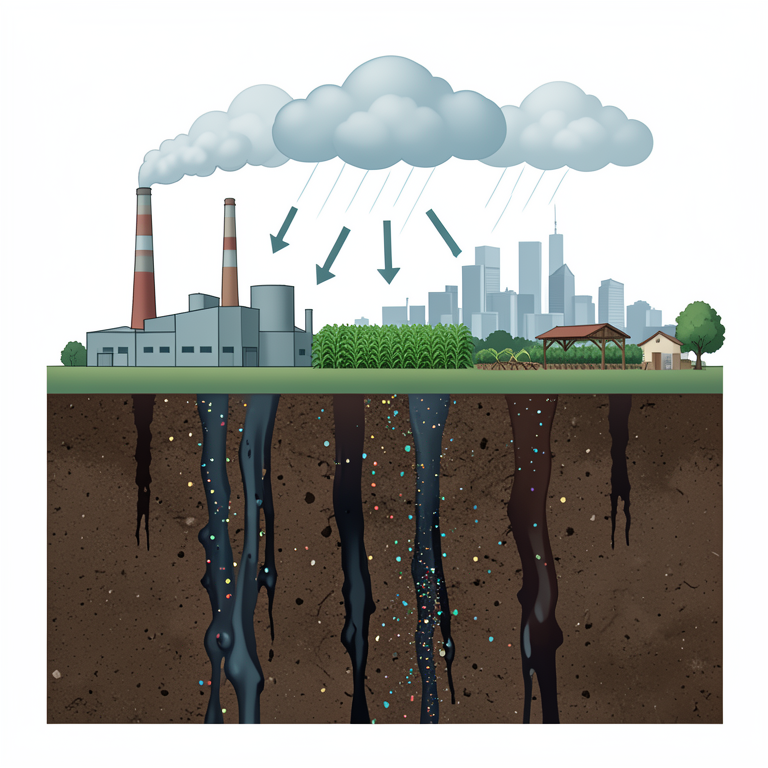
Sources of Soil Pollution
AI-generated conceptual illustration (a cross-section of soil layers beneath a landscape). It explains the idea and does not show study data.
View source evidence ↗Figures & tables
From the original paper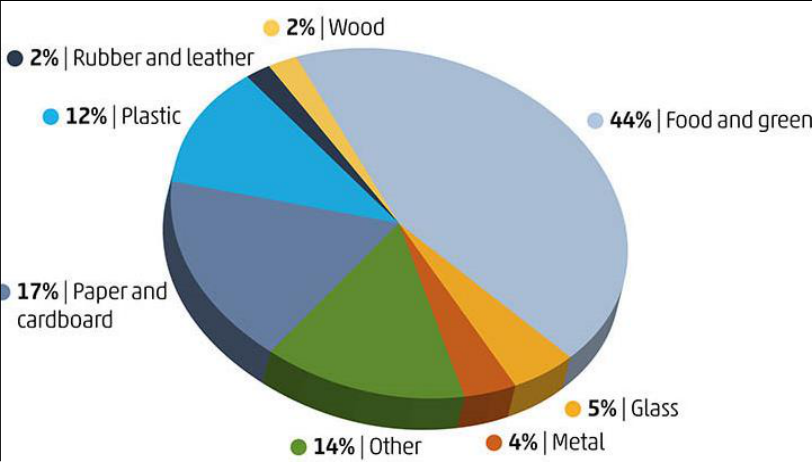 Figure 1
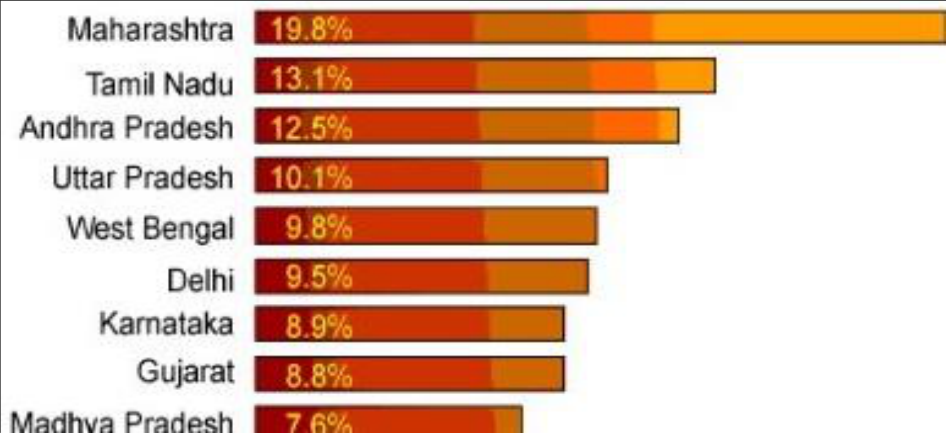 Figure 2
Introduction
The word "pollution" has now become a common word in our daily lives. This phrase has been instilled in us, not only in schools and colleges but also in newspapers and magazines drowned by tales about polluting the environment. Pollution arises when pollutants originating from different sources contaminate our environment thus degrading it. These pollutants harm our normal lifestyles. Thus, these pollutants are the biggest different types of wastes that contain components of pollution. Modernization and development used to be perceived as advancement for a present-day civilization but are now considered a malady affliction for the modern man. This pollution is a by-product of the development that has spread across the globe as a host of human diseases, and global warming. Pollution can take different forms and may occur in several ways. Such include; air, water, soil, radioactive, and thermal. There are two types of pollution sources: point sources and non-point sources. The point sources are always easy to identify, monitor, and control. On the other hand, non-point sources are always difficult to find and identify and control (Aggarwal, 2017) [24] . Soil is the thin layer of material consisting of both organic and inorganic components that covers the rocky surface of the Earth. The highest, darkest topsoil contains the majority of the organic matter, which is derived from the rotting bones of plants and animals. The inorganic portion, which is composed of rock fragments, has been sculpted by millennia of physical and chemical weathering of bedrock. Even though agriculture needs fertile soil to meet the world's demand for an abundant supply of food, rising soil pollution levels have made it more challenging to maintain the quality of the soil. Research on soil pollution is crucial because of this issue.
It is the accumulation of persistent toxic compounds, chemicals, salts, radioactive materials, or disease-causing agents in the soil, exerting detrimental effects on plant growth and animal wellbeing. Additionally, the extensive application of pesticides and chemical fertilizers, the occurrence of acid rain, and the discharge of solid and liquid waste from industries and other sources collectively contribute to the depletion of soil fertility and organic materials. The sources of soil pollution also include pollution from industrial and household waste. Furthermore, soil pollution is substantially influenced by factors such as volcanoes, fires, and mining, leading to the depletion of organic matter and fertility in the soil. Soil pollution also occurs when untreated wastewater is employed for irrigating agricultural lands, fostering the proliferation of harmful insects and plants. It includes the introduction of foreign substances into the soil, the release of complex chemical compounds or artificial radioactive materials, and elevating the soil's radioactivity levels. Consequently, this negatively impacts individuals, animals, and plants residing on its surface. This paper aims to provide an overview of soil pollution, its causes, sources, and detrimental effects on the soil as well as environment including human beings, animals, and other living organisms. It also discusses the strategies to reduce the causes of pollution and anthropogenic pollutants.
Current status of soil pollution
Food security is directly impacted by soil contamination, which lowers agricultural yields and quality. In 2012, the amount of municipal solid trash produced worldwide was estimated to be 1.3 billion tonnes annually; by 2025, this amount is expected to rise to 2.2 billion tonnes. (Eugenio Rodríguez et al., 2018) [18] . It is astonishing to learn that 60-80% of the things in landfills have the potential to be recycled but are regrettably not. Even though 19% of China's arable land is contaminated with heavy metals including arsenic, nickel, and cadmium, the land is nevertheless used to grow cereals for human consumption. The strong influence of such contaminants is highlighted by the startling fact that just 7 teaspoons of lead can contaminate up to 1 hectare of soil or 200 thousand liters of water. This highlights the urgent need for sustainable and responsible agricultural practices to mitigate the adverse consequences of soil pollution on human health and the environment. India produces approximately 18.5 lakh metric tonnes (MT) of electronic waste annually, with Mumbai and Delhi-NCR being the primary contributors to this considerable amount. Beyond these major urban centers, other significant contributors to electronic waste include Bangalore, Chennai, Kolkata, Ahmadabad, Hyderabad, Pune, Surat, and Nagpur. In the hierarchy of the eight largest electronic waste-generating states, Maharashtra holds the top position, followed by Tamil Nadu (2 nd ), Andhra Pradesh (3 rd ), Uttar Pradesh (4 th ), Delhi (5 th ), Gujarat (6 th ), Karnataka (7 th ), and West Bengal (8 th ) (Anonymous, 2019) [23] . This substantial electronic waste generation contributes to soil pollution, leading to land degradation, and causing adverse impacts on terrestrial and aquatic biodiversity. Furthermore, it poses a threat to food security by compromising the health and sustainability of the agricultural environment
Types of soil pollution 3.1 Negative Soil Pollution
Uncontrolled urbanization and construction of roads, houses, and industrial objects are currently converting fertile land into barren spaces. Waste, plastic containers, waste, damaged chairs, bottles, and construction, such as material, sludge, ash, and other waste, are thrown on naked grounds out of settlements making the settlement ugly. Surrounding lands desolate as well. This is also referred to as ''third pollution'' or "landscape pollution."
Positive Soil Pollution
Positive soil pollution is associated with pesticides, herbicides, and fumigants that are used during planting, application of chemical fertilizers, and atmospheric air pollutants washed down by rains (Aggarwal, 2017) [24] .
Causes of soil pollution 4.1 Agricultural activities:
Soil pollution may be resultant due to regular irrigation practices or usage of chemicals such as insecticides or pesticides (Upadhyay et al., 2020) [22] . The substantial increase in chemical utilization is a direct consequence of technological advancements, particularly in the realm of modern pesticides and fertilizers. Upon mixing with water, they infiltrate the ground, gradually diminishing soil fertility. Additionally, certain chemicals alter the soil composition, making it more susceptible to erosion by water and air (Anonymous). As plants absorb these pesticides, their decomposition contributes to soil pollution, integrating these substances into the land
Industrial activities
Industrial waste encompasses various materials produced by manufacturing or industrial processes. Examples of such waste include cafeteria refuse, soil and gravel, masonry and concrete debris, discarded metals, garbage, oil, solvents, chemicals, vegetation like weed grass and trees, as well as timber and scrap lumber (Anonymous) Industrial activity has emerged as the foremost contributor to soil pollution over the past century, particularly due to the escalating levels of mining and manufacturing. Many industries rely on extracting minerals from the Earth, be it iron ore or coal. Unfortunately, the byproducts generated during these processes become contaminated and are often disposed of in a manner lacking safety considerations. Consequently, industrial waste persists on the soil surface for extended periods, rendering it unsuitable for use.
Indiscriminate use of fertilizers:
Essential nutrients such as nitrogen, phosphorus, potassium, calcium, magnesium, sulfur, and others are crucial for plant growth and must be sourced from the soil. To address soil deficiencies, farmers commonly employ fertilizers. However, the use of fertilizers introduces impurities into the soil, originating from the raw materials utilized in their production. The overuse of NPK fertilizers over time not only diminishes the yield of vegetables and crops but also reduces the protein content in wheat, maize, grams, and similar crops. Furthermore, it degrades the carbohydrate quality of these crops, degrading soil fertility and contributing to soil pollution.
Indiscriminate use of pesticides, insecticides, and herbicides:
Plants, upon which our food supply hinges, face constant threats from various sources, including insects, fungi, bacteria, viruses, rodents, and competing weeds that vie for nutrients. To eliminate undesirable populations dwelling on or within their crops, farmers resort to the use of pesticides. The widespread use of insecticide featuring chemicals like DDT (dichlorodiphenyltrichloroethane) although DDT has been banned in most developed countries due to its environmental impact, it is still produced where the perceived benefits outweigh the associated problems hampering the normal soil conditions 4.5 Waste disposal: An increasingly prominent source of soil contamination is our waste disposal practices. While industrial waste is a known contributor to pollution, there is another dimension to our impact on the environment. Human waste, including urine and feces, generates a significant amount of personal waste. Moreover, a substantial portion of this waste, notably in the form of diapers, finds its way directly into landfills. Even the sewer system eventually leads to landfills, where biological waste contributes to soil and water pollution, leading to water borne diseases (Chung et al., 2011) [5] Solid waste, encompassing garbage, domestic refuse, and discarded materials from various operations, contains escalating levels of paper, cardboard, plastics, glass, old construction materials, packaging, and potentially hazardous substances. Urban solid waste, primarily composed of paper and food waste, holds significant recyclable or biodegradable potential in landfills, a hazardous portion of solid waste, including oils, battery metals, heavy metals from smelting industries, and organic solvents.
Urbanization:
Human activities, including urbanization, industrialization, and infrastructure development such as human settlements, industries, roads, railways, and airports, are predominantly responsible for widespread land degradation. This rapid reduction in productive areas is a consequence of these developmental actions. Surface soils suffer from pollution due to various materials like vegetables, animal wastes, papers, wooden pieces, carcasses, plant twigs, leaves, and cloth wastes, as well as non-biodegradable materials such as plastic bags, plastic bottles, plastic wastes, glass bottles, glass pieces, and stone cement pieces. A rough estimate suggests that Indian cities collectively generate solid city wastes ranging from 50,000 to 80,000 metric tons every day, contributing significantly to environmental challenges and land degradation.
Deforestation:
Soil erosion ensues when weathered soil particles are dislodged and transported by wind or water (Njora et al., 2022) [16] Deforestation, agricultural expansion, extreme temperatures, precipitation including acid rain, and various human activities contribute to soil pollution through erosion. Human interventions such as timber harvesting, excessive cropping, and overgrazing expedite this process, leading to soil erosion 4.8 Radioactive pollution: Living organisms are consistently subjected to diverse radiations known as background radiations. When the intensity of radioactive radiation surpasses a specific threshold, it leads to detrimental effects on living beings. (Al-Taai, 2021) [2] . This elevated level of radiation emitted by radioactive elements is termed radioactive pollution 4.9 Mining: The primary origin of metal pollutants in soils stems from mining and smelting activities, with mining having the potential to contaminate extensive areas of soil. Agricultural endeavors in proximity to a mining project may experience particular repercussions. Mining operations routinely alter the natural landscape by exposing previously untouched earth materials (Gyamfi et al., 2019) [9] Furthermore, incidents such as spills and leaks of hazardous materials contribute to soil contamination. Windblown dust containing elevated levels of arsenic, lead, and radionuclides usually presents the greatest risk to the soil.
Acid rain:
The formation of acid rain occurs when pollutants in the air combine with rain and descend to the ground (Uddin et al., 2017) [21] . This polluted water has the potential to dissolve essential present in the soil, altering the soil's structure in the process, resulting in soil pollution (Chen et al., 2012) [4] .
Sources of soil pollution
1. Modern economies produce a significant amount of waste and new pollutants from a variety of activities, such as transportation, industry, and agriculture. These many kinds of garbage have historically been disposed of in soil, air, and water.
Agricultural sources
Because of the overuse of pesticides and fertilizers, agriculture is one of the main causes of soil pollution (Tindwa and Singh et al., 2023) [20] . Agricultural wastes are a diverse range of organic elements that frequently include pesticides, animal feces, and by-products from the lumber industry. Pollution can result from incorrect handling and disposal procedures, even though products like plant leftovers and livestock dung might be advantageous when reincorporated into the soil. A study that examined the effects of air pollution from automobiles on soil quality was conducted on tea plantations in West Java, an area that is important for agroforestry and tourism. Increased lead content was found in soil surveys close to major thoroughfares, indicating that lead emissions from gasoline combustion may have an impact on soil pollution. The level of lead pollution was found to depend on the distance from the main road (Rodríguez Eugenio et al. 2018) [18] . However, cadmium content in soils was not influenced by proximity to the main road, indicating that cadmium in the soil may be linked to the application of high levels of phosphate fertilizer in these areas, thus degrading soil fertility.
Non-agricultural Sources 5.2.1 Industrial waste:
Products may exist in gas, liquid, or solid states, with crucial gases including carbon dioxide (CO 2 ), carbon monoxide (CO), nitrogen dioxide (NO2), and sulfur dioxide (SO 2 ). These gases, stemming from industrial combustion and automobile emissions, pose environmental hazards. Liquid and solid wastes are generated by food processing plants, while municipal garbage, comprising discarded materials from homes and industry, contains paper, plastic, and organic substances.
Sewage sludge:
A byproduct of treatment plants processing domestic and industrial wastes, comprises liquid mixtures with solids, and dissolved organic and inorganic materials. The nutrient content in sewage sludge varies, and studies indicate high nitrogen levels in textile sludge, accompanied by elevated heavy metal content.
A study on industrial pollution in surrounding areas revealed that heavy metals from sewage sludge, particularly from the textile industry, were polluting these regions. Direct disposal into rivers, often used for crop irrigation in agriculture, contributed to soil contamination. Soil surveys demonstrated elevated concentrations of boron, cadmium, and lead, resulting in decreased rice yields and farmers' incomes. Over 20 years of contamination, average rice yields dropped by approximately 80%, from an initial 4-6 mt/ha to 1 mt/ha. However, the heavy metal content in the soil increased by 18-98% compared to unpolluted soil (Kalantari et al., 2006) [9] . Greenhouse studies using contaminated soil revealed high concentrations of lead, cadmium, copper, chromium, and boron in rice plant tissues, roots, and grains, with most pollutants accumulating in the root system.
Mining and Smelting:
Gold mining, particularly in developing countries, is often conducted by individuals rather than companies, utilizing traditional methods to extract gold from raw materials. The primary waste generated in this process is mud and rubble, which carry a significant concentration of mercury. Unfortunately, these wastes are frequently disposed of directly into rivers, which serve dual purposes as a source of irrigation water and for domestic activities. A soil survey conducted in approximately 67 areas adjacent to mining sites revealed soil pollution by mercury due to traditional mining practices. The concentration of mercury in the soil near the mining activities was found to be three times higher than in more distant soils.
Heavy metals:
Heavy metal contamination refers to the excessive accumulation of toxic heavy metals in the soil, primarily resulting from human activities (Kalantari et al., 2006) [9] . The soil's heavy metal composition includes biologically toxic elements like mercury (Hg), cadmium (Cd), lead (Pb), chromium (Cr), and arsenic (As), among others. Additionally, it encompasses other heavy metals with certain biological toxicity, including zinc (Zn), copper (Cu), nickel (Ni), and vanadium (V). Over recent years, as the global economy has developed, both the types and concentrations of heavy metals in the soil due to human activities have progressively increased, leading to environmental degradation. Heavy metals pose significant hazards to the environment and organisms, as they can undergo enrichment through the food chain. Once the soil becomes contaminated with heavy metals, remediation becomes a challenging task. However, in recent years, heavy metal contamination of soil in developed countries has become a serious issue, garnering increased attention as a prominent topic in global environmental protection efforts.
Effects of soil pollution 6.1 On Agriculture 6.1.1 Effect on Growth of Plants:
The extensive contamination of soil disrupts the ecological equilibrium of any system. The rapid and drastic changes in the physical, chemical, and biological properties of the soil pose challenges for most plants, as they struggle to adapt. The essential fungi and bacteria responsible for binding the soil together experience a decline, leading to an additional issue of soil erosion. Over time, soil fertility diminishes, rendering the land unsuitable for agriculture and local vegetation survival. This soil pollution transforms large areas of land into health hazards, unlike deserts, which are naturally suited for their native vegetation but becomes inhospitable to most forms of life.
Diminished Soil Fertility:
Toxic substances present in the soil may cause a reduction in soil fertility, which in turn may cause a loss in soil yield. When fruits and vegetables are grown in polluted soil, the product is deficient in vital nutrients and may even include toxic materials, which puts consumer's health at serious danger.
Hazardous Particulate Emissions:
The release of noxious and malodorous gases from landfills contributes to environmental pollution and adversely affects the health of certain individuals. The unpleasant odor also creates discomfort for others.
Alterations in Soil Composition:
The demise of numerous soil organisms, including earthworms and microbes, can result in changes to the soil structure. Additionally, this phenomenon may prompt other predators to relocate in search of alternative food sources. Various approaches have been proposed to mitigate the ongoing pollution rates.
On Human Health:
Human life hinges on soil health, considering it a primary resource in our daily existence; hence, its contamination significantly impacts our well-being. Crops and plants cultivated in polluted soil tend to absorb and transfer much of the pollution to us, potentially contributing to the rise in various short-term and terminal illnesses. Prolonged exposure to such soil can influence the body's genetic makeup, resulting in congenital disorders and persistent health issues that are challenging to remedy. Furthermore, it can adversely affect livestock and lead to food poisoning over an extended period. If plants are unable to thrive in polluted soil, it may even escalate into widespread famines.
Management of soil pollution
Tackling environmental cleanup demands significant time and resources. Industries are now subject to regulations governing the disposal of hazardous waste, aimed at minimizing polluted areas. The promotion of organic farming, which avoids the use of chemicals such as pesticides and fertilizers, is gaining support. Encouraging the cultivation of plants capable of extracting pollutants from the soil is also a focus. However, the journey toward preventing soil pollution is extensive, and achieving this goal will require many more years of dedicated efforts.
7.1 Some of the ways to reduce soil pollution 7.1.1 Organic Farming: The objective is to safeguard both soil and agricultural output. Organic agriculture represents a production system that refrains from the use of chemicals in farming, striving to yield safe and clean food for human consumption while preserving the innate qualities of the soil and preventing its degradation. It enhances the agricultural soil and its components, safeguarding it from degradation and decline.
Conclusion
In conclusion, this paper has delved into the multifaceted causes and sources of soil pollution, shedding light on the intricate web of factors contributing to the degradation of this vital resource. Soil pollution is a consequence of various human activities and experiments that inadvertently lead to soil contamination. Common contributors include industrial waste, comprised of harmful gases and chemicals, as well as agricultural pollutants such as pesticides, fertilizers, and insecticides. Ignorance regarding soil management, detrimental irrigation practices, improper septic system management, and maintenance issues, along with leaks from sanitary sewage, also contribute to soil pollution. The contamination of soil by diverse pollutants is becoming increasingly significant. Soil pollution occurs due to the introduction of foreign substances that alter its chemical and physical composition, making it unsuitable for agriculture. The issue of soil pollution is characterized by its prolonged persistence until addressed or identified. Soil pollutants are diverse and numerous, with radioactive pollution being a significant concern resulting from nuclear radiation like uranium. Additionally, smelting minerals introduce various pollutants to the soil. Improper disposal of industrial and household waste into the soil, often exacerbated by the proximity of factories to residential, agricultural areas, and rivers represents a major source of soil pollution. Soil degradation from desertification and overgrazing poses substantial threats by depleting fertility and disrupting natural vegetation cover.
Erosion can transform affected areas into sandy desert landscapes. Deforestation further exacerbates water erosion and diminishes soil fertility. The excessive use of pesticides in agriculture, containing substantial chemical toxins, contributes significantly to soil degradation, drought, and pollution. Some pesticides, such as those containing arsenic, can contaminate crops and harm beneficial insects. The extensive application of chemical fertilizers, including nitrogen, phosphate, and potassium, leads to agricultural soil pollution and the formation of a compacted layer, hindering plant roots' ability to absorb essential nutrients. The findings underscore the urgency of addressing anthropogenic activities, industrial practices, and agricultural methods that significantly impact soil quality. From the infiltration of harmful chemicals and pollutants to the improper disposal of industrial and household waste, each identified source plays a pivotal role in soil pollution. The pervasive and lasting effects of soil pollution necessitate comprehensive mitigation strategies and a heightened awareness of sustainable practices. The significance of preventive measures, such as adopting organic and biological agriculture and promoting responsible waste management, cannot be overstated. Understanding the interconnectedness of factors contributing to soil pollution is crucial for devising effective policies, regulations, and practices to safeguard this invaluable resource for current and future generations. Reclaiming polluted soils is a costly, energyintensive, and labor-intensive process, making phytoremediation a potentially economical alternative. Supporting natural decomposition processes, known as natural attenuation, holds promise as a cost-effective method to mitigate the risks associated with contaminated soils. Embracing organic and biological agriculture, along with utilizing biological pesticides like beneficial bacteria and fungi, emerges as a prominent preventive approach to protect soil and agricultural land.
Reclaiming polluted soils is a costly, energy-intensive, and labor-intensive process, making phytoremediation a potentially economical alternative. Supporting natural decomposition processes, known as natural attenuation, holds promise as a costeffective method to mitigate the risks associated with contaminated soils.
Figures and tables from the paper
References
20 in the original paper- Abalansa S, El Mahrad B, Icely J, Newton A. Electronic waste, an environmental problem exported to developing countries: The GOOD, the BAD and the UGLY. Sustainability. 2021;13(9):5302.
- Al-Taai SH. Soil pollution-causes and effects. In: IOP conference series: earth and environmental science. 2021;790(1).
- Cachada A, Rocha-Santos T, editors. Soil Pollution: From Monitoring to Remediation. Academic Press; 2018. p. 1-28.
- Chen S, Shen X, Hu Z, Chen H, Shi Y, Liu Y. Effects of simulated acid rain on soil CO 2 emission in a secondary forest in subtropical China. Geoderma. 2012;189:65-71.
- Chung BY, Song CH, Park BJ, Cho JY. Heavy metals in brown rice (Oryza sativa L.) and soil after long-term irrigation of wastewater discharged from domestic sewage treatment plants. Pedosphere. 2011;21(5):621-7.
- Ferguson C. Effects of chromium contamination on the soil microbiome and phytoremediation potential of crop plants [dissertation]. Canterbury Christ Church University; 2024.
- Gujral HS, Singh GP. Industrialization and its impact on human health-a critical appraisal. Journal of Student Research, 2022, 11(4).
- Gyamfi E, Appiah-Adjei EK, Adjei KA. Potential heavy metal pollution of soil and water resources from artisanal mining in Kokoteasua, Ghana. Groundwater for Sustainable Development. 2019;8:450-6.
- Kalantari MR, Shokrzadeh M, Ebadi AG, Mohammadizadeh C, Choudhary MI, Atta-ur-Rahman AU. Soil pollution by heavy metals and remediation (Mazandaran-Iran). 2006;6(9):2110-2116.
- Kaza S, Yao L, Bhada-Tata P, Van Woerden F. What a waste 2.0: a global snapshot of solid waste management to 2050. World Bank Publications; 2018.
- Koul B, Taak P. Soil pollution: causes and consequences. In: Biotechnological strategies for effective remediation of polluted soils. 2018. p. 1-37.
- Krčmar D, Tenodi S, Grba N, Kerkez D, Watson M, Rončević S, et al. Assessment of the municipal landfill pollution impact on soil and shallow groundwater in Subotica, Serbia. Science of the total environment. 2018;615:1341-54.
- Leelavathi HM, Shivaraj B. A Study on Co-integration analysis of select equity mutual funds in India. International Research journal of Management Sociology & Humanities. 2019;10(10):65-76.
- Mishra RK, Mohammad N, Roychoudhury N. Soil pollution: Causes, effects and control. Van Sangyan. 2016;3(1):1-4.
- Njora B, Yilmaz H. Analysis of the effects of deforestation on the environment and agriculture in Kenya. International Journal of Water Management and Diplomacy. 2022;1(4):91-110.
- Osman KT. Soil degradation, conservation and remediation. Springer Netherlands; 2014.
- Srinivasulu M, Chandra MS, Maddela NR. Microbial Bioremediation and Amelioration of Pesticide Contaminated Soils. In: Bioremediation and Phytoremediation Technologies in Sustainable Soil Management. 2022. p. 205-230.
- Tindwa HJ, Singh BR. Soil pollution and agriculture in subSaharan Africa: State of the knowledge and remediation technologies. Frontiers in Soil Science. 2023;2:1101944.
- Uddin MJ, Aditya Sagar G, Jagdeeshwar J. Soil pollution and soil remediation techniques. International Journal of Advance Research, Ideas and Innovations in Technology. 2017;3(1):582-593.
- Aggarwal M, Kaur R, Saha A, Mudgal R, Yadav R, Dash PK, et al. Evaluation of antiviral activity of piperazine against Chikungunya virus targeting hydrophobic pocket of alphavirus capsid protein. Antiviral Research. 2017 Oct 1;146:102-111.