
Research article · 2024 · Full text
International Journal of Advanced Biochemistry ResearchCultural resilience in the face of industrialization: Assessing the sustainability of Assam's muga culture amidst oilfield expansion
Volume 8(3) · Pages 832–835 · DOI: 10.33545/26174693.2024.v8.i3j.841 ↗
Research areasRegional Development and Management StudiesSouth Asian Studies and Conflicts
Abstract
Author-writtenThe exploration and exploitation of oilfields in Assam, India, has caused significant socioeconomic changes in the region. However, the expansion of oilfields has jeopardized the indigenous Muga culture, particularly its traditional sericulture practices and socio-cultural structure. This review article investigates the multifaceted effects of oilfields on Muga culture, including environmental degradation, socioeconomic displacement, and cultural transformation. Based on scholarly research and empirical evidence, this review emphasizes the critical need for sustainable development strategies that balance the interests of the oil industry with the preservation of Muga culture and its associated heritage.
Summary
Source-checkedPlain-language reading of the full paper, prepared with AI and checked against the text. Each point links to the authors' own words.
Why it matters
- Assam, India, is a global biodiversity hotspot where the Muga silkworm serves as a key economic resource. View evidence ↗
- Muga silk production is a significant local industry involving approximately 30,000 households across 1,385.80 hectares of land. View evidence ↗
- The culture of Muga silk is vital for the livelihood of rural communities and the preservation of regional heritage and handicrafts. View evidence ↗
The question
- The study aims to investigate how the expansion of oilfields affects Muga culture through environmental, socioeconomic, and cultural impacts. View evidence ↗
What they did
- The authors conducted a review based on existing scholarly research and empirical evidence to assess the sustainability of Muga culture. View evidence ↗
What they found
- Soil in contaminated areas showed significantly higher hydrocarbon levels (17.01 to 59.42 mg/kg) compared to uncontaminated sites (maximum 11.2 mg/kg). View evidence ↗
- Contaminated host plant leaves contained aliphatic-aromatic hydrocarbons ranging from 5.44 mg/kg to 125.4 mg/kg, far exceeding the 3.07 mg/kg found in control sites. View evidence ↗
- Pollution leads to a slower photosynthetic rate in host plant leaves, which reduces the accumulation of carbohydrates. View evidence ↗
- Muga silkworm larvae and pupae in oil-polluted areas exhibit a prolonged developmental period. View evidence ↗
- Gases from natural gas flaring can paralyze the silkworm's central nervous system, preventing them from spinning and forming cocoons. View evidence ↗
- Silk production has declined in areas like the Sibsagar district due to emissions from natural gas flaring by oil corporations. View evidence ↗
What it means
- The authors conclude that oilfield expansion poses an existential threat to the sustainability and resilience of Muga culture. View evidence ↗
- The authors recommend collaboration between stakeholders and the use of indigenous wisdom to balance the oil industry with Muga culture preservation. View evidence ↗
- The authors state that further research is required to develop effective mitigation strategies for the survival of Muga culture. View evidence ↗
Visual summary
1 visualsIllustrations explain the paper; they do not show study data.
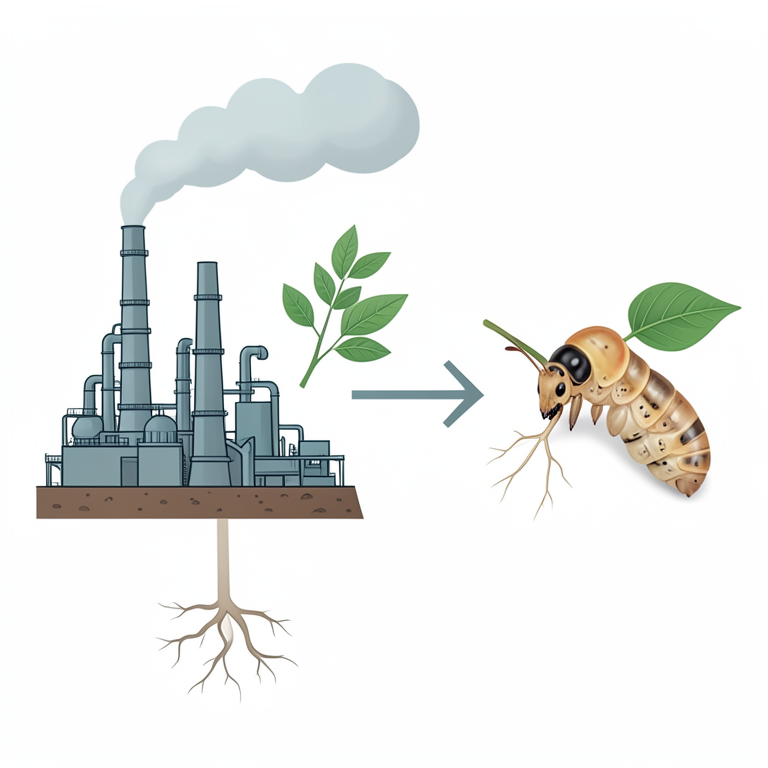
Pathway of Oilfield Pollutants to Muga Silkworms
AI-generated conceptual illustration (Muga silkworms (Antheraea assamensis) and Som leaves). It explains the idea and does not show study data.
View source evidence ↗Figures & tables
From the original paper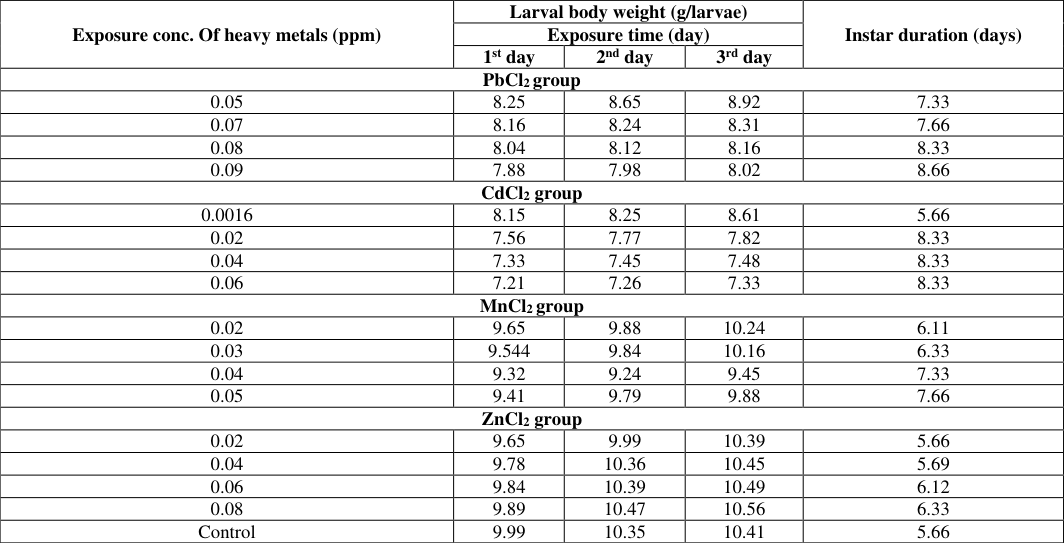 Table 1
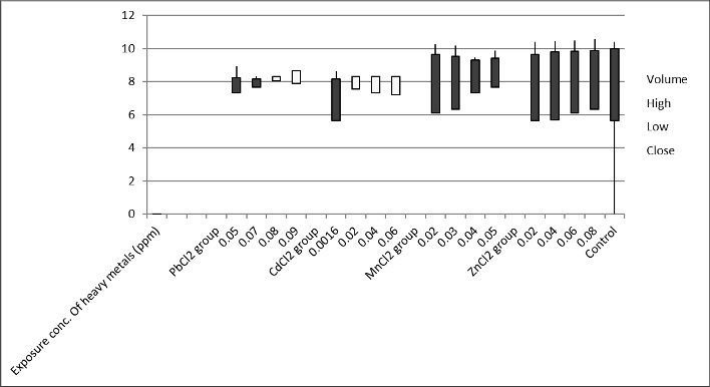 Figure 1
Introduction
Assam, a state in northeast India, stands out as a thriving global biodiversity hotspot (Myers et al., 2000) [18] . Its economic treasures include silk-producing insects, particularly the Muga silkworm (Antheraea assamensis Helfer). Assam is the only place in the globe where all four natural silk varieties -Eri, Muga, Mulberry, and Tasar -can be produced due to its unique environmental conditions (Goswami and Devi, 2017) [12] . However, the increasing crude oil extraction and exploration activities in Assam pose a threat to ecological harmony. While these industries provide economic benefits, the recent study of Das (2023) [7] raises concerns. Industrial activities such as crude oil spills during extraction, transportation and storage have been shown to have a negative impact on Muga silk culture in surrounding regions. Furthermore, anthropogenic activities such as metal-based mining, oil and gas explorations have facilitated the infiltration of aliphatic and aromatic hydrocarbons, heavy metals and trace elements into the soil, water and air, posing a serious threat to Muga sericulture in its endemic areas (Das, 2023) [7] . Addressing this emerging threat to Muga silkworms requires a thorough investigation. Scientific interventions have the potential to revitalize the Muga silkworm culture and sustain silk production in the face of Assam's oilfield challenges.
Expansion of oilfields in Assam
The discovery of oil reserves in Assam during the colonial era signalled the start of industrialization in the region. Over the decades, the oil industry has grown at an exponential rate, with numerous oilfields being established throughout Assam. Assam's "Oil City," Digboi is the site of Asia's first oil well drilling. The year 1906 saw the establishment of this refinery. The four oil refineries in Assam. Oilfield expansion has been driven by domestic and international demand, resulting in increased extraction activities and infrastructure development in previously forested areas. These are underground areas with sizable petroleum deposits. These deposits form over millions of years as organic matter decomposes under extreme pressure and temperature. Oil extraction is a series of techniques for bringing oil to the surface. However, these extraction processes have an environmental cost. Habitat destruction for drilling sites and pipelines is a major issue. Oil spills and emissions from drilling activities can pollute air and water sources, threatening the health of som trees and possibly affecting silk quality.
Contaminants
According to studies by Baek et al. (2004) [2] and Yenn et al. (2014) [25] , crude oil is a toxic cocktail. It contains a wide range of hydrocarbons, including simple straight chains (C1-C40), branched chains (C6-C8), and cyclic compounds such as cyclohexanes and aromatics. These, along with heavy metals such as lead, cadmium, zinc, and chromium, can significantly reduce plant growth in contaminated soil (Oyem et al., 2013) [20] . Oil production processes and leaks from storage tanks, pipelines, and waste areas emit volatile organic compounds (VOCs) into the environment. These VOCs have a significant impact on air quality, contributing to the formation of ozone and other harmful oxidants (Sarkar et al., 2014; Rao et al., 2007) [22,21] . The seepage of these pollutants leads to degradation in the quality of ground and surface water, rendering it unsuitable for agricultural purposes or for irrigating muga host plants. Additionally, the presence of PM2.5 (airborne particulate matter with a diameter of less than 10µm) raises environmental concerns (Devi et al., 2014) [8] .
Impact of oilfields on Muga culture Impact on soil
According to research by Devi et al. (2015) [9] , the particulate matter from oil exploration activities has a significant negative impact on soil health by deteriorating beneficial soil microorganisms. The presence of heavy metals and organic pollutants causes complete degradation of soil texture, structure, and composition. Studies by Devi et al. (2017) [11] compared contaminated and uncontaminated sites, revealing a significant increase in aliphatic and aromatic hydrocarbon levels in the contaminated areas. Hydrocarbon levels in contaminated sites ranged from 17.01 to 59.42 mg/kg, while uncontaminated areas had a maximum of only 11.2 mg/kg. Oil contamination also depletes the soil of vital nutrients, as evidenced by a drop in available nitrogen and sulfate.
Impact on muga Hostplants
According to Islam et al. (2019) [13] , heavy metals accumulate in plants as a result of oilfield activities, making them less palatable and unsuitable for muga rearing. These pollutants can enter som tree leaves via two main routes: wind dispersion and deposition during irrigation, or through contaminated soil horizons. The level of aliphatic-aromatic hydrocarbons in contaminated leaves ranged from 5.44mg/kg to 125.4mg/kg, which was significantly higher than the 3.07mg/kg measured in the uncontaminated control site (Devi et al., 2017) [11] . When pollutants accumulate, the foliage undergoes structural and functional changes (Devi et al. 2014) [8] . A significant consequence is a decrease in the total carbohydrate and protein content of the leaves, which jeopardizes the health and survival of the eri worms that consume them. Devi et al. (2017) [11] discovered that polluted leaves have a slower photosynthetic rate, resulting in lower carbohydrate accumulation. Reduced crude protein content in contaminated plant leavesis thought to be caused by an increased rate of protein denaturation and breakdown into amino acids (Devi et al., 2017) [11] . Furthermore, oils found in the soil can be absorbed by some plant roots and transported to the leaves. These oils can then inhibit the uptake of essential nutrients by the leaves, impeding larval development.
Impact on Muga Silkworm
According to Barman and Rajan (2012) [4] , the limited prevalence of the muga silkworm in North East India indicates its isolation due to the unique climatic and botanical requirements of the region. This isolation makes the species less adaptable phylogenetically and more ecologically segregated, potentially driving it to extinction. Commercial exploitation, a lack of disease-free silkworm seed, deforestation, disease outbreaks, unfavourable environmental conditions and pollution from oil fields all contribute to the decline of muga culture and silk production (Devi et al., 2014, 2016 and 2017) [8,10,11] . In the region of Upper Assam, situated on the south-eastern slope of the Brahmaputra arch, oil refineries are concentrated and in close proximity with muga silkworm rearers, as noted by Jigyasu et al. (2023) [15] . This proximity exposes muga silkworms to various air pollutants, including NOX, SO2, CO, and aerosols, for a period spanning over ten years, as indicated by Devi et al. (2014, 2016, 2017) [8,10,11,24,19] . Research suggests that larvae and pupae in areas polluted by oil require a longer developmental period, as observed in studies by Borgohain (2006) [6] , Barua et al. (2011) [5] , Singh et al. (2017) [24] , and Neog et al. (2011) [19] . The prolonged exposure of muga silkworms to a combination of toxic and non-toxic pollutants such as hydrocarbons and heavy metals (Cd, Co, Cr, Cu, Fe, Mg, Mn, Ni, Pb, and Zn) in the atmosphere is anticipated to have significant repercussions on both the quality and quantity of muga silk, as highlighted by Devi et al. (2017) [11] . Numerous research studies, including those by Devi et al. (2014) [8] , Singh et al. (2017) [24] , Jigyasu et al. (2018, 2022) [14,16] , Neog et al. (2011) [19] , and Sarma et al. (2018) [23] , have indicated that muga silk rearing, along with other lepidopteran insects, faces threats in areas contaminated by petroleum due to the release of various pollutants from extensive oil exploration and production activities conducted by oil agencies. Consequently, the ethnic and economic value of muga silk is currently under significant stress. [13] According to Akhtar (2019) [1] , muga worms are extremely sensitive to air pollution from various industrial sources, including brick kilns, coke manufacturing units, cement factories and oil refineries. According to research, feed plants within a 500-meter radius of these industrial facilities contain a variety of chemicals that are harmful to silkworms. In Assam's Sibsagar district, a primary muga growing region, the natural gas flaring from ONGC (Oil and Natural Gas Corporation) during oil exploration emits fine particles such as carbon, metallic dust, aerosols, solid oxides, nitrates and sulphates, as well as coarser particles such as heavy dust, sulphur, nitrogen compounds and halogen. Exposure to such gases can cause paralysis of the silkworm's central nervous system, resulting in a loss of control over spinning and, ultimately, preventing cocooning. As Kalita (2012) [17] points out, gas flaring causes biochemical changes in muga feed plants, which have a direct impact on the health, growth, and survival of muga worms. Explosions occur frequently in Upper Assam districts such as Tinsukia, Dibrugarh, Sibsagar, Jorhat, and Golaghat, where ONGC and Oil India Limited (OIL) have been producing oil for decades. As a result, silk production in these areas has declined in recent years.
Conclusion
The expansion of oilfields in Assam has exerted significant pressure on Muga culture, posing existential threats to its sustainability and resilience. Addressing the complex interplay between economic development and cultural preservation requires holistic approaches that prioritize environmental sustainability, social equity and community empowerment. By fostering collaboration between stakeholders and embracing indigenous wisdom, it is possible to achieve a harmonious coexistence between the oil industry and Muga culture, ensuring the preservation of Assam's unique heritage for future generations. Further research is needed to develop effective mitigation strategies and ensure the survival of this unique cultural treasure for generations to come.
Figures and tables from the paper
| Exposure conc. Of heavy metals (ppm) | Larval body weight (g/larvae) | — | — | Instar duration (days) |
|---|---|---|---|---|
| Exposure time (day) | ||||
| 1st day | 2nd day | 3rd day | ||
| PbCl2 group | ||||
| 0.05 | 8.25 | 8.65 | 8.92 | 7.33 |
| 0.07 | 8.16 | 8.24 | 8.31 | 7.66 |
| 0.08 | 8.04 | 8.12 | 8.16 | 8.33 |
| 0.09 | 7.88 | 7.98 | 8.02 | 8.66 |
| CdCl2 group | ||||
| 0.0016 | 8.15 | 8.25 | 8.61 | 5.66 |
| 0.02 | 7.56 | 7.77 | 7.82 | 8.33 |
| 0.04 | 7.33 | 7.45 | 7.48 | 8.33 |
| 0.06 | 7.21 | 7.26 | 7.33 | 8.33 |
| MnCl2 group | ||||
| 0.02 | 9.65 | 9.88 | 10.24 | 6.11 |
| 0.03 | 9.544 | 9.84 | 10.16 | 6.33 |
| 0.04 | 9.32 | 9.24 | 9.45 | 7.33 |
| 0.05 | 9.41 | 9.79 | 9.88 | 7.66 |
| ZnCl2 group | ||||
| 0.02 | 9.65 | 9.99 | 10.39 | 5.66 |
| 0.04 | 9.78 | 10.36 | 10.45 | 5.69 |
| 0.06 | 9.84 | 10.39 | 10.49 | 6.12 |
| 0.08 | 9.89 | 10.47 | 10.56 | 6.33 |
| Control | 9.99 | 10.35 | 10.41 | 5.66 |
Table text extracted from the original PDF; superscript letters are shown inline. The original table image is below.
View original table image
References
20 in the original paper- Akhtar N. Environmental Influences on the Muga Silk Industry of Assam: Globalization Perspectives. Contemp Soc Sci, 2019, (85).
- Baek KH, Kim HS, Oh HM, Yoon BD, Kim J, Lee IS, et al. Effects of crude oil, oil components, and bioremediation on plant growth. J Environ Sci Health Part A. 2004;39(9):2465-72.
- Baltrėnas P, Baltrėnaitė E, Šerevičienė V, Pereira P. Atmospheric BTEX concentrations in the vicinity of the crude oil refinery of the Baltic region. Environ Monit Assess. 2011;182:115-27.
- Barman H, Rajan RK. Muga silkworm (Antheraea assamensishelfer) indoor rearing by integrated "leaf freshness technology"-A new technology. Afr J Agric Res. 2012;7(23):3490-7.
- Barua D, Buragohain J, Sarma SK. Impact of Assam petroleum crude oil on the germination of four crude oil resistant species. Asian J Plant Sci Res. 2011;1:68-76.
- Das S. Anthropogenic activities threatening MUGA culture in Assam. Indian Farmer. 2023;10(7):304-6.
- Devi G, Bhattacharyya KG, Mahanta LB, Devi A. Trace metal composition of PM2. 5, soil, and Machilus bombycina leaves and the effects on Antheraea assama silk worm rearing in the oil field area of Northeastern India. Water Air Soil Pollut. 2014;225:1-13.
- Devi G, Devi A, Bhattacharyya KG. Hydrocarbons and heavy metals in fine particulates in oil field air: Possible impacts on production of natural silk. Environ Sci Pollut Res. 2015;23:3310-21.
- Devi G, Devi A, Bhattacharyya KG. Hydrocarbons and heavy metals in fine particulates in oil field air: Possible impacts on production of natural silk. Environ Sci Pollut Res. 2016;23:3310-21.
- Devi G, Devi A, Bhattacharyya KG. Oil exploration activities: Assessment of hazardous impacts on 'Golden silk' cultivation. Environ Monit Assess. 2017;189:1-14.
- Islam SJ, Manna P, Unni B, Kailta J. Higher concentrations of heavy metals impair antioxidant defence mechanism and growth response of muga silkworm, Antheraea assamensis (Lepidoptera: Saturniidae). J Entomol Zool Stud. 2019;7(2):715-24.
- Jigyasu DK, Kumar A, Shabnam AA, Begum R, Singh S, Malyan SK, et al. Air pollution tolerance index of Persea bombycina: Primary food plant of endemic muga silkworm (Antheraea assamensis). Heliyon, 2022, 9(11).
- Kalita H. National wastage of natural gas in Assam oil fields: Oil India Ltd. Vs ONGCL, the environmental issues. Global J Human Soc Sci. 2012;12(2):1-5.
- Myers N, Mittermeier RA, Mittermeier CG, Da Fonseca GA, Kent J. Biodiversity hotspots for conservation priorities. Nature. 2000;403(6772):853-8.
- Neog K, Unni B, Ahmed G. Studies on the influence of host plants and effect of chemical stimulants on the feeding behavior in the muga silkworm, Antheraea assamensis. J Insect Sci. 2011;11(1):133.
- Oyem ILR, Oyem IL. Effects of crude oil spillage on soil physico-chemical properties in Ugborodo community. Int J Mod Eng Res. 2013;3(6):3336-42.
- Rao PS, Ansari MF, Gavane AG, Pandit VI, Nema P, Devotta S, et al. Seasonal variation of toxic benzene emissions in petroleum refinery. Environ Monit Assess. 2007;128:323-328.
- Sarkar C, Chatterjee A, Majumdar D, Ghosh SK, Srivastava A, Raha S, et al. Volatile organic compounds over Eastern Himalaya, India: temporal variation and source characterization using Positive Matrix Factorization. Atmos Chem Phys Discuss. 2014;14(23):32133-75.
- Sarma B, Bhattacharyya PR, Bhuyan M. Effect of natural gas flaring upon the butterfly, Eurema hecabe (Lepidoptera: Pieridae) and its host plant, Cassia tora (Fabales: Fabaceae) in two group gathering stations of Assam, India: an approach of environmental monitoring. Environ Sci Pollut Res. 2018;25:1396413974.
- Yenn R, Borah M, Boruah HD, Roy AS, Baruah R, Saikia N, et al. Phytoremediation of abandoned crude oil contaminated drill sites of Assam with the aid of a hydrocarbon-degrading bacterial formulation. Int J Phytoremediation. 2014;16(9):909-925.