
Research article · 2024 · Full text
International Journal of Agriculture Extension and Social DevelopmentUnravelling agrarian distress in India: A comprehensive analysis of causes and manifestations
Volume 7(3) · Pages 598–608 · DOI: 10.33545/26180723.2024.v7.i3g.481 ↗
Research areasAgricultural Economics and PracticesAgricultural risk and resilienceIndian Economic and Social Development
Abstract
Author-writtenAgricultural distress in India presents a multifaceted challenge, marked by farmer suicides, declining incomes, and unequal resource access, posing a threat to rural livelihoods and national food security. The latest statistics from the National Crime Records Bureau reveal a 3.7% increase in suicides in India in 2022 compared to 2021, with 11,290 recorded cases and a staggering realization that on average, one farmer committed suicide every hour. Factors such as fragmented land holdings, unpredictable weather patterns, inadequate credit facilities, and market volatility exacerbate the problem. Rooted in a complex interplay of policies, market forces, and environmental challenges, agrarian distress disproportionately affects small and marginal farmers who constitute a significant portion of India's rural population. The consequences extend beyond the agricultural sector, impacting social cohesion and economic growth. The present study relied on secondary data obtained from a variety of sources including books, newspapers, review articles, academic papers, and reports issued by governmental and non-governmental organisations. Addressing this crisis requires holistic solutions, including policy reforms, investment in rural infrastructure, sustainable agricultural practices, and social safety nets to mitigate the vulnerabilities faced by farmers and ensure the long-term viability of India's agricultural sector.
Summary
Source-checkedPlain-language reading of the full paper, prepared with AI and checked against the text. Each point links to the authors' own words.
Why it matters
- Agriculture is a fundamental pillar of the Indian economy, employing a large portion of the population and contributing nearly 18% to the GDP. View evidence ↗
- Agrarian distress in India is a complex problem involving declining incomes and unequal resource access, which threatens national food security and rural livelihoods. View evidence ↗
- The agrarian crisis is specifically characterized as a 'crisis of the producer,' affecting households that depend heavily on farming for their survival. View evidence ↗
The question
- The study aims to analyze the historical trajectory, underlying causes, and consequences of agrarian distress in India. View evidence ↗
What they did
- The researchers conducted a comprehensive analysis using secondary data from academic papers, books, newspapers, and official reports. View evidence ↗
What they found
- NCRB data shows that farmer suicides increased by 3.7% in 2022 compared to 2021, totaling 11,290 cases, which averages to one suicide per hour. View evidence ↗
- The agricultural sector's contribution to India's Gross Value Added (GVA) fell from 35% in 1990-91 to 15% by 2022-23. View evidence ↗
- Land fragmentation is severe, with 68.52% of India's 14.57 crore land holdings classified as marginal, averaging only 0.38 hectares per holding. View evidence ↗
- Financial instability is widespread among smallholders, with 96.2% of farmers owning less than 4 hectares spending more monthly than they earn. View evidence ↗
- Indebtedness is a critical issue, with over 50% of farming households in debt as of 2019, with an average outstanding amount of Rs 74,121 (a 57% increase from 2013). View evidence ↗
- Financial insolvency and debt were the leading causes of farmer suicides in 2015 (38.7%), followed by cultivation-related issues (19.5%). View evidence ↗
- There is a growing trend of abandonment in the sector, with an average of 2,000 farmers leaving agriculture every day according to 2011 Census data. View evidence ↗
What it means
- The authors conclude that solving the crisis requires a holistic approach including infrastructure investment, sustainable farming, and fair market access. View evidence ↗
- The authors recommend moving away from short-term loan waivers toward medium-term solutions that target the root causes of the distress. View evidence ↗
Visual summary
1 visualsIllustrations explain the paper; they do not show study data.
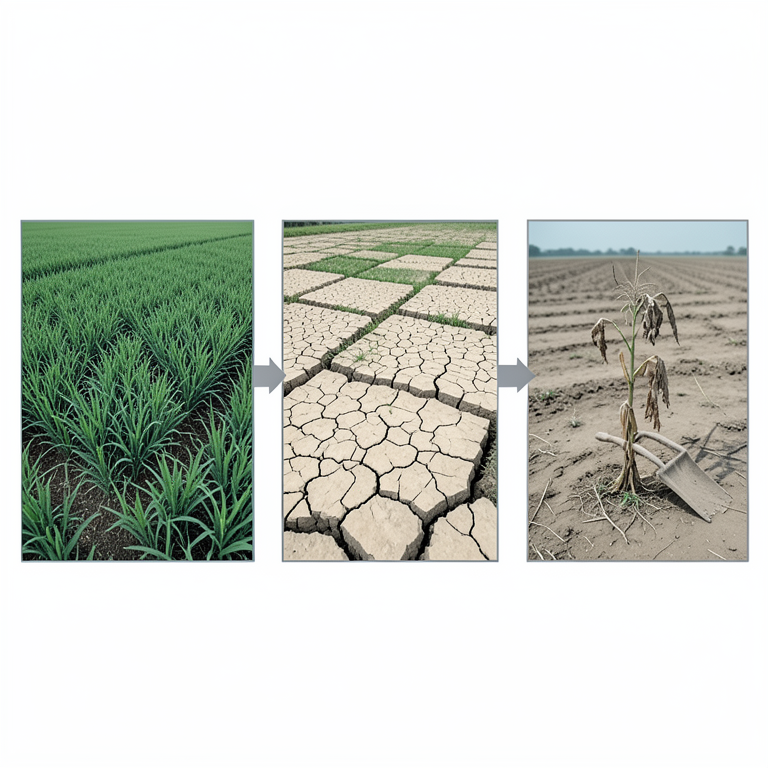
The Cycle of Agrarian Distress
AI-generated conceptual illustration (Indian farmland and rural agricultural landscape). It explains the idea and does not show study data.
View source evidence ↗Introduction
For centuries, agriculture has been the bedrock of India's economy, employing a substantial workforce and constituting nearly 18% of the GDP. Agriculture stands as a linchpin in India's economic advancement, with almost half of its populace directly or indirectly dependent on it for sustenance. India finds itself at a juncture of transition, recognizing the pivotal role its agricultural sector plays in long-term economic growth, as underscored by Gunnar Myrdal (Singh and Dutta, 2020) [33] . India stands out on the global stage as a formidable force in agriculture, holding the coveted titles of the world's largest producer of milk, pulses, and spices, alongside boasting the largest cattle herd. However, despite these notable achievements, the nation grapples with persistent challenges. The spectre of agrarian distress looms large, compounded by India's disappointing ranking of 102 out of 117 countries in the 2019 Global Hunger Index (Singh and Dutta, 2020) [33] . However, recent times have seen the sector grappling with a multitude of challenges, including unsustainable methods of farming, unfavourable terms of trade, crop failures, and inadequate pricing resulting in a state of agrarian distress. The interconnected web of agrarian issues is an amalgamation of various factors like farmer's suicides, escalating agricultural debts, inadequate irrigation infrastructure, and the capriciousness of weather conditions. Beyond the human toll, the agricultural domain grapples with obstacles including dwindling profitability, heightened risks, depletion of environmental resources, a notable slump in agricultural technological advancements, inaccessibility to modern farming methods, and the collapse of agricultural extension services (Mech, 2018) [12] . This predicament is exacerbated by unpredictable ecological circumstances and socio-economic transformations.
Consequently, a substantial portion of farmers find themselves vulnerable to agrarian distress, leading to significant shifts not only in their financial standing but also in the societal fabric, customs, and beliefs (Verma and Kumar, 2018) [36] . Although indications of the crisis surfaced in specific Indian regions in the late 1980s, but its continuance from the mid-1990s can be linked to a myriad of factors. In recent years, the agricultural sector has witnessed a significant downturn attributed to the rise of new markets after liberalization. Small and marginal farmers, in particular, have been significantly impacted by various challenges, including uncertainties in production and marketing, as well as limited access to institutional credit. These farmers encounter difficulties such as the inability to provide collateral for bank loans, and escalating expenses in cultivation and marketing, for meagre returns. Consequently, India's www.extensionjournal.com agricultural landscape is marked by impoverished farmers, fragmented land holdings, minimal mechanization, adherence to traditional farming methods, constrained supply of inputs, and weak forward-backward linkages. This situation has led to a deterioration of the agricultural sector and has plunged farmers into a state of agrarian distress (Dhandekar and Bharracharya, 2017) [2] . Two primary categories of crises afflict the agricultural sector: the "agricultural crisis" and the "agrarian crisis". The former pertains to a decline in agricultural output and its dwindling role in the Gross Domestic Product (GDP), leading to distress among farmers (Sharma, 2019) [28] . The latter is intricately linked to the agricultural crisis but encompasses a wider range of concerns within the agricultural community. The "agricultural development crisis" stems from the failure to prioritize agriculture while planning development initiatives and inadequate implementation of these development programs particularly at the grassroots level. On the contrary, the "agrarian crisis" primarily affects agricultural households, who struggle with livelihood challenges due to their heavy reliance on farming income (Mech, 2018) [12] . Consequently, rural communities face mounting debts, forced migration, and tragically, instances of farmers resorting to suicide. The agrarian crisis transcends mere issues of production and delves into the plight of the farmers themselves, highlighting it as a profound crisis affecting the very producers. Therefore it is not merely a "crisis of production" but rather a "crisis of the producer" (Sharma, 2019) [28] . The agrarian turmoil in India presents a complex crisis encompassing various challenges faced by farmers, who form the backbone of the country's economy (Patil, 2014) [19] . This crisis is evident in the increasing number of farmer suicides, particularly in states like Andhra Pradesh, Karnataka, Kerala, Maharashtra, and Punjab (Mech, 2018) [12] . The underlying causes of this distress are twofold: structural and institutional. Structurally, there exists a declining contribution of agriculture to the gross domestic product, coupled with a sluggish pace of urban diversification, prompting farmers to veer away from agriculture. This has led to a decrease in the relative productivity of agriculture compared to other sectors. Additionally, on the institutional front, the waning presence of rural cooperative credit establishments alongside, the weakened performance of commercial banks and Regional Rural Banks have negatively impacted the farming community across the country (Singh and Dutta, 2020) [33] . According to Vandana Shiva, "the agrarian crisis in India is a tragic outcome of an economic system fuelled by greed and a political environment influenced by the same mentality". This problem has profound implications for the well-being, livelihoods, and social structure of rural communities. Addressing this issue goes beyond mere economic policies; it is a crucial step towards promoting social justice, and human development, fostering social equity, and enhancing the overall well-being of rural communities. In this paper, an attempt is being made to trace the evolving trajectory of agrarian crises within the nation, analysing the underlying causes and far-reaching consequences. Through a comprehensive analysis, this paper aims to shed light on the multifaceted nature of agrarian distress and its implications for the nation. Furthermore, it will discuss various suggestions and strategies aimed at addressing these challenges and revitalizing the agricultural sector.
Historical Underpinnings of Agrarian Distress in India 1. Agrarian Crisis in Pre-Independence India
The genesis of India's agrarian crisis can be traced back to the advent of British colonial rule, wherein agricultural development was predominantly steered to serve the interests of the imperial government (Patil, 2014) [19] . This orientation engendered profound societal fractures within Indian communities. The immediate ramifications of British dominion encompassed the 1) establishment of a land market, 2) soaring rental rates, 3) widespread indebtedness, 4) the emergence of intermediary classes, 5) recurrent famines, and 6) the destitution of a considerable segment of the populace. The erosion of agriculture commenced when the imperialist governance, ushered in a new land tenure framework. This structure, epitomized by the Permanent Settlement in Bengal, the Ryotwari System prevalent in certain regions of South India, and the Mahalwari System in North India, laid the groundwork for capitalist agrarian practices by instituting oppressive land revenue measures (Kaur, 2022) [9] . The excessive taxation imposed on landowners precipitated the financial downfall of farmers. Moreover, the marginalization of tenant farmers fostered a disparate allocation of land and resources, consequently, contributing to landlessness in certain regions. Throughout the British colonial era, there were substantial transformations in land ownership and tenurial structure. The situation was so severe that the Zamindari Abolition Committee Report of 1948 revealed that in the North-Western provinces, more than half of the total land was controlled by a minority of large landholders, comprising only 1.3 percent of the population. Census data indicated a notable rise in the proportion of 'wage labourers' in agriculture. This shift was attributed primarily to two main factors: (i) the decline of industrial activities, and (ii) the dispossession of the peasantry. The intricate web of legal, economic, and social connections in India resulted in a phenomenon termed by Daniel Thorner as the 'Built-in-Depressor,' which was distinctly characteristic of rural India, and the relationships among individuals that depended on land for their livelihood, created a situation where there was a lack of motivation to invest in land. The impediment to engage directly in cultivation by landowners, known as the rent barrier, stemmed from the historical land monopoly perpetuated by traditional social hierarchies and legal regulations governing land tenures. Consequently, this dynamic became an intrinsic depressor in the Indian agricultural sector (Kulkarni, 2018) [10] . The advent of agricultural commercialization during the colonial period led to a surge in land exchanges and prices, along with the proliferation of credit transactions, benefiting only certain influential factions within society. This trend served to exacerbate the disparity between impoverished peasants and affluent landholders. The impact of British policies on Indian agrarian society was extensive, leading to a skewed and imbalanced agricultural situation characterized by overcrowding, underdevelopment, de-industrialization, low yields, labour inefficiency, land fragmentation, absentee www.extensionjournal.com landlordism, tenant exploitation, escalating rural debt, peasantry proletarianization, and widespread poverty. These factors collectively contributed to a severe agrarian crisis, vividly depicted by A.R. Desai as "a seething cauldron of tensions, antagonisms, and conflicts simmering across the Indian countryside" during British rule (Patil, 2014) [19] .
Agrarian Crisis in Post-Independence India
The agricultural hardship in India can be analysed through two distinct phases: before and after the Green Revolution. Each phase presents its own unique set of challenges.
a. The Agrarian Situation in Pre -Green Revolution Era Following independence, the underlying reasons behind agrarian discontent persisted despite efforts to address rural issues in India. Acknowledging the continuing crisis, leaders after independence stressed the importance of implementing land reforms to enhance the well-being of farmers and modernize agricultural practices (Patil, 2014) [19] . Over the following twenty years, governmental strategies were set in motion to amplify agricultural productivity, ensure food security, and alleviate the hardships faced by farmers. A significant milestone in this endeavour was the influential "Report of Congress Agrarian Reforms Committee, 1949," spearheaded by J C Kumarappa. This report advocated for crucial reforms, including the elimination of intermediaries, revisions in tenancy regulations, imposition of land ceilings, redistribution of land holdings, and the restructuring and consolidation of land properties. These endeavours were aimed at rectifying historical inequalities and fostering a more just distribution of agricultural assets. However, the implementation of these reforms predominantly favoured the land-owning elite, as existing loopholes in the legal framework, coupled with the resources, authority, and sway of the Zamindars, allowed them to circumvent compliance with ease (Patil, 2014) [19] . The lackadaisical demeanour of the administration, coupled with their apparent disinterest, significantly contributed to the thwarting of land reforms. Moreover, inadequate funding (budget) allocations posed further obstacles to the effective execution of these reforms. The repercussions of land reforms manifested in the intricate interplay between tenants and owners, the nuanced alterations in power structures within rural communities, and the discernible effects on socioeconomic disparities. Ineffectual land allocation resulted in a notable increase in land-deprived households, rising from 9.6% in 1971 to 11.2% in 1992. As evidenced by the 2011 socio-economic caste census, an estimated 5.40 crore households were classified as landless labourers, underscoring the enduring ramifications of rural inequities. In India, the endeavour for land reforms failed to yield the sweeping transformations seen in China nor did they bring about radical transformations as observed in Japan. Professor M.L. Dantewala notes that while the reforms were generally headed in the right direction, but inadequate implementation led to unsatisfactory results. M.S. Swaminathan, Chairman of the first National Commission on Agriculture, referred to land reforms as an 'Unfinished Agenda' or an 'ongoing mission' underscoring the imperative for continued advancement. The rural development initiative known as the community development program stood as a significant stride towards agrarian advancement. Its purpose encompassed the enrichment of both tangible and intangible facets of rural existence. Regrettably, despite its noble aspirations, the initiative faltered in attaining its objectives, chiefly owing to factors like the unequal allocation of financial resources and subsidies. Consequently, only a select few affluent farmers reaped the rewards, rendering the program largely ineffective (Patil, 2014) [19] . Subsequent initiatives such as Integrated Rural Development encountered comparable hurdles, such as corruption, mismanagement, nepotism, political meddling, and the pervasive influence of the affluent. Regrettably, these obstacles exacerbated the agricultural turmoil prevailing in India.
b. The Agrarian Situation in the Green Revolution Phase
The dawn of the Green Revolution heralded a profound departure from traditional agricultural customs towards a modern and economically viable approach, propelling the nation towards self-reliance and food security. This transformation substantially boosted the productivity of rice and wheat, nearly doubling yields and fostering rural prosperity. However, it also spurred ecological decline and entrenched farmers' dependence on mono-cropping. The advent of the green revolution in India precipitated a discernible decline in agricultural diversity, favouring monoculture and consequently eroding indigenous farming traditions, thereby undermining farmers' self-reliance. had far-reaching repercussions, adversely impacting the quality of soil and water due to the excessive use of fertilizers, leading to groundwater contamination and exacerbating land degradation (Mech, 2018) [12] . Dr. Reyes Tirado's investigation in Punjab exposed pervasive chemical, biological, and radiation toxicity, transforming several cities in the region into cancer clusters. Furthermore, the Green Revolution's emphasis on technological advancements triggered agrarian distress and exacerbated inequalities within rural communities. Nivedita Menon noted its role in the feminization of poverty and the widening of demographic disparities. The Green Revolution triggered a process of differentiation, leading to an exacerbation of wealth disparities as the affluent prospered while the less privileged faced deepening impoverishment. This phenomenon also gave rise to significant inter-regional and interpersonal inequalities. The disparities between regions can be attributed primarily to the widespread implementation of Green Revolution technology in well-irrigated areas such as Punjab, Haryana, western Uttar Pradesh, and parts of various states, including Andhra Pradesh. Consequently, regions not extensively impacted by the Green Revolution continued to rely on subsistence-based agriculture. Furthermore, the areas that reaped the benefits of the Green Revolution witnessed substantial interpersonal inequalities, as capital-intensive agriculture favoured largescale farmers capable of investing in irrigation, fertilizers, and pesticides provided in the 'HYV seed' package (Sharma, 2019) [28] . In her piece titled "Seeds of Suicide," Vandana Shiva eloquently underscores the sequential progression from the initial green revolution to the subsequent second green revolution, predominantly catalysed by the vested interests of private entities and multinational conglomerates. This transition made agriculture in developing countries like www.extensionjournal.com India increasingly expensive and unsustainable. While the aftermath of the green revolution didn't immediately manifest as the current agrarian crisis, it undoubtedly set the stage for its emergence over time (Sharma, 2019) [28] . While the ramifications of the green revolution didn't promptly materialize into the contemporary agrarian predicament, it unquestionably laid the groundwork for its gradual onset.
The Era of Economic Reforms and its Impact on the Agricultural Landscape
The economic restructuring of 1991 marked a pivotal moment towards embracing a more liberal, globalized, and privatized economy. privately-driven economic model. These reforms not only facilitated swift trade of goods but also entailed a substantial relocation of "production systems" from developed to developing nations. This transition was propelled by the adoption of market-driven production techniques and a model of productivity heavily reliant on inputs and capital investment. The agricultural sector, among others, experienced shifts in its production paradigms due to these economic reforms. However, attributing the current crisis solely to these reforms would overlook the deeper roots embedded during the later phases of the Green Revolution era (Sharma, 2019) [28] . In the epoch following reforms, India has observed a remarkable uptick in its economic expansion when juxtaposed with the period preceding reforms. Nonetheless, amidst this progress, there has been a consistent downturn in the agricultural sector's contribution to the Gross Domestic Product (GDP). The service sector, followed by manufacturing, has emerged as the chief propeller of India's narrative of growth. Regrettably, agriculture has faltered in comparison to its counterparts, with farmers grappling with an array of hurdles. Furthermore, global competition has intensified for farmers, who now contend with better-resource-equipped producers bolstered by supportive governmental policies. After the inception of the WTO in 1995, India underwent profound changes, notably witnessing a gradual erosion of institutional backing for its agricultural sector. Former safeguards, shielding agriculture from vigorous imports were dismantled, resulting in a downward spiral of prices across various commodities. Concurrently, amidst economic restructuring, substantial cutbacks in input subsidies were implemented relative to the size of the agricultural sector. Moreover, the once burgeoning rural credit expansion came to a standstill, thereby facilitating the rise of the informal economy sector. Against the backdrop of economic reforms and the WTO era, the growth trajectory of agriculture experienced a pronounced deceleration (Yesurajan, 2018) [37] . Despite discontinuing input subsidies, the Central government persists in granting subsidies to fertilizer manufacturers based on their production expenses. Consequently, companies with higher production costs receive more substantial subsidies, creating a disincentive for them to reduce their costs. The government faces the daunting task of managing soaring fertilizer subsidy outlays, accounting for nearly 1 percent of India's GDP. Urea, the predominantly used fertilizer in the country, constitutes the major portion of this public expenditure. The budget allocation for fertilizer subsidies has been increasing at an annual rate of 11.4 percent from 2000 to 2016, and in the fiscal year 2017-18, Rs 70,000 crores were earmarked for this purpose (Mech, 2018) [12] . The period spanning from the Green Revolution to the Economic reforms exhibits a fundamental distinction in state policy. The Green Revolution thrived on robust State involvement, contrasting sharply with the era of reforms characterized by nominal State engagement, which eventually led to a complete withdrawal of the State. Noteworthy is the pivotal role of public investment in irrigation during the Green Revolution, but during the economic reform era, there was a noticeable decline in public investment in agriculture. Despite this decline, the demand for irrigation persisted and intensified, spurred by the advent of hybrid seeds, necessitating augmented irrigation. Private investment in irrigation emerges as a notable contributor to the mounting indebtedness of farmers, as highlighted in the Citizens' Report on Andhra Pradesh. While the Green Revolution initially accentuated interpersonal disparities, economic reforms have magnified the chasm between affluent and impoverished farmers, particularly exacerbating the plight of small and marginal farmers (Sharma, 2019) [28] . Ramesh Chand observes a significant transformation in the rural economy since 2004-05, marked by a discernible shift away from agriculture towards non-farm activities. Farmers are increasingly leaving agriculture to pursue non-farm jobs due to the higher earnings in the latter. opting for non-farm employment, enticed by the superior earnings it offers compared to agriculture. Chand's study underscores that between 1993-94 and 2004-05, while the growth rate of the agricultural sector slowed to 1.87%, the non-farm economy witnessed an accelerated growth rate of 7.93%. Consequently, there has been a noticeable decline in agriculture's share of the rural economy, plummeting from 57% in 1993-94 to 39% in 2004-05. Furthermore, the income disparity between farmers and non-farm workers has widened over time, expanding from a ratio of 1:3 in the mid-1980s to 1:3.12 in 2011-12. As a result, by 2004-05, the rural economy had shifted significantly towards non-farm activities, portraying a landscape where non-agricultural pursuits dominate (Anonymous, 2022) [1] .
Causes of Agrarian Crisis in India
Agrarian distress embodies the profound sense of despair, powerlessness, and uncertainty felt by farmers due to unforeseen circumstances within their occupation and societal interactions. In India, where illiteracy and limited access to knowledge and support services prevail, decisionmaking for farmers becomes a formidable challenge. This distress is intricate, arising from a multitude of intertwined factors, each exacerbating the others in a cascading effect (Verma and Kumar, 2018) [36] .
Erosion of state support and dwindling investments:
The government's misguided and imbalanced policies, lacking a nuanced grasp of rural challenges, have inflicted adverse effects on rural communities. Inadequate governmental support and insufficient public investment in agriculture persistently fall short of addressing the sector's genuine requirements. As government aid diminishes, many impoverished farmers are compelled to shift towards smallscale commodity production, (Murthy, 2013) [16] emblematic of an era dubbed "post-colonial capitalist democracy" www.extensionjournal.com (Sharma, 2019) [28] . The proportion of GDP allocated to rural development expenditure has steadily dwindled over the years, with percentages declining from 14.5 during the 7th plan (1985-1990) to 11.7 in 1991-92, further plummeting to 6.0 in 1995-96, 5.6 in 1997-98, and finally resting at 5.9 in 2000-01 (Posani, 2009) [24] . The agricultural sector's contribution to the overall Gross Value Added (GVA) of the economy has dwindled significantly over the years, dropping from 35% in 1990-91 to a mere 15% by 2022-23. There has been a contentious discussion surrounding the state of capital investment within agriculture. Gross capital formation in agriculture (GCFA) has shown a notable slowdown since 2013-14. The proportion of GCFA to the GDP of agriculture and allied sectors has decreased from 17.5% in the triennium ending 2013-14 to 15.7% in the triennium ending 2020-21. This decline in capital formation suggests potential impediments to the growth trajectory of the agricultural sector (Anonymous, 2023) [4] .
Increasing costs of farming -Elevated expenses on agricultural inputs:
The considerable decrease in subsidies has precipitated a remarkable upswing in the costs tied to agricultural inputs (Posani, 2009) [24] . Particularly, cash crops, notably those employing High Yielding Varieties (HYVs), heavily lean on inputs like fertilizers, advanced technology, electricity, pesticides, insecticides, and irrigation to attain the anticipated yields (Patil, 2014) [19] . The dwindling state subsidies for these inputs, stemming from fiscal reforms in the wake of liberalization, have necessitated farmers to increasingly turn to the open market. Yet, market prices for these inputs have demonstrably escalated in recent times, leading to a substantial augmentation in the overall expenses incurred in cultivation. The increased expenses associated with seeds can be partly ascribed to the considerable 'intellectual toll' exacted on foreign terminator seeds, precluding their reuse for subsequent plantings and compelling farmers to repurchase them for each cycle. Vandana Shiva characterizes this phenomenon of seed monopolization as "bio-imperialism" asserting that it compounds poverty and erodes India's longstanding self-reliance in seed cultivation. She exemplifies this with the instance of Monsanto, a prominent cotton seed supplier, where farmers confront a staggering 8,000% surge in seed expenditures. Despite investing in these seeds with aspirations of better yields, farmers frequently find themselves ensnared in debt and abject poverty when their harvests falter (Shiva, 2013) [30] .
Modification in agricultural cultivation methods:
The opening up of the economy spurred an eager expectation among farmers for lucrative export prospects and improved international prices for agricultural goods, leading them to transition from cultivating a variety of traditional subsistence crops to focusing on cash crops (Venu Menon 2006) [35] . The depreciation of the rupee amplified the competitiveness of Indian exports on the world stage, further propelling this shift towards cash crops. Over the span of the decade following 1990-91, there was a notable 18% decline in farmland allocated to traditional grains, juxtaposed with a marked 25% and 10% increase in the cultivation of non-food crops like cotton and sugarcane, respectively.
(Shiva 2005) [29] . The persistent implementation of a cycle alternating between paddy and wheat cultivation has led to the overuse of fertilizers, upsetting the delicate equilibrium of the ecosystem and spawning challenges like soil salinity, erosion, waterlogging, and the exhaustion of vital micronutrients. The substantial subsidization of urea has incentivized its overuse among farmers, exacerbating these environmental challenges. Furthermore, the heightened water demand for fertilizer absorption has spurred greater reliance on tube wells for irrigation, intensifying the strain on groundwater resources, often compounded by the provision of free or subsidized electricity. Consequently, the escalating necessity for inputs to sustain productivity levels has translated into an increased cost of cultivation for farmers (Shroff, 2019) [31] .
Reliance of Farming on nature's vagaries:
The intricate dance of nature wields profound influence over India's agriculture, where the capricious monsoon stands as a perennial adversary. The recurrent onslaught of hailstorms, inundations, and parching droughts exacts a heavy toll on agricultural productivity. Moreover, the burgeoning prevalence of crop diseases, exacerbated by climatic vagaries and various ancillary factors, adds another layer of challenge. Meanwhile, the persistent menace of insects and pests continues to inflict substantial losses upon farmers, further compounding their plight (Patil, 2014) [19] . A comprehensive investigation conducted by the Indian Council for Research on International Economic Relations (ICRIER) revealed that even a slight deviation of 1% from the typical monsoon rainfall pattern can lead to a notable decline of 0.7% in agricultural growth across India (Anonymous, 2023) [4] .
The decline in irrigation facilities:
The decline in irrigation presents a puzzling paradox, particularly considering the transition towards water-demanding cash crops, which hasn't translated into an expansion of the overall irrigated land. In Andhra Pradesh, for instance, the irrigated area dwindled from 43.5 lakh hectares in 1990-91 to 37.1 lakh hectares in 2004-05 (Posani, 2009) [24] . Only a fraction, 47.68%, of the total cultivated land benefits from irrigation, and this disparity deepens when considering the distribution across states. Maharashtra, grappling with persistent agricultural challenges, sees a mere 18% of its land irrigated. Inadequate irrigation also leads to low cropping intensity, as farmers struggle to cultivate a second crop due to water scarcity (Shroff, 2019) [31] . The inconsistency in yield is largely attributable to the deficiency in irrigation infrastructure. State administrations have consistently neglected investments in surface irrigation systems, prompting a surge in private funding for tapping groundwater reservoirs, primarily through bore wells. However, this heavy reliance on groundwater has resulted in its overuse, consequently causing a decline in water levels within aquifers (Posani, 2009) [24] .
Variations in production and reduced prices of the produce:
The ebb and flow of agricultural output presents inherent challenges, where traditional uncertainties surrounding yields, whether due to abundant or scarce water www.extensionjournal.com resources, are now aggravated by the infiltration of counterfeit seeds and adulterated pesticides from unregulated private vendors. These deceitful inputs significantly contribute to crop failures, a primary catalyst propelling farmers into spiralling debt cycles. In addition to these substantial setbacks in production, the volatile nature of price fluctuations further compounds the distress and apprehension experienced by farmers, casting a shadow of uncertainty over their livelihoods (Posani, 2009) [24] .
Market Imperfections -Inefficiencies in the Value Chain linkages: Small and marginal farmers are often presented with urgent cash needs post-harvest, often to repay loans, aggravated by the dearth of warehousing facilities. Even affluent farmers face this pressure, especially when market prices plummet due to surplus crops. Government procurement initiatives, concentrated in select states, overlook the broader agricultural landscape, leaving many farmers unsupported (Posani, 2009) [24] . Inadequate marketing infrastructure and poor rural connectivity inflate transportation costs, while limited cold storage and market uncertainties force farmers into selling to intermediaries at reduced rates. Additionally, some farmers are coerced into distress sales to repay debts to traders who provide credit for agricultural inputs (Mech, 2018) [12] .
Income Shortfall -A Deficit Perspective:
The agricultural sector grapples with an income deficit primarily due to three key factors. Firstly, farmers face unfavourable terms of trade, where they often incur higher expenses for the goods and services they require compared to the returns from their sales. Secondly, the sector suffers from low productivity of agricultural resources, resulting in inadequate yields. Lastly, there's an overreliance on inputs such as labour, fertilizers, and pesticides, which escalate cultivation costs beyond the profits generated from crop sales. This confluence of low earnings and substantial consumption needs places farmers in a precarious position, leading to delayed payments and potential defaults on loans. Moreover, with the adoption of modern technology in agriculture, crop failures act as a harsh blow, compounding the financial strain on farmers, rendering loan repayment arduous, and plunging them into indebtedness (Dhas, 2009) [7] .
Land Challenges -fragmentation; inequality and deprivation:
The rise in population has led to the fragmentation of landholdings, causing a decrease in the size of farmlands. The number of farmers with marginal landholdings has surged from 36 million in 1971 to 93 million in 2011. Compounding these issues is the absence of formal lease agreements and comprehensive land records, which pose formidable obstacles for farmers seeking access to formal credit and government subsidies such as input subsidy provisions and crop insurance. Consequently, they resort to informal credit with exorbitant interest rates, trapping them in a cycle of indebtedness (Mech, 2018) [12] . Moreover, the small and scattered nature of land holdings presents a substantial impediment to the widespread adoption of mechanization in agriculture. This is starkly reflected in the fact that India's overall mechanization rate languishes below 50%, a sharp contrast to the robust 90% mechanization prevalent in developed nations (Mech, 2018) [12] . Post-reform, there has been an increase in landholding inequality as large farmers and private firms lease small and marginal lands to exploit economies of scale. The termination of such contracts often proves arduous, leading to a perpetuation of land leasing or outright sale. The rise in land fragmentation and sub-division of landholding in India is contributing to an increasing trend of landlessness. The extent of land deprivation is starkly evident in India, as indicated by surveys conducted by the National Sample Survey Office Surveys revealing that over 40% of rural households lack land ownership. The gravity of the situation is further underscored by the findings of the Agricultural Census, which reveals that out of the country's 14.57 crore land holdings, a staggering 68.52 percent are considered marginal, with an average size of a mere 0.38 hectare per holding. Additionally, there are 2.6 crore small holdings accounting for 17.69 percent of the total, with an average size of 1.41 hectares per holding (Shroff, 2019) [31] .
Incongruous dissemination of Agricultural Knowledge:
In the past, farmers were responsible for producing their own seeds, fostering a deep understanding of crop requirements. This knowledge was passed down through cultural and social channels, fostering a collaborative understanding of agriculture. However, the emergence of modern agricultural practices has disrupted this traditional exchange. Presently, farmers often prioritize market-driven approaches, sometimes lacking a comprehensive grasp of the intricacies involved (Sharma, 2019) [28] . The introduction of hybrid and genetically modified seeds has further entrenched reliance on technology, potentially diminishing farmers' awareness of optimal input management and resulting in significant yield setbacks. Despite the growing integration of technology in India's agricultural landscape, there appears to be a dearth of initiatives aimed at educating farmers on its judicious application, ultimately contributing to a phenomenon commonly referred to as the "Deskilling of Agricultural Workers" (Stone, 2007) [34] .
Manifestation of Agricultural Crisis in India
Dwindling Growth of the agriculture sector: The proportional contribution of agriculture to the Gross Domestic Product (GDP) has dwindled over time, yet the corresponding transition of the workforce from agriculture to other sectors has not kept pace. In 2004-05, despite agriculture constituting 20.2% of the GDP, a significant 56.5% of the workforce remained engaged in agriculture. This disparity underscores a substantial and widening productivity gap between sectors, with agricultural labourers being only a fraction as productive as their counterparts in non-agricultural fields by 2004-05. The growth trajectory of agriculture has notably slowed, particularly in the postreform era. GDP growth from agriculture declined from 3.08% between 1980-81 and 1990-91 to 2.57% from 1992-93 to 2005-06. This decline is starkly evident in specific years, such as a reduction to 1.3% in 1999-2000 and a negative growth rate of -2% in 2000-2001 (Posani, 2009) [24] .
Declining profitability -Viability Issues:
The primary issue plaguing agriculture today is its diminishing economic viability relative to other enterprises. This implies that the www.extensionjournal.com profitability of agricultural activities is minimal or negative, resulting in incomes that are insufficient to cover the cultivators' expenses (Dhas, 2009) [7] . The findings from the NSS 70th round in 2014 [18] indicate a troubling trend: around two-thirds of farmers found themselves in a predicament where their spending surpassed the income earned from farming, compelling many to rely on loans to sustain their agricultural pursuits. This implies that a significant number of farmers were relying on borrowing to sustain their farming activities (Bhoi and Dadhich, 2019) [11] . The 2021 Economic Survey further underscored how this pattern was impeding capital formation in agriculture. The financial burden on impoverished farmers is compounded by the juxtaposition of high production costs with meagre returns. The viability of farming is influenced by a complex interplay of social, economic, and cultural factors, and its feasibility fluctuates across different crops, regions, time frames, and societal segments (Dhas, 2009) [7] . Moreover, the government's Minimum Support Price (MSP) fails to adequately cover farmers' actual cultivation expenses, resulting in losses for those operating under capitalist models. This MSP only accounts for immediate expenses, disregarding crucial elements such as family labour and land interest, thereby precluding the possibility of generating profits. Consequently, the market price, dictated by the MSP, merely sustains "Self-Exploiting farmers" with no surplus for reinvestment. Against the backdrop of a free-market economy, the proliferation of private moneylenders and exploitative market dynamics exacerbate the plight of small-scale producers, ensnaring them in a cycle of debt and adversity. Despite classical economic theory suggesting the obsolescence of small and marginal farmers, their numbers are actually growing as they find themselves trapped in the precarious realm of agriculture, leading to a paradoxical and distressing scenario (Murthy, 2013) [16] .
Agriculture's Labour Conundrum -Shifting Labour Dynamics:
The employment share within the agricultural domain, which stood at 68.87% in 1981, has undergone a significant reduction to 42.74% by 2016-17. This gives rise to two noteworthy issues. Firstly, despite over seven decades of independence, agriculture persists as a primary source of employment while its contribution to the GDP is diminishing rapidly, currently at 15.11% (2016-17), indicating a concerning trend of low labour productivity (Shroff, 2019) [31] . Secondly, a substantial portion of the workforce transitioning out of agriculture has moved towards the service sector. This movement is propelled by factors such as enhanced wages, a predilection for nonagricultural vocations, and the allure of industrial jobs that confer social status. Government policies supporting industrial and urban expansion have opened up fresh avenues for rural agricultural labourers (Patil, 2014) [19] , consequently leading to the feminization of agriculture, as women often remain engaged in farm work when men seek opportunities elsewhere.
Diminishing earnings of farmers:
Farmers are grappling with a decline in their real incomes, primarily because the rise in the overall price index for consumer goods has outpaced the growth in the price index for agricultural products. This imbalance is evident when comparing what farmers receive for their crops against what they pay for everyday goods, notably highlighted in the Consumer Price Index for Agricultural Labour (CPIAL) (Posani, 2009) [24] . According to Pillai Ramachandran, based on the NSS Situation Assessment Survey, a staggering 96.2% of farmers owning less than 4 hectares of land find their monthly expenses exceeding their average income from all sources (Pillai, 2007) [23] . Merely the top 3.8% of farmers manage to generate adequate income to cover their monthly expenditures, leaving the majority in a financial deficit, primarily due to minimal profits from agricultural activities. In recent times, the enduring problem of agrarian distress has intensified, further aggravated by deflationary trends within specific sectors amidst low rates of inflation. The inflation in the food and beverage sector, which had been on a decline since 2016, experienced a brief period of negativity from May to July 2017, primarily fuelled by fluctuations in pulses and vegetable prices. While the immediate impact of demonetization on perishable food prices has diminished, farmers continue to grapple with significant challenges stemming from the plummeting values of crops such as pulses, oilseeds, and vegetables. This predicament has compelled them to resort to distress sales below the Minimum Support Price (MSP), exacerbating their already dire circumstances (Bhoi and Dadhich, 2019) [11] .
The problem of Indebtedness: Following independence, concerted efforts were undertaken to tackle rural indebtedness through a range of initiatives, including the cooperative movement, bank nationalization, the establishment of entities like NABARD and RRBs, prioritized lending to specific sectors, the introduction of Kisan Credit Cards, government subsidies on farm loan interests, and the encouragement of microfinance. Despite these efforts, data from the NSSO indicates a decline in the share of institutional credit from its peak of 69.4% in 1991 to 56% in 2012, while farmers increasingly turned to noninstitutional sources, which rose from 30.6% to 44% during the same period. The 70th round of the National Sample Survey highlights that commercial banks and cooperatives held the largest shares of institutional credit to agriculture in 2012, at 25.1% and 24.8%, respectively. Contributions from self-help groups, government, and financial companies constituted a smaller portion, at 2.2%, 1.2%, and 1.1%, respectively, of the total institutional credit extended to the agricultural sector (Bhoi and Dadhich, 2019) [11] . However, despite these measures, the accessibility and distribution of institutional credit to rural areas remained inadequate. The shift from subsistence farming to cash crops has amplified agricultural expenses, necessitating substantial investments in inputs like fertilizers, seeds, and technology. Yet, the profitability of agricultural trade, both domestically and internationally, has been unfavourable, leading to a mismatch between cultivation costs and income, contributing significantly to the accumulation of farm debt (Patil, 2014) [19] . The combination of rising costs, diminishing returns, limited access to institutional credit, and reliance on exploitative informal lending channels has resulted in widespread indebtedness among farmers. According to the Situation Assessment Survey of Farmers in www.extensionjournal.com the 59th round of NSSO in 2003, nearly 50% of farmers in India were found to be in debt. States with input-intensive agriculture, such as Punjab, Haryana, Maharashtra, Tamil Nadu, Kerala, and Karnataka, had higher incidences of indebtedness. As per, the 2019 'Situation Assessment of Agricultural Households and Land Holdings in Rural India,' over 50% of Indian farming households were in debt, averaging Rs 74,121 outstanding, an increase of 57% from 2013. The onset of the COVID-19 pandemic further exacerbated economic challenges, particularly affecting migrant-dependent households. The National Statistical Office's survey of 45,000 households revealed Andhra Pradesh had the highest average debt at Rs 2.45 lakh, with 93.2% of agricultural households in debt, followed by Telangana (91.7%) and Kerala (69.9%). Several states, including Haryana, Punjab, Karnataka, Rajasthan, and Tamil Nadu, reported average loans exceeding Rs 1 lakh, underscoring the severity of the situation across the country (Shagun, 2021) [26] .
Suicide among Farmers: With a notable shift towards commercialisation and substantial investments in inputs, the sector has become susceptible to an array of challenges. Factors such as increased commercialisation, heavy investments in inputs and technology, and reliance on credit have compounded traditional weather risks, intertwining them with uncertainties stemming from technology advancements and market liberalization (Posani, 2009) [24] . Highlighted by data from the National Crime Records Bureau (NCRB), the gravity of these risks is starkly illustrated through the concerning prevalence of farmer suicides. Between 1995 and 2015, a staggering 321,407 suicides were reported among farmers, representing a significant portion of overall reported suicides. The demographics reveal a particularly distressing trend, with a significant majority-83.92%-of these suicides being male, underscoring the gendered dimensions of this crisis. In 2015 alone, the toll of despair within the farming community was palpable, as 12,602 individuals, including both farmers/cultivators and agricultural labourers, tragically took their own lives, accounting for 9.4% of the total 133,623 reported suicides in the country. According to the NCRB, in 2021, 10,881 individuals engaged in agricultural work took their own lives, representing 6.6% of all suicide victims in the country. In the latest data from the National Crime Records Bureau, 11,290 suicides were recorded in India in 2022, marking a 3.7% rise from 2021 and a 5.7% increase from 2020. Particularly concerning is the revelation that agricultural labourers experienced a higher rate of suicide than cultivators, highlighting a distressing trend (Shagun, 2023) [27] . The agricultural sector is currently grappling with a crisis, characterized by widespread disillusionment stemming from several factors including escalating input expenses, subpar quality of seeds and pesticides, heavy reliance on private loans, and insufficient connections between product and credit markets. Farmers find themselves increasingly vulnerable due to crop failures, loss of land ownership, and mounting debts. According to the National Crime Records Bureau's report titled "Accidental and Suicidal Deaths in India," the primary reasons behind farmer suicides include financial insolvency or indebtedness, accounting for 38.7% of cases in 2015, as well as cultivation-related issues at 19.5%. Additionally, family problems (11.7%), ailments (10.5%), and substance abuse (4.1%) also contribute significantly to this grim statistic. Particularly, male farmers and cultivators often cite bankruptcy or indebtedness (39.4%) and cultivation-related challenges (19.7%) as major drivers for their tragic decisions (Yesurajan, 2018) [37] . A Durkheimian analysis of these suicides unveils a profound sense of marginalization experienced by rural areas within the broader spectrum of national policy priorities, which tend to prioritize rapid economic growth. This marginalization leaves rural producers feeling socially and economically alienated from their communities, and individualized experiences of this estrangement contribute to the suicides (Mohanty, 2005) [15] . Apathetic attitude towards farming: Due to a multitude of factors including fluctuating agricultural prices, escalating debts, exploitation, and erratic monsoon patterns, among others, farmers are becoming increasingly disenchanted with agriculture. Despite the rising global demand for food, the number of individuals leaving or avoiding farming continues to increase. As per the Input Survey 2011-12 released by the Union Ministry of Agriculture and Farmers' Welfare in 2016, the average age of an Indian farmer was 50.1 years. Additionally, according to the 2011 Census, 2,000 farmers on average abandon farming every day. In India, Despande and Prabhu have noted that 70% of farmers feel disillusioned, with 40% expressing a willingness to abandon farming if given the opportunity. The younger generation within agricultural families is hesitant to pursue farming as a livelihood, and farmers themselves are discouraged from having their children follow in their footsteps. This growing dissatisfaction among farmers poses a significant threat to agriculture in India (Patil, 2014). [19]
Suggestions for Alleviating Agrarian Distress
The issue of agrarian distress in India runs deep, and while farm loan waivers may offer a temporary respite, they fail to address the underlying challenges effectively. Their adverse effects ripple through various aspects of the economy. When states engage in competitive farm loan waivers, they disrupt the healthy credit culture. This disruption hampers the flow of credit to agriculture, pushing farmers towards informal sources for financing, which often come with exorbitant interest rates. Consequently, this perpetuates the cycle of agrarian distress, trapping farmers in a cycle of debt. Moreover, farm loan waivers lack equity, disproportionately benefiting wealthier farmers over their poorer counterparts. Additionally, they impose a significant fiscal burden on both the central and state governments. Instead of resorting to short-term fixes like loan waivers, it's imperative to focus on medium-term solutions that address the root causes of agrarian distress. By doing so, we can steer clear of suboptimal measures and pave the way for sustainable agricultural development (Bhoi and Dadhich, 2019) [11] . Some of the potential solutions are outlined below
Agricultural Infrastructure Development
The development of agri-infrastructure, encompassing agricultural markets, cold storage, warehouses, and agroprocessing, has not kept pace with increasing agricultural www.extensionjournal.com production, resulting in inefficient supply chains. Historically, emphasis has been on commodity production, leaving agri-infrastructure fragmented and inefficient. Although a more organized private sector is emerging slowly, commercial viability remains a challenge. Publicprivate partnerships (PPP) offer a promising solution, drawing from successful models in infrastructure development like highways and airports. Establishing a commission to formulate PPP modalities can foster economic and social gains, leveraging lessons from diverse sectors (Joshi, 2018) [8] . A reduction in capital formation often correlates with sluggish growth in the agricultural sector. This is attributed to decreased investment in vital areas such as infrastructure, technology, and contemporary farming techniques, all crucial for enhancing productivity. For instance, research indicates that a 10% rise in public capital formation within agriculture results in a notable 1.6% uptick in agricultural output (Anonymous, 2023) [4] .
Elevating Quality of Life in Rural Areas
Reviving the visionary initiative pioneered by the late President A. P. J. Abdul Kalam, which aimed to bridge the rural-urban divide through the Provision of Urban Amenities to Rural Areas (PURA), holds immense promise for enhancing the quality of life in rural India. By amalgamating various existing programs and schemes focused on bolstering social and economic infrastructure, a concerted effort can be made to address the longstanding deficiencies in sanitation, hygiene, water supply, education, and healthcare, thereby uplifting rural communities and fostering sustainable development (Joshi, 2018) [8] .
Minimizing risks in Farming:
For years, farmers have faced escalating risks due to fluctuating production and prices, compounded by increasing occurrences of adverse weather conditions like droughts, floods, and hailstorms. Even in normal years, plummeting harvest prices have severely impacted farmer incomes. To address this, the government should contemplate launching a "Prime Minister's Climate Resilience Scheme," encompassing initiatives to mitigate both production and price risks. This scheme could integrate the promotion of climate-smart agriculture, enhanced weather advisory services, and robust implementation of agricultural insurance (Joshi, 2018) [8] . Harnessing the power of climate finance presents a transformative opportunity to bolster agriculture, fostering resilience against climate impacts and promoting lowemission practices. This can be realized through a triad of strategies: advancing resilient agricultural practices, providing climate-informed advisory and risk management services, and reshaping food systems. The Green Climate Fund (GCF) stands as a pivotal resource, poised to assist developing nations in realizing these objectives (Anonymous, 2023) [4] .
Maximizing Revenue: Enhancing incomes in agriculture has been sluggish in India due to the slow pace of agricultural transformation. Previously, the emphasis was primarily on increasing production rather than uplifting farmer incomes. Achieving the objective of doubling farmers income necessitates several crucial steps: a vigorous effort to enhance technological capabilities through bolstering the seed sector and improving knowledge dissemination; promoting agricultural diversification towards high-value crops and fostering robust value chains by connecting production with marketing hubs; and establishing mechanisms to safeguard minimum support prices during periods of plummeting harvest prices. The success of this endeavour hinges on effectively aggregating farmers for production and marketing, which can be facilitated through initiatives such as contract farming, cluster farming, farmer-producer organizations, and selfhelp groups (Joshi, 2018) [8] .
Enhanced Marketing Strategies: Elevating production through effective marketing hinges on securing profitable prices, a challenge often overshadowed by debates on setting minimum support prices (MSPs). However, the fixation on MSPs overlooks crucial factors. The reported costs by the Commission on Agricultural Costs and Prices (CACP) merely represent averages, leaving a significant portion of farmers without the promised margin. Moreover, global market dynamics must influence price determinations, rendering independent fixes futile. A functional procurement system, as seen in wheat and rice, underscores the necessity for MSP efficacy. Modernizing marketing necessitates state enactment of progressive laws encouraging private market competition and the abolition of restrictive legislation like the Essential Commodities Act, fostering a conducive environment for private investment (Ahluwalia, 2019) [3] .
Optimizing
Forward Market Dynamics: The implementation of forward and futures trading in agricultural commodities offers a market-driven approach for mitigating price risks and facilitating price discovery. However, its effectiveness is hindered by limited participation from farmers, speculative dominance, and market inadequacies such as lack of standardization and inadequate warehousing. In India, challenges persist due to fluctuating policies responding to price volatility, further complicating the situation. Introducing forward trading for all agricultural products may prove challenging, compounded by the perception that Indian farmers are not adept at utilizing such mechanisms for hedging (Bhoi and Dadhich, 2019) [11] .
Expanding Agricultural Insurance Coverage: The introduction of crop insurance through the Pradhan Mantri Fasal Bima Yojana (PMFBY) by the central government is a commendable step to alleviate the financial burden on farmers in the event of crop failure, with farmers contributing a small portion of the premium-2% for Kharif, 1.5% for Rabi, and 5% for commercial and horticulture crops. However, its nationwide implementation remains incomplete. The prevalence of farm loan waivers discourages farmers from embracing crop insurance wholeheartedly. To address this, a composite crop insurance scheme could be introduced to cover distress sales below Minimum Support Prices (MSP), mitigating the need for loan waivers during market failures. Extending this scheme to non-MSP crops promptly could obviate the need for a Price Stabilization Fund. The premium distribution between farmers and the government, mirroring PMFBY's model, www.extensionjournal.com could ease the government's additional financial burden, potentially involving state governments in sharing a portion of the premium (Bhoi and Dadhich, 2019) [11] .
Strengthening Links for Agricultural Market
Integration: To streamline wholesale agricultural markets across India, the central government launched the e-NAM portal, serving as a comprehensive platform for APMCrelated services. Alongside this, the Ministry of Agriculture introduced the Agriculture Produce and Livestock Marketing Act, 2017, urging state governments to adapt their APMC Acts accordingly. This move aims to empower farmers to directly engage with consumers, sidestepping intermediaries, with fruits and vegetables already liberated from APMC oversight. However, for lasting impact, a holistic transformation of the agricultural value chain and assurance of fair prices to farmers through market mechanisms or insurance coverage is imperative (Bhoi and Dadhich, 2019) [11] .
Agricultural Diversification: Over the past decade, India has witnessed a degree of diversification in agricultural practices, yet pockets of the country still heavily rely on mono-cropping, rendering farming a precarious venture. With one of the world's lowest per capita water availability and less than 40% of farmland being double-cropped due to irrigation deficiencies, the sector faces significant risks. Insufficient adoption of mixed farming further exacerbates the volatility in agriculture, as highlighted by (Dalwai, 2017) [6] . Embracing diversification in agriculture, holds promise in stabilizing and enhancing agricultural incomes, presenting a pathway towards a more resilient and prosperous farming landscape (Chand, 2017) [5] .
Conclusion
In summary, the agricultural crisis gripping India is a complex issue with profound implications spanning its economy, environment, and social fabric. Stemming from a mix of factors such as inadequate policies, unequal land distribution, water shortages, and market instability, it has plunged millions of farmers into distress, exacerbating poverty and widening societal disparities. Immediate and concerted action is imperative, both in policy formulation and grassroots initiatives, to holistically tackle these challenges. This necessitates the implementation of impactful agricultural reforms, substantial investments in rural infrastructure, the promotion of sustainable farming techniques, and ensuring fair access to resources and markets. Only through concerted efforts can India mitigate the agrarian crisis and pave the way for a more resilient and prosperous agricultural sector that benefits all segments of society.
References
32 in the original paper- Anonymous. Increasing agrarian distress in India due to COVID-19 [Internet]; c2022 [cited 2024 Mar 27]. Available from: https://rmsicropalytics.com/increasingagrarian-distress-in-india-due-to-covid19/#:~:text=Many%20small%20and%20marginal%20f armers,loss%20is%20hard%20to%20imagine
- Dhandekar A, Bharracharya S. Lives in debt: Narratives of agrarian distress and farmer suicide. Econ Polit Wkly. 2017;52(2):77-84.
- Ahluwalia MS. Six steps to tackle farm distress and make farming Profitable [Internet]. Livemint; c2019 [cited 2024 Mar 27]. Available from: https://www.livemint.com/industry/agriculture/opinionsix-steps-to-tackle-farm-distress-and-make-farmingprofitable-1548952086798.html
- Anonymous. Agricultural Capital Decline: Unveiling Causes and Cures [Internet]. 2023 [cited 2024 Mar 27].
- Chand R. Doubling Farmers' Income: Strategy and Prospects. Indian J Agric Econ. 2017;72(1):JanuaryMarch.
- Dalwai A. Doubling of Farmers' Income: Agricultural Growth and Farmers' Welfare. Kurukshetra. 2017 June;65:5-14.
- Dhas RAC. Agricultural crisis in India: The root cause and consequences [Internet]. MPRA Paper No. 18930; c2009. [cited 2024 Mar 27]. Available from: https://mpra.ub.unimuenchen.de/18930/1/Agriculture_c risis_in_India.pdf
- Joshi PK. Five ways to reduce farm distress in India [Internet]. IFPRI Blog: Issue Post. 2018 [cited 2024 Mar 27]. Available from: https://www.ifpri.org/blog/five-ways-reduce-farmdistress-india
- Kaur S. Agrarian Crisis in India: Causes and Consequences. Apeejay J Manage Technol. 2022;1:2442.
- Kulkarni P. Understanding India's Agrarian Crisis: Beyond 'Pink Bollworms' and 'Poor Monsoons' [Internet]; c2018 [cited 2024 Mar 27]. Available from: https://www.newsclick.in/understanding-indiasagrarian-crisis-beyond-pink-bollworms-and-poormonsoons
- Kumar B, Dadhich CL. Agrarian distress in India: Possible solutions (IGIDR Working Paper No. 17) [Internet]. Indira Gandhi Institute of Development Research, Mumbai; c2019 [cited 2024 Mar 27]. Available from: http://www.igidr.ac.in/pdf/publication/WP-2019017.pdf
- Mech A. Agrarian Crisis in India. Soc Sci J Gargaon Coll. 2018;VI.
- Mishra S. Farmers Suicides in Maharashtra. Econ Polit Wkly. 2006;XLI(16):1538-1545.
- Mohanty B. We are Like the Living Dead': Farmer Suicides in Maharashtra, Western India. J Peasant Stud. 2005;32(2):243-276.
- Murthy RV. Political economy of agrarian crisis and subsistence under neo-liberalism in India. NEHU J. 2013;11(1):19.
- Patil RB. Agrarian Crises in Contemporary India: Some Sociological Reflections. Indian J Res. 2014 Feb;3(2).
- Patnaik U. Global Capitalism, Deflation and Agrarian Crisis in Developing Countries. Geneva: United Nations Research Institute for Social Development. Social Policy and Development Programme, Paper No. 15. 2003.
- Patnaik U. Global Capitalism, Deflation and Agrarian Crisis in Developing Countries. J Agrarian Change. 2003;3:33-66.
- Phadnis A, Gupta A. The politics of farm loan waivers: Comparative study. Econ Polit Wkly. 2019;54(23):5056.
- Pillai RS. Agrarian Crisis and the Way Out. The Marxist. 2007;23(3):1-18. http://www.cpim.org/marxist/200703_marxist-agrariansrp.pdf
- Posani B. Crisis in the Countryside: Farmer Suicides and The Political Economy of Agrarian Distress in India. London School of Economics and Political Science, Development Studies Institute. [cited 2024 Mar 27]. Available from: http://www.lse.ac.uk/depts/destin
- Reddy K, Sundaram N. Agrarian crisis and farmers suicides in India. Int J Innov Technol Explor Eng. 2019;8(11):1576-1580.
- Shagun. Indebted India: Over half of farm households still under debt [Internet]. Down to Earth. 2021 [cited 2024 Mar 27]. Available from: https://www.downtoearth.org.in/news/economy/indebte d-india-over-half-of-farm-households-still-under-debt78985
- Shagun. One farmer/farm labourer dies by suicide every hour in India: NCRB data [Internet]. Down to Earth. 2023 [cited 2024 Mar 27]. Available from: https://www.downtoearth.org.in/news/agriculture/onefarmer-farm-labourer-dies-by-suicide-every-hour-inindia-ncrb-data-93184
- Sharma K. The Agrarian Distress in India: An InterDisciplinary Perspective. J Emerg Technol Innov Res. 2019;6(6).
- Shiva V. Seed Monopoly In India Creates Poverty [Internet]. The Borgen Project. 2013 [cited 2024 Mar 27]. Available from: https://borgenproject.org/seedmonopoly-in-india-creates-poverty/
- Shroff S. Rethinking India's Battle Against Chronic Agrarian Distress [Internet]. The Hindu Centre for Politics and Public Policy; c2019 [cited 2024 Mar 27]. Available from: https://www.thehinducentre.com/thearena/current-issues/article26754462.ece
- Sidhu RS, Singh Gill S. Agricultural Credit and Indebtedness in India: Some Issues. Indian J Agric Econ. 2006;61(1):11-35.
- Singh G, Dutta T. Agrarian Distress and Sustainable Development Goals: An Overview. Indian J Econ Dev. 2020;16(SS):462-466.
- Stone GD. Agricultural deskilling and the spread of genetically modified cotton in Wrangal. Curr Anthropol. 2007;48(1):77. 35. Venu Menon S. Globalisation, state and disempowerment: Study of farmers' suicide in Warangal. Munich Personal RePEc Archive Paper No. 1633. [Internet]. [cited 2024 Mar 27]. Available from: http://mpra.ub.uni-muenchen.de/1633/
- Verma RK, Kumar A. Agrarian distress in India: Causes and remedies. Rashtriyakrishi. 2018;13(2):107110.
- Yesurajan M. Agrarian Distress in India: An Assessment of Trend, Causes and Lasting Solutions. Int J Sci Res Multidiscip Stud. 2018;4(10).
Cited by 3
From OpenAlex, OpenCitations and reference lists read by Scinovex
- Mapping the silent crisis: a bibliometric analysis of farmer distress using dimensions AI ↗
Suman Roy, Saikat Maji, Souvik Ghosh, Sudip Kumar Gorai, Shreya Anand, Sk Wasaful Quader et al. · Frontiers in Sustainable Food Systems · 2026
Introduction Agriculture underpins food security while serving as a major source of income, employment, and macroeconomic stability across much of the developing world. But that agriculture is increasingly plagued by the pervasive issue of farmer distress, which is a multifaceted phenomenon encompassing economic hardship, psychological suffering, and social adversity. Despite its global relevance, the academic exploration of farmer distress remains…
❝ 0PDF - Livelihood security: Issues and concerns ↗
Ritopan Borah, Govind Prasad Bhandari, Anil Kumar Bhatia · International Journal of Financial Management and Economics · 2026
In the current development agenda, livelihood security has appeared as a key concept that reflects the multiple dimensions of the livelihood capabilities, assets and strategies that households employ to maintain a way of living through shocks, stresses and chronic deprivation. This review brings together recent peer-reviewed literature (2020-2025) on the conceptual underpinnings, structural drivers and current issues around livelihood security,
- Challenges and Successes in Implementing the Kisan Credit Card Scheme: A Comparative Study among the Beneficiary Farmers of Punjab and Haryana ↗
Kanupriya Kaushik -, Dr. Seema Sharma - · International Journal For Multidisciplinary Research · 2025
This study aims to comparatively evaluate the impact of the Kisan Credit Card (KCC) scheme on the financial security and agricultural output of beneficiary farmers in Punjab and Haryana, identify the implementation challenges faced by beneficiary farmers, and recommend policy changes to improve its effectiveness and inclusiveness. This study adopted a descriptive research approach, relying on a survey-based quantitative research…
❝ 0PDF