
Research article · 2024 · Full text
International Journal of Agriculture Extension and Social DevelopmentEvaluating farmers' understanding of wheat diseases: A study utilizing survey
Volume 7(3) · Pages 195–199 · DOI: 10.33545/26180723.2024.v7.i3c.455 ↗
Research areasLivestock Management and Performance ImprovementAgricultural Economics and Practices
Abstract
Author-writtenThis study assesses the impact of an educational video on enhancing farmers' knowledge of wheat diseases, specifically targeting individuals in Punjab, particularly S.A.S Nagar. Using a randomized selection process, farmers participated in pre- and post-video assessments. The pre-video questionnaire established baseline knowledge levels, while the comprehensive video covered wheat diseases, including symptoms, triggers, and management strategies. Results revealed a significant improvement in knowledge across all age groups, with younger farmers experiencing substantial gains. The findings underscore the effectiveness of targeted educational interventions in empowering farmers to combat wheat diseases. This study emphasizes the importance of such initiatives for promoting sustainable agricultural practices and ensuring food security in farming communities, encapsulating its methodology, outcomes, and implications.
Summary
Source-checkedPlain-language reading of the full paper, prepared with AI and checked against the text. Each point links to the authors' own words.
Why it matters
- Wheat is vital for global food security and the agricultural economy, but its yields and quality are constantly threatened by various diseases. View evidence ↗
- The use of pesticides is considered crucial for food security as it can increase agricultural output by 25–50% by reducing crop loss. View evidence ↗
- Farmer awareness and knowledge are essential for implementing effective prevention and management techniques to combat wheat diseases. View evidence ↗
The question
- The study aims to examine how an educational video about wheat diseases affects the understanding of farmers across different age groups. View evidence ↗
- The research seeks to identify strengths and gaps in disease management by investigating the knowledge, views, and practices of farmers. View evidence ↗
What they did
- The study used a purposive sampling strategy to survey 60 farmers across five villages in Punjab: Sahauran, Hasanpur, Radiala, Ghataur, and Allahpur. View evidence ↗
- Twelve farmers were interviewed from each of the five villages, with participants ranging in age from 35 to 75 years. View evidence ↗
- Data was collected using a structured questionnaire covering disease identification, symptoms, preventive measures, and access to extension services. View evidence ↗
- The effectiveness of the educational intervention was measured by comparing farmers' responses to a questionnaire before and after watching an instructional video. View evidence ↗
- Data analysis was performed using MS Excel and SPSS (version 16.0) to calculate and compare averages and percentages. View evidence ↗
What they found
- The surveyed farmers were distributed across villages as follows: Shauran (22%), Allahpur (18%), and Hassanpur, Radiala, and Ghataur each contributing 20%. View evidence ↗
- Farmers aged 35 to 50 years constituted the largest proportion of the surveyed group compared to those aged 51 to 75. View evidence ↗
- Regarding education, 18% of the 60 farmers had no formal education, 71% were educated below the secondary level, and 11% had completed secondary education. View evidence ↗
- The educational video led to significant knowledge gains across all surveyed age groups. View evidence ↗
- Younger farmers (35–50 years old) showed a notable improvement in understanding, evidenced by a considerable increase in accurate answers after watching the video. View evidence ↗
- Farmers aged 51 to 65 years also showed notable progress in their understanding of disease diagnosis and management after the intervention. View evidence ↗
- Farmers in the oldest age group (66 to 75 years) experienced a noticeable, though less significant, increase in knowledge. View evidence ↗
What it means
- The authors conclude that educational interventions have transformative potential to enhance farmers' understanding of wheat diseases across various age groups. View evidence ↗
- The authors recommend sustained efforts to expand access to educational resources and knowledge-sharing platforms to ensure agricultural sustainability. View evidence ↗
- The study notes limitations including regional specificity and the possibility of self-reporting bias. View evidence ↗
Figures & tables
From the original paper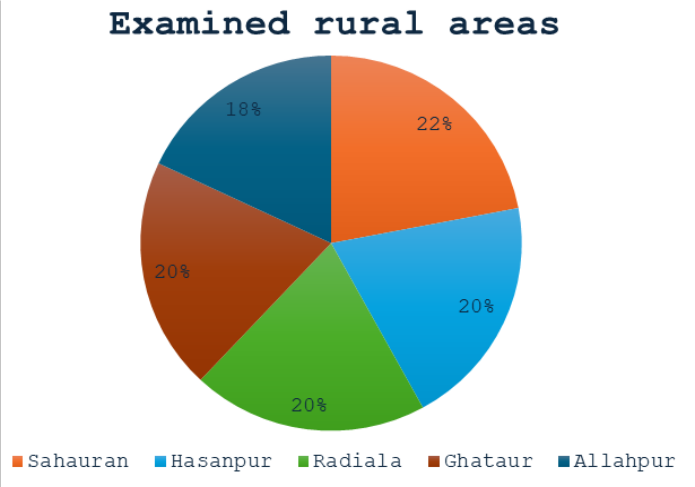 Figure 1
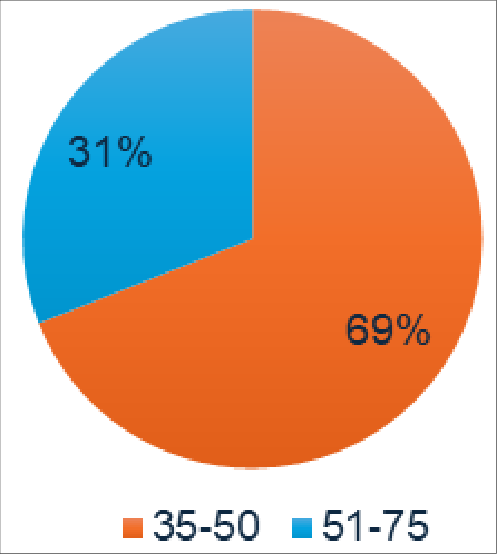 Figure 2
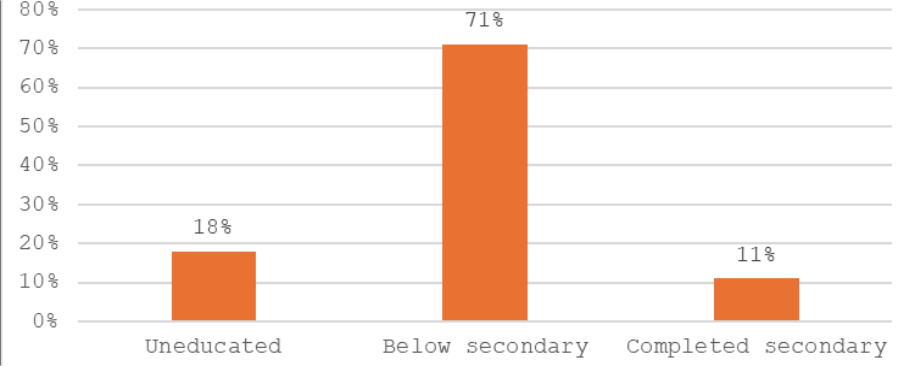 Figure 3
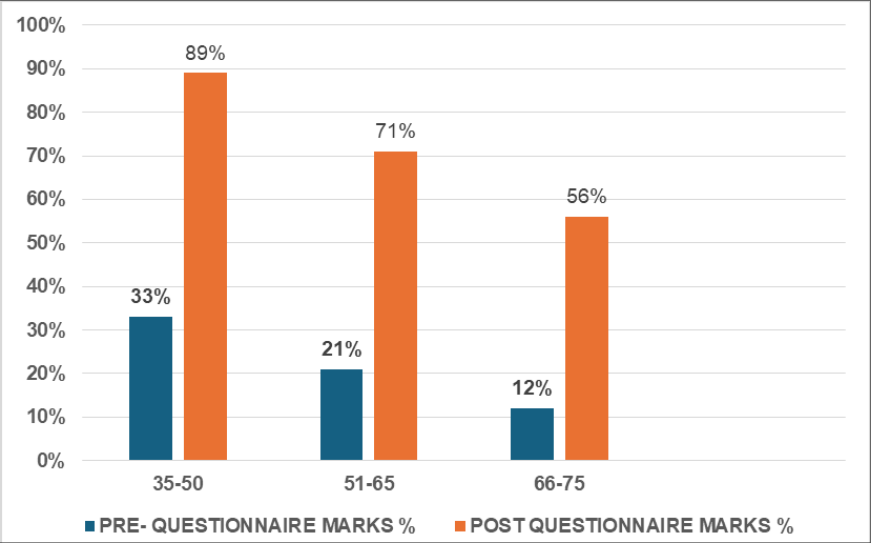 Figure 4
Introduction
As the primary source of food, livelihoods, and economic stability for people all over the world, agriculture is the cornerstone of human civilization. Agriculture has played a significant role in communities ranging from the earliest agricultural societies to contemporary industrialized nations. Its significance extends beyond the provision of food and includes wider ecological, social, and economic aspects. The primary source of income for farmers in the studied regions is agriculture, which also plays a significant role in the district's economy [1] . Punjab's five villages-Sahauran, Hasanpur, Radala, Ghataur, and Allahpur-grow vegetables and other off-season crops together with wheat, mustard, paddy, maize, and sugar cane. Numerous insects, pests, and illnesses harm these crops, reducing their output. Using pesticides can reduce crop loss from pest assaults and enhance agricultural output by 25-50%. Crop pesticides are therefore crucial for ensuring the security of food and nutrition. A crucial crop for both the agricultural economy and global food security, wheat is essential to both. However, several diseases pose a constant threat to wheat production and can seriously reduce yields and quality. Improving agricultural practices and guaranteeing sustainable crop production depends on an understanding of the effectiveness of educational interventions [2] . Here, we examine how a teaching film about wheat disease affects farmers' understanding at various age ranges. Farmers of all ages continue to rely heavily on agriculture, especially the production of wheat, for their living [3] . Disparities in formal education access and exposure to contemporary farming methods, however, can affect how successful educational programs are through an analysis of the age-grouped farmers' pre-and post-watching responses to the educational video, we hope to clarify the varied effects of the intervention and its possible implications for enhancing wheat disease management techniques among different age groups of farmers. This analysis is important because it will help shape focused educational initiatives that are suited to the various requirements of farmers. This will promote sustainable farming practices and support initiatives aimed at ensuring food security [4] . Farmers' knowledge and awareness are vital in the fight against these diseases because they help to implement efficient prevention and management techniques. This study report offers the results of an extensive survey meant to assess farmers' awareness and understanding of wheat diseases. This study aims to identify areas of strength and areas in need of improvement in disease management efforts by investigating farmers' knowledge, practices, and views regarding wheat diseases. The survey covers a wide range of topics, including the identification of common wheat diseases, understanding disease cycles and symptoms, adopting disease-resistant varieties, and using preventive measures like crop rotation and fungicide application. The survey is conducted across diverse agricultural regions. This study attempts to offer important insights into the current level of farmers' awareness of wheat disease by a thorough analysis of survey responses supported by statistical tools. It is crucial to comprehend the obstacles and knowledge gaps that farmers have when developing focused interventions and extension services to improve disease management techniques [5] . Furthermore, it is imperative to provide farmers with the www.extensionjournal.com most recent knowledge and resources possible so they may properly protect wheat crops considering the introduction of novel disease strains and changing environmental conditions. The findings of this study have ramifications for agricultural policies and extension initiatives that go beyond specific farm operations. Policymakers and agricultural stakeholders can develop strategies to improve agricultural extension services, encourage information transfer, and develop resilient farming systems by clarifying the factors impacting farmers' awareness of wheat diseases. The goal of this research is to improve wheat disease management strategies by offering evidence-based insights that can guide the creation of policies, the prioritization of research, and extension initiatives [6] . We can improve the resilience and sustainability of wheat production systems and guarantee food security for both the current and future generations equipping farmers with the required knowledge and resources [7] .
Materials and Methods
A purposive sample strategy was employed in the survey of 60 farmers in various villages throughout Punjab, including Sahauran, Hasanpur, Radiala, Ghataur, and Allahpur, to guarantee representation from a range of agricultural regions. Farmers were picked at random from each hamlet that was considered, to reduce prejudice and guarantee a range of answers. To collect data on farmers' knowledge and awareness of wheat illnesses, a structured questionnaire including topics such as disease identification, symptoms, preventive measures, and access to agricultural extension services was created. Face-to-face interviews with participating farmers were done by trained enumerators, who ensured the accuracy and clarity of the responses [8] . Using a standard structured questionnaire in the vernacular language that the farmers speak and understand, the study was carried out in person with farmers at the location of their agricultural fields and residences [9] . All participants gave their informed consent after being assured of their anonymity and secrecy, and ethical concerns were of the utmost importance. Since it is critical to increase farmers' understanding of wheat diseases, we are offering this instructional film, which is designed to increase their knowledge and strengthen their defences against any threats. We explore the complex environments of wheat farming through this visual medium, revealing the subtle symptoms of illnesses that can be found among the golden fields. In addition, this film is a source of illumination, clarifying the preventive actions and integrated management techniques that are necessary to promote resilience in wheat farming. An assessment of farmers' current knowledge of wheat diseases is conducted before the video presentation. We can assess the audience's baseline comprehension with the help of this pre-video questionnaire, and we can adjust the content accordingly. After that, the film takes viewers on a journey of exploration while clarifying the complexities of common wheat diseases and providing them with useful knowledge on diagnosing and treating these diseases. Once more, a set of questions is given to farmers to gauge the effectiveness of the learning intervention after the video presentation. To gauge the degree to which the instructional material has improved farmers' understanding and knowledge of wheat diseases, this post-video questionnaire acts as a benchmark. Through a comparison of the pre-and post-video responses, we can determine areas that require additional improvement and obtain important insights into the efficacy of the educational intervention. To find patterns and trends, the acquired data was carefully analysed utilizing comparative analysis methods and descriptive statistics [10] . To place the survey results within the context of its application and extent, limitations were addressed, such as possible self-reporting bias and regional specificity . A total of sixty farmers-twelve from each village-were interviewed; the minimum age for farmers was 35, and the maximum age was 75. The farmers were not given enough information to prevent biased reactions and to have a true understanding of farming techniques [11] . Ownership of the land divided these farmers. A household with more than ten acres was classified as a "Large Farmer," those with between four and nine acres as a "Medium Farmer," those with less than four acres as a "Small/Marginal Farmer," and those with no land as a "Landless Farmer [12] ." The landless farmers rent a field to grow crops on, and they make money by selling the produce and taking care of their houses [13] . To gain a better understanding of farmers' pest management techniques in crop production, the labelled/unlabelled, pesticide composition, and intensity of application are considered. Research was done on farmers' methods of controlling pests, information sources about the usage of pesticides, and criteria for making decisions. Furthermore, the study site analysed data about sources of information on toxicity levels, storage, disposal, application techniques, sprayer maintenance, and safety precautions implemented [14] . To get useful conclusions, averages, and percentages were calculated and compared using SPSS (16.0 edition) and MS Excel [15] .
Results and Discussion
1. This survey-based study was conducted after farmers from various Punjabi farming areas (S.A.S. Nagar) were chosen at random. 22% of farmers from the village of Shauran were among the 60 farmers that were interviewed. 18% of farmers belonged to the village Allahpur, 20% were from Hassanpur, 20% were from Radiala, and 20% were from Ghataur Fig 1 . www.extensionjournal.com After the educational movie on wheat disease was screened, an analysis was done to see how it affected farmers' knowledge in various age groups. All age groups showed significant gains in knowledge, according to the research. Younger farmers (35-50 years old) had a notable improvement in understanding, as seen by a considerable rise in accurate answers on the post-video questionnaire as compared to the pre-video evaluation. In a similar vein, farmers between the ages of (51 and 65 years) showed notable progress, demonstrating a firm understanding of disease diagnosis and management techniques following intervention. Even in the elder age range of (66 to 75 years) there was a noticeable increase in knowledge, if not a very significant one. These results demonstrate how well the educational film fills in knowledge gaps among a range of age groups in the farming community and how it may equip farmers of all ages with the necessary know-how to protect their wheat harvests
Conclusion
In conclusion, the findings of this study underscore the transformative potential of educational interventions in enhancing farmers' knowledge and understanding of wheat diseases, particularly across different age groups. The significant increase in knowledge observed among farmers following the viewing of the educational video signifies the effectiveness of such interventions in bridging knowledge gaps and equipping farmers with essential skills for disease management. Importantly, the analysis revealed that farmers across all age groups experienced improvements in comprehension, albeit to varying degrees, highlighting the universal applicability of educational initiatives in agriculture. Moreover, the prevalence of younger farmers within the surveyed demographic suggests a shifting demographic landscape in agriculture, emphasizing the importance of catering to the evolving needs and preferences of this cohort. By leveraging targeted www.extensionjournal.com educational programs tailored to the diverse demographics of farmers, stakeholders can foster a culture of continuous learning and innovation, thereby bolstering agricultural productivity and resilience. Moving forward, sustained efforts to expand access to educational resources and promote knowledge-sharing platforms are essential for empowering farmers of all ages and ensuring the long-term sustainability of agricultural systems.
Figures and tables from the paper
References
15 in the original paper- Xie S, Zhang J, Li X, Xia X, Chen Z. The effect of agricultural insurance participation on rural households' economic resilience to natural disasters: Evidence from China. J Clean Prod. 2024;434:140123.
- Coman MA, Marcu A, Chereches RM, Leppälä J, Van den Broucke S. Educational interventions to improve safety and health literacy among agricultural workers: a systematic review. Int J Environ Res Public Health. 2020;17(3):1114.
- Khatri P, Kumar P, Shakya KS, Kirlas MC, Tiwari KK. Understanding the intertwined nature of rising multiple risks in modern agriculture and food system. Environ Dev Sustain. 2023:1-44.
- Ulian T, Diazgranados M, Pironon S, Padulosi S, Liu U, Davies L, et al. Unlocking plant resources to support food security and promote sustainable agriculture. Plants People Planet. 2020;2(5):421-445.
- Tafesse S, Van Mierlo B, Leeuwis C, Lie R, Lemaga B, Struik PC. Combining experiential and social learning approaches for crop disease management in a smallholder context: A complex socio-ecological problem. Socio-Ecol Pract Res. 2020;2:265-282.
- Raihan A. A Systematic Review of Geographic Information Systems (GIS) in Agriculture for EvidenceBased Decision Making and Sustainability. Global Sustain Res. 2024;3(1):1-24.
- Giller KE, Delaune T, Silva JV, Descheemaeker K, van de Ven G, Schut AG, et al. The future of farming: Who will produce our food? Food Secur. 2021;13(5):10731099.
- Wu Y, Zhou H, Wang Q, Cao M, Medina A, Rozelle S. Use of maternal health services among women in the ethnic rural areas of western China. BMC Health Serv Res. 2019;19(1):1-12.
- Lowe P, Phillipson J, Proctor A, Gkartzios M. Expertise in rural development: A conceptual and empirical analysis. World Dev. 2019;116:28-37.
- Giambartolomei C, Vukcevic D, Schadt EE, Franke L, Hingorani AD, Wallace C, et al. Bayesian test for colocalisation between pairs of genetic association studies using summary statistics. PLoS Genet. 2014;10(5):e1004383.
- Arbuckle Jr JG, Morton LW, Hobbs J. Understanding farmer perspectives on climate change adaptation and mitigation: The roles of trust in sources of climate information, climate change beliefs, and perceived risk. Environ Behav. 2015;47(2):205-234.
- Filomena A. An agri-entrepreneur model for sustainable rural development in India [Master Thesis]. University of Erfurt; 2019.
- Bose AK. Retraction of "Issues of Landlessness, Contract and Corporate Farming," by Amit Kumar Bose. J Land Rural Stud. 2013;1(1):25-39.
- Damalas CA, Eleftherohorinos IG. Pesticide exposure, safety issues, and risk assessment indicators. Int J Environ Res Public Health. 2011;8(5):1402-1419.
- Abbott ML. Understanding educational statistics using Microsoft Excel and SPSS. John Wiley & Sons; 2014.