
Research article · 2024 · Full text
International Journal of Advanced Biochemistry ResearchA review on nutritional importance and health promoting potential of super food millets
Volume 8(3S) · Pages 191–197 · DOI: 10.33545/26174693.2024.v8.i3sc.755 ↗
Research areasGABA and Rice Research
Abstract
Author-writtenThe globe is currently facing challenges related to nutrition and agronomy. In order to significantly boost grain output, we must concentrate on arid regions because agricultural lands with irrigation systems are already fully utilized. The climate change compliant millets crop outperforms other grains like wheat and rice in terms of poor growth conditions and high nutritional content. Agricultural fields equipped with irrigation systems are completely utilized, thus our focus must be on dry regions to increase grain output dramatically. When it comes to poor growth conditions and high nutritional value, millets a crop that conforms with climate change regulations perform better than other grains like wheat and rice. The United Nations General Assembly recently passed a resolution designating 2023 as the International Year of Millets in order to draw attention to the importance of nutrient-rich crops in the face of climate change. A gluten-free grain that produces alkaline in the body is millet. One of the underused varieties of cereal grains is millets. These are still seen as food for the poor despite having significant nutritional and nutraceutical components. With regard to calories, carbohydrates, and protein, millets are no different from other cereals. However, when it comes to fat, calcium, iron, dietary fiber, and Vitamin E (tocopherols and tocotrienols), millets have additional content. Among those found to be prevalent in these are the phytochemicals phytosterols, phenolic acids, flavonoids, catechins, and phytic acid. A number of diseases, such as diabetes, heart disease, and cataractogenesis, have been linked to phenolic compounds and dietary fiber. Antibacterial and antioxidant properties are also claimed for these phytochemicals. Millets include antioxidants that have medical and nutraceutical benefits for preventing human health from declining. These benefits include lowering blood pressure, heart disease risk, obesity, cancer and cardiovascular disease prevention, diabetes, and tumor growth.
Summary
Source-checkedPlain-language reading of the full paper, prepared with AI and checked against the text. Each point links to the authors' own words.
Why it matters
- Millets are considered climate-change compliant crops that perform better than wheat and rice in poor growth conditions while offering high nutritional value. View evidence ↗
- Focusing on arid regions is necessary to increase global grain output because irrigated agricultural lands are already fully utilized. View evidence ↗
- Despite their significant nutritional and nutraceutical components, millets are often still perceived as food for the poor. View evidence ↗
The question
- The review aims to increase awareness of the importance of millets as nutrient-dense crops that can combat malnutrition and various health issues. View evidence ↗
What they did
- The review examines major millets (pearl millet and sorghum) and minor millets, including foxtail, proso, barnyard, kodo, finger, and little millets. View evidence ↗
What they found
- In finger millet, brown varieties contain higher polyphenol levels (1.2-2.3%) than white varieties (0.3-0.5%). View evidence ↗
- Phytosterol esters found in millets can reduce serum LDL cholesterol by up to 14% without affecting HDL levels. View evidence ↗
- Phenolic compounds in millets help reduce postprandial hyperglycemia by inhibiting the enzymatic breakdown of complex carbohydrates. View evidence ↗
- Because they are gluten-free, millets are suitable for individuals with celiac disease and help minimize associated gastrointestinal pain. View evidence ↗
- Research in hyperlipidemic rats indicates that finger millet lowers plasma triglycerides, which may help minimize cardiovascular disease. View evidence ↗
What it means
- The authors conclude that millets are a rich dietary source with therapeutic qualities. View evidence ↗
- The authors state that the high nutrient density of millets will support efforts to combat malnutrition and food insecurity. View evidence ↗
Visual summary
1 visualsIllustrations explain the paper; they do not show study data.
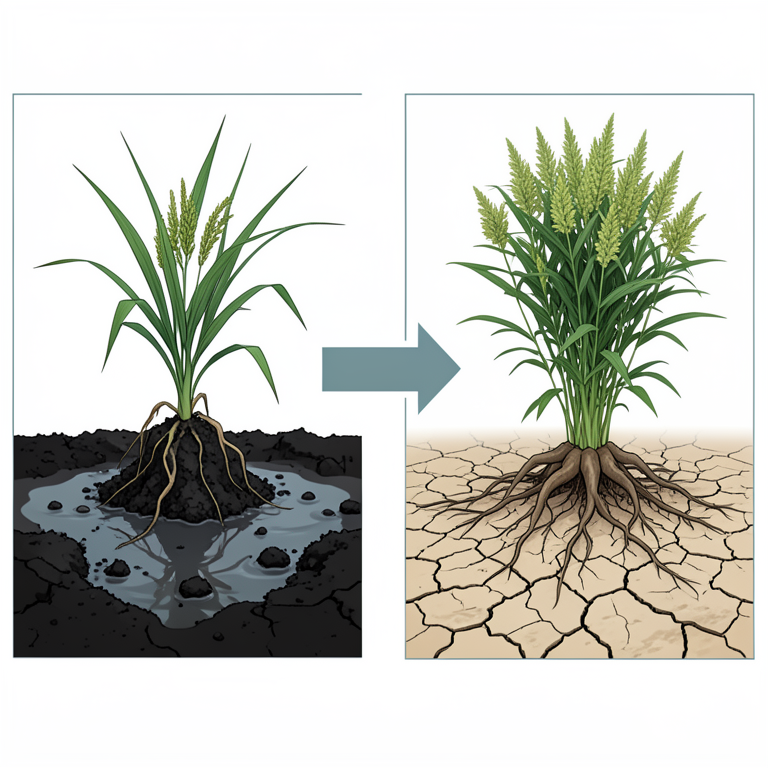
Millet Resilience Concept
AI-generated conceptual illustration (Pearl millet and rice plants in contrasting soil environments). It explains the idea and does not show study data.
View source evidence ↗Figures & tables
From the original paper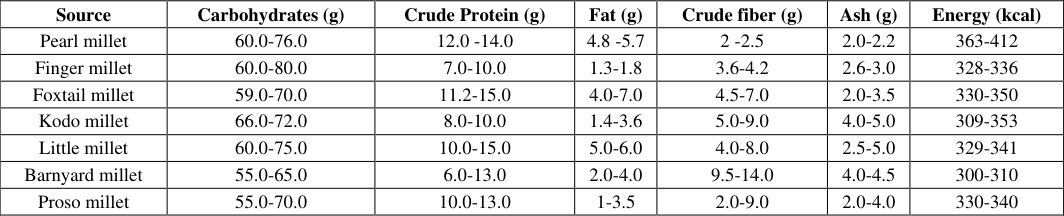 Table 1
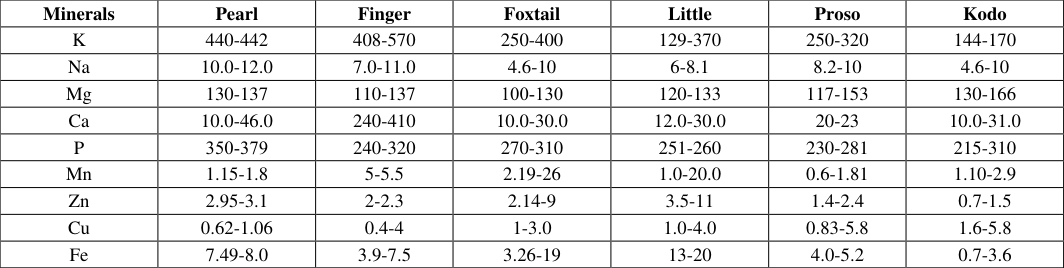 Table 2
 Table 3
Introduction
The crops resistant to drought are millets, which have a short growing season and can withstand a variety of pests and illnesses (Devi et al., 2014) [31] . Tough, rain-fed small-seeded millets thrive in desert environments and develop well in low soil fertility and moisture levels. They make 1% of the world's total cereal production and 3% of the coarse cereals. Africa accounts for 59% of global millet production, with these countries producing 55% of the grain worldwide. Asia is the second-largest millet producer in the world, accounting for 42% of production and 38% of the land area. According to FAOSTAT, 27.8 million tonnes of millet were produced globally in 2019. India is the world's largest producer, accounting for 41.0% of the market. Millets were exported for $26.97 million USD in 2020-21. From 14.52 million tons in 2015-16 to 17.96 million tonnes in 2020-21, millets were produced. In the same time frame, bajra production rose from 8.07 million to 10.86 million tonnes (APEDA). The majority of underdeveloped countries generally eat millets as food. This meal is incredibly nutrient-dense, high in energy, and in recent years, it has played a major role in processed foods. The two main major millets are pearl millet and sorghum. Among the millets, minor millet includes foxtail millet (Setaria italica), proso millet (Panicum miliaceum), barnyard millet (Echinochloa spp.), kodo millet (Paspalum scrobiculatum), finger millet (Eleusine coracana), and little millet (Panicum sumatrense) (Himanshu et al., 2018) [37] . According to Weber (1998) [69] , millet is a type of fodder grass that is tiny and coarse. It is a member of the poaceae family, of which the majority of genera are members of the subfamily Panicoideae, which is capable of growing under harsh ecological conditions (Seetharam et al., 1989) [57] . When produced as a rain-fed crop with average soil fertility and moisture levels, small-seeded millets are droughttolerant grasses that can withstand arid areas. As a crop of food security, millets are said to be able to withstand poor agroclimatic conditions. These crops provide a great deal of promise for improving food and nutritional security as well as the genetic diversity of the food supply. Millets are primarily consumed as food in most underdeveloped countries. It's a high-energy, extremely nutritious that has become a major ingredient in processed foods in recent years. In addition to being nutritious, millet provides health benefits for a regular diet and aids in the treatment of conditions including diabetes, obesity, hyperlipidemia, cancer, and other conditions. Millets have a special benefit for health since they are a great source of micronutrients, especially minerals, B vitamins, and nutraceuticals. While Americans and Europeans still do not consume large amounts of millets, they are beginning to realize the benefits of including them into multigrain and gluten-free cereal products. However, for individuals who reside in milletproducing regions, millet serves as their primary source of sustenance in many Asian and African countries. A wide range of traditional foods and beverages, including as chakli, dosa, papad, idli, porridges, breads, baby food, and snack foods are also made using it. Although households prepare a lot of traditional meals, farmers are discouraged from cultivating millet crops because of the lack of widespread industrial use. Many countries have now launched research programs in an effort to enhance nutrition, offer health benefits, and promote their broad usage as food, including China, India, the United States, and others (Sharma et al., 2020) [61] .
Nutritional profile of millets
Pearl millet has been found to have a notable amount of minerals, antioxidants, soluble and insoluble dietary fibers, and resistance starch. According to Ali et al., (2003) [3] , it contains 92.5% dry matter, 2.1% ash, 2.8% crude fiber, 7.8% crude fat, 13.6% crude protein, and 63.2% starch. Pearl millet contains a lot of energy (361 Kcal/100g). The three primary types of carbohydrates found in pearl millet grains are soluble sugars, dietary fiber, and starch. Pearl millet starches have a stronger swelling power and solubility than other starches because of their 20-21.5 percent amylose concentration (Lestieme et al., 2007) [44] . The soluble sugar concentration varies from 1.2 to 2.6% while the starch level varies from 62.8 to 70.5% in various types of pearl millet. According to Jambunathan and Subramanian (1988) [40] and Gupta and Nagar (2010) [33] , there are 1.2 to 2.5% of free sugars, including glucose, fructose, sucrose, and raffinose. Pearl millet grains are devoid of gluten. Protein content in pearl millet typically ranges from 9 to 13%. Higher amounts of lysine, threonine, methionine, and cystine are seen in the essential amino acid profile of pearl millet protein (Adeola et al., 2005) [1] . When it comes to total lipid content, pearl millet has the highest range, ranging from 1.5 to 6.8% (Taylor, 2004) [65] . According to Adela et al., (2005) [1] , the fatty acids found in pearl millet are higher in linolenic, palmitic, and stearic acids than in oleic and linoleic acids. Pearl millet contains a particularly high amount of linoleic acid (46.3%), with almost 75% of the fatty acids being unsaturated. Because pearl millet contains high levels of calcium, phosphorus, magnesium, and iron, it is a rich source of minerals (Burton et al., 1972) [10] . Ash content in pearl millet ranged from 1.6 to 3.6% (Serna et al., 1994) [59] . Pearl millet grain is a critical source of thiamine, niacin, and riboflavin (Taylor, 2004) [65] . Pearl millet grains contain 2.8 mg of niacin, 0.21 mg of riboflavin, and 0.38 mg of thiamine (Hulse et al., 1980) [38] .
Finger millet
One of the highest-nutrient grains is finger millet, which also contains a significant amount of naturally occurring calcium, which helps to build stronger bones and reduce the risk of bone fractures. Regular consumption of finger millet whole grains and their products can lower the risk of cardiovascular disease, Type II diabetes, gastrointestinal malignancies, and other health issues (Mckeown et al., 2002) [46] . To produce flour, it is ground using testa, which is often high in dietary fiber and micronutrients (Devi et al., 2014) [31] . Dietary fiber, vitamins, minerals, phenolics, and other substances contained in the outer layer of the seed coat add to the food's dietary value and health advantages (Antony et al., 1998) [7] . Finger millet fights degenerative diseases and malnutrition while improving the level of hemoglobin (Reddy, 2017) [53] . Finger millet fibers provide a feeling of fullness, preventing excess in consumption (ICAR -Indian Institute of Millets Research, 2017 (IIMR). On the other hand, studies reveal that the overall carbohydrate content of finger millet varies between 72 and 79.5% (Bhatt et al., 2003) [9] . Moreover, the overall proportion of carbohydrates was found to be between 59.5 and 61.2% for starch, 6.2-7.2% for pentosans, 1.4-1.8% for cellulose, and 0.04-0.6% for lignin, according to Wankhede et al (1879a) [68] . Finger millet includes around 5 and 8% protein, according to Chethan and Malleshi (2007) [24] . The protein content of finger millet was reported to be 6.32% by Anitha et al. (2019) [6] . Protein is assumed to be influenced in quality by the essential amino acids. Finger millet has a very balanced composition of essential amino acids since it has larger levels of lysine, threonine, and valine than other millet species. ds that it contains (Ravindran, 1991) [52] . The finger millet contains 5.2% total lipids, of which 2.2% are free lipids, 2.4% are bound lipids, and 0.6% are structural lipids. Conversely, it was found that the primary fatty acids found in finger millet are oleic, palmitic, and linoleic acids (Kunyanga et al., 2013) [42] . The entire fatty acid profile of finger millet is composed of 25.6% saturated and 74.4 unsaturated fatty acids. One of the highest nutrient-dense grains is finger millet, and genotypes reveal that its natural calcium content ranges from 162 mg/100g to 487 mg/100g (Sankara Vadivoo et al., 1998) [56] .
Foxtail Millet
Foxtail millet is an excellent source of beta-carotene, a precursor to vitamin A, according to Murugan & Nirmalakumari (2006) [48] . Foxtail millet has a higher biological value for digestible protein than wheat and rice, and it also contains seven of the eight essential amino acids that humans cannot produce. Compared to finger millet, foxtail millet has a higher percentage of seed protein (14-16%), crude fat (5-8%), and micronutrients (Ravindran, 1991) [52] .
It is beneficial to the health of the stomach and intestines since it contains 2.5 times as much edible fiber than rice. The bran contains 9.4% of the crude oil content and is strong in oleic acid (13.9%) and linoleic acid (66.5%). The large amounts of carbohydrates (65.59-74.12 g/100 g), crude protein (11.85-20.58 g/100 g), and amino acids (0.254-4.31 g/100 g) in this millet set it apart from other grains in terms of health benefits. The nutritional value of foxtail millet also includes 0.26 mg of vitamin B1, 0.78 mg of the antioxidant vitamin E, 0.78 mg of vitamin B2, 0.09 mg of vitamin B6, 0.23 mg of vitamins B6, 2.21 mg of niacin, 37.7 micrograms of folate, vitamin B 364 mg of potassium, 2.39 mg of pantothenic acid, 18.2 mg of calcium, 1.3 mg of sodium, 0.59 mg of copper, and 143 mg of magnesium (Sharma and Niranjan, 2018) [62] .
Barnyard millet
A multipurpose crop, barnyard millet is utilized for both food and feed. It is a prestigious resource for highly digested protein and an excellent source of dietary fiber with a considerable proportion of soluble and insoluble components (Hadimani & Malleshi, 1993) [34] . Barnyard millet's low and slowly digesting carbohydrate content makes it a natural gift from nature to today's sedentary human population. Barnyard millet is the most effective strategy to reduce blood glucose and cholesterol levels (Veena et al., 2005) [66] .
Little millet
Due to its high cholesterol content, little millet is good for growing youngsters and protects the body when consumed. Its complex carbohydrates digest more slowly in diabetics, which is very healthy (Gayatri 2015) [32] . Another benefit is its high fiber content, which makes it perfect for kheer or pongal as a substitute of rice (Reddy, 2017) [53] . It has a high iron content (9.3 mg/100g) and phosphorus content (220 mg/100 g). It is particularly beneficial for those with low body mass. Dosa, idli, pongal, and kichadi are a few dishes that can be made with little millet (Nutritive value of Indian foods NIN 2007) [49] .
Proso millet
Proso millet is grown in several nations, including China, Russia, India, Eastern Europe, and North America. Because wheat, maize, and other cereal crops are so widely available in Western nations, proso millet has very little economic significance (Delost-Levis et al., 1992) [29] . Thus, the predominant application of proso millet grain there is as bird feed. But because it contains high-quality proteins, it has started to become more well-known in recent years. Because grains include greater vitamins and minerals than regular cereals, they are a superior source of nutrition (Seetharam, 1999) [58] . Proteins get higher in quantity but decrease quality when they are dried. The skin ailment pellagra causes the skin to dry up, become rough, and scaly. Two things that proso millet has are protein and niacin (Vitamin B3). It has been used for a very long time as a healing food, especially during delivery or illness (Kalinova and Moudry 2006).
Kodo millet
Kodo millet, a grain high in nutrients, can be utilized in place of both rice and wheat. Minerals, fiber, and protein concentrations are considerably higher than in popular cereals such as rice. The primary protein source in kodo millet is gluten (Sudharshana et al., 1988) [64] . One traditional food that can help you to lose weight is kodo millet. It is easily absorbed and full of antioxidants and phytochemicals that help prevent many diseases related to a lack of physical activity. Kodo millet helps women have more regular menstruation and relieves soreness in the hips and knees (Deshpande et al., 2015) [30] . [37] [37] Table 3: Mode of Action of Nutrients and Health benefits of Millets
| Nutrients | Mode of Action | Health Benefits | Source |
|---|---|---|---|
| High fiber content | Sugars are slowly released | aids in diabetes, intestinal cancer and constipation | Verma and Patel (2012) [67] |
| Gluten free | Complex Carbohydrate | aids in celiac illness | Dayakar et al. (2013) [28] |
| Phytochemicals | Phenolic acids and flavonoids | whole health care administration | Shahidi and Chandrasekara, (2013) [60] |
| Nutraceuticals | Antioxidant activity Anti- microbial | Prevent disease risk both probiotic and prebiotic properties antagonistic to diabetes preventive of tumors | Devi et al. (2014) [31] |
Table text extracted from the original PDF; superscript letters are shown inline. The original table image is below.
View original table image
Nutrients
Mode of Action Health Benefits Source High fiber content Sugars are slowly released aids in diabetes, intestinal cancer and constipation Verma and Patel (2012) [67] Gluten free Complex Carbohydrate aids in celiac illness Dayakar et al. (2013) [28] Phytochemicals Phenolic acids and flavonoids whole health care administration Shahidi and Chandrasekara, (2013) [60] Nutraceuticals Antioxidant activity Antimicrobial Prevent disease risk both probiotic and prebiotic properties antagonistic to diabetes preventive of tumors Devi et al. (2014) [31] (Source: Ambati and Sucharitha 2019) [5] Bioactive Compounds: When present in food in their isolated form, bioactive compounds are substances that, when taken out of the diet, provide protection against degenerative diseases. It serves as a component of nutraceuticals.
Phenolic Compounds
The term "phenolic compounds" refers to a broad class of substances that are distinguished by the presence of an aromatic ring having several substitutions and one or more hydroxyl groups. Phenolic substances fall into three main categories: lignans, flavonoids, and phenolic acids. Finger millet varieties varied significantly in their amounts of polyphenols; brown varieties had 1.2-2.3% while white varieties had 0.3-0.5% (Chethan and Malleshi's, 2007) [24] . These are well-known antioxidant molecules that serve as essential sources of antioxidants and protect the body from a variety of diseases, including obesity and cancer. Because they lower the chance of developing chronic illnesses, dietary phenolic compounds may enhance health (Chandrasekara and Shahidi 2010) [22] .
Phenolic Acids
One benzene ring and a carboxylic acid activity characterize aromatic compounds known as phenolic acids. Pearl millet has two acidic ingredients: fumaric acid (1350 g/g) and ferulic acid (199 g/g). When phenolic acid concentrations were compared to other grains, sorghum (27.3 mg/kg) had the lowest level of phenolic acids compared to pearl millet (64.8 mg/kg). The most common phenolic acids identified in finger millet grains are p-coumaric acid, ferulic acid, caffeic acid, vanillic acid, and syringic acid. One of the most common phenolic acids in finger millet grains is ferulic acid, often referred to as trans-4-hydroxy-3methoxycinnamic acid. It is abundant in the embryo, pericarp, and aleurone cell walls of many grains, although it is only moderately present in the starchy endosperm (Chethan et al., 2008) [25] .
Flavonoids
The normal backbone of flavonoids, or secondary plant metabolites, is 15 carbons. One phenyl ring and two heterocyclic rings make up its structure. Below is a list of additional advantageous flavonoids, including tannin, anthocyanin, quercetin, and catechin. Because of their pharmacological action as radical scavengers, they are vital for maintaining human health (Cook and Samman 1996) [26] . Orientin, isoorientin, saponarin, tricin, orientin, and isovitexin are the eight distinct types of flavones found in finger millet leaves (Hilu et al., 1978) [36] . The yellow-green pigment that appears on millet flour at basic pH was found to be attributed to the proteins vitexin, glucosylorientin, and glucosylvitexin, which Reichert found in pearl millet in the ratio 29:11:4 (1979, Reichert). Condensed tannins have only been identified in finger millet. In comparison to white finger millets, which have catechin equivalents of 0.04-0.06%, brown finger millets have equivalents ranging from 0.12 to 3.47% (Ramachandra, 1977) [51] .
Phytic Acid
Phytate concentrations of common millet cultivars range from 170 to 470 mg/100 g of whole grain; following dehulling, the phytate level drops by 27-53%.
Carotenoids and Tocopherols
Among the different kinds of pigments found in food sources are carotenoids. Studies show that there are over 600 of them out there. It is commonly known that carotenoids function as provitamin A. But one of those important substances called carotenoids works as an antioxidant to shield the body against a number of illnesses. A per the study conducted by Asharani et al., (2010) [8] found that for finger, small, foxtail, and proso millets, the average total carotenoids concentration in edible millet flour was 199, 78, 173, and 366 µg/100 g, respectively. Vitamin E is a common fat-soluble element found in nature and is a family of eight different compounds. One hundred grams of finger, foxtail, and small millet varieties provide 3.6-4.0 milligrams of tocopherol. Anti-inflammatory, antioxidant, anti-superoxide, and anti-atherosclerotic, vitamin E has these properties.
Phytosterols
The ring structures of desmethyl sterols, like cholesterol and phytosterols, are comparable. These are essential components of the structure and operation of plant cells. Phytosterol esters can reduce blood serum LDL cholesterol levels by up to 14%, but they have no effect on HDL levels. Your daily risk of heart disease can be reduced by up to 40% with phytosterols, contingent on your age and other factors. However, the presence of sterols reduces the absorption of vitamin E and beta-and alpha-carotene. Emulsification, etherification, and solubilization processes reduce their bioavailability. Based on seed weight, finger millet has a reported sterol concentration of 0.149 percent, which is lower than other millets (Mahadevappa and Raina (1978) [45] .
Health benefits Obesity
In recent years, obesity has become a widespread issue, linked to numerous ailments like diabetes, hypertension, and cardiac issues. Eating a diet rich in fiber can enhance intestinal function, lower the prevalence of obesity, and lower the chance of developing chronic diseases by improving the body's digestion and absorption. Millets help prevent obesity and regulate weight in addition to satisfying hunger. The high fibre content of millets reduces bloating, cramping, gas, constipation, and stomach disorders. Appropriate digestion and absorption decrease the retention of gastrointestinal disorders such as ulcers and colon cancers (Reddy, 2017) [53] . The largest rising issue in India is obesity, which is linked to a number of chronic conditions include diabetes and cardiovascular disease (CVD). Eating foods high in dietary fiber lowers the prevalence of obesity, per current studies (Alfieri et al., 1995) [2] . Eating a diet rich in dietary fiber slows down the digestion and absorption process, improves intestinal function, and lowers the chance of developing chronic diseases (Ali et al., 1982) [4] .
Diabetes
There is a reduced incidence of diabetes among those who consume millet. Millet phenolics partly inhibit the enzymatic breakdown of complex carbs, reducing postprandial hyperglycemia in a manner similar to alpha glucosidase (Shobana et al., 2009) [63] . Aldose reductase inhibitors reduce the frequency of cataract problems associated with diabetes by limiting the accumulation of sorbitol (Chethan et al., 2008) [25] . Finger millet feeding lowers blood glucose and improves antioxidant status in diabetic mice (Hegde et al., 2005) [35] and accelerates the diabetic rats' recovery (Rajasekaran et al., 2004) [50] . Because finger millet has a high amount of fiber, diets exhibited a mild glycemic response. They also aid in the healing of skin wounds. Research clearly supports the finger millets protein's role in avoiding human cataractogenesis. We know that millions of individuals worldwide suffer from the diabetes ailment. Magnesium, which is abundant in millets, helps prevent Type II Diabetes. By generating a large number of the enzymes that break down carbohydrates and regulate insulin activity, magnesium is an essential mineral that helps to improve the efficiency of insulin and glucose receptors (Reddy, 2017) [53] .
Celiac Disease
The genetically sensitive illness known as celiac disease is brought on by gluten consumption. Because millets don't contain gluten, they help reduce the amount of people who have celiac disease because they minimize the gastrointestinal pain that common cereal grains with gluten cause (Saleh et al., 2013) [55] . By maintaining good care of their digestive tract, one can retain more nutrients and lower their chance of developing more serious gastrointestinal disorders like gastric ulcers or colon cancer. Millets are a high-fiber food that relieves constipation, bloating, cramping, and excessive gas. Celiac disease is an immunemediated enteropathy that affects sensitive people and is commonly brought on by gluten ingestion. Millets are great for people with celiac disease because they are free of gluten and have a variety of applications in food and drink preparation. Additionally, they can help meet the growing demand for products devoid of gluten.
Cardiovascular disease
A great way to reduce the symptoms and indicators of heart attacks and migraines is by eating millets, which are a great source of magnesium. A range of phytochemicals are present in millets, such as phytic acid, which has been demonstrated to reduce cholesterol (Coulibaly et al., 2011) [27] . Finger millet lowers plasma triglycerides in hyperlipidemic rats, probably minimizing cardiovascular disease (Lee et al., 2010) [43] . Consuming whole millet grains on a regular basis reduces CVD incidence. Additionally, millets contain plant lignans, a type of prebiotic fiber that bacteria ferment in our digestive tracts and which the microflora in those tracts can transform into animal lignans. It has been demonstrated that these animal lignans are resistant to a wide range of chronic illnesses. Fermentation of them yields enterolactone, a chemical known to protect against heart disease and many types of breast cancer (Reddy, 2017) [53] .
Cancer
The "antinutrients" phytate, tannins, and phenolic acids are found in high concentrations in millets. On the other hand, in animals, these antinutrients lower the risk of breast and colon cancer. According to in vitro research, the phenolic component of millet may help prevent the onset and spread of cancer (Chandrasekara and Shahidi 2011) [23] .
Conclusion
Small-seeded annual grasses referred to as millets are cultivated for their grains, especially on marginal lands in arid regions of temperate, subtropical, and tropical climates. Millets are more nutrient-dense and less expensive than other grains. Rich in protein, fiber, vitamins, minerals, and iron content, among other components, it is abundant. Because there is a shortage of nutrition in poorer countries, malnutrition and other health problems including obesity, diabetes, cardiovascular disease, skin diseases, cancer, celiac disease, etc. are more prevalent. This is primarily due to the general lack of knowledge about the importance of agricultural crops to human health and their nutritional value. The review's main goals are to raise people's understanding of the importance of food and to promote millets as a nutrient-dense crop that meets dietary demands and aids in the fight against malnutrition and other health problems. There are many health benefits associated with millet foods. These benefits stem from their high nutrient content, which includes fiber, which helps with metabolic disorders like diabetes, obesity, and cardiovascular diseases; high protein; high calcium; high iron; and benefits to those suffering from anemia and celiac disease. Heart-protecting phytosterols and policosanols are found in the waxy layers of millet. This study proved that millets are the richest dietary source for people and have therapeutic qualities.
Future scope
Due to high resistance to pests and diseases, millet is an important agricultural produce in tropical and semiarid regions of the world. Given their abundance in fiber, minerals, vitamins, macro-and micronutrients, and phytochemicals, they provide more significant health benefits. It is an extremely nutrient-dense crop because of its high vitamin and mineral content. It will therefore support the effort to combat food insecurity and malnutrition. One way to fulfill the objective of ending hunger by 2030 is to provide everyone with access to a cheap, healthful diet. Millets have a high nutritional content, which makes it easier to generate a variety of value-added products from them.
Acknowledgement
Acknowledgement:The author expresses sincere gratitude to Dr. V. S. Pawar, Head and Associate professor of the food process technology department at the College of Food Technology, VNMKV, Parbhani, Who motivated, supported and guided to successfully complete this review article. A special thank you goes out to friends and seniors for their continuous support and insightful recommendations.
Figures and tables from the paper
| Source | Carbohydrates (g) | Crude Protein (g) | Fat (g) | Crude fiber (g) | Ash (g) | Energy (kcal) |
|---|---|---|---|---|---|---|
| Pearl millet | 60.0-76.0 | 12.0 -14.0 | 4.8 -5.7 | 2 -2.5 | 2.0-2.2 | 363-412 |
| Finger millet | 60.0-80.0 | 7.0-10.0 | 1.3-1.8 | 3.6-4.2 | 2.6-3.0 | 328-336 |
| Foxtail millet | 59.0-70.0 | 11.2-15.0 | 4.0-7.0 | 4.5-7.0 | 2.0-3.5 | 330-350 |
| Kodo millet | 66.0-72.0 | 8.0-10.0 | 1.4-3.6 | 5.0-9.0 | 4.0-5.0 | 309-353 |
| Little millet | 60.0-75.0 | 10.0-15.0 | 5.0-6.0 | 4.0-8.0 | 2.5-5.0 | 329-341 |
| Barnyard millet | 55.0-65.0 | 6.0-13.0 | 2.0-4.0 | 9.5-14.0 | 4.0-4.5 | 300-310 |
| Proso millet | 55.0-70.0 | 10.0-13.0 | 1-3.5 | 2.0-9.0 | 2.0-4.0 | 330-340 |
Table text extracted from the original PDF; superscript letters are shown inline. The original table image is below.
View original table image
| Minerals | Pearl | Finger | Foxtail | Little | Proso | Kodo |
|---|---|---|---|---|---|---|
| K | 440-442 | 408-570 | 250-400 | 129-370 | 250-320 | 144-170 |
| Na | 10.0-12.0 | 7.0-11.0 | 4.6-10 | 6-8.1 | 8.2-10 | 4.6-10 |
| Mg | 130-137 | 110-137 | 100‑130 | 120-133 | 117-153 | 130-166 |
| Ca | 10.0-46.0 | 240-410 | 10.0-30.0 | 12.0-30.0 | 20-23 | 10.0-31.0 |
| P | 350‑379 | 240-320 | 270-310 | 251-260 | 230-281 | 215-310 |
| Mn | 1.15-1.8 | 5-5.5 | 2.19-26 | 1.0-20.0 | 0.6-1.81 | 1.10-2.9 |
| Zn | 2.95-3.1 | 2-2.3 | 2.14-9 | 3.5-11 | 1.4-2.4 | 0.7-1.5 |
| Cu | 0.62-1.06 | 0.4-4 | 1-3.0 | 1.0-4.0 | 0.83-5.8 | 1.6-5.8 |
| Fe | 7.49-8.0 | 3.9-7.5 | 3.26-19 | 13-20 | 4.0-5.2 | 0.7-3.6 |
Table text extracted from the original PDF; superscript letters are shown inline. The original table image is below.
View original table image
References
50 in the original paper- Adeola O, Orban JI. Chemical composition and nutrient digestibility of Pearl millet (Pennisetum glacum L.) fed to growing pigs. J Cereal Sci. 2005;22:174-184.
- Alfieri MAH, Pomerleau J, Grace DM, Anderson L. Fiber intake of normal weight, moderately obese and severely obese subjects. Obes Res. 1995;3(6):541-547.
- Ali MAM, Tinay AH, Abdalla AH. Effect of fermentation on the in vitro protein digestibility of pearl millet. Food Chem. 2003;80(1):51-4.
- Ambati K, Sucharitha KV. Millets-review on nutritional profiles and health benefits. Int J Recent Sci Res. 2019;10(7):33943-33948.
- Anitha S, Govindaraj M, Kane-Potaka J. Balanced amino acid and higher micronutrients in millets complements legumes for improved human dietary nutrition. Cereal Chem. 2019;97:74-84.
- Antony U, Moses LG, Chandra TS. Inhibition of Salmonella typhimurium and Escherichia coli by fermented flour of finger millet (Eleusine coracana). World J Microbiol Biotechnol. 1998;14(6):883-886.
- Asharani VT, Jayadeep A, Malleshi NG. Natural antioxidants in edible flours of selected small millets. Int J Food Prop. 2010;13:41-50.
- Bhatt A, Singh V, Shrotria PK, Baskheti DC. Coarse grains of Uttaranchal: ensuring sustainable food and nutritional security. Indian Farmer's Digest. 2003;7(1):34-38.
- Burton GW, Wallace AT, Rachie KO. Chemical composition and nutritive value of pearl millet (Pennisetum typhoides (Burm.) Stapf and EC Hubbard) grain 1. Crop Sci. 1972;12(2):187-188.
- Chandrasekara A, Shahidi F. Content of insoluble bound phenolics in millets and their contribution to antioxidant capacity. J Agric Food Chem. 2010;58(11):6706-6714.
- Chandrasekara A, Shahidi F. Antiproliferative potential and DNA scission inhibitory activity of phenolics from whole millet grains. J Funct Foods. 2011;3(3):159-170.
- Chethan S, Malleshi NG. Finger millet polyphenols: Optimization of extraction and the effect of pH on their stability. Food Chem. 2007;105(2):862-870.
- Chethan S, Dharmesh SM, Malleshi NG. Inhibition of aldose reductase from cataracted eye lenses by finger millet (Eleusine coracana) polyphenols. Bioorg Med Chem. 2008;16(23):10085-10090.
- Cook NC, Samman S. Flavonoids -chemistry, metabolism, cardioprotective effects and dietary sources. J Nutr Biochem. 1996;7(2):66-76.
- Coulibaly A, Kouakou B, Chen J. Phytic acid in cereal grains: structure, healthy or harmful ways to reduce phytic acid in cereal grains and their effects on nutritional quality. Am J Plant Nutr Fertil Tech. 2011;1(1):1-22.
- Dayakar Rao B, Ganapathy KN, Patiln JV. Sorghum/Millets: Small Grains, A big Grain. www.commodity.com. 2013;2:16-23.
- Delost-Levis K, Lorenz K, Ttibelhorn R. Puffing quality of experimental varieties of proso millets (Panicum miliaceum). Cereal Chem. 1992;69:359-365.
- Deshpande SS, Mohapatra D, Tripathi MK, Sadvatha RH. Kodo Millet-Nutritional Value and Utilization in Indian Foods. ICAR-Central Institute of Agricultural Engineering, Journal of Grain Processing and Storage. 2015;2:16-23.
- Devi PB, Vijayabharathi R, Sathyabama S, Malleshi NG, Priyadarisini VB. Health benefits of finger millet (Eleusine coracana L.) polyphenols and dietary fiber: a review. J Food Sci Technol. 2014;51:1021-1040.
- Gupta V, Nagar R. Effect of cooking, fermentation, dehulling and utensils on antioxidants present in pearl millet rabadi -a traditional fermented food. J Food Sci Technol. 2010;47(1):73-76.
- Hadimani NA, Malleshi NG. Studies on milling, physic-chemical properties, nutrient composition and dietary fiber content of millets. J Food Sci Technol. 1993;30:17-20.
- Hegde PS, Rajasekaran NS, Chandra TS. Effects of the antioxidant properties of millet species on oxidative stress and glycemic status in alloxan-induced rats. Nutr Res. 2005;25(12):1109-1120.
- Hilu KW, De Wet JM, Seigler D. Flavonoid patterns, Horan FE, Heider MF. A study of sorghum and sorghum starches. Cereal Chem. 1978;23:492-503.
- Himanshu K, Chauhan M, Sonawane SK, Arya SS. Nutritional and Nutraceutical Properties of Millets: A Review. J Clin Nutr Dietet. 2018;1(1):10.
- ICAR -Indian Institute of Millets Research. Nutritionally important components of Proso millets (Panicum miliceum L.). Global Science Books. 2017;1(1):91-100.
- Kalinova J, Moudry J. Content and quality of protein in proso millet (Panicum miliaceum L.) varieties. Plant Foods Hum Nutr. 2006;61:45-49.
- Kunyanga CN, Imungi JK, Vellingiri V. Nutritional evaluation of indigenous foods with potential foodbased solution to alleviate hunger and malnutrition in Kenya. J Appl Biosci. 2013;67:5277-5288.
- Lee SH, Chung IM, Cha YS, Parka Y. Millet Consumption Decreased Serum Concentration of Triglyceride and C-Reactive Protein But Not Oxidative Status in Hyperlipidemic Rats. Nutr Res Rev. 2010;30:290-296.
- Lestienne I, Buisson M, Lullien-Pellerin V, Picq C, Trèche S. Losses of nutrients and anti-nutritional factors during abrasive decortication of two pearl millet cultivars (Pennisetum glaucum). Food Chem. 2007;100(4):1316-1323.
- Mahadevappa VG, Raina PL. Sterol lipids in finger millet (Eleusine coracana). J Am Oil Chem Soc. 1978;55(9):647-648.
- McKeown NM, Meigs JB, Liu S, Wilson PW, Jacques PF. Whole-grain intake is favorably associated with metabolic risk factors for type 2 diabetes and cardiovascular disease in the Framingham Offspring Study. Am J Clin Nutr. 2002;76(2):390-398.
- Misra V, Neelam Y, Pand, S, Puranik V. Bioactive components and nutritional evaluation of underutilized cereals. Ann Phytomed. 2014;3(2):46-49.
- Murugan R, Nirmalkumari A. Genetic divergence in foxtail millet (Setaria italic (L.) Beauv). Indian J Genet. 2006;66(4):339-340.
- Rajasekaran NS, Nithya M, Rose, C, Chandra TS. The effect of finger millet feeding on the early responses during the process of wound healing in diabetic rats. Biochim Biophys Acta (BBA)-Mol Basis Dis. 2004;1689(3):190-201.
- Ramachandra G, Virupaksha TK, Shadaksharaswamy M. Relation between tannin levels and in vitro protein digestibility in finger millet (Eleusine coracana Gaertn.). J Agric Food Chem. 1977;25(5):1101-1104.
- Ravindran G. Studies on millets: Proximate composition, mineral composition and phytate and oxalate contents. Food Chem. 1991;39(1):99-107.
- Saleh AS, Zhang Q, Chen J, Shen Q. Millet grains: nutritional quality, processing and potential health benefits. Compr Rev Food Sci Food Saf. 2013;12(3):281-295.
- Gaertn) in relation to grain color. Plant Foods Hum Nutr. 1998;52(4):353-364.
- Seetharam G. Small millet research. Indian J Agric Sci. 1999;68:431-438.
- Serna-Saldivar SO, Clegg C, Rooney LW. Effects of parboiling and decortication on the nutritional value of sorghum (Sorghum bicolor L. Moench) and pearl millet (Pennisetum glaucum L.). J Cereal Sci. 1994;19(1):8389.
- Shahidi F, Chandrasekara A. Millet grain phenolics and their role in disease risk reduction and health promotion: A review. J Funct Foods. 2013;5(2):570581.
- Sharma A, Tiwari VK, Suman S, Nagaraju M. Nutritional and Neutraceutical Importance of Minor Millets: A Review. Int J Curr Microbiol Appl Sci. 2020;11:3003-3010.
- Sharma N, Niranjan K. Foxtail millet: Properties, processing, health benefits and uses. Food Rev Int. 2018;34(4):329-363.
- Shobana S, Sreerama YN, Malleshi NG. Composition and enzyme inhibitory properties of finger millet (Eleusine coracana L.) seed coat phenolics: Mode of inhibition of α-glucosidase and pancreatic amylase. Food Chem. 2009;115(4):1268-1273.
- Sudharshana L, Monteiro PV, Ramachandra G. Studies on the proteins of kodomillet (Paspalum scrobiculatum). J Sci Food Agric. 1988;42(4):315-323.
- Taylor JRN. Pearl millet. Encyclopedia of grain science. 2004;2:253-261.
- Veena B, Chimmad BV, Naik RK, Shanthakumar G. Physicochemical and nutritional studies in barnyard millet. Karnataka J Agric Sci. 2005;18:101-105.
- Verma V, Patel S. Nutritional security and value added products from finger millets (ragi). J App Chem. 2012;1(4):485-489.
- Wankhede DB, Shehnaj A, Raghavendra Rao MR. Carbohydrate composition of finger millet (Eleusine coracana) and foxtail millet (Setaria italica). Qualitas Plantarum. 1979;28(4):293-303.
- Weber S. Out of Africa: The Initial Impact of Millets in South Asia. Curr Anthropol. 1998;39(2):267-274.
Cited by 2
From OpenAlex, OpenCitations and reference lists read by Scinovex
- Cross transferability of finger millet SSR markers to little millet (Panicum sumatrense Roth. Ex Roem & Schult.) ↗
Komal G. Lakhani, Kirankumar P. Suthar, Diwakar Singh, Sumankumar Jha, Harshal Patil, Rehana Niyaria · Ecological Genetics and Genomics · 2024
❝ 7PDF - Barnyard Millet: A Global Superfood of Abundance, Adaptability, and Nutrition ↗
Deepika Sharma, M. A. Arabi Mohammed Saleh · Reference series in phytochemistry · 2026
❝ 0