
Research article · 2024 · Full text
International Journal of Advanced Biochemistry ResearchA review on clinical application of Indian spices
Volume 8(3S) · Pages 51–67 · DOI: 10.33545/26174693.2024.v8.i3sa.706 ↗
Research areasFood Science and Nutritional StudiesNatural Antidiabetic Agents StudiesPhytochemicals and Medicinal Plants
Abstract
Author-writtenSince ages, Indian spices are renowned and have been essential part of the nation's culinary legacy. Each spice carries a distinct personality, capable of transforming ordinary dishes into extraordinary culinary experiences. These Indian spices have become popular in medicine due to their possible therapeutic advantages and have been incorporated into ancient healing systems like Ayurveda. These spices exhibit various therapeutic benefits such as analgesic effect, anti-inflammatory, sedative effect, antidepressant, anti-dysmenorrhea and many more. By including these spices in one's diet, one can improve their general health and wellbeing. This study paper offers a brief overview of the medicinal potential of Indian spices, highlighting their importance for both increasing culinary flavor and benefiting the health and well-being. This paper aims to focus on its various biological activities. It emphasizes the necessity of more studies and clinical trials to fully utilize the therapeutic advantages of these spices in the fields of nutrition and medicine.
Summary
Source-checkedPlain-language reading of the full paper, prepared with AI and checked against the text. Each point links to the authors' own words.
Why it matters
- Indian spices are widely used in traditional medicine, such as Ayurveda, because of their potential therapeutic benefits. View evidence ↗
- Spices are noted for a wide range of biological activities, including anti-inflammatory, analgesic, and antidepressant effects. View evidence ↗
- A primary challenge in using spices as medicine is the need to prove their health benefits using scientific methods comparable to those used for pharmaceuticals. View evidence ↗
The question
- The paper aims to provide an overview of the medicinal potential and various biological activities of Indian spices. View evidence ↗
What they did
- The authors conducted a review of existing literature to summarize the clinical applications of Indian spices. View evidence ↗
What they found
- In a human trial, ajwain seeds decocted in milk provided satisfactory results for treating pure calcium oxalate urinary stones over a nine-day period. View evidence ↗
- Oral doses of 1.25% and 2.5% w/w of asafoetida significantly improved the antioxidant system in Sprague-Dawley rats whose systems were impaired by N-methyl-N-nitrosourea. View evidence ↗
- Aqueous extracts of asafoetida at 250 mg/kg and 500 mg/kg in mice showed dose-dependent analgesic and anxiolytic effects, as well as a slight sedative effect. View evidence ↗
- Treatment of diabetic rats with black pepper aqueous seed extract for 4 weeks reduced blood glucose levels from 270 mg/100 ml to 129 mg/100 ml. View evidence ↗
- Pretreatment of rabbits with 50–100 mg/kg of clove oil inhibited fatal effects caused by PAF and/or AA, suggesting it acts as an antagonist to these substances. View evidence ↗
- Coriander extracts induced a significant increase in urine production in rats, showing a diuretic effect comparable to the drug furosemide. View evidence ↗
- Thymus vulgaris was found to be as effective as ibuprofen in reducing pain for primary dysmenorrhea, with both showing a significant effect compared to a placebo (p < 0.001). View evidence ↗
- A 6-year study of 1,200 women showed that taking 2-3 fenugreek capsules (580 mg or 610 mg) three times daily increased breast milk production within 24-72 hours. View evidence ↗
- In rats fed a high-fat diet, 200 mg/kg of alcoholic fenugreek seed extract reduced triglycerides by 26.2% and plasma cholesterol by 36.6%. View evidence ↗
- Fennel oil emulsions completely resolved colic in 65% of treated infants, representing a significant improvement over the control group. View evidence ↗
What it means
- The authors conclude that Indian spices can improve health, treat various ailments, and serve as chemical-free preservatives due to their pharmaceutical potential. View evidence ↗
- The authors state that more comprehensive clinical trials are necessary to prove the effectiveness of these spices across various medical conditions. View evidence ↗
Visual summary
2 visualsIllustrations explain the paper; charts are replotted from the paper's own table values.
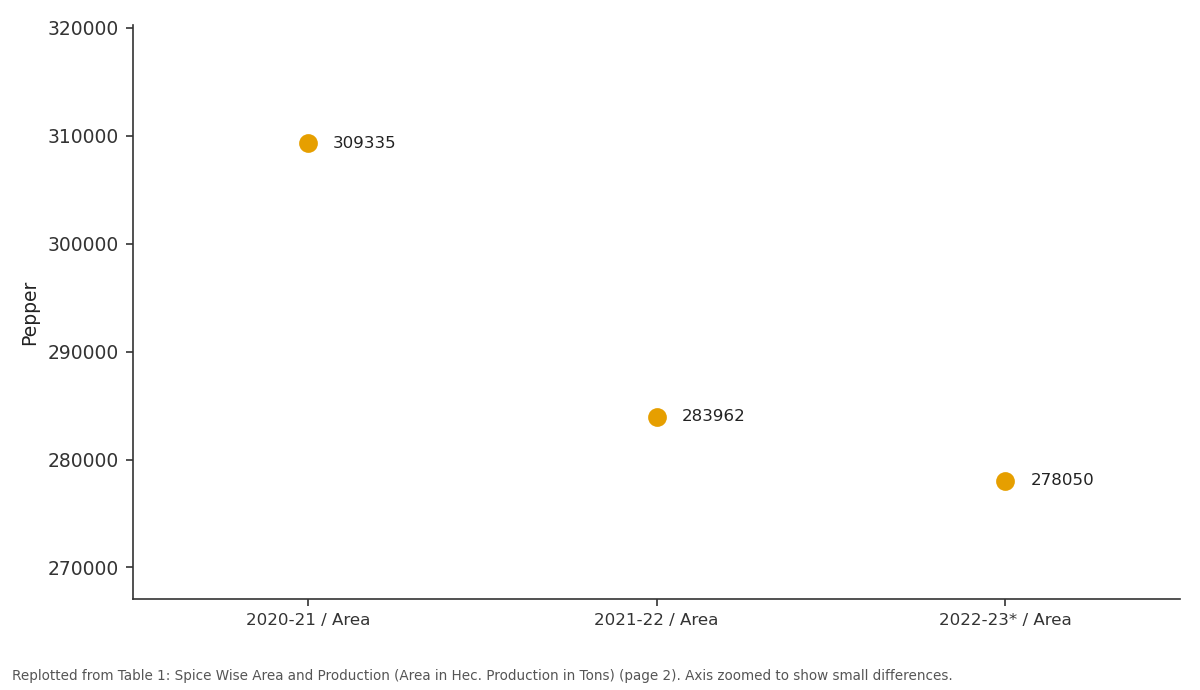
Pepper: 2020-21 / Area vs 2021-22 / Area vs 2022-23* / Area
Replotted from Table 1 (page 2) of the original paper. Every bar is the paper's own table value.
View source evidence ↗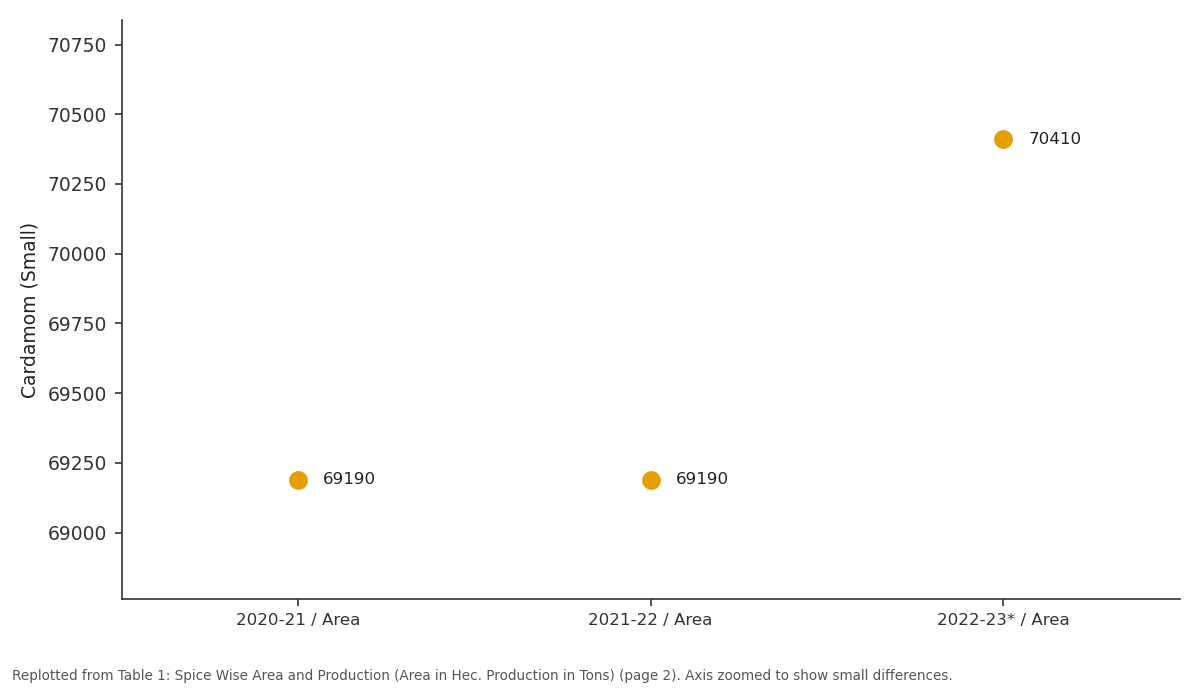
Cardamom (Small): 2020-21 / Area vs 2021-22 / Area vs 2022-23* / Area
Replotted from Table 1 (page 2) of the original paper. Every bar is the paper's own table value.
View source evidence ↗Figures & tables
From the original paper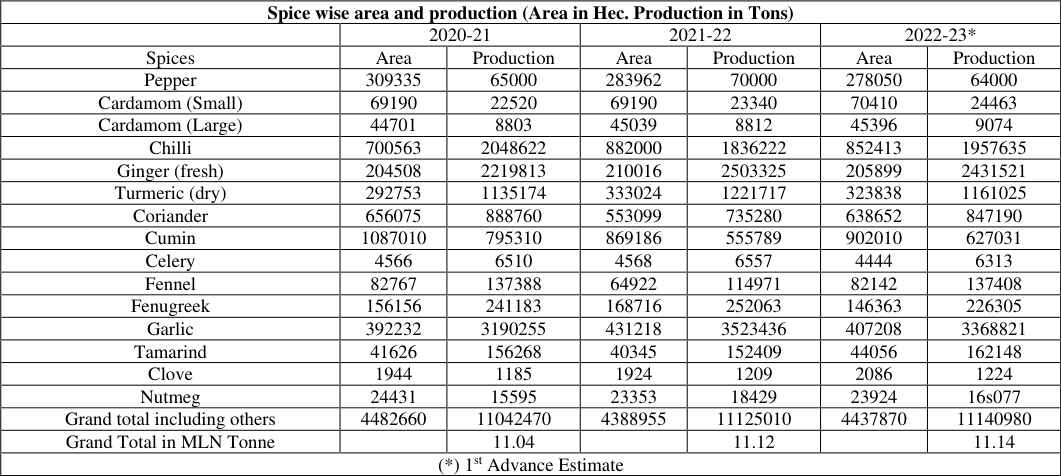 Table 1
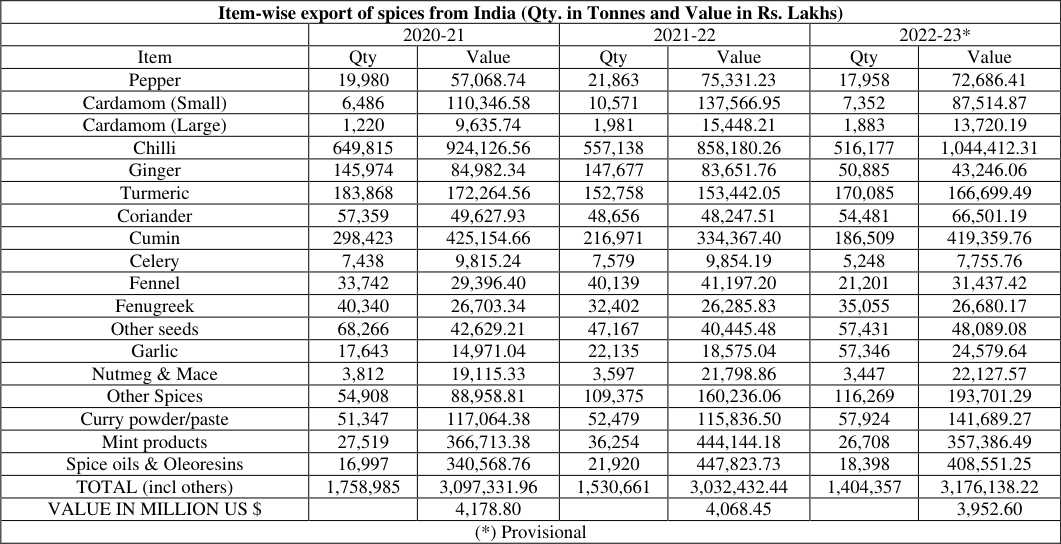 Table 2
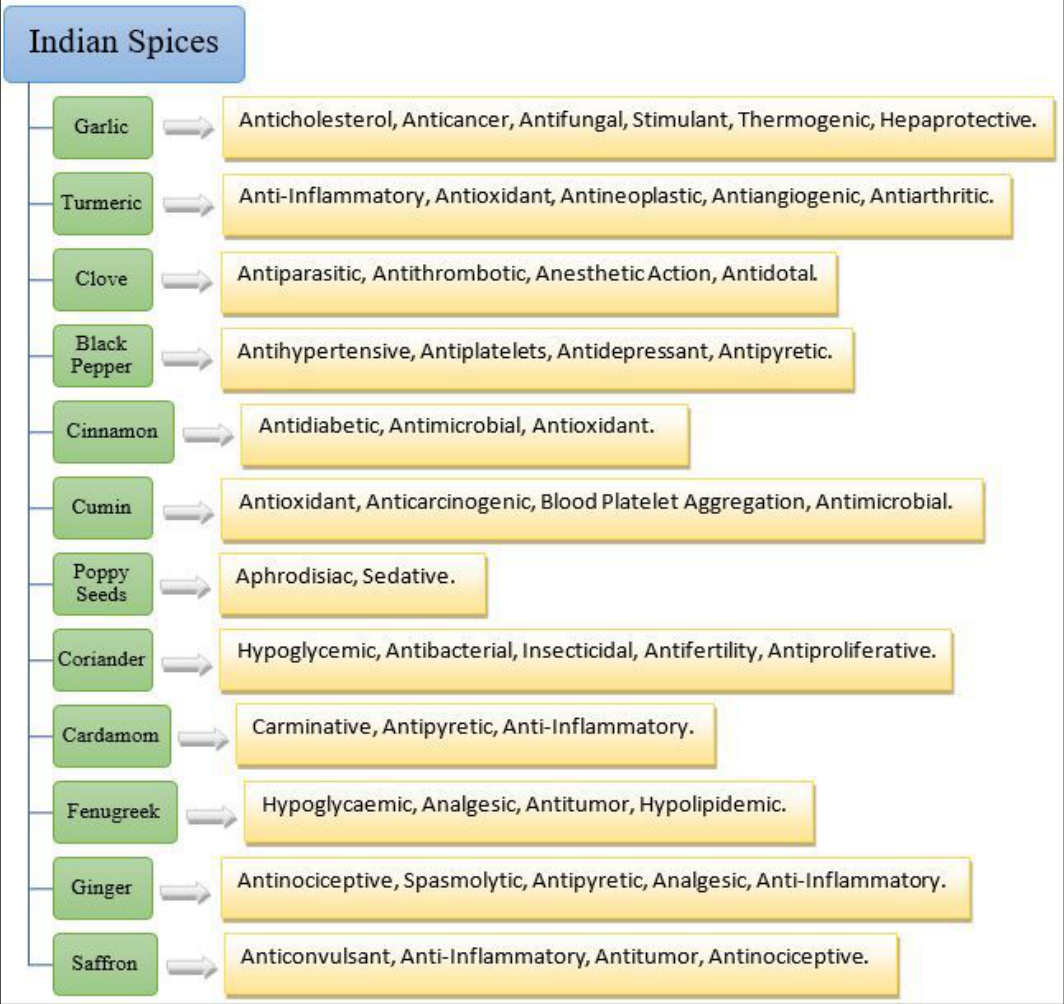 Figure 1
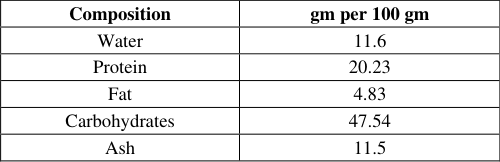 Table 3
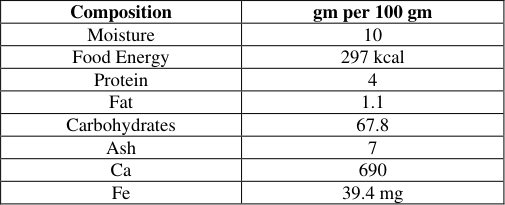 Table 4
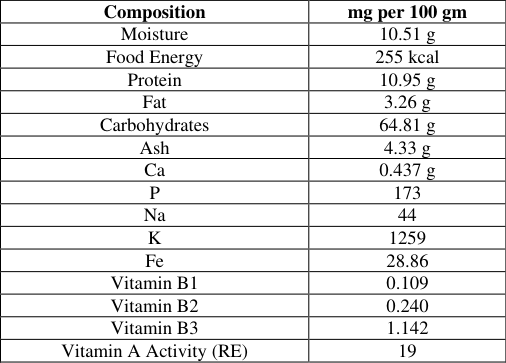 Table 5
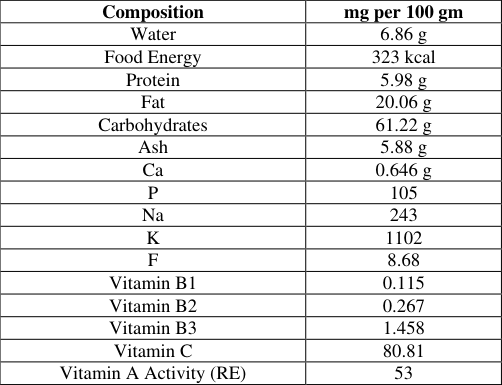 Table 6
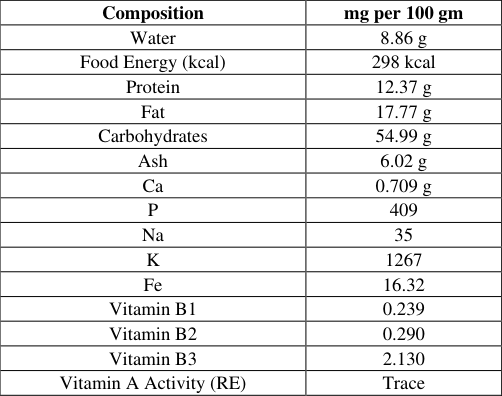 Table 7
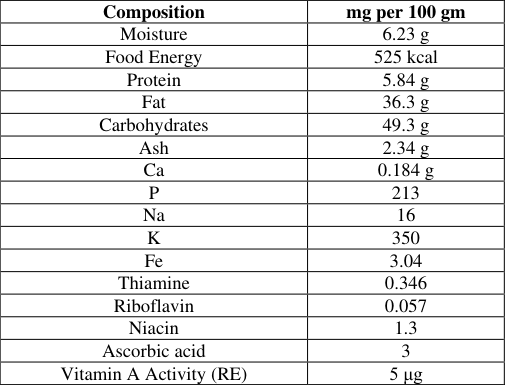 Table 8
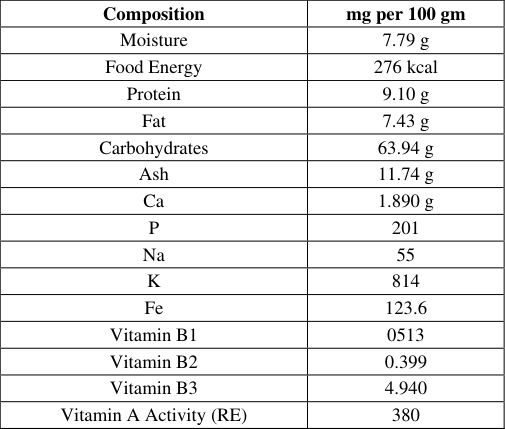 Table 9
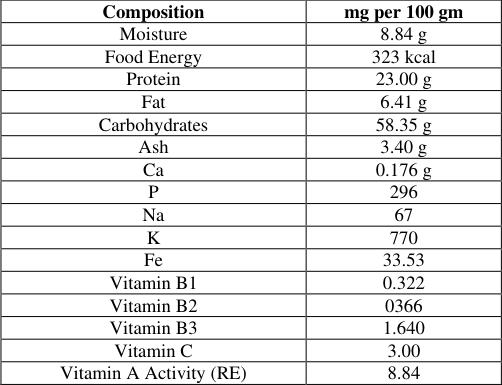 Table 10
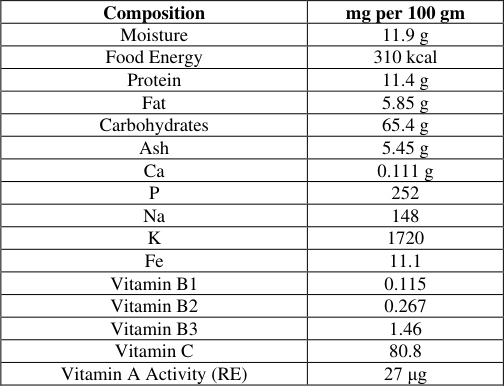 Table 11
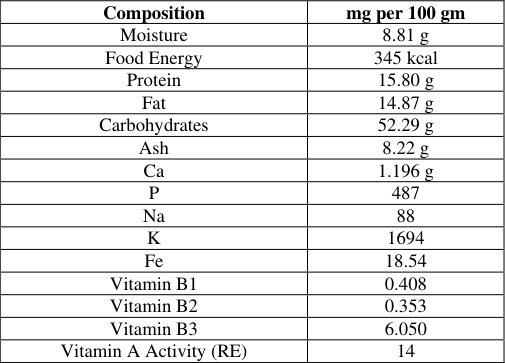 Table 12
Introduction
In India during older times, naturally available herbal plants and spices were utilized in diet or as medicines to encourage good health, hygiene and sanitation as well as to extend life expectancy. Moreover, to luxury linens and ivory, spices were valued greatly in medieval Asia (De AK and De M., 2019) [41] . The word "species," was used in the middle centuries to refer to groups of unusual foods, is where the word "spice" originally came from (Mradu Gupta, 2010) [56] . The word "Masala," which means "spice" in Hindi, is widely used in Indian cooking. Spices have been closely linked to magic, preservation and medicine from the dawn of human history. Additionally, a significant portion trade in Egypt, Arabia and China with India included spices. The clove is mentioned in the Ramayana, a revered Hindu holy book, as well as in documents from the Roman Empire that date back to the first century AD (Ankit Shukla and Nagendra Yadav,2018) [119] . They are employed as antiseptics, carminatives, or to mask the unpleasant flavor of medications. In the majority of its concoctions, homoeopathic medicine utilized spices as a primary ingredient in most of its formulations. (De AK and De M., 2019) [41] . In Ayurvedic and Siddha traditional Indian medicine, a variety of spices and herbs are reported to have therapeutic properties, including being hypoglycaemic, anti-inflammatory, antithrombotic, antiatherosclerotic and antiarthritic (Srivastava et al., 1995) [123] . Finding compounds derived from natural sources which are pharmacologically efficacious and that have minimal to no adverse effects, for its utilization in medical prevention and in food sector is currently of increased interest to people globally (Vasanthi HR And Parameswari RP., 2010) [6] . However, the main obstacle to using condiments as therapeutic and preventative medicines is proving its health advantages through scientific methods equal to those used for pharmaceutical substances. Additionally, unlike pharmaceuticals, which are consumed in combinations and predefined amounts as concentrated and pure preparations, spices are utilized in mixtures and without measurement, unpredictable amounts in various cultural contexts (Tapsell et al., 2006; Iyer, A. et al., 2009) [129,67] .
Trade and production in India
India is a prominent participant in international spice exports being the top producer and exporter of spices in the worldand fulfils almost half of the demand for spices globally (Jaffee, 2005) [70] . Some spices, such as dried pimento/capsicum, cumin seeds, turmeric and coriander seeds offer substantial benefits in trade in terms of exports (Saxena R et al., 2022) [114] . In the previous few decades, the proportion of spices in agricultural exports of India has also steadily climbed; in the years 2020-21 India surpassed the US $3.5 billion threshold for the first time. (Anonymous 3, 2020-21). Indian spice trade has had more success in gaining a reputation for upholding quality standards and providing marketing services in several countries, like the USA, UK, Germany, Sweden and Japan. In the fiscal year 2020-2021, the total value of spices exported was estimated at US$ 4.2 billion, a rise of (115%) from (84%) during the years 2014-21 (PIB, 2022). India maintained its trading edge in the global spice market due to favorable growing circumstances such as an early harvest benefit, a relatively significant benefit and an adequate trade balance. Multiple studies have demonstrated India's advantages and strengths in the export of spices around the world (Batra and Khan, 2005; Jagdambe, 2020; Shinoj and Mathur, 2008; Jambor et al., 2018) [24,71,118,72] . Below is the data regarding the Spices Production (Table 1.1) And its Trade -Export (Table 1.2) in India from year 2020 to 2023*.
| Spice wise area and production (Area in Hec. Production in Tons) | — | — | — | — | — | — |
|---|---|---|---|---|---|---|
| 2020-21 | 2021-22 | 2022-23* | ||||
| Spices | Area | Production | Area | Production | Area | Production |
| Pepper | 309335 | 65000 | 283962 | 70000 | 278050 | 64000 |
| Cardamom (Small) | 69190 | 22520 | 69190 | 23340 | 70410 | 24463 |
| Cardamom (Large) | 44701 | 8803 | 45039 | 8812 | 45396 | 9074 |
| Chilli | 700563 | 2048622 | 882000 | 1836222 | 852413 | 1957635 |
| Ginger (fresh) | 204508 | 2219813 | 210016 | 2503325 | 205899 | 2431521 |
| Turmeric (dry) | 292753 | 1135174 | 333024 | 1221717 | 323838 | 1161025 |
| Coriander | 656075 | 888760 | 553099 | 735280 | 638652 | 847190 |
| Cumin | 1087010 | 795310 | 869186 | 555789 | 902010 | 627031 |
| Celery | 4566 | 6510 | 4568 | 6557 | 4444 | 6313 |
| Fennel | 82767 | 137388 | 64922 | 114971 | 82142 | 137408 |
| Fenugreek | 156156 | 241183 | 168716 | 252063 | 146363 | 226305 |
| Garlic | 392232 | 3190255 | 431218 | 3523436 | 407208 | 3368821 |
| Tamarind | 41626 | 156268 | 40345 | 152409 | 44056 | 162148 |
| Clove | 1944 | 1185 | 1924 | 1209 | 2086 | 1224 |
| Nutmeg | 24431 | 15595 | 23353 | 18429 | 23924 | 16s077 |
| Grand total including others | 4482660 | 11042470 | 4388955 | 11125010 | 4437870 | 11140980 |
| Grand Total in MLN Tonne | 11.04 | 11.12 | 11.14 | |||
| (*) 1st Advance Estimate |
Table text extracted from the original PDF; superscript letters are shown inline. The original table image is below.
View original table image
Significance
In order to season food and add taste, aroma and the sharpness, natural components called spices are extracted from plants or vegetables, either whole or pulverized. along with this it has been used as preservatives, appetizers, digestives and aphrodisiacs. It also has its application in non-food sectors such as odour, color. It prolongs the storage life of food by minimizing flavor of rotten meat. Many plant or tree parts, such as fruits, stigma, seeds, leaves, kernels, arils, bulbs, berries and more, can be used to make spices (Khanum F, et al., 2001; Mradu Gupta, 2010) [78, 56] . A research study indicates that spices, which are abundant in antioxidants, are also powerful inflammatory and tissue-damaging inhibitors brought on by excessive blood glucose and circulatory lipid levels. As they contain phenol, these are able to prevent the synthesis of chemicals that cause damage brought on by metabolic problems. Given that spices have extremely little calories and are reasonably priced, they are trustworthy sources of anti-oxidants and other dietary bioactive substances (Muthulakshmi V et al., 2009) [98] . 2. Indian spices 2.1. Carom seeds-Its botanical name is Trachyspermum ammi L. and is from Apiaceae family; commonly referred in India as ajwain (Hindi). Despite being grown and consumed mostly in the subcontinent of India, ajwain may also be seen in Egypt, Iran and Afghanistan. Carom seed is widely grown both as summer crop in the hills and as cold-season crop in lowlands. This needs protected growing season that is warm and frost-free. Any loamy or sandy-loam soil, including dark soils, are suitable for growing it. It is grown in India utilizing both irrigated and rain-fed farming techniques (Aggarwal et al., 2009) [4] . Used to treat GI conditions like cholera, dyspepsia, flatulence and diarrhoea. It is used as an antiseptic, preservative and treatment for respiratory and GI issues in Ayurveda. In the Unani medical system, as a booster of the body's defences (Perry R. et al., 2011; Chauhan B. et al., 2012) [104,38] . Thymol, being main ingredient of Ajwain essential oil, can be extracted to a concentration ranging from 35 to 60 percent. [21,39] . Analysed volatile oil revealed 26 components, which together accounted (96.3%) from the total, were present. Thymol (39%), paracymene (30.8%), gammaterpinene (23.3%), α-pinene (1.7%), terpinene-4-ol (0.8%) and numerous additional substances were discovered in smaller concentrations. The acetone extract revealed existence of 18 components that were identified, which made up (68.8%) of the total. Thymol (39.1%) made up the majority of the compound, which was then followed by oleic acid (10.4%), linoleic acid (9.6%), gammaterpinene (2.6%), paracymene (1.6%), palmitic acid (1.6%) and 4-hydroxy-4-methylpenta-2-one (1.1%) along with exhibiting its potential as antiviral, hepaprotective, anticancer, antiseptic (Singh et al., 2004) [121] . [139] . According to the study, acetone extract is greater in activity than aqueous extract. A further investigation found that an ethanolic extract of ajwain has antibacterial efficacy against eight Helicobacter pylori strains (Nahak, G. et al., 2011) [99] .
Nutrient Composition:
Nutrient Composition:
Insecticidal activity:
According to reports, the essential oil from ajwain seeds can block Callosobruchus chinensis of Helicobacter pylori from hatching its eggs and developing as well as exhibit insecticidal activity during the oviposition stage (Chaubey MK., 2008; Kostyukovsky M. et al., 2002) [37,82] 2.1.2.3. Diuretic and anti-lithiasis activity -In ethnopharmacological accounts, carom seed was said to exhibit diuretic and anti-lithiasis action. As a result, a human trial was conducted in which individuals with urinary stones were given Ajwain seeds decocted in milk over a nine-day period. The outcomes against pure calcium oxalate stone were reported as satisfactory (Boskabady MH. et al., 2003) [28] .
2.1.2.4. Antiulcer activity: When in relation with the control group observed, the ethanolic extract of ajwain reduced ulcerative lesions and the efficacy was investigated using several ulcer models (Ramaswamy S. et al., 2010) [7] .
Anti-platelet activity:
By increasing adrenaline, arachidonic acid and collagen, the extract of ajwain has antiplatelet effects and prevents platelet aggregation (Lim TK, 2012) [87] .
Asafoetida:
Its botanical name is Ferula asafoetida L. and it belongs to Apiaceae family. It is often referred in India as Hing (Hindi). The dried latex, also known as gum oleoresin, that is secreted by the tap root or living underground rhizome of various species of Ferula, a perennial herb that grows one to 1.5 meters long, with three species identified in India. The species are found all throughout, from Central Asia to the areas of Mediterranean. This is been produced in Kashmir and other parts of Punjab in India (Anonymous 1, 2019) [14] . Asafoetida is composed of three principal parts: gum (25%), resin (40-64%) and essential oil (10-17%) (Takeoka G, 2001) [128] . Coumarins, sesquiterpene coumarins, ferulic acid and its esters, as well as various terpenoids, having various health advantages can be found in the resin part. Onearabinose, rhamnose, glucose, galactose, glucuronic acid, polysaccharides and glycoproteins make up the gum component. The volatile fraction has compounds which contains sulphur, other volatile terpenoids, monoterpenes (Iranshahy M and Iranshahi M, 2011) [66] . Resin from F. asafoetida contains sulphur compounds that have a variety of biological effects and have potential medical applications (Iranshahi M et al.,2006) [65] . [51] . Sprague-Dawley rats of 1.25 and 2.5 percent w/w, asafoetida markedly enhanced the activity of the antioxidant system, that had been diminished by the N-methyl-Nnitrosourea treatment. In rat liver, lipid peroxidation was significantly reduced as determined by thiobarbituric acidreactive compounds (Mallikarjuna GU, et al., 2003) [89] . [86,46] .
Nutrient Composition
Nutrient Composition
Composition
Composition
Antibacterial and antifungal activity:
Antibacterial and antifungal activity:
2.2.2.4.
Neuro-pharmacological studies: anxiolytic, analgesic and sedative activity: Using elevated plus maze, hole-board test and hot plate as models for anxiety, as well as locomotor motor activity meters for analgesic and sedative activity, Alqasoumi evaluated the analgesic, anxiolytic and sedative characteristics of asafoetida in rodents. He utilized the anxiolytic drug diazepam as a standard. The asafoetida aqueous extract was found to have a dose-dependently anxiolytic and analgesic influence along the slight sedative effect at dosages of 250 mg kg -1 and 500 mg kg -1 in mice. After one hour of administration of medication, he discovered the greatest analgesic effect. The author came to the conclusion that asafoetida is been more effective alternative to diazepam for curing anxiety. To precisely determine its safety and effectiveness for treating chronic anxiety, additional experimental and clinical investigations are required (Alqasoumi S., 2012) [9] .
Antihyperglycemic activity:
In a study, an STZinduced diabetic rat model was being used for evaluating the effects of asafoetida on diabetes. It is widely known that administering rats with a high doses of streptozotocin (>45 mg/kg) severely impairs the pancreatic β-cells' capacity to produce and release insulin. Therefore, these animals experience reduced insulin sensitivity in response to feed and glucose loading, as well as compromised intake of glucose and utilization capacities, simulating type 1 diabetes mellitus in humans. As a result, in Streptozotocin-diabetic rats, the water-soluble extract of asafoetida at amounts of 50 mg kg -1 demonstrated the hypoglycemic effect. [125,141,16] .
Black pepper:
Black pepper's botanical name is Piper nigrum L. whcich is from Piperaceae family. It is often referred in India as Kali Mirch (Hindi). Amongst the most popular and extensively utilized spices globally, black pepper, also often titled as the "King of Spices" is a native of southern India (Nair KP, 2011) [100] . The highlands of India's South Western Ghats are thought to be where pepper first originated. Aside from the country of origin, now also produced in Indonesia, Sri Lanka, Malaysia, Thailand, Vietnam, Cambodia, China, Guatemala, Mexico and Brazil (Anonymous 1, 2019) [14] . The primary element in the essential oil of black pepper seeds grown in South India is β-caryophyllene, which is followed by limonene, sabinene, α-pinene, β-bisabolene, αcopaene α-cadinol, α-thujene and α-humulene; pepper leaves are rich in nerolidol, which also includes α-pinene and β-caryophyllene simultaneously possessing antioxidant, anti-inflammatory, antimicrobial, anticancer as its health benefits (Sruthi D et al., 2013; Utpala P et al., 2008) [124,130] . [55] .
Nutrient Composition
Nutrient Composition
Hypoglycemic activity:
In comparison to diabetic rats (270 mg/100 ml), diabetic rats treated for 4 weeks with its aqueous seed extract had blood glucose levels that were 129 mg/100 ml (Kaleem et al., 2005) [75] . Due to increased activity along the polyol pathway, aldose reductase is principally responsible for the emergence of long-term diabetic issues, including retinopathy, neuropathy and nephropathy. Pharmacological inhibition of aldose reductase is therefore regarded as a key approach in the prevention and attenuation of these issues. With an IC 50 value of 35.64 lg ml -1 , goat lens aldose reductase was inhibited by hydromethanolic extract of the seed (Gupta, S. et al., 2014) [57] .
Antidepressant activity:
Piperine's potential antidepressant impact was investigated in a corticosteroneinduced depression mice model. Through a decline in consumption of sucrose and rise in immobility time during forced swim and tail suspension test, depression in rats was assessed. Levels of brain-derived neurotrophic factor protein therefore decreased dramatically in the hippocampus of corticosterone-treated animals. The biochemical ssand behavioral abnormalities in mice caused by corticosterone finally returned to normalcy after treatment with piperine (Q.Q. Mao et al., 2014) [91] .
Antidiarrheal activity:
The black pepper's aqueous extract was tested for its antidiarrheal capabilities by boosting the antimotility and antisecretory effects in the gut at doses of 75, 150 and 300 mg kg -1 . This was possible due to alkaloids (like piperine) and carbohydrates. (P.B. Shamkuwar et al., 2012) [117] .
Antioxidant activity -
Free radicals are generated as a consequence of radiation exposure, tissue damage, infections, environmental pollution and autoimmune diseases (Bagchi and Puri 1998) [22] . Increasing the amount of antioxidants in tissues can reduce the damage that free radicals can do to tissues. With its antioxidant properties, piperine can reduce thiobarbituric acid-reactive compounds, keep glutathione peroxidase, superoxide dismutase, catalase, glutathione S-transferase and glutathione levels stable and minimize oxidative stress in cells caused by a diet high in fats. Due to piperine's antioxidant properties, piperine possesses liver-protective properties (Vijayakumar et al., 2004) [133] .
Cloves:
Its botanical name is Syzygium aromaticum (L) Merr. & Perry and falls in Myrtaceae family. It is referred in India as Laung (Hindi). The plant is native to Indonesia's North Molucca Islands. Additionally, it is well produced in India, Malaysia, Sri Lanka, Madagascar and Zanzibar. The tree prefers rich, well-drained soil that is consistently moist throughout the year (Anonymous 1, 2019) [14] . Due to its antibacterial, antiseptic and antibiotic characteristics, clove oil is utilized in medicine. By administering it orally, it has also been used successfully for treating allergy diseases including asthma (Kim HM et al., 1998) [79] . Cloves have mutagenic, inflammatory, antioxidant, antiviral, thrombotic and parasite-repelling properties (Mittal M et al., 2014) [92] . (15-20%) of the essential oil found in buds of clove is made up of eugenol (70-85%), eugenyl acetate (15%) and caryophyllene (5-12%). Vanillin, gallotannic acid, crategolic acid, eugenitin, tannins, methyl salicylate, rhamnetin, eugenin, kaempferol and triterpenoids like oleanolic acid are some of the other essential oil components in clove oil which also performs a variety of biological activities and could be used for its aroma and medicinal properties. [54] . [111] , clove oil was reported to reduce human platelet aggregation caused by AA and PAF in vitro at low dosages. Studies on clove oil in living animals showed positive results in a rabbit model of AA and/or PAF-induced sudden death. Clove oil (50-100 mg kg -1 ) pretreatment of rabbits inhibited the fatal effects of PAF and/or AA, indicating clove oil serves as an antagonist of PAF and AA. Because of its dual AA and PAF antagonistic characteristics, clove oil may thus represent a novel class of antithrombotic agents (Saeed, S. A. and Gilani, A. H. 1994) [111] . [32, 31, 137] . These substances can interact with phospholipids in cell membranes to change their permeability and denature proteins. Clove oil reported to be efficacious against Escherichia coli O157:H7 non-toxigenic strains. (Burst SA and Reinders RD, 2003).
Nutrient Composition
Nutrient Composition
Antibacterial activity:
Antibacterial activity:
Antifungal activity:
To evaluate in vivo antifungal efficacy, multiple studies have been carried out. In mice with orally infected with Candida albicans, a hot water extract of clove added to the drinking water reduced oral candidiasis symptoms. This extract's chemical composition was not disclosed (Abe S, 2004) [2] . In a different experiment, mice which were affected by C. albicans orally, after receiving an unknown clove preparation (10.4 mg) in mouth cavity, the amount of macroscopic lesions on the lingual surface and the rate at which Candida mycelia invaded the lingual tissue were both reduced (Taguchi Y, et al., 2005) [126] .
Cytotoxicity activity:
The ability of the clove oil derivatives borneol and eugenol to regulate resistance to the DNA-damaging effects of H 2 O 2 was looked at. Human fibroblast cells (VH10) were significantly damaged by eugol, however hepatocyte cells (hepg2) did not experience any genotoxic effects (Jannuzzi A, 2022) [73] .
Anti-stress activity:
Clove extracts inhibit sound stress-related biochemical changes like increased plasma levels of alanine aminotransferase, glucose, aspartate aminotransferase, corticosterone, cholesterol and also the cold-induced stomach ulcers formation (Singh AK et al., 2009) [120] .
2.5. Coriander: Its botanical name is Coriandrum sativum L. and it belongs to Apiaceae family. It is oftenly referred in India as Dhaniya (Hindi). Since coriander is a tropical plant, it can be grown effectively during the rabi season in areas that are not frequently severely frost-affected in February, when the plant blossoms and sets its seeds (Anonymous 1, 2019) [14] . By using GC-FID and GC-MS, the essential oil composition of coriander fruits hydrodistilled at three different stages of maturity was investigated. During the maturation phase, essential oil outputs increased noticeably and 41 compounds were discovered. In the first maturity stage (immature fruits), the primary chemicals were geranyl linalool (10.96%), acetate (46.27%), nerol (1.53%) and neral (1.42%). Linalool (76.33%), cisdihydrocarvone (3.21%) and geranyl acetate (2.85%) were noted as the primary ingredients at the middle stage. Linalool (87.54%) and cisdihydrocarvone (2.36%) make up majority of the essential oils in mature fruits at the peak of their development and to add to its application it can be used as preservative, for aroma and in pharmaceutics (Msaada, K. et al., 2007) [96] . [85] . In order to assess coriander seeds' ability to reduce pain, water extracts of the seeds were given (125-1000 mg/kg, IP). In comparison to controls, dose-dependent antinociceptive effects were seen across all tests (Taherian AA et al., 2012) [127] .
Nutrient Composition
Nutrient Composition
Diuretic activity:
Wistar rats of either sex (weighing 200 to 250 g) were used in Jabeen et al.'s (2009) [69] investigation into the diuretic efficacy of plant extracts.
While the other groups with similar numbers of animals got varied amounts of plant extracts diluted in saline (50 ml kg - 1 ), the five-animal negative and positive control groups received saline and the common diuretic drug furosemide (10 mg kg -1 ). The findings indicated that rats' considerable rise in urine production (diuresis), which was comparable to that of the common diuretic furosemide, verified coriander's diuretic action. For this reason, diuretics are thought to be among the best choices when it comes to managing and treating uncomplicated hypertension. (Q. Jabeen et al., 2009; S. Bhat et al., 2014) [69,27] .
Sedative hypnotic activity:
Traditional Iranian medicine has suggested Coriandrum sativum L. To treat insomnia. To assess hypnotic and sedative action, rats are given extracts that are aqueous and hydroalcoholic, as well as essential oils. The experiment's findings indicate that aqueous extract, at amounts of 200, 400 and 600 mg kg -1 , increased the duration of pentobarbital-induced sleep. Pentobarbital-induced sleep duration was prolonged by hydro-alcoholic extract at doses of 400 and 600 mg kg -1 compared to the saline-treated group. Only at 600 mg kg -1 did the essential oil prolong the period of sleep induction caused by pentobarbital. Coriander seed extracts and essential oil have sedative-hypnotic properties (Emamghoreishi M and G Heidari-Hamedani, 2006) [44] .
Antioxidant activity:
Because they shield the body against risks brought on by free radicals produced in conditions like ischemic heart disease, atherosclerosis, Alzheimer's disease and also the aging process, antioxidants are of interest to biologists and physicians (Aruoma OI, 2003) [17] . The existence of the extract's total phenolic contents was held accountable for this activity (Wangensteen H. et al., 2004) [135] .
Anthelmintic activity:
On the egg and adult nematode parasite known as Haemonchus contortus, crude aqueous and hydroalcoholic extracts of the fruits of C. sativum were tested for their anthelmintic properties in vitro. The aqueous extract of coriander was tested for its in vivo anthelmintic activity in sheep that were infected with H. contortus. At a concentration lower than 0.5 mg ml -1 , both extract types entirely prevented eggs from departing. The hydroalcoholic extract's ED was 0.18 mg ml -1 , compared to the aqueous extract's 0.12 mg ml -1 (Eguale T et al., 2007) [43] .
Nutmeg: Its botanical name is Myristica fragrans
Houtt. from Myristicaceae family. It is oftenly referred in India as Jaiphal (Hindi). According to Al-Rawi et al. (2011) [10] , nutmeg is widely available in Malaysia, Indonesia, India and Southeast Asia. The flavor of nutmeg differs according to its growing region. It has a variety of flavors, includes smooth, peppery and robust (Charles, 2013) [34] . At heights up to 21 meters, myristicaceae could be seen in tropical lowland forests, submontane forests, swamp woods and cloud forests. This family's anatomical traits suggest they might have previously lived in xeric (dry) circumstances (Malik et al., 2021) [88] . Recent research revealed that nutmeg leaf oil from the Western Ghats of South India contained (3.2%) v/w of sabinene (17.2%), myristicin (9.1%), eugenol (16.6%), caryophyllene (8.8%), limonene (5.0%), α-pinene (5.4%), copaene (3.2%), betapinene (6.4%), betamyrcene (4.7%), germacrene D (3.0%) and 3-Carene (2.7%), while mace oil (8.1% v/w) had sabinene (38.4%), limonene (7.1%), αpinene (8.2%), 3-carene (5.1%), betapinene (7.6%), myristicin (5.9%), 3-carene (5.1%), 4-carene (4.2%), βphellandrene (3.6%), safrole (3.9%) and terpinen-4-ol (3.0%) as the principal components along with several studies have concluded it having antimicrobial, antiinflammatory, anticancer, insecticidal and many other biological benefits . Further sabinene, limonene, α-pinene, β-pinene and β-myrcene make up the majority of the nutmeg kernels grown in the Western Ghats in South India (Ashokkumar et al., 2022) [19] . [42,45] .
Nutrient Composition
Myristicin is an effective anti-inflammatory, according to tests. According to numerous studies, it has the ability to prevent the synthesis of prostaglandins (PGE2), one of the primary chemicals contributes in the inflammatory process (Seneme, E.F.; et al., 2021) [116] .
Antioxidant activity:
Chemical assays such as DPPH (2,2-diphenyl-1-picrylhydrazyl), FRAP (ferric reducing/antioxidant power assay), suppression of lipid peroxidation and bleaching of β-carotene can be used to demonstrate the antioxidant activity of MFEO (Myristica fragrans essential oil). With an EC50 dosage of 181.4 g ml -
1
, the nutmeg essential oil demonstrated (88.7%) suppression of linoleic acid oxidation. Another study found that for EO concentrations of (0.2-20%), pure MFEO and MFEO with (1%) magnesium aluminometasilicate showed comparable antioxidant efficacy. This study also reported a dose-dependent increase in antioxidant activity (Ashokkumar, K et al., 2022) [19] .
Skin protectant activity: It has been demonstrated
that the neolignane Licarin E shields human skin fibroblasts from UVB radiation harm. It offset the upregulation of matrix metalloproteinase-1 (MMP-1) and downregulation of procollagen expression brought on by UVB. The molecular mechanism behind these effects has been identified as stimulation of the TGF/Smad signaling pathway. Like macelignan, licarin E might be a promising novel photoaging therapy (Kwon et al., 2011) [84] .
Hepatoprotective activity:
Thioacetamide (TAA) has a long history of usage as a traditional experimental hepatotoxicant that can cause both acute and long-term liver damage. In this investigation, the control group's plasma ALT and AST activity were 80 and 57 U L -1 , respectively. The activity of both transaminases was considerably elevated by a single dose of TAA exposure to 3560 and 2210 U L -1 , respectively, demonstrating severe hepatotoxicity brought on by TAA. ALT and AST activity were significantly reduced by NME to 1050 and 377 U L -1 , respectively (p 0.01). Furthermore, mice's weights decreased after 24 hours of TAA administration and their hepatic indices increased. These alterations were markedly reduced by NME in the TAA + NME group (Fitzhugh, [48,49,47] .
Antibacterial and antifungal activity:
According to studies, nutmeg essential oil (Myristica fragrans), which only contains (10%) myristicin, has the power to significantly reduce the development of the fungi Aspergillus flavus and Aspergillus ochraceus. The essential oil and extract of nutmeg (M. fragrans) were tested against the bacteria Staphylococcus aureus and Cutibacterium acnes as part of a study to determine the efficacy of myristicin in treating acne and the results showed good antibacterial action against both (Seneme, E.F.; et al., 2021) [116] . [15] . Thyme has high amounts of monoterpene phenols, along with thymol (2-isopropyl-5-methylphenol or iso-propyl-meta-cresol; C 10 H 14 O; (10-64%), carvacrol (iso-propyl-ortho-cresol;0.4-20.6%) and paracymene (9.1-22.2%) and other monoterpenes such as 1,8-cineole (0.2-14.2%), linalool (2.2-4.8%), borneol (0.6-7.5%),α-pinene (0.9-6.6%) and camphor (0-7.3%); with these compounds having biological and therapeutical properties (Amiri, 2012; Burt, 2004; Nickavar B. et al., 2005) [12,30,102] . Carvacrol is the isomer of thymol, a naturally found monoterpene derivative of cymene. Thymol and carvacrol both exhibit antibacterial, antioxidative, antimicrobial, expectorant and antispasmodic properties among other bioactivities (Salehi et al., 2018) [112] . [131] .
Thyme:
Thyme:
Nutrient Composition
Nutrient Composition
Antitumoral activity:
Researchers found that essential oils with high carvacrol content have more cytotoxic activity with thyme carvacrol being highly effective cytotoxic product against the p815mastocytoma cell line. The cytotoxic action of thyme on tumor cells is responsible for its antitumoral effects, particularly for the two pure components carvacrol and thymol. (Jaafari et al., 2007) [68] .
Anti-dysmenorrhea activity:
vulgaris and ibuprofen were examined in terms of how well they treated primary dysmenorrhea. Although the two drugs did not differ significantly in statistical terms, the ability to reduce pain, they both had a substantial effect when compared to placebo (p 0.001). According to the findings, Thymus vulgaris and ibuprofen can both be useful in easing primary dysmenorrhea sufferers' pain and spasms (Salmalian H et al., 2014) [113] .
Analgesic activity:
In the study mice treated with different drugs and thyme syrup and thyme tincture with different doses and combination were observed for their analgesic activity using Hot Plate Method. In the hot plate pain model, the active compounds thymol and carvacrol demonstrated good analgesic efficacy. Thyme formulations, perhaps by interfering with their metabolic pathways, considerably increased the duration of pentobarbital-induced sleep behavior and amplified the impairment of motor coordination caused by diazepam in mice. They also potentiated paracetamol's analgesic activity and decreased codeine's analgesic activity (Rašković AL et al., 2021) [109] .
Anxiolytic activity:
According to a study's findings, orally given doses of T. vulgaris extract to rats might show anxiolytic effects. The phenolic compounds and chemicals found in essential oils in the T. vulgaris extract supports the plant's anxiolytic properties as seen in this study (Komaki et al., 2016) [80] . Additionally, a different study found that thymol may act as a neuroprotectant by reducing the negative effects of amyloid β on memory (Asadbegi et al.
Fenugreek-The botanical name for fenugreek is
Trigonella foenum-graecum and is from Fabaceae family. It is often referred in India as Methe (Hindi). It is native to Europe and Asia Minor. It is a common crop in Northern India since it does well in cold climates. It thrives in an environment that is typically moderate. The dry and cold weather are favorable for high seed output (Anonymous 1, 2019) [14] . When ingested, biologically active components in fenugreek have pharmacological effects on the human system. Due to their hypoglycemic, anti-carcinogenic, antilipedemic and cholagogic qualities, their consumption need to be motivated in daily diets to treat diabetes mellitus, hypercholesterolemia and cancer (Meghwal and Goswami, 2012) [97] . Fenugreek is made up of a variety of chemical elements. They consist of alkaloids (trimethylamine, trigonelline, neurin, choline, carpaine, gentianine and betain), amino acids (isoleucine, 4-hydroxyisoleucine, lysine, histidine, leucine, L-tryptophan, arginine), saponins (graecunins, fenugreekine, fenugrin B), steroidal (yamogenin, diosgenin, smilagenin), flavonoids (rutin, vitexin, isovitexin, quercetin), fibers (neutral detergent fiber, gum), coumarin, vitamins, minerals, lipids, mucilage and proteins (Sowmya and Rajyalakshmi, 1999; Yadav and Kaushik, 2011) [122,108] . Neryl acetate, β-caryophyllene, camphor, β-pinene, 2,5dimethylpyrazine, geranial, α-selinene, 3-octen-2-one, 6methyl-5-hepten-2-one, α-pinene, α-campholenal, αterpineol and gamaterpinene and simultaneously possessing various health beneficial activity like antioxidant, antidiabetic, antimicrobial (Hamden et al., 2011) [60] . Antibacterial and antifungal plant-derived substances are found and reviewed. However, Trigonella's antibacterial and antifungal properties have just lately come to light. In a study, fenugreek leaves, stems, roots, ground and unground seeds were prepared as aqueous extracts and their antifungal potential was assessed against a variety of fungal strains, including Fusarium graminearum, Botrytis cinerea, Alternaria sp., Pythium aphanidermatum and Rhizoctonia solani. They discovered that fenugreek plant exhibits antifungal activity in all of its sections, with the strength of the action contigent on the type of fungus and the components of plant (Haouala et al. 2008; [61] .
Nutrient Composition
Nutrient Composition
Anti-diabetic activity:
It has been studied that natural ingredients work well as anti-diabetic medications. Large amounts of soluble dietary fiber (galactomannan), diosgenin, 4-hydroxyisoleucine, trigonelline, flavone Cglycosides and other compounds which exhibited hypoglycemic activity in animal studies were present in fenugreek seeds. Galactomannan, a type of soluble dietary fiber, helped diabetic patients lower their blood sugar levels by boosting bowel movements, blocking digestive enzymes, delaying gastric emptying of carbs and controlling gut microbiota (Hamden et al. 2010; Zentek et al. 2013) [59,140] . Trigonelline demonstrated anti-diabetic action by enhancing the insulin signaling pathway and reducing oxidative and endoplasmic reticulum stress in type 2 diabetic rats. These effects affected the insulin release, pancreatic islet β-cell regeneration and the activity of enzymes that break down glucose (Zhou et al. 2012) [142] .
Antioxidant activity:
It features a positive impact on the liver and pancreas; antioxidant capabilities are linked to natural goods' health advantages. These qualities are investigated using fenugreek seeds that have undergone germination, which is thought to be more advantageous than ungerminated seeds since germination enhances the bioavailability of many fenugreek constituents (Balch, 2003) [23] . The deoxyribose system and pulse radiolysis were used to ascertain the seed extract's capacity to scavenge OH. Antioxidants included in the fenugreek seed extract guard against oxidative damage to cellular components. An aqueous methanolic fenugreek extract was examined for its in-vitro antioxidant and antiradical activity in various model systems. The findings from various methodologies highlight certain crucial elements connected to the anti-oxidant action of fenugreek seeds (Kaviarasan et al., 2007) [77] .
Galactogogue function:
In a 6-year study involving 1,200 women, most experimental subjects produced increased breast milk in 24-72 hours after taking 2-3 fenugreek capsules (580 mg or 610 mg) three times each day (Huggins 1998) [64] .
Antihyperlipidemic effect:
By lowering the adipogenetic factors expression levels such as PPAR-, SREBP1C and CAAT element binding protein, fenugreek reduced production of fat in 3T3-L1 cells (Vijayakumar et al., 2010) [132] . Additionally, fenugreek extract boosted the absorption of LDL by upregulating LDL receptor and lowered the cellular tgs and cholesterol levels in hepg2 cells (Mandegary, A et al., 2012) [90] . A study reported that alcoholic FSE had an antidyslipidemic impact on rats fed a high-fat diet and those given triton-induced hyperlipidemia. They reported that at dosages of 200 mg kg -1 body weight, there was a reduction in tgs and plasma cholesterol of (26.2 and 36.6%), respectively. The extract's continuous feeding decreased the liver lipid levels. The activation of many enzymes, including TG lipase, lipoprotein lipase and lecithin-cholesterol acyltransferase, may represent the mechanism of action, according to the authors (Chaturvedi, U. et al., 2013) [36] .
2.9. Saffron: Its botanical name is Crocus sativus L. belonging to Iridaceae family. It is referred in India asKesar (Hindi). Southern European native saffron is cultivated in Mediterranean nations, majorly in Spain, Greece, Austria, France, England, Turkey and Iran. In India, it is cultivated in Himachal Pradesh and Jammu & Kashmir. Saffron is best grown in warm subtropical areas. (Anonymous 1, 2019) [14] . Volatile, nonvolatile and aromatic chemicals abound in saffron. Hydrophilic and non-hydrophilic proteins, carbohydrates, minerals, vitamins, mucilage, gums, pigments, saponins, safranal, alkaloids, crocins, picrocrocin, crocetin and other chemicals in traces are among these substances. The major constituents of saffron found in the reddish stigmatic lobes are crocetin and its related glucosidic derivatives. Carotenoids (crocetin) in the form crocetin, which also comprises diglucoside, betacarotene, gammacrocetin and zeaxanthin as glycosidic forms, are primary components of saffron. The primary element in saffron that gives it a bitter flavor is called picrocrocin. It crystallizes after being hydrolyzed and yields safranal and glucose (J. Ghanbari et al., [53,13,81] . Along with few clinical trials, animal research has demonstrated the pharmacological benefits of saffron or its active ingredients, including: anticonvulsant, depressive, anti-inflammatory, anticancer, radical scavenger effects and increasing learning and memory (Moshiri M et al., 2014) [95] . [115,101] . Carotenoids, flavonoids and anthocyanins are the parts of saffron extract that are primarily in charge of its antiinflammatory and antioxidant properties. According to numerous studies, crocin and crocetin, two carotenoids that make up saffron, have the highest radical-scavenging capacities. Safranal comes in second. These components' high ability to scavenge free radicals may account to their capacity to contribute a single hydrogen atom to them.
Nutrient Composition
Studies on animals and in-vitro trials have demonstrated that saffron extracts-particularly crocetin and crocin-reduce plasma levels of malondialdehyde (MDA), a marker of lipid peroxidation brought on by ROS (S. Ghaffari and N. Roshanravan 2019) [52] .
Antioxidant activity:
The discovery of radical scavenging action in the methanolic extract of Crocus sativus and its constituents, such as safranal, crocin, etc. were pointing to its potential application as a food supplement, cosmetic to cure disorders associated with aging, etc (Hosseinzadeh H and Sadeghnia H.R. 2007) [62] .
In neuronally differentiated pheochrosmocytoma cells depleted of glucose, whose absence led to the peroxidation of their cell membrane lipids and a reduction in intercellular superoxide dismutase activity, crocin was discovered to possess stronger antioxidant ability than alpha tocopherol. Crocin reversed these effects, demonstrating its potential as a special and powerful antioxidant that protects against oxidative stress in neurons (Chatterjee S et al., 2005) [35] . Additionally, it was claimed to preserve the functional levels of other antioxidants while also raising the levels of several enzymes, including glutathione reductase and glutathione S transferase, indicating its potential as an antioxidant (Vijaya Bhargava K, 2011) [26] .
Antidepressant activity:
The antidepressant effects of aqueous and ethanolic extracts of saffron stigmas were seen in mice and were mostly attributed to safranal and crocin, which work by inhibiting the uptake of norepinephrine, dopamine and serotonin (Karimi G et al.,2001; Hosseinzadeh H et al., 2003) [76,63] . Using behavioral models, these findings further demonstrated that crocin is incharge of the antidepressant qualities of aqueous saffron extract (Wang H et al., 2010) [134] .
Premenstrual syndrome (PMS):
Several studies on the effects of saffron have their primary focus largely on premenstrual syndrome (PMS), one gynecologic disorder. The term "PMS" refers to a collection of cyclical and recurrent emotional, physical, psychological and mental pain that often follows ovulation and occurs before the start of a period (Dante G and Facchinetti F., 2011) [40] . A RDBPCCT study looked examined the effectiveness of stigma against saffron in easing the symptoms of this condition in 20-to 45-year-old women who had regular menstrual cycles and had been dealing with PMS symptoms for at least 6 months. The effectiveness of saffron varied significantly between the Total PDS (Premenstrual Daily Symptoms) and HAM-D (Hamilton Depression Rating Scale). The outcomes showed that C. sativus L. had a beneficial effect on reducing PMS symptoms (Agha-Hosseini M et al., 2008) [5] . High seed production is favored by the dry and cold conditions (Anonymous 1, 2019) [15] . Due to the plant's diuretic qualities, it is used to treat kidney and bladder diseases. Additionally, is utilized to reduce nausea and stop vomiting. The herbs can be used to alleviate blockages in the hepatic, urinary tracts, gastrointestinal and respiratory and also in chronic fever. Also, they are used to treat issues with the endocrine, reproductive, respiratory, stomach such as recurrent diarrhea, eyes such as cataracts (Bettaieb Rebey, I. et al., 2019) [25] . Saponins, flavonoids, cardiac glycosides, sterols, triterpenes, coumarin and volatile oils were found in the preliminary phytochemical investigation. (Al-Snafi, 2018) [11] From the seeds of Foeniculum vulgare, triterpenes, flavanoid glycosides, smaller terpenes (monoterpenoids, sesquiterpenoids and diterpenoids) and reducing sugars were identified. Neochlorogenic acid (1.40%), gallic acid (0.169%), chlorogenic acid (2.98%), p-coumaric acid (4.325%), caffeic acid (2.960%), ferulic acid (3.555%), ferulic acid-7-o-glucoside (5.223%), quercetin-7-oglucoside (3.219%), cinnamic acid (0.131%), 1,5-dicaffeoylquinic acid (4.095%), hesperidin (0.203%), rosmarinic acid (14.998%), quercetin (17.097%) and apigenin (12.558%) were the phenolic compounds identified in the fruit of this plant and these phenolic compounds also exhibit various biological activities like antispasmodic, gastroprotective, analgesic, antimetastatic (Roby MHH et al., 2013) [110] . [83] . "Escherichia coli, Shigella flexneri, Staphylococcus aureus, Pseudomonas aeruginosa, Salmonella typhi and Enterococcus faecali" are among the bacteria that the aqueous extract of fennel is bactericidal toward (Ahmed, A. et al., 2019) [6] . According to a research, this plant extract substantially reduces the development of majority bacteria, but K. pneumoniae and one strain of Pseudomonas aeruginosa (Moradi H. et al., 2020) [94] .
Fennel
Fennel
Nutrient Composition
Nutrient Composition
Gastro-protective activity:
It's demonstrated that the fennel has a notable preventive impact on gastrointestinal illnesses. Fennel oil emulsions were reported to completely abolish colic in (65%) of treated infants, which was a significant improvement over the control group (Chakŭrski I et al., 1981; Alexandrovich I et al., 2003) [33,7] A study examined the impact of fennel plant on gastric ulcer in a study. Based on the result, the herb prevented the stomach ulcers. Futhermore, the herb decreased the stomach's mucosal lining. These actions were related to the antioxidant power of the substance (Al-Mofleh I esst al., 2013) [8] .
Antimetastatic activity:
Anethole's antimetastatic action was clarified in the DU145 cell line. According to the study, matrix metallopeptidases-9 and epithelial to mesenchymal transition molecules interacted to control the antimetastatic activity (Ha B et al. 2014) [58] .
2.10.2.4. Anti-diabetes activity: Foeniculum vulgare decreased fasting blood sugar, superoxide dismutase (SOD) and malondialdehyde (MDA) levels in alloxan-induced diabetic rats. The concentrations of insulin, hepatic reduced glutathione (GSH), glutathione-S-transferase (GST) and catalase all significantly rise (Zaahkouk et al. 2016) [138] . The blood glucose level was significantly reduced in a mouse model where animals were given a glucose overload (Monalisa and Rahmatullah 2015) [93] . For the purpose of researching its antidiabetic effects, the phenolic component of fennel was evaluated in vitro. Since α-amylase and αglucosidase were inhibited, it was determined that the methanolic extract's phenolic component was particularly efficient for treating diabetes (Abu-zaiton et al. 2015) [3] .
Hypolipidemic activity:
Rats were used to study the impact of fruit extracts from the Foeniculum vulgare plant on high-fat diets as well as their potential contribution to obesity and related cardiovascular problems. Three fractions were created from a methanol extract of Foeniculum vulgare using a sequential solvent method. For a six-week span, the female albino rats were fed a high-fat diet, 300 mg/bw of fruits orally administered by gavage and 0.2 ml/bw of hydrodistillation-produced volatile oil intraperitoneally once daily. As a result of extract feeding, animals' body weight and fat pad weights decreased in a variety of ways, according to the results. The levels of triglycerides and cholesterol, which were raised in animals fed a diet of high-fat, were decreased (Garg G et al., 2011) [50] .
Conclusion
Indian spices have drawn a lot of attention because of their extraordinary medicinal qualities. These spices provide a rich source of bioactive substances, from the antiinflammatory capabilities of nutmeg to the digestive advantages of ajwain and the antioxidant properties of cinnamon. The medicinal potential of these spices is clear, but it's important to remember that each person will react differently to them. New developments in food processing and preservation technology present chances to improve the nutritional content, expand product offers and increase the shelf life of spices. Based on extensive study, not only they possess the capacity to improve health and treat an array of ailments but also are widely used as an ingredient in preservation thus an approach of making it chemical free, owing to its clinical potential in pharmaceuticals. Additionally, more thorough clinical trials are required to prove their effectiveness in diverse medical situations.
Figures and tables from the paper
| Item-wise export of spices from India (Qty. in Tonnes and Value in Rs. Lakhs) | — | — | — | — | — | — |
|---|---|---|---|---|---|---|
| 2020-21 | 2021-22 | 2022-23* | ||||
| Item | Qty | Value | Qty | Value | Qty | Value |
| Pepper | 19,980 | 57,068.74 | 21,863 | 75,331.23 | 17,958 | 72,686.41 |
| Cardamom (Small) | 6,486 | 110,346.58 | 10,571 | 137,566.95 | 7,352 | 87,514.87 |
| Cardamom (Large) | 1,220 | 9,635.74 | 1,981 | 15,448.21 | 1,883 | 13,720.19 |
| Chilli | 649,815 | 924,126.56 | 557,138 | 858,180.26 | 516,177 | 1,044,412.31 |
| Ginger | 145,974 | 84,982.34 | 147,677 | 83,651.76 | 50,885 | 43,246.06 |
| Turmeric | 183,868 | 172,264.56 | 152,758 | 153,442.05 | 170,085 | 166,699.49 |
| Coriander | 57,359 | 49,627.93 | 48,656 | 48,247.51 | 54,481 | 66,501.19 |
| Cumin | 298,423 | 425,154.66 | 216,971 | 334,367.40 | 186,509 | 419,359.76 |
| Celery | 7,438 | 9,815.24 | 7,579 | 9,854.19 | 5,248 | 7,755.76 |
| Fennel | 33,742 | 29,396.40 | 40,139 | 41,197.20 | 21,201 | 31,437.42 |
| Fenugreek | 40,340 | 26,703.34 | 32,402 | 26,285.83 | 35,055 | 26,680.17 |
| Other seeds | 68,266 | 42,629.21 | 47,167 | 40,445.48 | 57,431 | 48,089.08 |
| Garlic | 17,643 | 14,971.04 | 22,135 | 18,575.04 | 57,346 | 24,579.64 |
| Nutmeg & Mace | 3,812 | 19,115.33 | 3,597 | 21,798.86 | 3,447 | 22,127.57 |
| Other Spices | 54,908 | 88,958.81 | 109,375 | 160,236.06 | 116,269 | 193,701.29 |
| Curry powder/paste | 51,347 | 117,064.38 | 52,479 | 115,836.50 | 57,924 | 141,689.27 |
| Mint products | 27,519 | 366,713.38 | 36,254 | 444,144.18 | 26,708 | 357,386.49 |
| Spice oils & Oleoresins | 16,997 | 340,568.76 | 21,920 | 447,823.73 | 18,398 | 408,551.25 |
| TOTAL (incl others) | 1,758,985 | 3,097,331.96 | 1,530,661 | 3,032,432.44 | 1,404,357 | 3,176,138.22 |
| VALUE IN MILLION US $ | 4,178.80 | 4,068.45 | 3,952.60 | |||
| (*) Provisional |
Table text extracted from the original PDF; superscript letters are shown inline. The original table image is below.
View original table image
| Composition | gm per 100 gm |
|---|---|
| Water | 11.6 |
| Protein | 20.23 |
| Fat | 4.83 |
| Carbohydrates | 47.54 |
| Ash | 11.5 |
Table text extracted from the original PDF; superscript letters are shown inline. The original table image is below.
View original table image
| Composition | gm per 100 gm |
|---|---|
| Moisture | 10 |
| Food Energy | 297 kcal |
| Protein | 4 |
| Fat | 1.1 |
| Carbohydrates | 67.8 |
| Ash | 7 |
| Ca | 690 |
| Fe | 39.4 mg |
Table text extracted from the original PDF; superscript letters are shown inline. The original table image is below.
View original table image
| Composition | mg per 100 gm |
|---|---|
| Moisture | 10.51 g |
| Food Energy | 255 kcal |
| Protein | 10.95 g |
| Fat | 3.26 g |
| Carbohydrates | 64.81 g |
| Ash | 4.33 g |
| Ca | 0.437 g |
| P | 173 |
| Na | 44 |
| K | 1259 |
| Fe | 28.86 |
| Vitamin B1 | 0.109 |
| Vitamin B2 | 0.240 |
| Vitamin B3 | 1.142 |
| Vitamin A Activity (RE) | 19 |
Table text extracted from the original PDF; superscript letters are shown inline. The original table image is below.
View original table image
| Composition | mg per 100 gm |
|---|---|
| Water | 6.86 g |
| Food Energy | 323 kcal |
| Protein | 5.98 g |
| Fat | 20.06 g |
| Carbohydrates | 61.22 g |
| Ash | 5.88 g |
| Ca | 0.646 g |
| P | 105 |
| Na | 243 |
| K | 1102 |
| F | 8.68 |
| Vitamin B1 | 0.115 |
| Vitamin B2 | 0.267 |
| Vitamin B3 | 1.458 |
| Vitamin C | 80.81 |
| Vitamin A Activity (RE) | 53 |
Table text extracted from the original PDF; superscript letters are shown inline. The original table image is below.
View original table image
| Composition | mg per 100 gm |
|---|---|
| Water | 8.86 g |
| Food Energy (kcal) | 298 kcal |
| Protein | 12.37 g |
| Fat | 17.77 g |
| Carbohydrates | 54.99 g |
| Ash | 6.02 g |
| Ca | 0.709 g |
| P | 409 |
| Na | 35 |
| K | 1267 |
| Fe | 16.32 |
| Vitamin B1 | 0.239 |
| Vitamin B2 | 0.290 |
| Vitamin B3 | 2.130 |
| Vitamin A Activity (RE) | Trace |
Table text extracted from the original PDF; superscript letters are shown inline. The original table image is below.
View original table image
| Composition | mg per 100 gm |
|---|---|
| Moisture | 6.23 g |
| Food Energy | 525 kcal |
| Protein | 5.84 g |
| Fat | 36.3 g |
| Carbohydrates | 49.3 g |
| Ash | 2.34 g |
| Ca | 0.184 g |
| P | 213 |
| Na | 16 |
| K | 350 |
| Fe | 3.04 |
| Thiamine | 0.346 |
| Riboflavin | 0.057 |
| Niacin | 1.3 |
| Ascorbic acid | 3 |
| Vitamin A Activity (RE) | 5 μg |
Table text extracted from the original PDF; superscript letters are shown inline. The original table image is below.
View original table image
| Composition | mg per 100 gm |
|---|---|
| Moisture | 7.79 g |
| Food Energy | 276 kcal |
| Protein | 9.10 g |
| Fat | 7.43 g |
| Carbohydrates | 63.94 g |
| Ash | 11.74 g |
| Ca | 1.890 g |
| P | 201 |
| Na | 55 |
| K | 814 |
| Fe | 123.6 |
| Vitamin B1 | 0513 |
| Vitamin B2 | 0.399 |
| Vitamin B3 | 4.940 |
| Vitamin A Activity (RE) | 380 |
Table text extracted from the original PDF; superscript letters are shown inline. The original table image is below.
View original table image
| Composition | mg per 100 gm |
|---|---|
| Moisture | 8.84 g |
| Food Energy | 323 kcal |
| Protein | 23.00 g |
| Fat | 6.41 g |
| Carbohydrates | 58.35 g |
| Ash | 3.40 g |
| Ca | 0.176 g |
| P | 296 |
| Na | 67 |
| K | 770 |
| Fe | 33.53 |
| Vitamin B1 | 0.322 |
| Vitamin B2 | 0366 |
| Vitamin B3 | 1.640 |
| Vitamin C | 3.00 |
| Vitamin A Activity (RE) | 8.84 |
Table text extracted from the original PDF; superscript letters are shown inline. The original table image is below.
View original table image
| Composition | mg per 100 gm |
|---|---|
| Moisture | 11.9 g |
| Food Energy | 310 kcal |
| Protein | 11.4 g |
| Fat | 5.85 g |
| Carbohydrates | 65.4 g |
| Ash | 5.45 g |
| Ca | 0.111 g |
| P | 252 |
| Na | 148 |
| K | 1720 |
| Fe | 11.1 |
| Vitamin B1 | 0.115 |
| Vitamin B2 | 0.267 |
| Vitamin B3 | 1.46 |
| Vitamin C | 80.8 |
| Vitamin A Activity (RE) | 27 μg |
Table text extracted from the original PDF; superscript letters are shown inline. The original table image is below.
View original table image
| Composition | mg per 100 gm |
|---|---|
| Moisture | 8.81 g |
| Food Energy | 345 kcal |
| Protein | 15.80 g |
| Fat | 14.87 g |
| Carbohydrates | 52.29 g |
| Ash | 8.22 g |
| Ca | 1.196 g |
| P | 487 |
| Na | 88 |
| K | 1694 |
| Fe | 18.54 |
| Vitamin B1 | 0.408 |
| Vitamin B2 | 0.353 |
| Vitamin B3 | 6.050 |
| Vitamin A Activity (RE) | 14 |
Table text extracted from the original PDF; superscript letters are shown inline. The original table image is below.
View original table image
References
121 in the original paper- Amiri H. Essential oils composition and antioxidant properties of three Thymus species. Evidence-Based Complementary and Alternative Medicine. 2012;2012:1-8.
- Anastasaki E, Kanakis C, Pappas C, Maggi L, Del Campo CP, Carmona M, et al. Geographical differentiation of saffron by GC-MS/FID and chemometrics. European Food Research and Technology. 2009;229:899-905.
- Ar'Rajab A, Ahrén B. Long-term diabetogenic effect of streptozotocin in rats. Pancreas. 1993;8(1):50-57.
- Aruoma OI. Methodological considerations for characterizing potential antioxidant actions of bioactive components in plant foods. Mutagenesis. 2003;523:920.
- Asadbegi M, Yaghmaei P, Salehi I, Komaki A, Ebrahim-Habibi A. Investigation of thymol effect on learning and memory impairment induced by intrahippocampal injection of amyloid beta peptide in high-fat diet-fed rats. Metabolic Brain Disease. 2017;32:827-839.
- Ashokkumar K, Simal-Gandara J, Murugan M, Dhanya MK, Pandian A. Nutmeg (Myristica fragrans Houtt.) essential oil: A review on its composition, biological, and pharmacological activities. Phytotherapy Research. 2022;36(7):2839-2851.
- Ashokkumar K, Vellaikumar S, Muthusamy M, Dhanya MK, Aiswarya S. Compositional variation in the leaf, mace, kernel, and seed essential oil of nutmeg (Myristica fragrans Houtt.) from the Western Ghats, India. Natural Product Research. 2021;36(1):432-435.
- Asif HM, Hashmi HAS. Bioactive Compounds of Ajwain (Trachyspermum ammi [L.] Sprague). In: Bioactive Compounds in Underutilized Vegetables and Legumes. 2021, 257-273.
- Bagchi K, Puri S. Free radicals and antioxidants in health and disease: a review. Eastern Mediterranean Health Journal. 1998;4(2):350-360.
- Bettaieb Rebey I, Bourgou S, Detry P, Wannes WA, Kenny T, Ksouri R, et al. Green extraction of fennel and anise edible oils using bio-based solvent and supercritical fluid: Assessment of chemical composition, antioxidant property, and oxidative stability. Food and Bioprocess Technology. 2019;12:1798-1807.
- Bhargava V. Medicinal uses and pharmacological properties of Crocus sativus Linn (Saffron). International Journal of Pharmacy and Pharmaceutical Sciences. 2011;3(3).
- Bhat S, Kaushal P, Kaur M, Sharma HK. Coriander (Coriandrum sativum L.): Processing, nutritional and functional aspects. African Journal of Plant Science. 2014;8(1):25-33.
- Boskabady MH, Ramazani M, Tabei T. Relaxant effects of different fractions of essential oil from Carum copticum on guinea pig tracheal chains. Phytotherapy Research. 2003;17(10):1145-1149.
- Burt SA. Essential oils: their antibacterial properties and potential applications in foods: A review. International Journal of Food Microbiology. 2004;94(3):223-253.
- Burt SA, Reinders RD. Antibacterial activity of selected plant essential oils against Escherichia coli O157: H7. Letters in Applied Microbiology. 2003;36(3):162-167.
- Cai L, Wu CD. Compounds from Syzygium aromaticum possessing growth inhibitory activity against oral pathogens. Journal of Natural Products. 1996;59(10):987-990.
- Chaieb K, Zmantar T, Ksouri R, Hajlaoui H, Mahdouani K, Abdelly C, et al. Antioxidant properties of the essential oil of Eugenia caryophyllata and its antifungal activity against a large number of clinical Candida species. Mycoses. 2007;50(5):403-406.
- Chakŭrski I, Matev M, Koĭchev A, Angelova I, Stefanov G. Treatment of chronic colitis with an herbal combination of Taraxacum officinale, Hipericum perforatum, Melissa officinaliss, Calendula officinalis, and Foeniculum vulgare. Vutreshni bolesti. 1981;20(6):51-54.
- Chatterjee S, Datta RN, Bhattacharyya D, Bandopadhyay SK. Emollient and antipruritic effect of Itch cream in dermatological disorders: A randomized controlled trial. Indian Journal of Pharmacology. 2005;37(4):253-254.
- Chaturvedi U, Shrivastava A, Bhadauria S, Saxena JK, Bhatia G. A mechanism-based pharmacological evaluation of the efficacy of Trigonella foenumgraecum (fenugreek) seeds in the regulation of dyslipidemia and oxidative stress in hyperlipidemic rats. Journal of Cardiovascular Pharmacology. 2013;61(6):505-512.
- Chaubey MK. Fumigant toxicity of essential oils from some common spices against pulse beetle, Callosobruchus chinensis (Coleoptera: Bruchidae). Journal of Oleo Science. 2008;57(3):171-179.
- Chauhan B, Kumar G, Ali M. A review on phytochemical constituents and activities of Trachyspermum ammi (L.) Sprague fruits. American Journal of Pharm Tech Research. 2012;2(4):329-340.
- Choudhury S, Ahmed R, Kanjilal PB, Leclercq PA. Composition of the seed oil of Trachyspermum ammi (L.) Sprague from Northeast India. Journal of Essential Oil Research. 1998;10(5):588-590.
- Dante G, Facchinetti F. Herbal treatments for alleviating premenstrual symptoms: A systematic review. Journal of Psychosomatic Obstetrics and Gynaecology. 2011;32(1):42-51.
- De AK, De M. Functional and therapeutic applications of some important spices. In: The role of functional food security in global health. Academic Press, 2019, 499-510.
- Eguale T, Tilahun G, Debella A, Feleke A, Makonnen E. In vitro and in vivo anthelmintic activity of crude extracts of Coriandrum sativum against Haemonchus contortus. Journal of Ethnopharmacology. 2007;110(3):428-433.
- GM, Heydari HG. Sedative-hypnotic activity of extracts and essential oil of coriander seeds. Iranian Journal of Medical Sciences. 2006;31(1):22-27.
- Ernst E. Herbal medicinal products during pregnancy: are they safe? BJOG: An International Journal of Obstetrics and Gynaecology. 2002;109(3):227-235.
- Fatehi M, Farifteh F, Fatehi-Hassanabad Z. Antispasmodic and hypotensive effects of Ferula asafoetida gum extract. Journal of Ethnopharmacology. 2004;91(2-3):321-324.
- Fernández-Martı ńez A, Callejas NA, Casado M, Boscá L, Martı ń-Sanz P. Thioacetamide-induced liver regeneration involves the expression of cyclooxygenase 2 and nitric oxide synthase 2 in hepatocytes. Journal of Hepatology. 2004;40(6):963-970.
- Fitzhugh OG, Nelson AA. Liver tumors in rats fed thiourea or thioacetamide. Science. 1948;108(2814):626-628.
- Fontana L, Moreira E, Torres MI, Fernández MI, Rios A, De Medina FS, et al. Serum amino acid changes in rats with thioacetamide-induced liver cirrhosis. Toxicology. 1996;106(1-3):197-206.
- Garg C, Ansari SH, Khan SA, Garg M. Effect of Foeniculum vulgare Mill. fruits in obesity and associated cardiovascular disorders demonstrated in high fat diet-fed albino rats. Journal of Pharmacy and Biomedical Sciences. 2019;8(08):1-5.
- George CK. Asafoetida. In: Handbook of Herbs and Spices. 2012;151-165.
- Ghaffari S, Roshanravan N. Saffron; An updated review on biological properties with special focus on cardiovascular effects. Biomedicine & Pharmacotherapy. 2019;109:21-27.
- Ghanbari J, Khajoei-Nejad G, Erasmus SW, van Ruth SM. Identification and characterisation of volatile fingerprints of saffron stigmas and petals using PTRTOF-MS: Influence of nutritional treatments and corm provenance. Industrial Crops and Products. 2019;141:111803.
- Gopalakrishnan N, Narayanan CS, Mathew AG. Sesquiterpene hydrocarbons from clove oil. Lebensmittel-Wissenschaft + Technologie. 1984;17(1):42-43.
- Greenshields AL, Doucette CD, Sutton KM, Madera L, Annan H, Yaffe PB, et al. Piperine inhibits the growth and motility of triple-negative breast cancer cells. Cancer Letters. 2015;357(1):129-140.
- Gupta M. Pharmacological properties and traditional therapeutic uses of important Indian spices: A review. International Journal of Food Properties. 2010;13(5):1092-1116.
- Gupta S, Singh N, Jaggi AS. Evaluation of in vitro aldose reductase inhibitory potential of alkaloidal fractions of Piper nigrum, Murraya koenigii, Argemone mexicana, and Nelumbo nucifera. Journal of Basic and Clinical Physiology and Pharmacology. 2014;25(2):255-265.
- Ha B, Ko H, Kim B, Sohn EJ, Jung JH, Kim JS, et al. Regulation of crosstalk between epithelial to mesenchymal transition molecules and MMP-9 mediates the antimetastatic activity of anethole in DU145 prostate cancer cells. Journal of Natural Products. 2014;77(1):63-69.
- Hamden K, Jaouadi B, Carreau S, Bejar S, Elfeki A. Inhibitory effect of fenugreek galactomannan on digestive enzymes related to diabetes, hyperlipidemia, and liver-kidney dysfunctions. Biotechnology and Bioprocess Engineering. 2010;15:407-413.
- Hamden K, Keskes H, Belhaj S, Mnafgui K, Feki A, Allouche N. Inhibitory potential of omega-3 fatty and fenugreek essential oil on key enzymes of carbohydrate-digestion and hypertension in diabetes rats. Lipids in Health and Disease. 2011;10:1-10.
- Haouala R, Hawala S, El-Ayeb A, Khanfir R, Boughanmi N. Aqueous and organic extracts of Trigonella foenum-graecum L. inhibit the mycelia growth of fungi. Journal of Environmental Science. 2008;20(12):1453-1457.
- Hosseinzadeh H, Sadeghnia HR. Protective effect of safranal on pentylenetetrazol-induced seizures in the rat: involvement of GABAergic and opioids systems. Phytomedicine. 2007;14(4):256-262.
- Hosseinzadeh H, Karimi G, Niapoor M. Antidepressant effect of Crocus sativus L. stigma extracts and their constituents, crocin and safranal, in mice. In: I International Symposium on Saffron Biology and Biotechnology. 2003;650:435-445.
- Huggins KE. Fenugreek: One remedy for low milk production. Rental Roundup. 1998;15(1):16-17.
- Iranshahi M, Amin G, Sourmaghi MS, Shafiee A, Hadjiakhoondi A. Sulphur-containing compounds in the essential oil of the root of Ferula persica Willd. var. persica. Flavour and Fragrance Journal. 2006;21(2):260-261.
- Iranshahy M, Iranshahi M. Traditional uses, phytochemistry and pharmacology of asafoetida (Ferula assa-foetida oleo-gum-resin): A review. Journal of Ethnopharmacology. 2011;134(1):1-10.
- Iyer A, Panchal S, Poudyal H, Brown L. Potential health benefits of Indian spices in the symptoms of the metabolic syndrome: A review. Indian Journal of Biochemistry and Biophysics. 2009;46:467-481.
- Jaafari A, Mouse HA, Rakib EM, M'barek LA, Tilaoui M, Benbakhta C, et al. Chemical composition and antitumor activity of different wild varieties of Moroccan thyme. Revista Brasileira de Farmacognosia. 2007;17:477-491.
- Jabeen Q, Bashir S, Lyoussi B, Gilani AH. Coriander fruit exhibits gut modulatory, blood pressure lowering and diuretic activities. Journal of Ethnopharmacology. 2009;122(1):123-130.
- Jagdambe S, Kannan E. Effects of ASEAN-India Free Trade Agreement on agricultural trade: The gravity model approach. World Development Perspectives. 2020;19:100212.
- Jambor A, Toth AT, Koroshegyi D. Competitiveness in the trade of spices: A global evidence. Bulgarian Journal of Agricultural Science. 2018;24(5):729-736.
- Jannuzzi A. Eugenol aggravates UVA-induced cytotoxic and genotoxic response in HaCaT human keratinocytes. Journal of Research in Pharmacy. 2022;26(2).
- Javed S, Shahid AA, Haider MS, Umeera A, Ahmad R, Mushtaq S. Nutritional, phytochemical potential and pharmacological evaluation of Nigella sativa (Kalonji) and Trachyspermum ammi (Ajwain). Journal of Medicinal Plants Research. 2012;6(5):768-775.
- Kaleem M, Sheema SH, Bano B. Protective effects of Piper nigrum and Vinca rosea in alloxan-induced diabetic rats. Indian Journal of Physiology and Pharmacology. 2005;49(1):65-71.
- Karimi GR, Hosseinzadeh H, Khalegh PP. Study of antidepressant effect of aqueous and ethanolic extract of Crocus sativus in mice. Iranian Journal of Basic Medical Sciences. 2001;4:11-15.
- Kaviarasan S, Naik GH, Gangabhagirathi R, Anuradha CV, Priyadarsini KI. In vitro studies on antiradical and antioxidant activities of fenugreek (Trigonella foenumgraecum) seeds. Food Chemistry. 2007;103(1):31-37.
- Khanum F, Krishna KS, Semwal AD, Vishwanathan KR. Proximate composition and mineral contents of spices. Indian Journal of Nutrition and Dietetics. 2001;38(3):93-97.
- Kim HM, Lee EH, Hong SH, Song HJ, Shin MK, Kim SH, et al. Effect of Syzygium aromaticum extract on immediate hypersensitivity in rats. Journal of Ethnopharmacology. 1998;60(2):125-131.
- Komaki A, Hoseini F, Shahidi S, Baharlouei N. Study of the effect of extract of Thymus vulgaris on anxiety in male rats. Journal of Traditional and Complementary Medicine. 2016;6(3):257-261.
- Kosar M, Demirci B, Goger F, Kara I, Baser KHC. Volatile composition, antioxidant activity, and antioxidant components in saffron cultivated in Turkey. International Journal of Food Properties. 2017;20(sup1):S746-S754.
- Kostyukovsky M, Rafaeli A, Gileadi C, Demchenko N, Shaaya E. Activation of octopaminergic receptors by essential oil constituents isolated from aromatic plants: possible mode of action against insect pests. Pest Management Science. 2002;58(11):1101-1106.
- Kwiatkowski P, Giedrys-Kalemba S, Mizielińska M, Bartkowiak A. Antibacterial activity of rosemary, caraway, and fennel essential oils. Herba Polonica. 2015;61(4):31-39.
- Kwon YY, Kim D, Kim J, Hwang JK. Effects of Licarin E on expression of matrix metalloproteinase-1 and type-1 procollagen in UVB-irradiated human skin fibroblasts. Phytotherapy Research. 2011;25(12):18911894.
- Laribi B, Kouki K, M'Hamdi M, Bettaieb T. Coriander (Coriandrum sativum L.) and its bioactive constituents. Fitoterapia. 2015;103:9-26.
- Lee CL, Chiang LC, Cheng LH, Liaw CC, Abd ElRazek MH, Chang FR, et al. Influenza A (H1N1) antiviral and cytotoxic agents from Ferula assa-foetida. Journal of Natural Products. 2009;72(9):1568-1572.
- Lim TK. Edible Medicinal and Non-Medicinal Plants. Dordrecht, The Netherlands: Springer. 2012;1:656-687.
- Malik T, Sharma R, Panesar PS, Gehlot R, Tokusoglu O, Dhull SB, et al. Nutmeg nutraceutical constituents: In vitro and in vivo pharmacological potential. Journal of Food Processing and Preservation. 2022;46(6):e15848.
- carcinogenesis in rats. Breast Cancer Research and Treatment. 2003;81:1-10.
- Mandegary A, Pournamdari M, Sharififar F, Pournourmohammadi S, Fardiar R, Shooli S. Alkaloid and flavonoid-rich fractions of fenugreek seeds (Trigonella foenum-graecum L.) with antinociceptive and anti-inflammatory effects. Food and Chemical Toxicology. 2012;50(7):2503-2507.
- Mao QQ, Huang Z, Zhong XM, Xian YF, Ip SP. Piperine reverses the effects of corticosterone on behavior and hippocampal BDNF expression in mice. Neurochemistry International. 2014;74:36-41.
- Mittal M, Gupta N, Parashar P, Mehra V, Khatri M. Phytochemical evaluation and pharmacological activity of Syzygium aromaticum: A comprehensive review. International Journal of Pharmacy and Pharmaceutical Sciences. 2014;6(8):67-72.
- Moradi H, Farshadfar M, Shirvani H, Soltani M, Gholipour M. Investigation of the antibacterial effect of fennel and propolis extract on food microorganisms. Honeybee Science Journal. 2020;11(20).
- Moshiri M, Vahabzadeh M, Hosseinzadeh H. Clinical applications of saffron (Crocus sativus) and its constituents: A review. Drug Research. 2014;287-295.
- Msaada K, Hosni K, Taarit MB, Chahed T, Kchouk ME, Marzouk B. Changes in essential oil composition of coriander (Coriandrum sativum L.) fruits during three stages of maturity. Food Chemistry. 2007;102(4):1131-1134.
- Meghwal MMM, Goswami TK. A review of the functional properties, nutritional content, medicinal utilization, and potential application of fenugreek. Journal of Food Processing Technology. 2012;3(09).
- Danik M. Martirosyan (Doctoral dissertation, Ed. D and A Inc/FF Publishing); 2009;4:274-317.
- Nahak G, Mishra RC, Sahu RK. Taxonomic distribution, medicinal properties, and drug development potentiality of Ocimum (Tulsi). Drug Invention Today. 2011;3(6).
- Nair KP. Agronomy and Economy of Black Pepper and Cardamom: The "King" and "Queen" of Spices. Elsevier, 2011, 380.
- Nair SC, Salomi MJ, Panikkae B, Panikkar KR. Modulatory effects of Crocus sativus and Nigella sativa extracts on cisplatin-induced toxicity in mice. Journal of Ethnopharmacology. 1991;31(1):75-83.
- Nickavar B, Mojab F, Dolat-Abadi R. Analysis of the essential oils of two Thymus species from Iran. Food Chemistry. 2005;90(4):609-611.
- Patil SD, Shinde S, Kandpile P, Jain AS. Evaluation of antimicrobial activity of asafoetida. International Journal of Pharmacy Sciences and Research. 2015;6(2):722.
- Perry R, Hunt K, Ernst E. Nutritional supplements and other complementary medicines for infantile colic: A systematic review. Pediatrics. 2011;127(4):720-733.
- Press information bureau, Ministry of Commerce & Industry, Spice industry, Feb 2022.
- R Vasanthi H, P Parameswari R. Indian spices for a healthy heart-an overview. Current Cardiology Reviews. 2010;6(4):274-279.
- Ramaswamy S, Sengottuvelu S, Sherief SH, Jaikumar S, Saravanan R, Prasadkumar C, et al. Trachyspermum ammi fruit. International Journal of Pharma and Bio Sciences. 2010;1(1).
- Rashmi Yadav RY, Kaushik RRK. A study of phytochemical constituents and pharmacological actions of Trigonella foenum-graecum: A review. International Journal of Pharmacy Technology. 2011;3:1022-1028.
- Rašković AL, Kvrgić MP, Tomas AD, Stilinović NP, Čabarkapa VS, Stojšić-Milosavljević AD, et al. Antinociceptive activity of Thyme (Thymus vulgaris L.) and interactions with neurotropics and analgesics. Brazilian Journal of Pharmaceutical Sciences. 2021;56.
- Roby MHH, Sarhan MA, Selim KA H, Khalel KI. Antioxidant and antimicrobial activities of essential oil and extracts of fennel (Foeniculum vulgare L.) and chamomile (Matricaria chamomilla L.). Industrial Crops and Products. 2013;44:437-445.
- Saeed SA, Gilani AH. Antithrombotic activity of clove oil. Journal of Pakistan Medical Association. 1994;44(5):112-115.
- Salehi B, Mishra AP, Shukla I, Sharifi-Rad M, Contreras MDM, Segura-Carretero A, et al. Thymol, thyme, and other plant sources: Health and potential uses. Phytotherapy Research. 2018;32(9):1688-1706.
- Salmalian H, Saghebi R, Moghadamnia AA, Bijani A, Faramarzi M, Amiri FN, et al. Comparative effect of Thymus vulgaris and ibuprofen on primary dysmenorrhea: A triple-blind clinical study. Caspian Journal of Internal Medicine. 2014;5(2):82.
- Schmidt M, Betti G, Hensel A. Saffron in phytotherapy: pharmacology and clinical uses. Wiener Medizinische Wochenschrift. 2007;157(13-14):315-319.
- Seneme EF, Dos Santos DC, Silva EMR, Franco YE M, Longato GB. Pharmacological and therapeutic potential of myristicin: A literature review. Molecules. 2021;26(19):5914.
- Shamkuwar PB, Shahi SR, Jadhav ST. Evaluation of antidiarrhoeal effect of Black pepper (Piper nigrum L.). Asian Journal of Plant Science Research. 2012;2(1):4853.
- Shinoj P, Mathur VC. Comparative advantage of India in agricultural exports vis-à-vis Asia: A post-reforms analysis. Agricultural Economics Research Review. 2008;21(1):60-66.
- Shukla A, Yadav N. Role of Indian spices in Indian history. International Journal of Management Research and Review. 2018;8(11):1.
- Singh AK, Dhamanigi SS, Asad M. Anti-stress activity of hydro-alcoholic extract of Eugenia caryophyllus buds (clove). Indian Journal of Pharmacology. 2009;41(1):28-31.
- Singh G, Maurya S, Catalan C, De Lampasona MP. Chemical constituents, antifungal and antioxidative effects of ajwain essential oil and its acetone extract. Journal of Agricultural and Food Chemistry. 2004;52(11):3292-3296.
- Sowmya P, Rajyalakshmi P. Hypocholesterolemic effect of germinated fenugreek seeds in human subjects. Plant Foods for Human Nutrition. 1999;53:359-365.
- Srivastava KC, Bordia A, Verma SK. Curcumin, a major component of food spice turmeric (Curcuma longa), inhibits aggregation and alters eicosanoid metabolism in human blood platelets. Prostaglandins, Leukotrienes, and Essential Fatty Acids. 1995;52(4):223-227.
- Sruthi D, Zachariah JT, Leela NK, Jayarajan K. Correlation between chemical profiles of black pepper (Piper nigrum L.) var. Panniyur-1 collected from different locations. Journal of Medicinal Plants Research. 2013;7(31):2349-2357.
- Szkudelski T. The mechanism of alloxan and streptozotocin action in B cells of the rat pancreas. Physiological Research. 2001;50(6):537-546.
- Taguchi Y, Ishibashi H, Takizawa T, Inoue S, Yamaguchi H, Abe S. Protection of oral or intestinal candidiasis in mice by oral or intragastric administration of herbal food, clove (Syzygium aromaticum). Nippon Ishinkin Gakkai Zasshi. 2005;46(1):27-33.
- Taherian AA, Vafaei AA, Ameri J. Opiate system mediate the antinociceptive effects of Coriandrum sativum in mice. Iranian journal of pharmaceutical research: IJPR. 2012;11(2):679.
- Takeoka G. Volatile constituents of Asafoetida in Aroma Active Compounds in Foods. Washington, DC: American Chemical Society, 2001, 33-44.
- Tapsell LC, Hemphill I, Cobiac L, Sullivan DR, Fenech M, Patch CS, et al. Health benefits of herbs and spices: the past, the present, the future. Medical Journal of Australia. 2006;185:S4-S24.
- Utpala Parthasarathy UP, Asish GR, Zachariah TJ, Saji KV, George JK, Jayarajan K, et al. Spatial influence on the important volatile oils of Piper nigrum leaves. Current Science. 2008;94:1632-1635.
- Van Den Broucke CO, Lemli JA. Pharmacological and chemical investigation of thyme liquid extracts. Planta medica. 1981;41(02):129-135.
- Vijayakumar MV, Pandey V, Mishra GC, Bhat MK. Hypolipidemic effect of fenugreek seeds is mediated through inhibition of fat accumulation and upregulation of LDL receptor. Obesity. 2010;18(4):667-674.
- Vijayakumar R, Surya D, Nalini N. Antioxidant efficacy of black pepper (Piper nigrum L.) and piperine in rats with high fat diet induced oxidative stress. Redox Report. 2004;9(2):105-110.
- Wang Y, Han T, Zhu Y, Zheng CJ, Ming QL, Rahman K, et al. Antidepressant properties of bioactive fractions from the extract of Crocus sativus L. Journal of natural medicines. 2010;64:24-30.
- Wangensteen H, Samuelsen AB, Malterud KE. Antioxidant activity in extracts from coriander. Food chemistry. 2004;88(2):293-297.
- Yadav UC, Baquer NZ. Pharmacological effects of Trigonella foenum-graecum L. in health and disease. Pharmaceutical biology. 2014;52(2):243-254.
- Yang YC, Lee SH, Lee WJ, Choi DH, Ahn YJ. Ovicidal and adulticidal effects of Eugenia caryophyllata bud and leaf oil compounds on Pediculus capitis. Journal of agricultural and food chemistry. 2003;51(17):4884-4888.
- Zaahkouk SA, Ibrahim DF, Elarabi BE. Antioxidants and hypoglycemic studies on Egyptian propolis and Foeniculum vulgare on alloxan induced diabetic rats. International Journal of Advanced Research. 2016;4(1):1180-1186.
- Zaidi SFH, Yamada K, Kadowaki M, Usmanghani K, Sugiyama T. Bactericidal activity of medicinal plants, employed for the treatment of gastrointestinal ailments, against Helicobacter pylori. Journal of ethnopharmacology. 2009;121(2):286-291.
- Zentek J, Gärtner S, Tedin L, Männer K, Mader A, Vahjen W. Fenugreek seed affects intestinal microbiota and immunological variables in piglets after weaning. British Journal of Nutrition. 2013;109(5):859-866.
- Zhou J, Chan L, Zhou S. Trigonelline: a plant alkaloid with therapeutic potential for diabetes and central nervous system disease. Current medicinal chemistry. 2012;19(21):3523-3531.