
Research article · 2024 · Full text
International Journal of Agriculture and NutritionAn analysis of DNA extraction and genetic improvement in plant
Volume 6(1) · Pages 52–56 · DOI: 10.33545/26646064.2024.v6.i1a.140 ↗
Research areasPlant Genetic and Mutation Studies
Abstract
Author-writtenSeveral wild species of Limonium are indigenous to the southern parts of Italy, demonstrating the genus's adaptability to the Mediterranean climate and habitat. As a result of its beauty and versatility, Limonium is cultivated all over the globe for use in floral arrangements, both wet and dry. The decorative market is driven in large part by the novelty and aesthetic value of new designs. The research used Limonium sinense var. Golden Diamond plants that had been regrown from tissue culture. The vegetation was once gathered from K.F. Bio-plants Pvt. Ltd. in Pune-411036, India. Seedlings were nurtured under greenhouse conditions in clay pots (15 cm in diameter) with a mixture of garden soil, sand, and cow manure (1:1:1). Axillary shoot proliferation was induced from explants of immature inflorescence stems, while Dormant Shoot Elongation (DSE) and Independent Shoot Elongation (ISE) were induced from explants of leaves. Severe abiotic stressors, such as those caused by droughts, floods, and other natural catastrophes, as well as developing diseases and a shrinking supply of arable land, are now posing a serious danger to global crop output. Providing enough plant-based goods for a rising global population is undeniably agriculture's primary goal. Growing demand is expected to raise food needs by 70% by 2050, yet the improvements in production and food quality delivered by "The Green Revolution" are not nearly enough to keep up with the pace. In conclusion, through the present study, for the first time, in vitro regenerated plants of Limonium sinense var. Golden diamond obtained via axillary shoot formation from inflorescence culture, direct or indirect somatic embryogenesis from leaf explants have been genetically analyzed through RAPD and ISSR markers and it was found that regenerants obtained from axillary branching of inflorescence and Direct Somatic Embryogenesis (DSE) from leaf were genetically stable after in vitro propagation whereas regenerants obtained from Indirect Somatic Embryogenesis (ISE) showed polymorphism.
Summary
Source-checkedPlain-language reading of the full paper, prepared with AI and checked against the text. Each point links to the authors' own words.
Why it matters
- Limonium is a globally cultivated plant used in both wet and dry floral arrangements due to its aesthetic appeal and versatility. View evidence ↗
- The market for decorative plants is primarily driven by the demand for new designs with high aesthetic and novelty value. View evidence ↗
- Global crop production is threatened by shrinking arable land, diseases, and severe abiotic stressors like floods and droughts. View evidence ↗
The question
- The study aimed to genetically analyze in vitro regenerated plants of Limonium sinense var. Golden Diamond using RAPD and ISSR markers to assess stability across different regeneration methods. View evidence ↗
What they did
- Seedlings were grown in 15 cm clay pots using a 1:1:1 mixture of cow manure, sand, and garden soil under greenhouse conditions. View evidence ↗
- The researchers used three regeneration methods: axillary shoot proliferation from immature inflorescence stems, and Dormant Shoot Elongation (DSE) and Independent Shoot Elongation (ISE) from leaf explants. View evidence ↗
- Genomic DNA was extracted from the leaf segments of the mother plants using a modified CTAB method. View evidence ↗
What they found
- Plants regenerated via axillary branching of inflorescence and Direct Somatic Embryogenesis (DSE) remained genetically stable. View evidence ↗
- In contrast to DSE, regenerants produced through Indirect Somatic Embryogenesis (ISE) exhibited genetic polymorphism. View evidence ↗
- Despite genetic differences in some groups, all regenerated plantlets appeared morphologically identical to those propagated vegetatively outside the lab. View evidence ↗
- Cefotaxime at 300 mg/l effectively stopped Agrobacterium growth without significantly hindering the regeneration of plantlets from embryogenic callus or leaves. View evidence ↗
What it means
- The authors recommend using DSE and axillary shoot proliferation from inflorescence to ensure the production of true-to-type plants. View evidence ↗
- The study concludes that it has described an efficient Agrobacterium-mediated transformation system for Limonium sinense var. Golden Diamond. View evidence ↗
Visual summary
1 visualsIllustrations explain the paper; they do not show study data.
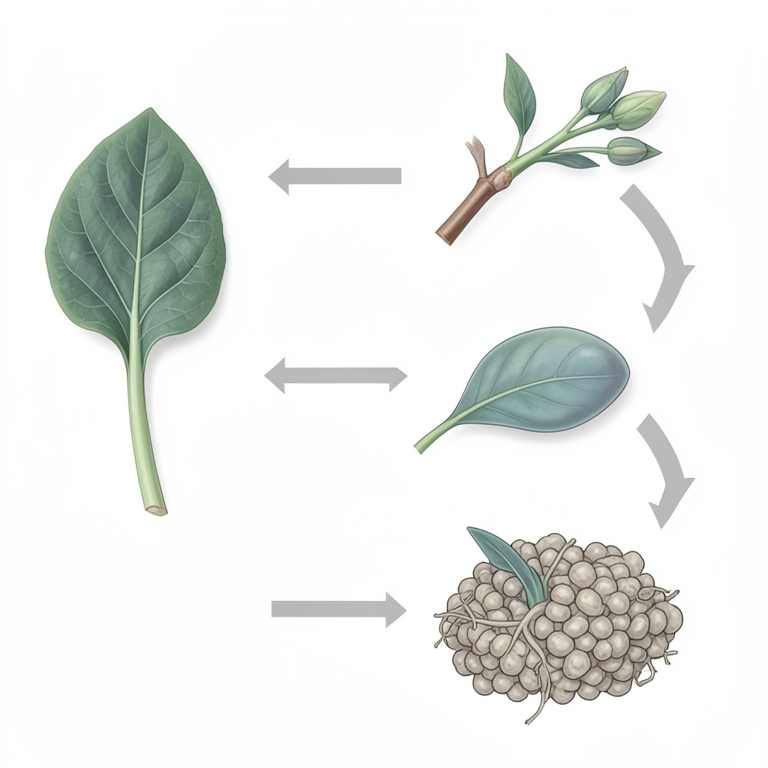
Comparison of Regeneration Pathways
AI-generated conceptual illustration (Arabidopsis thaliana plants). It explains the idea and does not show study data.
View source evidence ↗Figures & tables
From the original paper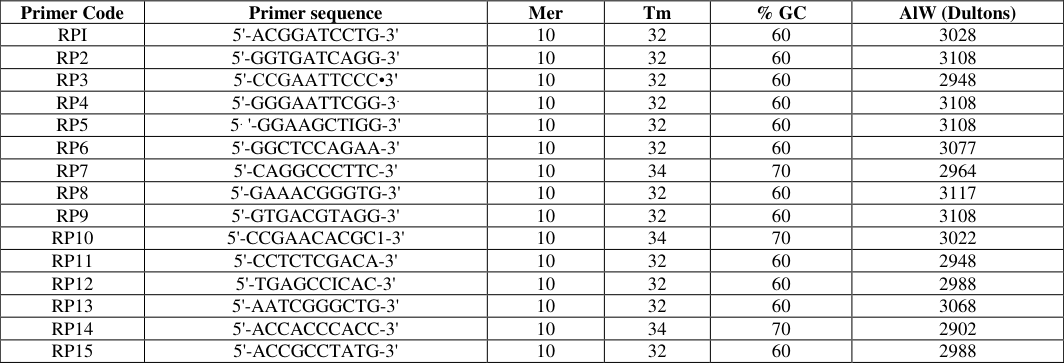 Table 1
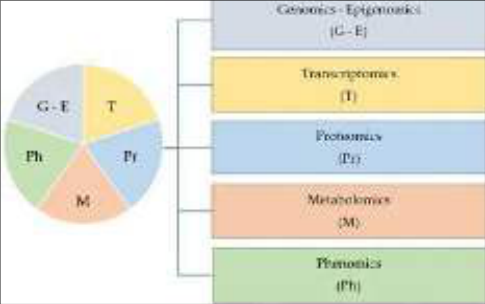 Figure 1
Introduction
Several wild species of Limonium are indigenous to the southern parts of Italy, demonstrating the genus's adaptability to the Mediterranean climate and habitat. As a result of its beauty and versatility, Limonium is cultivated all over the globe for use in floral arrangements, both wet and dry. The decorative market is driven in large part by the novelty and aesthetic value of new designs. Historically, plant breeders and scientists have sought novel variations in things like flower color and/or plant design. Some plant characteristics may be altered by the introduction of foreign genes involved in growth factor production and development. Particularly, genes that affect phytohormone levels because a wide variety of morphological and physiological changes in the altered plants, including plagiotropic roots, decreased apical dominance in roots and stems, increased branching, wrinkled leaves, accelerated or delayed blooming, and diminished pollen fertility. Limonium (Limonium) hybrids and cultivars are popular as fresh or dried cut flowers, but only for a select few species. In a field that thrives on change, businesses are continuously on the lookout for methods to experiment with new varieties of plants. There are more than 150 different Limonium species, but only around 15-20 of them (or their hybrids) are commercially important. There is a lot of uncertainty about how many species exist in this genus since it has been so little studied. Natural hybridization occurs in many species, which breeders have exploited for decades. There are, however, several methods that might be useful for bringing innovation in Limonium and therefore for breeders, farmers, and consumers.
Literature review
Tarquini, Giulia & Dall'Ara, Mattia & Ermacora, Paolo & Ratti, Claudio (2023) [1] Unknown viruses may evolve as a result of environmental changes and global warming, and their transmission would be facilitated by the trade in plant products. Viruses pose a serious danger to the winemaking sector and the cultivation of grapes. Their control is difficult and depends heavily on preventative measures to guard against the spread of viruses to vineyards. The use of agrochemicals is a primary technique to control insect vectors in vineyards, along with the use of virus-free planting material. The European Green Deal has set a target of halving the usage of agrochemicals by the year 2030. As a result, there is an urgent need for the creation of methods that permit the long-term management of viral illnesses in vineyards. Several novel biotechnological techniques have been discovered to promote viral resistance in plants, and we describe them here. Many potential methods, like as transgenesis, stilldebated genome editing technologies, and RNAi-based tactics, are discussed in this study to illustrate their efficacy in the treatment of viral infections in grapevine. We conclude by discussing how grapevine viruses have been transformed from targets to tools in the production of viral vectors for application in cutting-edge biotechnologies. Dutta, et al., (2023) [2] The Phoebe goalparensis, a member of the Lauraceae family, can only be found in the forests of North East India. North East Indian furniture markets value P. goalparensis plants for the commercial timbers they produce. Using apical and axillary shoot tips on Murashige and Skoog media supplemented with varying amounts of plant growth regulators, a quick in vitro micropropagation strategy was devised. The results of this experiment indicated that shoot multiplication was most successful when performed in a medium supplemented with 5.0 mg/l BAP. Root induction was best served by IBA (2.0 mg/l). Additionally, during the rooting experiment, 70% root induction was recorded, and throughout the acclimation process, 80% -85% survival was seen. P. goalparensis clonal fidelity was evaluated using an ISSR marker, and it was found that plantlets grown in vitro were polymonomorphic. Therefore, a technique was devised for P. goalparensis with high rates of proliferation and rooting, which might eventually help in its vast dissemination. Singh, et al., (2023) [17] . The potential for agricultural development and basic research is huge thanks to genomics and genome editing. When compared to unintended insertional events, which are often achieved by safe but uninspiring genetic alteration methods, the benefits of precise modification in a designated site of a genome are clear. Molecular scientists are now able to precisely and efficiently alter gene expressions or generate novel genes thanks to the development of new genome editing procedures, such as Zinc Finger Nucleases (ZFNs), Homing Endonucleases (HEs), Transcription Activator Like Effector Nucleases (TALENs), Base Editors (BEs), and Primer Editors (PEs). All of these methods require complex procedures, such as protein engineering, which are both time-consuming and expensive. CRISPR/Cas9 is easy to build compared to first-generation genome editing technologies, and each clones may theoretically target several sites in the genome using various guide RNAs. Several unique Cas9 cassettes have been discarded in an effort to improve mark discrimination and reduce random cuts, after the CRISPR / Cas9 module's successful use in crop. Bio-fortifying cytokinin dehydrogenase, nitrate reductase, and superoxide dismutase to induce drought resistance, heat tolerance, and higher yield in chickpea to face global climate change, hunger, and nutritional threats is discussed along with the development of genome editing tools and their applications in chickpea crop development. [4] Using bioinformatics, plant breeders may accelerate the isolation of new varieties by identifying the best possible combinations of genotypes to achieve a particular trait. Collecting and analyzing phenotypic data from plants is also made easier with the use of bioinformatics. Robots that use automated and digital technologies to collect and analyze different types of information have aided plant research and saved human resources by keeping track of the environment in which plants grow, analyzing the stresses they face, and promptly optimizing suboptimal and adverse growth conditions. In this study, we discuss the possible uses of bioinformatics databases and algorithms in plant breeding and disease resistance research.
Mu, Huiying & Wang, Baoshan & Yuan, Fang (2022)
Morgan, Ed & Funnell, Keith (2018) [5] Limonium (Limonium) hybrids and cultivars are popular as fresh or dried cut flowers, but only for a select few species. Opportunities to develop novel cultivars are continually pursued in an industry that thrives on innovation. There are more than 150 different Limonium species, but only around 15-20 of them (or their hybrids) are commercially important. Estimates of the number of species in this genus are very controversial and lack precision. Natural hybridization occurs in many species, which breeders have exploited for decades. Breeders, farmers, and consumers may all benefit from exploring other methods for offering novelty in Limonium. Although few studies have been published on the topic, a variety of methods that supplement traditional breeding efforts for Limonium have been described. In this chapter, we provide a rundown of ways in which the internationally renowned variety of the Limonium (Limonium) genus might be used to create fresh options for the worldwide cut-flower trade. Variety within the genus is presented, and Limonium breeding strategies are briefly discussed. Limonium in vitro applications are discussed. Some examples include molecular breeding, mutagenesis, ploidy modification, embryo rescue, and hybridization.
Research Methodology Plant materials
The research used Limonium sinense var. Golden Diamond plants that had been regrown from tissue culture. The vegetation was once gathered from K.F. Bioplants Pvt. Ltd. in Pune-411036, India. Seedlings were nurtured under greenhouse conditions in clay pots (15 cm in diameter) with a mixture of garden soil, sand, and cow manure (1:1:1). Axillary shoot proliferation was induced from explants of immature inflorescence stems, while Dormant Shoot Elongation (DSE) and Independent Shoot Elongation (ISE) were induced from explants of leaves (Chapter I). The current work employed RAPD and ISSR to examine genetic diversity among 11 in vitro regenerants from inflorescence culture, 11 regenerants from DSE, and 10 in vitro regenerants from ISE that had a similar physical appearance.
Genomic DNA extraction and purification
Explants were grown from chosen inflorescence culture generated and embryo derived (obtained by DSE and ISE) clones of L. sinense, and genomic DNA was isolated from leafsegments of donor (Mother Plants) plants using a modified CTAB approach (Doyle and Doyle, 1987).
Tris-hydroxy-methyl-amino-methane is a common chemical molecule having the formula (HOCH2)3. The exact molecular mass is 121.14 grams. One hundred milliliters of 1M Tris-HCl solution requires the dissolution of 12.114 grams of Tris (HiMedia, India) into 80 milliliters of doubledistilled water. Double-distilled water was used to get the solution's pH level up to 8.0 and its volume down to 100 ml. The stored solution had been autoclaved.
Ethylene diamine tetra acetic acid is the chemical compound with the formula [(HC>2CCH2)2 NCH2CH2N (CH2CC>2H]2. 9.3060 g EDTA (Sisco Research Laboratories, India) was dissolved in 35 ml of double-distilled water to make 50 ml of 0.5 (M) EDTA solution (pH 8.0). Double-distilled water was used to get the volume of the solution up to 50 ml and to bring the pH level to 8.0. The stored solution had been autoclaved.
NaCl has a molecular weight of 82.02, which is the same as sodium acetate. Sodium acetate (anhydrous) (Sisco Research Laboratories, India) was weighed out at 21.61 grams, and 80 milliliters of double-distilled water were added to the solution to bring the pH level up to 5.0. Using double-distilled water, the solution's pH was brought down to 5.0, and its volume was brought up to 100 ml.
D. TE buffer
Genomic DNA was diluted and kept in high salt TE buffer after being extracted. Both 10 mM tris-Cl (pH=8.0) and 1 mM EDTA (pH=8.0) were used in its preparation. Autoclaving the solution for 20 minutes at 15 psi on the liquid cycle ensured its sterility. Keep at room temperature for storage.
CTAB method of DNA extraction buffer
Immediately before use, add 1% PVP (w/v) to a solution containing 100 mM Tris-Cl (pH 8.0), 20 mM EDTA, 1.5 M NaCl, 2% CTAB, 0.2% P-mercaptoethanol (v/v), and 1% PVP (w/v).
DNA extraction protocol A. Extraction step 1. First, use a mill and pestle and 1 g of liquid nitrogen to pulverize some newly regenerated leaf tissue. Rest for 1 (h) at 37 degrees Celsius. 2. Then, combine the phenol and chloroform (1:1) by inverting the bottle gently for two minutes.
Data analysis
Genetic improvement in sunflower breeding-integrated omics approach: Severe abiotic stressors, such as those caused by droughts, floods, and other natural catastrophes, as well as developing diseases and a shrinking supply of arable land, are now posing a serious danger to global crop output. Providing enough plant-based goods for a rising global population is undeniably agriculture's primary goal.
Growing demand is expected to raise food needs by 70% by 2050, yet the improvements in production and food quality delivered by "The Green Revolution" are not nearly enough to keep up with the pace. Given that yearly gains in agricultural production are evaluated at between 0.8% and 1.2%, the projection of linear advancement of 2% of genetic increase in order to satisfy needs seems dubious.
Molecular omics profiling Genomics-Pangenomics
Acquiring suitable variety is the basic foundation for making progress in response to new breeding difficulties, which is why genetic improvement of sunflower is so important. From a breeding perspective, having access to comprehensive data on the genetic and phenotypic characteristics of accessible germplasm is crucial for making the best possible choices when deciding which organisms to cross. While there is a vast amount of genetic material in collections around the world, there is a dearth of data on these resources, which makes it difficult to find advantageous alleles that can be used in breeding and transferred into elite genotypes.
Epigenomics
Many environmental stimuli have a profound effect on plant phenotypic development at various stages of their life cycles. Their unpredictability, along with their vulnerability to conditions like severe heat and drought, makes them a formidable foe. Plants have evolved diverse methods to assist them deal with the ongoing problems they face as a result of the major impact of external influences.
Gene function translation Transcriptomics
More environmental stress is being put on crops, making the already difficult task of crop breeding even more difficult. The impact of environmental, climatic, and other conditions on plant growth may be better comprehended if we have a firm grasp on the molecular-level biological processes that occur throughout the plant's life cycle and inside each cell. High throughput transcriptome analysis and the decoding of complicated transcriptional changes throughout phenotypic (Genes x environments) development became possible with the advent of modern sequencing technology. Transcriptome analysis provides the information necessary to determine the transcriptional regulatory elements and processes necessary for cellular viability.
Integrated omics approach-systems biology
Thanks to advances in technology, researchers can now conduct in-depth and complicated omic-studies, which provide useful conclusions on cellular activity under varying conditions. Such information may be used to incorporate the prediction of significant agronomic features into the framework of quantitative genetics. Interaction information between and across biological layers is predicted to be grouped by omics data, improving the predictability of a characteristic, as described. Systems biology refers to an integrated approach that makes use of many omics datasets.
Conclusion
In conclusion, through the present study, for the first time, in vitro regenerated plants of Limonium sinense var. Golden diamond obtained via axillary shoot formation from inflorescence culture, direct or indirect somatic embryogenesis from leaf explants have been genetically analyzed through RAPD and ISSR markers and it was found that regenerants obtained from axillary branching of inflorescence and Direct Somatic Embryogenesis (DSE) from leaf were genetically stable after in vitro propagation whereas regenerants obtained from Indirect Somatic Embryogenesis (ISE) showed polymorphism. The regenerated plantlets were always morphologically indistinguishable from the plants propagated vegetatively ex vitro. It is suggested that axillary shoot proliferation from inflorescence and DSE could offer the appropriate methods for obtaining true-to-type plants. In this study, an efficient method for developing an Agrobacterium-mediated transformation system for Limonium sinense var. Golden diamond was described. Agrobacterium tumefaciens mediated transformation of this genus has also been reported by Igawa and Mii (2002) [15] in Limonium sinuatum Mii. via cell suspension derived from friable call! originated from leaf tissue. Mercuri et al., 2001 reported Ri plasmid-based Agrobacterium transformation of Limonium sterile hybrid LI 16 (Limonium otolepis, Kuntze x Limonium latifolium, Kuntze). All transgenic plants obtained in this study have been confirmed by GUS assay and genomic PCR. As it is known that various forms of antibiotics and their concentrations have either positive or negative effects on cell growth and/or plant regeneration. The choice of antibiotics in genetic transformation experiments must be influenced by the ratio of concentrations inducing plant and bacterial toxicity. Reports on how well antibiotics-controlled contamination grown on bacterial media, are not particularly informative unless they are also accompanied by the results of tests for phytotoxicity. Mercuri et al., (2001) [16] and Igawa and Mii (2002) [15] have used Cefotaxim to eliminate Agrobacterium from transformed leaf (300 mg f1) and friable embryogenic tissues ((250 mg l'1)) respectively. Derks et al., have also recommended Cefotaxim to eliminate Agrobacterium from transformed somatic embryos in R. hybrid cv. Sonia. In this study, it was found that addition cefotaxime in culture medium at a concentration of 300 mg f1 effectively inhibited the growth of Agrobacterium without providing much inhibitory effect on regeneration of plantlets from both leaf and embryogenic callus. In the present transformation experiment the antibiotic Kanamycin was employed as a selection agent for cells carrying foreign genes. Efficient selection is a necessary prerequisite for successful transgenic plant production. Kanamycin is the most widely used selective agent and has been used successfully for selection of A. tumefaciens mediated transformed tissues. In particular, have reported that the neomycin phosphotransferase (NPTLL) gene is one of the most effective selectable marker genes and successfully produced Kanamycin resistant transgenic plants in sugarcane.
Figures and tables from the paper
| Primer Code | Primer sequence | Mer | Tm | % GC | AlW (Dultons) |
|---|---|---|---|---|---|
| RPI | 5'-ACGGATCCTG-3' | 10 | 32 | 60 | 3028 |
| RP2 | 5'-GGTGATCAGG-3' | 10 | 32 | 60 | 3108 |
| RP3 | 5'-CCGAATTCCC•3' | 10 | 32 | 60 | 2948 |
| RP4 | 5'-GGGAATTCGG-3. | 10 | 32 | 60 | 3108 |
| RP5 | 5. '-GGAAGCTIGG-3' | 10 | 32 | 60 | 3108 |
| RP6 | 5'-GGCTCCAGAA-3' | 10 | 32 | 60 | 3077 |
| RP7 | 5'-CAGGCCCTTC-3' | 10 | 34 | 70 | 2964 |
| RP8 | 5'-GAAACGGGTG-3' | 10 | 32 | 60 | 3117 |
| RP9 | 5'-GTGACGTAGG-3' | 10 | 32 | 60 | 3108 |
| RP10 | 5'-CCGAACACGC1-3' | 10 | 34 | 70 | 3022 |
| RP11 | 5'-CCTCTCGACA-3' | 10 | 32 | 60 | 2948 |
| RP12 | 5'-TGAGCCICAC-3' | 10 | 32 | 60 | 2988 |
| RP13 | 5'-AATCGGGCTG-3' | 10 | 32 | 60 | 3068 |
| RP14 | 5'-ACCACCCACC-3' | 10 | 34 | 70 | 2902 |
| RP15 | 5'-ACCGCCTATG-3' | 10 | 32 | 60 | 2988 |
Table text extracted from the original PDF; superscript letters are shown inline. The original table image is below.
View original table image
References
12 in the original paper- Tarquini G, Dall'Ara M, Ermacora P, Ratti C. traditional approaches and emerging biotechnologies in grapevine virology. Viruses. 2023;15(4):826.
- Dutta Mudoi D, Gogoi B, Borah G, Hussain M, TASFIA S, BORAH K, et al. An assessment for in vitro propagation and genetic stability of Phoebe goalparensis Hutchinson, an endemic valuable timber tree of North East India. Journal of Genetic Engineering and Biotechnology. 2023;21(1):29-21.
- Patil KH. A study of agriculture transformation and development in India. International Journal of Geography, Geology and Environment. 2021;3(1):2930.
- Mu H, Wang B, Yuan F. Bioinformatics in Plant Breeding and Research on Disease Resistance. Plants. 2022;11(22):3118.
- Kumar N, Reddy MP. In vitro plant propagation: A review. Journal of Forest and Environmental Science. 2011;27(2):61-72.
- Jain S. Mutation-assisted breeding for improving ornamental plants. Acta Horticulturae. 2006;714(714):85-98.
- Wang Q, Li P, Hanania U, Sahar N, Mawassi M, Gafny R et al. Improvement of Agrobacterium-mediated transformation efficiency and transgenic plant regeneration of Vitis vinifera L. by optimizing selection regimes and utilizing cryopreserved cell suspensions. Plant Science. 2005;168(2):565-571.
- Grigoriadou K, Krigas N, Sarropoulou V, Maloupa E, Tsoktouridis G. Vegetative propagation and ex-situ conservation of Acantholimon androsaceum and Limonium chersonesum, two promising local endemics of Crete (Greece) available for floricultural and pharmaceutical sustainable exploitation. Notulae Botanicae Horticuture Agrobotanici Cluj-Napoca. 2021 Mar 26;49(1):12261.
- Tulu L, Miccah S, Runo S, Tefera W, Mugoya C, Masiga C, et al. Drought tolerant tropical maize (Zea mays L.) developed through genetic transformation with isopentenyltransferase gene. Journal of Biotechnology. 2016 Nov 9;15(43):2447-2464.
- Seema N, Khan I, Raza S, Yasmeen S, Sajida B, Nizamani GS et al. Assessment of genetic variability in somaclonal population of sugarcane. Pakistan Journal of Botany. 2014;46(6):2107-2111.
- Perez de la Torre M, Fernández P, Greppi J, Coviella M, Fernández M, Astigueta F, et al. Transformation of Mecardonia (Plantaginaceae) with wild-type Agrobacterium rhizogenes efficiently improves compact growth, branching and flower related ornamental traits. Scientia Horticulturae. 2018;234:300311.
- Singh C, Kumar R, Sehgal H, Bhati S, Singhal T, Gayacharan, et al. Unclasping potentials of genomics and gene editing in chickpea to fight climate change and global hunger threat. Frontiers in Genetics. 2023;14:1085024.