
Research article · 2024 · Full text
International Journal of Biology SciencesImpact of chlordecone exposure on reproductive system: A concise review
Volume 6(1) · Pages 124–128 · DOI: 10.33545/26649926.2024.v6.i1b.198 ↗
Research areasToxic Organic Pollutants Impact
Abstract
Author-writtenChlordecone, also identified as Kepone, is an organochlorine pesticide which was formerly used worldwide from 1972 to 1993 especially in the French West Indies for protecting banana plantation against weevil attack that has been banned to production and was included in the Stockholm Convention on Persistent Organic Pollutants due to its various toxic effects. As per literature, a variety of animals, including humans, rats, and birds, are affected by the neurotoxicity, cumulative and delayed toxicity, and as well as reproductive impairment caused by kepone. Concerns have been expressed regarding this's possible impacts on human health, especially in respect to how it may affect both male and female reproductive systems in terms of fertility, pregnancy, and levels of reproductive hormones. Testicular size may decrease due to chlordecone, and the quality of the sperm may also decline. Due to its estrogenic effects both in vitro and in vivo, chlordecone is also an endocrine disruptor. Recent epidemiological studies have demonstrated that exposure to chlordecone is linked to the development of poor health outcomes, including prostate cancer. Genes involved in cell division, DNA repair, and chromosomal segregation are also altered by ketone in the testis. Male reproductive system harmed by kepone, which led to a reduction in the number of progeny, a lengthening of generation times, and a fall in fertility and reproductive rate. Furthermore, the male reproductive toxicity of kepone can be passed on to the progeny. We seek to ascertain the scope of the effects of chlordecone exposure on reproductive health and discover any probable mechanisms behind these effects by reviewing the body of research already available on the subject.
Summary
Source-checkedPlain-language reading of the full paper, prepared with AI and checked against the text. Each point links to the authors' own words.
Why it matters
- Chlordecone (also known as Kepone) is an organochlorine pesticide used between 1972 and 1993, primarily in the French West Indies to protect banana plantations from weevils. View evidence ↗
- Because of its long half-life, chlordecone persists in the environment and continues to expose humans through contaminated water and food. View evidence ↗
- In rodents, chlordecone is known to be carcinogenic, neurotoxic, and a toxicant for development and reproduction, particularly during the period from conception to childhood. View evidence ↗
The question
- The authors aim to determine the extent of chlordecone's impact on reproductive health and identify the underlying mechanisms by reviewing existing research. View evidence ↗
What they did
- The review was conducted via a comprehensive database search for animal experiments, epidemiological studies, and in vitro research regarding chlordecone's reproductive toxicity. View evidence ↗
What they found
- Chlordecone was detected in 88% of umbilical cord blood samples and 83% of child blood samples. View evidence ↗
- Maternal exposure during pregnancy is linked to shorter gestation, a higher risk of preterm birth, hypotensive effects, and lower newborn weight in mothers with excessive weight gain. View evidence ↗
- In males, chlordecone exposure is associated with reduced sperm motility and production, and increased levels of Sex Hormone-Binding Globulin (SHBG). View evidence ↗
- Adult exposure to chlordecone increases the risk of prostate cancer, with a stronger association observed in men who have a family history of the disease. View evidence ↗
- In women, higher chlordecone exposure is linked to increased infertility, as well as higher rates of low birth weight, premature delivery, and miscarriages. View evidence ↗
- Chlordecone has a fat-to-blood ratio of 14; it was found in all samples of pregnant women in one instance and in 87% of 112 pregnant women who delivered via cesarean in Guadeloupe. View evidence ↗
- Prenatal exposure is associated with poorer fine motor development in boys at 7 and 18 months of age, suggesting the effects may be sex-specific. View evidence ↗
- Chlordecone acts as an endocrine disruptor by serving as an agonist for estrogen receptor Alpha (ERα) and an antagonist for estrogen receptor Beta (ERβ). View evidence ↗
What it means
- The authors conclude that chlordecone significantly compromises both male and female reproductive health through mechanisms including oxidative stress, epigenetic alterations, and endocrine disruption. View evidence ↗
- The authors note a lack of empirical data to determine the specific degree to which prenatal and postnatal exposures relate to effects in children of school age. View evidence ↗
Visual summary
1 visualsIllustrations explain the paper; they do not show study data.
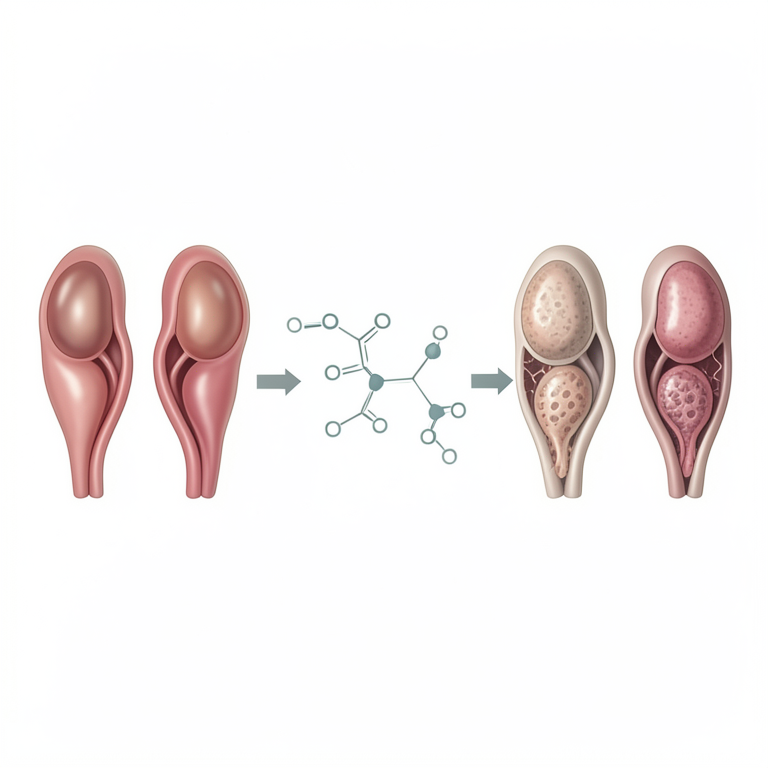
Study overview
AI-generated conceptual illustration (female and male rodent reproductive organs). It explains the idea and does not show study data.
View source evidence ↗Introduction
Chlordecone is a chlorinated organic compound that was extensively used as an agricultural pesticide in banana plantations and other crops in the French West Indies (FWI) from 1976 to 1993 under the brand name of Curlone. In agricultural practices it was banned in the late 1970s due to its highly toxic nature. Despite this ban, chlordecone remains a persistent environmental contaminant, especially in regions where it was heavily applied, such as the French West Indies and due to its long half-life in the environment and the potential for human exposure through contaminated food and water sources. This has raised concerns about its potential impact on human health, particularly its effects on the reproductive system. Chlordecone is recognized as a reproductive and developmental toxicant, neurotoxic and carcinogenic in rodents, and can interfere with normal development during sensitive periods from conception to childhood. The French authorities and population became aware of the extent of the pollution of environmental media in 1999 when the implementation of the Drinking Water Directive of the European Union in the FWI revealed the presence of chlordecone at high concentrations in numerous water resources. The FWI population is still contaminated with chlordecone, which is a long-lasting source of exposure to future generations. Chlordecone exposure can occur through occupational exposure and environmental contamination, and can enter the body through diet, causing human toxicity. Chlordecone is present in environmental media, including soils, waterways, and the food chain, and is the chlorinated chemical most frequently detected and at the highest concentrations in wild birds, mammals, fish, and shellfish living in areas of banana cultivation or at the coast near outlets of contaminated rivers. The distribution of chlordecone in cord and child blood samples was detected in 88% and 83% of samples, respectively, and exposure to environmental levels of chlordecone has been documented in the FWI populations, including pregnant women, through consumption of contaminated foodstuffs, Prenatal exposure to chlordecone has been associated with various negative outcomes in infants, including poorer visual recognition memory, slower visual processing speed, increased thyroid stimulating hormone levels, and poor fine motor development. Furthermore, maternal exposure to chlordecone during pregnancy has been linked to hypotensive effects, decreased length of gestation increased risk of preterm birth, and decreased weight of newborns from mothers with excessive weight gain during pregnancy.
Chlordecone is an endocrine-disrupting chemical with estrogenic properties and it can bind to estrogen receptors and stimulate the synthesis of the progesterone receptor in rat uterine tissues. The observed associations between chlordecone exposure and decreased gestational length and increased risk of preterm birth are believed to be due to its estrogenic or progestin effects. Additionally, chlordecone exposure has been found to impact the kidney and can have detrimental effects on female reproductive abilities. Studies conducted on animals have shown that chlordecone can have similar effects on the nervous system, liver, and male reproductive system as observed in humans. Furthermore, experimental exposure to chlordecone in rodents has demonstrated effects on sperm production and motility, and similar impacts have been observed in men exposed to chlordecone. Overall, these findings highlight the significant and wide-ranging effects of chlordecone exposure on human reproductive health. A comprehensive search of databases was conducted to identify chlordecone exposure and its effects on the reproductive system. Studies that investigated the mechanisms of reproductive toxicity, including animal experiments, epidemiological studies, and in vitro research etc.
Effects of chlordecone on human health
Chlordecone exposure may have harmful effects on human reproductive health. It is likely that dermal exposure is the primary route, however, inhalation and ingestion may also contribute to this effect. High occupational exposure to chlordecone has been linked to toxic effects on the nervous system, liver, and reproductive system in humans. Here are some of the known effects of chlordecone exposure on human health:
Endocrine disruption: Chlordecone is an endocrinedisrupting chemical with estrogenic properties and it can bind to estrogen receptors and stimulate the synthesis of the progesterone receptor in rat uterine tissues. Chlordecone has been shown to disrupt endocrine function by mimicking or antagonizing the actions of endogenous hormones. This disruption can affect the hypothalamic-pituitary-gonadal axis, leading to altered hormone levels, menstrual irregularities, and impaired fertility.
Neurological effects: Chlordecone exposure has been linked to neurotoxicity, which can manifest as tremors, muscle weakness, and other neurological symptoms. Prolonged exposure may lead to more severe neurological disorders. The neurotoxic effects of chlordecone are worrisome, as they can lead to cognitive impairments and developmental delays in exposed individuals.
Oxidative stress: Exposure to chlordecone has been linked to increased oxidative stress in reproductive tissues, including the ovaries and testes. Elevated levels of Reactive Oxygen Species (ROS) can lead to DNA damage, lipid peroxidation, and protein dysfunction, potentially compromising gamete quality and fertility.
Epigenetic alterations: Emerging evidence suggests that chlordecone exposure can induce epigenetic modifications in reproductive tissues. Epigenetic changes, such as DNA methylation and histone modifications, can disrupt gene expression patterns critical for reproductive development and function.
Behavioral and cognitive effects: Long-term exposure to chlordecone has been associated with changes in behavior and cognitive function, including memory impairment and decreased cognitive performance.
Effects of chlordecone on male reproductive system
Chlordecone exposure has been associated with several adverse effects directly on the male reproductive system.
Research has shown that chlordecone has been linked to a number of adverse effects in male subjects, including decreased sperm production and motility, as well as increased Sex Hormone-Binding Globulin (SHBG) levels.
Several studies have revealed that occupational exposure to high levels of chlordecone have been linked to increased concentrations of certain hormones, including luteinizing hormone, dehydroepiandrosterone sulfate, and estradiol.
Animal studies indicate that chlordecone can damage the testicles thus leading to testicular atrophy where the testicles shrink in size, and can contribute to fertility problems and impaired spermatogenesis. In men exposed to chlordecone at the Hopewell factory, sperm production and motility were negatively affected, with experimental exposure having similar results both in occupational settings and through experimental exposure in rodents. Chlordecone exposure has a transgenerational effect on the male reproductive system, leading to changes in RNA expression and decreased numbers of Sertoli germ cells, which affect meiosis in mice. Chlordecone can disrupt the endocrine system, including the production and regulation of hormones like testosterone. This can lead to hormonal imbalances, which can have a negative impact on reproductive function. Exposure to chlordecone in adulthood is associated with an increased risk of prostate cancer in men, and associations between chlordecone exposure and prostate cancer were stronger in men with a family history of prostate cancer. There are no current studies available on whether chlordecone is carcinogenic in people with regards to male fertility. Research has revealed that gestational exposure to chlordecone is associated with elevated levels of selected thyroid and sex-steroid hormones, including DHEA, TT, and DHT, in humans. Furthermore, studies have discovered that chlordecone exposure during the critical period for sexual differentiation of the brain can alter sex-dependent behaviors in adult rats, which may affect male fertility. Male rats exposed to chlordecone were found to be hypersensitive to the motility increasing effects of apomorphine, a dopamine receptor agonist. It has also been found that chlordecone exposure alters catecholamine activity, including dopamine, by decreasing their synaptic binding and uptake.
Mechanisms of chlordecone action on the male reproductive system
Chlordecone, a synthetic insecticide that has been banned in many countries, has been shown to have a negative impact on male reproductive function. Chlordecone binds to both estrogen receptors Alpha (ERα) and Beta (ERβ). ERα mediates the negative effects of estrogen on the prostate, leading to abnormal proliferation, inflammation, and malignancy. In contrast, ERβ plays a beneficial role in the body, exerting antiproliferative, anti-inflammatory, and potentially anticarcinogenic effects. Chlordecone acts as an agonist of ERα and an antagonist of ERβ. This can lead to the proliferation of estrogen-sensitive tissues, as the agonistic effects of chlordecone on ERα and antagonistic effects on ERβ disrupt the balance between these two receptors. Additionally, exposure to chlordecone can alter binding capacity of ESR1 in embryonic testis of mice, indicating endocrine-disrupting action of chlordecone in gonads. Gestational exposure to chlordecone also leads to a decrease in the number of undifferentiated Sertoli Germ (SG) cells in male mice F3 generations, affecting meiosis and altering RNA expression. Furthermore, changes in H3K4me3 occupancy at many genes and altered H3K27me3 and H4K5Ac marks have also been observed in F3 generation male mice exposed to chlordecone. These findings suggest that chlordecone may act as a tumor promoter through hormone-mediated effects and can have adverse effects on male reproductive function.
Effects of chlordecone on female reproductive system
Chlordecone has been associated with numerous adverse reproductive effects in women. In a recent study, exposure to chlordecone in female subjects was associated with a decrease in fecundity. Higher levels of exposure to chlordecone were associated with an increased risk of infertility in the women studied. In addition to decreased fertility, chlordecone has also been linked to increases in miscarriages, premature delivery, and low birth weight.
Animal studies suggest that chlordecone can disrupt estrous cycles and decrease oocyte quality with increasing the development of large follicles. In terms of maternal exposure, studies have shown that in female rats, higher levels of chlordecone exposure are associated with a significantly shorter length of gestation, lower fertility and an increased risk of preterm birth. This is likely due to the ability of chlordecone to bind to estrogen receptors and stimulate the synthesis of the progesterone receptor in uterine tissues, affecting the role of progesterone in maintaining pregnancy. Chlordecone has also been linked to certain hormonal effects in female subjects, including increased luteinizing hormone levels and decreased estradiol levels. This suggests that chlordecone may interfere with the normal functioning of the female reproductive system, possibly through its effects on the Hypothalamic-Pituitary-Gonadal (HPG) axis. Chlordecone has been shown to negatively impact female reproductive function and behavior. The fat to blood ratio was 14 for chlordecone and it was detected in all samples of pregnant women's. In a study in Guadeloupe, chlordecone concentration was determined in 112 pregnant women and was detected in 87% of women who delivered by cesarean.
Although there was no study available on whether chlordecone is carcinogenic in people, ingesting chlordecone can cause liver, adrenal gland and kidney tumors in mice and rats.
Mechanisms of chlordecone action on the female reproductive system
Research studies have shown that fertility is substantially reduced in female rats after impregnation with chlordecone exposure, leading to constant estrus and failure to reproduce. Moreover, chlordecone administration to female hamsters or rat pups has been found to masculinize them. Chlordecone affect the development of large follicles and the absence of corpora lutea in the ovaries. The pesticide binds to estrogen receptors α (ERα) and β (ERβ), acting as an agonist of ERα and an antagonist of ERβ. Chlordecone is considered an endocrine disruptor, with estrogenic and progestogenic-like properties that have been established in vivo and in vitro. It may activate alternative estrogen signaling pathways or other enzymes and receptors involved in steroid homeostasis. Chlordecone can also result in persistent estrus in rats, similar to the effect of DDT, mancozeb, and 3, 3', 4, 4'-tetrachloroazobenzene. Lindane, another organochlorine pesticide, can delay ovulation by prolonging the proestrus phase considerably. The mechanism by which chlordecone disrupts the female reproductive system is complex and requires further research.
Potential health effects of chlordecone on newborn babies
Newborn babies can be exposed to chlordecone through various means, both prenatally and postnatally. Prenatal exposure to chlordecone is evaluated by measuring concentrations in cord plasma, which comes from umbilical cord blood. Postnatal exposure of newborn babies is estimated from levels found in the mother's breast milk, as well as through the consumption of foodstuffs that are likely to be contaminated with chlordecone. A study investigated both pre-and postnatal exposures to chlordecone and found that they have negative effects on cognitive abilities and problem behaviors in children at age 7 years. However, the study also concluded that there is currently no empirical data to determine the degree to which prenatal and postnatal chlordecone exposures are associated with effects in schoolaged children.
Prevention and intervention
Preventing the adverse effects of chlordecone on the human reproductive system is of utmost importance in order to protect public health and well-being. Exposure to chlordecone, an organochlorine insecticide that was previously extensively used, has been linked to various adverse effects on the reproductive system.
Recent studies have shown that chlordecone can cause the arrest of sperm maturation, block reproductive function, and exhibit estrogen-like effects on the female reproductive system in birds and mammals. In addition, chlordecone has been found to be carcinogenic in trout and rats. To prevent these detrimental effects, several strategies can be implemented. First and foremost, it is crucial to limit or eliminate exposure to chlordecone. Minimize direct contact with chlordecone-contaminated soil, water, or agricultural products. This can be particularly important in regions where chlordecone has been historically used. Thoroughly wash and peel fruits and vegetables, especially those with porous skins like root vegetables, as they can absorb chlordecone from contaminated soil. In some areas, chlordecone may have contaminated fish and seafood.
Limiting your consumption of fish from potentially contaminated water bodies can help reduce exposure. Additionally, implementing strict regulations and guidelines on the use and disposal of chlordecone can help reduce its presence in the environment. Furthermore, educating the public about the potential risks of chlordecone exposure and promoting awareness about safe handling and consumption practices can also play a significant role in preventing adverse effects on the human reproductive system. It's important to note that the potential effects of chlordecone on the human reproductive system can vary depending on the level and duration of exposure. If you suspect or are concerned about exposure to chlordecone and its impact on your reproductive health, it is advisable to consult with a healthcare professional who can provide specific guidance and recommendations based on your individual circumstances.
Conclusion
Overall, there is a growing body of evidence that suggests that exposure to chlordecone can have a significant effect ranging from endocrine disruption and oxidative stress to epigenetic alterations Both male and female reproductive health can be compromised, leading to miscarriages, premature deliveries, and low birth weight, sperm production and motility etc. as well as effects on reproductive hormones potentially affecting future generations.
References
15 in the original paper- Boucher O, Simard MN, Muckle G, Rouget F, Kadhel P, Bataille H, et al. Chlordecone exposure and adverse effects in French West Indies populations. Environmental Science and Pollution Research. 2016;23(1):3-8. DOI:10.1007/s11356-015-4621-5. Epub 2015 May 5.
- Multigner L, Ndong JR, Giusti A, Romana M, Delacroix-Maillard H, Cordier S, et al. Chlordecone exposure and risk of prostate cancer. Journal of Clinical Oncology. 2010;28(21):3457-3462. DOI:10.1200/JCO.2009.27.2153. Epub 2010 Jun 21.
- Kadhel P, Monfort C, Costet N, Rouget F, Thomé JP, Multigner L, et al. Chlordecone exposure, length of gestation, and risk of preterm birth. American Journal of Epidemiology. 2014;179(5):536-544. DOI:10.1093/aje/kwt313. Epub 2014 Jan 8.
- Bearer CF. How are children different from adults? Environmental Health Perspectives. 1995;103(suppl 6):7-12. JSTOR; Available from: https://doi.org/10.2307/3432337 https://www.jstor.org/stable/3432337.
- Costet N, Pelé F, Comets E, Rouget F, Monfort C, Bodeau-Livinec F, et al. Perinatal exposure to chlordecone and infant growth. Environmental Research. 2015;142:123-34. DOI:10.1016/j.envres.2015.06.023. Epub 2015 Jun 30.
- Boucher O, Simard MN, Muckle G, Rouget F, Kadhel P, Bataille H, et al. Exposure to an organochlorine pesticide (chlordecone) and development of 18-monthold infants. Neurotoxicology. 2013;35:162-168. DOI:10.1016/j.neuro.2013.01.007. Epub 2013 Jan 29.
- Linder RE, Scotti TM, McElroy WK, Laskey JW, Strader LF, Powell K et al. Spermotoxicity and tissue accumulation of chlordecone (Kepone) in male rats. Journal of Toxicology and Environmental Health, Part A Current Issues. 1983;12(2-3):183-192. https://www.tandfonline.com/doi/abs/10.1080/1528739 8309530417?journalCode=uteh19.
- Ayhan G, Rouget F, Giton F, Costet N, Michineau L, Monfort C, et al. In Utero Chlordecone Exposure and Thyroid, Metabolic, and Sex-Steroid Hormones at the Age of Seven Years: A Study From the TIMOUN Mother-Child Cohort in Guadeloupe. Frontiers in Endocrinology. 2021;12:771641. DOI:10.3389/fendo.2021.771641. eCollection 2021.
- Costet N, Lafontaine A, Rouget F, Michineau L, Monfort C, Thome JP, et al. Prenatal and childhood exposure to chlordecone and adiposity of seven-yearold children in the Timoun mother-child cohort study in Guadeloupe (French West Indies). Environmental Health. 2022;21(1):42. DOI:10.1186/s12940-02200850-2.
- Bretveld RW, Thomas CM, Scheepers PT, Zielhuis GA, Roeleveld N. Pesticide exposure: The hormonal function of the female reproductive system disrupted? Reproductive Biology and Endocrinology. 2006;4(1):14. DOI:10.1186/1477-7827-4-30 PMCID: PMC1524969 PMID: 16737536.
- Gely-Pernot A, Hao C, Legoff L, Multigner L, D'Cruz SC, Kervarrec C, et al. Gestational exposure to chlordecone promotes transgenerational changes in the murine reproductive system of males. Scientific Reports. 2018;8(1):10274. DOI: 10.1038/s41598-01828670-w. PMID: 29980752 PMCID: PMC6035262 DOI: 10.1038/s41598-018-28670-w.
- Yogi LN, Adhikari SP, Bohara KR, Thapa D. Comparative analysis of different packaging materials on the postharvest performance of banana fruits. International Journal of Horticulture and Food Science. 2023.
- Benoit P, Cravedi JP, Desenclos JC, Mouvet C, Rychen G, Samson M et al. Environmental and human health issues related to long-term contamination by chlordecone in the French Caribbean. Environmental Science and Pollution Research. 2020;27:40949-40952. https://link.springer.com/article/10.1007/s11356-02009531-4.
- Dai S, Zhang Y, Miao Y, Liu R, Pu Y, Yin L et al. Intergenerational reproductive toxicity of chlordecone in male Caenorhabditis elegans. Environmental Science and Pollution Research. 2019;26:11279-11287. DOI: 10.1007/s11356-019-04519-1. Epub 2019 Feb 22.
- Lafontaine A, Gismondi E, Boulangé-Lecomte C, Geraudie P, Dodet N, Caupos F, et al. Effects of chlordecone on 20-hydroxyecdysone concentration and chitobiase activity in a decapod crustacean, Macrobrachium rosenbergii. Aquatic Toxicology. 2016;176:53-63. https://doi.org/10.1016/j.aquatox.2016.04.006.