
Research article · 2024 · Full text
International Journal of Agriculture Extension and Social DevelopmentAssessing the blended learning ecosystem for agricultural higher education
Volume 7(2) · Pages 323–330 · DOI: 10.33545/26180723.2024.v7.i2e.341 ↗
Research areasEducational Innovations and Challenges
Abstract
Author-writtenBlended learning is a rapidly growing instructional approach that combines online digital media with traditional classroom methods. A blended learning ecosystem is a holistic approach that integrates various components of learning technology, including learning management systems (LMS), social media, mobile learning, and video conferencing tools. The purpose of this ecosystem is to provide a seamless learning experience that enhances the learning process and improves student outcomes. Blended learning has emerged as a potential solution to the challenges faced by traditional agriculture education in India. The aim of this paper is to explore the design and development of a blended learning ecosystem for agriculture education in India. The blended learning ecosystem is designed to cater to the diverse learning needs of agriculture students, covering theoretical and practical aspects of agriculture education through digital media. The paper highlights the various components of the ecosystem, including learning management system, online resources, video-based learning, gamification, and assessment strategies. The present ecosystem is intended to enhance the quality of agriculture education, increase access to learning resources, and improve the employability of agriculture graduates in India. The paper concludes by discussing the potential challenges and opportunities for the adoption of blended learning in agriculture education in India.
Summary
Source-checkedPlain-language reading of the full paper, prepared with AI and checked against the text. Each point links to the authors' own words.
Why it matters
- Agriculture is a critical part of India's economy, contributing nearly 17% of the GDP and employing more than 50% of the workforce. View evidence ↗
- Traditional agricultural education in India is hindered by a lack of qualified teachers, poor infrastructure, and limited access to quality learning materials. View evidence ↗
- Blended learning is an expanding educational method that integrates traditional classroom instruction with online digital media. View evidence ↗
The question
- The study aims to explore how a blended learning ecosystem can be designed and developed for agricultural education in India. View evidence ↗
What they did
- The survey included a total of 1,441 students and 246 faculty members. View evidence ↗
- Data was gathered using a structured questionnaire delivered both online and in-person. View evidence ↗
What they found
- Both students and faculty members generally perceived blended learning positively and expressed satisfaction with the approach. View evidence ↗
- Despite general positivity, there is a significant bias toward traditional methods when implementing the practical components of the curriculum. View evidence ↗
- A digital divide exists between users: most students only have smartphones, whereas most teachers have access to multiple devices like laptops and desktops. View evidence ↗
- Both students and faculty strongly prefer that blended learning sessions occur during the institution's regular teaching hours. View evidence ↗
- Lack of internet connectivity and technology access, especially in rural regions, was identified as a primary barrier to adopting blended learning. View evidence ↗
What it means
- The authors conclude that with proper investment in training, infrastructure, and technology, blended learning can improve educational quality, access, and equity in developing countries. View evidence ↗
- The authors note that the survey data reflects a specific group of students and may not be representative of the broader student population. View evidence ↗
Visual summary
1 visualsIllustrations explain the paper; they do not show study data.

Digital Access Gap
AI-generated conceptual illustration (University students and faculty members in an agricultural setting). It explains the idea and does not show study data.
View source evidence ↗Figures & tables
From the original paper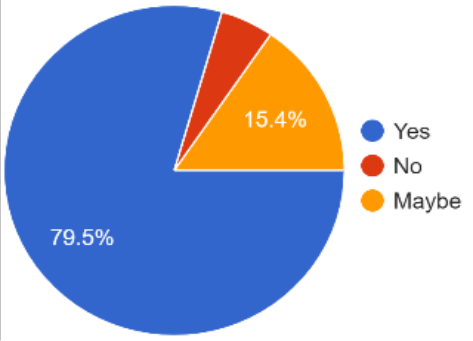 Figure 1
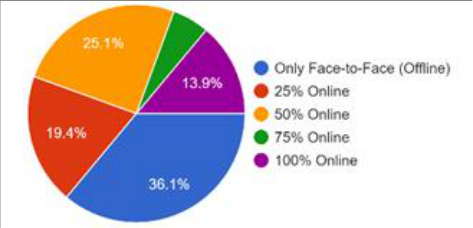 Figure 2
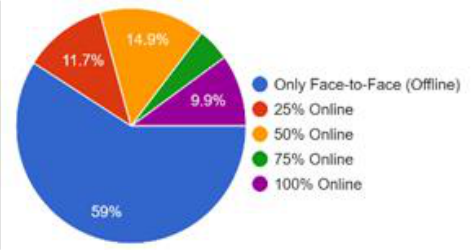 Figure 3
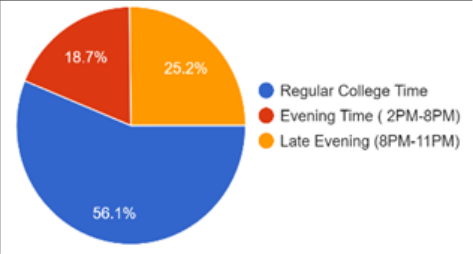 Figure 4
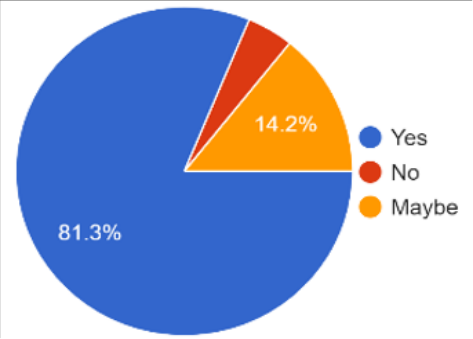 Figure 5
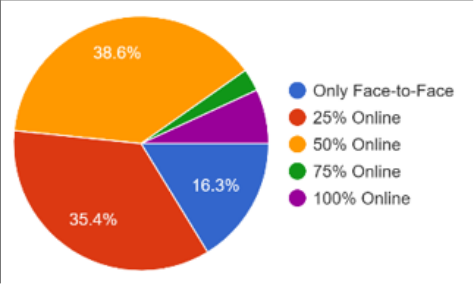 Figure 6
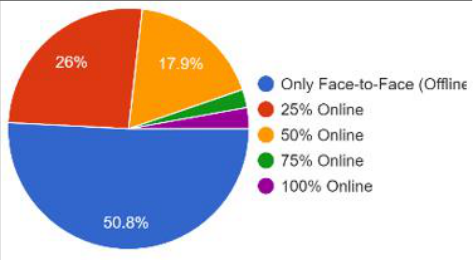 Figure 7
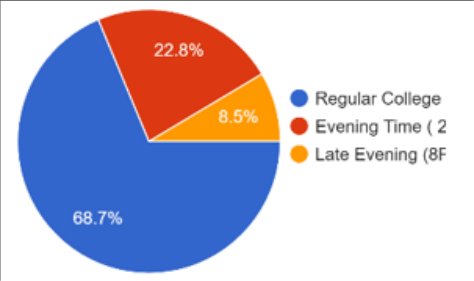 Figure 8
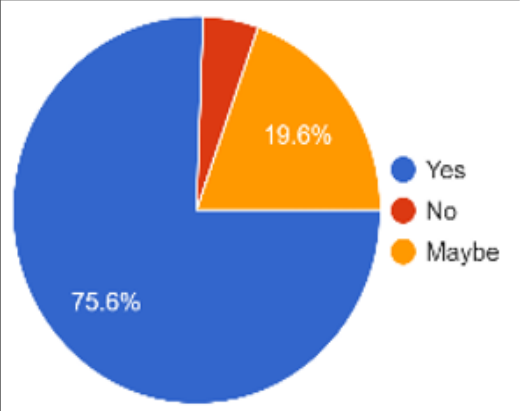 Figure 9
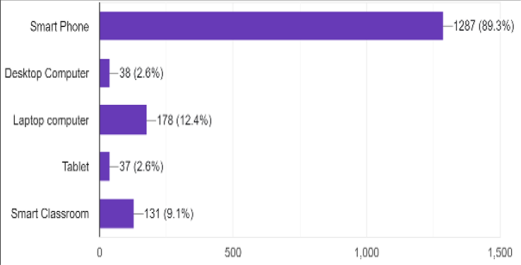 Figure 10
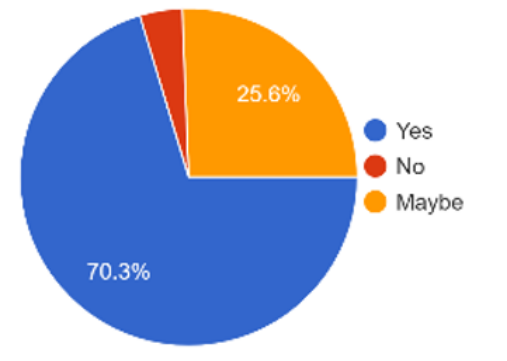 Figure 11
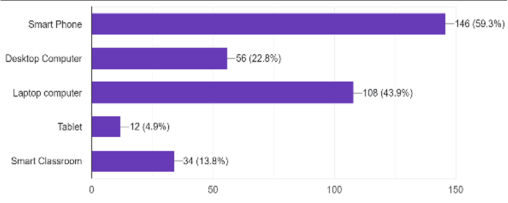 Figure 12
Introduction
Agriculture is a vital sector for the Indian economy, accounting for nearly 17% of India's GDP and employing over 50% of the country's workforce. Agriculture education plays a crucial role in preparing the next generation of agriculture professionals who can contribute to the growth and development of the sector. However, traditional agriculture education in India faces several challenges such as limited access to quality learning resources, inadequate infrastructure, and a shortage of qualified teachers. Blended learning, which combines face-to-face and online learning, has emerged as a potential solution to address the challenges of traditional agriculture education. The contemporary blended learning ecosystem for agriculture education in State Agriculture Universities in India aims to provide students with a comprehensive learning experience that integrates both theoretical and practical aspects of agriculture education. The ecosystem leverages the advantages of online learning, such as increased access to learning resources, self-paced learning, and personalized learning experiences, along with the benefits of face-to-face instruction, such as hands-on training, mentoring, and peerto-peer interactions (Kumar et al., 2021) [5] . This paper will explore the design and development of a blended learning ecosystem for agriculture education in State Agriculture University of Central India. The current ecosystem includes various components, such as a learning management system, online resources, video-based learning, gamification, and assessment strategies, among others. The paper will also highlight the potential benefits of the blended learning ecosystem, including improved learning outcomes, increased access to learning resources, and enhanced employability of agriculture graduates (Gibson et al., 2017) [4] . Finally, the paper will discuss the potential challenges and opportunities for the adoption of blended learning in agriculture education in India.
Blended learning ecosystem
Blended learning ecosystem typically includes several elements that are integrated to create a comprehensive learning experience. These elements may include: 1. Online content delivery: Blended learning ecosystem often includes online delivery of course content, such as videos, e-books, interactive modules, and online discussions. This allows students to access course materials anytime and anywhere, and learn at their own pace.
In-person instruction:
Blended learning ecosystem may also include in-person instruction, such as lectures, seminars, and practical training. This provides students with opportunities for face-to-face interaction with instructors and peers, and hands-on experiences that are crucial for certain fields, such as agriculture. Benefits of blended learning approach 1. Blended: Learning ecosystems for agriculture education in India can offer a range of benefits for both students and institutions. Here are some of the main benefits of a blended learning ecosystem for agriculture education in India.
Increased access to learning resources:
Blended learning ecosystems provide students with access to a variety of online resources, including videos, animations, and interactive simulations, which can enhance their understanding of complex agricultural concepts.
Flexibility and convenience: Blended learning
ecosystems offer students the flexibility to learn at their own pace and convenience. This is especially important for agriculture students who may have to balance their studies with farm work or other obligations. may increase the risk of academic dishonesty, such as plagiarism, due to the ease of copying and sharing online content.
Overall, while blended learning ecosystems have the potential to transform agriculture education in India, there are potential threats that need to be addressed to ensure that the quality of education is not compromised. Institutions need to carefully consider these potential threats and take proactive measures to mitigate them to ensure a successful implementation of blended learning ecosystems in agriculture education.
Literature reviewed
Blended Learning System is nascent concept in education system which popular in India during covid-19 pandemic era. The literature review shoes the growth of this concept. Walib et al., (2021) [10] said This quasi-experimental study, conducted with 84 students at the Islamic Education Department in Indonesia, examines the impact of blended learning and learning styles on students' conceptual understanding. The research reveals that blended learning significantly improves learning outcomes compared to conventional methods. Additionally, students' learning www.extensionjournal.com discipline plays a crucial role in the learning process. These findings highlight the effectiveness of blended learning in enhancing students' conceptual mastery and suggest the need for further research exploring alternative learning models. Pambudi Widiatmaka et al., (2021) [7] described Blended learning is a modern educational approach, combines faceto-face lectures with richer learning experiences, enhancing student competence. A study at the Merchant Marine Polytechnic in Semarang examined the impact of blended learning on learning processes and performance. The findings supported previous research, highlighting that blending learning experiences with in-person classes improves cognitive, affective, and psychomotor aspects of learning. Susanna et al., (2021) [9] conducted an quantitative study, involving 67 first-semester students in basic physics courses, investigates the impact of self-regulation and motivation on learning outcomes within a blended learning framework. The results reveal a positive correlation between self-regulation, motivation, and student performance. This approach proves valuable, especially during the COVID-19 pandemic, fostering student motivation and independence in learning, ultimately improving their academic results.
ICAR initiatives towards blended learning approach
The Indian Council of Agricultural Research (ICAR) has made significant efforts towards promoting a blended learning ecosystem in agriculture education (Agarwal et al., 2023) [1] . Here are some of the initiatives taken by ICAR.
Development of e-Courses:
ICAR has developed a wide range of e-Courses covering various aspects of agriculture education, which are available on the e-PG Pathshala platform. These e-Courses offer theoretical knowledge to students and can be accessed anytime, anywhere.
Establishment of e-Learning portals: ICAR has
established various e-Learning portals such as Agri-Diksha, Krishi Kosh and e-Granth, which provide access to research papers, reports, and other agricultural literature. These portals offer a wealth of knowledge to students and researchers, thereby enhancing their learning experience.
Use of Virtual Labs: ICAR has developed virtual labs,
which provide students with practical learning experience through the use of virtual simulations. These labs offer a safe and cost-effective way for students to gain hands-on experience in various aspects of agriculture education.
Development of Mobile Apps: ICAR has also
developed mobile apps which provide farmers with access to information related to crop production, weather, market prices, and other agricultural services. These apps offer a user-friendly interface and can be accessed on-the-go, making it easier for farmers to access information and enhance their agricultural practices.
ICAR has taken several initiatives towards promoting a blended learning ecosystem in agriculture education. These efforts have helped students and farmers access a wide range of educational resources, including theoretical knowledge, practical experience, and agricultural information. These initiatives have significantly contributed to enhancing the quality of agriculture education in India (Namdeo et al., 2021) [2] .
Digital learning initiative by government of India
The Government of India has made significant efforts towards promoting a blended learning ecosystem in agriculture education (Singh & Kakkar, 2023). Here are some of the initiatives taken by the government.
SWAYAM:
The government has launched SWAYAM (Study Webs of Active Learning for Young Aspiring Minds), an online learning platform that offers free courses in various subjects, including agriculture. SWAYAM offers a wide range of e-Courses, online video lectures, and interactive discussion forums, providing students with access to high-quality education anytime, anywhere.
PM eVidya:
The government has also launched PM eVidya, an initiative aimed at providing digital education to students across the country. Under this initiative, the government has launched several platforms, including DIKSHA, SWAYAM Prabha, and e-Pathshala, which offer a wide range of digital learning resources, including e-Books, video lectures, and interactive assessments.
National digital library of India (NDLI):
The government has launched the National Digital Library of India (NDLI), which provides access to a wide range of digital resources, including e-Books, e-Journals, and other educational materials. NDLI offers a user-friendly interface and can be accessed from anywhere, making it easier for students to access high-quality educational resources.
ATMA (Agricultural Technology Management
Agency): The government has established ATMA, an initiative aimed at promoting agricultural education and extension services. ATMA provides farmers with access to information related to crop production, soil health, pest management, and other agricultural practices through various digital platforms, including mobile apps, online portals, and e-Learning resources.
The government of India has taken several initiatives towards promoting a blended learning ecosystem in agriculture education. These initiatives have helped students and farmers across the country access high-quality education and information related to agriculture, thereby contributing to the development of the agricultural sector in India.
Survey at JNKVV Jabalpur
A survey on blended learning approach was conducted at www.extensionjournal.com Jawaharlal Nehru Krishi Vishwa Vidyalaya (JNKVV) Jabalpur University and its 11 constituent college campuses located in central India. A total of 1441 students and 246 faculties participated in the survey, which aimed to assess the effectiveness and acceptance of blended learning in agriculture higher education. The survey revealed that blended learning was perceived positively by both students and faculties, with the majority of them expressing satisfaction with the approach. Students appreciated the flexibility and convenience of blended learning, as it allowed them to access course materials and lectures online, and engage in discussions and assignments at their own pace. Faculties also found blended learning to be effective in enhancing student engagement and learning outcomes, as it provided opportunities for active learning and personalized instruction. However, the survey also identified several challenges that need to be addressed to ensure the success of blended learning. One of the primary challenges was the lack of access to technology and internet connectivity, particularly in rural areas. This issue was identified as a significant barrier to the adoption of blended learning in agriculture higher education, as it limits the ability of students to participate in online learning activities (Badhe et al., 2021) [2] . Other challenges identified in the survey included the need for faculty training and support to effectively design and deliver blended learning courses, concerns about the quality and credibility of online learning materials and assessments, and the need to ensure data privacy and security in online learning environments. Finally, the survey results suggest that blended learning has the potential to significantly enhance the quality and accessibility of agriculture higher education in India. However, the challenges identified need to be addressed through investment in technology and infrastructure, faculty training and support, and the development of high-quality online learning materials and assessments. With these measures in place, blended learning can be an effective approach to address the shortage of skilled agricultural professionals in India and meet the growing demand for high-quality agriculture education.
Results and Discussion
The findings of our study suggest that both students and faculties are in favour of the blended learning approach and believe that it has the potential to improve academic performance. Our survey results indicate that there is a general consensus among the respondents, both category students and faculties, that the blended learning approach is a viable option for enhancing the learning experience. However, we also found that in the practical part implementation through the blended learning approach, there is a significant bias towards traditional methods. This bias appears to be affecting the effectiveness of the blended learning approach in practice. This finding raises important questions about the extent to which institutions are able to successfully implement and utilize the blended learning approach. The data used for our survey consisted of responses from a total of 1441 students. Of these students, 64% were day scholars while 36% were hostelers. The majority of the respondents (87%) were pursuing undergraduate (UG) courses, while 10% were enrolled in postgraduate (PG) courses and 3% were pursuing PhDs.
In terms of gender distribution, 65% of the respondents were male and 35% were female. The data also includes information on other demographics such as age, academic performance, and socio-economic background.
The sample size of 1441 students and 246 Faculties are considered to be large enough to provide reliable and statistically significant results. The data was collected through a structured questionnaire that was administered to the students in a variety of settings, including in-person and online.
It is important to note that while the data provides insights into the perspectives and experiences of a specific group of students, it may not be representative of the wider student population. Additionally, the data may be subject to biases and limitations inherent in any survey-based research. However, with careful attention to the design and implementation of the survey, it is possible to generate useful and informative data that can inform educational practice and policy. Further the findings of our study also suggest that there is a strong preference among both students and faculties for the timing of blended learning sessions to coincide with regular teaching hours of the institution. Respondents from both groups indicated that they found it easier to manage their schedules when the blended learning sessions were held at a consistent time each week.
Students Response
In terms of device preferences, we found that there was a significant difference between the devices that students and faculties had access to. While most students reported only having access to a smartphone device, the majority of teachers had access to multiple devices including mobile phones, desktop computers, and laptops. These findings have important implications for the design and delivery of blended learning courses. In order to ensure that the timing of blended learning sessions is convenient for all participants, it may be necessary to offer multiple time slots to accommodate different schedules. Additionally, course designers should be mindful of the device preferences of their target audience and design courses that are accessible and optimized for the devices that students are most likely to be using, such as smartphones.
Lastly, our study highlights the importance of considering the needs and preferences of both students and faculties when designing and delivering blended learning courses. By taking into account factors such as timing and device preferences, educators can create more effective and engaging blended learning experiences that are accessible to all participants.
Ease and difficulty of theory and practical in blended learning approach Agriculture education in India has both theoretical and practical aspects. In a blended learning ecosystem, delivering these aspects can be both easy and difficult. Here are some points to consider.
Ease in delivering theory Access to online resources: Blended learning ecosystems provide easy access to online resources such as e-books, video lectures, and online journals. This makes it easy to deliver the theoretical part of agriculture education. Flexibility in learning: Blended learning ecosystems allow students to learn at their own pace and convenience. This makes it easier for students to grasp complex theoretical concepts. Interactive learning: Blended learning ecosystems offer various interactive tools and platforms that make it easy for students to participate in discussions, debates, and group activities. This helps in creating a more engaging learning experience.
Difficulty in delivering theory
Lack of motivation: Some students may lack motivation when it comes to online learning, which can make it difficult to deliver the theoretical part of agriculture education. Technology-related issues: Technical glitches or lack of access to high-speed internet can be a barrier to delivering the theoretical part of agriculture education.
Ease in delivering practical Hands-on experience: Blended learning ecosystems can provide students with hands-on experience by offering virtual or augmented reality simulations, which can help in delivering the practical aspect of agriculture education. Online demonstrations: Online demonstrations can help in delivering practical knowledge to students, which can be easily accessed and reviewed as needed.
Difficulty in delivering practical
Infrastructure-related issues: Delivering practical education in agriculture requires access to specific infrastructure such as laboratories, equipment, and field visits. Lack of access to these resources can make it difficult to deliver practical education. Safety concerns: Some practical aspects of agriculture education can be dangerous or hazardous. Ensuring student safety during practical education can be a challenge in a blended learning ecosystem.
In conclusion, while a blended learning ecosystem can offer several advantages for delivering agriculture education, there are also some challenges that need to be addressed. A balance between theory and practical education must be maintained to ensure a holistic learning experience for students.
SWOT Analysis of Blended Learning Approach:
Blended learning approach in agriculture higher education www.extensionjournal.com in India has the potential to offer significant benefits such as flexibility, access to high-quality education, personalized learning, and practical application of theoretical knowledge. However, there are challenges such as limited access to technology and infrastructure, resistance to change, concerns about quality and integrity, and issues related to data privacy and security (Bagga & Bhullar, 2023) [3] . Despite these challenges, the adoption of blended learning can create opportunities for collaboration, innovation, and partnerships among institutions, industry, and government agencies to address the shortage of skilled agricultural professionals in India and enhance the overall quality of education.
Strengths
Strengths
Opportunities
The adoption of blended learning in agriculture higher education can help address the shortage of skilled agricultural professionals in India, which is a crucial issue for the country's agricultural sector. It can help institutions reach a larger audience and increase their revenue streams, which can contribute to their sustainability and growth. It can provide opportunities for collaboration and partnerships between institutions, as well as with industry and government agencies, which can enhance the quality and relevance of the education provided.
It can allow for the creation of innovative teaching and learning materials that can benefit students and faculty alike, which can enhance the overall quality of education.
Threats There may be resistance to change among faculty and students, particularly if they are not familiar with online learning methods. The quality of online courses and materials may be perceived as inferior to traditional face-to-face teaching methods, which can affect their acceptance among students and employers. There may be concerns about the integrity of online assessments and the potential for cheating, which can undermine the credibility of the education provided. There may be issues related to data privacy and security, particularly if sensitive information is shared online, which can affect the trust of students and institutions in the blended learning approach.
Conclusion
In conclusion, agriculture education in India can greatly benefit from a blended learning ecosystem that combines both theoretical and practical aspects of education. The ease of access to online resources, flexibility in learning, interactive learning tools, and hands-on experience through virtual and augmented reality simulations can make agriculture education more engaging and effective. Blended learning ecosystem offers several benefits and opportunities for agriculture education in developing countries like India. It can provide students with more flexible and accessible learning options, improve teaching and learning outcomes, and enhance collaboration and networking among faculty members and students from different institutions and locations. However, there are also several challenges that need to be addressed, such as limited access to technology and infrastructure, lack of training and cultural barriers. Developing countries need to carefully consider these challenges and develop strategies to overcome them in order to fully leverage the potential of a blended learning ecosystem for agriculture education. With the right investments in technology, infrastructure, and training, a blended learning ecosystem can help to improve access to education, enhance the quality of education, and promote equity in education in developing countries. However, there are also challenges to be addressed such as lack of motivation, technology-related issues, lack of access to infrastructure, and safety concerns. To overcome these challenges, it is important to ensure a balance between theory and practical education, while also promoting student safety and motivation. Finally, a blended learning ecosystem has the potential to transform agriculture education in India and equip students with the knowledge and skills required for sustainable and profitable agricultural practices. With proper implementation and continuous improvement, blended learning can play a crucial role in shaping the future of agriculture in India.
Figures and tables from the paper
References
9 in the original paper- Marwaha S, Arora A, et al. Souvenir-International Conference on Blended Learning Ecosystem for Higher Education in Agriculture (ICBLE 2023); c2023. Available from: https://krishi.icar.gov.in/jspui/handle/123456789/77719
- Badhe V, Namdeo DK, Lodhi AS, Narwaria DS. Agriculture Education through Online Tools and Techniques amid COVID-19 Pandemic in India. International Journal of Current Microbiology and Applied Sciences. 2021;10(2):1219-1230. DOI: 10.20546/ijcmas.2021.1002.143
- Bagga MK, Bhullar M. Digital era and blended learning: Exploring pathways to redefining and reconstructing teacher education. Frontiers in Education. 2023;8:1123626. Available from: https://www.frontiersin.org/articles/10.3389/feduc.2023 .1123626/full
- Kumar A, Krishnamurthi R, Bhatia S, Kaushik K, Ahuja NJ, Nayyar A, et al. Blended learning tools and practices: A comprehensive analysis. Ieee Access. 2021;9:85151-85197.
- Namdeo DK, Badhe V, Sarvade S, Namdeo P. Use of E-Resources in Indian Agriculture Education System during the COVID-19 Pandemic Era. Biological Forum -An International Journal. 2021;13(3a):476-482.
- Pambudi Widiatmaka F, Raharjo TJ, Sudana IM, Sumbodo W. Blended Learning and Its Impact on Learning Performance: A Study on Vocational Education. Turkish Journal of Computer and Mathematics Education (TURCOMAT). 2021;12(6):Article 6.
- Singh A, Kakkar KB. Program inclusive, credit-based SWAYAM MOOCs in higher educational institutions of India. International Journal of Educational Development. 2023;97:102727.
- Susanna F, Herliana E, Farhan A, Rizal S, Musdar. The Effect of Self-regulation and Motivation to Outcomes Learning Using Blended Learning Approach. Turkish Journal of Computer and Mathematics Education (TURCOMAT). 2021;12(6):Article 6.
- Walib A, Degeng IS, Praherdhiono H, Sulthoni. The Influence of Blended Learning to Understanding Concept. Turkish Journal of Computer and Mathematics Education (TURCOMAT). 2021;12(3):Article 3. DOI: 10.17762/turcomat.v12i3.1658
Cited by 1
From OpenAlex, OpenCitations and reference lists read by Scinovex
- An exploratory case study of student preferences and perceptions of blended tutorial approaches in an Agrotechnology program ↗
Mohamad Hilmi Ibrahim · Natural sciences education · 2026
Abstract This study examines students’ preferences and perceptions of tutorial formats in a blended learning environment, focusing on those enrolled in an Agrotechnology program. Thirty‐five students from two academic years participated in a descriptive exploratory survey with open‐ended qualitative responses that combined survey data with thematic analysis of open‐ended responses. The study aimed to understand how students experienced individual and…
❝ 0