
Research article · 2024 · Full text
International Journal of Agriculture Extension and Social DevelopmentThe enduring significance and vital role of draught animals in India's agriculture
Volume 7(2) · Pages 356–360 · DOI: 10.33545/26180723.2024.v7.i2e.347 ↗
Research areasAgricultural Economics and PracticesLivestock Management and Performance ImprovementAgricultural risk and resilience
Abstract
Author-writtenDraught animal power (DAP) has traditionally been the main source of power in Indian agriculture. Draught animals remain crucial for the livelihoods of numerous rural families in developing nations. Small and marginal farmers, who comprise 80% of operational holdings, heavily rely on animal power. Approximately 60% of agricultural draft power worldwide is still furnished by animals. These animals are utilized for various agricultural tasks including tillage, seedbed preparation, sowing, weeding, harvesting, threshing, and post-harvest operations. In India alone, there are approximately 70 million draught animals, ploughing roughly 65% of the country's cultivated land, equivalent to 18 million kW. Draught animals have significantly contributed to the advancement of civilization. Despite the prevalence of petroleum-based machinery in developed nations, draught animals and their welfare continue to hold significance in certain developing countries and are likely to do so for years to come.
Summary
Source-checkedPlain-language reading of the full paper, prepared with AI and checked against the text. Each point links to the authors' own words.
Why it matters
- Draught animal power is vital for Indian agriculture because 80% of operational holdings are held by small and marginal farmers who depend on it. View evidence ↗
- India utilizes approximately 70 million draught animals to plough about 65% of its cultivated land, providing an estimated 18 million kW of power. View evidence ↗
- There is a disparity in animal welfare focus, as organizations often prioritize pets and wildlife over the livestock and draught animals used in agriculture. View evidence ↗
The question
- The paper aims to highlight the enduring significance of draught animals and advocate for a more inclusive approach to their welfare and care. View evidence ↗
What they did
- The author reviews traditional agricultural practices, livestock census data, and previous draughtability studies conducted at various Indian institutions. View evidence ↗
What they found
- Horses generally have a better output-weight ratio than oxen, exerting about 15% of their body weight compared to the 10% exerted by oxen. View evidence ↗
- A single fully-grown Zebu draught animal provides 0.5 horsepower, and a pair can cultivate 0.33 hectares of land in a six-hour workday. View evidence ↗
- Donkeys exhibit high draughtability, exerting 32% of their body weight over 6 hours of sustained work, and up to 36% for shorter durations of 1 to 4 hours. View evidence ↗
- Draught animals in India are typically used for only 60 days annually (30 each in kharif and rabi seasons), but 200 days of work are required to reach the economic breakeven point. View evidence ↗
What it means
- The authors conclude that using draught animals is a sustainable alternative to machinery that can significantly reduce greenhouse gas emissions and non-renewable energy use. View evidence ↗
- The authors recommend meticulous veterinary care to ensure the welfare of draught animals, particularly during transportation and slaughter. View evidence ↗
Visual summary
1 visualsIllustrations explain the paper; they do not show study data.
Comparative Draught Power
AI-generated conceptual illustration (oxen, horses, water buffaloes, and donkeys). It explains the idea and does not show study data.
View source evidence ↗Figures & tables
From the original paper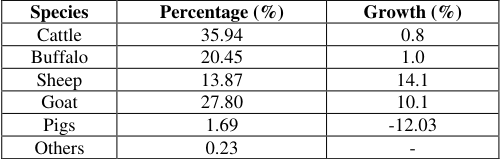 Table 1
 Table 2
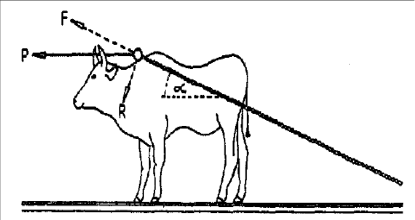 Figure 1
Introduction
Mechanization in agriculture has undoubtedly diminished the reliance on animal labor; however, draught animals persist in small-scale production setups, emphasizing the significance of their welfare. The care and well-being of these animals not only directly impact their lives but also hold implications for human welfare, as highlighted by Mota-Rojas et al. (2021) [6] . While animal welfare organizations predominantly focus on pets and wildlife, the attention towards livestock and draught animals remains limited, as noted by Netam et al. (2021) [7] . This disparity underscores the need for a more inclusive approach to animal welfare initiatives, recognizing the ongoing role of draught animals in agricultural contexts and advocating for their proper treatment and care. Draught animal power plays a multifaceted role in agriculture, encompassing tasks such as ploughing, harrowing, planting, ridging, drilling, weeding, mowing, and harvesting. Beyond agricultural activities, they are integral to transportation, where they pull carts, haul loads, assist in logging, and carry packs. In irrigation, they operate water pumps and draw water from wells. Moreover, draught animals contribute to earth-moving endeavors for road construction, brick transportation, and provide power for stationary implements like threshing machines, grain mills, and food processing equipment. Their significance extends to intercultural activities, where they serve various essential functions. The primary species utilized for both transportation and draught work are Bovids, notably cattle-oxen (comprising 70% of usage), which include Yak and Mithun (<0.11%), and buffaloes (accounting for 29%). Equids such as horses, mules, and donkeys also play significant roles in these tasks.
In India, Zebu cattle (Bos indicus) and buffalo (Bubalus bubalis) are the predominant sources of draught animals. Bullocks, buffaloes, and camels are predominantly utilized for field operations, while Horses, Mules, Donkeys, Yaks, and Mithun serve as pack animals for transportation purposes. The choice of species often depends on the terrain and soil characteristics; for example, donkeys, horses, ponies, mules, or camels are typically preferred in flat, arid regions, whereas buffaloes excel in clayey agricultural soils prone to flooding due to their sturdy hooves and flexible foot joints. In Asian dry environments, camelids are preferred, while oxen are favoured in mountainous areas (Panigrahy et al., 2016; Mota-Rojas et al., 2021) [10,6] .
Indian draught breeds
India boasts some of the finest cattle breeds suitable for www.extensionjournal.com draught purposes, although specific breeding programs dedicated solely to draught animals are limited. However, the focus on breeding milch bovine has inadvertently led to the production of quality animals for draught work as well. Despite their suitability for draught tasks, cows of draught breeds typically exhibit lower milk yields, ranging from 1.5 to 2.5 kg per day. The harness utilized to connect animals to implements plays a crucial role, akin to a transmission system in animal-drawn devices. Training animals to wear harnesses and perform draught work is essential, with challenges arising when attempting to acclimate mature draught animals to different harness types. Introducing new harness designs during the training of young animals may be preferable, ensuring compatibility with the characteristics of the implements to be drawn. Buffaloes are extensively utilized as draught animals across Asia and are often preferred over oxen. Notably, the Nili-Ravi buffalo in India possesses favorable traits for traction tasks, such as those requiring ploughs, rakes, sledges, and wagons. Known for their docile nature, buffaloes can be trained effectively by farmers for various activities. They typically begin their productive life at an earlier age of 2-3 years compared to conventional cattle, which usually start working at 3-5 years old. Buffaloes can maintain productivity for 15 to 20 years, even at slaughter, retaining a significant weight of around 380 kg, making their meat a valuable food source. Buffaloes exhibit impressive capabilities, carrying heavier loads and traveling longer distances for extended periods compared to oxen, and are known for their disease resistance. While they may work slower, buffaloes offer distinct advantages, including strength, tough hooves, and disease resistance, making them well-suited for wetlands and flooded, heavy clay soils, where the efficiency of agricultural machinery is often limited. They can drag up to approximately six times their body weight, usually handling between 1.5 and 2.0 tonnes, highlighting their robustness and utility in various agricultural contexts. Certain physical attributes of bovine and equine species are crucial considerations in harness design. Equines derive their draught power from their robust shoulders and chests. Their strong chest structure, located forward of the front legs, facilitates the use of full collar or breast-band harnesses, with the draught force applied through the chest.
Equines also possess strong backs, enabling them to carry substantial loads effectively, making them well-suited for hauling two-wheeled carts. In contrast, bovines have weaker chests, with draught strength primarily originating from the shoulders. Hence, it's generally acknowledged that bovines exert maximum power when the draught force is applied just in front of and halfway down the shoulder blades.
Additionally, due to their weak-chested nature, applying a strap around the neck of bovines in front of the forelegs may risk choking the animal if pulled tight. While some bovine breeds aren't traditionally accustomed to carrying loads on their backs, mules are sometimes preferred over horses as pack animals, given their ability to adapt to low-quality feed and lower water consumption needs. Moreover, their thicker hide reduces susceptibility to sores caused by saddles or harnessing equipment. Generally, unless dictated by local traditions, equines are favored over bovines in areas with lighter soils and higher draught requirements.
Draught Animal Power (DAP)
The Draught Animal Power (DAP) system holds a pivotal role in the societal, agricultural, and economic structures of Asian nations. In India specifically, animal power accounts for ploughing two-thirds of cultivated areas and contributes to two-thirds of rural transport through animal-drawn vehicles. Around 15% of total freight is hauled by the available 14 million animal-drawn carts. Bullocks remain the predominant source of mobile power. Numerous factors influence the working performance of draught animals, including climatic conditions, terrain, breed characteristics, temperament, physical condition, age, feeding, care, training, and management. Their working performance is typically measured in terms of draught force and power output, with the ability to generate high forces and power over short durations being a notable characteristic. However, such intensive efforts can reduce overall efficiency over a typical working day. Typically, the performance of a draught animal is largely influenced by its weight, particularly if the weight is primarily composed of muscle tissue. Oxen, for example, can exert a draught force of approximately 10% of their body weight, while horses typically exhibit a better outputweight ratio, exerting around 15% of their body weight.
When harnessed together, multiple animals experience a relative loss in efficiency, with two animals producing only about 1.9 times the tractive effort of a single animal, and so forth. Although it's common to harness pairs of animals together, using more than two animals is less frequent due to increased complexity. Ideally, harnessing arrangements should involve a maximum of two animals, with implements matched to their output and soil conditions. For instance, a fully-grown Zebu draught cattle can provide 0.5 horsepower, and a pair can cultivate about 0.33 hectares of land in six hours of daily work.
Potential for improved harnesses
One area with potential for improvement in the utilization of draught animal power is harnessing. The harness serves as the "transmission system" linking the animal(s) to the drawn implement, significantly impacting the animals' useful power output and thus the working efficiency of specific implements. Consequently, the choice of harness directly influences the economic viability of draught animal technologies. Ideally, the harness design should aim to align the line of draught as close to the horizontal position as feasible (Figure 1), maximizing efficiency and effectiveness.
Fig 1:
Shows a bullock drawing a plough using a traditional neck yoke applies a horizontal force P to the yoke (Adapted from Singh et al., 2002) [12] . www.extensionjournal.com
As the angle of the line of draught to the horizontal (α) decreases, the useful draught force (F) increases, and the force acting on the animal's neck (R) decreases, thereby increasing the draught efficiency. Thus only a proportion of the animal's effort is converted into a useful draught force (F), and the animal must also exert some effort to support the force R pressing down on its neck. Traditional wooden yokes have long been employed for oxen in the developing world. However, improvement initiatives involving draught oxen often default to these traditional yokes. Nonetheless, evidence suggests that these yokes are inefficient in transmitting the animals' work output to the implement and may even be detrimental, potentially reducing the animals' useful working life (Singh et al., 2002) [12] . Innovations have been attempted which indicate that improvements in bovine harnessing are possible. However, relatively little effort has been put into promoting the wide adoption of such improved harnesses, and detailed information about them is not easily available. Efficient harness designs for draught horses or donkeys have been prevalent in developing countries where these animals are commonly utilized. However, these harnesses typically rely on complex designs and the use of leather for the main components. In some regions, suitable leather may be costly or challenging to procure, while it is also prone to rot and mold in highly humid conditions. The adoption of horse or donkey-drawn implements in areas where these animals are not traditionally used for draught purposes, and their continued use in areas where traditional harnesses are becoming too expensive, is hindered by a lack of information on harness designs that utilize materials and construction methods suitable for local conditions.
Draught animal power utilization
In India, the utilization of draught animals is largely dependent on the cropping season, which typically spans 30 days during the kharif season and another 30 days during the rabi season, totaling 60 days annually. However, to reach the breakeven point, at least 200 days of work are necessary, considering the cost of maintenance and the market hire rate for draught animals. Increasing the utilization and field operation of draught animals, particularly by employing rotary modes to operate agroprocessing machines, can substantially reduce the unit operational cost of Draught Animal Power (DAP). Consequently, draught bullocks prove to be a more costeffective option compared to tractors, especially for small and marginal farmers, provided that farmers can cover the feed cost through their own sources and there is an improvement in the number of work days available (Pandith et al., 2019) [8] .
Factors of appropriateness of draught animal power
In developing countries, the appropriateness of using draught animals as an energy source hinges on several factors. Social attitudes towards animals, the characteristics and health of local breeds, the cost of acquiring animals, availability of skilled care and training, access to affordable fodder, market value of retired animals, and the prevalence of diseases like those transmitted by the tsetse fly all play pivotal roles (Alex et al., 2013) [3] . Despite these considerations, draught animals are anticipated to remain vital energy sources in developing nations, with their importance potentially increasing in certain regions.
Characteristics and Condition of Local Breeds of
Animal: The suitability of local animal breeds for draught work depends on factors such as their size, strength, endurance, and adaptability to local environmental conditions. Breeds that are well-suited to the local climate and terrain are more likely to be effective for draught purposes.
Cost of Purchasing Animals:
The expense associated with acquiring draught animals can vary significantly depending on factors such as breed, age, health, and demand in the market. Higher purchase costs can impact the feasibility of utilizing draught animals, particularly for small-scale farmers with limited financial resources.
Availability of Skills in the Care and Training of
Animals: Adequate knowledge and skills in animal care and training are essential for maintaining the health and productivity of draught animals. Communities with limited access to veterinary services or training programs may face challenges in effectively managing their draught animal resources.
Availability and Cost of Fodder:
The availability and affordability of fodder for feeding draught animals are critical considerations. In regions where suitable fodder is scarce or expensive, the cost of maintaining draught animals can be prohibitive, affecting their viability as an energy source.
The Sales Value of Animals Once Their Working
Life is Complete: The potential income from selling draught animals at the end of their working life can influence the economic viability of keeping them. Higher market prices for retired draught animals can offset some of the costs associated with their maintenance and care during their working years.
Prevalence of Diseases Harmful to Animals: Diseases
transmitted by insects such as the tsetse fly can pose significant health risks to draught animals, impacting their productivity and longevity. Regions with a high prevalence of such diseases may face additional challenges in utilizing draught animals effectively.
Despite these factors, draught animals are expected to remain a major energy source for developing countries in the foreseeable future. Their importance may even grow in certain parts of the world due to factors such as limited access to modern machinery, increasing demand for agricultural production, and sustainable farming practices that prioritize animal traction over fossil fuels.
Studies on draught ability of animals
Draught ability, referring to an animal's ability to pull heavy loads or perform strenuous tasks, is a critical aspect of traditional farming systems worldwide.
The welfare of draught animals
The symbiotic relationship between humans and animals has been fundamental to the domestication and utilization of farm animals in agricultural settings. A harmonious humananimal bond is pivotal for the welfare enhancement of both parties involved. This dynamic is especially crucial in the context of draught animals, where close proximity, prolonged contact, and synchronized efforts are essential for achieving predetermined objectives. Thus, the implementation of appropriate handling protocols, provision of well-maintained equipment, and enhancement of veterinary care are paramount in mitigating injury occurrences and elevating the welfare and performance standards of draught animals. Extended periods of intensive labor can detrimentally impact animal welfare, leading to weight loss and reduced efficiency, particularly in instances where appropriate work-rest cycles are not adhered to, resulting in exhaustion. Suboptimal feed intake frequency further compounds the challenge, significantly affecting the productivity of lactating animals, especially those of dual breeds. Additionally, factors such as heat stress and chronic fatigue have been identified as significant impediments to animal welfare. In this context, the training of handlers assumes a pivotal role in fostering the welfare of draught animals, emphasizing proper utilization of harnesses and equipment. Furthermore, empirical evidence suggests that cultivating positive human-animal relationships can yield favorable outcomes on the performance of animals engaged in agricultural labor.
Conclusion
The utilization of draught animals presents a compelling opportunity for significantly reducing greenhouse gas (GHG) emissions and curbing non-renewable energy consumption when compared to reliance on agricultural machinery. Moreover, their deployment can effectively generate profits from otherwise non-usable lands. Encouraging the use of draught animals proves particularly beneficial in rural areas where investments are typically limited. The energy derived from these animals can be acquired at a minimal cost through the utilization of feedharvest residues and by-products, provided proper ration allowances are observed. However, heightened attention must be directed towards fostering high-quality humananimal interactions, given the close proximity between animals and humans during their collaborative efforts. Ensuring the welfare of draught animals during transportation and slaughter necessitates meticulous veterinary care. By prioritizing these considerations, the sustainable utilization of draught animals can be effectively promoted, thereby yielding ecological and economic benefits while safeguarding animal welfare.
Figures and tables from the paper
| Species | Percentage (%) | Growth (%) |
|---|---|---|
| Cattle | 35.94 | 0.8 |
| Buffalo | 20.45 | 1.0 |
| Sheep | 13.87 | 14.1 |
| Goat | 27.80 | 10.1 |
| Pigs | 1.69 | -12.03 |
| Others | 0.23 | - |
Table text extracted from the original PDF; superscript letters are shown inline. The original table image is below.
View original table image
| — | 1982 | 1992 | 2003 | 2007 | 2012 | 2019 |
|---|---|---|---|---|---|---|
| Indigenous | 183 | 188 | 164 | 166 | 151.2 | 142.1 |
| Crossbred | 8.8 | 15.2 | 22.6 | 33 | 39.7 | 50.42 |
| Total (Million) | 192 | 204 | 187 | 199 | 190.9 | 192.5 |
Table text extracted from the original PDF; superscript letters are shown inline. The original table image is below.
View original table image
References
12 in the original paper- Department of Animal Husbandry and Dairying, National Informatics Centre (NIC). 20th Livestock Census. All India Report, 2012.
- Akila N, Mahesh C, Bharathy N. Relevance of draught cattle power and its future prospects in India: A review. Agricultural Reviews. 2016;37(1):49-54.
- Alex R, Singh U, Alyethodi RR, Deb R. A review on draught animal research in India: constraints and future thrust areas. Advances in Animal and Veterinary Sciences. 2013. ISSN: 2307-8316 (Online).
- Aruna Pal, Chatterjee PN. Field level study on the buffalo bullock: an excellent draught animal. Buffalo Bulletin. 2013;32(3):220-230.
- Mehta CR, Chandel NS, Senthilkumar T. Status, Challenges and Strategies for Farm Mechanization in India. Agricultural Mechanization in Asia, Africa, and Latin America. 2014;45(4):43-50.
- Mota-Rojas D, Braghieri A, Álvarez-Macías A, Serrapica F, Ramírez-Bribiesca E, Cruz-Monterrosa R, et al. The Use of Draught Animals in Rural Labour. Animals. 2021;11(9):2683.
- Netam V, Lima A, Victor VM, Patel KK. Development of animal drawn solar powered sprayer. The Pharma Innovation Journal. 2021;10(12):860-862.
- Pandit DM, Patil RA, Kakade AG, Dhumal VS, Shinde SP. Utilization of bullock animal power and constraints faced by farmers in Hingoli district. The Pharma Innovation Journal. 2019;8(10):40-44.
- Pal A, Chatterjee PN. Field level study on the buffalo Bullock: an excellent draught animal, Buffalo Bulletin. 2013;32:218-230.
- Panigrahy KK, Panda S, Gupta SK, Behera K, Sahoo SS, Behera D. Care and Management of Draught Animals: A Review. International Journal of Science, Environment and Technology. 2016;5(5):3339-3345.
- Phaniraja KL, Panchasara HH. Indian Draught Animals Power. Veterinary World. 2009;2(10):404-407.
- Singh P, Mathur AN, Verma RN. Draught animal power in India. 2002. p.12-27.
Cited by 2
From OpenAlex, OpenCitations and reference lists read by Scinovex
- Economic, Social, and Environmental Contributions of Water Buffalo (Bubalus bubalis) Production to the Sustainable Development Goals: A Review ↗
Luis Alberto de la Cruz-Cruz, Patricia Roldán-Santiago, Cristian Larrondo, H. Orozco-Gregorio, Herlinda Bonilla Jaime, Milagros González-Hernández et al. · Sustainability · 2026
This review analyzes the economic, social, and environmental dimensions of water buffalo (Bubalus bubalis) production and its contribution to the Sustainable Development Goals (SDGs). A scoping review following PRISMA-ScR guidelines was conducted using the Web of Science (2020–2026), resulting in 225 included studies. Buffalo production is a multipurpose system that generates value through milk, meat, hides, manure, draft power, and…
❝ 2PDF - Mechanization pathways in cotton cultivation: adoption, barriers, and productivity implications in India ↗
Arjun Chouriya, Peeyush Soni, Pradeep Kumar, Naseeb Singh, Harsh Nagar · Cogent Food & Agriculture · 2026
❝ 0PDF
Social Attitudes towards Animals:
Cultural beliefs and societal norms regarding the treatment and use of animals play a crucial role. In some communities, animals are highly revered and treated with care, while in others, they may be viewed more as utilitarian assets.