
Research article · 2024 · Full text
International Journal of Agriculture Extension and Social DevelopmentStudy on nutritional status of post COVID patients, deficiency of nutrient and its association with occurrence of the disease
Volume 7(2S) · Pages 88–92 · DOI: 10.33545/26180723.2024.v7.i2sb.336 ↗
Research areasLong-Term Effects of COVID-19Liver Disease Diagnosis and TreatmentNutrition and Health in Aging
Abstract
Author-writtenCovid-19 a contagious disease caused by virus spreads very quickly. It has led to a dramatic loss of human life worldwide. The disruption occurred by the pandemic to human beings economically as well as socially is devastating. Inorder to prevent the disease, various factors such as diet, symptoms, post-COVID complications are very important for consideration. The present investigation was undertaken to investigate the common post-COVID complications, factors affecting the development of these complications, and the interrelation between diet and post-COVID complications among COVID-recovered persons. The study was conducted in two randomly selected districts, Jorhat and Dibrugarh of the upper Brahmaputra Valley of Assam, from October 2021 to May 2022. Purposive sampling method was used for the study. The results of the study revealed that 90% of the COVID-infected persons, after recovery from infection, had developed post-COVID complications. Fatigue was the most significant complication, (91.11%) which was present in all age groups irrespective of gender. Data said that other common post-COVID complications include muscle or joint pain, dizziness, frequent fever and cough, breathing problems, mental instability, memory problems, lowering the sensitivity of the tongue and nose, and least commonly, chest pain, increased thirst, and a change in appetite. This study showed that there is a significant relationship between nutrition and the severity of COVID infection as well as post-COVID complications because 48% of the post-COVID patients were underweight. It could be concluded that nutrients have direct effect on the body’s immune system.
Summary
Source-checkedPlain-language reading of the full paper, prepared with AI and checked against the text. Each point links to the authors' own words.
Why it matters
- COVID-19 is a rapidly spreading contagious viral disease that has caused significant global loss of life. View evidence ↗
- Factors including diet and post-COVID complications are considered important for the prevention and management of the disease. View evidence ↗
- There is currently a lack of comprehensive documentation regarding the threats posed by post-COVID health issues. View evidence ↗
The question
- The study aimed to identify common post-COVID complications, assess the nutritional status of recovered patients, and determine how nutrient deficiencies affect the disease. View evidence ↗
What they did
- Using purposive sampling, 100 recovered patients aged 25-45 were selected, with 50 participants from Jorhat and 50 from Dibrugarh. View evidence ↗
- Data collection involved structured interviews, anthropometric measurements, and a 24-hour dietary recall conducted over one week. View evidence ↗
What they found
- Ninety percent of the infected respondents experienced post-COVID complications within two to four weeks after recovering from the infection. View evidence ↗
- The most prevalent post-COVID complication was fatigue (91.11%), followed by changes in appetite (51.11%), mental anxiety (46.66%), and muscle/joint pain (38.88%). View evidence ↗
- Nutritional status was generally poor, with 48% of post-COVID patients being underweight, 15% overweight, and only 22% having a normal BMI. View evidence ↗
- Only 31% of respondents consumed milk daily, suggesting deficiencies in calcium, magnesium, iron, zinc, and lactose protein. View evidence ↗
- A high percentage of respondents failed to consume key food groups, specifically milk and milk products (65.56%) and fruits (62.23%). View evidence ↗
- The lack of vitamins, minerals, essential amino acids, and fatty acids resulting from poor food group consumption is linked to the development of post-COVID complications. View evidence ↗
What it means
- The authors conclude that nutrients have a direct impact on the body's immune system. View evidence ↗
- The authors recommend daily practice of yoga or pranayamas alongside a proper diet to support mental health and speed up recovery from physical and mental post-COVID disturbances. View evidence ↗
Visual summary
2 visualsIllustrations explain the paper; charts are replotted from the paper's own table values.
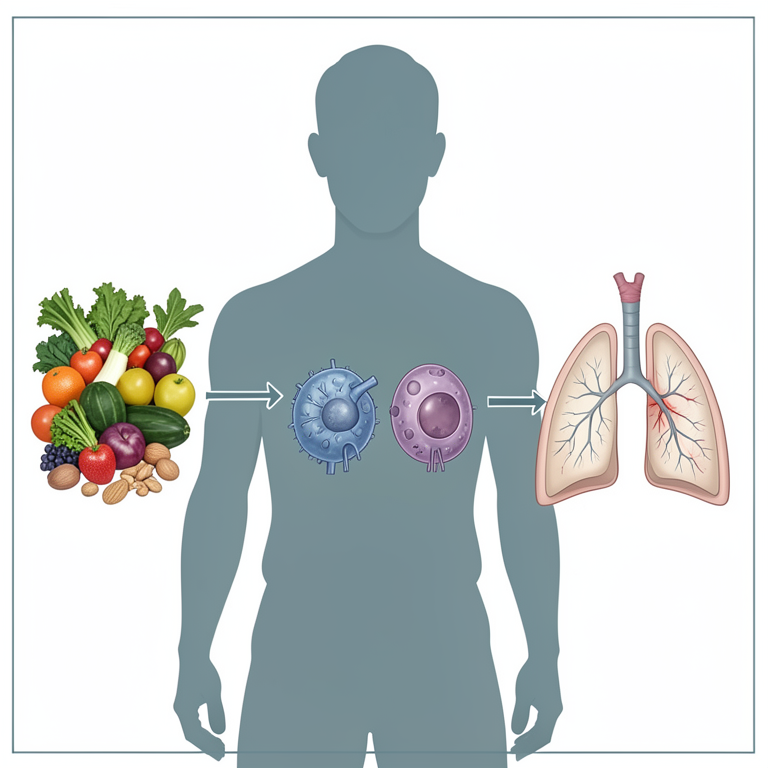
Nutritional-Immune Link
AI-generated conceptual illustration (human internal organs and cellular immune system). It explains the idea and does not show study data.
View source evidence ↗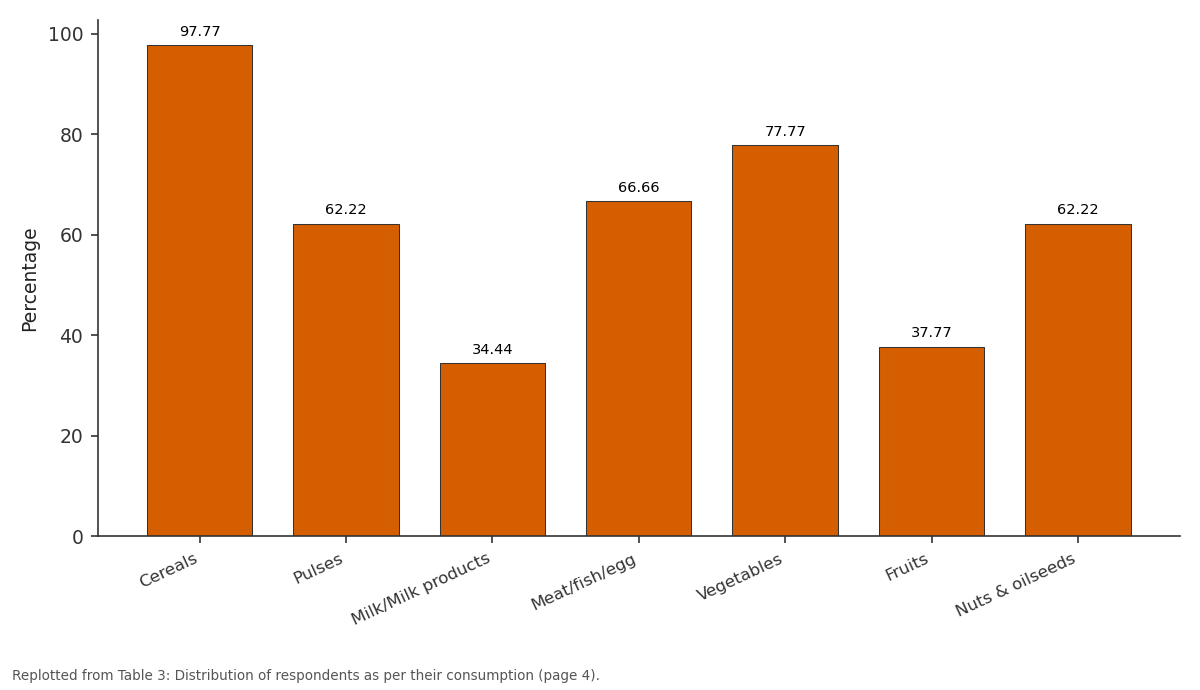
Percentage: Cereals vs Pulses vs Milk/Milk products vs Meat/fish/egg vs Vegetables
Replotted from Table 3 (page 4) of the original paper. Every bar is the paper's own table value.
View source evidence ↗Figures & tables
From the original paper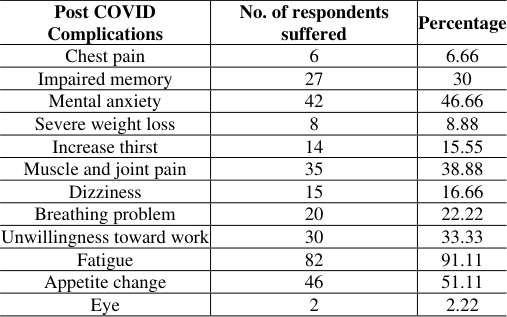 Table 2
 Table 1
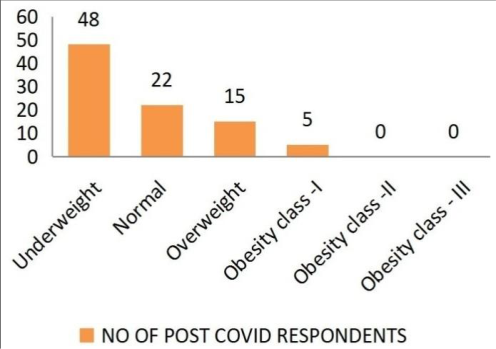 Figure 1
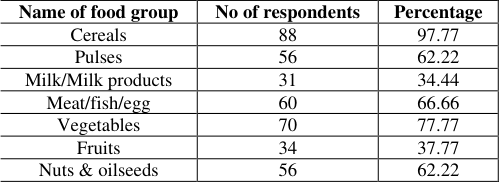 Table 3
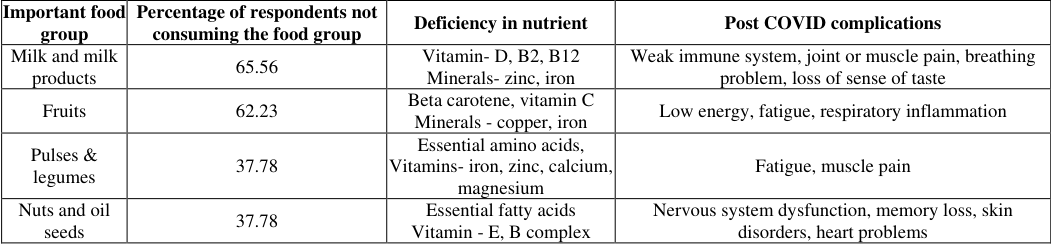 Table 4
Introduction
The threat of post-COVID health issues is not very well documented yet. Multi-years of research are going on at the national and international levels to understand the long-term health challenges of COVID-19 infection. Limited research data indicates that although post-COVID condition appears to be less common in children and adolescents than in adults or elders, later on; long-term effects of COVID-19 do occur in young children too. According to official data for COVID-19 cases and deaths from different states of India, many patients who developed complications after recovering from infection are dying significantly. It was also found that older people and people with serious medical conditions are more likely to experience post-COVID complications. World Health Organization (WHO)-( 2004) defined post-COVID complications as "Typically, people recover from COVID-19 after two to six (2-6) weeks. While most people with COVID-19 recovered and return to normal health but some people can have symptoms and can develop a wide range of new, returning, or ongoing health problems even after the infection has gone. This is called a post-COVID-19 complication or long-COVID". As per some studies common post-COVID issues recovered were - Trouble breathing despite normal lung function and capacity. Cough, tightness in the chest, anxiety, and a high pulse rate Chronic fatigue syndrome is characterized by multiple weeks of joint pain, fatigue, body ache, and headache. Brain fog is another complaint being reported in many recovered patients, which affects a person's concentration and can induce insomnia and depression.
Maltezou et al. (2021) [9] stated that the pathogenesis of the post-COVID syndrome is multi-factorial and more than one mechanism may be implicated in several clinical manifestations. Prolonged inflammation has a key role in its pathogenesis and may account for some neurological complications, cognitive dysfunction, and several other symptoms. The post-infectious inflammatory pathogenic mechanism of adults is supported by the fact that its diagnosis is in up to one-third of cases. Other pathogenetic mechanisms that are implicated in post-COVID syndrome include immune-mediated vascular dysfunction, thromboembolism, and nervous system. Maltezou et al. (2021) [9] also stated that vaccines might improve postwww.extensionjournal.com COVID-19 symptoms, including T-cells, which, boosted by the vaccine, could eliminate a viral reservoir; the vaccine could trigger an increased immune response, or it could divert an inappropriate autoimmune response
Types of Post-COVID Complications a) New conditions or ongoing symptoms
Some people experience a range of new or ongoing symptoms that can last weeks or months after first being infected with the virus that causes COVID-19. Unlike some other types of post-COVID conditions, which tend to affect only people who have had a severe illness, these symptoms can affect anyone who has had COVID-19, even if the illness was mild or they had no initial symptoms. CDC (2021) [2]
b) Multi-organ dysfunction due to COVID-19 infection
Some people who had severe COVID-19 illness experienced multi-organ effects or auto immune conditions over time, with symptoms lasting weeks or months after the illness. Multi-organ effects can affect many, if not all, body systems, including heart, lung, kidney, skin, and brain functions. Autoimmune conditions happen when the immune system attacks healthy cells in the body by mistake, causing inflammation (swelling) or tissue damage in the affected parts of the body. While it is very rare, some people, mostly children, experience multi system inflammatory syndrome (MIS) during or immediately after a COVID-19 infection. MIS is a condition where different body parts can become inflamed. MIS can lead to post-COVID conditions if a person continues to experience multi-organ effects or other symptoms.
c) Post-COVID mental health problems due to hospitalizations
Hospitalizations and severe illnesses for lung-related diseases, including COVID-19, can cause health effects like severe weakness and exhaustion during the recovery period.
Effects of hospitalization can also include post intensive care syndrome (PICS), which refers to health effects that begin when a person is in an intensive care unit (ICU) and can remain after a person returns home. These effects can include severe weakness, problems with thinking and judgment, and post-traumatic stress disorder (PTSD). PTSD involves long-term reactions to a very stressful event. Some symptoms that can occur after hospitalization is similar to some of the symptoms that people with initially mild or no symptoms may experience many weeks after COVID-19. It can be difficult to know whether they are caused by the effects of hospitalization, the long-term effects of the virus, or a combination of both. These conditions might also be complicated by other effects related to the COVID-19 pandemic; including mental health effects from isolation, negative economic situations, and lack of access to health care for managing underlying conditions. These factors have affected both people who have experienced COVID-19 and those who have not.
Rate of post-COVID complications in different age groups
A person of any age who has had COVID-19 can later develop a post-COVID condition. Although post-COVID conditions appear to be less common in children and adolescents than in adults or elderly, long-term effects after COVID-19 do occur in children and adolescents. Studies have reported long-term symptoms in children with both mild and severe COVID-19, including Children who previously had multi system inflammatory syndrome in children. According to a study conducted by UK Health Security Agency A COVID-19 Evidence team (2022), almost 10% of children aged 2-11 years and 13% aged12-16 years reported one or more lingering symptoms 5 weeks after COVID infection. In adults above 40 years and older aged people (60 years above), specifically those with underlying medical problems like cardio-vascular diseases, diabetes, chronic respiratory diseases and cancer are more likely to develop serious health complications.
Risk factors
There can be many factors that induce development of post-COVID complications among patients, the well-known one is the SARS-COV-2 virus infection which can damage not only lungs but also heart, brain and kidney and increases the risk of long term health problems. Older patients (≥40years) Having underlying health conditions such as diabetes, hypertension and allergic diseases. Patient who has experienced higher number of symptoms during the acute COVID infection. Comparatively, female sex is more susceptiblefor developing severe post-COVID complications than male. Patients having prior psychiatric disorder.
Objectives of the study a. To study about the common post-COVID complications. b. To find out nutritional status of post COVID patients. c. To find out deficiency of nutrients of post COVID patients and its effect on the disease. www.extensionjournal.com
Methodology
The present study was conducted in two randomly selected districts of the Upper Brahmaputra Valley Zone of Assam based on the feasibility of the researcher. A systematic procedure was designed for conducting the investigation, analysis, and interpretation of data. The population of the study consisted of COVID-19 infected patients who recovered from infection. Purposive sampling method was used for selecting samples of COVID-19 infected people, within age group 25-45. Out of the total 100 samples, 50 were collected from Jorhat district and remaining 50 were collected from Dibrugarh district. For selection of respondents, a list of COVID recovery persons from the selected area was collected through consultation with ASHA workers in the community. Data was collected through a structured interview schedule. Anthropometry measurements and 24 hour dietary re-call method for one week was also conducted. Finally the collected data were analysed statistically and recorded.
Results and Discussion
Results and Discussion
Background information of the respondents
The study revealed that majority (50%) of respondents were of age group (39-45) years. Majority (55%) of respondents were female. 34% of respondents had education upto primary level whereas 4% of respondents were illiterate. Majority (75%) of respondents belonged to rural area and majority (36%) of respondents had daily wage as their occupation. Nearly cent percent (98%) of respondents were non-vegetarian.
Prevalence of post-complications among the COVID-19 infected persons
Table 1 revealed that majority (90%) of the respondents who had been infected with COVID-19 viruses suffered from post-COVID complications after two to four weeks of recovery of infection and only 10% of respondents did not suffer from post-COVID complications after recovery of infection. The reason behind this could be that as majority of the respondents were wage earners, they could not afford much in food as per their requirement, hence they lack in nutrition and thereby they were much affected.
| Post Covid Complications | No. of respondents | Percentage |
|---|---|---|
| Affected patients | 90 | 90 |
| Not affected patients | 10 | 10 |
Table text extracted from the original PDF; superscript letters are shown inline. The original table image is below.
View original table image
Development of post-COVID complications against nutritional status of the respondents
Development of post-COVID complications against nutritional status of the respondents
Distribution of respondents as per their consumption pattern of different food groups
Table 3 shows that the average consumption rate of few food groups was very poor when compared with RDA 2020. This data directly implies the deficiency of particular group of nutrients derived from different food groups. It was found that less only (31%) of the respondents consumed milk daily, which indicates deficiency of calcium, magnesium, iron, zinc, and lactose protein in the diet of the respondents. Deficiencies of micro minerals, protein, and fibre were common among most of them due to the lower only (34.44%) consumption of plant-based foods such as fruits.
| Name of food group | No of respondents | Percentage |
|---|---|---|
| Cereals | 88 | 97.77 |
| Pulses | 56 | 62.22 |
| Milk/Milk products | 31 | 34.44 |
| Meat/fish/egg | 60 | 66.66 |
| Vegetables | 70 | 77.77 |
| Fruits | 34 | 37.77 |
| Nuts & oilseeds | 56 | 62.22 |
Table text extracted from the original PDF; superscript letters are shown inline. The original table image is below.
View original table image
Further less consumption of nuts and oil (62.22%) indicates www.extensionjournal.com a deficiency of antioxidants, MUFA, and PUFA. Distribution of respondents as per less consumption of some important food groups and deficiency in nutrients: Table 4 revealed that very high percentage (65.56%) of respondents did not consume milk and milk products followed by high percentage (62.23%) of respondents did not consume fruits. This study reveals that due to less consumption of these food groups the respondents lack in vitamins, minerals, essential amino acids and fatty acids which leads to various post COVID complications. It could be inferred that due to lack of awareness and low education of the respondents their consumption was less and hence suffering was more.
Conclusion
Patients with severe acute COVID-19 infections and the elderly population, particularly those with pre-existing comorbidities, are being diagnosed with post-COVID-19 conditions. The following were found to be common post-COVID complications: fatigue and an unwillingness to do work that lasts for several months, even after infection recovery; shortness of breath, dizziness, and body aches were present; and chest pain, mental impairment, and weight loss were minimal among the respondents. The primary role of the immune system is to protect the individual against pathogenic organisms, including bacteria, viruses, fungi, and parasites. The immune system has four general actions: firstly, it acts as a barrier, keeping microbes from entering the body. Secondly, it acts to recognize microbes and to identify whether they are harmful or not. Thirdly, the immune system acts to eliminate those microbes identified as being harmful, involves destructive actions. Fourthly, the immune response generates immunological memory, so that if there is future exposure to the harmful microbe, the immune response will be more rapid and stronger than it was for the first response.
Aging causes numerous biological changes in the immune system, which are linked to age-related illness and susceptibility to infectious diseases. Age-related changes influence the host immune response and therefore not only weaken the ability to fight respiratory infections but also mount effective responses to vaccines. Immune cells in younger people (less than 35 years old) can develop the ability to fight new infections and respond successfully to foreign antigens, resulting in milder forms of the disease or even asymptomatic infection, as observed in the study. Along with age, nutrition is one of the multiple factors that determine the immune response. This study significantly shows that the rate of infection severity and post-COVID complications is higher in older people, in those living with lifestyle diseases such as obesity, diabetes, and hypertension, and also in those having a low BMI. All conditions are the result of the adverse impact of poor nutrition on the immune system. The immune impairments associated with nutritional inadequacy increase susceptibility to infection and permit infections to become more severe, even fatal. Good nutrition is also important in promoting diverse gut micro biota, which in turn supports the immune system. The importance of nutrition in supporting the immune response also applies to ensuring robust responses to vaccination. Thus, attention should be focused on addressing the current nutritional inadequacies (obesity, under-nutrition, and micronutrient deficiency) that are widespread in the population in order to better support the immune response. Along with diet, to maintain mental health, one should practise yoga or pranayamas daily, which will aid in speedy recovery from post-COVID disturbances, both physical and mental.
Figures and tables from the paper
| Post COVID Complications | No. of respondents suffered | Percentage |
|---|---|---|
| Chest pain | 6 | 6.66 |
| Impaired memory | 27 | 30 |
| Mental anxiety | 42 | 46.66 |
| Severe weight loss | 8 | 8.88 |
| Increase thirst | 14 | 15.55 |
| Muscle and joint pain | 35 | 38.88 |
| Dizziness | 15 | 16.66 |
| Breathing problem | 20 | 22.22 |
| Unwillingness toward work | 30 | 33.33 |
| Fatigue | 82 | 91.11 |
| Appetite change | 46 | 51.11 |
| Eye | 2 | 2.22 |
Table text extracted from the original PDF; superscript letters are shown inline. The original table image is below.
View original table image
References
2 in the original paper- Fakhrolmobasheri M, Mazaheri-Tehrani S, Kieliszek M, Zeinalian M, Abbasi M, Karimi F, et al. COVID-19 and Selenium Deficiency: a Systematic Review. Biol Trace Elem Res. 2021:1-12.
- Finzi E, Harrington A. Zinc treatment of outpatient COVID-19: A retrospective review of 28 consecutive patients. J Med Virol. 2021;93(5):2588-2590.