
Research article · 2024 · Full text
International Journal of Agriculture and Food ScienceEffect of different media on growth of cucumber under green-house conditions
Volume 6(1) · Pages 15–19 · DOI: 10.33545/2664844x.2024.v6.i1a.160 ↗
Research areasLight effects on plantsGreenhouse Technology and Climate ControlInnovations in Aquaponics and Hydroponics Systems
Abstract
Author-writtenThe objective of this study was to determine the effects of media on plant height, stem length and diameter, no. of nodes per plant, no. of pickings, no. of fruits, average weight of fruit, fruit yield per plant. In the protective crop production of the cucumber various treatments are being tested and applied on the cucumber growth under the green house conditions. Various treatments of medias includes – Garden soil, Garden soil + FYM (1:1), Garden soil+ Vermi compost (1:1), Garden soil + Cocopeat (1:1), Garden soil + FYM+ Coco peat + Vermi compost (1:1:1:1). All the medias effects are tested under the protected greenhouse conditions. The experimental readings are taken for every 20 days span. The results of the study showed that mixture media significantly increased length, diameter and weight of fruit in all the medias.
Summary
Source-checkedPlain-language reading of the full paper, prepared with AI and checked against the text. Each point links to the authors' own words.
Why it matters
- Cucumbers are highly significant in protected cultivation because they provide substantial income with relatively low preparation time. View evidence ↗
- The crop is considered valuable for greenhouse production due to its popularity in high-end hospitality and various culinary uses. View evidence ↗
The question
- The study aimed to evaluate how different growing media affect various growth and yield parameters of cucumbers. View evidence ↗
What they did
- The experiment was carried out in a polyhouse at Malla Reddy University, Hyderabad, during the 2022/2023 growing season. View evidence ↗
- Five media treatments were tested: garden soil alone, and mixtures of garden soil with FYM, vermicompost, cocopeat, or a combination of all three in equal proportions. View evidence ↗
- The researchers used the 'CHOTU' cooking variety of cucumber seeds for the experiment. View evidence ↗
- Data measurements were recorded at 20, 40, 60, and 90 days after sowing (DAS), as well as at harvest. View evidence ↗
What they found
- Stem diameter increased over time across all treatments, with T5 reaching the maximum of 6.85 mm at 90 DAS compared to 4.8 mm for T1. View evidence ↗
What it means
- The authors conclude that cocopeat media is the most effective for cucumber growth and yield across all measured parameters. View evidence ↗
- The authors recommend coir (cocopeat) as the ideal medium for greenhouse cucumber cultivation. View evidence ↗
- Garden soil alone resulted in the poorest performance, likely due to inferior structure, lower nutrient content, and poor water retention. View evidence ↗
Visual summary
1 visualsIllustrations explain the paper; they do not show study data.
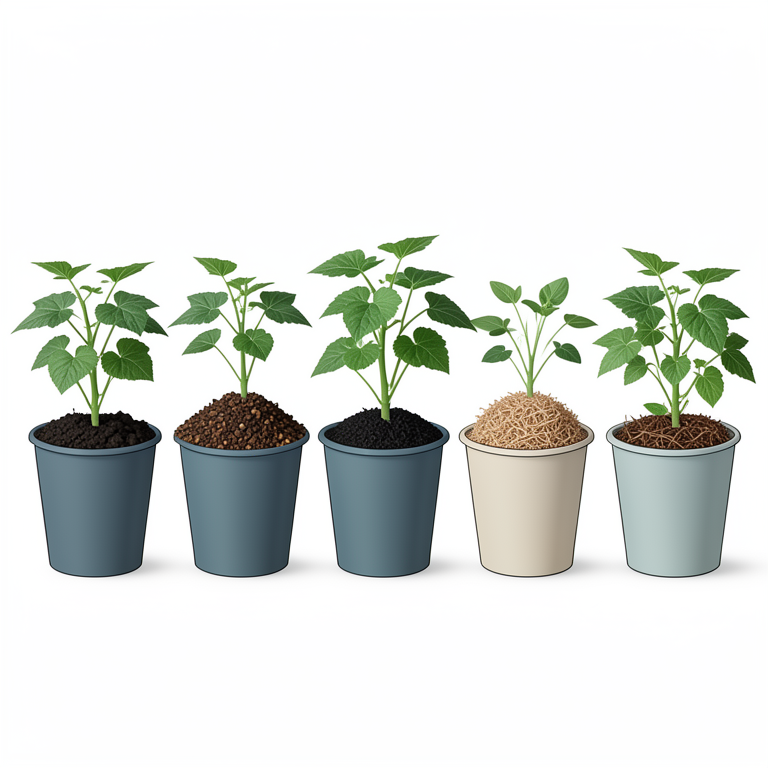
Comparison of Growing Media
AI-generated conceptual illustration (cucumber plants in greenhouse pots). It explains the idea and does not show study data.
View source evidence ↗Figures & tables
From the original paper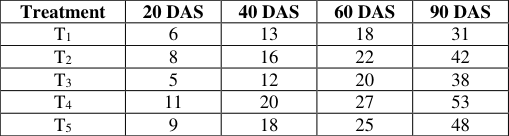 Table 3
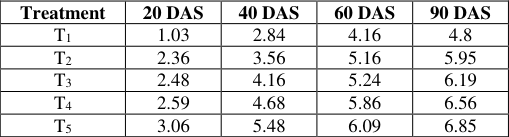 Table 4
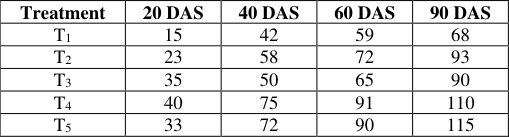 Table 1
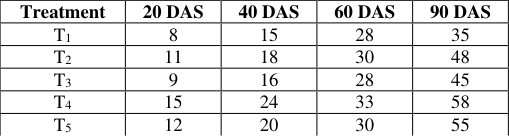 Table 2
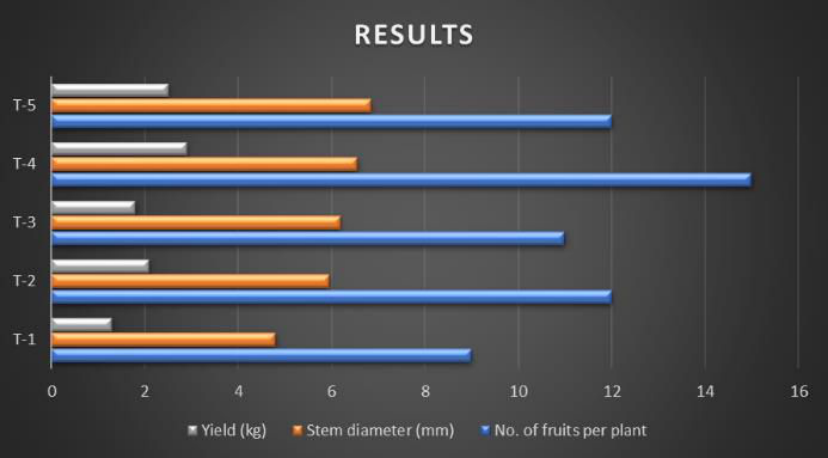 Figure 1
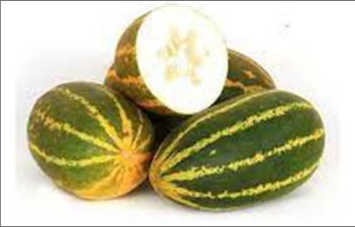 Figure 1
Introduction
Cucumber: A creeping member of the gourd family (Cucurbitaceae), cucumber (Cucumis sativus) is widely grown for its edible fruit. Although cucumbers have little nutritional value, people nonetheless like to use them in salads and relishes because of their mild flavour. Pickled little fruits are common. In cooler climates, cucumbers can be grown in greenhouses with frames or on trellises; in warmer climates, they are produced as a field crop and in home gardens. The cucumber plant has a rough, juicy, trailing stem and is a delicate annual. The stem has branched tendrils that the plant can be trained to climb supports through, and the hairy leaves have three to five pointed lobes. The unisexual yellow blooms with five petals give rise to a pepo, a particular kind of berry. Cucumber is a valuable greenhouse crop. It is very popular in five-star hotels. It can be found in salads, raita, and pickles. It easy to cultivate than other crops. Due to this, the cucumber farming is popular among farmers. It is generally cultivated throughout the year. Pollination is necessary for the cucumber crop to produce fruit. Bees and other insects are the ones that pollinate this. However, because bees and other similar insects have a hard time entering the polyhouse, cucumbers of the "Parthenocarpic" kind must be grown when the crop is planted there. Nearly every kind of soil can support the growth of cucumbers. This crop does well in soil that drains well. Cultivable soil has a pH range of 5.5 to 6.7. Among the vegetables cultivated in protected environments, cucumbers are particularly important because they are the only popular crop grown in poly houses that yields significant income while requiring minimal preparation time. Cucumbers can be harvested three times a year. Cucumber fruits, both immature and fully developed, are used in salads, pickles, and vegetables. Cucumbers of the modern day are becoming more and more popular because they are rich in flavour and seedless. Although cucumbers are primarily a warm-season crop, they can be grown all year round in poly houses. cucumbers available in local markets of India are English, Holenarasipur, Dotted, Zucchini, Gherkin, Armenian, Organic Zucchini, Organic Regular, Regular.
Picture 1: Varieties of cucumber
Picture 1: Varieties of cucumber
Materials and Methods
The experimental production of cucumber is conducted in the polyhouse of Malla Reddy University, Hyderabad during the growing season of 2022/2023.The main objective is to study the effect of various growing media on the growth of the cucumber under greenhouse conditions. The media treatments according to the proportion are filled in the growbags or large polybags and the seeds of selected cooking variety called CHOTU are sown. All the cultural practices, irrigation, weeding, intercultural operations, plant protection practices are followed accordingly. At equal time span intervals of 20 DAS, 40 DAS, 60 DAS, 90 DAS, and at the harvesting the readings are recorded.
Various Medias 1. Garden soil:
Garden soil is just topsoil with additional organic matter added, such as fertiliser, peat, compost, or crushed bark. It is meant to be used in the garden, where the extra nutrients and fertility will help your plants grow. Certain garden soils are specially designed for growing flowers or vegetables. Loam soil is said to be the ideal type of soil as the gardens and gardeners just love it. The three materials like silt, clay plus hummus, and sand are balanced present in this soil. Due to its previous organic matter content, it will have higher calcium and pH levels.
FYM -Farm Yard Manure
Farmyard manure is a straightforward consequence of animal waste from farms, most commonly cow dung and pee, but depending on the region, there are various types of manure that are widely utilised as fertiliser worldwide. Manure from the farm helps to strengthen the soil's structure. It increases the soil's ability to retain more minerals and water. Additionally, it increases the microbial activity of the soil, which enhances plant nutrition and mineral delivery. Fish wastes, sheep and goat droppings, and poultry wastes are further types of farmyard manures. Farm yard Manure is prepared basically using cow dung, cow urine, waste straw and other dairy wastes. It is highly useful and some of its properties are as follows. FYM is rich in nutrients. The chemical composition of FYM is nitrogen -0.5%, phosphate -0.2 %, potassium -0.5 % and water 76 %.
Vermi Compost
Vermicompost, also known as vermi-compost, is a mixture of decomposing vegetable or food waste, bedding materials, and vermicast that is produced by a decomposition process involving several species of worms, most commonly red wigglers, white worms, and other earthworms. Vermiculture is the raising of worms for this purpose; the process is called vermicomposting. Vermicast, often referred to as worm humus, worm poop, worm manure, or worm faeces, is the byproduct of earthworms breaking down organic matter. It has been demonstrated that compared to the organic materials before to vermicomposting, these excreta have higher nutrient saturation and lower levels of pollutants. Vermicompost is an excellent, nutrient-rich organic fertiliser and soil conditioner that contains water-soluble nutrients that can be recovered as vermiwash It is employed in organic farming and sustainable gardening.
Cocopeat
Hydroponics and seed sowing mixtures both commonly use coco peat, an organic medium manufactured from coconuts. Its benefits include being generally inert, lightweight, and originating from a sustainable source. Coir, sometimes referred to as coconut fibre, is a naturally occurring fibre that is derived from the outer husk of coconuts and is utilised in items including doormats, floor mats, mattresses, and brushes. The fibrous substance that lies between a coconut's hard inner shell and its outer layer is called coir. Brown coir, which is derived from ripe coconuts, is also used in horticulture, sacking, and upholstery padding. Finer brushes, string, rope, and fishing nets are made from white coir, which is extracted from unripe coconuts. One benefit is that it doesn't sink.
Picture 5: Cocopeat
Picture 5: Cocopeat
Results and Discussions
The following characters of the cucumber crop to be measured and to be analysed.
A key component of plant ecological strategy is plant height. It is a key factor in determining a species' capacity to compete for light and is highly connected with life span, seed mass, and time to maturity. Critical ecosystem factors like animal variety and carbon storage capability are also correlated with plant height. The readings of plant height are mentioned in Table 1.
| Treatment | 20 DAS | 40 DAS | 60 DAS | 90 DAS |
|---|---|---|---|---|
| T1 | 15 | 42 | 59 | 68 |
| T2 | 23 | 58 | 72 | 93 |
| T3 | 35 | 50 | 65 | 90 |
| T4 | 40 | 75 | 91 | 110 |
| T5 | 33 | 72 | 90 | 115 |
Table text extracted from the original PDF; superscript letters are shown inline. The original table image is below.
View original table image
b. Number of nodes
The structure known as a plant node is in charge of fastening the petiole to the stem. Nodes are frequently connected to the places on stems where buds and leaves develop. Nodes aid in fostering the growth of leaves, secondary stems, and flowers due to their high metabolic activity capabilities. The readings of plant height are mentioned in Table 2.
| Treatment | 20 DAS | 40 DAS | 60 DAS | 90 DAS |
|---|---|---|---|---|
| T1 | 8 | 15 | 28 | 35 |
| T2 | 11 | 18 | 30 | 48 |
| T3 | 9 | 16 | 28 | 45 |
| T4 | 15 | 24 | 33 | 58 |
| T5 | 12 | 20 | 30 | 55 |
Table text extracted from the original PDF; superscript letters are shown inline. The original table image is below.
View original table image
c. Number of leaves
The quantity of leaves (and LAI) will also affect yield because leaves are necessary for photosynthesis and generate the majority of biomass. Furthermore, because LAI is crucial for calculating how environmental conditions affect plants, the majority of crop simulation models employ it to forecast yield. The readings of Number of leaves are mentioned in the Table 3.
| Treatment | 20 DAS | 40 DAS | 60 DAS | 90 DAS |
|---|---|---|---|---|
| T1 | 6 | 13 | 18 | 31 |
| T2 | 8 | 16 | 22 | 42 |
| T3 | 5 | 12 | 20 | 38 |
| T4 | 11 | 20 | 27 | 53 |
| T5 | 9 | 18 | 25 | 48 |
Table text extracted from the original PDF; superscript letters are shown inline. The original table image is below.
View original table image
d. Stem Diameter
Stem diameter is one of the most common measurements made to assess the growth of woody vegetation, and the commercial and environmental benefits that it provides (e.g. wood or biomass products, carbon sequestration, landscape remediation). The readings of stem diameter are mentioned in Table 4.
| Treatment | 20 DAS | 40 DAS | 60 DAS | 90 DAS |
|---|---|---|---|---|
| T1 | 1.03 | 2.84 | 4.16 | 4.8 |
| T2 | 2.36 | 3.56 | 5.16 | 5.95 |
| T3 | 2.48 | 4.16 | 5.24 | 6.19 |
| T4 | 2.59 | 4.68 | 5.86 | 6.56 |
| T5 | 3.06 | 5.48 | 6.09 | 6.85 |
Table text extracted from the original PDF; superscript letters are shown inline. The original table image is below.
View original table image
Conclusion & Recommendations
The experimental research production of the cucumber has been conducted under the protected polyhouse conditions using different medias to their effect on the growth and yield of the cucumber. Various medias such as Garden soil, FYM, Vermicompost, Cocopeat are used in various proportions.
After following all the practices equivalently to all the treatments the readings were taken. From the results we can conclude that COCOPEAT media showed higher effective performance in every aspect of measurement. Cucumber is a valuable greenhouse crop. It easy to cultivate than other crops. Due to this, the cucumber farming is popular among farmers. It is generally cultivated throughout the year. The coir media could be considered as the ideal and most suitable media for the cultivation of the cucumber in the greenhouse or under any other protected conditions. Following that the mixture of coir, FYM, vermicompost and garden soil in equal proportions gave ideal results. The poor yields and characters were shown by simple alone garden soil media which seemed to be having the lower nutrient content and lower water holding capacity with poor structure. The productivity of the cucumber under protective cultivation will be increased by using the coir media. As its benefits include being generally inert, lightweight, and originating from a sustainable source and it doesn't sink.
Figures and tables from the paper
References
19 in the original paper- Adams P, Ho LC. Effects of constant and fluctuating salinity on the yield, quality and calcium status of tomatoes. J Horticultural Sci. 1989;64:725-732.
- Ahmet E, Suat S, Ibrahim G, Cenk K. Irrigation scheduling based on pan evaporation values for cucumber (Cucumis sativus L.) grown under field conditions. Agric Water Manage. 2006;81:159-172.
- Alifar N, Ghehsareh AM, Honarjoo N. The effect of growth media on cucumber yield and its uptake of some nutrient elements in soilless culture. J Sci. Technol. 2010;1:19-25.
- Al-Mulla YA, Al-Balushi M, Al-Rawahy M, AlRaisy F, Al-Makhmary S. Screenhouse microclimate effects on cucumber production planted in soilless culture (open system). Acta Hortic. 2008;801:637-647.
- Bagi FF, Budakov DB, Bursic VP, Stojsin VB, Lazic SD, Vukovic SM. Efficacy of azoxystrobin for the control of cucumber downy mildew (Pseudoperonospora cubensis) and fungicide residue analysis. Crop Prot. 2014;61:74-78.
- Barrett GE, Alexander PD, Robinson JS, Bragg NC. Achieving environmentally sustainable growing media for soilless plant cultivation systems-A review. Scientia Hortic. 2016;212:220-234.
- Cantliffe DJ, Webb JE, Vansickle JJ, Shaw NL. The economic feasibility of greenhouse-grown cucumbers as an alternative to field production in Northcentral Florida benefit-cost analysis. Proc Florida State Horticultural Soc. 2008;121:222-227.
- Engindeniz S. The economic analysis of growing greenhouse cucumber with soilless culture system: The case of Turkey. J Sustainable Agric. 2004;23:5-19.
- Ertek A, Sensoy S, Gedik I, Kucukyumuk C. Irrigation scheduling based on pan evaporation values for cucumber (Cucumis sativus L.) grown under field conditions. Agric Water Manage. 2006;81:159-172.
- Hoagland DR, Arnon DI. The water culture method for growing plants without soil. Agric. California Agricultural Experiment Station Circulation. 1950;347:39. International Journal of Agriculture and Food Science https://www.agriculturaljournals.com
- Huber JJ, Zheng Y, Dixon MA. Hydroponic cucumber production using urethane foam as a growth substrate. Acta Hortic. 2005;697:139-145.
- Salcedo GA, Reca J. Irrigation water consumption modelling of a soilless cucumber crop under specific greenhouse conditions in a humid tropical climate. Ciencia Rural. 2017;47:1-9.
- Sanchez-Guerrero MC, Lorenzo P, Medrano E, Baille A, Castilla N. Effects of EC based irrigation scheduling and CO 2 enrichment on water use efficiency of a greenhouse cucumber crop. Agric Water Manage. 2009;96:429-436.
- Sonneveld C, Voogt W. Plant nutrition of greenhouse crops. Dordrecht, Heidelberg, London, New York: Springer; 2009. pp. 431.
- Spehia RS. Status and impact of protected cultivation in Himachal Pradesh, India. Curr Sci. 2015;108:22542257.
- Sumathi T, Ponnuswami V, Selvi BS. Anatomical changes of cucumber (Cucumis sativus L.) leaves and roots as influenced by shade and fertigation. Res J Agric Biol Sci. 2008;4:630-638.
- Xiaohan W, Jianfeng D, Weimin D, Shirong G, Shijun L. Measurement and simulation of cucumber canopy transpiration in a subtropical modern greenhouse under winter climate conditions. Acta Phytoecol Sinica. 2004;28:59-65.
- Zhang RH, Duan ZQ, Li ZG. Use of spent mushroom substrate as growing media for tomato and cucumber seedlings. Pedosphere. 2012;22:333-342.
- Zhang Z, Liu S, Liu S, Huang Z. Estimation of cucumber evapotranspiration in solar greenhouse in northeast China. Agric Sci China. 2010;9:512-518.