
Research article · 2024 · Full text
International Journal of Biology SciencesBacterial aetiologies of otitis media and their antimicrobial susceptibility in ear swab culture
Volume 6(1) · Pages 94–99 · DOI: 10.33545/26649926.2024.v6.i1b.192 ↗
Research areasEar Surgery and Otitis MediaRespiratory and Cough-Related Research
Abstract
Author-writtenAn acute otitis media infection occurs in the middle ear. Otitis media has three types: acute, chronic suppurative, and effusion. After upper respiratory infections, acute otitis media is the second-most common paediatric emergency department diagnosis. Otitis media is most common in children aged 6–24 months. Aims of the study: Knowing the most common types of bacteria that cause otitis media infections and their sensitivity to a group of antibiotics. Methodology: The retrospective study collected 1,000 ear swabs from January 10 to November 10, 2023. Without medical consultation, 500 male and female ear swabs were collected to record age, nutritional status, and antibiotic use. The samples were tested for bacteria using oxidase, catalase, Voges-Proskauer, Simmon's citrate, Indole, and methyl red after culture on blood and MacConkey agar. The Mueller-Hinton agar drug sensitivity test at Al-Habbobi Teaching Hospital used several antibiotics in sterile conditions. Results: The study found no significant difference in age among participants. The frequency of Klebsiella spp. was highest in all samples, while Staphylococcus spp. was less frequent. Females had a higher frequency of Klebsiella spp than males. Proteus spp. was identical in both genders, while Pseudomonas was lower in females. Antibiotic usage was highest for AK, AMC, and IMP, with ATM having the lowest efficacy against otitis media infections. AZM was the most common antibiotic, followed by CAZ and AFB. The CIP and FOX repeats were significant in combating specific bacteria. Conclusions: No significant age difference was found among the participants. In all samples, Klebsiella was the most common, and Staphylococcus was less common. Klebsiella spp. were more common in women. Females had lower Pseudomonas and identical Proteus spp. Amikacin, ciprofloxacin, and cefoxitin were the most common antibiotics, indicating their effectiveness in preventing and killing bacteria. Thus, health care workers ought to focus on these antibiotics to treat middle ear infections and prevent complications.
Summary
Source-checkedPlain-language reading of the full paper, prepared with AI and checked against the text. Each point links to the authors' own words.
Why it matters
- Otitis media is an infection of the middle ear that can manifest in three forms: acute, chronic suppurative, and effusion. View evidence ↗
- The condition is a significant global health concern due to the distress it causes patients and the financial strain it puts on healthcare systems. View evidence ↗
The question
- The study aimed to identify the most common bacteria causing otitis media and determine their susceptibility to various antibiotics. View evidence ↗
What they did
- This retrospective study analyzed 1,000 ear swabs collected between January 10 and November 10, 2023, split equally between 500 males and 500 females. View evidence ↗
- Bacteria were isolated using blood and MacConkey agar and identified through a series of chemical tests, including oxidase, catalase, and Indole tests. View evidence ↗
- Drug sensitivity testing was conducted on Mueller-Hinton agar under sterile conditions at the Al-Habbobi Teaching Hospital microbiology laboratory. View evidence ↗
What they found
- There was no statistically significant difference in age between the study participants (P = 0.69). View evidence ↗
- Among the isolates, Klebsiella spp. was the most frequent (37.6%), followed by Pseudomonas spp. (33.1%), Proteus spp. (15.6%), and Staphylococcus spp. (13.7%). View evidence ↗
- Gender differences were observed: Klebsiella spp. was more frequent in females (195) than males (181), while Pseudomonas was more frequent in males (170) than females (161). View evidence ↗
- The frequency of Proteus spp. was identical between males and females, with 78 cases each. View evidence ↗
- Amikacin (AK) showed the highest frequency of effectiveness at 24.8%, followed by Cefoxitin (FOX) at 9.2% and Ciprofloxacin (CIP) at 9.1%. View evidence ↗
- Aztreonam (ATM) had the lowest efficacy among the tested antibiotics, with a frequency of only 1.2% (12 cases). View evidence ↗
What it means
- The authors conclude that amikacin, ciprofloxacin, and cefoxitin are the most effective antibiotics for preventing bacterial growth and killing bacteria in these infections. View evidence ↗
- Healthcare workers are recommended to prioritize the use of amikacin, ciprofloxacin, and cefoxitin to treat middle ear infections and avoid complications. View evidence ↗
Visual summary
3 visualsIllustrations explain the paper; charts are replotted from the paper's own table values.
Antibiotic Efficacy Spectrum
AI-generated conceptual illustration (Bacterial colonies from canine ear swabs in petri dishes). It explains the idea and does not show study data.
View source evidence ↗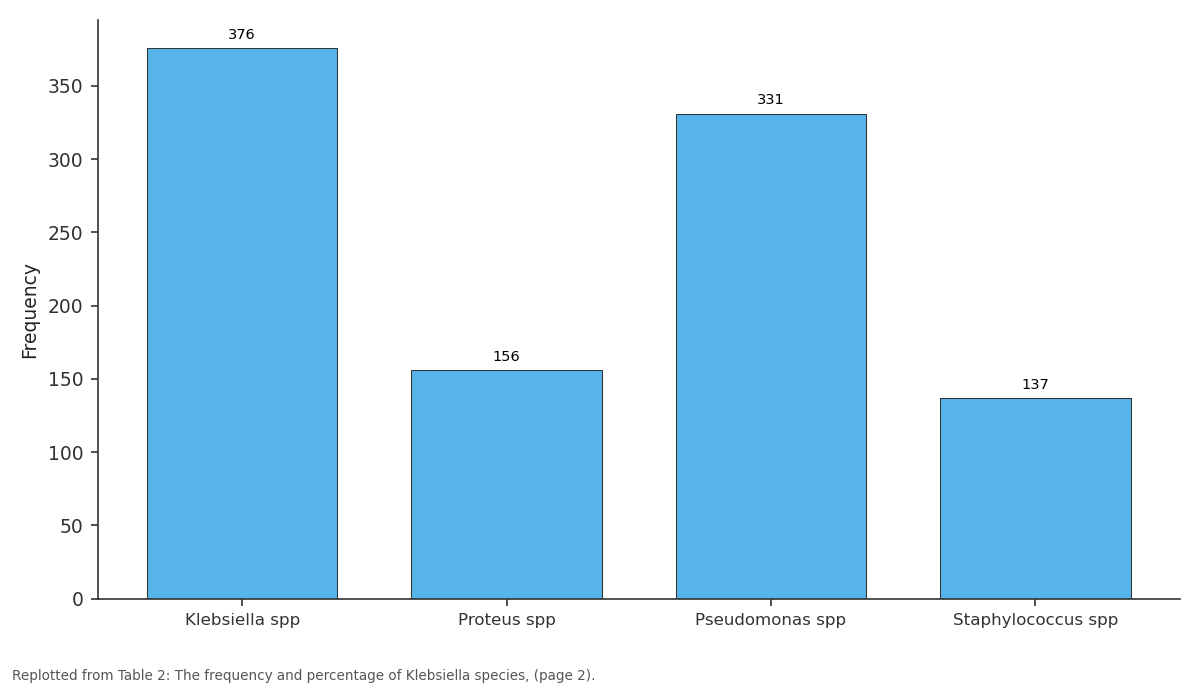
Frequency: Klebsiella spp vs Proteus spp vs Pseudomonas spp vs Staphylococcus spp
Replotted from Table 2 (page 2) of the original paper. Every bar is the paper's own table value.
View source evidence ↗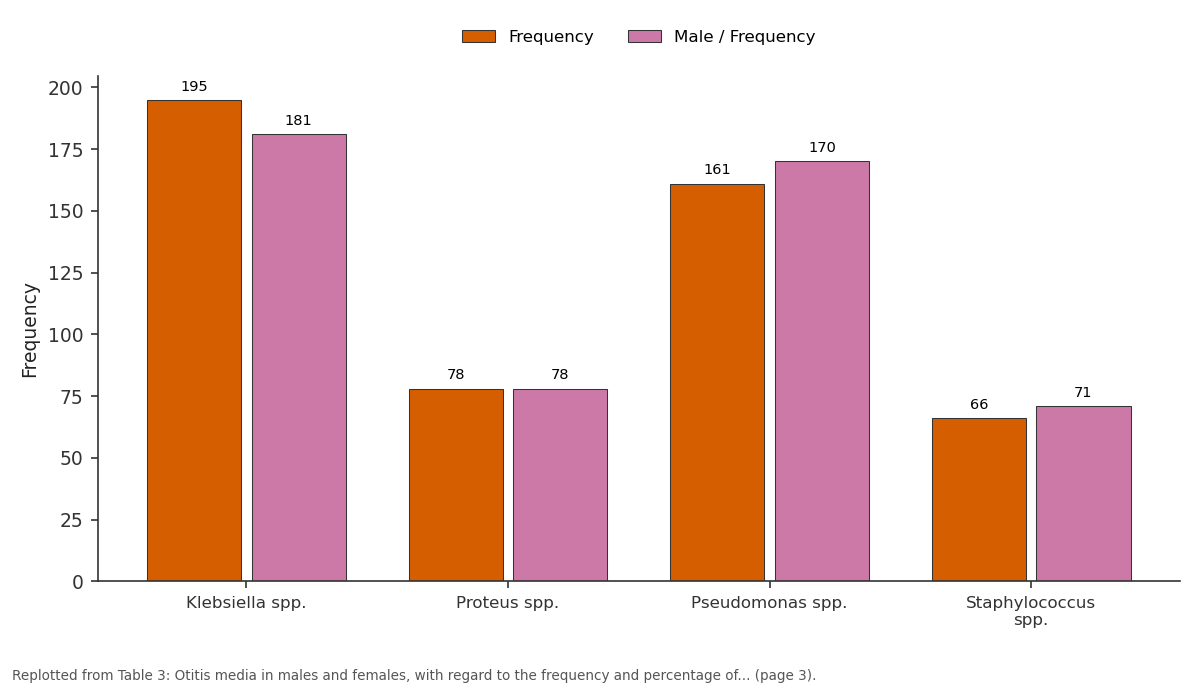
Frequency and Male / Frequency: Klebsiella spp. vs Proteus spp. vs Pseudomonas spp. vs Staphylococcus spp.
Replotted from Table 3 (page 3) of the original paper. Every bar is the paper's own table value.
View source evidence ↗Figures & tables
From the original paper Table 1
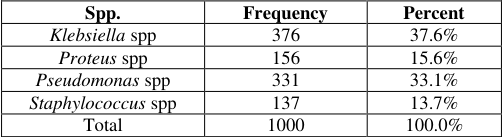 Table 2
 Table 3
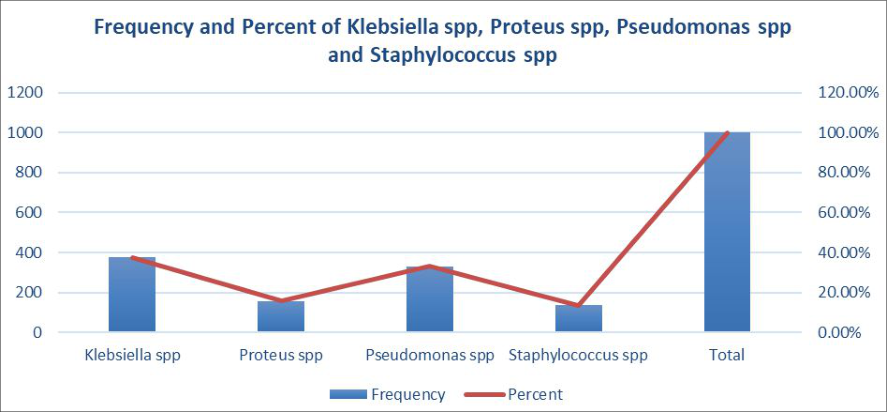 Figure 1
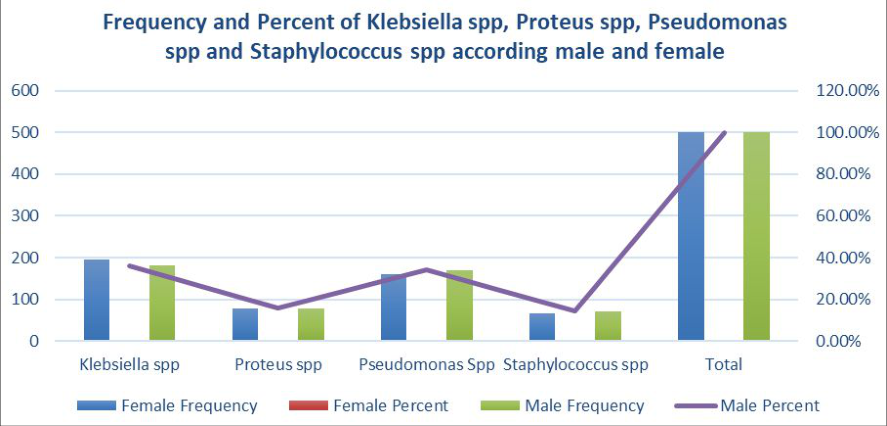 Figure 2
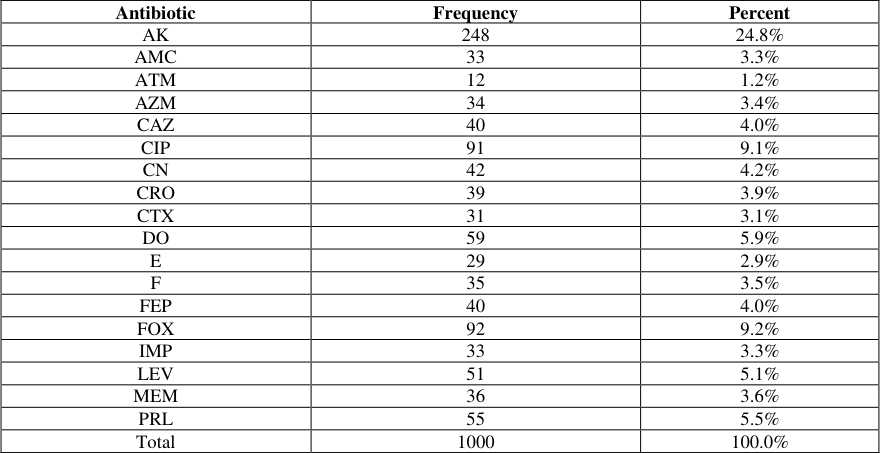 Table 4
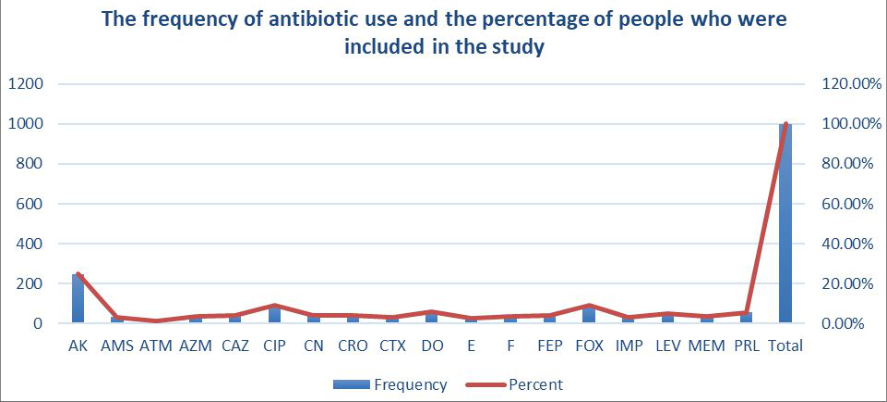 Figure 3
Introduction
An acute otitis media infection occurs in the middle ear. Otitis media includes acute, chronic, and effusion-related diseases. Acute otitis media is the second-most common emergency department diagnosis for children after upper respiratory infections. Otitis media can occur at any age, but it is most common in children aged 6-24 months [1] . Globally, otitis media affects more men than women. Due to poor reporting and regional variations, estimating the annual number of cases is difficult. Otitis media is most common between six and twelve months and decreases after five. At least 80% of children will develop otitis media, and 80% to 90% will develop an effusion before school. Adults have a lower likelihood of experiencing otitis media compared to children. However, individuals who had a history of recurrent otitis media during childhood, a cleft palate, immunodeficiency, immune compromised status, or other related conditions are more likely to develop it [2][3] . Several risk factors can increase the likelihood of a child developing acute otitis media. A prior upper respiratory tract infection is the most prevalent risk factor. Risk factors for adenoid hypertrophy-causing obstruction include male gender, allergies, attendance at daycare, exposure to environmental smoke, use of pacifiers, immunodeficiency, gastro esophageal reflux, a parental history of recurrent childhood OM, and other genetic predispositions [4] . It is possible to develop suppurative Acute Otitis Media (AOM). The term AOM stands for middle ear fluid. This middle-ear infection is associated with acute inflammation. The most common AOM symptoms and the main reasons children visit the clinic are ear pain (otalgia) and fever [5] . Streptococcus pneumoniae, Haemophilus influenzae, Moraxella catarrhalis, Streptococcus pyogenes, Staphylococcus aureus, viridans streptococci, Klebsiella spp., and Pseudomonas aeruginosa were isolated from AOM effusion. Streptococcus pneumoniae, a spherical, pairforming gram-positive bacterium, causes Acute Otitis Media (AOM) in all ages. AOM treatment failure and recurrence are caused by penicillin-resistant S. pneumoniae in over 50% of cases [25] . The main symptom of AOE is severe pain. The doctor manipulates the patient's pinna or tragus to distinguish Acute Otitis Externa (AOE) from AOM, causing AOE patients to experience more pain. Pain lasts up to 48 hours. A small amount of lactescent discharge causes auditory canal swelling and inflammation. AOM affects infants and children who cannot express their complaints, making it difficult to diagnose their symptoms. Acute Otitis Media (AOM) causes irritability, sleeplessness, decreased appetite, and ear pain, which causes children to pull on their ears. Upper respiratory tract infections cause much of the AOM, which can cause rhinorrhea. Fluid retention in the middle ear canal can cause balance issues and dizziness, as well as hearing loss [7][8] . Gram-negative Klebsiella pneumoniae belongs to the Enterobacteriaceae family. Captured and immobile. Bacterial virulence and antibiotic resistance are caused by a variety of factors. The polysaccharide capsule protects the bacteria from host opsonophagocytosis and serum killing, making them virulent. According to research, 77 Klebsiella species without capsules are less virulent. Gram-negative bacteria are protected by lipopolysaccharides, but they become pathogenic. Host inflammation and sepsis/septic shock are caused by lipopolysaccharides. Virulence factors such as fimbriae aid the organism's attachment to host cells. Siderophores aid the organism in infecting hosts. Siderophores steal host iron to promote infection [9][10] . Gram-negative bacteria, such as S. aeruginosa, do not stain in laboratory tests. To survive, the rod-shaped aerobic organism requires oxygen. It does not produce spores. This bacterium has the ability to infect both healthy and weakened immune systems. The organism's adaptability, antibiotic resistance, and diverse defense mechanisms make it difficult to treat in modern medicine. This activity's specifics Infections caused by Pseudomonas aeruginosa and their treatment [11] . Proteus mirabilis, a member of the Enterobacteriaceae rodshaped bacteria family, is a type of gram-negative bacterium that can survive with or without oxygen and can break down maltose but not lactose. P. mirabilis has swarming motility and the ability to elongate itself and secrete a polysaccharide when it comes into contact with solid surfaces. This allows the bacterium to easily attach to and move along surfaces such as medical equipment. P. mirabilis' motility is aided by its flagella, which not only aids in colonisation but also in the formation of biofilms and is thought to contribute to resistance against host defences and specific antibiotics [12] .
In humans, Staphylococcus aureus acts as both a symbiotic bacterium and a pathogen. Around 30% of the human population is colonised by S. aureus. It is also a primary cause of bacteremia and infective endocarditis (IE), as well as infections of the bones and joints, skin and soft tissues, lungs and pleural cavity, and medical devices. The goal of this review is to provide a concise overview of the most recent advances in the investigation of the occurrence, underlying mechanisms, symptoms, and treatment of these important clinical infection syndromes caused by S. aureus. We don't go into great detail about colonization or drug resistance mechanisms. Instead, we recommend that readers refer to recent reviews for more in-depth information on these topics [13] .
Methodology
A retrospective study was carried out between January 10, 2023, and November 10, 2023, with a sample size of 1,000 ear swabs. The samples were evenly distributed, with 500 ear swab samples collected for males and 500 for females. Age, nutritional status, and antibiotic use were recorded without a medical consultation. The aforementioned samples were grown on blood and MacConkey agar. Several chemical tests, such as the Voges-Proskauer, oxidase, catalase, Simmon's citrate, Indole, and methyl red tests, were used to identify and isolate bacteria. Following culturing on Mueller-Hinton agar, a drug sensitivity test was performed under sterile conditions in the microbiology laboratory at Al-Habbobi Teaching Hospital. The sensitivity test used a diverse range of antibiotics.
Results
Results
The demographic characteristics of the patient group
The findings indicated that there is no statistically significant difference in age among all participants in the study (P = 0.69). The prevalence of Pseudomonas in females was 161, which was comparatively lower than the incidence in males, which was 170. The incidence of Staphylococcus in females was 66, but in males it was 71. The table's findings demonstrated a higher frequency of AK, suggesting its crucial efficacy in combating various bacteria responsible for otitis media infections. The occurrence rate of AMC and IMP was 33. The findings also revealed that the frequency of ATM was 12, indicating its limited efficacy against this particular strain of bacteria, as it had the lowest frequency compared to all other antibiotics tested. The results also indicated that the frequency of AZM was 34.
Discussion
Otitis media is a major global healthcare issue because it not only causes distress to patients and their families, but it also places a significant financial burden on the healthcare system. Previous research has shown that both racial and socioeconomic factors influence the occurrence of this phenomenon [14] . Klebsiella was found more frequently than other types of bacteria, with Pseudomonas coming in second, according to the first table's results. Staphylococcus and Proteus were less common. This points to the fact that middle ear infections are most commonly caused by Klebsiella and Pseudomonas. This result is agree with [15] . Otitis media in poorer countries is commonly caused by factors such as poor living circumstances, overpopulation, hunger, and inadequate cleanliness. The study also identified a significant prevalence of the condition, particularly among children, who comprise over 50% of the subjects. According to empirical research, this condition has a higher prevalence among males compared to females. This observation was made in two separate investigations, one conducted in a hospital setting and the other in a community-based study [14][15] . Gram-negative bacteria are the predominant type of bacteria responsible for middle ear infections, occurring three times more frequently than Gram-positive bacteria. Several studies have indicated a higher incidence of otitis media in women compared to men. The investigation revealed Pseudomonas aeruginosa and Klebsiella as the Gramnegative bacteria accountable for 31.3% and 23.9% of the cases, respectively. Staphylococci might be regarded as a contamination of the external auditory canal [16] . This result is agree with [17] . Pseudomonas aeruginosa is the predominant Gram-negative bacteria responsible for middle ear infections, as indicated by the bacterial isolates. Klebsiella spp. It is the second most abundant organism, while Staphylococcus aureus has been identified as the second most common organism in other centres such as Ibadan and Jos, Nigeria. According to the results of middleear cultures, the incidence of Proteus spp. was relatively lower at 14.9% compared to previous studies conducted in Egypt, where it was identified as the most common, and studies conducted in Ibadan, where it was identified as the second most common [18][19] . Table 2 revealed a disparity in infection rates between genders. Specifically, the prevalence of Klebsiella infection was greater among women, but the incidence of Pseudomonas infection was higher among men. The incidence of Proteus was equivalent in males and females. Men had a greater occurrence of Staphylococcus infection. This finding suggests that there may be sex differences in the frequency and regularity of Klebsiella and Pseudomonas. Women may show a greater tendency to receive multiple nominations than men, although this disparity may be considered undemocratic. This disparity can be attributed to physiological differences between males and females, such as differences in the immune system or proteins that can affect the likelihood of infection.
| Spp. | Frequency | Percent |
|---|---|---|
| Klebsiella spp | 376 | 37.6% |
| Proteus spp | 156 | 15.6% |
| Pseudomonas spp | 331 | 33.1% |
| Staphylococcus spp | 137 | 13.7% |
| Total | 1000 | 100.0% |
Table text extracted from the original PDF; superscript letters are shown inline. The original table image is below.
View original table image
Regarding the frequency of infection with Pseudomonas, research has shown that men show a higher incidence of infection than women. Another potential difference in increased gatherings of men may lie in their unique presence and level of participation.
This result is agree with [14,20] There are several possible reasons for the higher frequency of Pseudomonas in men compared to women. Some of these reasons may include; Hormone differences, Differences in hormone levels between the sexes may play a role in increasing the prevalence of Pseudomonas in men. Certain hormones may affect the immune system and make men more susceptible to Pseudomonas infection. Exposure factors, there may be exposure factors specific to men that make them more susceptible to Pseudomonas infection. For example, there may be differences in work patterns, such as working on farms or in industries that provide greater exposure to the agents causing Pseudomonas. Biological composition differences the unique biological composition of men's urinary systems may have an impact on their increased prevalence of Pseudomonas. There can be factors in the urine system that make it more favorable for Pseudomonas growth. The findings demonstrated that the prevalence of amikacin, ciprofloxacin, and cefoxitin above that of other antibiotics, suggesting their efficacy in inhibiting bacterial growth and promoting bacterial eradication. Amikacin binds to the 30S subunit of the bacterial ribosome, preventing protein synthesis and genetic code reading. This causes protein production to stop early and include incorrect amino acids. Amikacin and other aminoglycosides are bacteriocidal and may have another mode of action. Aminoglycosides have post-antibiotic effects and bactericidal activity proportional to concentration. On some microorganisms, amikacin and penicillins work together. Gram-positive organisms can be synergistically treated with amikacin and carbapenems. Amikacin may be effective against tobramycin and gentamicin-resistant strains because bacterial acetylase, adenylase, and phosphorylase enzymes inactivate it less. Thus, its clinical use should be limited to severe nosocomial infections [21][22] . The fluoroquinolone antibiotic ciprofloxacin kills bacteria. By inhibiting bacterial DNA topoisomerase and DNA gyrase, it stops DNA replication. Ciprofloxacin is the most potent fluoroquinolone against gram-negative bacilli bacteria, especially Enterobacteriaceae like Escherichia coli, Salmonella, Shigella, and Neisseria. Ciprofloxacin kills some gram-positive bacteria. The most effective quinolone against Pseudomonas aeruginosa is ciprofloxacin. In Europe, North America, and South America, P. aeruginosa susceptibility has decreased, mostly in hospitals and nursing homes with risk factors. Few oral antibiotics treat P. aeruginosa infections, like ciprofloxacin [23] .
Cefoxitin is a bactericidal agent that works by inhibiting bacterial cell wall synthesis. Cefoxitin is active in the presence of beta-lactamases, penicillinases, and cephalosporinases from Gram-negative and Gram-positive bacteria [24] . Due to their potent bactericidal properties and efficacy in inhibiting bacterial growth, these antibiotics were employed more frequently compared to other alternatives. Several other antibiotics were infrequently used in laboratory settings, either due to their limited efficacy or their absence of activity. Additionally, genetic mutations can alter the bacterial composition, rendering them more resistant to multiple classes of antibiotics.
Conclusion
The study found no significant age difference among participants. The frequency of Klebsiella spp. was highest in all samples, while Staphylococcus spp. was less frequent. Females had a higher frequency of Klebsiella spp. than males. Proteus spp. was identical in both genders, while Pseudomonas was lower in females. The frequency of amikacin, ciprofloxacin, and cefoxitin was higher than all other antibiotics, and this indicates the effectiveness of these types of antibiotics to prevent the growth and killing of bacteria. Therefore, we advise workers in the health sector and health care to have a focus on choosing these antibiotics for the purpose of getting rid of middle ear infection and preventing the occurrence of complications.
Ethical approval
Before the samples were taken, all of the patients who were going to be part of this study were properly informed and gave their verbal permission. The Committee on Publication Ethics at the Thi-Qar Health Directorate, Al Habbobi Teaching Hospital, gave its approval to the study.
Figures and tables from the paper
| Female | — | — | Male | — |
|---|---|---|---|---|
| Spp. | Frequency | Percent | Frequency | Percent |
| Klebsiella spp. | 195 | 39.0% | 181 | 36.2% |
| Proteus spp. | 78 | 15.6% | 78 | 15.6% |
| Pseudomonas spp. | 161 | 32.2% | 170 | 34.0% |
| Staphylococcus spp. | 66 | 13.2% | 71 | 14.2% |
| Total | 500 | 100% | 500 | 100% |
Table text extracted from the original PDF; superscript letters are shown inline. The original table image is below.
View original table image
| Antibiotic | Frequency | Percent |
|---|---|---|
| AK | 248 | 24.8% |
| AMC | 33 | 3.3% |
| ATM | 12 | 1.2% |
| AZM | 34 | 3.4% |
| CAZ | 40 | 4.0% |
| CIP | 91 | 9.1% |
| CN | 42 | 4.2% |
| CRO | 39 | 3.9% |
| CTX | 31 | 3.1% |
| DO | 59 | 5.9% |
| E | 29 | 2.9% |
| F | 35 | 3.5% |
| FEP | 40 | 4.0% |
| FOX | 92 | 9.2% |
| IMP | 33 | 3.3% |
| LEV | 51 | 5.1% |
| MEM | 36 | 3.6% |
| PRL | 55 | 5.5% |
| Total | 1000 | 100.0% |
Table text extracted from the original PDF; superscript letters are shown inline. The original table image is below.
View original table image
References
22 in the original paper- Meherali S, Campbell A, Hartling L, Scott S. Understanding Parents' Experiences and Information Needs on Pediatric Acute Otitis Media: A Qualitative Study. Journal of Patient Experience. 2019;6(1):53-61.
- Usonis V, Jackowska T, Petraitiene S, Sapala A, Neculau A, Stryjewska I, et al. Incidence of Acute Otitis Media in Children Below 6 Years of Age Seen in Medical Practices in Five East European Countries. BMC Pediatrics, 2016;16:108.
- Schilder AG, Chonmaitree T, Cripps AW, Rosenfeld RM, Casselbrant ML, Haggard MP, et al. Otitis Media. Nature Reviews Disease Primers, 2016;2(1):16063.
- Fireman P. Otitis Media and Eustachian Tube Dysfunction: Connection to Allergic Rhinitis. Journal of Allergy and Clinical Immunology, 1997;99(2):S787S797.
- Earwood JS, Rogers TS, Rathjen NA. Ear Pain: Diagnosing Common and Uncommon Causes. American Family Physician. 2018;97:20-27.
- Saravanabavan V, Aneesh P, Babu HM, Harieswari M, Balaji D, Vinothini C et al. Patient's perception and level of primary health care utilization in east block of Madurai North taluk: A geo-health study. International Journal of Geography, Geology and Environment. 2021;3(1):34-41.
- Turner D, Leibovitz E, Aran A, Piglansky L, Raiz S, Leiberman A, et al. Acute Otitis Media in Infants Younger Than Two Months of Age: Microbiology, Clinical Presentation and Therapeutic Approach. Pediatric Infectious Disease Journal. 2002;21(7):669674.
- Rønning TG, Aas CG, Støen R, Bergh K, Afset JE, Holte MS, et al. Investigation of an Outbreak Caused by Antibiotic-Susceptible Klebsiella oxytoca in a Neonatal Intensive Care Unit in Norway. Acta Paediatrica. 2019;108(1):76-82.
- Tsereteli M, Sidamonidze K, Tsereteli D, Malania L, Vashakidze E. Epidemiology of Carbapenem-Resistant Klebsiella pneumoniae in Intensive Care Units of Multi-profile Hospitals in Tbilisi, Georgia. Georgian Medical News. 2018;(280-281):164-168.
- Mulcahy LR, Isabella VM, Lewis K. Pseudomonas aeruginosa Biofilms in Disease. Microbial Ecology. 2014;68(1):1-12.
- Majeed HT, Aljanaby AAJ. Antibiotic Susceptibility Patterns and Prevalence of Some Extended Spectrum Beta-Lactamases Genes in Gram-Negative Bacteria Isolated from Patients Infected with Urinary Tract Infections in Al-Najaf City, Iraq. Avicenna Journal of Medical Biotechnology. 2019;11(2):192-201.
- Coates R, Moran J, Horsburgh MJ. Staphylococci: Colonizers and Pathogens of Human Skin. Future Microbiology. 2014;9(1):75-91.
- Ologe FE, Nwawolo CC. Prevalence of Chronic Suppurative Otitis Media (CSOM) Among School Children in a Rural Community in Nigeria. Nigerian Postgraduate Medical Journal. 2002;9(2):63-66.
- Yang TH, Kuo ST, Young YH. Necrotizing External Otitis in a Patient Caused by Klebsiella pneumoniae. European Archives of Oto-Rhino-Laryngology. 2006;263(4):344-346.
- Bakari AA, Andoga AA, Afolabi OA, Kodiya AM, Ahmad BM. Pattern of Chronic Suppurative Otitis Media at the National Ear Care Center, Kaduna, Nigeria. Journal of Medicine in the Tropics. 2010;12:22-25.
- Brook I, Frazier E. Microbial Dynamics of Persistent Purulent Otitis Media in Children. The Journal of Pediatrics. 1996;128(2):237-240.
- Oni AA, Bakare RA, Nwaorgu OGB, Ogunkunle MO, Toki RA. Bacterial Agents of Discharging Ears and Antimicrobial Sensitivity Pattern in Children in Ibadan, Nigeria. West African Journal of Medicine. 2001;20(2):131-135.
- Abera B, Biadeglegne F. Antimicrobial Resistance Patterns of Staphylococcus aureus and Proteus spp. Isolated from Otitis Media at Bahir Dar Regional Laboratory, North West Ethiopia. Ethiopian Medical Journal. 2009;47(4):271-276.
- Naqid, Ibrahim Abdulqader, et al. The Antimicrobial Resistance Pattern of Klebsiella pneumonia Isolated from the Clinical Specimens in Duhok City in Kurdistan Region of Iraq. Journal of Kermanshah University of Medical Sciences. 2020;24(2):e106135.
- Endo A, Nemoto A, Hanawa K, Maebayashi Y, Hasebe Y, Kobayashi M, et al. Relationship between Amikacin Blood Concentration and Ototoxicity in Low Birth Weight Infants. Journal of Infection and Chemotherapy. 2019;25(1):17-21.
- Rehman A, Patrick WM, Lamont IL. Mechanisms of Ciprofloxacin Resistance in Pseudomonas aeruginosa: New Approaches to an Old Problem. Journal of Medical Microbiology. 2019;68(1):1-10.
- Arrieta A, Singh J. Management of Recurrent and Persistent Acute Otitis Media: New Options with Familiar Antibiotics. Pediatric Infectious Disease Journal. 2004;23(2):S115-S124.
Cited by 2
From OpenAlex, OpenCitations and reference lists read by Scinovex
- Evaluation of Serum Ferritin and CRP Levels in Children with Bacterial Pneumonia ↗
Khansaa Akram Hasan · Academia Open · 2026
General Background: Bacterial pneumonia remains a major cause of pediatric morbidity and hospitalization, characterized by systemic inflammatory responses involving acute-phase reactants and iron metabolism. Specific Background: C-reactive protein (CRP) and serum ferritin are recognized inflammatory biomarkers; however, their combined evaluation in pediatric bacterial pneumonia and their association with disease severity and clinical indicators require further clarification. Knowledge Gap: Limited data…
❝ 0PDF - Monitoring of IL-1β and MCP-1 Levels in Diabetic Patients with Foot Ulcer Infections ↗
Mays Ibrahim Al-Wakeel · Academia Open · 2025
General Background: Diabetic foot ulcers (DFUs) are among the most severe complications of diabetes mellitus, often complicated by persistent infections that delay healing and increase morbidity. Specific Background: Chronic DFUs are associated with exaggerated inflammatory responses, where cytokines such as interleukin-1β (IL-1β) and monocyte chemoattractant protein-1 (MCP-1) play pivotal roles in tissue damage and impaired recovery. Knowledge Gap: Despite evidence…
❝ 0PDF