
Research article · 2024 · Full text
International Journal of Biology SciencesMolecular diagnosis and phytochemical analysis of alcoholic extracts of Moringa oleifera leaves by GC-MS
Volume 6(1) · Pages 28–37 · DOI: 10.33545/26649926.2024.v6.i1a.183 ↗
Research areasMoringa oleifera research and applications
Abstract
Author-writtenA phytochemical study of Moringa oleifera leaves was carried out using gas chromatography mass spectrometry to determine the phytochemical components by GCMS analysis present in the alcoholic extract of Moringa plant. It was 2.035 ppm for Ethanol, 2-(2-hydroxyethoxy)-, 1-nitrate and the lowest peak area was 3.012 ppm for Sulfurous acid, bis(1-methylethyl) ester. Phytochemicals produced by plants can act as alternatives to antibiotics and anti-ulcers and antivirals for many infectious agents or act as nutritional agents for non-communicable diseases. They can also act as antioxidants and flavoring agents. A series of experiments were conducted, including diagnosing the plant under study molecularly, and registering the plant species in the Global GenBank of the International Center for Biotechnology Information (NCBI). I carried the serial number MT495787.
Summary
Source-checkedPlain-language reading of the full paper, prepared with AI and checked against the text. Each point links to the authors' own words.
Why it matters
- Medicinal plants are vital to global healthcare, with approximately 80% of the world's population relying on them because they are affordable, accessible, and generally lack the side effects of chemical drugs. View evidence ↗
- Moringa oleifera is traditionally used to treat a wide range of conditions, including infections, cancer, heart disease, liver disease, ulcers, pain, and wounds. View evidence ↗
- Plant-derived phytochemicals are significant because they can serve as nutritional agents for non-communicable diseases or as alternatives to antivirals, anti-ulcers, and antibiotics. View evidence ↗
The question
- The study aimed to identify active compounds within the alcoholic extract of the Moringa plant and perform a molecular diagnosis of the species. View evidence ↗
What they did
- Moringa leaves were collected from a home garden in the Karbala Governorate in April 2022. View evidence ↗
- To create the extract, 50 g of dry leaf powder was mixed with 500 ml of 70% ethyl alcohol and left at room temperature for 24 hours. View evidence ↗
- Gas chromatography-mass spectrometry (GC-MS) was used to qualitatively and quantitatively determine the active ingredients in the leaf samples. View evidence ↗
- Molecular identification was performed by sending samples to Macrogene in South Korea for polymerase chain reaction (PCR) multiplexing using ITS1 and ITS4 primers to establish the nitrogenous base sequence. View evidence ↗
What they found
- GC-MS analysis identified 14 different chemical compounds within the alcoholic extract of the Moringa oleifera leaves. View evidence ↗
- The compound Ethanol, 2-(2-hydroxyethoxy)-, 1-nitrate exhibited the highest peak area (90.06%) with a retention time of 2.035 minutes. View evidence ↗
- The lowest peak area (0.13%) was observed for Sulfurous acid, bis(1-methylethyl) ester at 3.012 minutes. View evidence ↗
- Electrophoresis of the PCR products showed bands at approximately 700 bp, confirming the successful replication of the ITS region. View evidence ↗
- Sequence alignment showed a 99% match rate between the studied plant and the Moringa oleifera sequence with ID KT737750.1. View evidence ↗
- Phylogenetic analysis showed the sample matched Indian and Belgian samples by 99%, American samples by 92%, and samples from Madagascar and Thailand by 83%. View evidence ↗
- The studied plant species was molecularly diagnosed and registered in the NCBI Global GenBank under the serial number MT495787. View evidence ↗
What it means
- The authors conclude that the Moringa plant possesses rich chemical diversity and genetic uniqueness, with identified compounds offering potential therapeutic applications. View evidence ↗
Figures & tables
From the original paper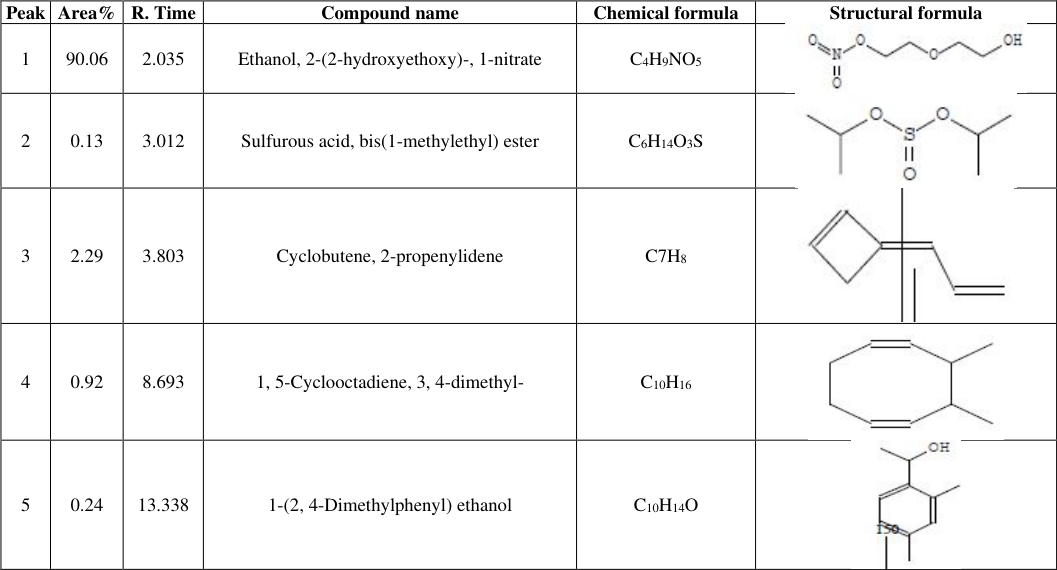 Table 1
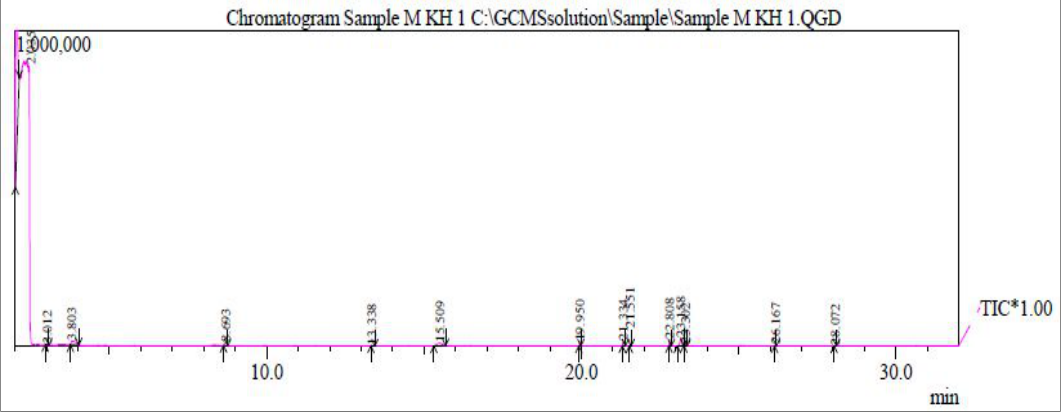 Figure 1
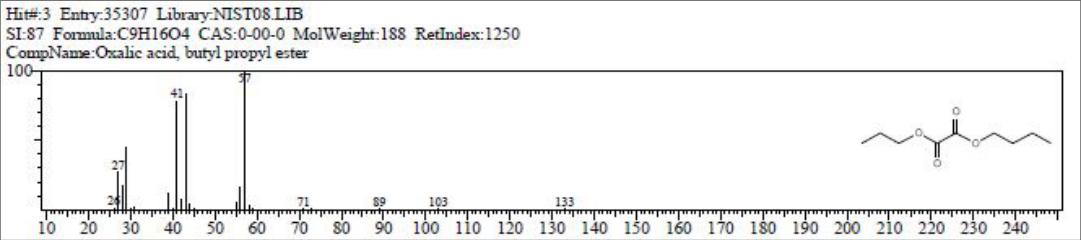 Figure 2
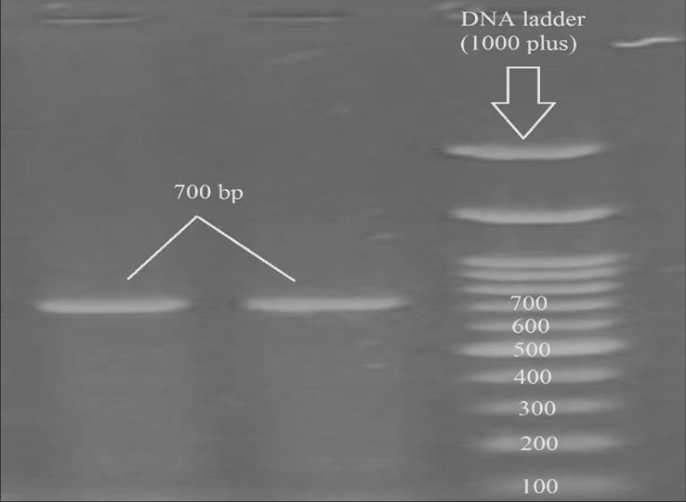 Figure 3
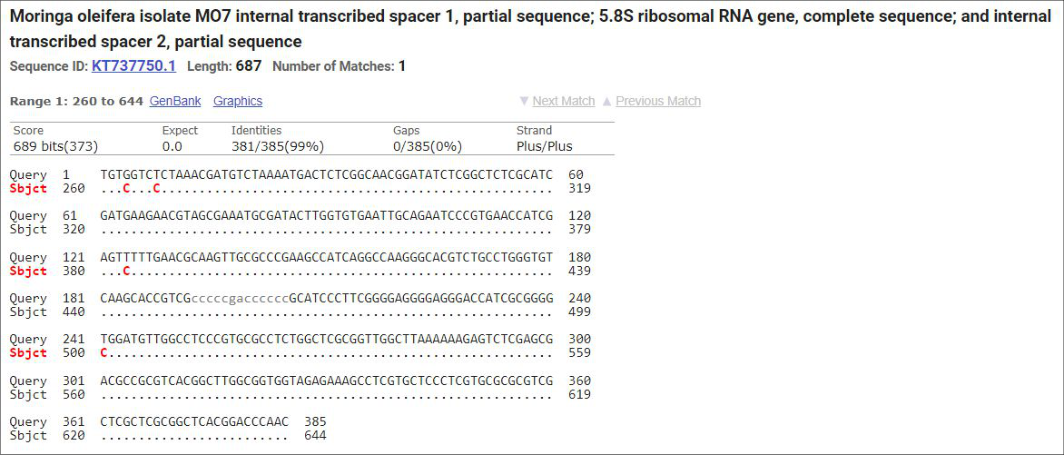 Figure 4
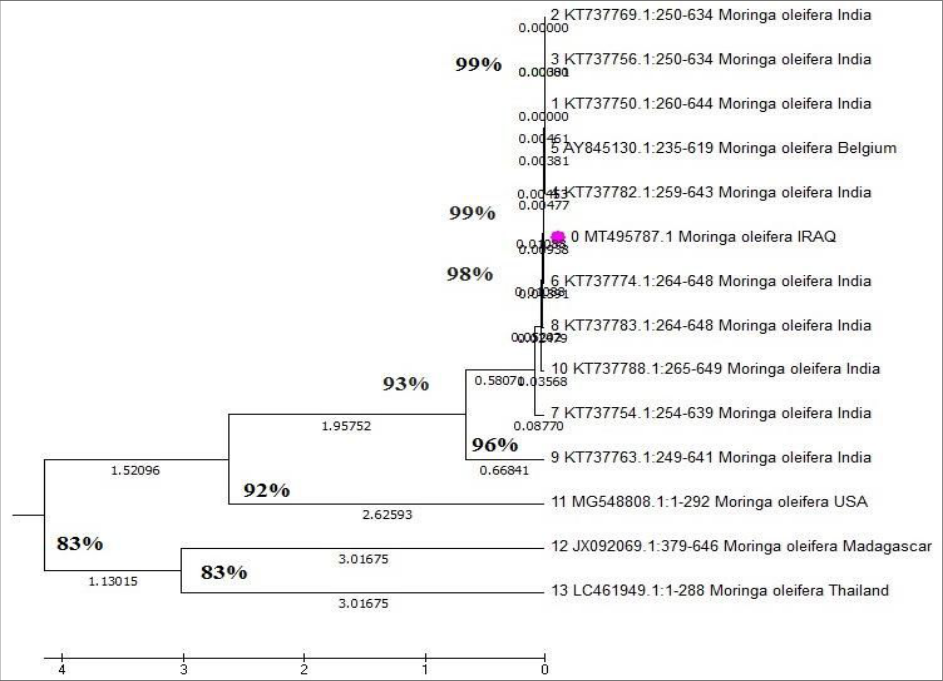 Figure 5
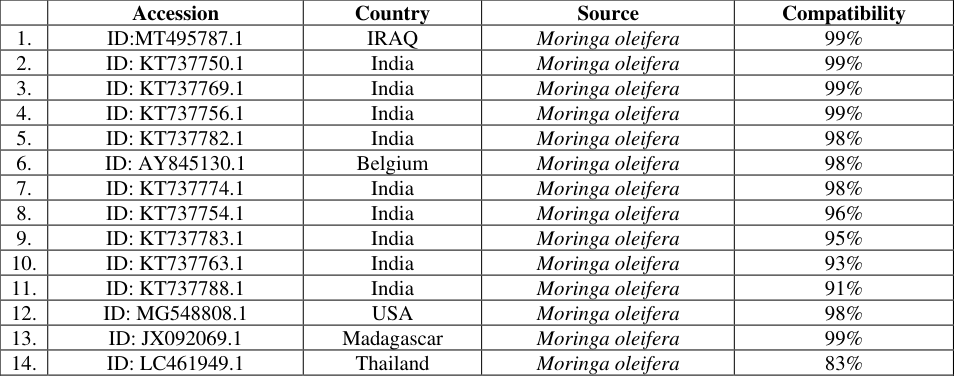 Table 2
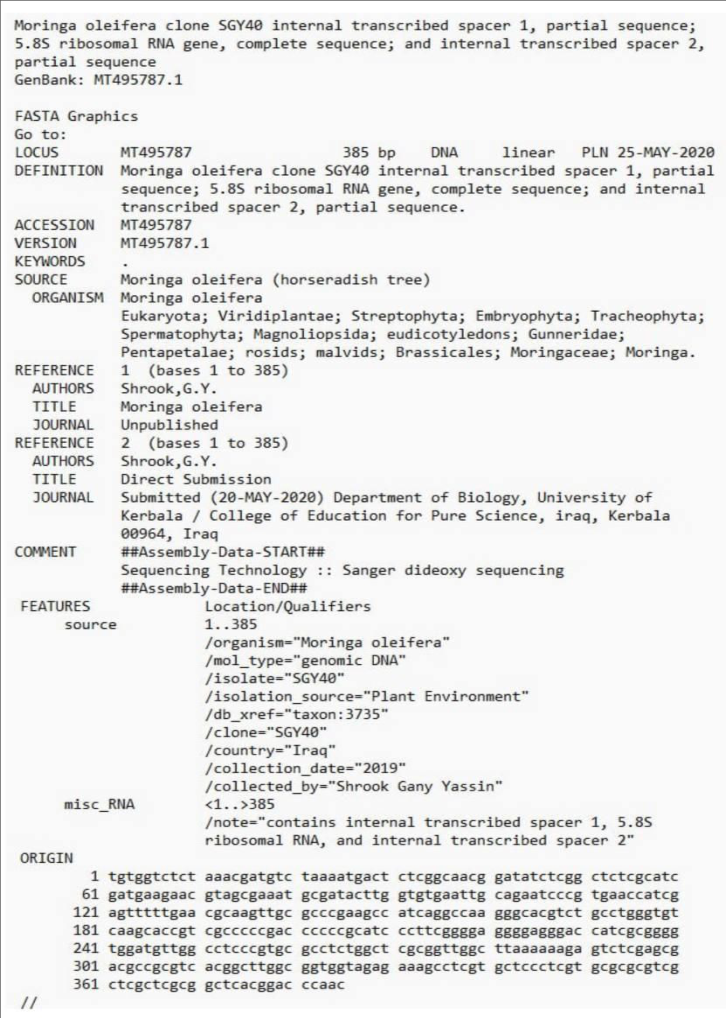 Figure 6
Introduction
Medicinal plants have played a major part in conventional medicine and herbal therapy in many nations across the world, and 80% of the world's population continues to rely on them due to their affordability, accessibility, low cost, promising effectiveness, and lack of the negative side effects associated with the use of chemical drugs. Most therapeutic plants are non-toxic, however a few are quite poisonous. For both people and animals. (Okoye et al., 2014) [14] many plants have been used in the treatment of some diseases due to their medicinal properties, treatment of certain diseases or disease prevention, and other ways to increase the body's immunity and vitality since ancient times (Ullah et al., 2020) [19] . The Moringa plant belongs to the Moringaceae family. It is popularly called the horse radish tree, the Drumstick tree, or the coffee oil tree in English. It is also known as the "tree of life" or "the miracle tree". It is an evergreen, perennial tree that grows to a height of 10-12 meters with The stem may reach 45 cm. The plant is slender with drooping fragile branches. The leaves are feathery, pale green, and triple compound, 30-60 cm long. The flowers are white or creamy with a pungent odor (Paul & Didia, 2012) [16] . It has enormous medical and nonmedicinal benefits. Traditionally, the plant is used for the treatment of wounds, pain, ulcers, liver disease, heart disease, cancer, and infections (Pareek et al., 2023) [15] . (Mahato et al., 2022) [12] (Paul & Didia, 2012) [16] . The plant is used in botanical medicine as an antioxidant, antimicrobial, anti-inflammatory, antipyretic, anti-ulcer, antidiabetic, and antipyretic (Ijioma et al., 2014) [7] The active substances used in traditional medical treatment are obtained from whole plants or from their parts such as seeds, roots, stem, leaves, flowers or bark (de Sousa Araújo et al., 2016) [3] and the fruits of the plant have their own phytochemical as they contain active compounds Despite their potential medicinal properties, different Moringa species are known worldwide for their diversity of uses. These species include Moringa longituba, Moringa drouhardii, Moringa ovalifolia, etc. (Leone et al., 2015) [11] . The three methods that are regarded as classic-soxolite, maceration, and hydro-distillation-that are used in the extraction or mixing process determine the temperature at which bioactive compounds are extracted. (Azmir et al., 2013) [1] .
Therefore, the study aimed to investigate some active compounds in the alcoholic extract of the Moringa plant and to diagnose them molecularly.
Materials and Methods
Plant collection: Moringa leaves were obtained from one of the home gardens in Karbala Governorate in April 2022. The utilized plant pieces had been washed with normal water, then distilled water, dried by air., then processed in an electric mill to produce vegetable powder. Making of alcohol-based extracts for each plant sample, 50 g of dry vegetable powder was weighed. 500 ml of 70% ethyl alcohol was then combined with the 50 g of dry vegetable powder in a 1000 ml glass flask, sealed with cotton and aluminum foil, and allowed to stand at room temperature for 24 hours. The mixture was then filtered through multiple layers of medical gauze for disposal. After centrifuging the particulate matter for ten minutes at a speed of 3000 r/min, the extract was filtered using 0.1 Whatman filters. Not at all. to produce a transparent solution that may be used in gas chromatography-mass spectrometry (GC-MS) (Hernández-Pérez et al., 1994) [6] .
Chemical and molecular properties of the studied plants chemical properties
GC-MS technique for the qualitative and quantitative study of chemical components in plant samples use of gas chromatography-mass spectrometry to determine the active ingredient level in leaves. Identification of Active Ingredients The components were discovered by comparing the resulting spectrum of the unknown component to the known stored components in the NIST library using the National Institute of Standards and Technology (NIST) database.
Ministry of science and technology
Molecular identification of Moringa plants Nitrogenous base sequence analysis of duplicated DNA. 1. In order to establish the nitrogenous base sequence, the plant samples that were subjected to polymerase chain reaction multiplexing using the forward and reverse primers (ITS1 and ITS4) were sent to Macrogene, a South Korean company. This allowed for the ribosomal Internal Transcribed Spacer (ITS) region duplicated completely, which is important for plant diagnosis. 2. The plants that had been identified were added to the Global Gene Bank. 3. The tree was identified for the plants under research using the Chromas tool to determine the similarities among the plants under study and those recorded globally. For Biotechnology Information (NCBI) National Center for Biotechnology Information in the United States and belonging to the same plants identified globally.
Results
The alcoholic extract of Moringa oleifera leaves contains many chemical components. Table (1) and Figure ( 1) list the Chemical components found in the alcoholic extraction of Moringa oleifera leaves. These compounds were identified by mass spectrometry and gas chromatography, which revealed that the plant contained 14 different compounds.
The compound ethanol had the highest peak area in the extract at 2.035 minutes. 2-(2-hydroxyethoxy)-, 1-nitrate, and The 3.012 per minute lowest peak area was observed for Sulfurous acid, bis(1-methylethyl) ester. The compounds showed different times of appearance, and several showed up in close succession (Amalunweze AE, 2022) [17] . The mass spectrum of the plant components of Moringa oleifera was compared with those in the NIST database.
Next, the 14 molecules were characterized and labeled in Figure 2. GC-MS analysis revealed the existence of several active chemicals with carbonyl and hydroxyl groups. Biological activities such as antioxidant, antibacterial, and antiinflammatory properties are known to be possessed by carbonyls and double bonds, in addition to their significance in chemoprevention. Possibly because it was the solvent used to prepare the dry samples, the ethanol compound 2-(2hydroxyethoxy)-,1-nitrate seemed to have the biggest peak area. These chemicals' bioavailability serves as a barometer for the plants under investigation's potential for therapeutic use. While some of them exhibit a variety of pharmacological effects, the various phytochemicals discovered in plants cannot be neglected (Shakour et al., 2023) [18] . In a study conducted by (Mishra et al., 2023) [13] , the presence of different plant compounds in different extracts of Moringa leaves and seeds by gas chromatography, the presence of benzoic acid, 3, 4, 5, trihydroxy (gallic acid) was detected by GC-MS and HPLC analysis. Which can be used to develop the most promising therapeutic agent to treat various diseases. This compound can be used to prepare several mixtures of folk medicine such as safe and cost-effective medicine. A study conducted by (Bhalla et al., 2021) [2] on Moringa plants using GC The study included diagnosing the moringa plant and registering it in the global gene bank. It was discovered that because of the varied phenotypic and polymorphism, using conventional approaches is usually insufficient. Additionally, the Polymerase Chain Reaction (PCR) approach based on primers was used to identify it due to the differences in environmental circumstances. For molecular diagnosis. The results showed that this plant species is the first to be registered in the global gene bank, based on the data found in the recording and the analysis of the proximity and resemblance of the registered plants. The Genomic Tree was utilized to identify the link between specific species of each genus and to identify the species, as well as phenotypic features and properties, as a means of obtaining diagnostic accuracy in addition to traditional diagnosis. (Korf and Rehm, 2013) [8] (Hao and Xiao, 2015) [5] . The ITS region has found widespread application in both taxonomy and molecular diagnostics due to its direct amplifying and high variability, even among closely related species (Kress et al., 2005) [9] . Amplification of the ITS region of rDNA has been used for the reason of distinguishing plant species (Gao et al., 2010) [4] . The DNA sequence is initially checked for its nucleotide composition and is then compared to other genetic strains around the world. To achieve this, the online NCBI-BLAST-Query tool for nucleotides was used, producing accurate results and generating comparisons with international strains showing a range of 98-99% similarity. For analysis, Molecular Evolutionary Genetic (MEG) analysis software was used. Mega is a specialized application designed for comparative analysis of gene sequences that share homology, exploring Genetic associations, and observing patterns of DNA and Evolution of proteins. In addition, besides Tools for analyzing statistical data, mega also provides several resources for extracting sequence data from online repositories, which can then be visualized through phylogenetic trees (Kumar et al., 2008) [10] .
Conclusion
The combined findings underscore the rich chemical diversity and genetic uniqueness of the moringa plant. The identified compounds present potential therapeutic applications, while the molecular diagnostic approach enhances our understanding of its genetic characteristics, emphasizing the importance of integrating modern analytical techniques for comprehensive plant characterization.
Figures and tables from the paper
| Peak | Area% | R. Time | Compound name | Chemical formula | Structural formula |
|---|---|---|---|---|---|
| 1 | 90.06 | 2.035 | Ethanol, 2-(2-hydroxyethoxy)-, 1-nitrate | C4H9NO5 | |
| 2 | 0.13 | 3.012 | Sulfurous acid, bis(1-methylethyl) ester | C6H14O3S | |
| 3 | 2.29 | 3.803 | Cyclobutene, 2-propenylidene | C7H8 | |
| 4 | 0.92 | 8.693 | 1, 5-Cyclooctadiene, 3, 4-dimethyl- | C10H16 | |
| 5 | 0.24 | 13.338 | 1-(2, 4-Dimethylphenyl) ethanol | C10H14O |
Table text extracted from the original PDF; superscript letters are shown inline. The original table image is below.
View original table image
| — | Accession | Country | Source | Compatibility |
|---|---|---|---|---|
| 1. | ID:MT495787.1 | IRAQ | Moringa oleifera | 99% |
| 2. | ID: KT737750.1 | India | Moringa oleifera | 99% |
| 3. | ID: KT737769.1 | India | Moringa oleifera | 99% |
| 4. | ID: KT737756.1 | India | Moringa oleifera | 99% |
| 5. | ID: KT737782.1 | India | Moringa oleifera | 98% |
| 6. | ID: AY845130.1 | Belgium | Moringa oleifera | 98% |
| 7. | ID: KT737774.1 | India | Moringa oleifera | 98% |
| 8. | ID: KT737754.1 | India | Moringa oleifera | 96% |
| 9. | ID: KT737783.1 | India | Moringa oleifera | 95% |
| 10. | ID: KT737763.1 | India | Moringa oleifera | 93% |
| 11. | ID: KT737788.1 | India | Moringa oleifera | 91% |
| 12. | ID: MG548808.1 | USA | Moringa oleifera | 98% |
| 13. | ID: JX092069.1 | Madagascar | Moringa oleifera | 99% |
| 14. | ID: LC461949.1 | Thailand | Moringa oleifera | 83% |
Table text extracted from the original PDF; superscript letters are shown inline. The original table image is below.
View original table image
References
17 in the original paper- Azmir J, Zaidul ISM, Rahman MM, Sharif KM, Mohamed A, Sahena F, et al. Techniques for extraction of bioactive compounds from plant materials: A review. Journal of Food Engineering. 2013;117(4):426-436.
- Bhalla N, Ingle N, Patri SV, Haranath D. Phytochemical analysis of Moringa oleifera leaves extracts by GC-MS and free radical scavenging potency for industrial applications. Saudi Journal of Biological Sciences. 2021;28(12):6915-6928.
- Gao T, Yao H, Song J, Liu C, Zhu Y, Ma X, et al. Identification of medicinal plants in the family Fabaceae using a potential DNA barcode ITS2. Journal of Ethnopharmacology. 2010;130(1):116-121.
- Hao DC, Xiao PG. Genomics and evolution in traditional medicinal plants road to a healthier life. Evolutionary Bioinformatics. 2015;11:197-212.
- Hernández-Pérez M, López-García RE, Rabanal RM, Darias V, Arias A. Antimicrobial activity of Visnea mocanera leaf extracts. Journal of Ethnopharmacology. 1994;41(1-2):115-119.
- Ijioma SN, Nwosu CO, Onyenegecha C. Anticholinergic property of ethanol extract of Moringa oleifera leaves: An in vivo and in vitro approach. Journal of Clinical and Experimental Research. 2014;2(2):133-137.
- Korf BR, Rehm HL. New approaches to molecular diagnosis. JAMA -Journal of the American Medical Association. 2013;309(14):1511-1521.
- Kress WJ, Wurdack KJ, Zimmer EA, Weigt LA, Janzen DH. Use of DNA barcodes to identify flowering plants. Proceedings of the National Academy of Sciences of the United States of America. 2005;102(23):8369-8374.
- Kumar S, Nei M, Dudley J, Tamura K. MEGA: A biologist-centric software for evolutionary analysis of DNA and protein sequences. Briefings in Bioinformatics. 2008;9(4):299-306.
- Leone A, Spada A, Battezzati A, Schiraldi A, Aristil J, Bertoli S. Cultivation, genetic, ethnopharmacology, phytochemistry and pharmacology of Moringa oleifera leaves: An overview. International Journal of Molecular Sciences. 2015;16(6):12791-12835.
- Mahato DK, Kargwal R, Kamle M, Sharma B, Pandhi S, Mishra S, et al. Ethnopharmacological properties and nutraceutical potential of Moringa oleifera. Phytomedicine Plus. 2022;2(1):100168.
- Mishra P, Sharma RK, Chauhan N. Phytochemical analysis of ethyl acetate, methanol and aqueous extracts of Moringa oleifera leaves and seeds. Biochemical & Cellular Archives. 2023;23(1):517-526.
- Pareek A, Pant M, Gupta MM, Kashania P, Ratan Y, Jain V, et al. Moringa oleifera: An updated comprehensive review of its pharmacological activities, ethnomedicinal, phytopharmaceutical formulation, clinical, phytochemical, and toxicological aspects. International Journal of Molecular Sciences. 2023;24(3):2098.
- Paul CW, Didia BC. The effect of methanolic extract of Moringa oleifera lam roots on the histology of kidney and liver of guinea pigs. Asian Journal of Medical Sciences. 2012;4(1):55-60.
- Amalunweze AE and Ezumezu CP. Production of herbal toothpaste using Moringa root essential oil extract. Int. J. Adv. Biochem. Res. 2022;6(2):49-51. DOI: 10.33545/26174693.2022.v6.i2a.134
- Shakour ZTA, Radwa H, Elshamy AI, El Gendy AEN, Wessjohann LA, Farag MA. Dissection of Moringa oleifera leaf metabolome in the context of its different extracts, origin and in relationship to its biological effects as analyzed using molecular networking and chemometrics. Food Chemistry. 2023;399:133948.
- Ullah R, Alqahtani AS, Noman OMA, Alqahtani AM, Ibenmoussa S, Bourhia M. A review on ethnomedicinal plants used in traditional medicine in the Kingdom of Saudi Arabia. Saudi Journal of Biological Sciences. 2020;27(10):2706-2718.