
Research article · 2024 · Full text
International Journal of Horticulture and Food ScienceCupcakes with a reduced content of nutrients critical to health based on dry multi-component mixtures
Volume 6(1) · Pages 27–35 · DOI: 10.33545/26631067.2024.v6.i1a.182 ↗
Research areasFood Industry and Aquatic Biology
Abstract
Author-writtenOne of the ways to increase the competitiveness of products is to simplify the technological process, reduce production costs, and reduce the content of substances critical to health. The use of liquid vegetable oils in the production of cupcakes provides an opportunity to reduce the consumption of substances critical to health. The use of dry multicomponent mixtures (DMM) in the production of cakes makes it possible to simplify the technological process, stabilize quality, and reduce costs, which is convenient for small businesses and bakeries. The aim of the work is to develop a recipe for dry multicomponent mixtures and a technology for making cakes based on them, as well as to expand the range of cakes with a reduced content of nutrients critical for health - saturated fatty acids (SFA) and trans-fatty acids (TFA). The work investigated the functional and technological properties of powdered raw materials and food additives, which should provide good binding and retention of water and liquid vegetable oil. Wheat flour of the highest grade was used as the object of comparison. All types of protein-containing powdered raw materials had higher fat-retaining capacity values in comparison with wheat flour, which indicates their better ability to bind oil. In the course of research, it was found that citrus dietary fibers and a complex additive based on a mixture of gums stabilize the oil-water emulsion to the greatest extent. Based on the results of a study of the technological properties of powdered raw materials and food additives, formulates of DMM with increased nutritional value with high fat-retaining, fat-emulsifying and stabilizing abilities and a technology for preparing cakes based on them were developed. The developed cupcakes are characterized by an average level of fat content (yellow color) and a low level of SFA content (green color) in comparison with the control with a high content of these substances (red color).
Summary
Source-checkedPlain-language reading of the full paper, prepared with AI and checked against the text. Each point links to the authors' own words.
Why it matters
- Global health organizations recommend reducing the intake of nutrients critical to health, such as saturated fatty acids (SFA) and trans fatty acids (TFA), to combat rising rates of obesity, type 2 diabetes, and cardiovascular diseases. View evidence ↗
- Traditional flour confectionery products often use solid industrial fats like margarine, which are typically high in saturated and trans-fatty acids. View evidence ↗
- Dry multi-component mixtures (DMM) are beneficial for small bakeries because they simplify production processes, stabilize product quality, and lower costs. View evidence ↗
The question
- The study aims to create a DMM recipe and production technology for cupcakes that reduce the content of saturated and trans-fatty acids. View evidence ↗
What they did
- The proposed production technology involves mixing the DMM with oil first, then adding water, to maximize the adsorption and binding of the liquid vegetable oil. View evidence ↗
What they found
- Protein-containing powdered raw materials demonstrated a higher fat-retaining capacity (FRC) than wheat flour, meaning they are more effective at binding oil. View evidence ↗
- Citrus dietary fibers and gum-based complex additives were found to be the most effective at stabilizing oil-water emulsions. View evidence ↗
- The DMM-based cupcakes had good sensory properties and showed higher specific volume and crumb plastic deformation compared to the control sample. View evidence ↗
What it means
- The authors recommend the developed DMM and production technology for use in public catering and small businesses to diversify cake assortments and increase nutritional value. View evidence ↗
Visual summary
2 visualsIllustrations explain the paper; charts are replotted from the paper's own table values.
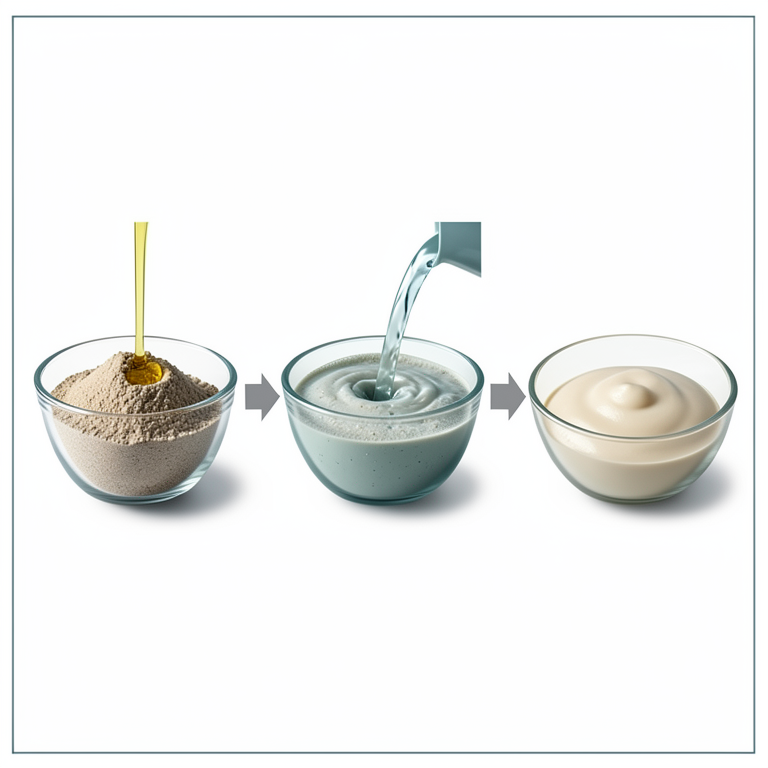
Proposed Mixing Sequence
AI-generated conceptual illustration (cupcake batter ingredients in a mixing bowl). It explains the idea and does not show study data.
View source evidence ↗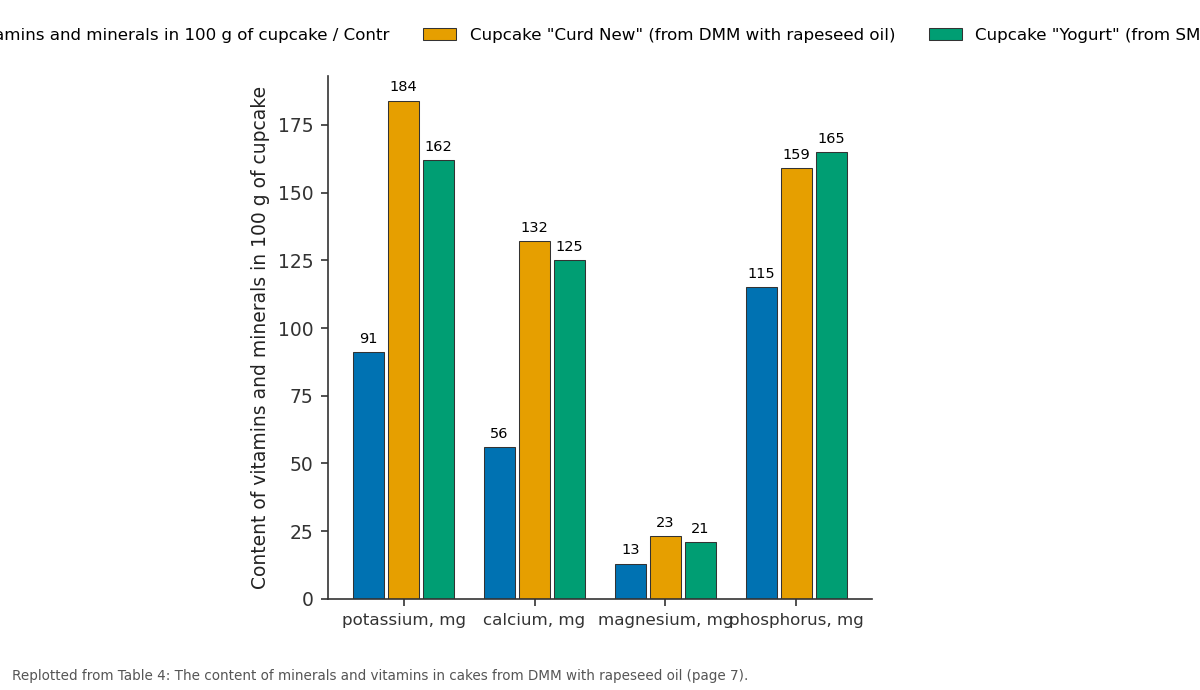
Content of vitamins and minerals in 100 g of... and Cupcake "Curd New" (from DMM with rapeseed... and more: potassium, mg vs calcium, mg vs magnesium, mg vs phosphorus, mg
Replotted from Table 4 (page 7) of the original paper. Every bar is the paper's own table value.
View source evidence ↗Figures & tables
From the original paper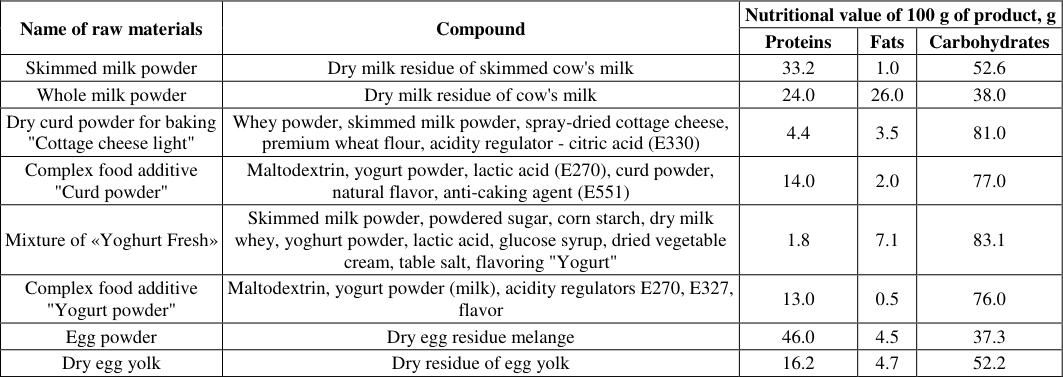 Table 1
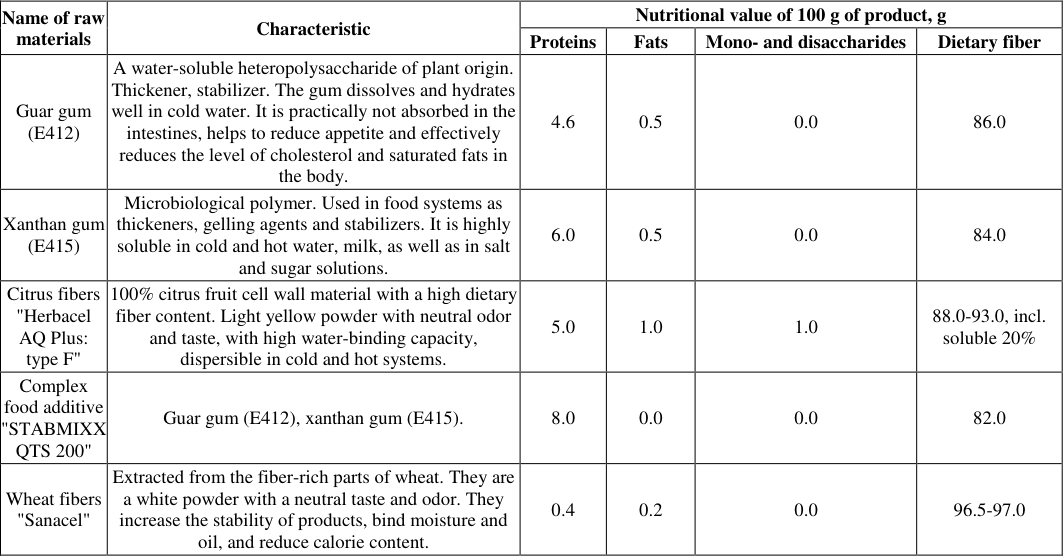 Table 2
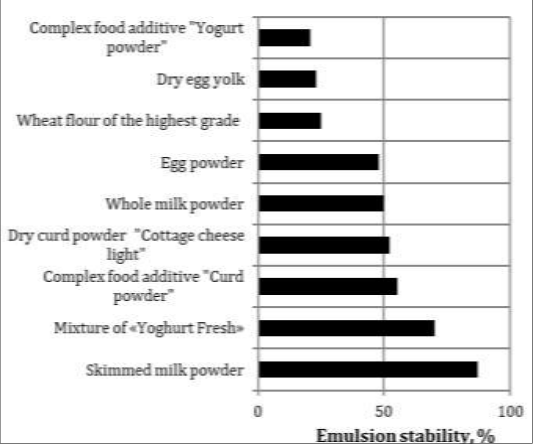 Figure 1
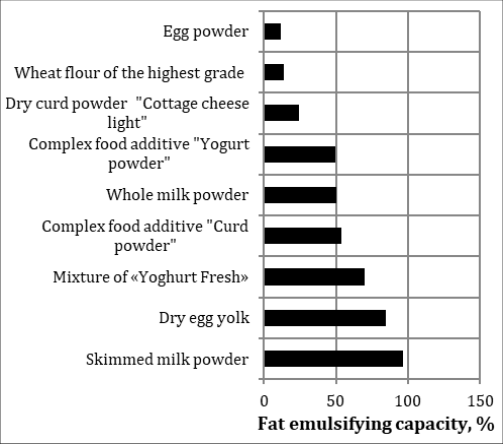 Figure 1
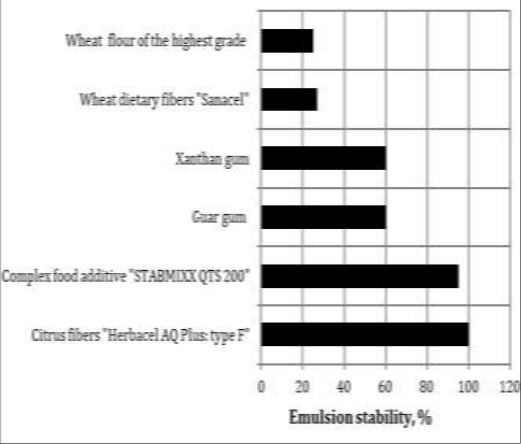 Figure 2
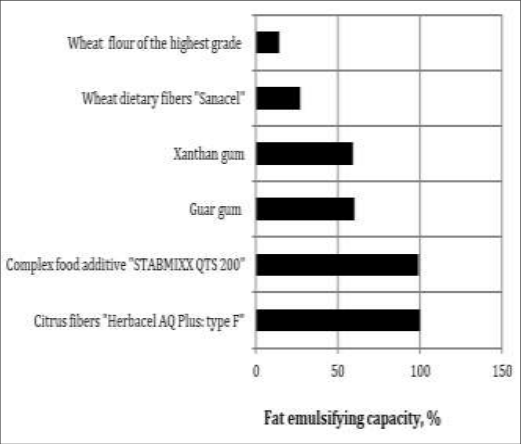 Figure 2
 Table 3
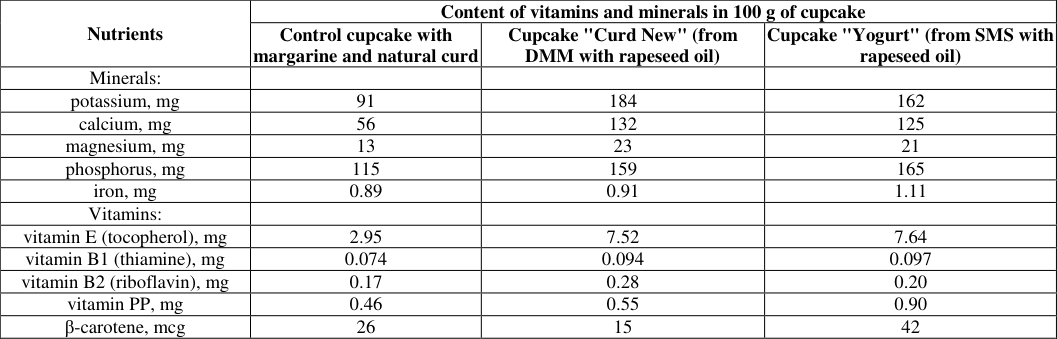 Table 4
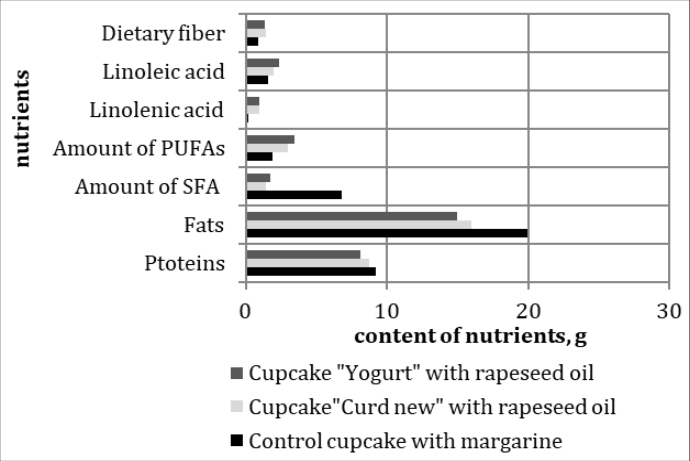 Figure 3
 Table 5
Introduction
The production of quality food products focused on maintaining the health of the Russian population is one of the main tasks set by government programs for the development of the food industry. The priority areas of scientific research in the field of food production are issues of quality, safety and impact on consumer health. Currently, there is an increase in such alimentary-dependent diseases as overweight, obesity, type 2 diabetes, and cardiovascular diseases. The current situation requires the adoption of prompt measures to prevent them. International organizations such as the UN, WHO, FAO call for the development and implementation of measures to reduce the consumption of nutrients critical for health -added sugar, salt, saturated fatty acids (SFA) and trans fatty acids (TFA). Such activities include the development of recipes and technologies for food products with a balanced composition for the main nutrients and their advertising. International experience shows that one of the effective ways to influence the choice of food products is to increase public awareness by applying additional colour indication on the labeling of food products, taking into account the content of substances critical to health in relation to their recommended daily requirement. In order to promote healthy nutrition among the population of Russia, guidelines MP 2.2.0122-18.2.3 have been developed and approved. "Food hygiene. Colour indication on the labeling of food products in order to inform consumers. Guidelines " [1,2] . The colour indication is voluntary and is intended to provide the consumer with visual information about the content of critical substances in the product in order to make an informed and correct choice in favor of a healthy diet.
In accordance with MP 2.2.0122-18.2.3. green, yellow and red colour indications are applied to product labeling depending on the level of critical nutrients in the product: salt, added sugar, fat, including saturated fatty acids. Flour confectionery products (MBI) are universally and widely used products available to all age groups and segments of the population. In this regard, special attention should be paid to fatty products, which are an important component of MKI recipes and play a significant role in the formation of consumer properties and quality assurance [3][4][5] . In the recipes of most MKIs, fats are used as a technological factor that affects the swelling of wheat flour gluten proteins at the stage of dough kneading, which determines the formation of its structural and mechanical properties and the texture of finished products. In addition, fatty products play an important role in ensuring the organoleptic characteristics, nutritional and energy value of flour products. In this regard, the issues of the composition and quality of fats used in the recipes of baked flour products are very significant. Fat is the third largest ingredient after flour and sugar in many MKI recipes and is the most expensive. It provides the dough with plastic properties, finished products give volume, a crumbly and fragile texture. Fat is considered optimal for the manufacture of MKI, as close as possible in terms of physicochemical, rheological and organoleptic parameters to butter, which is an expensive and little-used raw material. In the production of MKI, solid industrial fats are mainly used as raw materials: margarine, milk fat substitutes, solid vegetable oils (palm, coconut oil), confectionery fats and special-purpose fats. For fatty products of solid consistency, a high content of saturated fatty acids (SFA) is characteristic, and for artificially hardened products -trans-fatty acids (TFA). Manufacturers of products for a healthy diet impose requirements not only on such physicochemical characteristics of fats as melting and freezing points, and consistency, but also on a balance in fatty acid composition, content of TFAs and SFAs, resistance to oxidation during storage (the duration of the induction period). Currently, there is no legislation limiting the content of SFAs, however, there are general recommendations for manufacturers to reduce their content in food products. Such products are not only more useful for the human body, but also have better taste characteristics, since a decrease in the content of SFA makes the taste of the product softer and lighter, and removes the "fatty" caused by refractory fats. TFAs play a negative role in the metabolic processes of the human body, which contributes to the development of coronary heart disease, increases the risk of type 2 diabetes, certain types of cancer, strokes, and food allergies [6] . Liquid vegetable oils are little used in the production of MKI, although they contain small amounts of SFAs, they contain practically no TFAs, they have a high nutritional value due to the significant content of polyunsaturated fatty acids (PUFAs), tocopherols, phospholipids and carotenoids. The advantages of liquid vegetable oils include the fact that they have a long shelf life, relatively low cost, ease of storage, transportation and dosing, are domestic products. However, the introduction of significant amounts of liquid vegetable oil into the MKI recipe can reduce the quality of finished products, since it is not sufficiently strongly bound and retained by the dough and finished products, migrates during preparation and storage. Several studies have established that the use of liquid vegetable oil in MKI recipes can increase the density of products and reduce their specific volume. In this regard, there is a problem of developing technological methods, using components of recipes that contribute to the binding and retention of liquid vegetable oils by dough and products. It has been established that prescription components with high fat-retaining and fat-emulsifying ability, emulsion stability in MKI recipes with liquid vegetable oils make it possible to stabilize the properties of the dough and the quality of finished products, to prevent the release of oil from them during production and storage. [7] The trends of recent years also include a fairly wide distribution of dry multicomponent mixtures (DMM) in the production of bakery and MKI. The use of DMM allows reducing production space by eliminating the preparation of raw materials for production and dosing, simplifying the technological process, stabilizing quality, and reducing costs, which is convenient for small businesses and bakeries. In addition, the use of SMS allows you to expand the range of products of increased nutritional and biological value through the use of various components obtained by drying fruit and vegetable, fruit and berry, dairy raw materials, dietary fiber preparations, vitamin and mineral supplements and other ingredients. SMS contains a large number of prescription components in the form of lowmoisture powders with different technological properties. The work aims to develop a recipe for dry multicomponent mixtures and a technology for making cakes based on them, as well as to expand the range of cakes with a reduced content of nutrients critical for health -saturated fatty acids (SFA) and trans-fatty acids (TFA).
Materials and Methods
The following raw materials were used as the objects of study: wheat flour of the highest grade GOST 26574-2017, skimmed and whole milk powder GOST 336229-2015, dry curd powder for baking "Cottage cheese light" and a mixture of "Yoghurt fresh" produced by ARABELLA LLC (Russia), complex food additive "Curd Powder" and complex food additive "Yogurt Powder", declaration of conformity of the EAEU N D-DK.SP30. "Herbacel AQ Plus: type F" produced by Herbafood Ingredients GmbH (Germany); complex food additive "STABMIXX QTS 200" (a mixture of guar and xanthan gum) STO 45126951-001-2015; wheat dietary fibers "Sanacel" produced by "CFF GmbH & Co. KG", (Germany). All food additives comply with TR TS 029/2012 "Safety Requirements for Food Additives, Flavorings and Processing Aids". Technologically significant properties were determined for raw materials and food additives: water-retaining capacity (WRC) was determined by the amount of water adsorbed and retained by the component during the infusion and centrifugation of an aqueous suspension; fat-retaining capacity (FRP) was determined by the amount of liquid vegetable oil retained by the raw material after infusion and centrifugation: fat-emulsifying capacity (FRP) was determined by the ratio of the emulsified volume to the total volume of the system after centrifugation for 5 minutes at a speed of 2000 rpm; The stability of the resulting emulsion (SE) was determined after heating the water-oil emulsion for 30 minutes at a temperature of 80 °C with its subsequent cooling; swelling was determined by infusing a 1% aqueous suspension in a measuring cylinder for 24 hours and was estimated as the maximum amount of water that an object can absorb and retain until dynamic equilibrium, related to the sample weight.
[Eight] The objects of research were samples of dough and ready-made cakes: a control sample -a cake "Curd" prepared according to traditional technology according to standard technological instructions for the production of flour confectionery products using natural cottage cheese and margarine for baking; prototypes of cakes from DMM with liquid vegetable oil. The content of basic nutrients, minerals and vitamins in cakes was calculated according to the industry method for calculating the nutritional value of confectionery products [10] , the content of critical nutrients in accordance with MP 2.2.0122-18.2.3.
Results and Discussion
Various groups of flour products are structured disperse systems with certain rheological characteristics that provide the desired properties of the dough and the texture of finished products, the most important of which are: viscosity, plasticity, elasticity. The main structure-forming component of flour products is baking wheat flour, which contains unique proteins, which, when swollen in water, form gluten (Gluten), which provides a cohesive dough mass with the necessary rheological properties. Additional types of raw materials can influence the processes of gluten formation, weakening or strengthening it. The development of a recipe for a flour product is reduced to solving the technological problem of finding the optimal ratio of components that affect the processes of formation and selection of conditions for the formation of the dough structure and texture of the finished product. At the same time, the dough must have the necessary rheological properties, and the products must have characteristics that are sensory adequate to traditional ones. The determining stages of the technological process of preparing flour products are the stages of kneading dough and baking, where interactions of high-molecular compounds (proteins and polysaccharides) of raw materials with water and fat components take place. The study of the technological properties of raw materials and food additives makes it possible to predict their behavior at the stages of dough kneading and baking. In this regard, at the first stage of research, the functional and technological properties (FTS) of bulk powdered raw materials and food additives were determined, which should ensure good binding and retention of water and liquid vegetable oil, and stabilization of dough systems. For this purpose, water-retaining capacity (WHR), swelling capacity, fat-retaining capacity (HUS), fatemulsifying capacity (HES), emulsion stability (SE) under thermal exposure were determined. Raw materials obtained by spray drying of dairy, sour-milk and egg products were used in the work. The powdery consistency of these components makes it possible to obtain a homogeneous dry multicomponent mixture (DMM) with a high content of substances capable of binding water and liquid vegetable oil both adsorption and osmotically. The composition of this raw material allows you to increase the nutritional value of flour products and diversify the set of nutrients in their composition. Food additives with a high content of insoluble and soluble dietary fiber were chosen for use in the composition of SMS: citrus and wheat fibers, guar and xanthan gums, and a complex additive based on them. These additives are approved for use in the manufacture of food products TR TS 029/2012 "Safety requirements for food additives, flavors and technological aids" and are classified as substances that do not have a harmful effect on human health. In addition, dietary fiber can reduce calories, which is relevant for flour products. From the analysis of literary sources, it follows that the introduction of significant amounts of liquid vegetable oil into the recipe of flour products reduces the quality of finished products, since it is not firmly held by dough and products and migrates from them during preparation and storage. In the formulation of flour confectionery products with liquid vegetable oils, it is necessary to add raw materials that have the necessary functional and technological properties (FTS). The necessary properties are possessed by components with a high content of protein substances and dietary fiber, which are able to bind, retain and emulsify the oil, preventing its migration during the preparation and storage of products [1117] . Liquid vegetable oils can be used as part of oleogels, gel emulsions (solid dispersed systems), in which they are the dispersion medium, and the dispersed phase is low-or highmolecular compounds. Dietary fibers are used as macromolecular compounds. The dispersed phase provides stabilization and the small size of the oil droplets [18][19][20][21] . Complete protein is an indispensable component of nutrition and determines the biological value of products. An important source of complete animal protein are dairy and egg products. The modern market offers a variety of powdered raw materials obtained by spray drying dairy, sour milk and egg products. The powdery consistency of these components allows you to get DMM with a high protein content. Comparative characteristics of the composition and nutritional value of dry dairy, lactic acid and egg products are presented in Table 1. From the data given in the table. 1, significant protein content can be noted in products obtained by drying natural raw materials: dried whole and skimmed milk, egg powder and dried egg yolk. Additives such as Curd Powder, Curd Light, Yoghurt Powder, Yoghurt Fresh are mixtures containing, in addition to natural curd and spray-dried yogurt, premium wheat flour, corn starch, powdered sugar, dry vegetable cream and other components that reduce the biological value and affect the technological properties. The use of these curd and yogurt powders will not increase the biological value of flour products, but it can give finished products a characteristic taste and aroma of yogurt or cottage cheese, which will diversify the assortment. One of the problems that need to be addressed is the low content of dietary fiber in the daily human diet associated with the consumption of refined foods. This leads to an increase in diseases of the gastrointestinal tract, cardiovascular system, increased body weight, etc. One of the generally accepted ways to solve this problem is to add food additives with a high content of dietary fiber to foods, which also helps to reduce calories. The modern market offers a variety of powdered additives for enriching food with dietary fiber. Comparative characteristics of the nutritional value of the food additives with a high content of dietary fiber used in the work are presented in Table 2. . 2 data show that these types of raw materials have a high content of dietary fiber, with a low content of fats and carbohydrates, which will not only enrich products with dietary fiber, but also reduce their calorie content. The use of food additives with a high content of soluble dietary fibers, such as guar and xanthan gums, citrus and wheat fibers, makes it possible to increase the content of dietary fibers in the finished product, which can bind oil adsorption and due to the presence of hydrophobic (hydrocarbon) groups in the composition. In addition, these additives can affect the structure and consistency of dough and baked goods. To predict the ability of the considered raw materials and food additives to bind and retain water and liquid vegetable oil during dough kneading and baking dough pieces, as well as to prevent oil migration during storage of baked products, such technological properties as water-retaining capacity (WRC), swelling, fat-retaining capacity (FRC), fat emulsifying capacity (FEC), emulsion stability (ES).
The object of comparison of technological properties with powdered raw materials and food additives was wheat flour of the highest grade, which is the main raw material in the recipes of flour products. The results of determining the WRC, FRC, FEC and ES of dairy and egg products are shown in Figure 1 (a,b,c,d). Among the studied types of egg and dairy products, WRC was determined in egg powder, egg yolk and the Yoghurt Fresh mixture. Other types of raw materials partially dissolved in water. It was noted that the WRC of the studied types of raw materials exceeded that of wheat flour, which suggests an increase in the water-binding capacity of the DMM containing them. The higher WRC of egg powder compared to egg yolk may be due to the higher protein content. The mixture "Fresh Yoghurt" had the highest WRC, it can be assumed that its introduction will require adjustment of the water consumption for dough kneading. All types of protein-containing powdered raw materials had higher FRC in comparison with wheat flour, which indicates their better ability to bind oil. Skimmed milk powder and egg powder had high FRC, slightly lower -complex food additives "Yoghurt Powder" and "Churd Powder". This may be due to the higher protein content and lower fat content compared to other raw materials. The highest FEC was observed in skimmed milk powder, dry egg yolk. The protein molecules included in skimmed milk powder are good fat emulsifiers, since they are able to concentrate at the phase boundary (oil-water) due to their hydrophobichydrophilic structure and reduce surface tension. Dry egg yolk is also characterized by a high value of FEC due to the content of the natural emulsifier lecithin. Skimmed milk had the highest ES during heat treatment. It was noted that all types of raw materials based on dry dairy products, with the exception of yogurt powder, had a higher ES in comparison with wheat flour. Technological properties of food additives capable of enriching DMM with dietary fiber were studied to study their ability to bind water and oil and stabilize dispersed systems. Since the investigated powdered nutritional supplements are able to bind significant amounts of water, their swelling capacity was determined. The results of the determination of swelling, FRC, FEC and ES of food additives are shown in Figure 2 Studies of the swelling of dietary fiber preparations have shown that guar and xanthan gums, as well as a complex food additive based on their mixture STABMIXX QTS 200, are many times higher than the swelling of wheat flour.
Citrus and wheat fibers are also more swellable than wheat flour. This is due to both the chemical structure and the structure of the raw material. Guar and xanthan gums are hydrocolloidal polysaccharides with high hydrophilicity due to the presence of a large number of water-binding groups.
Xanthan molecules adsorb water with the formation of a three-dimensional network of double helices, which causes its higher swelling compared to guar gum [22,23] . The large swelling of the complex food additive "STABMIXX QTS 200" is due to the fact that xanthan gum shows synergy in mixtures with guar gum. The high swelling and FRC of citrus and wheat fibers is explained by their finely divided fibrous structure, which ensures both the availability of their hydrophilic and hydrophobic groups for interaction with water and oil, and the adsorption of solid particles by the surface and capillaries. The high FEC of gums, citrus and wheat dietary fibers is associated with their ability to thicken and stabilize systems consisting of hydrophobic and hydrophilic parts, which is due to the chemical structure and texture. All types of nutritional supplements had a FEC higher than that of wheat flour. In the course of the research, it was found that citrus dietary fibers and complex additives based on a mixture of gums stabilize the oil-water emulsion to the greatest extent. The gel-like, viscous structure of gums and citrus fibers is not destroyed at a temperature of 80 °C, which ensures a high ES.
The results of the study of the technological properties of powdered raw materials and food additives served as the basis for the development of a formula for DMM of increased nutritional value with high fat-retaining, fatemulsifying and stabilizing abilities and the technology for preparing cakes based on them. The composition of DMM for the developed products is presented in Table 3. Wheat flour of the highest grade, powdered sugar, complex food additive "Curd powder", skimmed milk powder, egg powder, chemical leavening agents, citrus fibers "Herbacel AQ Plus: type F" DMM for the preparation of the cake "Yoghurt"
Wheat flour of the highest grade, powdered sugar, Mixture of «Yoghurt Fresh», dry egg yolk, skimmed milk powder, chemical leavening agents, citrus fibers "Herbacel AQ Plus: type F"
For the preparation of cupcakes based on the developed DMM, a technology was proposed that, in order to ensure good binding and retention of liquid vegetable oil at the dough kneading stage, first mixes DMM and oil, followed by the introduction of water. This order of introduction of raw materials provides greater accessibility of the reactive groups in the composition of the prescription components of the mixture for interaction with liquid vegetable oil, as well as its more complete adsorption binding. The technology for making cupcakes based on DMM involves mixing liquid rapeseed oil with DMM for 5-7 minutes, after which water is added to the resulting mixture and the dough is kneaded for 5-7 minutes, then the products are molded and baked at a temperature of 170-180 ºС [26] . Cakes prepared using this technology were not inferior in quality to products prepared in the traditional way using margarine and natural cottage cheese. The cupcakes were distinguished by good organoleptic characteristics, higher values of the specific volume and plastic deformation of the crumb in comparison with the control sample. The content of the main nutrients in the control sample and experimental samples of cakes from DMM using rapeseed refined deodorized oil per 100 g is shown in Figure 3. Analyzing the data in Figure 3, it can be noted that the replacement of margarine with rapeseed oil made it possible to reduce the fat content. At the same time, the share of SFA decreased and the content of PUFAs, which contain αlinolenic fatty acid of the omega-3 family, increased. The protein content when replacing natural cottage cheese with dry powdered products decreased slightly. The use of dietary fiber in the composition of citrus fruits made it possible to increase their content in products.
The content of minerals and vitamins in the control sample and experimental samples of cakes from DMM using rapeseed oil per 100 g is presented in Table 4. The developed cupcakes are characterized by a medium level of fat (yellow) and a low level of SFA (green) in comparison with the control with a high content of these substances (red).
| Nutrients | Content of vitamins and minerals in 100 g of cupcake | — | — |
|---|---|---|---|
| Control cupcake with margarine and natural curd | Cupcake "Curd New" (from DMM with rapeseed oil) | Cupcake "Yogurt" (from SMS with rapeseed oil) | |
| Minerals: | |||
| potassium, mg | 91 | 184 | 162 |
| calcium, mg | 56 | 132 | 125 |
| magnesium, mg | 13 | 23 | 21 |
| phosphorus, mg | 115 | 159 | 165 |
| iron, mg | 0.89 | 0.91 | 1.11 |
| Vitamins: | |||
| vitamin E (tocopherol), mg | 2.95 | 7.52 | 7.64 |
| vitamin B1 (thiamine), mg | 0.074 | 0.094 | 0.097 |
| vitamin B2 (riboflavin), mg | 0.17 | 0.28 | 0.20 |
| vitamin PP, mg | 0.46 | 0.55 | 0.90 |
| β-carotene, mcg | 26 | 15 | 42 |
Table text extracted from the original PDF; superscript letters are shown inline. The original table image is below.
View original table image
Conclusion
The use of dry multi-component mixes (DMM) containing powdered dairy and egg products, additives with a high content of dietary fiber, makes it possible to simplify the technological process, reduce costs, improve the sanitary condition of production, and stabilize the quality of cakes, including microbiological indicators. The use of these mixtures in combination with the developed technology makes it possible to diversify the assortment of cakes with dairy components, use liquid vegetable oils, and increase the nutritional value of products. The developed DMM and the proposed technology for making cakes based on them can be recommended for use in small businesses, as well as in the field of public catering. Products developed using CMC and rapeseed oil are colour-coded with medium fat (yellow) and low saturated fatty acids (green).
Figures and tables from the paper
References
15 in the original paper- Renziaeva TV, Tuboltseva AS, Ponkratova EK, Lugovaya AV, Kazantseva AV. Functional and technological properties of powdered raw materials and food additives for confectionery. Technique and Technology of Food Production. 2014;4(35):43-46.
- Misteneva SYU, Savenkova TV, Demchenko EA, Shcherbakova NA, Gerasimov TV. The relevance of creating specialized confectionery products for feeding children over three years old. Technique and Technology of food production. 2020;2(50):282-295.
- Misteneva SYU, Savenkova TV, Demchenko EA, Shcherbakova NA, Gerasimov TV. The influence of functional and technological properties of vegetable fat products on the qualitative characteristics of cookies. Vestnik MGTU. 2020;23(3):268-279.
- Miteneva SYU, Shcherbakova NA, Savenkova TV. Mizinchikova II Complex fortification of the formulation composition as the basis for the creation of flour confectionery products. Food industry. 2020;(12):41-47.
- The Russian market of fats for the bakery and confectionery industry. https://www.candytech.ru.; c 2022.
- Renziaeva TV, Dmitrieva EV, Merman AD. Technology of cookie production with liquid vegetable oils. Confectionery production. 2012;(1):16-19.
- Domoroshchenkova ML, Demyanenko TF, Kamysheva IM, Spetsakova ID, Stoikova VYA. Investigation of the functional and technological properties of soy protein isolates. Fat and oil industry. 2007;(4):24-28.
- Renziaeva TV, Tuboltseva AS, Renziaev AO. Flour confectionery products of a functional orientation based on multicomponent mixtures. Technique and technology of food production. 2017;47(4):77-83.
- Yıldız E, Şumnu SG, Şahin S. Effects of buckwheat flour, gums and proteins on rheological properties of gluten-free batters and structure of cakes. Quality Assurance and Safety of Crops & Foods. 2018;10(3):245-254.
- Perez-Santana M, Gloria BC, Liwei Gu, Lan SM, Susan SP, Andrew JM. Characterization of physical properties and retention of bioactive compounds in cookies made with high oleic red palm olein. LWT Food Science and Technology. 2021;147:111499.
- Shiyi Li, Ling Zhu, Gangcheng Wu, Qingzhe Jin, Wang X. Hui Zhang Relationship between the microstructure and physical properties of emulsifier based oleogels and cookies quality. Food Chemistry. 2022;377:131966
- Yang Y, Zhang M, Junhua Li, Yujie Su, Lupig Gu, Yanjun Y. Construction of egg white protein particle and rhamnolipid based emulsion gels with β-sitosterol as gelation factor: The application in cookie. Food Hydrocolloids. 2022;127:107479.
- Srivastava S, Mishra HN. Development of microencapsulated vegetable oil powder based cookies and study of its physicochemical properties and storage stability. LWT Food Science and Technology. 2021;152:112364.
- Paciulli M, Littardi P, Carini E, Paradiso VM, Castello M, Chiavaro E. Inulin-based emulsion filled gel as fat replacer in shortbread cookies: Effects during storage. LWT Food Science and Technology. 2021;133:109888.
- Mysakov DS, Grashchenkov DV, Chugunova OV. Prospects for the use of a polysaccharide of microbial origin xanthan gum in the production of gluten-free products. Bulletin of SUSU. The series "Food and biotechnology. 2016;4(4):26-35.