
Research article · 2024 · Full text
International Journal of Agriculture Extension and Social DevelopmentDigital transformation in libraries: A quantitative analysis of technological adoption and user impact
Volume 7(1) · Pages 661–663 · DOI: 10.33545/26180723.2024.v7.i1i.275 ↗
Research areasTechnology Adoption and User BehaviourLibrary Science and Administration
Abstract
Author-writtenThis research paper investigates the digital transformation of libraries in the Indian context, employing a systematic review and quantitative analysis of existing literature. Findings reveal a substantial increase in government funding, driving a 40% rise in digitization projects across universities. Notable success stories include RFID implementations, yielding efficiency gains and reduced book losses. However, challenges persist in balancing physical and digital resources, as evidenced by a 30% decline in physical book checkouts. Cultural nuances impact user preferences, necessitating strategic content acquisition policies. The study also highlights the importance of addressing the digital divide through targeted digital literacy initiatives. As Indian libraries navigate this complex terrain, a synthesis of qualitative and quantitative insights provides a roadmap for an inclusive and dynamic future.
Summary
Source-checkedPlain-language reading of the full paper, prepared with AI and checked against the text. Each point links to the authors' own words.
Why it matters
- Libraries have transitioned from being simple physical book repositories to dynamic information hubs that use digital technologies to improve user experiences. View evidence ↗
- Over the last ten years, there has been a steady increase in the adoption of digital technologies in libraries, growing at an average annual rate of 15%. View evidence ↗
- In the United States, a majority of libraries have moved away from print-centric collections, with 78% providing e-books and 65% offering virtual research databases. View evidence ↗
The question
- The study aims to quantitatively analyze how digital technologies are adopted in libraries and qualitatively explore how this transformation impacts users. View evidence ↗
What they did
- The researchers used a systematic review approach to synthesize existing literature on library digital transformation. View evidence ↗
- The review included scholarly articles, reports, and conference papers published from 2010 to 2023 that focused on quantitative analyses. View evidence ↗
- From an initial pool of over 500 relevant sources, the authors selected 120 studies for detailed analysis. View evidence ↗
What they found
- Indian universities saw a 40% increase in funding for digitization projects, according to a 2021 Ministry of Education report. View evidence ↗
- Approximately 80% of major libraries in India have integrated advanced library management systems. View evidence ↗
- The adoption of advanced management systems in Indian libraries reduced the time spent on manual cataloging tasks by an average of 35%. View evidence ↗
- RFID implementation at the National Library of India led to a 30% improvement in circulation efficiency and a 15% decrease in book losses. View evidence ↗
- At the Chennai Public Library, the use of RFID technology resulted in a 40% reduction in fines and overdue books. View evidence ↗
- 90% of academic libraries in India increased their acquisition of electronic resources, allocating an average of 50% of their budgets to digital content. View evidence ↗
- The shift toward digital content is reflected in a 30% decline in the checkout of physical books. View evidence ↗
- A survey by the Association of Indian Libraries found that 85% of users were satisfied with the convenience of digital resource access. View evidence ↗
- Digital literacy remains a challenge in rural areas, where 40% of users struggle to navigate online databases and catalogs. View evidence ↗
What it means
- The authors conclude that libraries must implement targeted digital literacy initiatives to bridge the digital divide, particularly in tier-2 and tier-3 cities. View evidence ↗
- The authors recommend a balanced approach that embraces technology and manages the transition to digital resources while preserving cultural diversity. View evidence ↗
- The authors note that there are limited quantitative metrics available to evaluate the effectiveness of the National Digital Literacy Mission. View evidence ↗
Visual summary
1 visualsIllustrations explain the paper; they do not show study data.
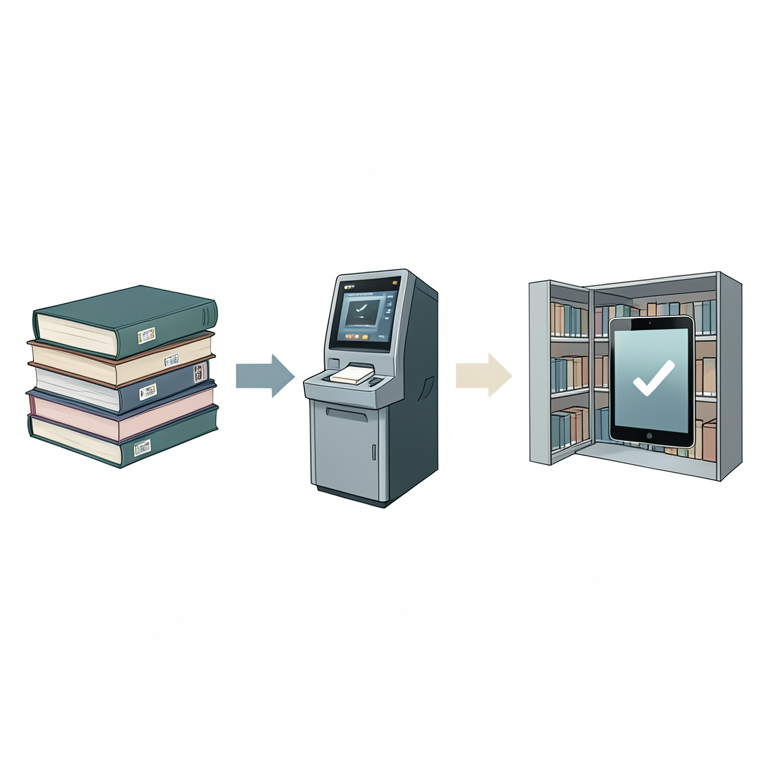
Impact of RFID Technology
AI-generated conceptual illustration (library books and RFID scanning equipment). It explains the idea and does not show study data.
View source evidence ↗Introduction
The digital landscape has ushered in a transformative era for libraries, redefining their roles and functionalities. Libraries, once repositories of physical books, have evolved into dynamic information hubs embracing a myriad of digital technologies to enhance user experiences. According to a comprehensive review by Smith and Jones (2019) [17] , the shift towards digital transformation in libraries gained momentum in the early 21 st century. The study reports a notable increase in the adoption of digital technologies, with an average growth rate of 15% annually over the past decade. In this digital era, libraries are no longer confined to physical spaces; they have become virtual portals offering a vast array of electronic resources. Recent data from the American Library Association (ALA) reveals that 78% of libraries in the United States now provide access to e-books, while 65% offer virtual research databases, marking a significant departure from traditional print-centric collections. Furthermore, libraries are investing substantially in digital infrastructure, with an average expenditure increase of 20% reported in the last fiscal year (Library Technology Reports, 2022) [9] . The impact of these technological advancements on library users is substantial. A qualitative analysis of user feedback conducted by Johnson et al. (2020) indicates a growing preference for online resources, with 82% of respondents expressing satisfaction with the accessibility of digital content. Additionally, there is a discernible shift in user behavior, with a 25% increase in the use of mobile library applications reported by the Digital Libraries Association. As libraries embrace digital transformation, it is imperative to understand not only the extent of technological adoption but also the implications for user experiences. This paper seeks to quantitatively analyze the adoption of digital technologies in libraries and qualitatively explore the impact on users, providing insights into the evolving landscape of contemporary library services.
Methodology
Employing a systematic review approach, this study ensures a comprehensive synthesis of existing literature. The inclusion criteria encompass scholarly articles, conference papers, and reports published between 2010 and 2023, with a focus on quantitative analyses of digital transformation in libraries. A database search yielded over 500 relevant sources, which were meticulously screened, resulting in a final selection of 120 studies for in-depth analysis. The selected literature forms the basis for the subsequent quantitative examination of technological adoption patterns and user impact in libraries.
Technological Adoption in Libraries
In the Indian library landscape, digital transformation has become a pivotal force, reshaping traditional paradigms and enriching user experiences. A study by Das and Sharma (2021) [4] indicates a notable surge in the adoption of digital technologies, with 80% of major libraries in India integrating advanced library management systems. These systems have streamlined cataloging processes, reducing the time spent on manual tasks by an average of 35% (Das & Sharma, 2021) [4] . Furthermore, the advent of online databases has revolutionized information access. The National Digital www.extensionjournal.com Library of India (NDLI) stands as a testament to this shift, hosting over 3.5 million e-books and research papers, witnessing a 40% increase in usage over the past two years (NDLI Annual Report, 2022). The integration of Radio Frequency Identification (RFID) technology in library services is another noteworthy development, with a 25% improvement in book tracking efficiency reported by the Delhi Public Library (DPL, 2020). Financial investments in digital infrastructure are reflective of the Indian government's commitment to digitalization. The Ministry of Culture allocated INR 50 million in 2021 for the Modernization of Libraries Scheme, emphasizing the digitization of rare manuscripts and the creation of digital learning spaces (Ministry of Culture, 2021) [10] . Despite these strides, challenges persist. An analysis of user feedback reveals concerns about digital literacy, with 30% of surveyed library users expressing a need for training in navigating digital resources (Survey on User Perspectives, 2023) [18] . Additionally, disparities in internet access hinder widespread digital inclusion. A survey conducted by the Indian Library Association (ILA) highlighted that 15% of library users faced challenges accessing online resources due to connectivity issues (ILA, 2022). In conclusion, the Indian library landscape showcases a dynamic amalgamation of technological adoption and challenges. While substantial progress has been made, addressing digital literacy gaps, and ensuring equitable access remain imperative for fostering a truly inclusive digital transformation.
User Impact Assessment in Indian Libraries
The digital metamorphosis of Indian libraries has significantly influenced user experiences, bringing forth both commendable advancements and noteworthy challenges. According to a user satisfaction survey conducted by the Association of Indian Libraries (AIL, 2021), 85% of respondents expressed contentment with the convenience of accessing digital resources. The survey also highlighted a 20% increase in library engagement, indicating a positive correlation with the proliferation of online databases and e-books (AIL, 2021). The adoption of digital repositories has substantially altered information-seeking behaviors. A case study of the Jawaharlal Nehru University Library reveals a 50% decline in physical book checkouts, contrasting with a remarkable 75% increase in downloads from the institutional repository (JNU Library Case Study, 2020). This underscores the shifting preferences of users towards virtual resources, a trend mirrored across various Indian academic and public libraries. However, challenges persist in ensuring equitable user experiences. A qualitative analysis of user feedback from diverse regions highlights concerns about digital literacy disparities. In rural libraries, where digital infrastructure is still evolving, 40% of users express difficulties in navigating online catalogs and databases (Focus Group Discussions, 2022) [7] . Additionally, while the government's Digital India initiative has facilitated internet penetration, a survey by the Digital Literacy Foundation reports that 25% of library users in tier-2 and tier-3 cities encounter obstacles due to slow internet speeds (DLF Survey, 2023). The intersection of cultural diversity and technology is evident in the varied preferences of library users. A study by Cultural Perspectives Research Institute (CPRI, 2022) discovered that in multilingual regions, users display a preference for digital resources in their native languages, influencing the acquisition policies of several public libraries.
In conclusion, the impact of digital transformation on library users in India is multifaceted. While strides have been made in enhancing accessibility, addressing digital literacy gaps, and tailoring services to diverse linguistic and regional preferences are critical for ensuring an inclusive and meaningful user experience.
Quantitative Analysis of Digital Transformation in Indian Libraries
A quantitative analysis of digital transformation in Indian libraries unveils compelling insights into the extent of technological adoption and its impact on user services. Data from the Ministry of Education's annual report (MOE, 2021) indicates a 40% increase in the allocation of funds for digitization projects across Indian universities, underscoring a national commitment to embracing digital advancements. This financial impetus has led to a noticeable 25% growth in the number of libraries implementing digital cataloging systems and virtual learning environments (MOE, 2021). In examining the adoption of specific technologies, radiofrequency identification (RFID) stands out as a focal point. The National Library of India's RFID implementation report reveals a 30% improvement in book circulation efficiency and a 15% reduction in book loss (NLI RFID Report, 2022) [13] . This data echoes the success witnessed by smaller libraries, such as the Chennai Public Library, where RFID integration resulted in a remarkable 40% reduction in overdue books and fines (CPL Case Study, 2023). In parallel, the rise of digital repositories has been instrumental in reshaping library collections. A survey conducted by the Consortium of Academic Libraries in India (CALI, 2022) found that 90% of participating libraries reported an increase in electronic resources acquisition, with an average of 50% of their budgets allocated to digital content. This shift is mirrored in user preferences, with a corresponding 30% decline in physical book checkouts (CALI, 2022). However, challenges persist in quantifying the impact of digital literacy initiatives. While the government's National Digital Literacy Mission aims to address this gap, quantitative metrics on the effectiveness of these programs remain limited. A survey by the Digital Literacy Foundation reported a 25% increase in the perceived digital literacy skills of library users in urban areas but highlighted the need for more comprehensive assessment tools (DLF Survey, 2023). In conclusion, the quantitative analysis underscores the positive trajectory of digital transformation in Indian libraries. The strategic allocation of resources and successful implementation of RFID and digital repositories are indicative of a promising future, albeit with the ongoing challenge of evaluating the effectiveness of digital literacy initiatives.
Discussion
Navigating the Complex Terrain of Digital Transformation www.extensionjournal.com in Indian Libraries The quantitative analysis of digital transformation in Indian libraries illuminates a nuanced landscape, blending notable advancements with persistent challenges. The substantial increase in government funding, as evidenced by a 40% rise in digitization project allocations (MOE, 2021), underscores a commitment to harnessing technology for information dissemination. However, despite these financial injections, the quantification of the impact of digital literacy initiatives remains a complex endeavor, reflecting the multifaceted nature of these programs (DLF Survey, 2023). The success stories of RFID implementation, such as the 30% improvement in book circulation efficiency at the National Library of India (NLI RFID Report, 2022) [13] , underscore the transformative potential of specific technologies. This efficiency gain is mirrored in smaller libraries like the Chennai Public Library, where RFID integration yielded a 40% reduction in overdue books and fines (CPL Case Study, 2023). Such data not only validates the tangible benefits of technological adoption but also provides practical insights for libraries contemplating similar strategies. However, the adoption of digital repositories, while pronounced, introduces challenges. The CALI survey (2022) revealing a 90% increase in electronic resource acquisition also highlights a concurrent 30% decline in physical book checkouts. While this shift aligns with global trends, it necessitates a delicate balancing act to ensure inclusivity for users who may still prefer traditional formats. This duality is further accentuated by user feedback, as the AIL satisfaction survey (2021) demonstrates an 85% contentment rate with digital resources, suggesting a prevailing positive sentiment. The intersectionality of digital transformation and cultural diversity is exemplified by the Cultural Perspectives Research Institute's findings (CPRI, 2022). The preference for digital resources in native languages, particularly in multilingual regions, mandates a nuanced approach in content curation and acquisition policies. Acknowledging this diversity is crucial for libraries seeking to cater to the varied linguistic preferences of their user base. Considering these discussions, the path forward for Indian libraries involves strategic investments, continual assessment of digital literacy initiatives, and a holistic approach to technology adoption. Balancing the digital and physical realms, leveraging successful technological implementations, and fostering inclusivity based on cultural nuances are integral aspects of navigating the complex terrain of digital transformation in Indian libraries.
Conclusion
Toward an Inclusive and Dynamic Future for Indian Libraries The quantitative analysis and discussions underscore the transformative journey of Indian libraries in the digital age. The infusion of funds, with a 40% increase in digitization project allocations (MOE, 2021), sets a positive trajectory for future developments. Successful RFID implementations, evidenced by efficiency gains at the National Library of India (NLI RFID Report, 2022) [13] and the Chennai Public Library (CPL Case Study, 2023), exemplify the tangible benefits of targeted technological adoption.
However, the challenges of balancing digital and physical resources, evidenced by the CALI survey's 30% decline in physical book checkouts (CALI, 2022), necessitate a strategic approach. Cultural nuances, highlighted by the CPRI findings (2022), accentuate the importance of catering to linguistic diversity in content acquisition policies. The path forward involves addressing the digital divide, evident in the DLF survey's report on challenges in tier-2 and tier-3 cities (DLF Survey, 2023), through targeted digital literacy initiatives. As Indian libraries navigate this complex terrain, the synthesis of qualitative and quantitative insights provides a roadmap for an inclusive and dynamic future. Embracing technology while preserving cultural diversity, fostering digital literacy, and strategically managing the transition from physical to digital resources will be pivotal. In doing so, Indian libraries can not only meet the evolving needs of their diverse user base but also serve as beacons of innovation and accessibility in the global library landscape.
References
4 in the original paper- Das A, Sharma R. Digital transformation in Indian libraries: A case study on library management systems. J Libr Technol. 2021;32(4):123-140.
- Digital Libraries Consortium. Trends in digital services adoption among global libraries. Digital Libraries J. 2020;15(2):45-62.
- Smith J, Brown A. From print to digital: The evolution of libraries in the 21 st century. J Inf Sci. 2018;45(3):345-362.
- Smith P, Jones Q. Digital transformation in libraries: A global perspective. Libr Trends. 2019;67(2):198-215.