
Research article · 2024 · Full text
International Journal of Advanced Biochemistry ResearchTransmissible venereal tumor and its successful treatment in canines
Volume 8(1S) · Pages 753–756 · DOI: 10.33545/26174693.2024.v8.i1sj.420 ↗
Research areasVeterinary Oncology ResearchVascular Malformations and HemangiomasOral and Maxillofacial Pathology
Abstract
Author-written28 dogs of various breeds with a history of bleeding, in-appetence, and polydipsia were brought to the VCC, IIVER, Rohtak during the course of a year. 13 males and 15 females between the ages of 18 and 24 months made up the 28 animals. Upon clinical inspection, it was found that the animals had cauliflower-like tumorous growths on their penis in the case of males and their posterior vagina in the case of females. In all cases, neutrophilia was visible on the blood image. By microscopic examination of an impression smear stained with Leishman's stain, TVT was identified in each case. Vincristine sulphate, chlorpheniramine maleate, multivitamins, and immunity-booster syrup are all included in the treatment regimen. After the initial therapy shot, bleeding ceased, and all animals' gross tumor lesions started to diminish within 15 days.
Summary
Source-checkedPlain-language reading of the full paper, prepared with AI and checked against the text. Each point links to the authors' own words.
Why it matters
- Transmissible Venereal Tumour (TVT) is a benign tumor affecting the external genitalia of sexually mature canines. View evidence ↗
- TVT is a highly contagious malignancy that spreads horizontally through mating. View evidence ↗
- The tumor typically starts as a small lesion on the vaginal mucous membranes and can grow into a large, ulcerated mass characterized by foul-smelling hemorrhagic discharge. View evidence ↗
The question
- The study aimed to evaluate the effectiveness of weekly intravenous vincristine sulphate treatment in resolving TVT in dogs. View evidence ↗
What they did
- The study included 28 dogs aged 2 to 4 years presenting with a one-month history of genital bleeding. View evidence ↗
- Diagnosis for all 28 cases was confirmed via microscopic examination of impression smears, which revealed characteristic cytoplasmic vacuoles. View evidence ↗
- The treatment protocol consisted of weekly intravenous injections of vincristine sulphate at 0.025 mg/kg for five weeks. View evidence ↗
- Supportive care included multivitamin syrup, immunity boosters, and Avil injections at 0.2 mg/kg to manage potential reactions. View evidence ↗
What they found
- Genital bleeding stopped in all dogs immediately after the first dose of vincristine sulphate. View evidence ↗
- The tumorous masses in all cases began to regress and completely disappeared after 4 weeks of treatment. View evidence ↗
- All treated dogs achieved remission without any recurrence following the five-dose regimen. View evidence ↗
- There were no statistically significant changes (p > 0.05) in hematological parameters before and after the treatment. View evidence ↗
- The study observed no local tissue reactions resulting from the intravenous drug delivery. View evidence ↗
What it means
- The authors conclude that weekly intravenous vincristine sulphate at 0.025 mg/kg for 4 weeks is the most efficient and practical treatment for TVT. View evidence ↗
- The authors note a lack of sufficient data on the reproductive impacts of the treatment, suggesting caution for owners intending to breed their animals. View evidence ↗
Visual summary
3 visualsIllustrations explain the paper; charts are replotted from the paper's own table values.
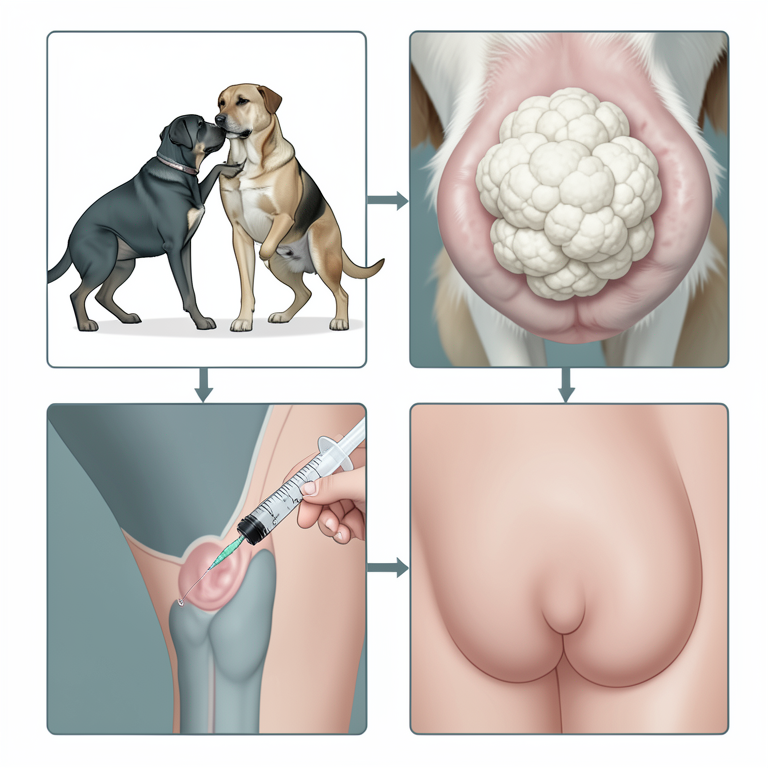
TVT Treatment Cycle
AI-generated conceptual illustration (domestic dogs). It explains the idea and does not show study data.
View source evidence ↗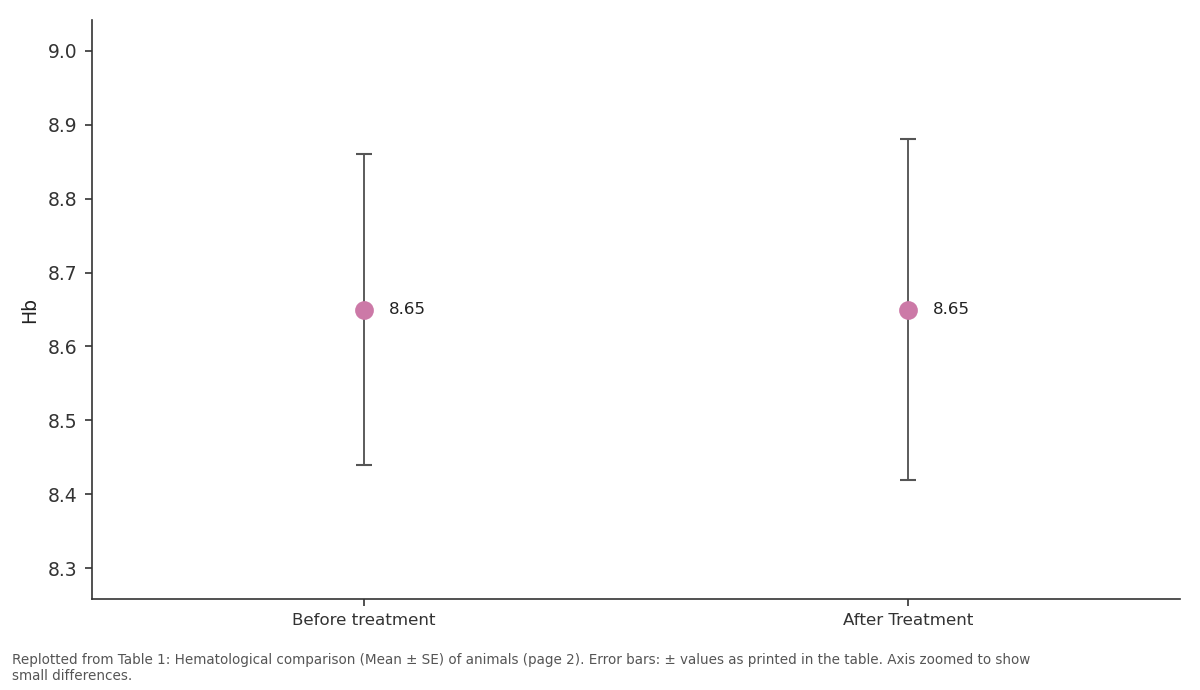
Hb: Before treatment vs After Treatment
Replotted from Table 1 (page 2) of the original paper. Every bar is the paper's own table value.
View source evidence ↗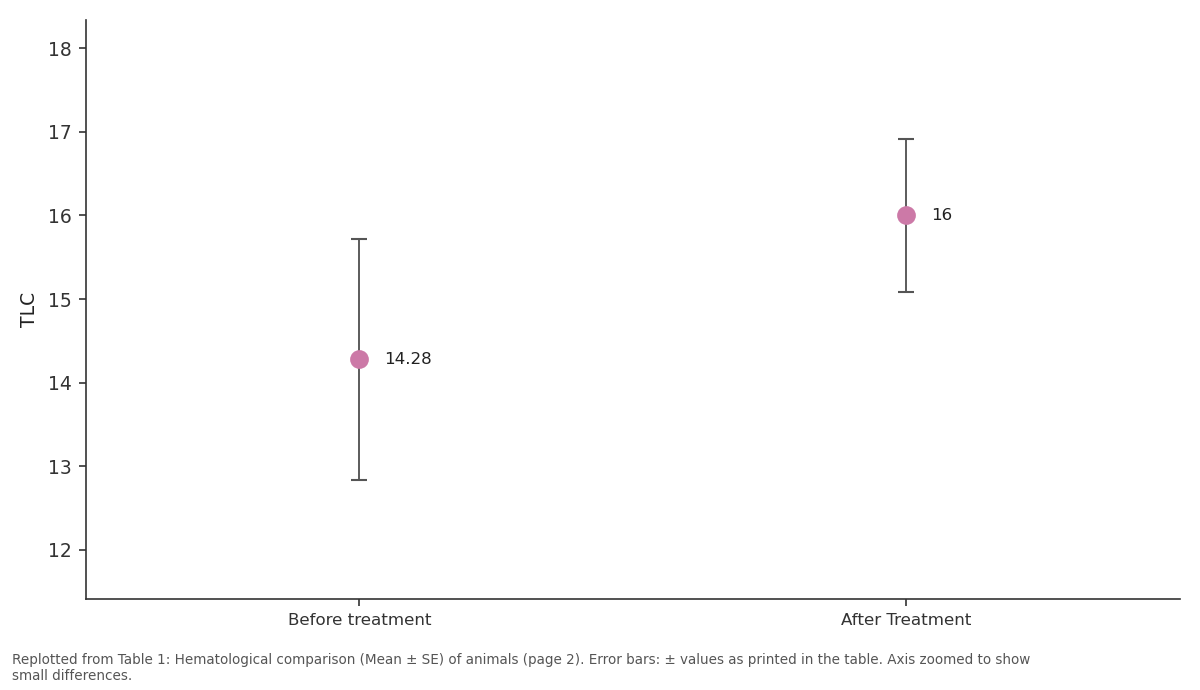
TLC: Before treatment vs After Treatment
Replotted from Table 1 (page 2) of the original paper. Every bar is the paper's own table value.
View source evidence ↗Figures & tables
From the original paper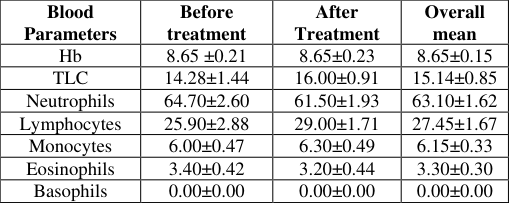 Table 1
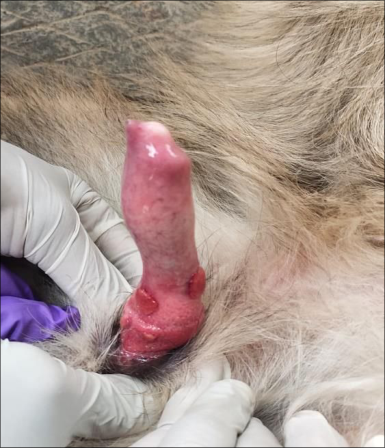 Figure 1
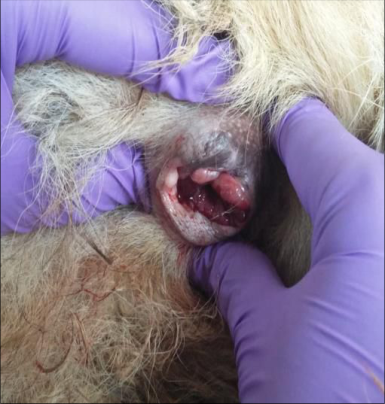 Figure 2
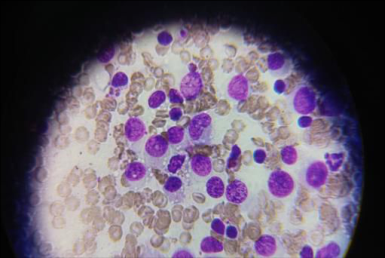 Figure 3
Introduction
Transmissible Venereal Tumour (TVT) is a benign reticulo endothelial tumor of the canidae family that is primarily found in the external genitalia of sexually developed animals. TVT can have an impact on wild canids as well. Infectious sarcoma, venereal granuloma, transmissible lymphosarcoma, and sticker tumor are other names for it. The mucosa of the penis or vagina is typically affected, whereas the nasal passage and oral cavity are less frequently affected (Sharma et al., 2012; Gurel et al., 2002) [16,7] . The most frequent canine tumor, TVT, affects all dog breeds in areas with tropical and subtropical climates (Das and Das, 2000; Goldschmidt, 2002) [4,6] . TVT poses serious problems and worries all around the world since it affects male and female canines equally. Animals with impaired immune systems are more likely to experience more severe illnesses. The ability of the host immune system to respond effectively is key to the growth of these tumors. It is a tumor that develops naturally. According to Murgia et al. (2006) [12] , it is a highly contagious malignancy that is horizontally transferred and spreads by coitus. The external vaginal mucous membranes of dogs of all breeds are most commonly affected by the small tumor lesion that eventually grows into a big, infected, ulcerated mass (Das and Das, 2000) [4] with hemorrhagic discharge that has an awful odor (Do Amaral et al., 2007) [5] . Contrary to the usual chromosome number of 78, which has two acrocentric chromosomes, TVT has 58-59 chromosomes, 13-17 metacentric chromosomes, 42 acrocentric chromosomes, and 42 acrocentric chromosomes. Surface antigen traits imply that a single primary canine tumor gave rise to all TVTs. Due to the fact that intact live cells are transferred during coitus and pass through MHC (major histocompatibility complex) barriers within the same species, young and sexually mature animals are more susceptible to TVT (Mukaratirwa and Gruys, 2003) [11] . By inoculating the tumoral cells, canine TVT can be transplanted from one vulnerable host to another. Although the tumor could not always be spread by cell-free extracts, the presence of cytoplasm in the tumoral cells suggested a viral etiology. Any mucosal lesion or lack of mucosal integrity can aid in the tumor's ability to implant itself (Vermooten, 1987) [19] . After implantation, the tumor begins to grow 15 to 60 days later. TVTs can either develop slowly and erratically over many years or become invasive, turn malignant, and spread (Lombard 1968; Moulton 1978) [9,10] .
Given that TVTs are immunogenic tumors, it has been established that the host's immune system plays a critical role in preventing tumor growth and metastasis (Cohen, 1973; Cohen, 1985) [1,2] . Less than 5-17% of TVT cases have been documented to have metastases (Richardson 1981; Rogers 1985) [14,15] .
Materials and Methods
28 canines between the ages of 2-4 years were brought into the clinic with a one-month history of vaginal bleeding in females and penile bleeding in males. Seven of the 28 animals had already received antibiotic, styptic, and multivitamin treatments from neighborhood veterinarians and para-vets. The remaining cases received no medical care. All 7 of the previously treated cases showed no sign of improvement. All the animals underwent clinical examinations. Rectal temperature, heart rate, and pulse were measured, and all three measures were within the range considered to be normal physiologically for this specific species. On the penis of male dogs, several small nodular lesions were visible (Fig. 1). Similar gross appearance of tumors was recorded in bitches. In bitches these tumors were mostly located in vestibule and/or caudal vagina (Fig. 2). In three cases tumors protruding from the vulvaalso noticed. EDTA vacutainers were used to collect blood samples for hematology. Blood hemoglobin levels were discovered to be within the normal range. In all 28 cases, impression smears were created and inspected under a microscope. Multiple cytoplasmic vacuoles that are suggestive of TVT were found in the cytoplasm of the cells upon microscopic analysis of dyed slides (Fig. 3). Treatment for all 28 patients comprised strict intravenous administration of the anti-cancer medication vincristine sulphate @ 0.025 mg/kg diluted in 10 ml of normal saline on a weekly basis for five weeks. Immunity boosters and multivitamin syrup are examples of supportive therapy. Avil injection @ 0.2 mg/kg was also administered to check for any medication reactions.
Results and Discussion
The medication had a beneficial effect on every dog. After receiving the first dosage of vincristine sulphate, bleeding ceased. After receiving therapy with vincristine sulphate, some dogs exhibit gastrointestinal symptoms like vomiting. To treat those symptoms, antiemetic medications were given to the patients. After receiving treatment for a week, blood samples were once more tested for haemoglobin levels and found to fall within the normal range. In every case, the tumorous mass begins to retreat and disappears entirely after 4 weeks of therapy. Each dog made a full recovery. In every instance, the owner was urged to keep their pets separate from stray dogs to prevent random breeding. A naturally occurring allograft is the transmissible venereal tumor (Das & Das, 2000) [4] . Neoplastic cells can exfoliate and transfer during mating or while the afflicted genitalia are being licked. The majority of transmissible veneral tumors form in the genitalia of both sexes and are typically regarded as benign tumors.
The incidence of metastasis is quite low and occurs in 5 % or less of the cases (Sharma et al., 2012) [16] . The main mode of transmission is physical contact onto the genital mucosa, and also onto nasal or oral mucosa (Cohen, 1985) [2] . In the present study the localisation of the mass in the genital organs indicated the same. The hemato-biochemical parameters were within the normal range in these dogs which was in agreement with Das et al., 1991 [3] . The dogs were treated with vincristine sulfate @ 0.5mg/kg per m2 intravenously along with fluids at weekly intervals for four weeks. before every chemotherapeutic protocol haematology and biochemical parameters were taken and they were found within normal limits (Das et al., 1991) [3] . The mass completely regressed after 4 doses, but as a precaution the animals were given the 5th dose also. All the dogs went into remission without any relapse after five doses. Transmissible veneral tumor mostly develops in the genital organs of both sexes and is generally considered as a benign tumor. The incidence of metastasis is quite low and occurs in 5 % or less of the cases (Sharma et al.,2012) [16] . Definitive diagnosis is based on physical examination and cytological findings, which are obtained through swabs, fine needle aspirations or imprints of the tumor (Kroger et al.,1991) [8] . The diagnosis in the current study was made based on clinical symptoms and was supported by an inspection of impression smears. TVT has been treated with a variety of methods, including surgery, radiation, immunotherapy, biotherapy, and chemotherapy (Pigatto et al., 2011) [13] . According to the current research, the tumor completely recovered after a four-week schedule of vincristine sulphate intravenous injection at 0.025 mg/kg I/V alone. According to Tella et al. (2004) [17][18] , a full recovery generally takes 2 to 8 injections, while in the current study it takes only 4 weeks. In none of the cases was there a recurrence noted. In the event of failure, doxorubicin chemotherapy may be combined with radiotherapy (Pigatto et al., 2011) [13] . Vincristine side effects such myelosuppression, gastrointestinal issues, and paresis from peripheral neuropathy have been linked to and may happen in 5 to 7% of individuals (Tella et al., 2004) [17][18] . A frequent complication of IV medication delivery is the emergence of local tissue responses brought on by extravasation of the drug (Pigatto et al., 2011) [13] . No local tissue reactivity was seen in the current investigation.
Conclusion
TVT is a typical genital organ tumor that affects male and female canines equally frequently. Hemorrhagic discharge is the primary owner complaint. The diagnosis is made based on common cytological and physical features. Cytoplasmic vacuoles are among the microscopic results that are most reliable. The most efficient and practicable treatment has been demonstrated to be weekly IV vincristine injection. rigorous I/V route with vincristine sulphate at 0.025 mg/kg for 4 weeks. Clinicians and owners must weigh the benefits to the patient against the desire to use the animal for breeding until enough data on reproductive impacts is available.
Acknowledgement
AcknowledgementsThe authors are thankful to authorities of International Institute of Veterinary Education and Research for providing the necessary facilities of research.
Figures and tables from the paper
| Blood Parameters | Before treatment | After Treatment | Overall mean |
|---|---|---|---|
| Hb | 8.65 ±0.21 | 8.65±0.23 | 8.65±0.15 |
| TLC | 14.28±1.44 | 16.00±0.91 | 15.14±0.85 |
| Neutrophils | 64.70±2.60 | 61.50±1.93 | 63.10±1.62 |
| Lymphocytes | 25.90±2.88 | 29.00±1.71 | 27.45±1.67 |
| Monocytes | 6.00±0.47 | 6.30±0.49 | 6.15±0.33 |
| Eosinophils | 3.40±0.42 | 3.20±0.44 | 3.30±0.30 |
| Basophils | 0.00±0.00 | 0.00±0.00 | 0.00±0.00 |
Table text extracted from the original PDF; superscript letters are shown inline. The original table image is below.
View original table image
References
17 in the original paper- Cohen D. The biological behavior of TVT in immunosuppressed dogs. Eur J Cancer. 1973;3:163164.
- Cohen D. The canine transmissible venereal tumor: A unique result of tumor progression. Adv Cancer Res. 1985;43:75-112.
- Das U, Das AK, Das D, Das BB. Clinical report on the efficacy of chemotherapy in canine transmissible venereal sarcoma. Indian Veterinary Journal. 1991;68:249-252.
- Das U, Das AK. Review of canine transmissible venereal sarcoma. Veterinary Research Communications. 2000;24:545-556.
- Do Amaral AS, Bassani-Silva S, Ferreira I, Da Fonseca LS, De Andrade FH, Gaspar LF. Cytomorphological characterization of transmissible canine venereal tumor. Revista Portuguesa de ciencias veterinarias. 2007;102:253-260.
- Gurel A, Kuscu B, Gulanber EG, Arun SS. Transmissible Veneral Tumors Detected in the Extragenital organs of Dogs. Israel J Vet. Med. 2002;57(2):1.
- Kroger D, Grey RM, Oyd JW. An unusual presentation of canine transmissible venereal tumor. Canine Practice, Santa Barbara. 1991;16(6):17-21.
- Lombard CH, Cabanie P. Le sarcome de Sticker. Rev Med Vet. 1968;119(6):565-586.
- Mukaratirwa S, Gruys E. Canine transmissible venereal tumour: cytogenetic origin, immunophenotype, and immunobiology: A review. Veterinary Quarterly. 2003;25(3):101-11.
- Murgia C, Pritchard JK, Kim SY. Clonal origin and evolution of a transmissible cancer. Cell. 2006;126:477487.
- Pigatto JA, Hunning PS, Bercht BS, Albequerque L. Transmissible venereal tumor in the palpebral conjunctiva of a dog: case report. Semina: Agricultural Sciences. 2011;32(3):1139-1144.
- Richardson RC. Canine transmissible veneral tumor. Comp Contin Educ Pract Vet. 1981;3:951-956.
- Rogers KS. Transmissible venereal tumor. Comp Contin Educ Pract Vet. 1997;19(9):1036-1045.
- Sharma AK, Kumar H, Kumar S, Kiran D. Indian Vet. J. 2012;89(11):78-79.
- Tella MA, Ajala OO, Taiwo VO. Complete regression of transmissible venereal tumour (TVT) in Nigerian mongrel dogs with vincristine sulphate chemotherapy. African Journal of Biomedical Research, Ibadan. 2004;7(3):133-138.
- Tella MA, Ajala OO, Taiwo VO. Complete response of transmissible venereal tumour (TVT) in Nigerian mongrel dogs with vincristine sulfate chemotherapy. African Journal of Biomedical Research. 2004;7:133138.
- Vermooten MI. Canine transmissible venereal tumor (TVT): A review. J S Afr Vet Assoc. 1987;58(3):147150.