
Research article · 2024 · Full text
International Journal of Advanced Biochemistry ResearchEffect of Subacute oral Mancozeb exposure and its detrimental impact on male reproductive health in Wistar rats
Volume 8(1S) · Pages 294–299 · DOI: 10.33545/26174693.2024.v8.i1se.399 ↗
Research areasPesticide Exposure and ToxicityAgricultural safety and regulations
Abstract
Author-writtenMancozeb is a commonly used fungicide in agriculture, and its impact on reproductive health remains a subject of concern due to its widespread use. In the pursuit of understanding the potential hazards associated with pesticide exposure, the present study was undertaken to investigate the deleterious effects of subacute oral exposure to Mancozeb on the reproductive system of male Wistar rats. To assess the effects, a comprehensive evaluation was conducted, encompassing various reproductive parameters. A total of 12 healthy Wistar rats were procured and divided into two groups: Group I (Control) and Group II (Treatment), each consisting of six animals. In Group II, Mancozeb was orally administered at a dose of 500 mg.kg-1 body weight for 28 consecutive days, while the control group provided with adlib feed and water without any treatment. Repeated exposure to Mancozeb resulted in alteration in various reproductive health parameters. The exposure produced mild to moderate signs of toxicity and a significant (p<0.05) increase in the absolute organ weight of the testes as well as epididymis. Reproductive parameters were notably affected, with a decrease in the count of live sperm and total sperm, along with an increase in the count of dead and abnormal sperm due to Mancozeb exposure. From the present study, it can be concluded that mancozeb fungicide produced a pronounced toxicological insult to the reproductive health of exposed animals.
Summary
Source-checkedPlain-language reading of the full paper, prepared with AI and checked against the text. Each point links to the authors' own words.
Why it matters
- Fungicides are critical tools in agriculture because fungal pathogens are the primary cause of global crop loss. View evidence ↗
- Mancozeb is a widely used agricultural fungicide, leading to concerns regarding its potential impact on reproductive health. View evidence ↗
- Previous reports suggest Mancozeb may cause carcinogenic, teratogenic, and goitrogenic effects, as well as alterations to the gonads. View evidence ↗
The question
- The study aimed to investigate the harmful effects of subacute oral exposure to Mancozeb on the male reproductive system of Wistar rats. View evidence ↗
What they did
- The experiment used 12 healthy Wistar rats, split equally into a control group and a treatment group of six animals each. View evidence ↗
- The treatment group received an oral dose of 500 mg/kg body weight of Mancozeb daily for 28 consecutive days, while the control group received no treatment. View evidence ↗
- Researchers measured body weight weekly and evaluated percent body weight gain and organ weights at the end of the study. View evidence ↗
- Reproductive parameters were assessed by dissecting the epididymis and counting spermatozoa using a hemocytometer. View evidence ↗
What they found
- Mancozeb exposure caused mild toxicity signs, including anorexia, listlessness, nasal bleeding, and mild hind limb paralysis, though no deaths occurred. View evidence ↗
- There was a significant increase in the absolute weight of the testes and epididymis in the treatment group (3.23±0.11) compared to the control group (2.67±0.08). View evidence ↗
- The percentage of live sperm significantly decreased from 80.33±2.11% in the control group to 62±2.13% in the Mancozeb-treated group. View evidence ↗
- The percentage of dead sperm significantly increased from 19.67±2.11% in the control group to 38±2.13% in the treatment group. View evidence ↗
- Abnormal sperm counts significantly rose from 5.33±0.49% in controls to 17.17±0.74% in the treated group. View evidence ↗
What it means
- The authors conclude that Mancozeb at the tested dose significantly harms reproductive health in animals, which may imply similar risks for humans. View evidence ↗
Visual summary
1 visualsIllustrations explain the paper; they do not show study data.
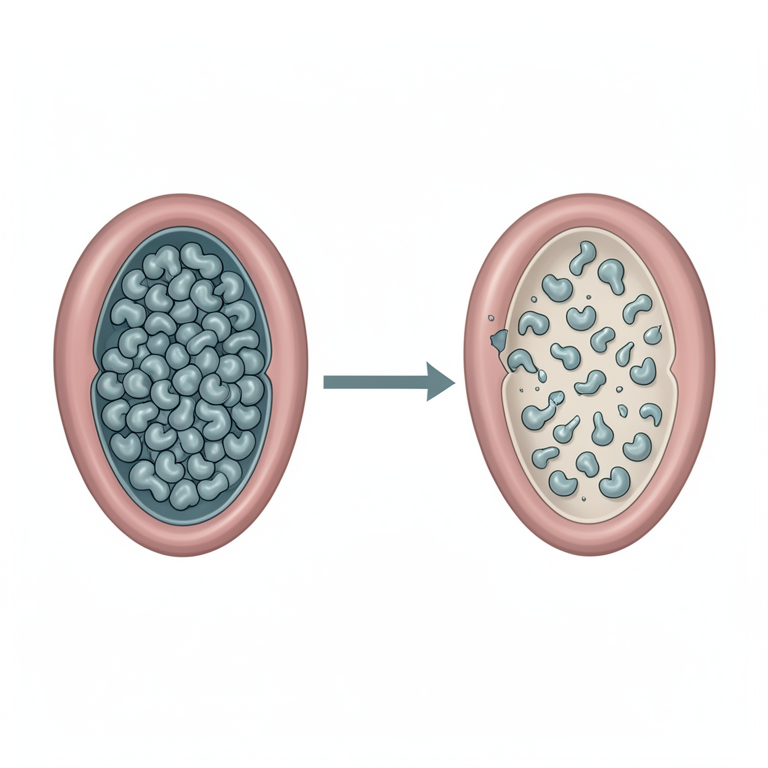
Impact of Mancozeb on Male Reproductive Health
AI-generated conceptual illustration (Wistar rat testes and sperm cells). It explains the idea and does not show study data.
View source evidence ↗Figures & tables
From the original paper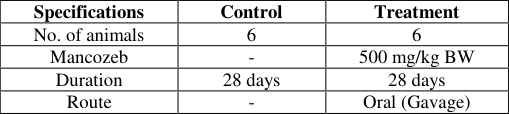 Table 1
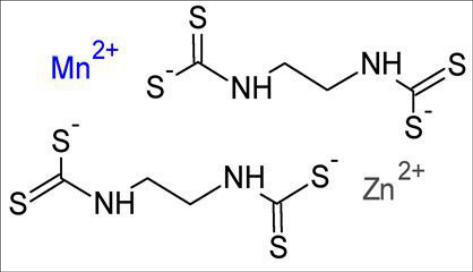 Figure 1
 Table 2
 Table 3
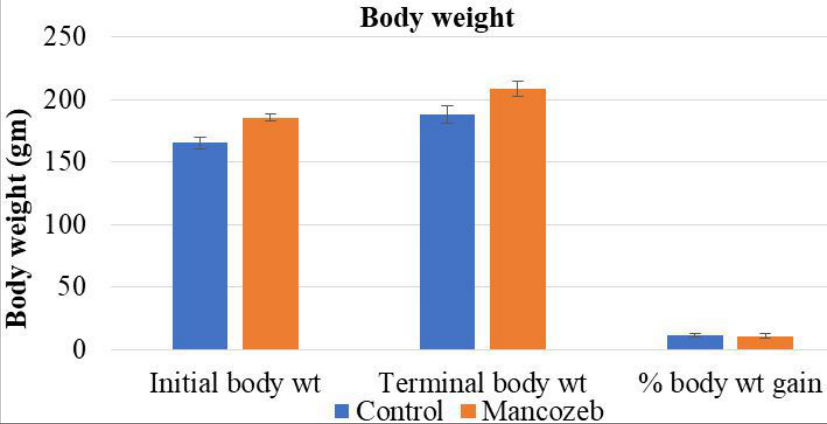 Figure 2
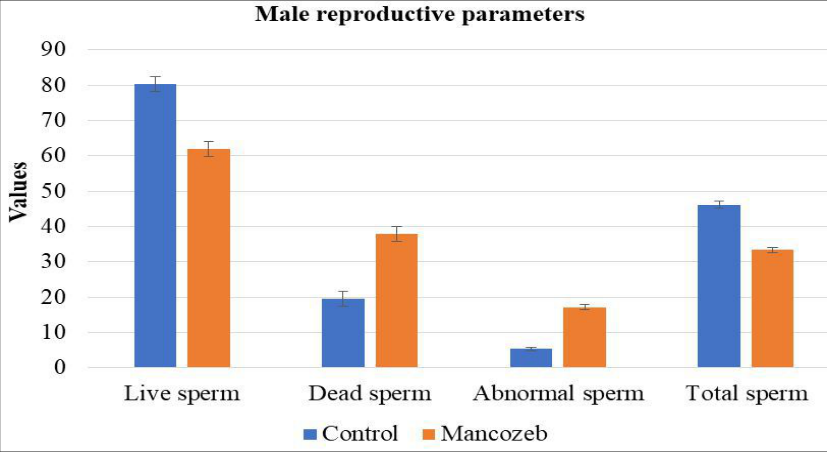 Figure 3
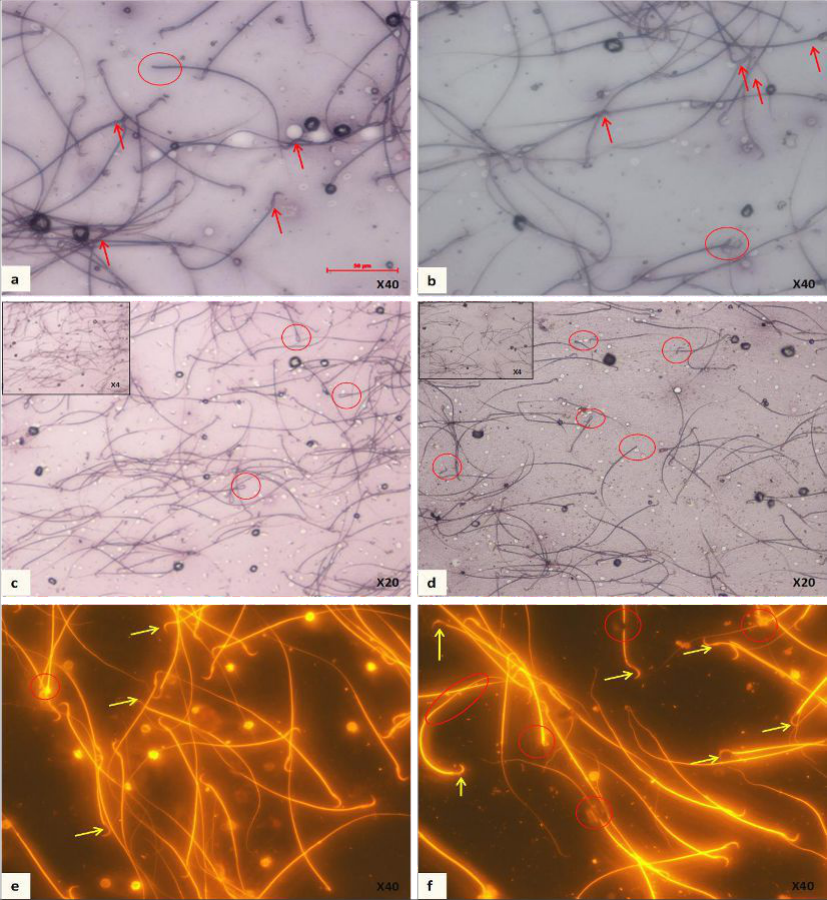 Figure 4
Introduction
The world population is expected to rise from the current 7.8 billion to 8.5 billion by 2030, thereby putting immense pressure on food supplies and a growing demand for higher crop yields. A wide range of pesticide compounds including insecticides, fungicides, rodenticides, herbicides, nematicides, molluscicides, plant growth regulators and other chemicals are therefore used indiscriminately to cope up with the increased production of crops. Fungicides are awning management tools in agricultural practices, as the fungal pathogens are the number one cause of crop loss around the world (Poole and Arnaudin 2014) [26] . Fungicides have been used widely to control fungal diseases and increase crop production. Dithiocarbamates (DTCs) represent an important class of fungicides, widely used in agricultural sector. They are characterized by a broad spectrum of activity against various plant pathogens, low acute mammalian toxicity and low production costs. Mancozeb (MZ) is a fungicide belonging to the subclass of ethylene bis dithiocarbamate pesticides (Srivastava and Singh 2014) [32] having a metal atom coordinated with ethylene-bis-dithiocarbamate (EBDC) (Calviello et al. 2005) [6] . It is a combination of two other dithiocarbamates: maneb and zineb. The mixture controls many fungal diseases in a wide range of field crops, fruits, nuts, vegetables and ornamentals. Mancozeb interferes with enzymes containing sulphydryl groups and disrupts many core enzymatic processes of the fungal cell cytoplasm and mitochondria (Ludwig and Thorn 1960, Sijpestein 1982) [22,30] . (Fig. 1) [34] The adverse effects of mancozeb in humans and other living organisms have not been widely studied and there are only a few reported studies evaluating the neurotoxic action of mancozeb in experimental models (Domico et al. 2006) [11] . This compound has been reported to have carcinogenic, teratogenic and goitrogenic effects (Chhabra et al. 1992) [8] as well as as structural and functional alterations of gonads (Baligar and Kaliwal 2001) [4] that leads to reproductive toxicity.
Materials and Methods
This research involved a controlled experiment, utilizing a cohort of healthy Wistar rats, with the aim of shedding light on the consequences of Mancozeb exposure and designed to evaluate Mancozeb-induced sub-acute oral Reproductive toxicity in male Wistar rats and was conducted in the Division of veterinary Pharmacology and Toxicology, GADVASU, Ludhiana, Punjab (India).
Experimental animals
A total of 12 male Wistar rats weighing about 120-150 gm were procured from National Institute of Pharmaceutical Education and Research (NIPER), Mohali, Punjab (India).The protocol used in the study was approved by Institutional Animal Ethics Committee (IAEC). All experiments have been carried out in accordance with the guidelines laid down by the Committee for Control and Supervision of Experiments on Animals (CCSEA), New Delhi, India.
Chemicals and reagents
Mancozeb was commercially obtained from the local market from Ludhiana as 75% WP form with brand name Manco-75. All other chemicals/reagents used for the study were of analytical grade, purchased from reputed companies.
Treatments: (
Treatments: (
Methodology and observations
Based on the EPA datasets, the oral acute toxicity dose i.e. LD50 value of mancozeb is >5000 mg/kg. Considering the fact and to investigate the induced toxicity in our study, a 1/10 th level of the LD50 i.e., 500 mg/kg/day was selected for group II. Another group viz: group I was kept as healthy control in which no drug was administered.
Body weight and organ weight
Body weight of all rats were recorded one day before the start of experiment for dose calculation and at weekly interval till the completion of study. At the end of experimentation percent body weight gain, organ weight and relative organ weight was evaluated.
Male Reproductive Parameters
Male mice under anaesthesia were sacrificed at end of the exposure period and the scrotal area was filled with 70 percent ethanol and dissected to reveal the full epididymis.
Epididymal sperm isolation: Cauda and caput epidididymis were aseptically minced in sterile petri dishes containing 1 ml of Dulbecco's PBS (HiMedia) pre-warmed (35 °C) and screened, filtrate was used to determine the parameters of the epididymal sperm. Epididymal total sperm count: The spermatozoa were counted by hemocytometer with improved Neubaur's (Deep 1/10 mm. LABART, Germany) chamber as described by Pant and Srivastava (2003) [24] . Total viable cells/ml = (Average number of sperm per chamber) 10 3 (Dilution Factor) Viable Sperm Count: Sperm smear slides were stained with Eosin-Nigrosine stain and observed under light microscope (Nikon DSRi1, Japan) for live and dead sperm count. Sperm Morphology: Spermatozoa per rat were evaluated for head and/or flagellar/tail defects by microscopy.
Statistical analysis
All the values were expressed as mean ± SE (n=6). All the values were analysed by using two way analysis of variance (ANOVA) using SPSS 20.0 version software.
Results and Discussion
In the present investigation, evaluation of oral sub-acute mancozeb toxicity was undertaken in male wistar rats and following parameters were analysed for toxic manifestations induced by mancozeb. Toxic Signs: Daily oral administration of mancozeb at the dose rate of 500mg/kg body weight to rats for 28 consecutive days produced mild signs of toxicity like moderate degree of anorexia, listlessness, lacrimation, nasal bleeding, sluggish movement and mild degree of hind limb paralysis when compared with control group animals but no lethality. Our findings were in agreement with those of (Shukla et al. 1990) [29] . Body weight and organ weight: All animals were weighed after the adaptation period for dose calculation at the start of experiment and from than onwards on weekly basis. There was increase in body weight and percent body weight gain in animals after 28 days of mancozeb exposure in treatment group. Kackar et al.
(1997) [18] reported similar increase in body weight after mancozeb exposure. One study showed no significant difference in weight gain in mancozeb treated animals when compared to controls. In contrast to our study (Kackar et al. 1999) [19] observed a decrease in body weight gain on mancozeb exposure.
At the end of experimentation i.e., 29 th day, all animals were sacrificed humanely and testes and epididymis were removed by transverse abdominal incision and weighted for absolute as well as for relative weight measurement. Significant elevation in absolute organ weight of testes and epididymis were observed. (Table 2, Fig. 2). The analysis of relative organ weight in toxicological studies is an important criterion for identification of potentially harmful effects of chemicals (Bailey et al. 2004) [3] . Ahmed and Gamila (2017) [1] , also reported significant increase in absolute weight of liver, kidneys, brain and testes due to mancozeb exposure. Creasy and Foster (2002) [10] suggested that changes in testes weights may reflect changes in seminiferous tubules or interstitial oedema and therefore usually contribute little further understanding of toxicity.
| Parameters | Control Group | Treatment Group | P value |
|---|---|---|---|
| Initial bwt. | 165.33a±4.52 | 185.5b±3.17 | 0.001 |
| Terminal bwt. | 188.17a±6.90 | 208.5b±5.97 | 0.001 |
| % bwt. Gain | 11.93±1.46 | 10.82±1.85 | 0.649 |
| Testes + epididymis | 2.67a±0.08 | 3.23b±0.11 | 0.002 |
| Testes + Epididymis % | 1.42±0.06 | 1.55±0.07 | 0.213 |
Table text extracted from the original PDF; superscript letters are shown inline. The original table image is below.
View original table image
Effect of sub-acute oral mancozeb exposure on reproductive parameters in male wistar rats: Effect of repeated oral sub-acute mancozeb exposure on male reproductive parameters such as live and dead sperm count, sperm abnormalities and total sperm count was analyzed at end of 28 days. Exposure of mancozeb resulted into significant decrease in the live sperm count and increase in dead sperm count in mancozeb-treated rats when compared with control group. Mancozeb-treated rats showed significantly higher level of abnormal sperm count including detached head, coiled tail, damaged head etc. as compared to control group rats. In the present study, there was significant decreased in the total sperm count of mancozebtreated male rats at end of the exposure period as compared to control group. (Table 3, Fig 3, Many exogenous factors (chemicals, drugs, etc.) that act in many different ways that can interfere with testicular steroidogenesis by the complex physiological mechanism that regulates the Leydig cell function (Cooke 1998) [9] . Consistent to our results, Joshi et al. (2005) [17] reported, damaged seminiferous tubules, with complete spermatogenic arrest in mancozeb-treated rats and the lumen contained cellular debris, degenerated sertoli cells and was devoid of sperms. Male infertility may result from impaired Leydig cell activity (Payne et al. 1980) [25] . Spermatogenesis is a mechanism that includes LH and FSH gonadotropin production under hypophysial hormonal regulation and operates Leydig and Sertoli cells, respectively (Steinberger 1971) [33] . Interactions between Leydig cells-Sertoli cells are also needed for the normal development of intratesticular testosterone (Skinner 1991) [31] . Changes in the metabolism of testosterone may be associated with several specific physiological conditions (Dufau et al. 1979) [12] . The amounts of intratesticular testosterone supporting natural spermatogenesis are 100 times greater than those of blood plasma level reached by regular development of the Leydig and Sertoli cells (Dufau et al. 1979, Russell et al. 1998) [12,27] . Many studies support the findings of present study. Imidacloprid treatment has been shown to increase cell death, as well as increased immature sperms and decrease the immotile sperm velocity with substantial decrease in serum testosterone level in rats (Najafi et al. 2010) [23] , and responsible for induction of sperm deformities in earthworms have been recorded (Zang et al. 2000) [35] . In fact, lower sperm counts in the epididymis, increased teratozoospermia and sperm nuclei chromatin defects in mice following treatment with Parathion (Guillermino et al. 1998) [15] . Mancozeb is known to have toxic and adverse effect on reproductive organs and might have toxic effect on testicular cells which could be responsible for loss of membrane structure and testicular function leading to altered functionality of testes. Similarly, male rats received carbendazim orally resulted in reduce fertility index and severe induce seminiferous tubular atrophy (Carter et al. 1987, Lu et al. 2004) [7,21] . Gray et al. (1990) [14] reported reduced reproductive potential of the rats treated with carbendazim due to inhibition on sperm production and foetal viability, altered sperm morphology, testicular and epididymal weights, sperm count and change in testicular histology. Barlas et al. (2002) [5] reported decrease in the total serum testosterone levels and dihydrotestosterone levels, detrimental effects in the testicular tissue such as vacuolization, disorganization, necrosis in germinal epithelium and multinucleated giant cells in the lumen of the seminiferous tubules in carbendazim-treated rats. Carbendazim was reported to be capable of causing prolonged infertility in Japanese quails with decrease in testicular weights and seminiferous tubular diameter (Aire 2005) [2] . Sakr and shalaby (2014) [28] reported degeneration of seminiferous tubules, loss of spermatogenic cells, apoptosis and decreased height of epithelium in carbendazim treated animals. Carbendazim known to induce testicular toxicity in mammalian cells by inhibition of microtubule assembly formation and direct alteration of testicular function through germ cell depletion and altering Sertoli and Leydig cell functions leading to sloughing of immature spermatids (Gray et al. 1989, Hess et al. 1991, Lim and Miller 1997b) [13,16,20] .
| Group/Parameters | Control | Treatment |
|---|---|---|
| Live sperm (%) | 80.33b±2.11 | 62a±2.13 |
| Dead sperm (%) | 19.67a±2.11 | 38b±2.13 |
| Abnormal sperm (%) | 5.33a±0.49 | 17.17b±0.74 |
| Total sperm count (*107sperm/epididymis) | 46.17b±0.99 | 33.32a±0.70 |
Table text extracted from the original PDF; superscript letters are shown inline. The original table image is below.
View original table image
Summary and Conclusion
Dithio-carbamate fungicide mancozeb was administered orally at the dose rate of 500 mg/kg (1/10 th of LD50 i.e; 5000 mg/kg) to Wistar rats. Mancozeb produced mild signs of toxicity like moderate degree of anorexia, listlessness, lacrimation, nasal bleeding, sluggish movement and mild degree of hind limb paralysis as compared to control group rats. However, no lethality was observed in treatment as well as in control group animals. There was overall increase in body weight and per cent body weight gain in animals after 28 days of mancozeb exposure in treatment group as compared to control group. Significant elevation in absolute organ weight of testes and epididymis were observed mancozeb exposure. No significant alteration in per cent body weight gain was recorded in mancozebexposed animals. Exposure of mancozeb resulted into significant decrease in the live sperm and total sperm count while increase in dead and abnormal sperm count in rats. Although, mancozeb is widely used in agricultural practices as fungicide, our study revealed that mancozeb exposure for 28 consecutive days produced certain toxicological manifestations in the exposed rats. Consequently, the outcomes of this study suggest that Mancozeb fungicide, when administered at the tested dose, imposes a substantial toxicological burden on the reproductive health of exposed animals and may have detrimental implications for both human and animal reproductive health.
Figures and tables from the paper
| Specifications | Control | Treatment |
|---|---|---|
| No. of animals | 6 | 6 |
| Mancozeb | - | 500 mg/kg BW |
| Duration | 28 days | 28 days |
| Route | - | Oral (Gavage) |
Table text extracted from the original PDF; superscript letters are shown inline. The original table image is below.
View original table image
References
30 in the original paper- Ahmed AGF, Gamila AMK. Hemato-biochemical responses under stress of mancozeb fungicide (75% WP) in male albino rat. Int J Adv Res Biol Sci. 2017;4(10):116-27.
- Aire TA. Short-term effects of carbendazim on the gross and microscopic features of the testes of Japanese quails (Coturnix coturnix japonica). Anat Embryol. 2005;210(1):43-49.
- Bailey SA, Zidell RH, Perry RW. Relationships between organ weight and body/brain weight in the rat: what is the best analytical endpoint. Toxicol Pathol. 2004;32(4):448-66.
- Baligar PN, Kaliwal BB. Induction of gonadal toxicity to female rat after chronic exposure to mancozeb. Ind Health. 2001;39(3):235-43.
- Barlas N, Selmanoglu G, Koçkaya A, Songur S. Effects of carbendazim on rat thyroid, parathyroid, pituitary and adrenal glands and their hormones. Hum Exp Toxicol. 2002;21(4):217-21.
- Calviello G, Di Nicuolo F, Serini S, Piccioni E, Boninsegna A, Maggiano N, et al. Docosahexaenoic acid enhances the susceptibility of human colorectal cancer cells to 5-fluorouracil. Cancer Chemother Pharmacol. 2005;55:12-20.
- Carter SD, Hess RA, Laskey JW. The fungicide methyl 2-benzimidazole carbamate causes infertility in male Sprague-Dawley rats. Biol Reprod. 1987;37:709-17.
- Chhabra RS, Eustis S, Haseman JK, Kurtz PJ, Carlton BD. Comparative carcinogenicity of ethylene thiourea with or without perinatal exposure in rats and mice. Fundam Appl Toxicol. 1992;18:405-17.
- Cooke BA. In vitro models for the investigations of reproductive toxicology in the testes. In: del Mazo J, editor. Reproduct Toxicol. New York: Plenum Press; 1998. p. 95-103.
- Domico LM, Zeevalk GD, Bernard LP, Cooper KR. Acute neurotoxic effects of mancozeb and maneb in mesencephalic neuronal cultures are associated with mitochondrial dysfunction. Neurotoxicology. 2006;27:816-25.
- Dufau ML, Cigorraga S, Baukal AJ, Bator JM, Neubauer JF, Catt KJ. Androgen biosynthesis in Leydig cells after testicular desensitization by LHRH and hCG. Endocrinology. 1979;105:1314.
- Gray LE, Ostby J, Ferrell J, Sigmon R, Cooper R. Correlation of sperm and endocrine measures with reproductive success in rodents. Prog Clin Biol Res. 1989;302:193-206.
- Gray LE, Ostby J, Linder R, Goldman J, Rehnberg G, Cooper R. Carbendazim-induced alterations of reproductive development and function in the rat and hamster. Fundam Appl Toxicol. 1990;15:281-97.
- Guillermino L, Soares A, Varvalho A, Lopes M. Correlation between whole blood cholinesterase activity and cerebral cortex cholinesterase activity in rats treated with parathion. Chemosphere. 1998;37:1385-93.
- Hess RA, Moore BJ, Forrer J, Linder RE, Abuel atta AA. The fungicide benomyl (methyl 1- (butylcarbamoyl)-2-benzimidazole carbamate) causes testicular dysfunction by inducing the sloughing of germ cells and occlusion of efferent ductules. Fundam Appl Toxicol. 1991;17:733-45.
- Joshi SC, Gulati N, Gajraj A. Evaluation of toxic impacts of mancozeb on testis in rats. Asian J Exp Sci. 2005;19(1):73-83.
- Kackar R, Srivastava MK, Raizada RB. Studies on rat thyroid after oral administration of mancozeb: morphological and biochemical evaluations. J Appl Toxicol. 1997;17:369-75.
- Kackar R, Shrivastava MK, Raizada RB. Assessment of toxicological effects of mancozeb in male rats after chronic exposure. Indian J Exp Biol. 1999;37:553-59.
- Lim J, Miller MG. The role of the benomyl metabolite carbendazim in benomyl-induced testicular toxicity. Toxicol Appl Pharmacol. 1997;142(2):401-10.
- Lu SY, Liao JW, Kuo ML, Wang SC, Hwang JS, Ueng TH. Endocrine-disrupting activity in carbendaziminduced reproductive and developmental toxicity in rats. J Toxicol Environ Health A. 2004;67(19):1501-15.
- Ludwig RD, Thorn GD. Chemistry and mode of action of Dithiocarbamate fungicides. Adv Pest Control Res. 1960;30:219-52.
- Najafi G, Razi M, Hoshyar A, Shahmohamadloo S, Feyzi S. The effect of chronic exposure with imidacloprid insecticide on fertility in mature male rats. Int J Fertil Steril. 2010;4(1):9-16.
- Pant N, Srivastava SP. Testicular and spermatotoxic effects of quinalphos in rats. J Appl Toxicol. 2003;23(4):271-74.
- Sakr SA, Shalaby SY. Carbendazim-induced testicular damage and oxidative stress in albino rats: ameliorative effect of licorice aqueous extract. Toxicol Ind Health. 2014;30(3):259-67.
- Shukla Y, Antony M, Kumar S, Mehrotra NK. Carcinogenic activity of a carbamate fungicide, mancozeb on mouse skin. Cancer Lett. 1990;53(23):191-95.
- Skinner MK. Cell-cell interactions in the testes. Endocr Rev. 1991;12:4577.
- Srivastava P, Singh A. Potential effects of agricultural fungicides (Mancozeb) on fish Clarias batrachus. Res J Biol Sci. 2014;9(4):129-34.
- Steinberger EMI L. Hormonal control of mammalian spermatogenesis. Physiol Rev. 1971;51(1):1-22.
- Zamora-Sequeira R, Alvarado-Hidalgo F, RoblesChaves D, Sáenz-Arce G, Avendano-Soto E, SánchezKopper A, et al. Electrochemical characterization of mancozeb degradation for wastewater treatment using a sensor based on poly (3, 4-ethylenedioxythiophene) (PEDOT) modified with carbon nanotubes and gold nanoparticles. Polymers. 2019;11(9):1449.
- Zang Y, Zhong Y, Luo Y, Kong ZM. Genotoxicity of two novel pesticides for the earthworm, Eisenia fetida. Environ Pollut. 2000;108:271-87.
Cited by 4
From OpenAlex, OpenCitations and reference lists read by Scinovex
- Molecular insights into the protective role of nano-naringin in mancozeb-induced testicular damage and infertility ↗
Eman Ibrahim Hassanen, Sara S. Elbagwry, Zienab E. Eldin, Rehab A. Azouz, Marwa A. Ibrahim, Rawhia Doghaim · Biological Research · 2026
Mancozeb (MZ) is an extensively used fungicide with well-documented reproductive toxicity induced by oxidative stress and hormonal disruption. Antioxidants such as naringin (NAR) have been studied as protective agents, but their therapeutic application is limited by poor bioavailability. Nano-formulated approaches, including chitosan-coated nanoparticles (NARNPs), offer a promising strategy to enhance delivery and efficacy. The present study explores this concept by…
❝ 1PDF - New insights on the role of some biometals in mancozeb induced hematological and hepatorenal toxicity in rats and the protective effect of naringin ↗
Sara S. Elbagwry, Eman Ibrahim Hassanen, Rehab A. Azouz, Marwa A. Ibrahim, Rawhia Doghaim · BioMetals · 2026
Prolonged exposure to mancozeb (MZ), a frequently used fungicide, may cause oxidative stress damage to several organs; however, the mechanism of toxicity remains obscure. So, the present work sought to assess the contribution of some biometals, including Mn, Zn, Ca, and Fe, to the subacute hepatic and renal injury prompted by MZ-mediated oxidative stress and to evaluate the protective impact…
❝ 0PDF - Comparative cytogenotoxicity and physiological stress endpoints of a Trichoderma asperellum–based biopesticide versus mancozeb and abamectin in plant bioassays ↗
Victor Ventura de Souza, Lara Rodrigues De Andrade, Francisco Almança Trujillo, Milene Miranda Praça Fontes, N A Dos Santos, Tatiana da Silva Souza · Environmental Pollution · 2026
: The global transition toward sustainable agricultural systems has intensified the search for fungal-based biopesticides, such as Trichoderma asperellum , to replace synthetic pesticides. Although considered safer, these products are not biologically inert and may elicit cellular responses in non-target organisms, making comparative ecotoxicological evaluation with conventional pesticides, such as mancozeb and abamectin, essential. This study aimed to evaluate and…
❝ 0PDF - Impact of mancozeb on sperm quality and hormonal profiles in male rats at different periods ↗
Mohammed Fadhil K Alrubaie, Sura Safi Khafaji · Zoological and Entomological Letters · 2024
The Mancozeb are reported to cause repro-toxicity. The present study was directed to investigate the time of Mancozeb on testicular toxicity in male rats. Twenty four adult male rats were grouped randomly into two groups (n=12) as follows: the control group received normal saline, treatment group (T) was administration 313.5 mg/kg of Mancozeb for three periods 0, 15 and 30