
Research article · 2024 · Full text
International Journal of Advanced Biochemistry ResearchUtilizing rice bran oil in poultry diet as an antioxidant, emulsifier, and alternate source of fatty acids
Volume 8(1S) · Pages 547–553 · DOI: 10.33545/26174693.2024.v8.i1sh.395 ↗
Research areasEdible Oils Quality and Analysis
Abstract
Author-writtenThe poultry industry has undergone significant transformations in recent decades, marked by advancements in genetic improvements and nutritional modifications, leading to enhanced weight gain, production, and feed efficiency. Dietary energy, a crucial component influencing production and feed efficiency, is often sourced from oils in poultry feeds. Rice bran oil (RBO), extracted from rice bran, has gained recognition for its health benefits, including its role in alleviating cardiovascular diseases. This article explores the composition of RBO, emphasizing its unique components such as gamma-Oryzanol, Phytosterols, and tocopherols. The antioxidant properties of RBO, attributed to its rich content of natural antioxidants, make it a suitable oil for cooking, frying, and baking. The Unsaponifiable fraction of RBO, particularly gamma-oryzanol, is associated with reducing low-density lipoprotein and total serum cholesterol. The article delves into the chemical refining of crude RBO, discussing both its advantages in terms of color and cloud point and the associated challenges, such as high refining losses. The study investigates the potential use of RBO in poultry nutrition, focusing on its inclusion in broiler diets with emulsifiers. Research suggests that the combination of RBO with specific emulsifiers can significantly improve the growth performance of broilers. Additionally, RBO-derived lysolecithin proves to be a viable energy supplement in broiler chicken diets. The effects of RBO supplementation in broiler and layer chickens are explored, encompassing aspects such as growth performance, carcass traits, meat composition, quality, and biochemical profiles. The findings suggest positive outcomes in laying performance and decreased total serum cholesterol in layer chickens with RBO supplementation. The article concludes by emphasizing the growing consumer awareness of the health benefits associated with food consumption and the potential of RBO as a valuable nutritional source in poultry diets. The promising results from studies on RBO supplementation in poultry underscore its potential for enhancing overall performance and nutritional quality in poultry production.
Summary
Source-checkedPlain-language reading of the full paper, prepared with AI and checked against the text. Each point links to the authors' own words.
Why it matters
- Dietary energy provided by oils is essential for maintaining production rates and feed efficiency in poultry. View evidence ↗
- Rice bran oil (RBO) is recognized for its health-promoting properties, specifically its ability to help alleviate cardiovascular diseases. View evidence ↗
- The antioxidant and cholesterol-lowering effects of RBO are attributed to bioactive phytochemicals like gamma-oryzanol, tocopherols, tocotrienols, and phytosterols. View evidence ↗
The question
- The authors aim to investigate how RBO can be used in poultry nutrition, particularly when combined with emulsifiers in broiler diets. View evidence ↗
What they did
- RBO's fatty acid profile consists primarily of oleic acid (38.4%), linoleic acid (34.4%), and palmitic acid (21.5%). View evidence ↗
- The estimated metabolizable energy of rice bran oil is 8800 kcal/kg. View evidence ↗
- One cited study tested rice bran lysolecithin (RBL) at levels of 0, 05, 2, 8, and 32 g/kg in broilers from 0 to 42 days of age. View evidence ↗
What they found
- Combining RBO with the Orff energizer-02 emulsifier resulted in the best growth performance for broilers, outperforming soybean oil with the same emulsifier. View evidence ↗
- Inclusion of RBO in broiler diets improved breast yield and dressing percentage while reducing meat crude fat and abdominal fat yield. View evidence ↗
- RBO inclusion in broiler diets increased the polyunsaturated fatty acid (PUFA) content of the meat and decreased the ether extract content and abdominal fat yield. View evidence ↗
- Providing 5% to 10% of total metabolizable energy from RBO in broilers had no negative impact on their blood biochemical profiles. View evidence ↗
- In layer chickens, RBO supplementation improved laying performance and led to a decrease in total serum cholesterol. View evidence ↗
- Feeding RBO to laying hens was found to increase the cholesterol levels in the egg yolks. View evidence ↗
- In Japanese quail, the group receiving rice bran oil showed a significant increase in fertility rates compared to the control group. View evidence ↗
What it means
- The authors conclude that supplementing poultry diets with rice bran oil shows promising results for overall performance. View evidence ↗
- The authors note that RBO can be effectively extracted using food-grade n-hexane, ethanol, or solvent-free ohmic heating. View evidence ↗
Visual summary
1 visualsIllustrations explain the paper; they do not show study data.
Synergy of RBO and Emulsifiers
AI-generated conceptual illustration (broiler chickens). It explains the idea and does not show study data.
View source evidence ↗Figures & tables
From the original paper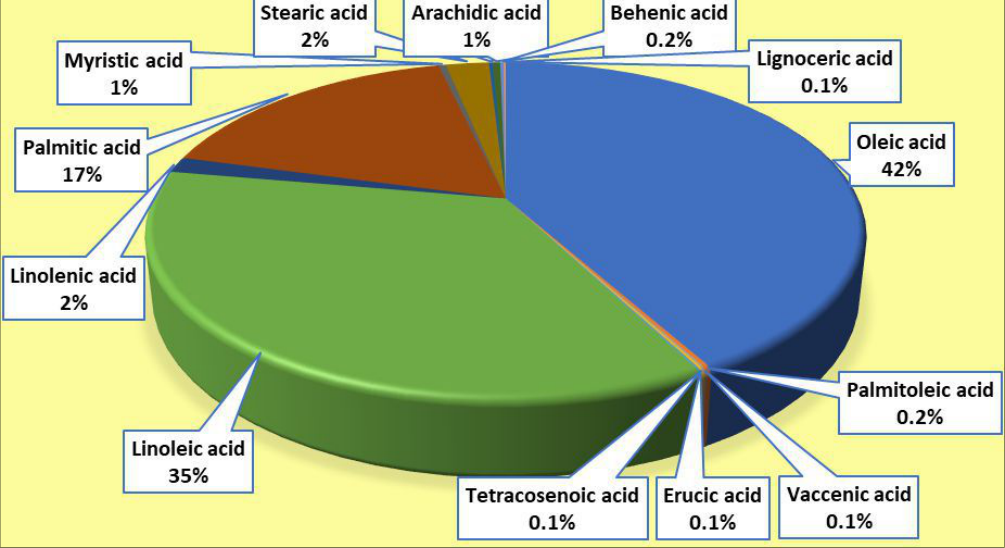 Figure 1
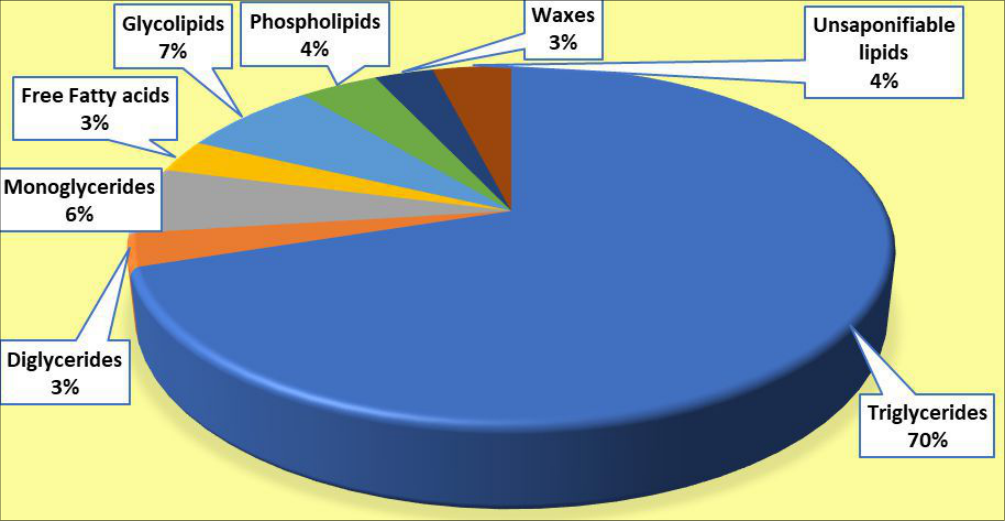 Figure 2
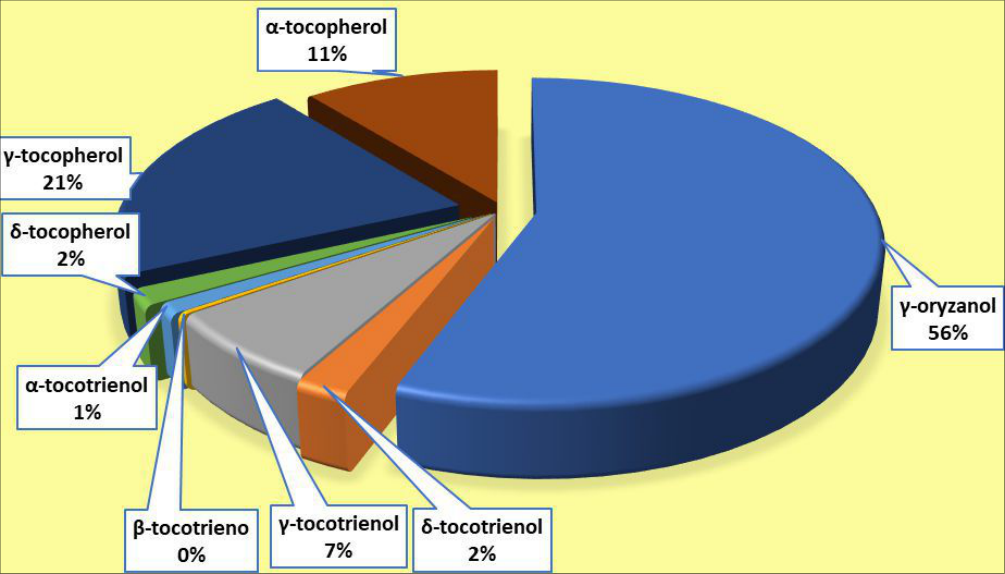 Figure 3
Introduction
Over the past few decades, the landscape of the poultry industry has undergone substantial transformations attributed to ongoing genetic enhancements and meticulous nutritional adjustments. These progressive measures have led to a remarkable improvement in the weight gain, overall production, and feed efficiency of poultry species. A pivotal element in this evolution is dietary energy, recognized for its paramount role in enhancing both production rates and feed efficiency (Bell, 2007) [5] . Within the realm of poultry feeds, oils assume a crucial role as a concentrated source of energy. The utilization of fat, a key component of oils, stands out for providing double the energy compared to carbohydrates or proteins. Beyond mere energy provision, oils contribute to increased feed intake owing to their palatable flavours. Furthermore, they play a pivotal role in enhancing the absorption of fat-soluble vitamins within the avian gastrointestinal tract (Roy et al., in 2010) [39] . In crafting the optimal diet for broilers, corn or maize and soybean emerge as primary suppliers of energy and protein. However, the response of commercial broilers to dietary fat exhibits variability contingent on the type and inclusion rate of supplemental fat (Wiseman and Salvador, 1989; Keren-Zvi et al., 1990; Nitsan et al., 1997) [47,22,32] . Amid the myriad of dietary oils, rice bran oil stands out as a well-recognized and health-promoting option. Extracted from the outer bran layer, this oil is renowned for its efficacy in alleviating cardiovascular diseases (Most et al., in 2005) [30] . Rich in bioactive phytochemicals such as gamma-oryzanol, tocopherols, tocotrienols, and phytosterols, rice bran oil is well known for its antioxidant properties and cholesterol-lowering benefits (Cicero and Derosa, 2005; Bumrungpert et al., 2019) [12,9] . An intriguing facet of rice bran oil processing involves the extraction of a solid fraction known as rice stearin through fractional crystallization. Unlike conventional methods like partial hydrogenation or interesterification, this process yields a solid fraction with a well-balanced fatty acid composition, enriched with bioactive compounds such as gamma-oryzanol and phytosterols (Santiwattana and Sirisukpornchai, 2012) [41] . This intricate interplay of dietary components underscores the multifaceted nature of optimizing poultry nutrition for enhanced health and productivity.
Composition of rice bran oil
Rice bran oil (RBO), extracted from the byproduct of rice milling known as rice husk, has garnered acclaim for its rich composition of bioactive components, earning it the esteemed title of a "heart oil" due to its cardiovascularfriendly chemical profile (Sohail et al., 2017) [45] . Among its distinctive constituents, gamma-oryzanol, elevated levels of phytosterols, and tocols set RBO apart, contributing to its nutritional significance (Perez-Ternero et al., 2017) [33] . In the pursuit of enhancing nutritional value, RBO exhibits versatility through blending with other edible oils. This strategic amalgamation not only augments the micronutrient content but also bestows a remarkable resistance to thermal oxidation and oil deterioration, underscoring the high oxidative stability inherent in RBO. This exceptional stability renders RBO a preferred choice for various culinary applications, including cooking, frying, and baking (Semwal and Arya, 2001; Choudhary et al., 2015) [43,11] . Delving into the fatty acid profile of RBO, it reveals a nuanced composition. The percentages include oleic acid (38.4%), representing a monounsaturated fatty acid, linoleic acid (34.4%), constituting a polyunsaturated fatty acid, and linolenic acid (2.2%). Saturated fatty acids are represented by palmitic acid (21.5%), myristic acid (0.6%), and stearic acid (2.9%) (Rukmini and Raghuram, 1991) [40] . The fatty acid profile of RBO has also been found to contain trace amounts of fatty acids, such as vaccenic acid, erucic acid, and tetracosanoic acid etc. among others [53] which is presented in Fig 1 . However, the principal component within the unsaponifiable fraction is ɤ-oryzanol, a pivotal component with noteworthy health implications (Raghuram and Rukmini, 1995) [35] . The metabolizable energy content of RBO is estimated to be 8800 kcal/kg (BIS, 2007) [7] . Further scrutinizing the lipid composition of RBO, it comprises 90-96% saponifiable lipids and approximately 4% unsaponifiable lipids (Fig 2). The saponifiable lipids encompass triglycerides (68-71%), diglycerides (2-3%), monoglycerides (5-6%), free fatty acids (2-3%), waxes (2-3%), glycolipids (5-7%), and phospholipids (3-4%) (Mccaskill and Zhang, 1999) [28] . This comprehensive lipid profile contributes to the multifaceted nutritional and functional attributes of RBO, positioning it as a dynamic ingredient with considerable potential across various applications.
Antioxidant properties of rice bran oil
The empirical evidence encapsulated in diverse studies underscores the profound impact of rice bran oil (RBO) administration on cholesterol modulation in both animal and human subjects (Cicero and Gaddi, 2001; Most et al., 2005) [13, 30] . γ-oryzanol, tocotrienols and tocopherols content (mg/100ml) in RBO is presented in Fig 3 [53] . Functioning as a potent repository of natural antioxidants, RBO orchestrates a multifaceted defense mechanism, acting as free radical scavengers and wielding about 0.1-0.14% vitamin E components alongside 0.9%-2.9% oryzanol (Most et al., 2005) [30] . The therapeutic potential of RBO extends to mitigating oxidative stress-induced diseases, a consequence of the delicate equilibrium between free radical formation and neutralization. Oryzanol, with its hydrogen-rich composition, emerges as a pivotal combatant against free radicals, exhibiting remarkable efficacy in reducing both low-density lipoprotein and total serum cholesterol levels. Delving into the realm of vitamin E, a complex ensemble comprising four tocopherols (α, β, γ, and δ) and four tocotrienols (α, β, γ, and δ), the spotlight remains on αtocopherol, recognized for its highest biological activity (Duvernay et al., 2005) [14] . The non-saponifiable lipids of RBO house γ-oryzanol, initially misconceived as a singular entity but later unveiled as a fraction encapsulating ferulate esters of triterpene alcohols and phytosterols (Arab et al., 2011) [3] . The triumvirate of cycloartenyl ferulate, 24methylenecycloartanyl ferulate, and campesteryl ferulate constitutes 80% of γ-oryzanol's total content (Patel and Naik, 2004) [33] . The purification journey involves crystallization, with parameters such as temperature, solvent composition, nucleation rate, and crystal growth rate intricately considered (Chen and Cheng, 2006) [10] . Despite its antioxidant prowess, oryzanol grapples with challenges like poor bioavailability and water insolubility, hindering its integration into food and medical systems. Innovative approaches involving surfactants, cosolvents, and technologies such as microemulsion aim to surmount these solubility limitations (Yu et al., 2006; Kim et al., 2010) [52,24] . Notably, microemulsions featuring both rice bran oil and γ-oryzanol exhibit heightened antioxidant activity compared to their individual counterparts (Xu and Godber 2001a; Bernardi et al., 2011) [48,6] . The refining trajectory of crude rice bran oil through chemical processes enhances its colour and cloud point (Arumughan et al., 2003) [4] . However, this refinement avenue begets losses in the form of wax sludge, gum sludge, and soap stock. Paradoxically, these residues emerge as a rich source of nutraceuticals such as oryzanols, tocopherols, vitamin E, ferulic acid, phytic acid, lecithin, inositol, and wax (Sharma, 2002) [44] . The narrative of γ-oryzanol's structural complexity unfolds, initially misconstrued as a single component (Kaimal, 1999) [19] . Subsequent revelations showcase its composition-a fraction comprising ferulate esters of triterpene alcohols and plant sterols (Roger et al., 1993) [38] . Dominated by cycloartenyl ferulate, 24-methylenecycloartanyl ferulate, and campesteryl ferulate, these constituents underscore 80% of γ-oryzanol's composition (Xu and Godber, 2001b) [49] .
The quantification journey involves high-performance liquid chromatography, providing a nuanced understanding of γoryzanol's intricate makeup (Roger et al., 1993) [38] . Oryzanol's therapeutic spectrum extends to cholesterol management, spanning decreased plasma cholesterol (Yoshino et al., 1989) [51] , lower serum cholesterol (Gerhardt and Gallo, 1998) [15] , reduced cholesterol absorption, and diminished platelet aggregation. Its applications encompass treating hyperlipidemia, managing menopausal disorders, and fostering muscle mass growth. The nutraceutical trove within RBO-comprising tocotrienol, sterol, and γ-oryzanol-alongside its distinctive flavor, oxidative stability, and frying performance, ignites a burgeoning interest in the US markets (McCaskill and Zhang, 1999) [28] . γ-oryzanol, a confluence of ferulic acid esters and terpene alcohols, particularly the trio of campesterol, stigmasterol, and β-sitosterol, has piqued researchers' interest for its manifold health benefits. These include cholesterol reduction, inhibition of platelet aggregation, and attenuation of early atherosclerosis (Bucci et al., 2003) [8] . The compositional panorama of Rice bran oilencompassing 38% oleic, 34% linoleic, 1% myristic, 22% palmitic, 3% stearic, and 2% linolenic acids (Rukmini and Raghuram, 1991) [40] -ushers in opportunities for enzymatic modification. A pioneering study by Jennings and Akoh (2000) [19] delves into the incorporation of medium-chain fatty acids, exemplified by capric acid (C10:0), resulting in an enriched RBO variant. Yet, the scope of enzymatic modifications remains underexplored, necessitating further investigations into the chemical and physical characteristics.
These modifications aim to enhance RBO's health benefits, aligning with studies on medium-chain triacylglycerols featuring capric and caprylic acid (Kennedy, 1991; Megremis, 1991) [21,29] . As explorations in enzymatic modifications unfold, the oxidative stability of soya lecithin (SL) emerges as a critical focal point. Downstream processing effects on SL, triggered by the removal of natural antioxidants like tocopherols, become a subject of scrutiny (Yankah and Akoh, 2000; Akoh and Moussata, 2001; Hamam and Shahidi, 2006) [50,1,16] . These interdisciplinary inquiries hold promise for unraveling novel applications and culinary dimensions of rice bran oil, propelling its trajectory from a mere ingredient to a multifaceted player in the intersection of nutrition, gastronomy, and health promotion.
Digestion of oil in poultry
Fat digestion is mainly done by lipase. Fat provides twice the energy than carbohydrates and protein source. Feed intake is increased by oils due to its flavour and thus, it improves the absorption of fat-soluble vitamins in the gut. Lipase cannot work until fat is emulsified. In poultry, emulsification is mainly done by bile salts, but most of the time its production is not sufficient to emulsify the fat and oil added to the diet. Hence, emulsifier addition to broiler diet is a recent practice to improve utilization of fat source (Roy et al., 2010) [39] which increases the active surface of fats allowing more action of lipase to hydrolyse the fats and hence, increases its absorption. Energy efficiency and fat digestibility are thus increased by addition of emulsifiers in diet (Maertens et al., 2015) [27] . As a result of this, poultry ration can be formulated with low energy diet to maintain the same performance at lower feed cost and have an economical production.
Use of rice bran oil with emulsifier in poultry
After supplementation of different emulsifiers, performance of broilers has been reported that the combination of rice bran oil with Orff energizer-02 emulsifier was found the best for the growth performance followed by soybean oil with Orff energizer-02. Rice bran oil with Orff energizer-02 emulsifier was the best combination for better performance of Broilers (Kulkarni et al., 2019) [25] . Srinivasan et al. (2020) [46] studied the effect of emulsifier in low energy ration which contained the rice bran oil on growth performance of broiler chickens and reported that inclusion of emulsifier in the low energy broiler ration containing crude rice bran oil improved cumulative body weight and cumulative feed conversion ratio (FCR).
Rice bran oil as the source of emulsifier
Raju et al. (2017) [36] evaluated the effects of dietary inclusion of lysolecithin from rice bran oil on performance, serum biochemical profile, organ weights, and digestibility in broiler chicken. The possible use of lysolecithin from rice bran oil (LL) in the diet of broiler chickens was explored. It was observed that serum concentration of protein, total cholesterol and triglycerides were not affected. Rice bran lysolecithin (RBL), an emulsifier derived from rice bran oil, was evaluated in broiler chicken diets (Raju et al., 2011) [37] . In the first experiment, RBL was included in diet at 0, 05, 2, 8 and 32 g/kg of broiler chickens from 0 to 42 day of age. In the second experiment, RBL was fed at 0, 25 and 50 g/kg diet to broiler chickens until 21 d of age, while during the finisher phase (22-35 d of age) chickens received each concentration of RBL were given all three concentrations of Rice bran lysolecithin (RBL) in a 3 x 3 factorial manner. The diets were in isocaloric form. By feeding Rice bran oil (RBL), body weight, food consumption and food conversion efficiency were unaffected, while the weight of pancreas was increased at ≥2 g/kg of RBL in diet (experiment 1). In experiment 2, body weight was greater in the chickens who received RBL at either 25 or 50 g/kg (21 d) and 50 g/kg (35 d of age). At 21 d of age, food consumption was greater at 25 g RBL/kg or 50 g RBL/kg diet, while food conversion efficiency (FCE) improved with 50 g RBL/kg diet. Fat digestibility was increased with RBL at 32 g/kg (experiment 1) and ≤25 g/kg (experiment 2). Rice bran lysolecithin (RBL) increased the ready to cook weight at 50 g/kg during starter phase and decreased the abdominal fat at 25 g/kg and 50 g/kg during finisher phase (experiment 2). Liver fat and meat fat contents were not affected. Hence, it was concluded that lysolecithin from rice bran oil could be used as energy supplement in broiler chicken diet.
Effects of rice bran oil supplementation in broiler chicken
Growth performance Dietary supplementation of rice bran oil in broilers has shown that there is no significant difference in body weight and body weight gain between treatment groups from first week to end of the experiment period except at second week. Similarly, no significant difference has been recorded in feed consumption and feed conversion ratio at second week with supplementation of rice bran oil (Anitha et al., 2006) [2] . Kang and Kim (2016) [20] studied the effects of dietary inclusion of rice bran oil on the growth performance on broiler chickens. It was found that increasing inclusion level of RBO in diets improved body weight gain and FCR of birds during 0 to 35 days. It was concluded that dietary RBO may be used as functional ingredient to improve growth performance in broilers. Srinivasan et al. (2020) [46] conducted a study on the effect of emulsifier in low energy diets containing rice bran oil as fat source for the commercial broiler chicken and concluded that inclusion of emulsifier in the low energy broiler ration containing crude rice bran oil improved cumulative body weight and cumulative feed conversion ratio of broiler chicken.
Carcass traits
In an experiment with rice bran oil, it has been observed that the carcass traits are not affected by the rice bran oil feeding in broilers (Purushothaman et al., 2005) [34] . Raju et al. (2017) [36] evaluated the effects of dietary inclusion of lysolecithin with rice bran oil on organ weights in broiler chicken. The possible use of lysolecithin from rice bran oil (LL) in the diet of broiler chickens was explored. The results indicated that organ weights and fat deposition in liver and muscle were increased. Selim et al. (2021) [42] conducted an experiment to determine the effect of rice bran oil (RBO) inclusion on carcass characteristics of broiler chicken. The rice bran oil was examined at different inclusion levels, 0% (control), 1% (RBO1%), 1.5% (RBO1.5%), and 2% (RBO2%) in a completely randomized design and found that rice bran oil inclusion resulted in improved dressing percentage and breast yield while it decreased the abdominal fat yield and meat crude fat.
Meat composition
Selim et al. (2021) [42] conducted an experiment to determine the effect of rice bran oil inclusion in diets of broiler chickens on meat quality. They found that rice bran oil inclusion decreased the abdominal fat yield, ether extract content of meat while increase PUFA content of meat.
Meat quality
Selim et al. (2021) [42] found that rice bran oil inclusion decreased the abdominal fat yield and meat crude fat, triglycerides, cholesterol, and Malondialdehyde (MDA) contents in broiler meat while its inclusion did not show any effect on pH value of meat. Anitha et al. (2006) [2] studied the inclusion of crude rice bran oil on performance of broiler chicks. It was concluded that serum total cholesterol, HDL cholesterol, LDL cholesterol and triglycerides level did not differ significantly due to rice bran oil. Kang and Kim (2016) [20] studied the effects of dietary inclusion of rice bran oil on the performance on broiler chicken. It was concluded that feeding the diets containing increasing amount of RBO to birds increased the concentrations of total cholesterol in blood serum of broiler chickens. Kumar et al. (2023) [53] observed the Effects of different concentrations of dietary rice bran oil on blood biochemical profile of the broiler chicken. They found that there was no significant alteration in serum concentrations of glucose, triglyceride, total cholesterol, high density lipoprotein-cholesterol, total protein, albumin and globulin, and they conclude that 5% to 10% of total metabolizable energy in broilers did not produce any detrimental effect on blood biochemical profile.
Biochemical profile
Biochemical profile
Effects of rice bran oil supplementation in layer chicken
Laying performance: Kim et al. (2016) [23] aimed to determine the effect of different dietary level of rice bran oil on the laying performance of layer chicken. A commercial basal diet was used and three additional diets were prepared by supplementing 2.5g/kg, 5.0 g/kg or 10.0 g/kg of Rice bran oil (RBO) into the basal diet. The results of this study revealed that dietary supplementation of Rice bran oil (RBO) improved laying performance and decreased total serum cholesterol. Kim et al. (2016) [23] found that egg yolk cholesterol was increased when laying hens were fed with rice bran oil.
Egg quality
Egg quality
Effects of rice bran oil supplementation in Japanese quail
Jalil and Allaw (2021) [17] conducted an experiment on the effect of adding rice oil to the ration as an indicator of fertility and hatching of quail birds. Significant increase in the fertility rate was observed in rice bran oil group compared to control group. However, they found that there was no significant difference of rice oil group from control group in age at sexual maturity and production of 25 and 50% for quail eggs, ovarian weight, oviduct weights, and the relative weight of the first yolk.
Conclusion
Currently, consumers are increasingly aware of the health benefits and nutritional quality of the food they consume. For animals such as chickens, rice bran is an effective source of both dietary energy and unsaturated fatty acid. One by-product from rice bran is rice bran oil; it is gaining commercial importance worldwide because of its many beneficial nutritive and biological effects. RBO can be extracted from rice bran by using solvent extraction with food-grade n-hexane, via a solvent-free process by using ohmic heating or by extraction using ethanol. ɤ-oryzanol, a phytosterylferulate mixture extracted from rice bran oil, has a wide spectrum of biological activities, as well as antioxidant properties. RBO has an excellent fatty acid profile. Three major fatty acids, palmitic, oleic, and linoleic account for 90% of the total fatty acids of rice bran oil. Studies are showing that supplementation of rice bran oil in poultry is promising.
References
50 in the original paper- Akoh CC, Moussata C. Characterization and oxidative stability of fish oil and canola oil-based structured lipids. J Am Oil Chem Soc. 2001;78:25-30.
- Anitha B, Moorthy M, Viswanathan K. Production performance of broilers fed with crude rice bran oil. Int J Poultry Sci. 2006;5:1046-1052.
- Arab F, Alemzadeh I, Maghsoudi V. Determination of antioxidant component and activity of rice bran extract. Sci Iran. 2011;18(6):1402-1406.
- Arumughan C, Kumar S, Rajam L, Sundaresan A. Integrated technology for RBO refining and byproducts recovery, SAARC Oils Fats Today. 2003;10-14.
- Bell DD, Weaver WD. Commercial chicken Meat and Egg Production, 5 th Edn. Springer. 2007. Reprint xiviii, 1366.
- Bernardi DS, Pereira TA, Maciel NR, Bortoloto J, Viera GS, Oliveira GC, et al. Formation and stability of oil-in-water nanoemulsions containing rice bran oil: in vitro and in vivo assessments. J Nanobiotechnology. 2011;9(1):1-9.
- Bucci R, Magri AD, Margi AL, Marini F. Comparison of three spectrophotometric methods for determination of c-oryzanol in rice bran oil. Anal Bioanal Chem. 2003;375:1254-1259.
- Bumrungpert A, Chongsuwat R, Phosat C, Butacnum A. Rice bran oil containing gamma-oryzanol improves lipid profiles and antioxidant status in hyperlipidemic subjects: A randomized double-blind controlled trial. J Altern Complement Med. 2019;25(3):353-358.
- Chen CW, Cheng HH. A rice bran oil diet increases LDL-receptor and HMG-CoA reductase mRNA expressions and insulin sensitivity in rats with streptozotocin/nicotinamide-induced type 2 diabetes. J Nutr. 2006;136(6):1472-1476.
- Choudhary M, Grover K, Javed M. Effect of deep-fat frying on fatty acid composition and iodine value of rice bran oil blends. Proc Natl Acad Sci India Sect B Biol Sci. 2015;85(1):211-218.
- Cicero AF, Derosa G. Rice bran and its main components: potential role in the management of coronary risk factors. Curr Top Nutraceutical Res. 2005;3(1): 29-46.
- Cicero AFG, Gaddi A. Rice bran oil and γ-oryzanol in the treatment of hyperlipoproteinaemias and other conditions. Phytother Res. 2001;15(4):277-289.
- Duvernay WH, Assad JM, Sabliov CM, Lima M, Xu Z. Microwave extraction of antioxidant components from rice bran. Pharm Eng. 2005;25(4):126.
- Gerhardt AL, Gallo NB. Full-fat rice bran and oat bran similarly reduce hypercholesterolemia in humans. J Nutr. 1998;128(5):865-869.
- Hamam F, Shahidi F. Acidolysis reactions lead to esterification of endogenous tocopherols and compromised oxidative stability of modified oils. J Agric Food Chem. 2006;54:7319-7323.
- Jalil AQ, Allaw AA. Effect of Adding Octacosanol, Oils of Wheat Germ, and Rice to The Diet on Sexual Maturity, Fertility, Hatching and Reproductive System Weight of Quail. IOP Conf Ser Earth Environ Sci. 2021; (Vol. 910: No. 1, p. 012094). IOP Publishing.
- Jennings BH, Akoh CC. Lipase-catalyzed modification of rice bran oil to incorporate capric acid. J Agric Food Chem. 2000;48:4439-4443.
- Kaimal TBN. γ-oryzanol from rice bran oil. J Oil Technol Assoc India. 1999;31:83-93.
- Kang HK, Kim CH. Effects of dietary supplementation with rice bran oil on the growth performance, blood parameters, and immune response of broiler chickens. J Anim Sci Technol. 2016;58(1):1-7.
- Kennedy JP. Structured lipids: Fats of the future. Food Technol. 1991;45:76-83.
- Keren-Zvi S, Nir I, Nitsan Z, Cahaner A. Effect of dietary concentrations of fat and energy on fat deposition in broilers divergently selected for high or low abdominal adipose tissue. Br Poultry Sci. 1990;31(3):507-516.
- Kim CH, Park SB, Kang HK. Effects of Graded Levels of Rice Bran Oil on Laying Performance, Blood Parameters and Egg Yolk Cholesterol in Hy-Line Laying Hens. Korean J Poultry Sci. 2016;43(2):89-96.
- Kim JS, Lee JS, Chang PS, Lee HG. Optimization, in vitro release and bioavailability of γ-oryzanol-loaded calcium pectinate microparticles reinforced with chitosan. New Biotechnol. 2010;27(4):368-373.
- Kulkarni RC, Dingore AD, Durge SM, Dinani OP, Amrutkar SA. Supplementation of different emulsifiers on performance of broilers. J Entomol Zool Stud. 2019;7(5):25-29.
- Kumar A, Koley S, Ojha BK, Mishra AK, Meshram SK, Dhakar BS, Khan A, Mudotia S. Effects of different concentrations of dietary rice bran oil on blood biochemical profile of the broiler chicken. Pharma Innovation. 2023;12(12S); 998-1002.
- McCaskill DR, Zhang F. Use of rice bran oil in foods. Food Technol. 1999;53:50-52.
- Megremis CJ. Medium-chain triglycerides: A nonconventional fat. Food Technol. 1991;45:108-114.
- Most MM, Tulley R, Morales S, Lefevre M. Rice bran oil, not fiber, lowers cholesterol in humans. Am J Clin. Nutr. 2005;81(1):64-68.
- Nitsan Z, Dvorin A, Zoref Z, Mokady S. Effect of added soybean oil and dietary energy on metabolizable and net energy of broiler diets. Br Poultry Sci. 1997;38(1):101-106.
- Patel M, Naik SN. Gamma-oryzanol from rice bran oil: a review. J Sci Ind Res. 2004;63:569-578.
- Perez-Ternero C, de Sotomayor MA, Herrera MD. Contribution of ferulic acid, γ-oryzanol and tocotrienols to the cardiometabolic protective effects of rice bran. J Funct Foods. 2017;32:58-71.
- Purushothaman MR, Vasan P, Mohan B, Ravi R. Utilization of tallow and rice bran oil in feeding broilers. Indian J Poultry Sci. 2005;40:175-178.
- Raghuram TC, Rukmini C. Nutritional significance of rice bran oil. Indian J Med Res. 1995;102:241-244.
- Raju MVLN, Chakrabarti PP, Rao SV, Rao BVSK, Panda AK, Sujatha V, et al. Effects of dietary inclusion of lysolecithin from rice bran oil on performance, serum biochemical profile, organ weights, immune response and nutrient digestibility in broiler chicken. Indian J Anim Res. 2017;51(4):700-705.
- Raju MVLN, Rao SR, Chakrabarti PP, Rao BVSK, Panda AK, Devi BP, et al. Rice bran lysolecithin as a source of energy in broiler chicken diet. Br Poultry Sci. 2011;52(6):769-774.
- Rogers EJ, Rice SM, Nicolosi RJ, Carpenter DR, McClelland CA, Romanczyk Jr LJ. Identification and quantitation of γ-oryzanol components and simultaneous assessment of tocols in rice bran oil. J Am Oil Chem Soc. 1993;70(3):301-307.
- Roy A, Haldar S, Mondal S, Ghosh TK. Effects of supplemental exogenous emulsifier on performance, nutrient metabolism, and serum lipid profile in broiler chickens. Vet Med Int. 2010;2010:1-9.
- Rukmini C, Raghuram TC. Nutritional and biochemical aspects of the hypolipidemic action of rice bran oil: a review. J Am Coll Nutr. 1991;10(6):593-601.
- Santiwattana P, Sirisukpornchai T. Developing method to analyze the cold test of refined rice bran oil. Food J (Thailand). 2012;73-78.
- Selim S, Hussein E, Abdel-Megeid NS, Melebary SJ, Al-Harbi MS, Saleh AA. Growth Performance, Antioxidant Activity, Immune Status, Meat Quality, Liver Fat Content, and Liver Histomorphology of Broiler Chickens Fed Rice Bran Oil. Animals. 2021;11(12):3410.
- Semwal AD, Arya SS. Studies on the stability of some edible oils and their blends during storage. J Food Sci Technol (Mysore). 2001;38(5):515-518.
- Sharma AR. Value-addition in paddy processing, SAARC Oils Fats Today. 2002;25-26.
- Sohail M, Rakha A, Butt MS, Iqbal MJ, Rashid S. Rice bran nutraceutics: A comprehensive review. Crit Rev Food Sci Nutr. 2017;57(17):3771-3780.
- Srinivasan G, Nathan NA, Thanaseelaan V, Nanthini AR, Chauhan S. Effect of Emulsifier in Low Energy Ration Containing Rice bran oil on Growth Performance of Broiler Chickens. Int. J Curr Microbiol Appl Sci. 2020;9(6):1117-1123.
- Wiseman J, Salvador F. Influence of age, chemical composition and rate of inclusion on the apparent metabolisable energy of fats fed to broiler chicks. Br Poultry Sci. 1989;30(3):653-662.
- Xu Z, Hua N, Godber JS. Antioxidant activity of tocopherols, tocotrienols, and γ-oryzanol components from rice bran against cholesterol oxidation accelerated by 2, 2 '-azobis (2--2081. methylpropionamidine) dihydrochloride. J Agric Food Chem. 2001b;49(4):2077-2081.
- Yankah V, Akoh CC. Batch enzymatic synthesis, characterization and oxidative stability of DHAcontaining structured lipids. J Food Lipids. 2000;7:247261.
- Yoshino G, Kazumi T, Amano M, Tateiwa M, Yamasaki T, Takashima S, Iwai M, Hatanaka H, Baba S. Effect of gamma oryzanol and probucol on hyperlipidemia. Curr Therapeautic Res. 1989;45(6):975-982.
- Yu F, Kim SH, Kim NS, Lee JH, Bae DH, Lee KT. Composition of solvent-fractionated rice bran oil. J Food Lipids. 2006;13(3):286-297.
- Irakli M, Kleisiaris F, Mygdalia A, Katsantonis D. Stabilization of rice bran and its effect on bioactive compounds content, antioxidant activity and storage stability during infrared radiation heating. J Cereal Sci. 2018;80:135-142.
Cited by 2
From OpenAlex, OpenCitations and reference lists read by Scinovex
- Synergistic and individual actions of nanoemulsified vegetable oil and betaine as natural growth promoters on broiler performance, serum proteins, lipid profile, and safety enzymes ↗
Maged Ahmed Al-Garadi, Gamaleldin M. Suliman, Elsayed Osman Hussein, Abdullah Nasser Alowaimer, Ayman A. Swelum, Nabil A. Almalamh et al. · PLoS ONE · 2025
This study evaluates the effects of betaine (Betafin®; BET) and soybean oil nano-emulsion (Magic Oil®, NEPO) and their combination (NEPO+BET) as natural drinking water supplements on broiler chickens during the finisher phase. A trial was conducted using 320 Ross 308 broilers divided into four groups: control (no NEPO, no BET), NEPO only (1 mL/L water), BET only (1 g/L water),…
❝ 4PDF - Gamma-oryzanol supplementation enhances laying performance, egg quality, and ovarian follicular development in Japanese quails ↗
Kunlayaphat Wuthijaree, Wilasinee Inyawilert, Pattaraporn Tatsapong, Amornrat Wanangkarn, Anurak Khieokhajonkhet, Chompunut Lumsangkul · Veterinary World · 2025
Background and Aim: Gamma-oryzanol, a bioactive compound derived from rice bran, is recognized for its antioxidant and metabolic regulatory properties. This study evaluated the effects of dietary gamma-oryzanol supplementation on laying performance, egg quality, blood health, and follicular development in Japanese quails (Coturnix japonica). Materials and Methods: A total of 216 12-week-old laying quails were randomly assigned to six groups…
❝ 1PDF