
Research article · 2024 · Full text
International Journal of Biology SciencesMicropropagation of Dendrobium crepidatum Lindl. and Paxt.: An epiphytic medicinal orchid of Bangladesh
Volume 6(1) · Pages 07–13 · DOI: 10.33545/26649926.2024.v6.i1a.174 ↗
Research areasBiological and pharmacological studies of plantsPlant and animal studiesPlant tissue culture and regeneration
Abstract
Author-writtenMicropropagation of Dendrobium crepidatum an epiphytic medicinal orchid, can be employed as ex situ conservation. Different concentrations and combinations of PGRs, auxins (IAA, IBA, NAA, Picloram) and cytokinins (BAP, Kinetin) supplemented MS media were used for MSBs or PLBs development from in vitro raised nodal and leaf segments of germinated plantlets. In case of nodal segments, the highest percentage of MSBs per segment was induced through organogenesis on MS medium supplemented with 2.0 mg/l BAP and 1.0 mg/l NAA and the rate was 77.33±1.54 percent within the minimum required time 4.74±0.17 weeks and the average number of induced MSBs was 6.8±0.37. On the other hand, embryogenesis occurred in leaf segment and the highest percentage of greenish PLBs was induced on MS medium fortified with 3.0 mg/l BAP and 1.5 mg/l IAA and the maximum rate was 65.33±1.44 percent within the lowest requisite period 4.74±0.17 weeks. After 30 days of culture, the highest rate was 3.66±0.04 cm on liquid condition; whereas on solid media the utmost rate was 3.57±0.04 cm. It was revealed that MS medium fortified with 2.0 mg/l Kn and 1.2 mg/l NAA was the most effective for the elongation of both solid and liquid culture for development of MSBs from nodal segments. MS medium fortified with 1.0 mg/l IAA and 1.0 mg/l IBA was found best for effective induction and growth of roots on elongated shoot buds culture where the increased number of roots per seedling was 5.33±0.33 with the increased length of 3.39±0.05 cm.
Summary
Source-checkedPlain-language reading of the full paper, prepared with AI and checked against the text. Each point links to the authors' own words.
Why it matters
- The conservation of orchids is a global concern because their natural populations are disappearing at an alarming rate. View evidence ↗
- Dendrobium crepidatum is valued for its decorative beauty and therapeutic properties, including reported antitumor activity. View evidence ↗
- Micropropagation is considered the most acceptable method for orchid conservation as it can effectively produce many disease-free plantlets. View evidence ↗
What they did
- The researchers used in vitro raised plantlets of Dendrobium crepidatum as the starting material for micropropagation. View evidence ↗
- Nodal and leaf segments were sliced into sizes between 0.5 and 1.0 cm for use as explants. View evidence ↗
- The study tested various plant growth regulators, including BAP, Kinetin, Picloram, NAA, IAA, and IBA, to optimize growth. View evidence ↗
- Experiments were performed in triplicate with 5 to 6 replicates for each treatment. View evidence ↗
What they found
- For nodal segments, the best induction of multiple shoot buds (MSBs) occurred on MS medium with 2.0 mg/l BAP and 1.0 mg/l NAA, yielding 77.33±1.54% induction and 6.8±0.37 MSBs per segment in 4.74±0.17 weeks. View evidence ↗
- Leaf segments produced protocorm-like bodies (PLBs), with the highest induction rate of 65.33±1.44% achieved using 3.0 mg/l BAP and 1.5 mg/l IAA over 4.74±0.17 weeks. View evidence ↗
- The most effective medium for shoot elongation was MS fortified with 2.0 mg/l Kinetin and 1.2 mg/l NAA, resulting in an increase of 3.66±0.04 cm in liquid culture and 3.57±0.04 cm in solid culture. View evidence ↗
- Rooting was most successful on MS medium with 1.0 mg/l IAA and 1.0 mg/l IBA, producing 5.33±0.33 roots per seedling with an average length of 3.39±0.05 cm. View evidence ↗
What it means
- The authors concluded that combining plant growth regulators is more effective for inducing and elongating multiple shoot buds than using them individually. View evidence ↗
- The study found that liquid culture conditions are more effective for promoting shoot elongation than solid media. View evidence ↗
Visual summary
1 visualsIllustrations explain the paper; they do not show study data.
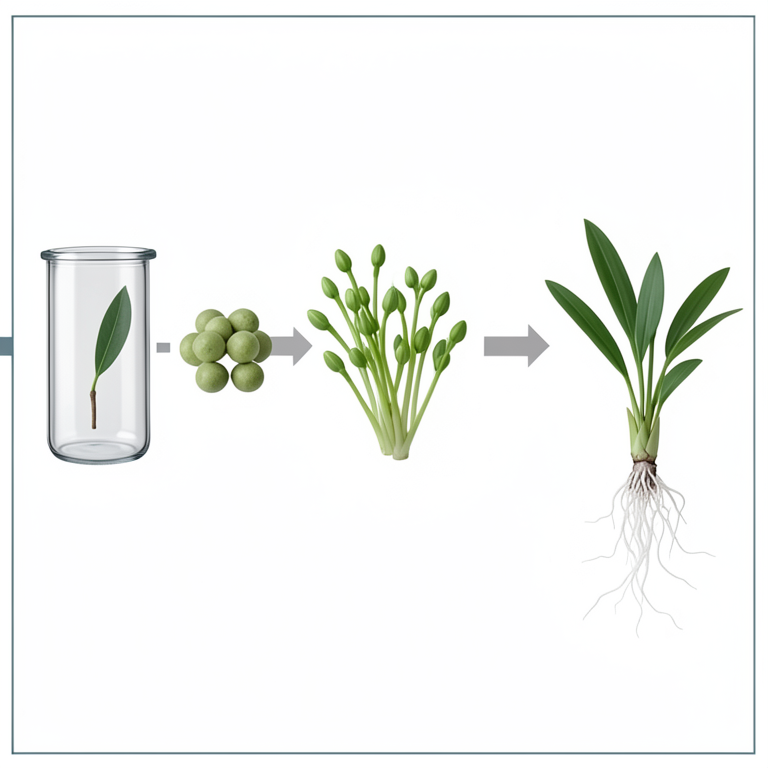
Micropropagation Workflow
AI-generated conceptual illustration (Dendrobium crepidatum orchid). It explains the idea and does not show study data.
View source evidence ↗Figures & tables
From the original paper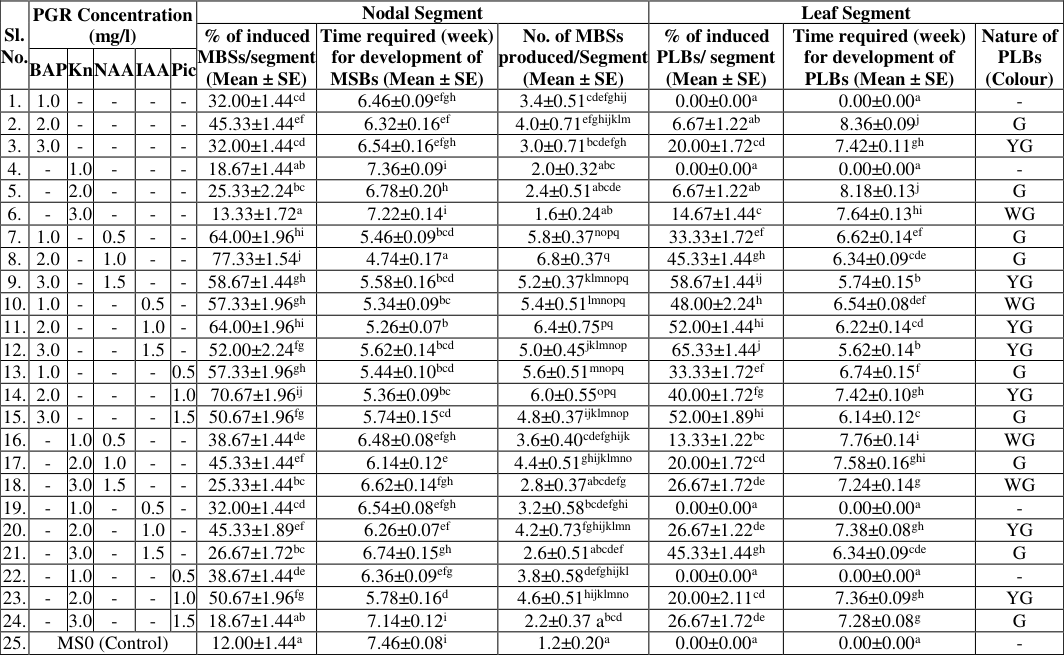 Table 1
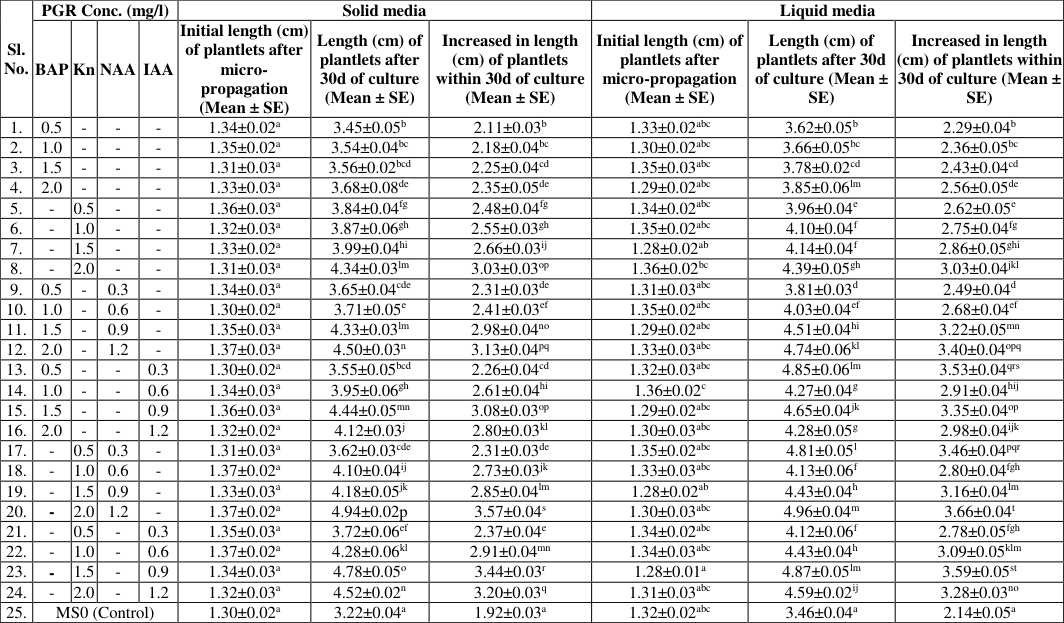 Table 2
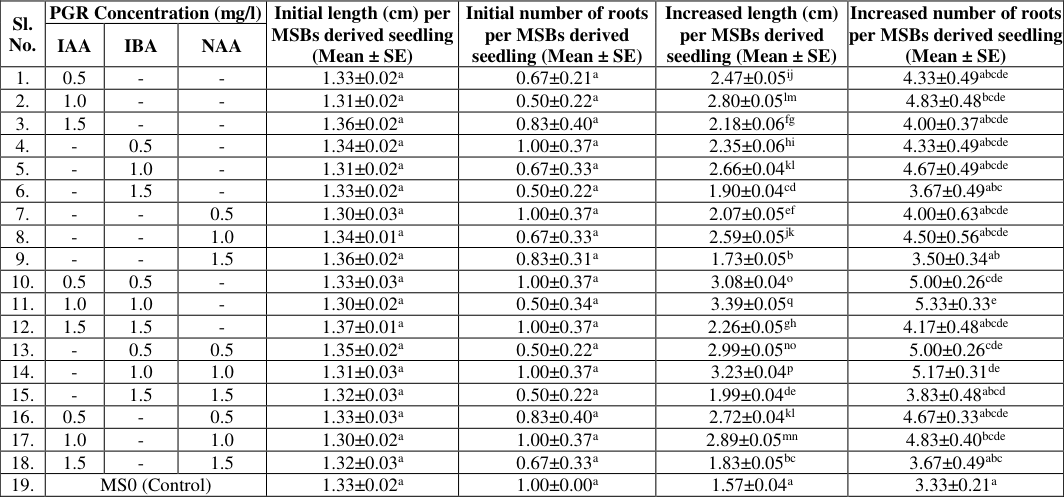 Table 3
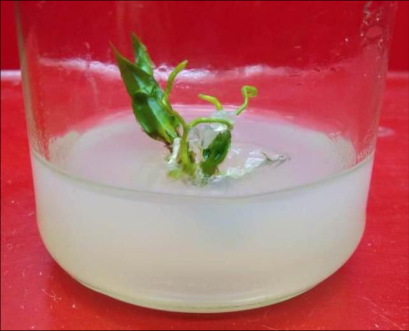 Figure 1
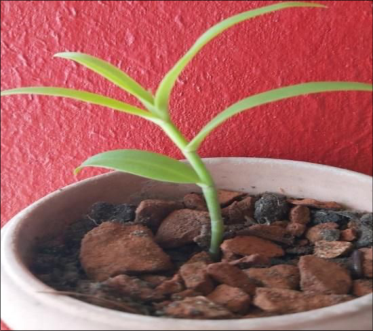 Figure 1
Introduction
Orchidaceae intrigue researchers and environmental enthusiasts because of their wide morphological and functional variety. The Orchidaceae family, which includes species that are terrestrial, saprophytic, and epiphytic, is one of the most widely, distributed groups of flowering plants [1] . More than 28,000 species of orchids in 763 genera have been found worldwide [2] . In addition to being used as food, medicine, and ornamental plants, orchids are also harvested, produced, and traded for a range of other uses. With 360 genera and 8,266 species, tropical America has the highest number of orchids, followed by tropical Asia with 250 genera and 6,800 species [3] . Bangladesh is also abundant in orchids, with 177 species under 70 genera [4] . The hilly regions of greater Sylhet, Chattogram, and Mymensingh districts are where these species are primarily found [5] . Due to the alarming rate at which their natural populations are disappearing, the conservation of orchids is becoming an issue of global concern. In vitro technologies have a significant impact on the development of sustainable conservation strategies for orchids [6] . For orchid propagation and conservation, micropropagation is the most acceptable alternative. Many disease free plantlets can be obtained effectively using micropropagation [7] . Due to the size, ecological diversity, and taxonomical complexity of the genus Dendrobium, it has undergone multiple divisions into sections and sub-sections over time by various workers, as it is considered the second largest group of orchidaceae with 900 species [8] . The majority of Dendrobium species thrive in high, mountainous environments with mild temperatures and high levels of humidity.
Dendrobium crepidatum is an epiphytic orchid widely distributed in south Asia [9] . The species is exclusively found in a small area of Bangladesh, particularly Chittagong Hill Tracts and Cox's Bazar [10] . The plant has lanceolate, acuteapex leaves and white pinkish flowers that bloom in March and April [11] . The species has both decorative and therapeutic significance [12] . Several reports of antitumor activity of the genus Dendrobium have been made to date. The lymphoma growth in vitro is decreased by D. crepidatum ethanolic extracts [13] . The treatment of cancer, diabetes, cataracts, and fever with this species is common in traditional Chinese medicine [14][15] . The older stem of D. crepidatum is used for actions that promote neuroprotection [16] . The paste made from nodal is used to treat broken and dislocated bones [17] . The goal of the current work was to create a dependable, rep eatable, and effective strategy for the bulk multiplication of the commercially demanding Dendrobium crepidatum orchid.
Materials and Methods
Materials and Methods
Explant and culture conditions
In vitro raised plantlets of Dendrobium crepidatum Lindl. and Paxt. were used for micropropagation. Agar (Himedia, India) was boiled until dissolved before being gently mixed with the stock solution of MS [18] medium for preparing agar solidified media. Different plant growth regulators (Merck, Germany) such as 6-Benzyl Amino Purine (BAP), Kinetin (Kn), Picloram (Pic), Napthelene Acetic Acid (NAA), Indole Acetic Acid (IAA) and Indole Butaric Acid (IBA) were freshly prepared. 250 ml culture bottles (Duran, Germany) were poured with 100 ml of the media and autoclaved (HYSC, Korea) at 121 °C for 20 minutes at 15 lb/cm 2 pressure. Prior to gelling with agar, the pH of the medium (Fisons, UK) was adjusted to 5.8 with 0.1N NaOH or HCl, and the culture temperature was kept constant at 25±2 °C. Culture bottles were kept in a culture chamber under 14/10h continuous light and dark conditions, with fluorescent bulbs illuminating the room at 2000-3000 lux and the humidity level maintained between 50-60%. On a weekly basis, the cultures were sub-cultured, and subcultures were consistently monitored.
Micropropagation of nodal and leaf segments
In vitro developed nodal and leaf were sliced into sizes ranging from 0.5 to 1.0 cm using forceps and a sterile surgical blade under a laminar air flow cabinet (HYSC, Korea). After that, the cuttings were placed in a culture vessel containing 0.8% (w/v) agar solidified MS based micropropagation media supplemented with twenty five different concentrations and combinations of PGRs.
Elongation of Multiple Shoot Buds (MSBs)
Elongation media were prepared using full-strength MS solid and liquid media supplemented with 25 types of different concentrations and combinations of PGRS. In solid media, 0.8% (w/v) agar was also used, but no agar was required for liquid media.
Rooting of multiple shoot buds derived seedlings
For the purpose of promoting the development of a robust root system, half strength MS0 with 1.5% (w/v) sucrose, nineteen distinct varieties of 0.8% (w/v) agar solidified MS medium, and three types of auxins (IAA, IBA, and NAA) were utilized.
Hardening and transplantation
Plantlets that were 90 days old, had good roots, and had three to four leaves were chosen for hardening. For the purpose of growing healthy plantlets, a technique of gradual hardening was implemented. In this procedure, cultured vessels were left exposed to natural light for a day after being left open in the culture room for a number of hours. In order to get rid of the agar that was sticking, plantlets were also washed twice with double distilled water. Auxins were used to stimulate ex vitro rooting in plants, and fungicide was applied to the roots. The seedlings of D. crepidatum were transferred to plastic pots containing a potting mixture of sterilized small brick, charcoal pieces and peat moss at a ratio of 1: 1: 0.5 and kept in the green house (at 25-30 °C and RH 60-70%). Transplanted seedlings were watered regularly for about 2-3 months where the seedlings established and grew well.
Computation and presentation of data
The experiments were conducted thrice using 5-6 replicates per treatment. Different strength of basal media with different PGRs combinations were considered to record data on morphogenic responses of explant under different conditions. The data on different parameters were recorded after required days of culture.
Statistical analysis
Experiment was set up as a randomized complete design and all data were prepared with using Microsoft Excel 2013. The data were statistically analyzed, using SPSS software package. ANOVA and mean comparison were carried out by DMRT at 5% level of significance (P=0.05).
Results and Discussion
For rapid micropropagation of Dendrobium crepidatum, nodal and leaf were obtained from in vitro grown seedlings as a source of explants. In the past, several workers, Aktar et al., [19] ; Kauth et al., [20] ; Bhadra and Bhowmik [21] ; Sheelavantmat et al., [22] have also employed in vitro derived explants for micropropagation. The nodal segments were cultured on 0.8% (w/v) agar solidified MS media enriched with various combinations and concentrations of PGRs and developed multiple shoot buds via direct organogenesis (Table 1 and Figures 1a-1b). The effectiveness of a medium was determined by counting the number of shoot buds that each explant generated. The process involves the cytokines BAP and Kn as well as auxins IAA, IBA, NAA, and picloram [19] . The highest number of shoot buds (6.8±0.37 shoot buds/segment) within the minimum time 4.74±0.17 weeks were developed when cultured on 0.8% (w/v) agar solidified MS medium fortified with 2.0 mg/l BAP and 1.0 mg/l NAA followed by 6.4±0.75 shoot buds/segment and 5.26±0.07 weeks on MS medium supplemented with 2.0 mg/l BAP and 1.0 mg/l IAA. The highest rate of multiple shoot buds (MSBs) per segment, which was induced through organogenesis, was obtained on MS medium enriched with 2.0 mg/l BAP and 1.0 mg/l NAA and the rate was 77.33±1.54%. Percentage of induced MSBs/segment and no of MSBs produced/segment in nodal culture revealed that higher efficiency (p<0.05) in 2.0 mg/l BAP + 1.0 mg/l NAA and 2.0 mg/l BAP + 1.0 mg/l IAA combination treatment, whereas the required time for MSBs development, showed significant variation (p<0.05) and was lowest compared to all treatment. Similar outcomes were previously reported in studies on the orchids Geodorum densiflorum by Bhadra and Hossain [23] , Calopogon tuberosus by Kauth et al., [24] , and Calanthe densiflora by Bhowmik and Rahman [25] . In Cymbidium gigantean [26] , Vanda spathulate [27] , and Dendrobium bensoniae [28] , BAP was the most effective for the development of shoot buds. In case of leaf segment among the different combinations tested 3.0 mg/l BAP + 1.5 mg/l IAA took the minimum time (5.62±0.14 wks) for induction of yellowish green PLBs with the highest percentage (66.33%) of response followed by MS media fortified with 3.0 mg/l BAP + 1.5 mg/l NAA (62.67% response and 5.76±0.12 wks time). The leaf segments did not show any response in 1.0 mg/l BAP or 1.0 mg/l Kn or 1.0 mg/l Kn + 0.5 mg/l IAA or 1.0 mg/l Kn + 0.5 mg/l Picloram containing media. Higher effectiveness (p<0.05) showed in 3.0 mg/l BAP + 1.5 mg/l IAA and 3.0 mg/l BAP + 1.5 mg/l NAA combination treatment for PLBs induction of leaf culture. PGRs concentrations for BAP and Kn applied individually showed significant variation (p<0.05) in the induction of PLBs, required time for PLBs development for leaf segment culture. Higher concentration (3.0 mg/l) of Kn and BAP treatment significantly higher (p<0.05) compared to lower concentrations (1.0 mg/l, 2.0 mg/l) for induction of PLBs. Leaf segments proliferated and developed seedlings through PLBs. It has been intended to promote plant regeneration from leaf explants via PLBs in Coelogyne flaccida [29] , Phalaenopsis amabilis [30] , Oncidium flexuosum [31] , Vanilla planifolia [32] . For improving multiple shoot bud elongation, 0.8% (w/v) agar solidified and liquid MS media were made with various concentrations and combinations of PGRs (BAP, Kinetin, NAA, IAA, IBA, and Picloram). The increase in length of the shoot system during 30 days of culture was used to assess the effectiveness of a medium in promoting shoot elongation. The elongation of several shoot buds produced tiny plantlets that were found to benefit from various PGRs combinations and culture conditions (Table 2 and Figures 1c-1d). The lowest results on increased elongation were achieved in MSBs derived plantlets (2.11±0.03 cm and 2.29±0.04 cm) after 30d of culture on 0.5 mg/l BAP supplemented agar solidified MS and liquid MS media respectively. The maximum increased rate of elongation of MSBs raised plantlets (3.66±0.04 cm) was found in liquid MS medium supplemented with 2.0 mg/l Kn and 1.2 mg/l NAA. In the same combinations and concentrations agar solidified MS medium gave almost same results in MSBs derived plantlets (3.57±0.04 cm) followed by 1.5 mg/l Kn and 0.9 mg/l IAA fortified liquid or agar solidified MS medium (3.59±0.05 cm; 3.44±0.03 cm) accordingly. Both solid and liquid MS medium cultured with individual treatment of various concentrations of BAP showed insignificant variation (p<0.05). Lowest concentration (0.5 to 1.0 mg/l) of Kn in liquid condition and highest concentration (1.5 to 2.0 mg/l) of Kn in solidify culture were showed significant variation (p<0.05). In liquid culture, combined effect of BAP and NAA or Kn and NAA in every concentrations were proved significant differences (p<0.05). BAP and IAA fortified agar solidified MS media gave significant deviation (p<0.05). Combined treatment of Kn and IAA in the all concentrations were both solid and liquid culture showed significant variation (p<0.05) for the elongation of MSBs derived shoot buds. From the table data it is clear that, elongation of MSBs derived plantlets was better in liquid medium than solid counterpart. In respect of PGRs the Kn and NAA combinations were better. In Vanda tessellate [33] , the maximum shoot bud elongation (3.75 cm) was noticed in MS medium enriched with 1.5 mg/1 BAP and 0.5 mg/1 NAA. It is apparent that liquid medium facilitated shoot bud elongation more effectively than solidified conditions. For elongation of the shoot bud, MS medium was found to be more effective than PM [34] medium [23,[35][36][37] . The roots of young seedlings cannot develop adequately in the elongation media. For the purpose of promoting the development of a strong and stout rooting system, full strength MS0 (control) and eighteen distinct PGRs (IAA, IBA, and NAA) supplemented MS medium were utilized (Table 3 and Figure 1e). The length and number of roots that emerged from each seedling within 30 days of culture were used to measure the effectiveness of the rooting medium. Shoot bud derived seedlings on MS medium supplemented with 1.0 mg/l IAA and 1.0 mg/l IBA had the greatest increase in length and number of roots (3.39±0.05 cm/shoot bud and 5.33±0.33 no/shoot bud), followed by MS medium supplemented with 1.0 mg/l IBA and 1.0 mg/l NAA (3.23±0.04 cm/shoot bud and 5.17±0.31 no/ shoot bud. In rooting media, increase number of roots per MSBs derived seedlings illustrate the insignificant differences (p<0.05) in different concentrations and combinations of PGRs treatment. Whereas, after 30 days of culture, individual and combined treatment of different PGRs i.e. IAA, IBA, NAA with different concentrations showed that all treatment was significant variation (p<0.05) for increase in length (cm) per MSBs derived seedlings. Similar findings was reported by Islam et al., [38] in Cymbidium finlaysonianum. The impact of IAA or IBA on the induction of roots has been observed in the other species of orchids such as Vanda tessellate [33] , Rhynchostylis retusa [39] and Dendrobium transparens [40][41] . Through several stages of acclimatization, the mature seedlings were moved from the culture room to the outside environment (Figure 1f). Seventy two percent of the seedlings produced in vitro survived and kept growing in pots inside the greenhouse. Finally, they were eventually established in the Orchidarium of the Botanical Garden of Chittagong University. MS0 (Control) 12.00±1.44 a 7.46±0.08 i 1.2±0.20 a 0.00±0.00 a 0.00±0.00 a -Multiple Shoot Buds (MBSs); Protocorm Like Bodies (PLBs); '-' Indicate no response; Greenish PLBs (G), Yellowish Green PLBs (YG), Whitish Green PLBs (WG); Values represent Mean ± SE of each experiment consist of five replicates. Mean values followed by different superscript letters within a column are significantly different at p = 0.05 according to DMRT.
| Sl. No. | PGR Concentration (mg/l) | — | — | Initial length (cm) per MSBs derived seedling (Mean ± SE) | Initial number of roots per MSBs derived seedling (Mean ± SE) | Increased length (cm) per MSBs derived seedling (Mean ± SE) | Increased number of roots per MSBs derived seedling (Mean ± SE) |
|---|---|---|---|---|---|---|---|
| IAA | IBA | NAA | |||||
| 1. | 0.5 | - | - | 1.33±0.02a | 0.67±0.21a | 2.47±0.05ij | 4.33±0.49abcde |
| 2. | 1.0 | - | - | 1.31±0.02a | 0.50±0.22a | 2.80±0.05lm | 4.83±0.48bcde |
| 3. | 1.5 | - | - | 1.36±0.02a | 0.83±0.40a | 2.18±0.06fg | 4.00±0.37abcde |
| 4. | - | 0.5 | - | 1.34±0.02a | 1.00±0.37a | 2.35±0.06hi | 4.33±0.49abcde |
| 5. | - | 1.0 | - | 1.31±0.02a | 0.67±0.33a | 2.66±0.04kl | 4.67±0.49abcde |
| 6. | - | 1.5 | - | 1.33±0.02a | 0.50±0.22a | 1.90±0.04cd | 3.67±0.49abc |
| 7. | - | - | 0.5 | 1.30±0.03a | 1.00±0.37a | 2.07±0.05ef | 4.00±0.63abcde |
| 8. | - | - | 1.0 | 1.34±0.01a | 0.67±0.33a | 2.59±0.05jk | 4.50±0.56abcde |
| 9. | - | - | 1.5 | 1.36±0.02a | 0.83±0.31a | 1.73±0.05b | 3.50±0.34ab |
| 10. | 0.5 | 0.5 | - | 1.33±0.03a | 1.00±0.37a | 3.08±0.04o | 5.00±0.26cde |
| 11. | 1.0 | 1.0 | - | 1.30±0.02a | 0.50±0.34a | 3.39±0.05q | 5.33±0.33e |
| 12. | 1.5 | 1.5 | - | 1.37±0.01a | 1.00±0.37a | 2.26±0.05gh | 4.17±0.48abcde |
| 13. | - | 0.5 | 0.5 | 1.35±0.02a | 0.50±0.22a | 2.99±0.05no | 5.00±0.26cde |
| 14. | - | 1.0 | 1.0 | 1.31±0.03a | 1.00±0.37a | 3.23±0.04p | 5.17±0.31de |
| 15. | - | 1.5 | 1.5 | 1.32±0.03a | 0.50±0.22a | 1.99±0.04de | 3.83±0.48abcd |
| 16. | 0.5 | - | 0.5 | 1.33±0.03a | 0.83±0.40a | 2.72±0.04kl | 4.67±0.33abcde |
| 17. | 1.0 | - | 1.0 | 1.30±0.02a | 1.00±0.37a | 2.89±0.05mn | 4.83±0.40bcde |
| 18. | 1.5 | - | 1.5 | 1.32±0.03a | 0.67±0.33a | 1.83±0.05bc | 3.67±0.49abc |
| 19. | MS0 (Control) | 1.33±0.02a | 1.00±0.00a | 1.57±0.04a | 3.33±0.21a |
Table text extracted from the original PDF; superscript letters are shown inline. The original table image is below.
View original table image
| Sl. No. | PGR Conc. (mg/l) | — | — | — | Solid media | — | — | Liquid media | — | — |
|---|---|---|---|---|---|---|---|---|---|---|
| BAP | Kn | NAA | IAA | Initial length (cm) of plantlets after micro- propagation (Mean ± SE) | Length (cm) of plantlets after 30d of culture (Mean ± SE) | Increased in length (cm) of plantlets within 30d of culture (Mean ± SE) | Initial length (cm) of plantlets after micro-propagation (Mean ± SE) | Length (cm) of plantlets after 30d of culture (Mean ± SE) | Increased in length (cm) of plantlets within 30d of culture (Mean ± SE) | |
| 1. | 0.5 | - | - | - | 1.34±0.02a | 3.45±0.05b | 2.11±0.03b | 1.33±0.02abc | 3.62±0.05b | 2.29±0.04b |
| 2. | 1.0 | - | - | - | 1.35±0.02a | 3.54±0.04bc | 2.18±0.04bc | 1.30±0.02abc | 3.66±0.05bc | 2.36±0.05bc |
| 3. | 1.5 | - | - | - | 1.31±0.03a | 3.56±0.02bcd | 2.25±0.04cd | 1.35±0.03abc | 3.78±0.02cd | 2.43±0.04cd |
| 4. | 2.0 | - | - | - | 1.33±0.03a | 3.68±0.08de | 2.35±0.05de | 1.29±0.02abc | 3.85±0.06lm | 2.56±0.05de |
| 5. | - | 0.5 | - | - | 1.36±0.03a | 3.84±0.04fg | 2.48±0.04fg | 1.34±0.02abc | 3.96±0.04e | 2.62±0.05e |
| 6. | - | 1.0 | - | - | 1.32±0.03a | 3.87±0.06gh | 2.55±0.03gh | 1.35±0.02abc | 4.10±0.04f | 2.75±0.04fg |
| 7. | - | 1.5 | - | - | 1.33±0.02a | 3.99±0.04hi | 2.66±0.03ij | 1.28±0.02ab | 4.14±0.04f | 2.86±0.05ghi |
| 8. | - | 2.0 | - | - | 1.31±0.03a | 4.34±0.03lm | 3.03±0.03op | 1.36±0.02bc | 4.39±0.05gh | 3.03±0.04jkl |
| 9. | 0.5 | - | 0.3 | - | 1.34±0.03a | 3.65±0.04cde | 2.31±0.03de | 1.31±0.03abc | 3.81±0.03d | 2.49±0.04d |
| 10. | 1.0 | - | 0.6 | - | 1.30±0.02a | 3.71±0.05e | 2.41±0.03ef | 1.35±0.02abc | 4.03±0.04ef | 2.68±0.04ef |
| 11. | 1.5 | - | 0.9 | - | 1.35±0.03a | 4.33±0.03lm | 2.98±0.04no | 1.29±0.02abc | 4.51±0.04hi | 3.22±0.05mn |
| 12. | 2.0 | - | 1.2 | - | 1.37±0.03a | 4.50±0.03n | 3.13±0.04pq | 1.33±0.03abc | 4.74±0.06kl | 3.40±0.04opq |
| 13. | 0.5 | - | - | 0.3 | 1.30±0.02a | 3.55±0.05bcd | 2.26±0.04cd | 1.32±0.03abc | 4.85±0.06lm | 3.53±0.04qrs |
| 14. | 1.0 | - | - | 0.6 | 1.34±0.03a | 3.95±0.06gh | 2.61±0.04hi | 1.36±0.02c | 4.27±0.04g | 2.91±0.04hij |
| 15. | 1.5 | - | - | 0.9 | 1.36±0.03a | 4.44±0.05mn | 3.08±0.03op | 1.29±0.02abc | 4.65±0.04jk | 3.35±0.04op |
| 16. | 2.0 | - | - | 1.2 | 1.32±0.02a | 4.12±0.03j | 2.80±0.03kl | 1.30±0.03abc | 4.28±0.05g | 2.98±0.04ijk |
| 17. | - | 0.5 | 0.3 | - | 1.31±0.03a | 3.62±0.03cde | 2.31±0.03de | 1.35±0.02abc | 4.81±0.05l | 3.46±0.04pqr |
| 18. | - | 1.0 | 0.6 | - | 1.37±0.02a | 4.10±0.04ij | 2.73±0.03jk | 1.33±0.03abc | 4.13±0.06f | 2.80±0.04fgh |
| 19. | - | 1.5 | 0.9 | - | 1.33±0.03a | 4.18±0.05jk | 2.85±0.04lm | 1.28±0.02ab | 4.43±0.04h | 3.16±0.04lm |
| 20. | - | 2.0 | 1.2 | - | 1.37±0.02a | 4.94±0.02p | 3.57±0.04s | 1.30±0.03abc | 4.96±0.04m | 3.66±0.04t |
| 21. | - | 0.5 | - | 0.3 | 1.35±0.03a | 3.72±0.06ef | 2.37±0.04e | 1.34±0.02abc | 4.12±0.06f | 2.78±0.05fgh |
| 22. | - | 1.0 | - | 0.6 | 1.37±0.02a | 4.28±0.06kl | 2.91±0.04mn | 1.34±0.03abc | 4.43±0.04h | 3.09±0.05klm |
| 23. | - | 1.5 | - | 0.9 | 1.34±0.03a | 4.78±0.05o | 3.44±0.03r | 1.28±0.01a | 4.87±0.05lm | 3.59±0.05st |
| 24. | - | 2.0 | - | 1.2 | 1.32±0.03a | 4.52±0.02n | 3.20±0.03q | 1.31±0.03abc | 4.59±0.02ij | 3.28±0.03no |
| 25. | MS0 (Control) | 1.30±0.02a | 3.22±0.04a | 1.92±0.03a | 1.32±0.02abc | 3.46±0.04a | 2.14±0.05a |
Table text extracted from the original PDF; superscript letters are shown inline. The original table image is below.
View original table image
| Sl. No. | PGR Concentration (mg/l) | — | — | — | — | Nodal Segment | — | — | Leaf Segment | — | — |
|---|---|---|---|---|---|---|---|---|---|---|---|
| % of induced MBSs/segment (Mean ± SE) | Time required (week) for development of MSBs (Mean ± SE) | No. of MBSs produced/Segment (Mean ± SE) | % of induced PLBs/ segment (Mean ± SE) | Time required (week) for development of PLBs (Mean ± SE) | Nature of PLBs (Colour) | ||||||
| BAP | Kn | NAA | IAA | Pic | |||||||
| 1. | 1.0 | - | - | - | - | 32.00±1.44cd | 6.46±0.09efgh | 3.4±0.51cdefghij | 0.00±0.00a | 0.00±0.00a | - |
| 2. | 2.0 | - | - | - | - | 45.33±1.44ef | 6.32±0.16ef | 4.0±0.71efghijklm | 6.67±1.22ab | 8.36±0.09j | G |
| 3. | 3.0 | - | - | - | - | 32.00±1.44cd | 6.54±0.16efgh | 3.0±0.71bcdefgh | 20.00±1.72cd | 7.42±0.11gh | YG |
| 4. | - | 1.0 | - | - | - | 18.67±1.44ab | 7.36±0.09i | 2.0±0.32abc | 0.00±0.00a | 0.00±0.00a | - |
| 5. | - | 2.0 | - | - | - | 25.33±2.24bc | 6.78±0.20h | 2.4±0.51abcde | 6.67±1.22ab | 8.18±0.13j | G |
| 6. | - | 3.0 | - | - | - | 13.33±1.72a | 7.22±0.14i | 1.6±0.24ab | 14.67±1.44c | 7.64±0.13hi | WG |
| 7. | 1.0 | - | 0.5 | - | - | 64.00±1.96hi | 5.46±0.09bcd | 5.8±0.37nopq | 33.33±1.72ef | 6.62±0.14ef | G |
| 8. | 2.0 | - | 1.0 | - | - | 77.33±1.54j | 4.74±0.17a | 6.8±0.37q | 45.33±1.44gh | 6.34±0.09cde | G |
| 9. | 3.0 | - | 1.5 | - | - | 58.67±1.44gh | 5.58±0.16bcd | 5.2±0.37klmnopq | 58.67±1.44ij | 5.74±0.15b | YG |
| 10. | 1.0 | - | - | 0.5 | - | 57.33±1.96gh | 5.34±0.09bc | 5.4±0.51lmnopq | 48.00±2.24h | 6.54±0.08def | WG |
| 11. | 2.0 | - | - | 1.0 | - | 64.00±1.96hi | 5.26±0.07b | 6.4±0.75pq | 52.00±1.44hi | 6.22±0.14cd | YG |
| 12. | 3.0 | - | - | 1.5 | - | 52.00±2.24fg | 5.62±0.14bcd | 5.0±0.45jklmnop | 65.33±1.44j | 5.62±0.14b | YG |
| 13. | 1.0 | - | - | - | 0.5 | 57.33±1.96gh | 5.44±0.10bcd | 5.6±0.51mnopq | 33.33±1.72ef | 6.74±0.15f | G |
| 14. | 2.0 | - | - | - | 1.0 | 70.67±1.96ij | 5.36±0.09bc | 6.0±0.55opq | 40.00±1.72fg | 7.42±0.10gh | YG |
| 15. | 3.0 | - | - | - | 1.5 | 50.67±1.96fg | 5.74±0.15cd | 4.8±0.37ijklmnop | 52.00±1.89hi | 6.14±0.12c | G |
| 16. | - | 1.0 | 0.5 | - | - | 38.67±1.44de | 6.48±0.08efgh | 3.6±0.40cdefghijk | 13.33±1.22bc | 7.76±0.14i | WG |
| 17. | - | 2.0 | 1.0 | - | - | 45.33±1.44ef | 6.14±0.12e | 4.4±0.51ghijklmno | 20.00±1.72cd | 7.58±0.16ghi | G |
| 18. | - | 3.0 | 1.5 | - | - | 25.33±1.44bc | 6.62±0.14fgh | 2.8±0.37abcdefg | 26.67±1.72de | 7.24±0.14g | WG |
| 19. | - | 1.0 | - | 0.5 | - | 32.00±1.44cd | 6.54±0.08efgh | 3.2±0.58bcdefghi | 0.00±0.00a | 0.00±0.00a | - |
| 20. | - | 2.0 | - | 1.0 | - | 45.33±1.89ef | 6.26±0.07ef | 4.2±0.73fghijklmn | 26.67±1.22de | 7.38±0.08gh | YG |
| 21. | - | 3.0 | - | 1.5 | - | 26.67±1.72bc | 6.74±0.15gh | 2.6±0.51abcdef | 45.33±1.44gh | 6.34±0.09cde | G |
| 22. | - | 1.0 | - | - | 0.5 | 38.67±1.44de | 6.36±0.09efg | 3.8±0.58defghijkl | 0.00±0.00a | 0.00±0.00a | - |
| 23. | - | 2.0 | - | - | 1.0 | 50.67±1.96fg | 5.78±0.16d | 4.6±0.51hijklmno | 20.00±2.11cd | 7.36±0.09gh | YG |
| 24. | - | 3.0 | - | - | 1.5 | 18.67±1.44ab | 7.14±0.12i | 2.2±0.37 abcd | 26.67±1.72de | 7.28±0.08g | G |
| 25. | MS0 (Control) | 12.00±1.44a | 7.46±0.08i | 1.2±0.20a | 0.00±0.00a | 0.00±0.00a | - |
Table text extracted from the original PDF; superscript letters are shown inline. The original table image is below.
View original table image
Conclusion
The findings imply that the combined effect of PGRs is more effective for the growth of multiple shoot buds and the extension of individual shoot bud. Leaf segment embryogenesis produces a large number of PLBs, which aids in enhancing the amount of seedlings. Liquid conditions promoted shoot elongation more effectively than their solid counterparts when comparing the effectiveness in terms of increasing plantlets. When it came to inducing well-developed roots, auxin-supplemented MS performed better than full strength MS0 media.
Acknowledgement
AcknowledgementThe authors are thankful to Research and Publication Cell, University of Chittagong, Chattogram-4331, Bangladesh for financial support to complete the research work. The authors also grateful to Plant Tissue Culture and Biotechnology Laboratory, Department of Botany, University of Chittagong, Chattogram-4331, Bangladesh for providing necessary facilities and logistic support for carrying out the study.
Figures and tables from the paper
References
32 in the original paper- Christenhusz MJ, Byng JW. The number of known plants species in the world and its annual increase. Phytotaxa. 2016;261(3):201-217.
- Huda MK. An Updated Enumeration of the family Orchidaceae from Bangladesh. The Journal of the Orchid Society of India. 2007;21(1-2):35-49.
- Alam SS, Kondo K, Tanaka R. A chromosome study of eight orchid species in Bangladesh. La Kromosome. 1993;71(72):2456-2464.
- Bhattacharyya P, Kumaria S, Job N, Tandon P. Phytomolecular profiling and assessment of antioxidant activity within micro propagated plants of Dendrobium thyrsiflorum: A threatened, medicinal orchid. Plant Cell, Tissue and Organ Culture (PCTOC). 2015;122:535-550.
- Rajbhandari KR. Orchids of Nepal: Status, threat and conservation. In Proceedings of the National Workshop on NTFP/MAPs Sector Action Plant Development: Orchid, Kathmandu, Nepal, 9 July 2014; Department of Plant Resources, Ministry of Forest and Soil Conservation and Central Department of Botany, Tribhuvan University: Kathmandu, Nepal; c2014. p. 140.
- Rahman MA, Huda MK, Rashid ME. Orchid species diversity in Bangladesh and their revised nomenclatural updates. Biodiversity Bulletin Bangladesh. 2017;10(1):1-70.
- Prasad R, Koch B. In vitro anticancer activities of Ethanolic extracts of Dendrobium crepidatum and Dendrobium chrysanthum against T-cell lymphoma. Journal of Cytology and Histology. 2016;7(432):10-4172. DOI:10.4172/2157-7099.1000432
- Lam Y, Ng TB, Yao RM, Shi J, Xu K, Sze SCW, et al. Evaluation of chemical constituents and important mechanism of pharmacological biology in Dendrobium plants. Evid-Based Compliment. Alternative Medicine; c2015. DOI: 10.1155/2015/841752
- Xue Z, Li S, Wang S, Wang Y, Yang Y, Shi J, et al. Mono-, Bi-, and triphenanthrenes from the tubers of Cremastra appendiculata. Journal of Natural Products. 2006;69(6):907-913.
- Cheng BL, Wang C, Fan WW, Dong Fa, Wu, Xu FQ, et al. Chemical components of Dendrobium crepidatum and their natural products and bio prospecting neurite outgrowth enhancing activities. Natural Products and Bioprospecting. 2013;3(1):70-73.
- Pant B. Medicinal orchids and their uses: Tissue culture a potential alternative for conservation. African Journal of Plant Science. 2013;7(10):448-467.
- Murashige T, Skoog F. A revised medium for rapid growth and bio assays with tobacco tissue cultures. Physiologia Plantarum. 1962;15(3):473-497.
- Aktar S, Nasiruddin KM, Hossain K. Effects of different media and organic additives interaction on in vitro regeneration of Dendrobium. Journal of Agriculture and Rural Development. 2008;6(1-2):6974.
- Kauth PJ, Vendrame WA, Kane ME. Micropropagation of Calopogon tuberosus, a native terrestrial orchid, by shoot production from corm explants. In vitro, Cell Development Biology. 2006;42(1):23-23.
- Bhadra SK, Bhowmik TK. Axenic germination of seeds and rhizome-based micropropagation of an orchid Arundina graminifolia (D. Don) Hochr. Bangladesh Journal of Botany. 2005;34(2):59-64.
- Sheelavantmath SS, Murthy HN, Pyati AN, Kumer HGA, Ravishankar BV. In vitro propagation of the endangered orchid, Geodorum densiflorum (Lam). Schltr. through rhizome section culture. Plant Cell, Tissue and Organ Culture. 2000;60(2):151-154.
- Scheltr. An endangered orchid species. Plant Tissue Culture. 2003;13(2):165-171.
- Kauth PJ, Vendrame WA, Kane ME. Micropropagation of Calopogon tuberosus, a native terrestrial orchid, by shoot production from corm explants. In vitro Cell Dev. Biol. 2006;42(1):23-23.
- Bhowmik TK, Rahman MM. In vitro seed germination and rhizome based micropropagation of Calanthe densiflora Lindl: An indigenous terrestrial orchid of Bangladesh. International Journal of Botany Studies. 2017;2(1):110-116.
- Hossain MM, Sharma M, Teixeira da SJA, Pathak P. Seed germination and tissue culture of Cymbidium giganteum Wall ex Lindl. Scientia Horticulturae. 2010;123(4):479-487.
- Decruse SW, Gangaprasad A, Seeni S, Menon VS. Micropropagation and ecorestoration of Vanda spathulata, an exquisite orchid. Plant Cell, Tissue and Organ Culture. 2003;72(2):199-202.
- Kalyan KD, Sil S. Protocorm-like bodies and plant regeneration from foliar explants of Coelogyne flaccida, a horticulturally and medicinally important endangered orchid of eastern Himalaya. Lankesteriana. 2015;15(2):151-158.
- Chen JT, Chang WC. Direct somatic embryogenesis and plant regeneration from leaf explants of Phalaenopsis amabilis. Biologia Plantarum. 2006;50(2):169-173.
- Mayer JLS, Stancato GC, Appezzato-Da-Glória B. Direct regeneration of protocorm-like bodies (PLB) from leaf apices of Oncidium flexuosum Sims (Orchidaceae). Plant Cell, Tissue and Organ Culture. 2010;103(3):411-416.
- Tan BC, Chin CF, Alderson P. Optimization of plantlet regeneration from leaf and nodal derived callus of Vanilla planifolia Andrews. Plant Cell, Tissue and Organ Culture. 2011;105(3):457-463.
- Bhattacharjee B, Islam SS. Effects of plant growth regulators on multiple shoot induction in Vanda tessellata (Roxb.) Hook. Ex G. Don an endangered medicinal orchid. International Journal of Natural Sciences. 2014;5(4):707-712.
- Barua AK, Bhadra SK. In vitro micropropagation of Cymbidium aloifolium SW. and Spathoglottis plicata Bl. Plant Tissue Culture and Biotechnology. 1999;9(2):133-140.
- Hoque MI, Roy AR, Sarker RH, Haque MM. Micropropagation of Cymbidium bicolor through in vitro. Plant Tissue Culture and Biotechnology. 1994;4(1):45-51.
- Islam SMS, Islam T, Bhattacharjee B, Mondal TK, Subramaniam S. In vitro pseudobulb based micropropagation for mass development of Cymbidium finlaysonianum Lindl. Emirates Journal of Food and Agriculture. 2015;27(6):469-474.
- Bhattacharjee B, Islam SMS. The Effect of PGRs on in vitro development of protocorms, regeneration and mass multiplication derived from immature seeds of Rhynchostylis retusa (L.) Blume. Global Journal of Biochemistry and Biotechnology. 2015;4(1):121-127.
- Sunitibala H, Kishor R. Micropropagation of Dendrobium transparens L. from axenic pseudobulb segments. Indian Journal Biotech. 2009;8:448-452.
- Julkiflee AL, Uddain J, Subramaniam S. Efficient micropropagation of Dendrobium sonia-28 for rapid PLBs proliferation. Emir. Journal Food Agriculture. 2014;26(6):545-551.
Cited by 6
From OpenAlex, OpenCitations and reference lists read by Scinovex
- Insect pollinator diversity and visitation frequency on epiphytic orchid Dendrobium crepidatum in subtropical forest ecosystems of Bangladesh ↗
Shariful Hasan Bhuiyan, Fatema Akter Khatun, Rezaul Haque Karim · Zoological and Entomological Letters · 2026
Whereas many pollination investigations have centred on terrestrial flowering plants, far fewer records exist for epiphytic orchids that depend entirely on animal vectors for gene flow. This research examined the insect pollinator assemblage visiting Dendrobium crepidatum Lindl. and Paxt. in two subtropical semi-evergreen forest patches within the Mymensingh district of Bangladesh between March and May 2022. Timed visual counts, pan-trap
- Biochemical profiling of callus and protocorm-like bodies during in vitro propagation of Dendrobium crepidatum lindl. and paxt
Thi Huong Phuong Nguyen, van Duc Minh Tran · International Journal of Advanced Biochemistry Research · 2026
An increasing body of evidence supports the idea that in-vitro culture conditions can reshape the secondary metabolite landscape of orchid tissues, yet few investigations have tracked biochemical shifts across successive developmental stages for threatened epiphytic species. This research examined the phytochemical composition of callus and protocorm-like bodies (PLBs) derived from nodal explants of Dendrobium crepidatum Lindl. And Paxt. And compared them against field-collected mother plant tissues. Explants were cultured on Murashige and Skoog (MS) medium supplemented with varying concentrat
- Molecular characterization and genetic stability assessment of micropropagated Dendrobium crepidatum using RAPD markers ↗
Bambang Wibowo Prasetyo · International Journal of Molecular Biology and Biochemistry · 2025
❝ 0Found by Scinovex - Role of insect fauna in the natural regeneration and pollination ecology of Dendrobium crepidatum Lindl. and Paxt. in Bangladesh ↗
Ariful Mollah Hoque, Nasrin Jahan Begum, Habibur Mondal Rubel · Journal of Entomology and Zoology Studies · 2025
Pollination by insects is widely regarded as a critical bottleneck for the natural regeneration of epiphytic orchids, yet species-level data on pollinator identity, visitation frequency, and reproductive contribution remain scarce for most Dendrobium taxa in South Asia. This research investigated the insect fauna associated with Dendrobium crepidatum Lindl. and Paxt. during two consecutive flowering seasons (2021 and 2022) in a
- Entomofaunal associations with Dendrobium crepidatum (Orchidaceae) and their role in natural pollination in Bangladesh ↗
Nazmul Hossain Chowdhury · Acta Entomology and Zoology · 2025
Epiphytic orchids serve as microhabitats for a wide range of invertebrates, yet the entomofaunal communities linked to individual orchid species in South Asian forests remain poorly catalogued. This research recorded the insect fauna associated with Dendrobium crepidatum Lindl. and Paxt. at two sites in Bangladesh — an urban fringe woodland near Ramna, Dhaka, and a semi-deciduous forest interior at Madhupur,
- Phytochemical screening and biological activity of Dendrobium crepidatum extracts obtained through conventional and in vitro propagation methods ↗
Sunita Kumari Shrestha, Bijay Kumar Thapa · International Journal of Chemical and Biological Sciences · 2025
Dendrobium crepidatum Lindl. and Paxt. is a deciduous epiphytic orchid valued in Nepalese folk medicine for its antipyretic and anti-inflammatory properties, yet systematic comparisons of phytochemical content between wild-collected and tissue-culture-derived material remain limited. This research performed qualitative and quantitative phytochemical screening alongside antioxidant and antimicrobial bioactivity assays on methanolic extracts of D. crepidatum obtained from three source types: wild-collected