
Research article · 2023 · Full text
International Journal of Biology SciencesA review study of the impacts of vitamins and minerals deficiencies on hypothyroidism
Volume 5(2) · Pages 51–55 · DOI: 10.33545/26649926.2023.v5.i2a.172 ↗
Research areasThyroid Disorders and Treatments
Abstract
Author-writtenHypothyroidism is a common endocrine disease, characterized by decreased synthesis of thyroid hormones and leading to several metabolic problems. This review aims to find the relationship between hypothyroidism and deficiency of some vitamins and minerals. We comprehensively analysed the existing literature to find and evaluate studies that evaluated this relationship. The study included an analysis of vitamins B12 and D and some minerals, including iron, selenium, iodine, and zinc. The findings of this review indicate that specific inadequacies may play a role in the onset or progression of hypothyroidism. Vitamin D insufficiency can lead to reduced synthesis of thyroid hormones, therefore affecting the development of thyroid autoimmunity. In addition, insufficient amounts of vitamin B12 have been associated with thyroid dysfunction and alterations in thyroid stimulating hormone (TSH) levels. Iron deficiency affects thyroid hormone synthesis. Whereas, Selenium plays an essential role in the enzymatic processes that are responsible for the metabolism of thyroid hormones. Moreover, zinc and iodine are essential for regulating thyroid hormones, and a deficiency in these minerals can result in disruptions in thyroid gland hormone levels.
Summary
Source-checkedPlain-language reading of the full paper, prepared with AI and checked against the text. Each point links to the authors' own words.
Why it matters
- Hypothyroidism is a frequent endocrine disorder where the thyroid gland does not produce enough hormones, causing various metabolic issues. View evidence ↗
- Low levels of thyroid hormones in the blood lead to a slower metabolism, impaired cholesterol clearance, higher blood cholesterol, and issues with weight gain and lipolysis. View evidence ↗
- The healthy metabolism of thyroid hormones depends on various vitamins, minerals, and trace elements; deficiencies in these can harm thyroid health. View evidence ↗
The question
- The objective of this review is to investigate how deficiencies in specific vitamins and minerals relate to hypothyroidism. View evidence ↗
What they did
- The authors conducted a comprehensive analysis of existing literature to evaluate the relationship between nutrient deficiencies and hypothyroidism. View evidence ↗
- The review specifically analyzed the roles of vitamins B12 and D, as well as the minerals iron, selenium, iodine, and zinc. View evidence ↗
What they found
- Iodine is necessary for producing T3 and T4 hormones; without sufficient iodine, these hormones cannot be produced in adequate amounts, affecting organ growth and development. View evidence ↗
- Selenium is required to convert inactive T4 into active T3, which is critical for maintaining healthy thyroid function. View evidence ↗
- Zinc supports the enzyme 1, 5’-deiodinase, which facilitates the conversion of T4 to the active T3 form. View evidence ↗
- Vitamin D deficiency is correlated with hypothyroidism, thyroid autoimmunity, and the presence of nodules in an enlarged thyroid gland. View evidence ↗
- More than 12% of patients with primary autoimmune hypothyroidism are reported to have an increased risk of pernicious anemia, which is linked to B12 deficiency. View evidence ↗
- Deficiencies in iron can lead to the thyroid gland producing insufficient amounts of hormones. View evidence ↗
- In a cited study of children with selenium deficiency and latent hypothyroidism, clinical signs improved and metabolism normalized after 4 weeks of oral sodium selenite treatment. View evidence ↗
- Hypothyroid patients with low B12 levels experienced significant relief from symptoms within 3 to 6 months of starting B12 treatment. View evidence ↗
What it means
- The authors conclude that there is a positive association between hypothyroidism and deficiencies in several vitamins and minerals. View evidence ↗
- The authors state that more research is needed to firmly establish the potential link between Vitamin B12 insufficiency and hypothyroidism. View evidence ↗
Visual summary
1 visualsIllustrations explain the paper; they do not show study data.
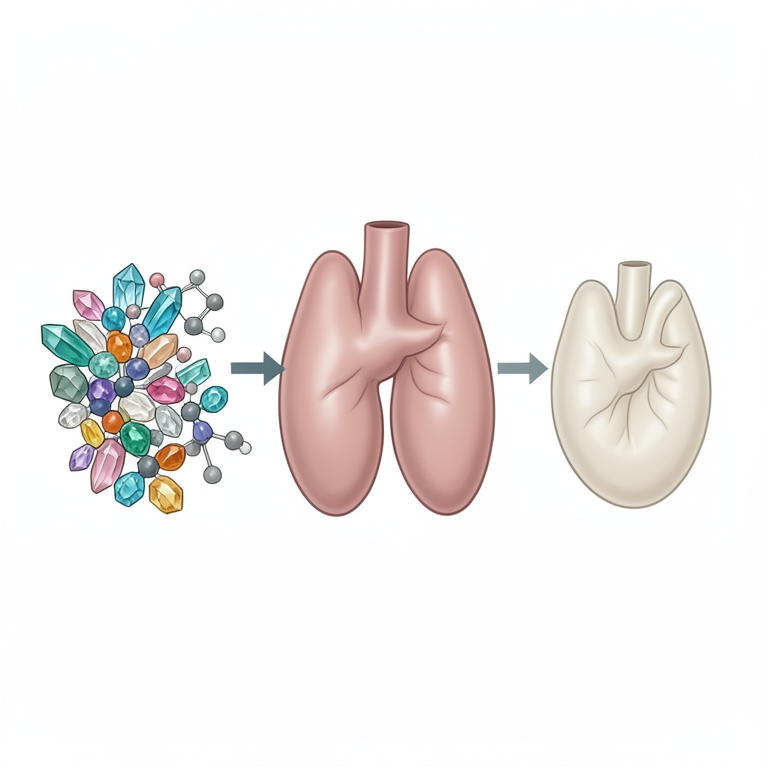
Study overview
AI-generated conceptual illustration (human thyroid gland). It explains the idea and does not show study data.
View source evidence ↗Introduction
Hypothyroidism is a medical syndrome characterized by an insufficient level of thyroid hormones, resulting in a general reduction of metabolic processes. Hypothyroidism is the most widespread thyroid disorder globally [1] . Hypothyroidism is characterized by a reduction in the release of T 4 and T 3 hormones [2] . Hypothyroidism, characterized by reduced amounts of thyroid hormone in the bloodstream, is associated with a decelerated metabolic rate, lipolysis, diminished weight gain, impaired cholesterol clearance, and increased blood cholesterol level [3] .The occurrence of increased secretion of pituitary TSH is a result of decreased levels of T 4 and T 3 [4,5] . There are a variety of factors contributing to the occurrence of hypothyroidism. Several factors can contribute to the development of thyroid disorders. These include previous thyroid surgery, autoimmune thyroiditis, ionizing radiation exposure and chronic thyroid inflammation, sufficient iodine intake, deficiencies in enzymes necessary for thyroid hormone production, and the use of various drugs. Thyroid dysfunction has the potential to disrupt the synthesis of thyroid gland hormone, which is a catabolic hormone that exerts influence over a range of metabolic processes [6] . Hypothyroidism is the early phase of severe hypothyroidism, characterised by a little increase in thyroid-stimulating hormone (TSH) levels in individuals exhibiting a normal level of thyroxin (T 4 ) in their bloodstream [7] . Normal thyroid hormone metabolism requires a number of minerals, vitamins, and trace elements, and deficits in more than one of these may result in a negative effect on thyroid health. A number of biological processes require trace elements despite their low concentrations in the human body. These elements function as activators or inhibitors of enzyme reactions, compete for binding sites with other elements and proteins, and influence cell membrane permeability, so hormone secretion, activity, and target tissue binding are all known processes that can be affected by trace elements. In contrast, hormones affect many different aspects of mineral metabolism, such as excretion and transport [8] . Zinc, iron, manganese, and selenium are all essential elements. Lack of or an excess of some trace elements may result in irreparable effects [9] .
Iodine: Iodine is a crucial element necessary throughout life, especially in fetal life and early development. Iodine levels in the body are directly proportional to the iodine levels in the environment, specifically the water and soil. The hypothalamus, thyroid, pituitary, and blood all play roles in iodine metabolism in the human body [10] . Iodine is an essential micronutrient required for the synthesis of the thyroid hormones triiodothyronine (T 3 ) and thyroxin (T 4 ). These hormones play a major role in the initial growth and development of the majority of organs, but they cannot be produced in suitable amounts if the body does not get enough iodine [11] . Maintaining healthy thyroid function requires consuming an appropriate amount of iodine. The recommended daily allowance for iodine varies by age, gender, and stage of life, and most people are better off getting their iodine from a varied and healthy diet than from supplements [10] , only 5 gm. which is enough to provide a 70-year-old person their entire life [12] . The thyroid gland stores most of the body's iodine (70-80%). The average adult body has 15-20 milligrams of iodine. The thyroid gland typically absorbs around 120 micrograms of iodide every day in order to produce thyroid hormone [13][14][15] . Hypothyroidism is more prevalent in populations with insufficient iodine use compared to those with sufficient use [16] . As a result, a goiter forms when there is not enough iodine, TSH secretion rises, thyroid growth is stimulated, iodine trapping is improved, and T 4 is converted to the more active metabolite T 3 in the thyroid gland. However, the normal thyroid has an auto-regulatory mechanism that can easily deal with an increased iodide burden apart from thyrotropin (TSH) [17] . However, among people who already have thyroid problems, an overabundance of iodine in the diet may have a role in the onset of hypothyroidism. Iodine deficiency or excess can cause or exacerbate autoimmune thyroid illnesses like Hashimoto's thyroiditis in those who are predisposed to them. Most studies have found slight increases in the incidence of thyroid autoimmunity after iodization; whether or not these increases are temporary is unknown [10] . More research is required to understand the causes of iodine-induced subclinical hypothyroidism and its long-term effects.
Selenium: is a trace mineral, meaning the human body needs it but in small amounts. Thyroid hormone metabolism is just one of many physiological processes in which it plays an important role [18] . Selenium is essential for converting the inactive form of thyroid hormone (T 4 ) into the active form (T 3 ), making it an essential mineral for maintaining healthy thyroid function. Selenium is needed as a cofactor by the deiodinase enzyme, which performs this transformation. Insufficient selenium levels may prevent the conversion of T 4 to T 3 , which could lead to lower levels of active thyroid hormones [18] . Additionally, selenium's antioxidant properties help to protect the thyroid gland from oxidative stress and act as free radical scavengers, shielding the thyroid gland from damage [19] . In 1990, research conducted in Central Africa showed that children who were deficient in iodine and selenium were provided with selenium supplements alone. These studies revealed a relation between this insufficiency and a thyroid disorder, resulting in the destruction of the mucosal membrane and the thyroid gland [20] . Since then, scientists have learned more about selenium's role in thyroid metabolism, and some have even proposed using selenium supplements to treat autoimmune thyroid problems [18] . In the study conducted by Pizzulli and Ranjbar [21] , 3 female children exhibited a range of clinical symptoms that could be associated with thyroid function; all three were correctly diagnosed as needing pediatric endocrinology treatment. The only abnormal symptoms found by the lab tests were latent hypothyroidism and a selenium deficit. A pathological iv-TRH stimulation test and a high basal TSHa confirmed the diagnosis of hypothyroidism. The children's metabolisms normalised and all clinical signs significantly improved after 4 weeks of treatment with oral sodium selenite. They were able to provide a definition of hypothyroidism for the first time. Pathophysiology can be described as an insufficiency or excess of human 5 -deiodinases and is brought about solely by selenium deficiency.
Zinc: is an essential trace element that plays a critical role in maintaining healthy thyroid function and homeostasis. It plays a variety of roles, some of which may involve influencing hormone synthesis and action mechanisms [22] . Zinc is important for the enzyme 1, 5' -deiodinase, which stimulates the transformation of biological thyroxine (T 4 ) into its active form triiodothyronine (T 3 ) and decreases metabolism [23] . In addition, it is important to note that the thyroid hormone-binding transcription factor has a vital function in controlling gene expression. This transcription factor also incorporates zinc that are specifically linked to cysteine residues [24] . Multiple forms of thyroid hormone are affected by zinc, including TRH production inhibition and T 4 , TSH, and T 3 suppression. It's also necessary for the conversion of T 4 to T 3 in tissues outside of the thyroid [25,26,27] , and possesses a role in both T 3 binding to the nuclear receptor as well as nuclear receptor DNA binding [28] . Zinc insufficiency has been linked to changes in thyroid function [29] , zinc deficiency induces hypothyroidism and is also induced by hypothyroidism in humans [30] . Several searches have indicated that patients with hypothyroidism have significantly lower zinc levels, including Arora et al. [31] , Baloch et al. [32] , Rashid et al. [33] , Al-Jubouri et al. [34] , Ali et al. [35] , Ginger et al. [36] , and Mohamed et al. [37] . Low zinc absorption in the digestive tract may contribute to the low zinc levels observed in hypothyroidism patients [38] . According to Bellisola [39] , research, this is because TSH plays a crucial role in the fluctuations of iodine, zinc, and selenium concentrations in both normal and abnormal human thyroid disorder. In addition, Low plasma zinc levels are also caused by tubular excretion of Zn [40] .
Vitamin D: The sun's fat-soluble vitamin is called. The primary stimulus for the synthesis of vitamin D is ultraviolet B radiation (290-320) nm [41] . Blood-borne vitamin D is first bound to a D-binding protein, then hydroxylated in the liver to 25(OH) D, and finally transformed to the active metabolite calcitriol or 1, 25 dihydroxy vitamin D (1, 25-(OH)2 D) in the kidney [42] . The most prevalent circulating precursor of active vitamin D is Serum 25 (OH) D, combines the combined contributions from cutaneous synthesis and is generally accepted as the gold standard for gauging vitamin D status. Vitamin D and thyroid hormone are bind to steroid hormone receptors. Researchers have discovered a specific gene located in the Vitamin D receptor that increases the susceptibility to autoimmune thyroid disorders like Hashimoto's thyroiditis and Graves' disease. Therefore, those who suffer from thyroid disorders should learn about the vitamin D system [43] . Vitamin D deficiency affects people of all ages worldwide. Endocrinopathies, such as type 1 and type 2 diabetes, polycystic ovary syndrome, and adrenal disorders, are influenced by vitamin D, and its deficiency is linked to the development of thyroid autoimmune disease [44] . Vitamin D deficiency has been studied to determine whether or not it is a contributing factor in the development of hypothyroidism or merely a symptom of the disease. Research has shown a correlation between hypothyroidism and vitamin D insufficiency, thyroid autoimmunity, an enlarged thyroid gland with nodules and increased blood flow [45] . Experimental research conducted by Richards [46] , on the effects of vitamin D insufficiency on the thyroid gland suggested that low levels of thyroid hormone could result from vitamin D deficiency. Hypothyroidism patients' vitamin D deficiency may have two potential sources. First, insufficient intestinal absorption of vitamin D may contribute to low levels. Second, the body might not be able to fully activate Vitamin D [47] . According to Obaid et al. [48] , Raeef et al [44] and Priya et al. [49] , hypothyroidism patients may be deficient in vitamin D3. In addition, there exists a positive relation between vitamin D and T 4 , and an inverse correlation between vitamin D and TSH concentrations in the blood.
Vitamin B12: Vitamin B12, commonly known as cobalamin, is a water-soluble B vitamin. Cyanocobalamin, methylcobalamin, hydroxocobalamin, and adenosylcobalamin are the four types of vitamin B12. The most common form, cyanocobalamin, must be converted to the two active forms, adenosylcobalamin and methylcobalamin before it can be used by the body. Vitamin B12 is present in all of the body's cells. Energy production, DNA synthesis and control, fatty acid synthesis, and cellular metabolism all require it [50] . The supplementation of thyroid hormone or other thyroid medications is a common treatment for those with hypothyroidism. In terms of therapeutic efficacy, T 3 is more effective than T 4 . Some patients with T 3 deficiency do not improve completely even after receiving replacement therapy. Hypothyroidism is made worse by a lack of vitamin B12. Both deficiencies can be difficult to diagnose, which is unfortunate [51] . Around 3-4% of the population may be deficient in vitamin B12 (Cyanocobalamin) [52] . Primary autoimmune hypothyroidism is associated with an increased risk of pernicious anaemia, which has been reported in over 12% of hypothyroid patients [53] . Vitamin B12 deficiency in hypothyroid patients may be caused by insufficient intake or poor absorption in the intestines due to slow bowel movement, swelling of the colon wall, or increased development of bacteria. Dietary differences between populations may account for observed discrepancies in the prevalence of non-autoimmune causes of B12 insufficiency in hypothyroid people. Multiple studies, including Jabbar et al. [54] , Snow CF et al. [55] , Lewitt et al. [56] , and Ness-Abramov et al. [57] have found that patients with hypothyroidism had significantly lower vitamin B12 levels compared to healthy people. A possible cause for these findings is the presence of autoimmune activity, wherein the body's immune system may be targeting organs other than the thyroid. It can also cause atrophic gastritis by attacking the stomach's parietal cells. A quarter of all occurrences of chronic vitamin B12-deficiency anaemia are attributable to atrophic gastritis. Both iron and vitamin B12 deficiencies are associated with atrophic gastritis [58,59] . Patients with hypothyroidism and B12 deficiency commonly have symptoms such as fatigue, memory impairment, tingling, and numbness. Noticed that some patients still exhibited symptoms despite receiving appropriate thyroxine replacement, and these patients were subsequently identified to be B12 deficient. Patients with hypothyroidism and low B12 levels who began treatment with B12 reported significant symptom relief within 3-6 months [54] .
Iron: Iron is an essential mineral for proper body function. Is a vital ingredient in the production process of thyroid hormones the enzyme thyroid peroxidase (TPO) uses it to create the thyroid hormones thyroxin (T 4 ) and triiodothyronine (T 3 ), hence it is an essential part of the enzyme's structure. Low iron levels may result in insufficient hormone production by the thyroid gland [60] . Research indicates that women with iron-deficient anaemia have lower levels of plasma T 4 and T 3 during normal and cold stress compared with control [61] . As was discussed, hypothyroidism and iron deficiency have inverse effects on metabolic rate. Additionally, iron deficiency may be present in its early stages before anaemia develops. This suggests that correcting both at once is preferable, as a single adjustment may not result in a sufficient reaction [62] . Researchers found an association between hypothyroidism, and B12, folic acid, and iron deficiencies [63] . A growing number of research points to a direct effect of thyroid hormone on human erythropoiesis and increased erythropoietin synthesis [64] . Iron deficiency is a condition characterised by a lack of sufficient iron in the body. The presence of anaemia in conjunction with primary hypothyroidism leads to the development of a hyper adrenergic state. In the case of low levels of both ferritin and iron, the administration of thyroid gland hormone, particularly those containing triiodothyronine (T 3 ), would induce excessive anxiety, necessitating a reversion to the previous lower dosage. Correction of iron deficiency in patients who cannot tolerate thyroxin sodium medication may result in increased tolerance to this treatment [65] . In a [66] study Dahiya et al. [67] and Ravanbod et al. [68] , indicated that hypothyroidism was linked to anaemia. Researchers showed that the average frequency of iron insufficiency was greater than that of iron deficiency anaemia [69] . Measurement of the iron profile is important in patients with primary hypothyroidism since iron insufficiency is common in this case.
Conclusion
A review study found a positive association between several vitamin and mineral insufficiencies and hypothyroidism, a prevalent hormonal disorder. Iodine is an essential vitamin that is necessary for the production of thyroid hormones and is important for prevention. Insufficient selenium levels can induce hypothyroidism, whereas taking supplements can enhance thyroid hormone levels. Inadequate levels of vitamin D may also be a contributing factor to hypothyroidism. Additional research is required to establish a potential association between hypothyroidism and Vitamin B12 insufficiency. Iron insufficiency affects hormone synthesis and metabolism, while zinc lack can impact hypothyroidism. Additional research is necessary to evaluate the influence of different vitamins and minerals on the thyroid gland, as well as determine their mechanism of action
References
62 in the original paper- Kumar DV, Mathur DS, Tuteja DRK. Effects of thyroid dysfunction on lipid profile. International Journal of Medical and Biomedical Studies. 2019;5:76-80.
- Davis LM, Rho JM, Sullivan PG. UCP-mediated free fatty acid uncoupling of isolated cortical mitochondria from fasted animals: correlations to dietary modulations. Epilepsia. 2008;49:117-119.
- Chin KY, Ima-Nirwana S, Mohamed IN, Aminuddin A, Johari MH, Ngah WZW. The relationships between thyroid hormones and thyroid-stimulating hormone with lipid profile in euthyroid men. International Journal of Medical Sciences. 2014;11(4):349.
- Benseñor IM, Goulart AC, Lotufo PA, Menezes PR, Scazufca M. Prevalence of thyroid disorders among older people: Results from the São Paulo Ageing & Health Study. Cadernos de Saude Publica. 2011;27(1):155-161.
- Valeix P, Dos SC, Castetbon K, Bertrais S, Cousty C, Hercberg S. Thyroid hormone levels and thyroid dysfunction of French adults participating in the SU. VI. MAX study. Paper Presented at the Annales D'endocrinologie, 2004;65(6):477-486.
- Peppa M, Betsi G, Dimitriadis G. Lipid abnormalities and cardiometabolic risk in patients with overt and subclinical thyroid disease. Journal of Lipids. 2011;2011:575840.
- Luboshitzky R, Aviv A, Herer P, Lavie L. Risk factors for cardiovascular disease in women with subclinical hypothyroidism. Thyroid. 2002;12(5):421-425.
- Henkin RI. Trace metals in endocrinology. Medical Clinics of North America. 1976;60(4):779-797.
- Siddiqui K, Bawazeer N, Scaria JS. Variation in macro and trace elements in progression of type 2 diabetes. The Scientific World Journal 2014:2014:461591. doi: 10.1155/2014/461591.
- Zimmermann MB, Boelaert K. Iodine deficiency and thyroid disorders. The lancet Diabetes & endocrinology. 2015;3(4):286-295.
- Sethi V, Kapil U. Iodine deficiency and development of brain. The Indian Journal of Paediatrics. 2004;71:325-329.
- Zimmermann MB. Iodine deficiency. Endocrine Reviews. 2009;30(4);376-408.
- Markou K, Georgopoulos N, Kyriazopoulou V, Vagenakis A. Iodine-induced hypothyroidism. Thyroid. 2001;11(5):501-510.
- Drutel A, Archambeaud F, Caron P. Selenium and the thyroid gland: more good news for clinicians. Clinical Endocrinology. 2013;78(2):155-164.
- Lehmann P, Rank P, Hallfeldt KL, Krebs B, Gärtner R. Dose-related influence of sodium selenite on apoptosis in human thyroid follicles in vitro induced by iodine, EGF, TGF-β, and H2 O2. Biological Trace Element Research. 2006;112:119-130.
- Contempre B, JE D, Bebe N, CH T, AT D, Vanderpas J. Effect of selenium supplementation in hypothyroid subjects of an iodine and selenium deficient area: The possible danger of indiscriminate supplementation of iodine-deficient subjects with selenium. The Journal of Clinical Endocrinology & Metabolism. 1991;73(1):213215.
- Pizzulli A, Ranjbar A. Selenium deficiency and hypothyroidism: a new etiology in the differential diagnosis of hypothyroidism in children. Biological Trace Element Research. 2000;77:199-208.
- Ahmed RO, Abdrabo A. Levels of serum zinc and manganese among Sudanese patients with thyroid dysfunction. Journal of Medical and Biological Science Research. 2016;2(2):33-35.
- Aziz MA, Habil NY, Diab AKS. Effectiveness of zinc supplementation in regulating serum hormonal and inflammatory status in hypothyroidism patients. Medical Journal of Babylon, 2016;13(2):347-353.
- Civitareale D, Saiardi A, Falasca P. Purification and characterization of thyroid transcription factor 2. Biochemical Journal. 1994;304(3):981-985.
- Morley JE, Gordon J, Hershman JM. Zinc deficiency, chronic starvation, and hypothalamic-pituitary-thyroid function. The American Journal of Clinical Nutrition. 1980;33(8):1767-1770.
- Pekary A, Bhasin S, Smith V, Sugawara M, Swerdloff R, Hershman J. Thyroid hormone modulation of thyrotrophin-releasing hormone (TRH) and TRH-Gly levels in the male rat reproductive system. Journal of Endocrinology. 1987;114(2):271-277.
- Pekary AE, Lukaski HC, Mena I, Hershman JM. Processing of TRH precursor peptides in rat brain and pituitary is zinc dependent. Peptides. 1991;12(5):10251032.
- Anselmet A, Bismuth J, Torresani J. Triiodothyronine nuclear receptor: Role of histones and dna in hormone binding. Biochimica et Biophysica Acta (BBA)-Gene Structure and Expression. 1983;739(3):291-300.
- Oliver J, Sachan D, Su P, Applehans F. Effects of zinc deficiency on thyroid function. Drug-nutrient interactions, 1987;5(2):113-124.
- Brandão-Neto J, Silva CA, Shuhama T, Silva JA, Oba L. Renal handling of zinc in insulin-dependent diabetes mellitus patients. Biometals. 2001;14:75-80.
- Arora M, Mahat RK, Kumar S, Mustafa I, Sah SP. Study of trace elements in patients of hypothyroidism with special reference to zinc and copper. Biomedical Journal of Scientific & Technical Research. 2018;6(2):5190-5194.
- Baloch S, Memon AR, Hayat AS, Masood N. Evaluation of serum copper and zinc in hypothyroidism patients. Journal of Science and Technology. 2013;3(3):316-318.
- Rashid NF, Abed BA, Abas TA. Relationship between some trace elements, lipid profile and hypothyroidism. Al Mustansiriyah Journal of Pharmaceutical Sciences. 2010;8(2):127-138.
- İham AJ, Rafi AR, Hussein A. Estimation of serum copper, manganese, selenium, and zinc in hypothyroidism patients. European Journal of Biology. 2009;68(2):121126.
- Ali EA, Hussein HKA, Tahssen YH. Estimation of Serum Copper, Manganese, Selenium, and Zinc in Hypothyroid Patients. Journal of the Faculty of Medicine Baghdad. 2008;50(2):255-260.
- Jinger S, Choudhary M, Vyas R. Comparative study of trace elements in healthy controls and hypothyroidism patients in Western Rajasthan. GJRA. 2015;4:157-159.
- Mohammed H, Idrees OF, Ismail AM, Ahmed SA. Evaluation of copper and zinc among hyper and hypothyroidism patients. European Academic Research. 2015;3(5):522-534.
- Yoshida K, Kiso Y, Watanabe T, Kaise K, Kaise N, Itagaki Y, et al. Erythrocyte zinc in hyperthyroidism: reflection of integrated thyroid hormone levels over the previous few months. Metabolism. 1990;39(2):182-186.
- Bellisola G, Brätter P, Cinque G, Francia G, Galassini S, Gawlik D, et al. The TSH-dependent variation of the essential elements iodine, selenium and zinc within human thyroid tissues. Journal of Trace Elements In Medicine and Biology. 1998;12(3):177-182.
- Baltaci AK, Mogulkoc R, Belviranli M. Serum levels of calcium, selenium, magnesium, phosphorus, chromium, copper and iron-their relation to zinc in rats with induced hypothyroidism. Acta Clinica Croatica. 2013;52(2):151156.
- Holick MF. Sunlight and vitamin D for bone health and prevention of autoimmune diseases, cancers, and cardiovascular disease. The American Journal of Clinical Nutrition. 2004;80(6):1678S-1688S.
- Lips, Paul. Vitamin D physiology. Progress in Biophysics and Molecular Biology. 2006;92(1):4-8.
- Raeef AA, Al-Shaabani MJ, Al-Ani SK. The relation between vitamin D insufficiency and thyroid hormones in Iraqi women living in Al-Khalidiya, Anbar Province. Journal of Biotechnology Research Center. 2023;17(1):4554.
- ElRawi HA, Ghanem NS, ElSayed NM, Ali HM, Rashed LA, Mansour MM. Study of vitamin D level and vitamin D receptor polymorphism in hypothyroid Egyptian patients. Journal of thyroid research. 2019;2019:3583250. doi: 10.1155/2019/3583250.
- Ma J, Wu D, Li C, Fan C, Chao N, Liu J, et al. Lower serum 25-hydroxyvitamin D level is associated with 3 types of autoimmune thyroid diseases. Medicine. 2015;94(39):e1639.
- Obaid RM, Yaseen FT, Salim AK. Correlation between vitamin D3 (Cholecalciferol) and thyroid diseases in Iraqi patients. The Annals of Tropical Medicine Public Health. 2020;23(16):231-603.
- Priya R, Cvasudha K, Kalra P. Serum vitamin D levels in primary hypothyroidism. MedPulse-International Medical Journal. 2015;2(12):953-957.
- Allen LH. Vitamin b-12. Advances in Nutrition. 2012;3(1):54-55.
- Ness-Abramof R, Nabriski DA, Shapiro MS, Shenkman L, Shilo L, Weiss E, et al. Prevalence and evaluation of B12 deficiency in patients with autoimmune thyroid disease. The American Journal of the Medical Sciences. 2006;332(3):119-122.
- Herbert V. Vitamin B12 an overview. Vitamin B. 1999;12:1-81.
- Jabbar A, Yawar A, Waseem S, Islam N, Ul Haque N, Zuberi L, et al. Vitamin B12 deficiency common in primary hypothyroidism. Journal of the Pakistan Medical Association. 2008;58(5):258.
- Snow CF. Laboratory diagnosis of vitamin B12 and folate deficiency: A guide for the primary care physician. Archives of Internal Medicine. 1999;159(12):1289-1298.
- Levitt AJ, Joffe RT. Folate, B₁₂ and thyroid function in depression. Biological Psychiatry. 1993;33(1):52-53.
- Ness-Abramof R, Nabriski DA, Shapiro MS, Shenkman L, Shilo L, Weiss E, et al. Prevalence and evaluation of B12 deficiency in patients with autoimmune thyroid disease. The American Journal of the Medical Sciences. 2006;332(3):119-122.
- Hershko C, Patz J, Ronson A. The anemia of achylia gastrica revisited. Blood Cells, Molecules, and Diseases. 2007;39(2):178-183.
- Hershko C, Hoffbrand AV, Keret D, Souroujon M, Maschler I, Monselise Y, et al. Role of autoimmune gastritis, Helicobacter pylori and celiac disease in refractory or unexplained iron deficiency anemia. Haematological. 2005;90(5):585-595.
- Zimmermann MB. The influence of iron status on iodine utilization and thyroid function. Annual Review of Nutrition. 2006;26:367-389.
- Beard JL, Borel M, Derr J. Impaired thermoregulation and thyroid function in iron-deficiency anemia. The American journal of clinical nutrition. 1990;52(5):813-819.
- Banday TH, Bhat SB, Bhat SB, Bashir S, Naveed S. Incipient iron deficiency in primary hypothyroidism. Thyroid Research and Practice. 2018;15(3):138-141.
- Horton L, Coburn R, England J, Himsworth R. The haematology of hypothyroidism. QJM: An International Journal of Medicine. 1976;45(1):101-123.
- Malgor LA, Blanc CC, Klainer E, Irizar SE, Torales P R, et al. Direct effects of thyroid hormones on bone marrow erythroid cells of rats. Blood. 1975;45(5):671-679.
- Shakir KM, Turton D, Aprill BS, Drake III AJ, Eisold RJF. Anemia: A cause of intolerance to thyroxine sodium. Paper presented at the Mayo Clinic Proceedings. 2000;75(2):189-92.
- Bushra, Sangeeta Kapoor and Fozia Jamal. Study of mineral profile in patients with hypothyroidism. Int. J. Adv. Biochem. Res. 2022;6(1):55-60. DOI: 10.33545/26174693.2022.v6.i1a.89
- Dahiya K, Verma M, Dhankhar R, Ghalaut VS, Ghalaut P, Sachdeva A, et al. Thyroid profile and iron metabolism: Mutual relationship in hypothyroidism. Biomedical Research. 2016;27(4):1212-1215.
- Ravanbod M, Asadipooya K, Kalantarhormozi M, Nabipour I, Omrani GR. Treatment of iron-deficiency anemia in patients with subclinical hypothyroidism. The American Journal of Medicine. 2013;126(5):420-424.
- Banday TH, Bhat SB, Bhat SB, Bashir S, Naveed S. Incipient iron deficiency in primary hypothyroidism. Thyroid Research and Practice. 2018;15(3):138-141.