
Research article · 2023 · Full text
International Journal of Advanced Chemistry ResearchAntioxidant activity and LC-MS/MS analysis of phytochemicals in Balanites aegyptiaca L. leaves aqueous extract
Volume 5(2) · Pages 46–51 · DOI: 10.33545/26646781.2023.v5.i2a.158 ↗
Research areasPhytochemical Studies and Bioactivities
Abstract
Author-writtenThe leaves of Balanites aegyptiaca L. plant are use in the form of juice in traditional folk medicines, especially in Africa and Southern Asia, in the form of juice to treat diarrhea, curing anthrax, dysentery, cuts and clean malignant wounds; other parts of the plant have also shown to have their own medicinal activities. The purpose of this analysis study was to the phytochemical composition and in vitro antioxidant activity of aqueous extract of Balanites aegyptiaca L. leaves using qualitative analysis methods and LC-MS/MS analyses. Using DPPH (2, 2-Diphenyl-1-picrylhydrazyl) free radical scavenging assay, the aqueous extract was found to have significant antioxidant activity with an IC50 value 46.60±0.02 μg/mL. A qualitative analysis shows that the Balanites aegyptiaca L. plant leaves contains carbohydrate, protein, amino acids, glycoside, tannins, saponin, flavonoids and phenolic compounds. Bioactive phytochemicals in the extracts were detected by LC-MS/MS analysis and 8 phytochemicals responsible for antioxidant activity were reported. The results obtained in this analysis study indicate that the aqueous extract of Balanites aegyptiaca L. leaves has promising contains of bioactive antioxidant properties for the scavenging of free radicals. For this reason, the plant leaves should contain bioactive components with antioxidant activity, and it is beneficial in the treatment of diseases related to free radicals and in reducing the problems associated with suppressed oxidative stress related complications.
Summary
Source-checkedPlain-language reading of the full paper, prepared with AI and checked against the text. Each point links to the authors' own words.
Why it matters
- Balanites aegyptiaca L. leaves are used in traditional folk medicine in Africa and Southern Asia to treat conditions such as diarrhea, anthrax, dysentery, and malignant wounds. View evidence ↗
- Balanites aegyptiaca L., commonly known as the desert date, is a drought-tolerant perennial tropical evergreen plant from the Zygophyllaceae family. View evidence ↗
- All parts of the Balanites aegyptiaca L. plant contain bioactive phytochemicals that provide various medicinal properties. View evidence ↗
The question
- The study aimed to analyze the phytochemical composition and in vitro antioxidant activity of an aqueous extract from Balanites aegyptiaca L. leaves. View evidence ↗
What they did
- The extract was prepared by macerating 30 g of powdered leaves in 150 mL of aqueous solvent using a magnetic stirrer and a soxhlet apparatus. View evidence ↗
- Antioxidant activity was measured using a UV-spectrophotometer and a DPPH free radical scavenging assay with extract concentrations ranging from 5 to 50 μg/mL. View evidence ↗
- Ascorbic acid served as the standard for comparing antioxidant activity. View evidence ↗
- Phytochemicals were identified using a Waters UPLC-TQD Mass spectrometer (LC-MS/MS) and compared against Metlin, Lipid, and Mass Bank databases. View evidence ↗
What they found
- The leaf extract showed significant antioxidant activity with an IC50 value of 46.60±0.02 μg/mL, although it was less potent than the ascorbic acid standard (IC50 18.11±0.03 μg/mL). View evidence ↗
- At every tested concentration, ascorbic acid demonstrated higher free radical scavenging activity than the aqueous leaf extract. View evidence ↗
- Qualitative analysis confirmed that the leaf extract contains carbohydrates, proteins, amino acids, glycosides, tannins, saponins, flavonoids, and phenolic compounds. View evidence ↗
- LC-MS/MS analysis tentatively identified eight specific phytochemical ingredients in the leaf extract that contribute to its antioxidant activity. View evidence ↗
- The identified phytochemicals include L(-)-Verbenone, Assamsaponin A, and Sphingosine, among others. View evidence ↗
What it means
- The authors conclude that while the leaf extract is less efficient than ascorbic acid, it possesses acceptable antioxidant activity and could be used to develop antioxidant dosage forms. View evidence ↗
- The authors suggest that the leaves of this plant could serve as a natural source of antioxidant agents to help prevent and manage complications caused by oxidative stress. View evidence ↗
Visual summary
2 visualsIllustrations explain the paper; charts are replotted from the paper's own table values.
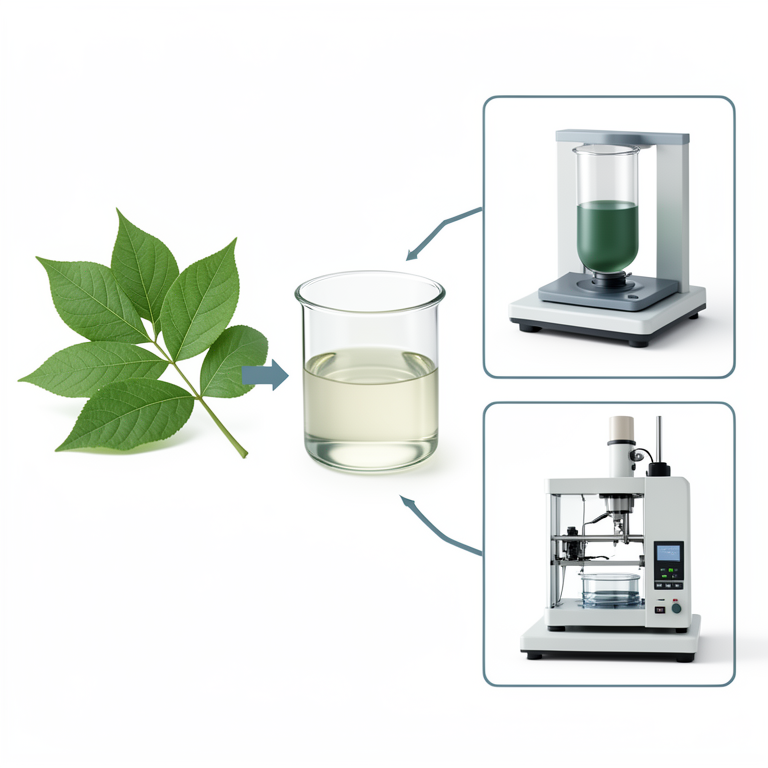
Study Workflow
AI-generated conceptual illustration (Balanites aegyptiaca L. leaves). It explains the idea and does not show study data.
View source evidence ↗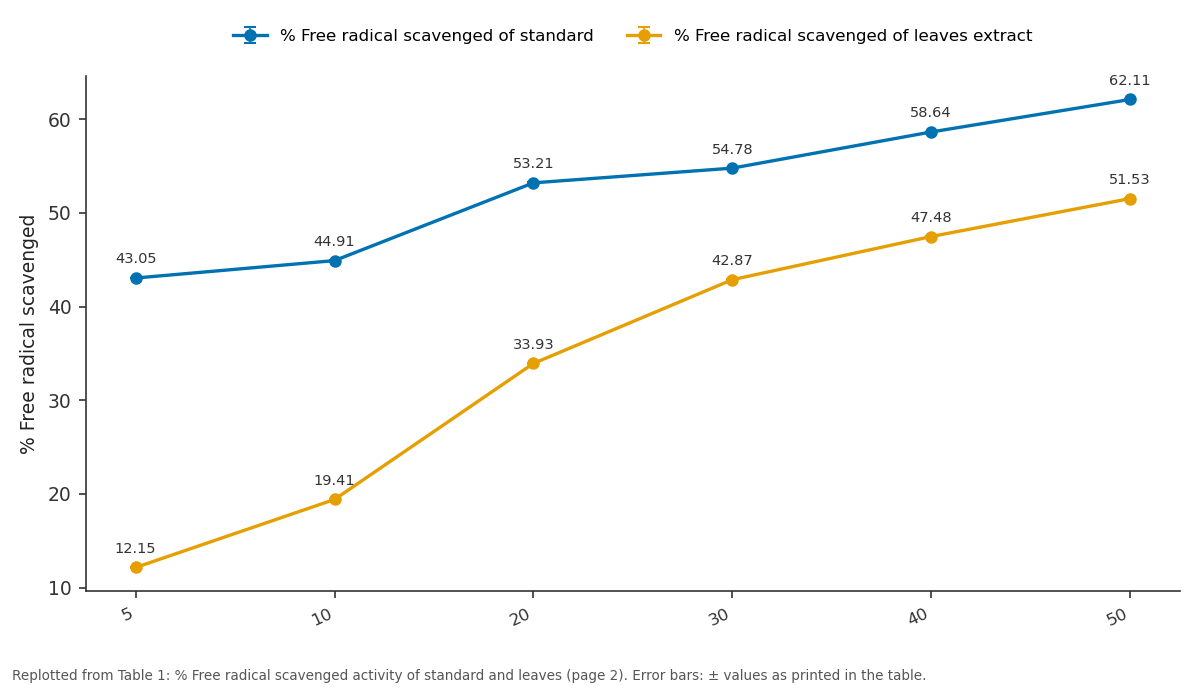
% Free radical scavenged of standard and % Free radical scavenged of leaves extract: 5 vs 10 vs 20 vs 30 vs 40
Replotted from Table 1 (page 2) of the original paper. Every bar is the paper's own table value.
View source evidence ↗Figures & tables
From the original paper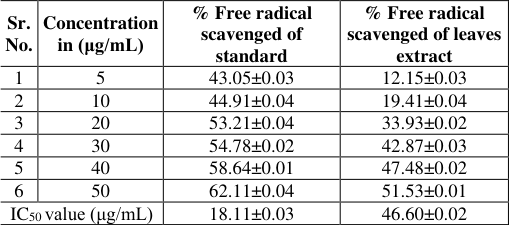 Table 1
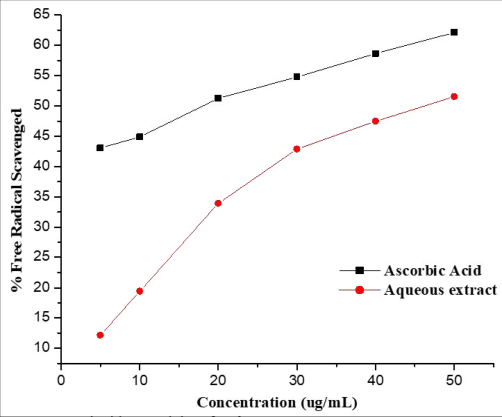 Figure 1
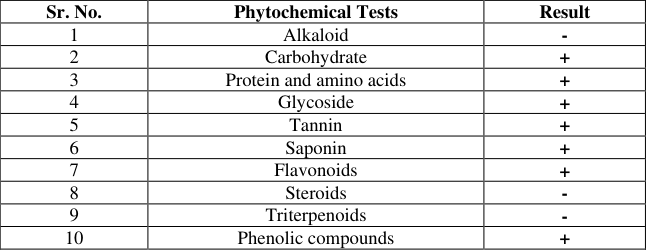 Table 2
 Table 3
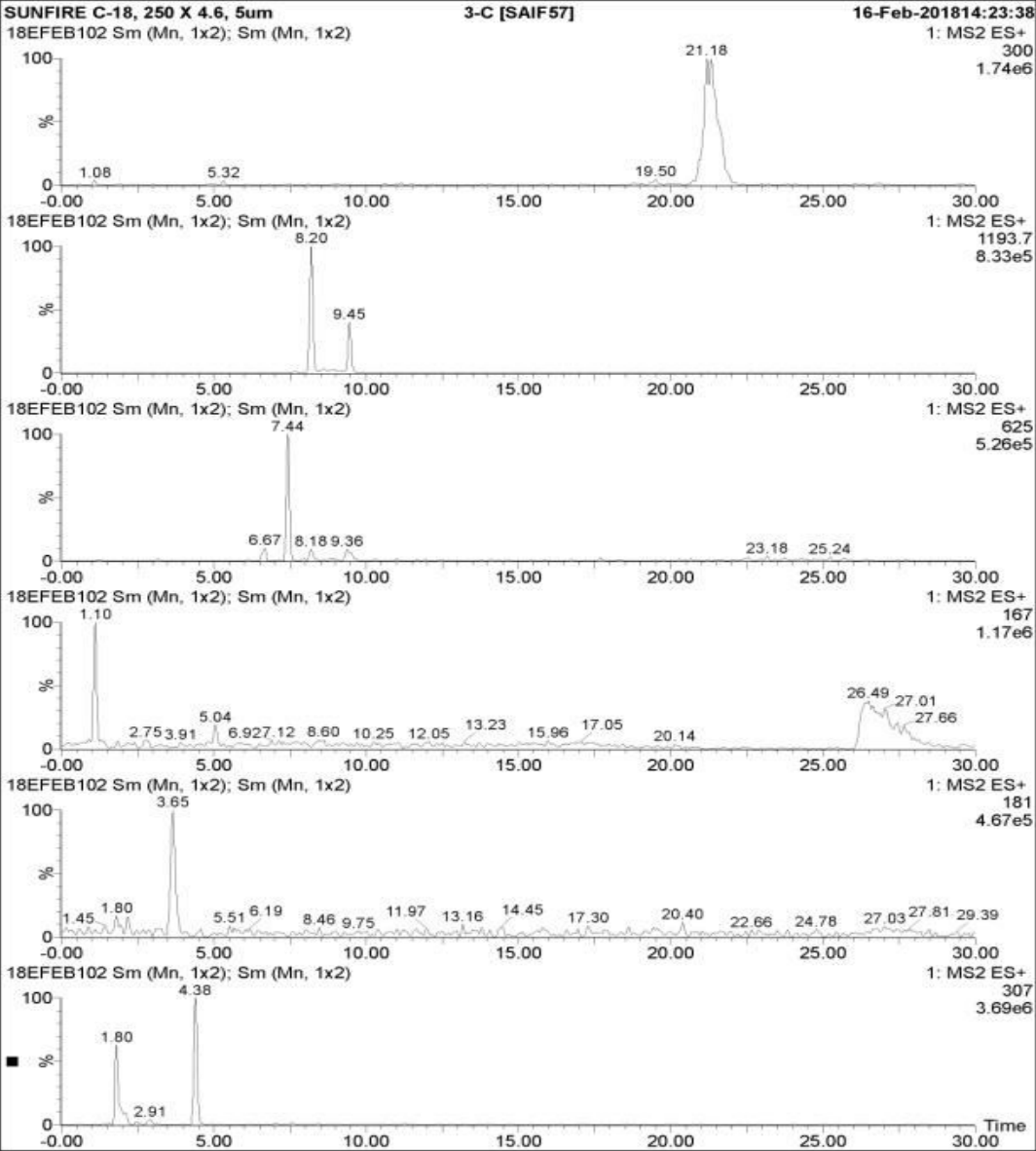 Figure 2
Introduction
Balanites aegyptiaca L. is a drought tolerant perennial tropical ever green plant belongs to family Zygophyllaceae (Balanitaceae) and traditionally known as desert date. The Balanites name originally derived from the Greek word which means fruit resemble acorn [1] and also known by different vernacular names in various countries. It is native to arid and sub arid part of Africa and Middle East especially Arabian Peninsula, but most widely in various parts of Africa and South Asia [2] . Balanites aegyptiaca L. is multipurpose plant used for food and fodder in different regions of Africa and South Asia [3] . Among the various parts of Balanites aegyptiaca L. plant, fleshy pulp of the fruit is eaten and also used as a food, beverage & medicines [4] . All part of Balanites aegyptiaca L. has several bioactive phytochemical contents, which possess miscellaneous medicinal properties by possessing an effect on causes of a reaction or trigger of a response in the living tissue [5] . The bark, fruit and oil of tree have been widely used to treat various disease or disorders such as cancer, tuberculosis, malaria, diabetes, sleeping sickness, wounds, colds, syphilis, liver and spleen disorders, jaundice, yellow fever, snake bite and aches [6,7] . The extract of root bark has been used in diarrhoea, haemorrhoid and also acts as a fish poison [8] . Balanites aegyptiaca L. fruits have various primary and secondary metabolites such as alkaloids, tannins, steroids, glycosides, flavonoids, furanocoumarin, saponins, fixed oil protein, fat, carbohydrates and vitamin C [9] . Along with this it has various electrolytes or minerals such as calcium ions, iron, magnesium, phosphorus, zinc, copper and potassium ions [10] . Though already some traditional information is available about the Balanites aegyptiaca L. plants and review has been intended on various aspects of ethnopharmacology and phytochemistry of Balanites aegyptiaca L. Almost all the parts of Balanites aegyptiaca L. plant are traditionally used in several folk medicines [11,12] . This evaluation study focusses on the antioxidant activity and phytochemicals present in leaf extract of Balanites aegyptiaca L. with beneficial health effects in reducing of oxidative stress related complications.
Materials and Methods
Materials and Methods
Collection of Plant material
Leaves of Balanites aegyptiaca L. plant were collected from local area identified and authenticate with the help of our institute botanists. The collected leaves are cleaned with distilled water to remove dirt and air dried in shade.
Preparation of Extract
The Balanites aegyptiaca L. dried leaves were rushed and powdered with the help of grinder. 30 g of powdered plant material was macerated in 150 mL of aqueous solvent and kept on a magnetic stirrer for stirring and extracted using a soxhlet apparatus sequentially in aqueous solvent. The fraction of extract was collected and solvent was evaporated out to dryness. The extracted material was stored in airtight bottles for further investigation studies.
In vitro antioxidant activity
The in vitro antioxidant activity was evaluated by using stable free radical DPPH (2, 2-diphenyl-1-picrylhydrazyl) with the help of UV-spectrophotometer [13][14][15] . 0.1 mM DPPH stock solution was prepared in ethanol solvent. 1.0 mL of this stock solution was added to 1.0 mL of extract solution in water at different concentrations (5-50 𝜇g/mL) and final volumes were made to 3 mL by adding distilled water. After 20 minutes, the absorbance of each concentrations of test solution was measured at 517 nm. Ascorbic acid was used as standard. The absorbance of the test solutions were decreases with increase in concentration of leaves extract, which confirms presence of free radical scavengers in extracts. Percentage of DPPH free radical scavenges by test solution were measured as % Free Radical Scavenged = (A Control -A Test /A Control ) × 100 IC 50 values were determined by using graphical method.
Phytochemical analysis
The leaves aqueous extract was qualitatively evaluated for the bioactive phytochemical contents reporting such as alkaloids, carbohydrate, protein, amino acids, glycoside, tannins, saponin, flavonoids, steroids, terpenoids and phenolic compounds etc. by the help of standard protocol [16,17] .
LC-MS/MS analysis LC-MS/MS
LC-MS/MS analysis LC-MS/MS
Statistical analysis
The tests were carried out in triplicate and its results expressed in mean ± SD. Values of p<0.05 were considered as statistically significant.
Results and Discussions
In the present evaluation study, the antioxidant potential and phytochemical ingredients content in Balanites aegyptiaca L. leaves aqueous extract was carried out. The experimental data and results of leaves aqueous extract and ascorbic acid as a standard were represents in Table 1. The above, result table-1 shows the percentage of DPPH free radical scavenged activity by leaves aqueous extract and ascorbic acid at different concentrations tested. Leaves extract of Balanites aegyptiaca L. exhibited potential scavenging activity [18] by IC 50 value 46.60±0.02 g/mL and ascorbic acid as a standard 18.11±0.03 g/mL at concentrations ranging from 5g/mL to 50g/mL as shown in fig. 1. In all concentrations of both samples shows DPPH radical scavenging activity. Ascorbic acid scavenging activity was found to be higher than leaves aqueous extract of Balanites aegyptiaca L. at all concentrations. From the current result it may be suggested that the leaves extract of Balanites aegyptiaca L. reduces the DPPH free radical and significantly noted antioxidant activity.
| Sr. No. | Concentration in (μg/mL) | % Free radical scavenged of standard | % Free radical scavenged of leaves extract |
|---|---|---|---|
| 1 | 5 | 43.05±0.03 | 12.15±0.03 |
| 2 | 10 | 44.91±0.04 | 19.41±0.04 |
| 3 | 20 | 53.21±0.04 | 33.93±0.02 |
| 4 | 30 | 54.78±0.02 | 42.87±0.03 |
| 5 | 40 | 58.64±0.01 | 47.48±0.02 |
| 6 | 50 | 62.11±0.04 | 51.53±0.01 |
| IC50 value (μg/mL) | 18.11±0.03 | 46.60±0.02 |
Table text extracted from the original PDF; superscript letters are shown inline. The original table image is below.
View original table image
Phytochemical analysis
The qualitative various phytochemical test analysis of Balanites aegyptiaca L. leaves aqueous extract were showed the presence of carbohydrate, protein, amino acids, glycoside, tannins, saponin, flavonoids and phenolic compounds [19,20] as shown in
LC-MS/MS analysis of aqueous extract
The effective bioactive phytochemical ingredients in Balanites aegyptiaca L. leaves are responsible for potency of antioxidant activity were screened by LC-MS/MS analysis spectral technique. The LC-MS/MS analysis of Balanites aegyptiaca L. leaves aqueous extract was detected phytocompounds intensity peaks chromatogram (BPI and EIC) as shown in fig. 2. The eight phytochemical ingredients [21,22] tentatively detected by LC-MS/MS analysis in leaves aqueous extract of Balanites aegyptiaca L. which contribute to antioxidant activity as shown in above table 3. Phytochemical analysis of Balanites aegyptiaca L. leaves aqueous extract showed different compounds as carbohydrate, protein, amino acids, glycoside, tannins, saponin, flavonoids and phenols, which could be help in the development of a suitable monograph for the plant. The phytochemical compositions investigation of stem bark, kernel and seeds extracts were analysed by gas chromatography-mass spectroscopy (GC-MS) and reported different bioactive contents [23][24][25] with significant pharmacological activities [26][27][28] . The leaves of Balanites aegyptiaca L. is used in curing anthrax, antibacterial, antihelminthic, contraception and to clean malignant wounds. LC-MS/MS analysis using feature-based molecular networks revealed diverse phytochemical ingredients classes viz. carbohydrate, glycoside, tannins, triterpenoids, steroidal, saponins, flavonoids, N-containing metabolites, phenolics, fatty acids and lipids as the constitutive metabolome in Balanites aegyptiaca L., whereas its vegetative parts such as leaves and stem were rich in amino acids and fatty acids. Principal phytochemical ingredients were reported in LC-MS/MS analysis of leaves aqueous extract as L (-)-Verbenone, Na-Benzenolarginine ethylester, 4, 7-Phenanthroline, Na-Benzenolarginine ethylester, 1-(11Z, 14Z-eicosadienoyl)-glycero-3-phospho-(1'-myo-inositol), Assamsaponin-A, 1-[3-(4-tert-butylphenyl)-2-methylpropyl] piperidine and Sphingosine (2-amino-4-octadecene-1, 3-diol [29] . Several research studies demonstrate that extracts and phytochemicals isolated from different parts of Balanites aegyptiaca L. are having rich bioactive contents, which responsible for various pharmacological activities [30] such as antiproliferative, antioxidant [31] , antidiabetic [32] , wound healing, antimicrobial, hepatoprotective, hypocholesterolemic, antiviral, diuretic and insecticidal activity [33] . Fruit pulp extract of Balanites aegyptiaca L. could thus confer neuroprotection through its antioxidant and anticholinesterase activity [34] . The natural health products contain bioactive metabolites and will be used in in vitro studies were clearly indicates as a promising avenue for the prevention of oxidative stress related disorders [35,36] . Similarly, in aqueous extract of leaves also founds polyphenol and flavonoid contents, responsible for the DPPH free radical scavenged activity [37,38] . The dose dependent potential scavenging of free radicals reported by leaves aqueous extract in vitro study [39] . Therefore, Balanites aegyptiaca L. medicinal plant leaves has been used as potent antioxidant source to treat and prevent pathological conditions [40] .
| Peak | R. Time | Name | Base m/z |
|---|---|---|---|
| 1 | 1.08 | L(-)-Verbenone | 151.2 |
| 2 | 1.78 | Na-Benzenol arginine ethylester | 307.4 |
| 3 | 3.65 | 4,7-Phenanthroline | 181.3 |
| 4 | 4.38 | Na-Benzenol arginine ethylester | 307.4 |
| 5 | 7.44 | 1-(11Z,14Z-eicosadienoyl)-glycero-3-phospho-(1'-myo-inositol) | 625.3 |
| 6 | 8.20 | Assamsaponin A | 1193.7 |
| 7 | 9.45 | 1-[3-(4-tert-butylphenyl)-2-methyl-propyl]piperidine | 274.5 |
| 8 | 21.18 | Sphingosine (2-amino-4-octadecene-1, 3-diol | 300.4 |
Table text extracted from the original PDF; superscript letters are shown inline. The original table image is below.
View original table image
Conclusion
These analyses suggest that Balanites aegyptiaca L. leaves aqueous extract has acceptable antioxidant activity, but it has less efficiency than standard ascorbic acid. This indicates that this plant can have great scope of important bioactive antioxidant phytochemical ingredients, which can be formulated to make antioxidant dosage forms. The bioactive phytochemicals were content in the extract reveals important role in potent antioxidant activity. A leaf of Balanites aegyptiaca L. plant could be become a source of natural antioxidant agents responsible for prevent and management of oxidative stress cause complications in humankind. Therefore, these screening studies concluded that Balanites aegyptiaca L. leaves aqueous extract shows in vitro potential antioxidant activity in reducing role of oxidative stress related problems.
Acknowledgement
AcknowledgmentThe authors are acknowledging sincere thanks to Research Institute, Maulana Azad College, Aurangabad, Director, CDRI, Lucknow, HOD and Principal of our college for provided facilities to do this research work.
Figures and tables from the paper
| Sr. No. | Phytochemical Tests | Result |
|---|---|---|
| 1 | Alkaloid | - |
| 2 | Carbohydrate | + |
| 3 | Protein and amino acids | + |
| 4 | Glycoside | + |
| 5 | Tannin | + |
| 6 | Saponin | + |
| 7 | Flavonoids | + |
| 8 | Steroids | - |
| 9 | Triterpenoids | - |
| 10 | Phenolic compounds | + |
Table text extracted from the original PDF; superscript letters are shown inline. The original table image is below.
View original table image
References
38 in the original paper- Gupta SC, Shenoy S, Kotecha M. Pharmacognostical and Phytochemical evaluation of Balanites aegyptiaca Del. Stem Bark. International Research Journal of Pharmacy. 2012;3(7):169-173.
- Al-Thobaiti S, Abu Zeid I. Medicinal properties of desert date plants (Balanites aegyptiaca) an overview. Global Journal of Pharmacology. 2018;12(1):01-12.
- Elseed AMAF, Amin AE, Khadiga Ali AA, Sekene J, Hishinum M, Hamana K. Nutritive evaluation of some fodder tree species during the dry season in Central Sudan. Asian-Australasian Journal Animal Sciences. 2002;15(6):844-850.
- Abdelkarim G, Benaicha N, Elmajdoub M, Hamal A. What is a bioactive compound? A combined definition for a preliminary consensus. International Journal of Nutrition and Food Sciences. 2014;3(3):174-179.
- Al-Thobaiti SA, Abu Zeid IM. Phytochemistry and Pharmaceutical Evaluation of Balanites aegyptiaca: An Overview. Journal of Experimental Biology and Agricultural Sciences. 2018; 6(3):453-465.
- Mohamed Hussain SA, Velusamy S, Muthusamy J. Balanites aegyptiaca (L.) Del. for dermatophytoses: Ascertaining the efficacy and mode of action through experimental and computational approaches. Informatics in Medicine Unlocked. 2019;15:1-15.
- Bukar A, Danfillo I, Adeleke O, Ogunbodede E. Traditional oral health practices among Kanuri women of Borno state Nigeria. Odonto-stomatologie tropicale= Tropical Dental Journal. 2004;27(107):25-31.
- Datti Y, Tijjani YA, Koki IB, Ali UL, Labaran M, Ahmad UU, et al. Phytochemical composition of desert date kernel (Balanites aegyptiaca) and the physical and chemical characteristics of its oil. GSC Biological and Pharmaceutical Sciences. 2020;11(3):197-207.
- Stadlmayr B, Charrondiere U, Eisenwagen S, Jamnadass R, Kehlenbeck K. Nutrient composition of selected indigenous fruits from sub-Saharan Africa. Journal Science of Food and Agriculture. 2013;93(11):2627-2636.
- Yadav JP, Panghal M. Balanites aegyptiaca (L.) del. (Hingot): A review of its traditional uses, phytochemistry and pharmacological properties. International Journal of Green Pharmacy. 2010;4(3):140-146.
- Chothani DL, Vaghasiya HU. A review on Balanites aegyptiaca del (desert date) phytochemical constituents, traditional uses and pharmacological activity. Pharmacognosy Reviews. 2011;5(9):55-62.
- Blois MS. Antioxidant determination by the use of stable free radical. Nature. 1958;181(4617):1199-1200.
- Shendge P, Patil L, Kadam V. In vitro evaluation antioxidant activities of Dillenia Indica Linn. leaf extract. International Journal of Pharmaceutical Sciences and Research. 2011;2(7):1814-1818.
- Gawade B, Fatema S, Gaikwad DD. Phytochemicals and Antioxidant Activity Investigation of Butea monosperma Lam. Leaves Ethanol Extract. To Chemistry Journal. 2020;6:79-84.
- Tiwari P, Kumar B, Kaur M. Phytochemical screening and extraction: A review. Internationale Pharmaceutica Sciencia. 2011;1(1):98-106.
- Gawade B, Farooqui M. Screening of phytochemicals and in vitro antidiabetic activity of Bauhinia racemosa Lam leaves. Asian Journal of Pharmaceutical and Clinical Research. 2018;11(6):190-193.
- Kahsay T, Mulugeta A, Unnithan CR. Antioxidant and antibacterial activities of Balanites aegyptiaca delil from Northern Ethiopia. American Journal of Pharm Tech Research. 2014;4(3):415-422.
- Pharmaceutical, Biological and Chemical Sciences. 2012;3(2):762-768.
- Farooqui M, Gawade B. Investigation of Phytochemical and Alpha Amylase Inhibition Activity of Balanites aegyptiaca (L.) Leaves. Research Journal of Pharmaceutical, Biological and Chemical Sciences. 2018;9(1):459-465.
- Saboo SS, Chavan RW, Tapadiya GG, Khadabadi SS. An important ethnomedicinal plant Balanite aegyptiaca del. American Journal of Ethnomedicine. 2014;1(3):122-128.
- Gawade B, LC-MS/MS investigation of phytochemical ingredients and alpha amylase inhibition activity of Cassia siamea Lam leaves aqueous extracts. Journal of Research in Chemistry. 2023;4(2):85-90.
- Abu Zeid IM, Al-Thobaiti SA, EL Hag GA, Alghamdi SA, Umar A, Ahmed Hamdi OA. Phytochemical and GC-MS Analysis of Bioactive Compounds from Balanites aegyptiaca. Acta Scientific Pharmaceutical Sciences. 2019;3(8):129-134.
- Habieballa AG, Alebead HE, Koko MK, Ibrahim AS, Wady AF. Antimicrobial activity and physicochemical properties of Balanites aegyptiaca seed oil. European Journal of Chemistry. 2021;12(4):450-453.
- Gobara A, Elfade H, Ali A, Komi M, Awad S, Holy I. Antimicrobial Activity and Physicochemical Properties of Sudanese Medicinal Plants Balanites aegyptiaca, Acta Scientific Pharmacology. 2021;2(11):02-06.
- Mutwali IEFA, Abdelgadir S. Phytochemical Screening and Biological Activity of Balanites aegyptiaca Stem Bark. Journal of Chemical and Pharmaceutical Research. 2016;8(4):489-498.
- Shafik NH, Shafek RE, Michael HN, Eskander EF. Phytochemical study and antihyperglycemic effects of Balanites aegyptiaca kernel extract on alloxan induced diabetic male rat. Journal of Chemical and Pharmaceutical Research. 2016;8(3):128-136.
- Gawade B, Shaikh M, Farooqui M. Evaluation of Antioxidant Potential and Phytochemicals of Balanites aegyptiaca (Linn.) Leaf Extract. Asian Journal of Science Technology. 2020;11(11):11336-11340.
- Farag MA, Baky MH, Morgan I, et al. Comparison of Balanites aegyptiaca parts: Metabolome providing insights into plant health benefits and valorization purposes as analyzed using multiplex GC-MS, LC-MS, NMR-based metabolomics, and molecular networking. RSC Advances. 2023;13(31):21471-21493.
- Abuthakir MHS, Hemamalini V, Alahmadi RM, Ahamed A, Hatamleh AA, Abdullah R, et al. Evaluation of Compounds from Balanites aegyptiaca against Squalene Epoxidase of Micropsorum gypseumIn vitro and In silico Studies. Microbiological Research. 2023;14:1264-1278.
- Amadou I, Amadou TI, Oumarou SS, Xiang-Rong C. Biochemical Composition and Sensory Evaluation of Desert Date Flowers (Balanites aegyptiaca Del) Infusion. Current Research in Nutrition and Food Science. 2019;7(3):686-697.
- Gamde SM, Ugwah-Oguejiofor CJ, Garba A, Avwioro GO, Moronkeji A, Jimoh AA. Histologic and Biochemical Effect of Balanite aegyptiaca Fruit Extract on Alloxan-Induced Diabetes in Wistar Rats. Ethiopian Journal of Health Sciences. 2023;33(3):441-450.
- Murthy HN, Yadav GG, Dewir YH, Ibrahim A. Phytochemicals and Biological Activity of Desert Date (Balanites aegyptiaca (L.) Delile). Plants. 2021;10(32):1-22.
- Abdelaziz SM, Lemine FMM, Tfeil HO, Filali-Maltouf A, Boukhary AOMS. Phytochemicals, Antioxidant Activity and Ethnobotanical Uses of Balanites aegyptiaca (L.) Del. Fruits from the Arid Zone of Mauritania, Northwest Africa. Plants. 2020;9(401):115.
- Abou-Elfadl RE, Ahmad ME, Abdel-Magiud MR, Mahdi AA. Comparative Analysis of Bioactive Compounds of Balanites aegyptiaca L. Callus. Egyptian Journal of Chemistry. 2023;66(3):339-349.
- Usman A, Mohammed Y, Muhammed HO, Usman NL, Zakari AH. Phytochemical Screening and Antioxidant Activity of Balanites aegyptiaca Root Bark Extracts: Influence of solvent. Communication in Physical Sciences. 2020;5(2):156-164.
- Keskin A, Aci R, Arı M, Duran U. Cellular senescence, mTOR signaling pathway and polyphenol. Int J Adv Biochem Res. 2023;7(1):1-4. DOI:10.33545/26174693.2022.v6.i2a.155
- Gawade B. Phytochemical screening and antioxidant activity of Balanites aegyptiaca Linn. Leaves aquaethanol extract, International Journal of Chemical Research and Development. 2023;5(2):31-36.
- Meshram RL, Umbarkar SN. Comparative evaluation for in vitro antioxidant activity from Artocarpus heterophyllus Lamk and Balanites aegyptiaca L. International Journal of Pharm Tech Research. 2011;3(4):2006-2010.